

Fungal acne can be a confusing and stubborn skin problem. Many people do not even know they have it until regular acne treatments stop working, or their skin starts to react badly to common products. The truth is, fungal acne—the scientific name is Malassezia folliculitis—is not like regular acne. It needs special care, and choosing the wrong moisturizer can make things worse. If you want a moisturizer for fungal acne that is safe and gentle, you must know which ingredients help, which ones harm, and how to pick the best products. This guide will walk you through everything you need to know about Malassezia-friendly moisturizer options, from science-backed facts to real-world tips and examples.
Understanding Fungal Acne And Malassezia
Fungal acne is not true acne. It is caused by a yeast called Malassezia, which lives on everyone’s skin. Sometimes, this yeast grows too much and infects hair follicles, causing small, itchy bumps that look like pimples. Regular acne treatments often make fungal acne worse, because many contain ingredients that feed Malassezia.
What makes fungal acne unique? First, it can be hard to spot. The bumps are often small, similar in size, and appear on the forehead, chest, back, or shoulders. These bumps can be itchy or feel like a rash. Second, Malassezia loves certain ingredients, especially those in many skin creams and oils.
Non-obvious insight: Even some “oil-free” moisturizers contain esters or polysorbates—ingredients Malassezia can use as fuel. Always check the ingredient list, not just the label claims.
Another key point: Fungal acne may flare up after using antibiotics, being sweaty for long periods, or applying thick creams that trap moisture and heat.
Why Regular Moisturizers Can Make Fungal Acne Worse
A common mistake is reaching for “hydrating” or “rich” moisturizers when your skin feels dry or irritated. Unfortunately, many standard moisturizers contain:
- Fatty acids (e.g., oleic acid, lauric acid)
- Esters (e.g., isopropyl myristate, glyceryl stearate)
- Polysorbates (e.g., polysorbate 20, 60, 80)
- Fermented extracts and some oils
All of these can feed Malassezia, making fungal acne worse. Even “natural” oils like coconut or olive oil are a problem.
Hidden pitfall: Some “non-comedogenic” products are still not safe for fungal acne. Non-comedogenic only means it won’t clog pores, not that it won’t feed Malassezia. Always look for “Malassezia-safe,” “Malassezia-friendly,” or check each ingredient yourself.
What Makes A Moisturizer Malassezia-friendly?
To be safe for fungal acne, a moisturizer must avoid any ingredient that Malassezia can eat or turn into food. The best Malassezia-friendly moisturizers:
- Are free from fatty acids with chain lengths of 11–24 carbons
- Avoid most esters and polysorbates
- Contain humectants (like glycerin, hyaluronic acid) for hydration
- Use lightweight, non-oily formulas
- May include ceramides and niacinamide (these support your skin but do not feed yeast)
Another non-obvious insight: Some silicones, like dimethicone, are safe because Malassezia cannot use them. Silicones can help lock in moisture without being greasy or feeding yeast.
Key Ingredients To Look For (and Avoid)
Safe Ingredients
- Glycerin: Draws water into the skin, lightweight and safe.
- Hyaluronic acid: Hydrates without oil, does not feed Malassezia.
- Urea: Moisturizes and gently exfoliates, yeast cannot use it.
- Niacinamide: Calms inflammation and strengthens the skin barrier.
- Ceramides: Help the skin retain moisture, safe in the right formula.
- Panthenol: Soothes and hydrates, not a yeast food.
- Allantoin: Calms redness, non-comedogenic.
- Centella asiatica extract: Soothes, but check for carrier oils or esters.
- Squalane: Synthetic squalane (not squalene) is usually safe.
Ingredients To Avoid
- Most oils (coconut, olive, soybean, argan, etc.)
- Fatty acids (lauric, myristic, oleic, stearic, palmitic, etc.)
- Esters (isopropyl myristate, glyceryl stearate, etc.)
- Polysorbates (especially 20, 60, 80)
- Fermented ingredients (can feed yeast)
- Shea butter, cocoa butter
Pro tip: Always check ingredient lists, because brands sometimes change their formulas. Even if a product was safe last year, double-check before buying again.
How To Choose A Moisturizer For Fungal Acne
Finding a moisturizer that is truly safe for fungal acne can be challenging. Here’s a practical approach:
- Start Simple: Use products with short ingredient lists. Fewer ingredients mean fewer risks.
- Patch Test: Always try a new product on a small area first, such as your jaw or behind your ear.
- Check for Triggers: Learn to spot unsafe ingredients by name. Save a list on your phone for easy shopping.
- Watch Your Skin: If you notice more bumps, itching, or redness, stop the product immediately.
- Use Online Tools: Sites like Skincarisma or Simple Skincare Science have ingredient checkers for Malassezia-safety.
- Consider Texture: Gel creams and lightweight lotions are usually safer than thick creams.
- Avoid Layering Many Products: The more layers you add, the higher the risk that something will trigger a flare.
Best Malassezia-friendly Moisturizer Options
Let’s look at top picks for moisturizer for fungal acne safe—including why they work, who they suit best, and any special tips.
1. Vanicream Moisturizing Cream
A classic choice for sensitive and fungal acne-prone skin. It contains petrolatum, sorbitol, and hyaluronic acid—none of which feed Malassezia. No fragrances, dyes, or lanolin.
Best for: Very dry, sensitive skin. It’s rich but not greasy. Can be used on face and body.
Tip: Use a small amount. Too much can feel heavy.
2. La Roche-posay Toleriane Sensitive Fluide
A lightweight lotion with glycerin, squalane, and niacinamide. No oils, esters, or polysorbates. It absorbs quickly and is non-sticky.
Best for: Normal to oily skin, or anyone who dislikes heavy creams.
Tip: Works well under sunscreen and makeup.
3. Hada Labo Gokujyun Premium Hyaluronic Acid Lotion
A Japanese favorite. This is a hydrating essence with five types of hyaluronic acid. No oils, esters, or yeast-feeding agents.
Best for: Dehydrated, oily, or combination skin. Layers easily with other products.
Tip: Pat onto damp skin for extra hydration.
4. Cerave Pm Facial Moisturizing Lotion (u.s. Formula)
Contains niacinamide, ceramides, glycerin, and hyaluronic acid. The U.S. formula is Malassezia-safe (the European version contains polysorbate 20—check your bottle).
Best for: Normal to dry skin, barrier repair, or redness.
Tip: Great for nighttime use; can also be used in the morning.
5. Bioderma Atoderm Intensive Baume
A thick balm that hydrates using glycerin, mineral oil, and niacinamide. No esters, no problematic oils.
Best for: Very dry or irritated skin. Safe for eczema-prone skin.
Tip: Can be used on face and body. Start with a small amount.
6. Avene Tolerance Extreme Emulsion
Minimalist formula—only seven ingredients. Contains glycerin and no esters, oils, or polysorbates. Light, non-greasy feel.
Best for: Sensitive, combination, or oily skin.
Tip: Great for those who react to many products.
7. Simple Kind To Skin Hydrating Light Moisturizer
Budget-friendly and widely available. Uses glycerin as the main humectant and avoids esters and oils.
Best for: Oily or combination skin, or anyone on a budget.
Tip: Not very rich—may need extra hydration in dry climates.
8. Etude House Soonjung 10-free Moist Emulsion
A K-beauty option with panthenol, madecassoside, and glycerin. No oils, esters, or polysorbates.
Best for: All skin types, especially sensitive or irritated skin.
Tip: Emulsion texture feels light but hydrates well.
9. Vanicream Lite Lotion
The lighter version of the classic Vanicream. Uses glycerin and squalane, without problematic ingredients.
Best for: Oily, acne-prone, or combination skin.
Tip: Good for layering under sunscreen.
10. Neutrogena Hydro Boost Water Gel (fragrance Free)
Contains glycerin and hyaluronic acid. No oils or esters in the fragrance-free version.
Best for: Oily or combination skin. Absorbs quickly, leaves no residue.
Tip: Always check for the fragrance-free label—other versions contain esters.
11. Sebamed Clear Face Gel
Gel-based, with panthenol, allantoin, and hyaluronic acid. No oils, esters, or polysorbates.
Best for: Oily, acne-prone skin, or as a base layer before a richer moisturizer.
Tip: Can be used as a soothing aftershave.
12. Eucerin Urearepair Plus 5% Urea Lotion
Contains urea and glycerin for hydration and gentle exfoliation. No esters or oils.
Best for: Dry, flaky skin, or for body use.
Tip: Urea can sting if skin is very raw—start slow.
13. Clinique Moisture Surge 100h Auto-replenishing Hydrator
Uses glycerin, aloe vera, and hyaluronic acid. No oils or esters.
Best for: All skin types needing a hydration boost.
Tip: Can be used as a five-minute mask for extra moisture.
14. Eltamd Am Therapy Facial Moisturizer
Contains niacinamide and hyaluronic acid. No oils, esters, or polysorbates.
Best for: Normal to oily, sensitive skin.
Tip: Layers well with sunscreen and makeup.
15. Hada Labo Gokujyun Hydrating Milk
A lightweight Japanese moisturizer with glycerin and hyaluronic acid. No oils or esters.
Best for: Dry, dehydrated, or sensitive skin.
Tip: Good for layering with hydrating toners.
16. Dr. Sam’s Flawless Moisturizer
British-made, with glycerin, squalane, and niacinamide. No esters or Malassezia triggers.
Best for: Those who want a gentle, multitasking moisturizer.
Tip: A little goes a long way; start with a pea-sized amount.
17. Vanicream Ointment
An occlusive option for extreme dryness. Contains petrolatum only—no oils or esters.
Best for: Spot-treating dry patches, lips, or hands.
Tip: Not for all-over use unless skin is very dry.
18. Curel Intensive Moisture Cream (japanese Version)
Contains glycerin and squalane. No esters, oils, or yeast-feeding ingredients.
Best for: Sensitive, dry, or irritated skin.
Tip: Works well as a night cream.
19. Sioris You Look So Young Night Cream
Uses squalane, panthenol, and centella asiatica. No esters or polysorbates.
Best for: Dry, sensitive skin at night.
Tip: Patch test for botanical extracts if you have allergies.
20. Kiku-masamune Sake Skin Lotion (high Moist)
A watery lotion with glycerin and arbutin. No esters, oils, or polysorbates.
Best for: Oily skin or layering with other moisturizers.
Tip: Contains sake extract—generally safe but patch test for sensitivity.

Credit: folliculitisscout.com
Comparing Popular Fungal Acne-safe Moisturizers
To help you choose, here is a comparison of top options by texture, price, and key features.
| Product | Texture | Price Range | Notable Ingredients | Best For |
|---|---|---|---|---|
| Vanicream Moisturizing Cream | Cream | $$ | Petrolatum, Glycerin | Very dry, sensitive skin |
| La Roche-Posay Toleriane Fluide | Lotion | $$$ | Squalane, Niacinamide | Normal to oily, redness-prone skin |
| Hada Labo Premium Lotion | Essence | $$ | Hyaluronic acid | Dehydrated, oily or combo skin |
| Bioderma Atoderm Baume | Balm | $$$ | Niacinamide, Glycerin | Very dry, eczema-prone skin |
| Simple Hydrating Light Moisturizer | Lotion | $ | Glycerin | Oily or budget-conscious users |
How To Build A Malassezia-safe Skincare Routine
A good routine is simple but consistent. Here’s how to fit a fungal acne-safe moisturizer into your daily care:
- Gentle Cleanser: Use a non-stripping, Malassezia-safe cleanser. Avoid foaming cleansers with fatty acids.
- Hydrating Toner or Essence: Optional, but can add lightweight moisture. Look for hyaluronic acid or glycerin.
- Moisturizer: Pick one from the list above. Apply when skin is slightly damp for best results.
- Sunscreen (AM only): Essential, even for fungal acne. Some mineral sunscreens are yeast-safe.
- Treatments (if needed): If using anti-fungal creams (like ketoconazole), apply before moisturizer.
Example Morning Routine:
- Wash face with Vanicream Gentle Cleanser
- Apply Hada Labo Premium Lotion (hydrating essence)
- Use La Roche-Posay Toleriane Sensitive Fluide
- Finish with a Malassezia-safe sunscreen
Example Evening Routine:
- Cleanse skin
- Apply treatment (if prescribed)
- Use Bioderma Atoderm Intensive Baume for deep hydration
Pro tip: Don’t add too many products at once. Introduce one new item every 1–2 weeks so you can spot triggers easily.

Credit: www.amazon.com
Real-world Examples And Success Stories
Many people struggle for years with recurring breakouts, only to find relief after switching to Malassezia-friendly moisturizers. For example, a Reddit user on the r/SkincareAddiction forum shared that after months of “acne” on her forehead, she found out it was fungal acne. She switched to Vanicream Cream and stopped using coconut oil-based products. Within two weeks, her bumps disappeared.
Another case: A college athlete developed itchy bumps on his back after wearing sweaty gear and using a thick body lotion. His dermatologist recommended a simple routine with Hada Labo Lotion and an anti-fungal wash. He noticed improvement in less than a month.
These stories show that the right moisturizer can make a huge difference. But remember—what works for one person may not work for another. Always tailor your routine to your own skin.
Common Mistakes When Choosing A Fungal Acne Safe Moisturizer
Even people who know a lot about skincare can make mistakes. Here are some traps to avoid:
- Trusting “oil-free” claims blindly: Many oil-free products still have esters or fatty alcohols that feed Malassezia.
- Using “natural” oils: Popular oils like coconut, argan, or olive are not safe for fungal acne.
- Ignoring ingredient changes: Brands often reformulate. Check ingredient lists every time you buy.
- Layering too many products: More is not always better. Each extra product adds risk.
- Not patch testing: Even safe formulas can cause irritation or allergy.
- Assuming all versions are the same: For example, CeraVe PM is safe in the U.S., but the European version is not.
How To Read Ingredient Labels For Malassezia Safety
Learning to read ingredient labels can save your skin (and your wallet). Here’s how:
- Identify esters: Look for words ending in -ate (e.g., stearate, isostearate).
- Spot polysorbates: Polysorbate-20, -60, -80 are common triggers.
- Check for fatty acids: Anything with lauric, myristic, palmitic, stearic, or oleic in the name.
- Beware of plant oils and butters: Most are not safe.
- Fermented extracts: Often listed as “ferment” or “lysate.”
If you are not sure, use an online ingredient checker or ask in skincare forums.
Do You Need A Moisturizer At All?
Some people with fungal acne-prone skin wonder if they should skip moisturizer. The answer: it depends. If your skin feels tight, flaky, or irritated, a Malassezia-safe moisturizer can help restore balance and barrier function. If your skin is oily and not dry, you might be able to use just a hydrating toner or essence.
Important: Skipping moisturizer entirely can cause your skin to overproduce oil, which may make fungal acne worse. The key is to choose a lightweight, yeast-safe product—not to avoid moisturizer altogether.
When To See A Dermatologist
If you have tried several Malassezia-friendly moisturizers and your skin is still breaking out, it is time to see a dermatologist. You might need prescription anti-fungal creams or oral medication. Also, if you have severe redness, pain, or spreading rash, get medical advice quickly.
Dermatologists can help you confirm whether your acne is fungal or bacterial, and build a custom treatment plan.
Fungal Acne Safe Moisturizers: Ingredient Quick Reference
Here is a handy summary chart for ingredient safety:
| Ingredient | Safe for Malassezia? | Notes |
|---|---|---|
| Glycerin | Yes | Hydrates, lightweight |
| Hyaluronic Acid | Yes | Draws water in, non-oily |
| Urea | Yes | Hydrates and exfoliates |
| Niacinamide | Yes | Reduces redness |
| Petrolatum | Yes | Occlusive, safe for yeast |
| Polysorbate 80 | No | Feeds Malassezia |
| Coconut Oil | No | High in problematic fatty acids |
| Shea Butter | No | Rich in fatty acids, avoid |
| Dimethicone | Yes | Safe silicone, non-comedogenic |
| Isopropyl Myristate | No | Common ester, avoid |
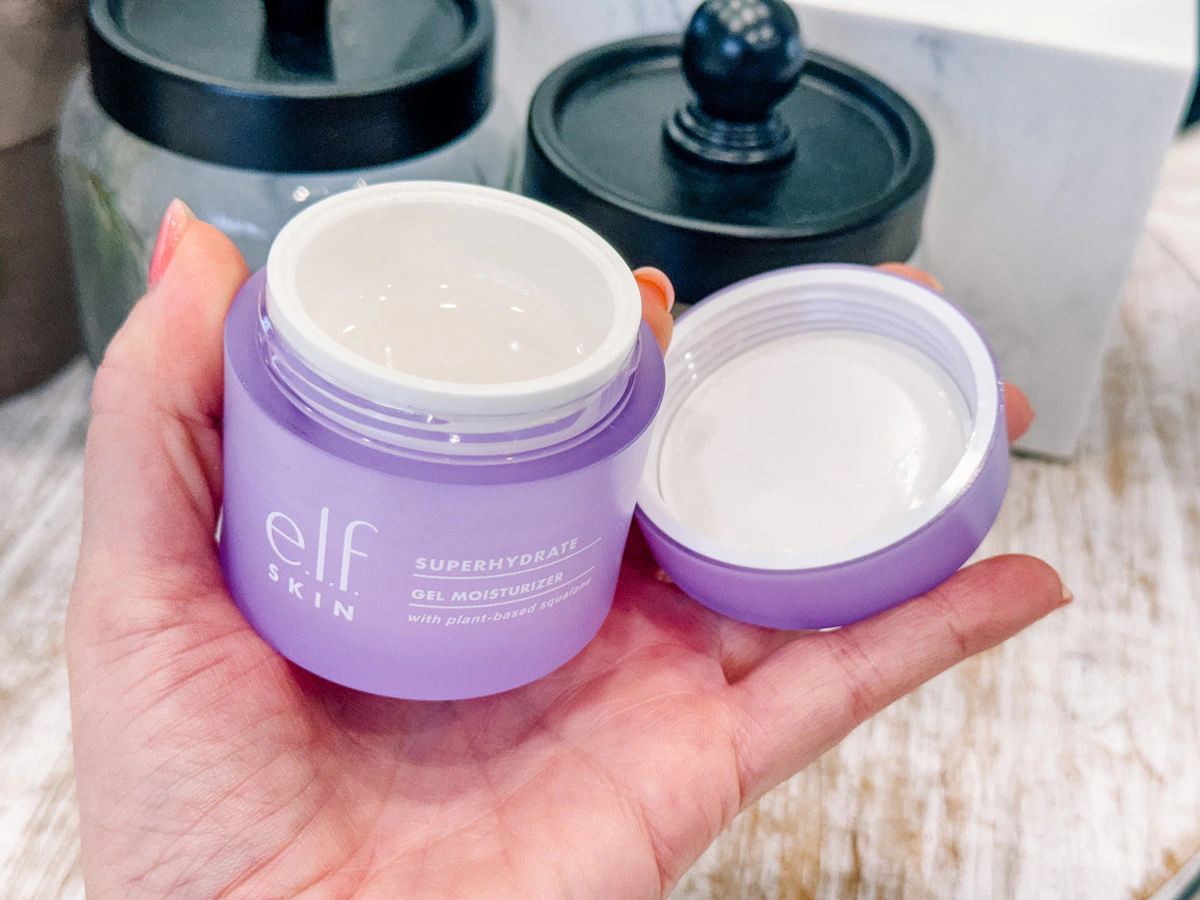
Credit: www.cuisineandtravel.com
Practical Tips For Success
- Keep your routine simple. The fewer products you use, the easier it is to spot triggers.
- Hydrate from within. Drink enough water and eat a balanced diet.
- Wash pillowcases and towels often. Fungal acne can come back if you reuse sweaty linens.
- Shower after sweating. Malassezia thrives in warm, damp environments.
- Be patient. It can take 2–4 weeks to see results after switching to Malassezia-safe products.
- Don’t self-diagnose everything as fungal acne. If in doubt, see a doctor for a proper diagnosis.
Frequently Asked Questions
What Is The Difference Between Fungal Acne And Regular Acne?
Fungal acne is caused by Malassezia yeast, not bacteria. The bumps are usually small, similar in size, and often itchy. Regular acne is caused by clogged pores, oil, and bacteria, and the pimples can be bigger or more varied in size.
How Can I Tell If My Moisturizer Is Malassezia-friendly?
Check the ingredient list for oils, fatty acids, esters, and polysorbates. If you see any, it’s not safe. Use online ingredient checkers or stick to known safe products. Look for labels that say “Malassezia-safe” or “yeast-safe,” but always double-check the ingredients.
Can I Use Face Oils If I Have Fungal Acne?
Most oils are not safe for fungal acne, including natural options like coconut, olive, or argan oil. The only exception is synthetic squalane, which is usually safe because Malassezia cannot use it as food.
Do I Need To Use An Anti-fungal Cream With My Moisturizer?
If your fungal acne is severe or not improving with Malassezia-safe skincare alone, you may need a prescription anti-fungal cream. Always talk to a dermatologist before adding new treatments.
Where Can I Find More Information About Ingredients And Fungal Acne?
A good resource is the Simple Skincare Science blog, which explains Malassezia in detail and has ingredient lists for many popular products.
—
Choosing a moisturizer for fungal acne safe is not always easy, but it makes a big difference in your skin’s health. By understanding which ingredients matter, reading labels carefully, and choosing products wisely, you can keep your skin hydrated without feeding Malassezia. Stick to what works, be patient with your routine, and don’t hesitate to seek professional help if your skin does not improve. Healthy, clear skin is possible—even with fungal acne.