

Intermittent fasting (IF) has gained huge popularity for weight loss and better health. But a question often comes up: does intermittent fasting actually change your skin and hair? Many people hope that eating less often will clear up their skin, slow aging, or even boost hair growth. Others worry that skipping meals might damage their appearance. This article explores all the effects of intermittent fasting on skin quality and hair growth, sharing science, expert views, and real-world advice.
What Is Intermittent Fasting?
Intermittent fasting is not a diet, but an eating pattern. It means cycling between periods of eating and fasting. The most common methods are:
- 16/8 method: Fast for 16 hours, eat during an 8-hour window.
- 5: 2 diet: Eat normally 5 days, restrict calories (500–600) for 2 days.
- Eat-Stop-Eat: 24-hour fast once or twice a week.
During fasting, you do not eat or drink calories, but you can drink water, black coffee, or tea.
This simple change in meal timing helps the body reset. It impacts hormones, metabolism, and even the cells in your skin and hair. IF is flexible, so people can adapt it to their lifestyle. For example, some people skip breakfast, while others stop eating after an early dinner.
The key is to have clear windows for eating and fasting.
An important detail: It’s not about starving yourself. IF works best when you eat enough nutritious food during your eating periods. If you cut too many calories, you risk nutrient deficiencies and stress on your body, which can actually harm your skin and hair.
How Intermittent Fasting Affects The Body
Understanding how IF works inside the body helps explain its effects on skin and hair.
- Cellular repair: Fasting triggers autophagy, a process where cells remove waste and repair themselves. This cellular “clean-up” is like a reset button for your body, clearing out old or damaged cell parts.
- Hormone changes: Insulin drops, growth hormone rises, and inflammation may decrease. Lower insulin means your body is less likely to store fat, and higher growth hormone helps with tissue repair.
- Nutrient use: The body switches from burning sugar to burning fat. This “metabolic switch” can support better energy balance and lower blood sugar spikes.
These changes can impact how your skin looks and how your hair grows. When the body is under less stress from constant eating or sugar spikes, it can focus more energy on repair and regeneration, which benefits your appearance.
A less obvious effect: IF may also improve gut health by giving your digestive system a break, which is important because a healthy gut supports clear skin and strong hair.
Intermittent Fasting And Skin Quality
Skin is a living organ that reflects your overall health. Let’s look at what science and experience say about intermittent fasting’s effects on skin quality.
1. Reduced Inflammation And Acne
Many people struggle with acne and redness caused by inflammation. IF can help reduce inflammation in the body, which may lower breakouts and calm irritated skin.
- Studies show that after fasting, markers of inflammation like C-reactive protein often decrease.
- Lower insulin levels can reduce oil production, which may help with acne.
However, stress from fasting (especially if not done properly) can sometimes worsen acne in sensitive people. Everyone’s skin is different.
A detail that beginners often miss: The improvement in acne or redness is usually not dramatic in the first week. It’s a slow process, and your skin might even get slightly worse before it gets better, as your body adjusts to new hormone levels.
2. Slower Skin Aging
Aging skin shows lines, wrinkles, and loss of elasticity. Fasting may help slow these signs by boosting cellular repair.
- Autophagy removes damaged cell parts, letting new healthy skin cells form.
- Animal studies show fasting can improve skin wound healing and slow aging.
But if you fast too much or eat poorly during eating windows, you might not get enough nutrients for skin repair.
It’s important to know that autophagy mainly happens during longer fasts (16 hours or more), but you still need to balance this with enough food for skin-building nutrients like vitamin C and healthy fats. Over time, if your body is well-nourished, you may notice fewer new wrinkles forming and less sagging.
3. Better Skin Texture And Glow
People often report brighter, clearer skin after starting intermittent fasting. Why?
- Stable blood sugar means fewer spikes in glycation, a process that can damage skin collagen.
- Lower inflammation supports a smoother, less puffy look.
A key insight: The improvement is gradual, not instant. It often takes 2–4 weeks to notice changes, and only if you hydrate well and eat enough nutrients.
Something beginners often overlook: Consistency matters more than perfection. Occasional slip-ups won’t erase your progress, but regular meal timing and hydration give the best chance for glowing skin.
4. Potential Risks: Dryness And Dullness
Not all effects are positive. Fasting can sometimes cause dry skin or a dull look, especially if:
- You do not drink enough water during fasting hours.
- Your diet lacks healthy fats or vitamins.
People with existing skin problems (like eczema) need to be extra careful, as fasting might trigger flare-ups.
A practical tip: If you notice dryness, check if you are drinking enough water and eating foods rich in omega-3 fats (like salmon or walnuts). Adding a humidifier to your room can also help prevent skin dryness, especially in cold or dry climates.
5. Effects On Skin Conditions
Some skin conditions may improve with IF, while others may not. For example:
- Psoriasis: Early research shows possible improvement, but more studies are needed.
- Eczema: Can get worse if fasting causes stress or dehydration.
- Rosacea: May improve if inflammation drops, but can be triggered by hunger stress.
Personal experience matters. Track your own skin changes over several weeks.
A less-known detail: In some cases, people with autoimmune skin conditions have found relief with IF, but it is not a universal cure. Always consult your dermatologist before making big changes.
6. Healing And Recovery
Fasting may help skin heal from cuts, acne scars, or irritation due to improved cell repair. But this only works if you eat enough protein and vitamins during your eating window. Otherwise, healing can slow down.
For example, after a minor cut or a breakout, you might notice faster recovery if your body is well-nourished and you are well-hydrated. However, skipping key nutrients like zinc or vitamin C can make healing slower.
7. Hydration And Skin Health
Hydration is critical. Fasting without enough water often leads to dry, flaky skin. Always drink water throughout the day, not just during eating hours.
Don’t wait until you’re thirsty—set reminders to sip water regularly. You can also include foods with high water content, like cucumbers or watermelon, in your eating window to support skin hydration.
8. Hormonal Balance
Hormones like insulin and cortisol affect the skin. IF can balance insulin and lower chronic inflammation, but in some people, fasting increases cortisol (the stress hormone), which may worsen skin issues.
A common beginner mistake: Ignoring signs of stress, like irritability or trouble sleeping. High stress can show up as more breakouts or rashes, so managing stress through gentle exercise, breathing, or meditation can help.
9. Antioxidant Protection
Fasting can boost the body’s antioxidant defenses, helping protect skin from environmental stress and pollution. This can add to the skin’s natural glow.
For better results, include antioxidant-rich foods like berries, leafy greens, and nuts during your eating windows. Antioxidants help fight “free radicals” that damage skin cells.
Intermittent Fasting And Hair Growth
Many hope that IF will improve hair health—making hair thicker, shinier, or even preventing hair loss. The truth is more complex.
1. The Hair Growth Cycle
Hair grows in cycles:
- Anagen: Growth phase (2–7 years)
- Catagen: Transition phase (2–3 weeks)
- Telogen: Resting phase (2–4 months)
If the body is under stress, more hair can shift to the telogen phase, causing shedding.
Not all hair grows at the same time. It’s normal to lose 50–100 hairs a day, but sudden increases may be a sign of stress or poor nutrition.
2. Potential Benefits: Stronger Hair
Fasting may support hair health if it reduces inflammation and helps nutrient absorption.
- Improved blood sugar control can support hair follicle health.
- Autophagy may clear damaged cells, letting new hair grow better.
Some people report shinier, stronger hair after several months of IF.
A practical example: If you had a scalp condition linked to inflammation (like mild dandruff), you might notice less itchiness and better hair texture after a few weeks of steady IF—especially with a balanced diet.
3. Risks: Hair Loss And Thinning
The biggest concern with IF is hair shedding or thinning. This happens if your body senses stress or if you do not eat enough nutrients.
- Protein, iron, and biotin are critical for hair growth. Missing these during fasting can trigger hair loss.
- Rapid weight loss (from fasting) can also cause telogen effluvium, a temporary hair shedding.
Women are especially sensitive to calorie and nutrient changes.
A detail that surprises many: Hair loss often appears 2–3 months after the stress or diet change, not immediately. If you see more hair in your brush, think back a couple of months to when you started IF or changed your eating habits.
4. Hair And Hormones
Hormones play a big role in hair. IF can improve insulin sensitivity and reduce male hormones (androgens), which may help with hormonal hair loss (like in PCOS). But if fasting increases stress hormones, it can backfire.
A helpful strategy: If you have a known hormone condition, talk to your doctor before starting IF. They can help you monitor changes and adjust your approach.
5. Hair Quality: Shine And Texture
When IF is done properly, hair may become shinier and less oily due to better hormone balance. But this only happens if you get enough healthy fats (like omega-3s) and vitamins.
Don’t overlook scalp care. Massaging your scalp for a few minutes daily can improve circulation and help nutrients reach your hair follicles.
6. Hair Growth Rate
Some people hope IF will speed up hair growth. There is no strong evidence for faster growth, but healthier hair may fall out less and look fuller over time.
A realistic expectation: You may not grow hair faster, but you can make your hair stronger and less likely to break or shed if you support your body with proper nutrients.
7. Scalp Health
IF can reduce inflammation in the scalp, which may help with dandruff or itchy skin. However, dehydration can worsen scalp dryness.
A tip: Use gentle, hydrating shampoos, and avoid harsh styling products if you notice changes in your scalp during IF.

Credit: www.zestige.co.uk
Comparing Intermittent Fasting With Other Diet Approaches
To see how IF stacks up against other diets for skin and hair, look at the differences:
| Diet Type | Skin Effects | Hair Effects |
|---|---|---|
| Intermittent Fasting | Reduces inflammation, may brighten skin | Can support hair if nutrients are adequate, risk of shedding if not |
| Low-Carb/Keto | May improve acne, but can dry skin | Possible hair loss if not enough calories |
| Vegan | Rich in antioxidants, but may lack B12 for skin repair | Hair may thin if protein/B12 are low |
| Standard Diet | Depends on quality; processed foods worsen skin | Often enough calories, but poor nutrition can affect hair |
A non-obvious insight: The quality of your food is more important than the diet label. You can do IF with junk food and see no benefits, or you can follow a vegan diet and still lose hair if you miss key nutrients.
Key Nutrients For Skin And Hair During Intermittent Fasting
Fasting is only as healthy as what you eat between fasts. Certain nutrients are essential for glowing skin and strong hair.
Essential Nutrients
- Protein: Builds skin and hair. Include lean meats, fish, eggs, tofu, or legumes.
- Iron: Prevents hair shedding. Red meat, spinach, lentils.
- Zinc: Supports healing and hair growth. Nuts, seeds, seafood.
- Vitamin C: Needed for collagen and hair strength. Citrus, strawberries, peppers.
- Vitamin A: Cell repair. Sweet potatoes, carrots.
- Biotin: Hair and skin health. Eggs, nuts, whole grains.
- Omega-3 fats: Moisturizes skin, prevents flaky scalp. Fatty fish, flaxseed, walnuts.
You don’t need to eat all these at every meal, but try to include a variety each day. For example, a salad with spinach, walnuts, grilled salmon, and orange slices covers several key nutrients in one meal.
Hydration
- Water is crucial. Aim for at least 2 liters a day.
- Herbal teas and clear broths are good during fasting, as long as they have no calories.
A tip for beginners: Add a pinch of salt to your water if you feel dizzy or tired, as fasting can sometimes lower electrolyte levels.
Common Mistake: Skipping Meals Without Planning
Many people start fasting but do not plan their meals. This can lead to nutrient deficiencies and affect both skin and hair. Always plan your eating window to include a variety of foods.
A good practice: Write a simple meal plan for your eating window and check that you’re covering protein, healthy fats, and colorful vegetables each day.
Intermittent Fasting: Short-term Vs Long-term Effects On Skin And Hair
Some changes happen quickly, while others take time. Here’s a comparison:
| Time Frame | Possible Skin Effects | Possible Hair Effects |
|---|---|---|
| 1–2 weeks | Mild dryness or glow, less puffiness | Usually no change; some may see shedding if calories drop fast |
| 1–3 months | Improved texture, fewer breakouts | Stronger hair if nutrients are balanced; risk of thinning if not |
| 6+ months | Possible anti-aging effects, more even skin tone | Stable, healthy hair growth if diet is good |
A small note: If you start to see negative changes after a few months (more hair loss or dry skin), review your food intake and fasting schedule, as long-term deficiency can creep up slowly.
Practical Tips For Healthy Skin And Hair While Intermittent Fasting
1. Do Not Ignore Nutrition
Always focus on what you eat, not just when. Fill your plate with colorful veggies, lean protein, healthy fats, and whole grains.
Try to eat “the rainbow”—different colored fruits and vegetables each day help cover a range of vitamins and antioxidants.
2. Watch For Early Warning Signs
If your skin gets dry, hair falls out more, or you feel weak, review your diet and fasting schedule. These are signs you need more nutrients or a gentler approach.
Early signs are your body’s way of telling you to slow down or add more variety to your meals.
3. Stay Hydrated
Carry a water bottle and sip regularly. Dehydration is a leading cause of dull skin and dry scalp during IF.
You can set phone reminders or use a water tracking app to make this a habit.
4. Avoid Over-restricting Calories
Aim for a small calorie deficit if you want to lose weight, not extreme restriction. Severe cutting leads to faster aging and hair loss.
A good rule: Never go below 1,200 calories per day unless a doctor tells you to.
5. Use Gentle Skincare
During the first weeks of IF, your skin may be sensitive. Use mild cleansers and moisturizers, and avoid harsh treatments.
Fragrance-free and non-comedogenic products are safest during changes.
6. Monitor Hormones
Women should be extra careful, as fasting can affect menstrual cycles, which also impacts skin and hair.
If you notice changes in your cycle, adjust your fasting window or add more calories.
7. Break Your Fast Wisely
Start with a balanced meal rich in protein, healthy fats, and veggies to support skin and hair repair.
A sample meal: Grilled chicken, quinoa, avocado, and a salad with olive oil.
8. Consider Supplements (if Needed)
If you cannot get all nutrients from food, consider a multivitamin or hair/skin supplement. But check with a doctor first.
Supplements can help fill gaps but should not replace real food.
9. Track Your Progress
Take photos every month and note skin and hair changes. Adjust your fasting plan as needed.
This also helps you spot slow changes that are easy to miss day-to-day.
10. Listen To Your Body
If you feel unwell, pause fasting and consult a healthcare professional.
Health comes first—there’s no shame in adjusting your plan.
Common Mistakes To Avoid
- Skipping water: Leads to dehydration and dull skin.
- Fasting for too long: Over-restriction stresses the body and can worsen hair loss.
- Relying on processed foods: Even during eating windows, junk food harms skin and hair.
- Not adjusting for activity: If you exercise, you may need more calories and protein.
Another mistake: Not sleeping enough. Poor sleep can undo the benefits of IF for skin and hair.
Who Should Be Careful With Intermittent Fasting?
Certain groups need extra caution or should avoid IF:
- Pregnant or breastfeeding women
- People with eating disorders
- Those with diabetes (especially on medication)
- Teenagers
- People with serious skin or hair diseases
Always talk to a doctor before starting IF if you have health concerns.
A less obvious group: People with very high physical activity, such as athletes, may need special guidance to avoid nutrient gaps.
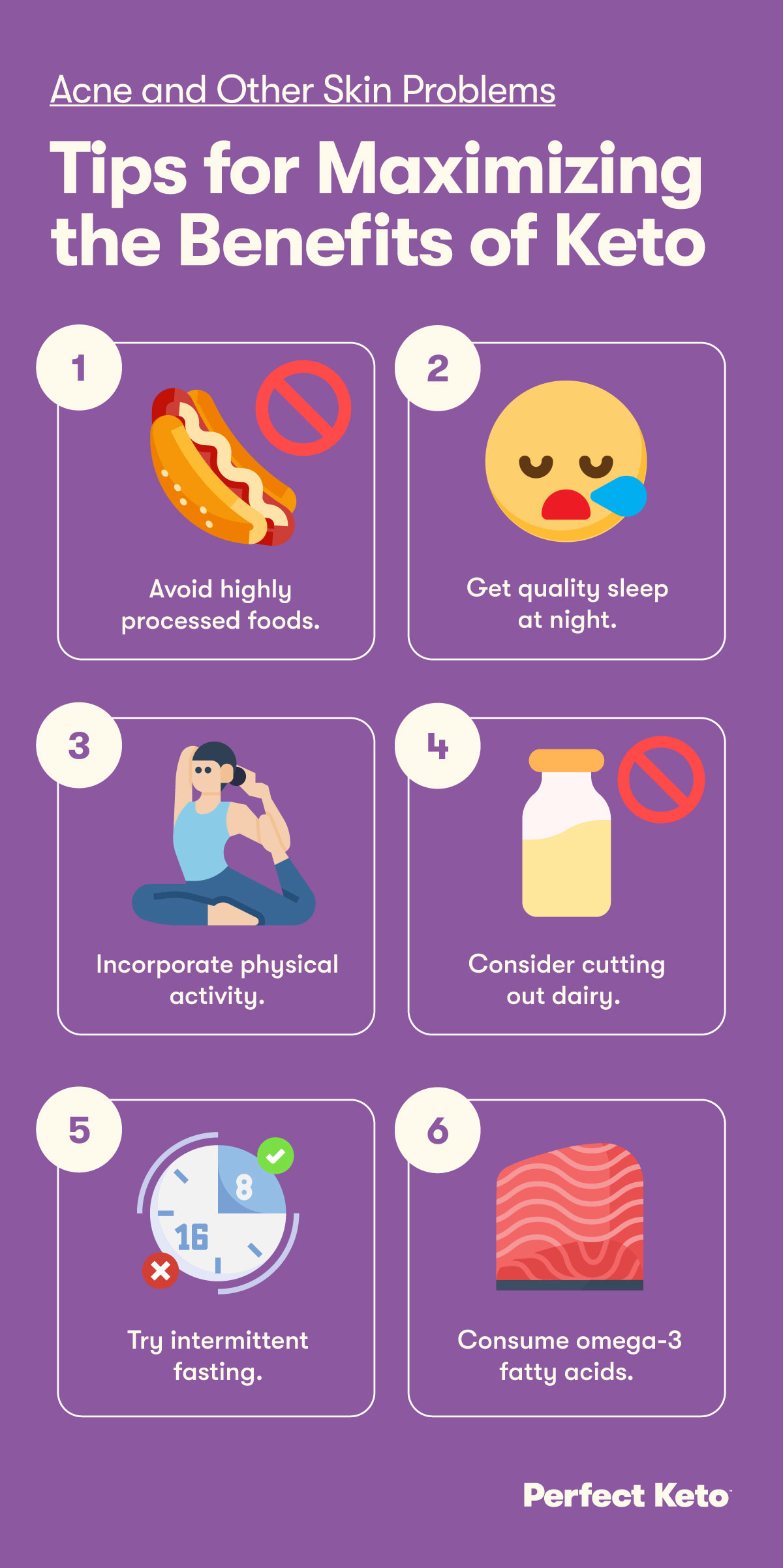
Credit: perfectketo.com
Real-life Experiences: What Do People Notice?
Many people share their results online. Here is what is commonly reported:
- Clearer, less oily skin after 1–2 months
- Fewer breakouts, especially for adults
- Some experience initial hair shedding (usually temporary)
- Hair becomes shinier with a nutrient-rich diet
- If fasting too strictly, hair and skin suffer
A non-obvious insight: People who combine IF with stress management (like yoga or meditation) see better results for skin and hair.
Another detail: Not everyone gets visible results. Genetics, age, and lifestyle (like sleep and exercise) also play a big role.
What Science Says: Studies And Evidence
There is growing research on IF and its effects:
- A 2020 study in the Journal of Clinical Medicine found that IF reduced markers of inflammation, which is linked to better skin health.
- Research on autophagy (cellular cleanup) suggests benefits for skin aging, but most studies are on animals.
- Evidence for hair growth is mixed. Hair loss is often due to lack of calories or nutrients, not fasting itself.
For a deeper dive into the science, see this review: National Institutes of Health.
A practical insight: Since human studies are still limited, it’s wise to use IF as one tool for health, not as the only solution for skin or hair issues.
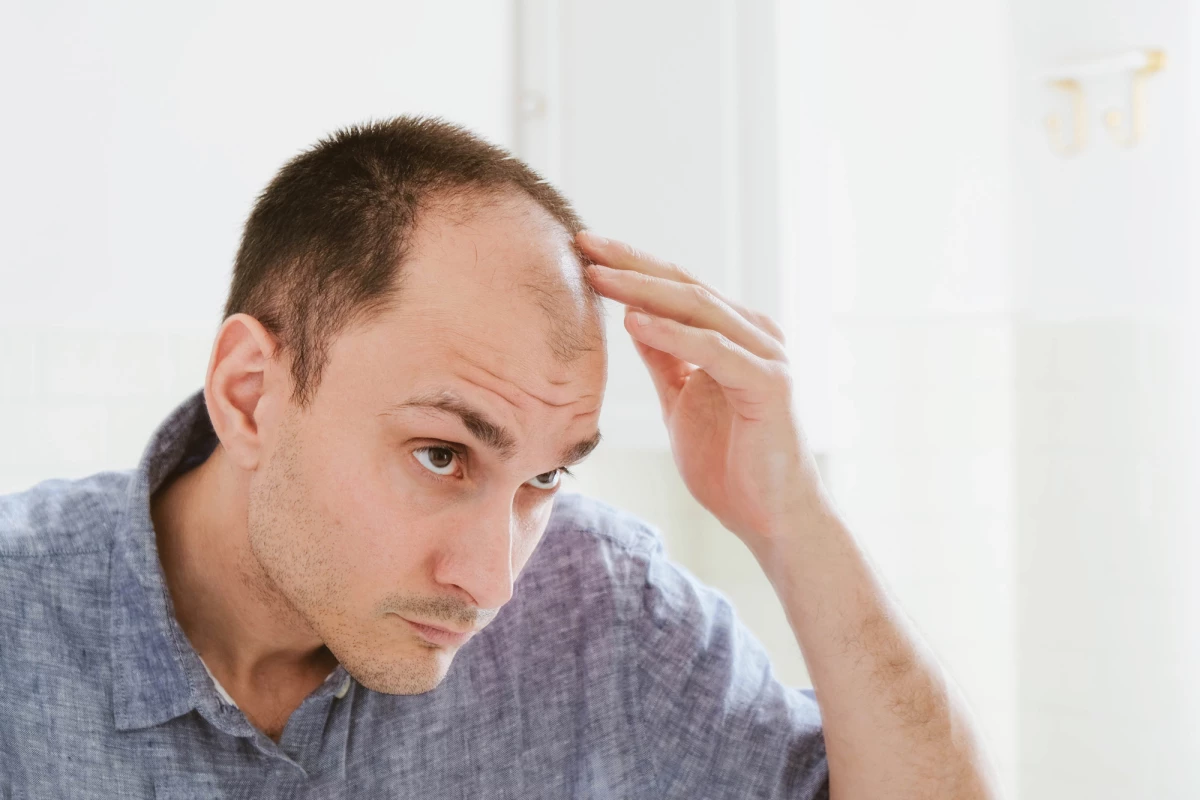
Credit: newatlas.com
Intermittent Fasting And Skincare Products
Many wonder if they should change their skincare routine during IF. The answer: Not always, but hydration and gentle products are key.
- Avoid harsh exfoliants if your skin is dry.
- Use moisturizers with hyaluronic acid or ceramides.
- For acne-prone skin, use non-comedogenic (non-pore-clogging) products.
If you see big changes in your skin, consult a dermatologist.
A tip: You may need to use richer creams during dry seasons or if you notice more dryness with fasting.
Intermittent Fasting And Hair Care
Your hair care routine may stay the same, but nutrition plays a bigger role.
- Use mild shampoos and conditioners.
- Massage your scalp to boost blood flow.
- Avoid tight hairstyles that pull on weak hair.
If hair loss is severe, seek medical advice.
Another tip: Avoid heat styling (like blow drying or straightening) if your hair feels weaker during IF.
Psychological Effects: How Fasting Impacts Self-esteem
Looking better can boost confidence, but fasting can also cause stress if results are slow or you lose hair. Stay realistic about changes—most are gradual and depend on overall health.
A small win: Celebrate improvements like less oily skin or more energy, not just dramatic changes.
Gender Differences In Skin And Hair Response
Men and women may react differently to IF:
- Women may see more hormonal changes affecting skin and hair.
- Men tend to tolerate longer fasts, but both need good nutrition.
- Women’s hair is more sensitive to calorie drops.
Always personalize your plan.
A useful detail: Women with PCOS (polycystic ovary syndrome) sometimes see better skin and hair with IF, but medical guidance is important.
How To Start Intermittent Fasting For Skin And Hair Health
If you want to try IF for better skin quality and hair growth:
- Start slowly. Try a 12-hour fast first, then increase.
- Plan your meals to include all food groups.
- Track changes for at least 8 weeks.
- Adjust as needed—if you feel worse, pause or stop fasting.
Extra advice: Tell a friend or family member about your plan. Support helps with motivation and noticing changes you might miss.
Myths Vs Facts About Intermittent Fasting, Skin, And Hair
- Myth: Fasting always makes skin glow.
- Fact: Only if you eat well and stay hydrated.
- Myth: Fasting causes permanent hair loss.
- Fact: Temporary shedding is possible, but hair regrows if nutrition is good.
- Myth: All skin conditions improve with fasting.
- Fact: Some get better, but others (like eczema) may get worse.
A final myth: “You must suffer to get results.” The truth is, gentle and consistent changes work best for most people.
The Bottom Line
Intermittent fasting can support skin quality and hair growth for many people, but it is not magic. Results depend on eating enough nutrients, staying hydrated, and choosing a fasting style that fits your life.
Listen to your body, adjust as needed, and remember: what you eat matters as much as when you eat. If you notice hair loss or skin problems, review your plan and get professional advice.
Intermittent fasting is a tool, not a cure-all. Used wisely, it can be part of a healthy lifestyle for glowing skin and stronger hair.
Frequently Asked Questions
Does Intermittent Fasting Cause Hair Loss?
Temporary hair shedding can happen if you do not eat enough protein, iron, or calories during IF. This is called telogen effluvium and is usually reversible. With balanced meals, most people do not lose hair long-term.
Can Intermittent Fasting Clear Up Acne?
IF may help reduce acne for some people by lowering inflammation and balancing hormones. But if fasting causes stress or poor nutrition, acne may get worse. Results vary from person to person.
How Soon Will I See Changes In My Skin Or Hair After Starting If?
Most people notice changes in their skin (like less oiliness or clearer texture) after 2–4 weeks. Hair changes take longer—often 2–3 months. Results depend on hydration and nutrition.
What Should I Eat During Intermittent Fasting For Best Skin And Hair Results?
Focus on lean proteins, leafy greens, colorful fruits, nuts, seeds, healthy fats (like olive oil or fish), and plenty of water. Avoid junk food and sugary drinks even during eating windows.
Who Should Avoid Intermittent Fasting For Skin And Hair Health?
People with eating disorders, pregnant or breastfeeding women, teenagers, and those with chronic illness should avoid IF without medical advice. Always consult a doctor before making big changes to your eating pattern.