

Measuring the health of your skin barrier can feel complicated, but it doesn’t have to be. Many people notice their skin feels dry, rough, or tight, but they don’t know why. Often, it’s because the skin barrier is damaged and losing too much moisture. Understanding how to measure moisture loss at home gives you the power to improve your skin and avoid mistakes that make things worse.
This guide is for anyone who wants simple, clear steps to check skin barrier health at home. You will discover easy methods, learn what the results mean, and get tips to repair your skin. Even if you’re not a skin expert or don’t have fancy equipment, you can still track your progress.
By the end, you’ll know exactly how to measure, what to look for, and how to get better results from your routine.
What Is The Skin Barrier And Why Does Moisture Loss Matter?
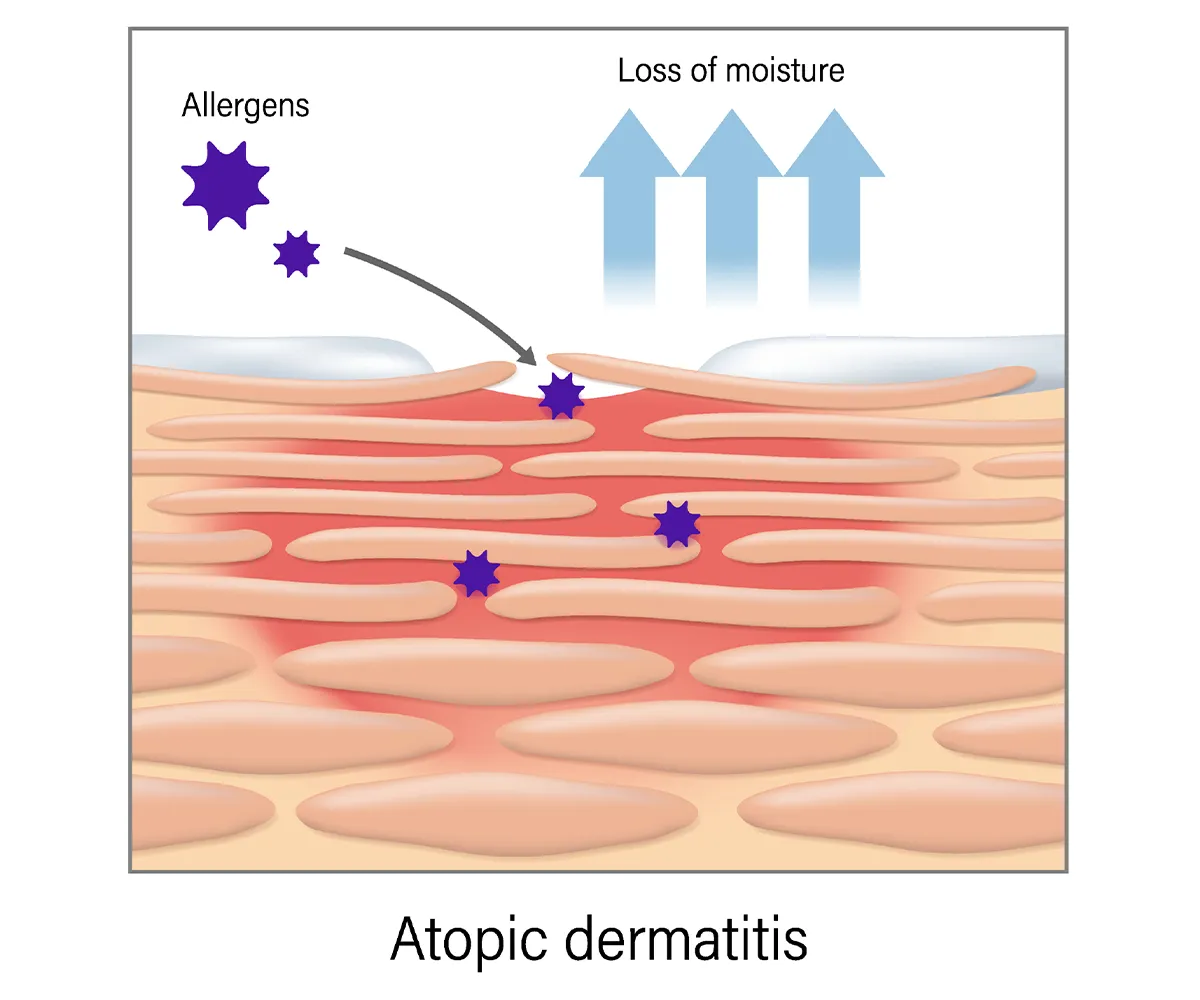
Your skin barrier is the outermost layer of the skin. Its main job is to keep moisture in and block bad things like bacteria, pollution, and chemicals. Think of it as a wall made of skin cells and special fats (lipids) that glue the cells together. When the barrier is strong, your skin feels soft, smooth, and comfortable. But if it’s damaged, you lose more water than you should. This is called transepidermal water loss (TEWL).
Losing too much water makes your skin dry, flaky, itchy, or even painful. It can also make other skin problems worse, like eczema, acne, or redness. That’s why checking moisture loss is so important—it helps you spot problems early and fix them before they get worse.
Even if you use expensive creams or follow skincare trends, a weak barrier will keep your skin from looking its best. Many people focus only on oiliness or pimples, but forget that barrier health affects every skin type—including oily or combination skin.
Non-obvious insight: Many people don’t realize that over-washing, harsh products, and even weather changes can weaken the barrier. Sometimes, skin feels oily but is still losing water quickly. Measuring TEWL can show hidden problems you might not notice just by looking.
Also, some medications (like acne treatments or strong anti-aging creams) can dry out your skin barrier without you noticing right away. If you use these, testing your barrier is even more important to prevent long-term damage.
How Does Moisture Loss Happen?
Moisture loss happens when the barrier doesn’t work well. There are two main ways:
- Inside-Out Loss: Water from deeper layers escapes through the outer layer. This is normal, but too much means your barrier is weak.
- Outside-In Damage: Things like soap, hot water, or wind damage the barrier, making it leak more.
The environment also plays a big role. Cold, dry air or too much sun can break down the barrier quickly. Even stress and diet affect how well your skin holds water.
Practical example: People living in cold climates often have higher TEWL in winter, even if they use moisturizer. You may notice your hands or face get red, flaky, and tight as soon as the weather changes. In summer, air conditioning can also dry your skin, while sunburn can break the barrier in just a day.
Non-obvious insight: You might think that using more skincare products means more protection, but using too many products—especially those with strong acids or retinoids—can actually make moisture loss worse. Even using a rough towel to dry your face can cause micro-damage that adds up over time.
The Science: What Is Tewl And Why Measure It?
TEWL stands for transepidermal water loss. It measures how much water moves from inside your skin to the air. High TEWL means your barrier is letting out too much moisture.
Scientists use TEWL to test products and study skin diseases. At home, you can use simple tests to get a good idea of your skin’s condition, even without professional tools.
Understanding your skin’s TEWL is a bit like knowing how much water is leaking from a bucket with a hole. If you keep filling it but don’t fix the hole, it will always be empty. Repairing your barrier is like patching the bucket—you keep more water inside, so your skin looks and feels better with less effort.
Why Is Measuring Moisture Loss Important?
- Prevents Problems: Early signs of damage are easier to fix than serious dryness or eczema.
- Tracks Progress: If you start a new routine, measuring TEWL shows if it’s helping or hurting.
- Saves Money: You avoid buying products that don’t work for your skin type.
- Personalizes Care: Not all skin is the same. Measuring helps you find what works for your unique needs.
Non-obvious insight: Sometimes, skin can look fine but still have high TEWL. Measuring is the only way to catch invisible damage. This is especially true for people with darker skin tones, where redness and flakes are harder to see. Also, men often ignore dryness, thinking it’s “just the weather,” but measuring can reveal hidden problems.
Common Signs Of A Damaged Skin Barrier
You don’t always need a device to notice moisture loss. Here are warning signs:
- Tightness after washing your face
- Flaky patches, even if you use moisturizer
- Redness or irritation that won’t go away
- Stinging when you apply products
- Shiny but dry (your skin feels oily but is rough to touch)
- Makeup sits poorly or clings to dry spots
- Frequent breakouts that don’t respond to usual treatments
If you notice two or more of these, your barrier may be compromised.
Non-obvious insight: When your barrier is damaged, your skin is more sensitive to temperature changes. You might feel burning in cold wind or after sun exposure more than before.
People often ignore mild stinging or a “papery” feeling, but these are early red flags. Even if you don’t see flakes, persistent tightness after cleansing usually means moisture loss is happening.
Ways To Measure Moisture Loss At Home
You don’t need expensive machines to check your skin barrier’s health. Here are the most reliable methods you can use at home.
1. The Blotting Sheet Test
This is a simple way to check for excess moisture loss and oiliness.
Steps:
- Wash your face with a gentle cleanser and wait 30 minutes.
- Press a blotting paper on different parts of your face: Forehead, nose, cheeks, and chin.
- Check the sheet for oil or moisture spots.
What it tells you:
If your skin leaves almost no trace, it may be dry or losing too much moisture. If there’s a lot of oil but your skin still feels tight, your barrier is likely damaged.
Extra detail: Try this test several times, especially when the weather changes. Compare results before and after starting a new product. If you see less oil but more flakes, your skin may be compensating for lost moisture by producing more oil.
2. The Tape Test
This method shows how easily your skin barrier can be disrupted.
Steps:
- After cleansing and drying, press a small piece of clear tape on your cheek.
- Remove it gently after 10 seconds.
- Check if the tape has flakes or skin particles.
What it tells you:
Lots of flakes mean your barrier is weak and losing moisture fast.
Practical tip: Do this test on both cheeks and your forehead. If one area is worse, that’s where your barrier needs the most help. This can be useful for people with combination skin—your cheeks may be dry but your T-zone oily.
3. The Moisture Meter (inexpensive Devices)
Small skin moisture analyzers are now sold online for home use. They measure skin hydration in seconds.
How to use:
- Clean your skin and dry it.
- Turn on the device and press it to your cheek or hand.
- Record the percentage shown.
What it tells you:
Healthy skin usually reads 40–60% hydration. Below 40% means your skin is dry and likely losing water.
Non-obvious insight: These devices are more accurate if you measure at the same time and place each week. Don’t use them right after washing, as water on the surface can give a false high reading.
4. The Visual And Touch Test
Trust your senses.
Steps:
- Look in the mirror under bright light.
- Check for dullness, flakes, or redness.
- Gently run your fingers over your face. Does it feel rough, tight, or bumpy?
What it tells you:
Smooth, glowing skin usually means a healthy barrier. Dull or rough skin means moisture loss.
Extra detail: Pay attention to how makeup applies. If foundation or concealer looks patchy or sits on dry spots, your barrier may be compromised—even if your skin looks okay without makeup.
5. The Water Drop Test
This method works best on hands or arms.
Steps:
- Put a small drop of water on your skin.
- Wait 10 seconds.
- See if it absorbs quickly or stays on top.
What it tells you:
If the drop disappears fast, your skin is thirsty and losing moisture. If it beads up, your barrier is stronger.
Practical example: Try this test after swimming or showering. If your skin feels tight and the drop soaks in instantly, your barrier may be stripped by chlorine or soap.
6. The Overnight Test
Skin repairs itself at night. You can check how well it holds moisture.
Steps:
- Cleanse your face before bed.
- Use your normal moisturizer.
- In the morning, check for softness and comfort.
What it tells you:
If your skin feels tight or dry by morning, your barrier needs help. Softness means your routine is working.
Extra detail: Keep a note if you wake up with redness or flaky patches—this usually means your skin lost too much water overnight. Using a silk pillowcase or sleeping with a humidifier can help reduce moisture loss.
Comparing At-home Methods
Here’s a quick look at how these methods stack up for ease and accuracy:
| Method | Cost | Skill Needed | Accuracy |
|---|---|---|---|
| Blotting Sheet | Low | None | Basic |
| Tape Test | Low | None | Moderate |
| Moisture Meter | Medium | Low | High |
| Visual/Touch | None | None | Basic |
| Water Drop | None | None | Moderate |
| Overnight | None | Low | Moderate |
Non-obvious insight: The tape test and moisture meter give clearer signals for beginners, but combining methods gives the best picture. For example, if the tape test shows flakes and your moisture meter is low, you can be very confident your barrier needs repair. Using several tests together helps avoid mistakes from one method alone.
How To Record And Track Your Results
To see progress, you need to track your skin’s changes over time.
- Choose a method: Pick one or two tests that are easy for you.
- Test once a week: The best time is morning, before applying products.
- Write down results: Note the date, what you see or feel, and any changes.
- Take photos: Monthly photos under the same light help spot changes.
- Notice patterns: Did things get worse after a new product or weather change?
Practical tip: Use a notebook, phone app, or even a calendar to keep things simple.
Extra detail: If you see sudden changes, think about what happened that week—did you travel, change your diet, or start a new medication? Recording these details helps you see which habits or products help or hurt your barrier.
Mistakes To Avoid When Testing At Home
Even simple tests can give wrong results if you’re not careful.
- Testing right after a hot shower: Heat makes skin lose water faster and gives false dryness.
- Using dirty tools: Always use clean hands, tape, or devices to avoid irritation.
- Changing routines every week: Give your skin time to adjust before measuring again.
- Testing only one spot: Skin is different on the cheeks, forehead, and chin. Check more than one area for a full picture.
- Ignoring outside factors: Stress, diet, and weather can all change your results. Note them if things seem off.
Non-obvious insight: Many people forget to test at the same time of day. Morning is best for consistent results. Also, avoid testing right after exercise, as sweat and heat can temporarily increase moisture loss.
Extra tip: Avoid using harsh cleansers or exfoliants before testing. These can strip the skin and give worse results than normal.

Credit: www.amazon.com
When To See A Professional
Home tests are helpful, but sometimes you need expert advice.
- If your skin stays red, itchy, or sore for more than a week
- If you see open cuts, blisters, or signs of infection
- If nothing helps, even after changing your routine
Dermatologists can measure TEWL with advanced tools and test for allergies or other skin diseases. They can also recommend prescription creams or treatments.
Non-obvious insight: Sometimes, a skin barrier problem is a sign of another health issue, like thyroid problems or allergies. If your symptoms won’t go away, don’t wait too long to seek help.
The Role Of Products: What Helps, What Hurts
The right products support your barrier. The wrong ones can make things worse—even expensive ones.
Ingredients That Help
- Ceramides: Restore the barrier
- Hyaluronic acid: Attracts water to the skin
- Glycerin: Holds moisture in
- Fatty acids: Help repair and soften
- Niacinamide: Reduces redness and strengthens the barrier
- Panthenol (Vitamin B5): Soothes and repairs
Extra tip: Layering a hydrating serum (like hyaluronic acid) under a heavier moisturizer (with ceramides or shea butter) gives double protection.
Ingredients To Avoid (when Barrier Is Damaged)
- Alcohol (except fatty alcohols like cetyl or stearyl)
- Fragrance
- Harsh exfoliants (scrubs, strong acids)
- Sulfates (in foaming cleansers)
- Essential oils (can irritate sensitive skin)
Practical tip: If your skin barrier is weak, use fewer products and simpler formulas. Less is more until your skin is healthy again.
Comparing Hydrating Ingredients
Here’s a look at common moisturizing ingredients and their benefits:
| Ingredient | Main Benefit | For Sensitive Skin? |
|---|---|---|
| Ceramides | Repair barrier | Yes |
| Hyaluronic Acid | Hydrate deeply | Yes |
| Glycerin | Hold moisture | Yes |
| Squalane | Soften skin | Yes |
| Urea | Smooth rough spots | Yes (low %) |
| Shea Butter | Seal in moisture | Yes |
| Retinol | Boost renewal | No (may irritate) |
Non-obvious insight: “Natural” isn’t always better. Some natural oils can block pores or irritate sensitive skin. For example, coconut oil is “natural” but can clog pores for some people, especially those with acne-prone skin.
Step-by-step Guide To Repairing A Damaged Skin Barrier
If your tests show high moisture loss, don’t worry. You can repair your barrier with careful steps.
1. Stop All Irritants
- Pause exfoliants, retinoids, and strong acids.
- Use a gentle, fragrance-free cleanser.
- Avoid makeup for a few days if possible.
2. Moisturize Often
- Apply a rich moisturizer morning and night.
- Look for products with ceramides, glycerin, or squalane.
- Reapply after washing your face or hands.
3. Protect From The Environment
- Wear sunscreen every day (even indoors).
- Use a humidifier in dry weather.
- Wear a scarf or face covering in cold wind.
4. Avoid Hot Water
- Wash with lukewarm water, not hot.
- Limit showers to 5–10 minutes.
- Pat skin dry gently—do not rub.
5. Be Patient
- Skin barrier repair can take 2–4 weeks.
- Keep testing and tracking your progress.
- Don’t add new products until your skin feels healthy.
Practical example: If you live in a dry city, adding a humidifier can cut TEWL by 20–30%. You’ll likely see fewer flakes and less tightness within a week.
Non-obvious insight: Sometimes, your skin will look worse before it gets better. When you stop strong products, you may see more dryness or flaking for a few days. Stick with gentle care and moisturizing.
How Diet And Lifestyle Affect Moisture Loss
Your skin reflects your whole lifestyle, not just products.
- Drink enough water: Aim for at least 1.5–2 liters daily.
- Eat healthy fats: Salmon, nuts, and seeds help build a strong barrier.
- Reduce stress: Stress hormones weaken the barrier and speed up moisture loss.
- Get enough sleep: Skin repairs itself overnight.
- Limit sugar and processed foods: These can make inflammation and dryness worse.
Non-obvious insight: Caffeine and alcohol can increase water loss. Balance them with extra hydration. Even mild dehydration can make your skin look dull and feel tight.
Extra tip: Omega-3 supplements can help if your diet lacks fish or healthy fats. Many people see softer skin within a month of adding these.
Credit: www.aurorahealthcare.org
Children, Aging, And Special Cases
Some people have a naturally weaker barrier.
Babies And Children
Their skin is thinner, loses water faster, and dries out easily. Use gentle, fragrance-free moisturizers and avoid long baths. Always patch test new products on a small area first.
Aging Skin
The barrier becomes thinner with age, so older adults lose moisture more quickly. Look for thicker creams and more frequent moisturizing. Consider adding oils or ointments at night for extra protection.
Skin Conditions
If you have eczema, psoriasis, or allergies, your barrier needs extra care. Always test new products on a small patch first. Avoid strong soaps and rough towels.
Non-obvious insight: Hormone changes (like menopause or pregnancy) can also affect your skin barrier. Be extra gentle during these times.
Tracking Progress With Data
Keeping track of your tests helps you see real changes. Here’s how you can organize your information:
| Date | Test Used | Result | Notes |
|---|---|---|---|
| May 1 | Blotting Sheet | Very little oil, tight feeling | Started new moisturizer |
| May 8 | Moisture Meter | 38% | Weather turned dry |
| May 15 | Tape Test | Lots of flakes | Added humidifier |
| May 22 | Moisture Meter | 47% | Barrier improving |
Patterns like these show what’s working and when you need to change your routine. If you see steady improvement, keep going. If your results stall, review your products or outside factors like stress or weather.
When At-home Testing Is Not Enough
While at-home tests are valuable, they have limits. Sometimes, your skin may look better, but deeper problems remain. If you have ongoing issues, or if you want the most accurate results, consider professional testing.
Professional TEWL tests use special devices that measure moisture loss exactly. Dermatologists can check for hidden allergies or infections, and recommend treatments like prescription creams or gentle phototherapy.
Non-obvious insight: If you have stubborn rashes, rough patches, or infections, at-home solutions may not work. Early medical advice can prevent scars or long-term damage.
Real-world Example: Sarah’s Story
Sarah, age 28, noticed her skin was always tight and itchy, no matter how much moisturizer she used. She tried the blotting sheet, tape, and overnight tests, and all showed signs of high moisture loss. She switched to a gentle cleanser, added a ceramide cream, and started tracking results weekly.
After three weeks, her moisture meter readings improved from 35% to 50%. The tight feeling disappeared, and she saw fewer flakes. By tracking her progress, Sarah learned that simple changes and patience really work.
Non-obvious insight: Many people quit too soon. Real improvement usually takes at least three to four weeks. Don’t switch routines every few days—stick with gentle care and give your skin time to heal.
Extra tip: Sarah also noticed her skin improved faster when she added a humidifier and drank more water. Small lifestyle changes can make your skincare work better.
Credit: my.clevelandclinic.org
Extra Tips For Better Results
- Patch test new products: Apply to a small area for 2–3 days before using everywhere.
- Don’t over-cleanse: Washing twice a day is enough for most people.
- Avoid extreme temperatures: Both hot and cold can damage the barrier.
- Layer products from thinnest to thickest: This helps each one absorb better.
- Apply moisturizer while skin is damp: Traps more water in.
- Use a silk pillowcase: Reduces friction and helps skin stay smooth.
- Don’t pick at flakes or dry patches: This slows healing.
Non-obvious insight: A simple skincare routine is often better than a complex one. Focus on gentle cleansing, good moisturizing, and sun protection for the best results.
Resources For More Information
For deep scientific details about TEWL and barrier testing, you can read about transepidermal water loss on Wikipedia. This covers how scientists measure TEWL, what affects it, and more.
You can also look up resources from dermatology associations for trusted advice on skincare and skin barrier repair.
Frequently Asked Questions
How Often Should I Test My Skin For Moisture Loss?
For most people, once a week is enough. If you change your routine or notice problems, test more often until things improve.
Can I Repair My Skin Barrier If It’s Damaged?
Yes, most damage is reversible with gentle care and the right products. Stop irritants, moisturize well, and protect your skin from harsh conditions. Give it time—real healing takes weeks, not days.
Do I Need To Buy A Moisture Meter?
No, simple methods like the blotting sheet, tape test, and overnight test give good clues. A moisture meter adds accuracy but is not required for everyone.
Is It Normal For Skin To Feel Dry In Winter?
Yes, cold and dry air increase moisture loss. Use a thicker moisturizer and consider a humidifier to help your skin.
What If My Skin Gets Worse After Testing?
If you see redness, pain, or open cuts, stop testing and switch to gentle care. If problems last more than a week, see a dermatologist.
Should I Use Oils To Repair My Skin Barrier?
Some oils, like squalane or jojoba, can help. But others, like coconut or olive oil, can block pores or irritate sensitive skin. Always patch test first.
Taking charge of your skin barrier health at home is easier than you might think. With simple tools and regular checks, you can spot problems early, avoid mistakes, and enjoy comfortable, glowing skin. Your barrier is your body’s first defense—treat it well, and it will reward you for years to come.