

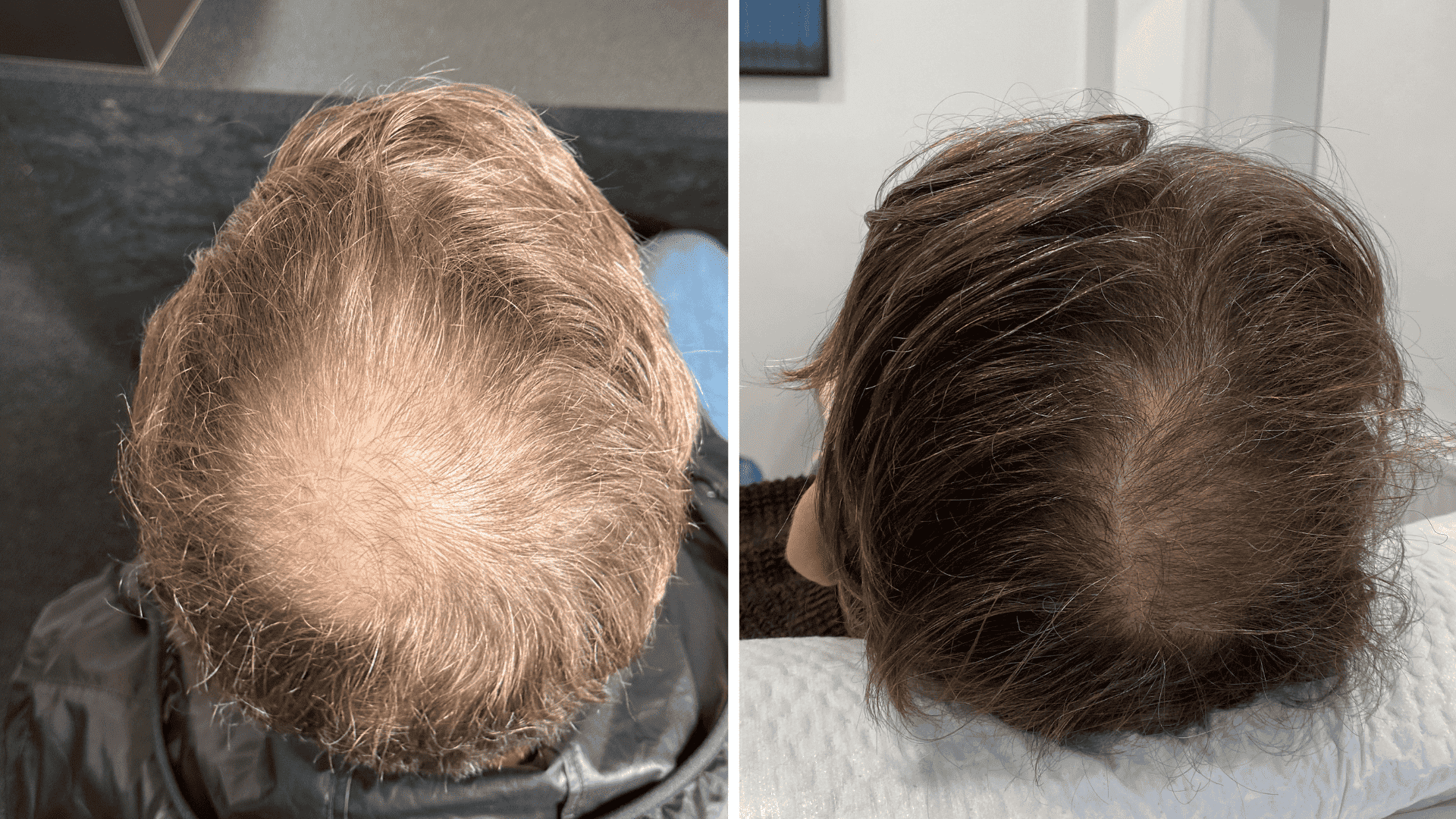
Hair often becomes thinner as we age, especially after 50. For many, this change can feel sudden and worrying. Hair that was once thick and strong may now appear flat or sparse. You may notice more hair in your brush, a wider part, or even patches where your scalp shows through.
This can affect how you feel about your appearance and confidence.
But here’s some good news: thinning hair is not just a part of getting older—you can take steps to support healthy hair. Nutrition plays a huge role in how your hair looks and grows. Certain vitamins and minerals are key to keeping hair strong, full, and shiny. By understanding which nutrients your hair needs, you can make better choices about supplements, foods, and habits.
In this guide, you’ll learn the best vitamins for thinning hair over 50. We’ll explain why hair thins with age, which vitamins work, what to avoid, and how to choose the right products. You’ll also find practical tips, common mistakes to avoid, and answers to the most asked questions.
Whether you’re seeing the first signs of thinning or want to keep your hair healthy for years, this guide will help you take control.
Why Does Hair Thin After 50?
Many people wonder why hair changes with age. It’s not just about getting older—several factors combine to make hair thinner after 50.
Hormonal Shifts
The most common reason is hormonal changes. For women, menopause leads to lower estrogen and progesterone. These hormones help hair stay in the growth phase. When levels drop, hair grows more slowly and sheds faster. Men also experience hormonal changes, often with a gradual drop in testosterone.
Genetics
Some people have genes that make hair more likely to thin as they age. This is called androgenetic alopecia (female or male pattern baldness). If your parents or siblings have thinning hair, you may notice it too.
Reduced Nutrient Absorption
As we age, the body may not absorb nutrients as well. Medications, stomach changes, or health issues can make it harder to get enough vitamins and minerals for healthy hair.
Slower Cell Turnover
Older scalp skin renews itself more slowly. This affects the hair follicles, which need a healthy base to grow strong hair.
Environmental And Lifestyle Factors
- Stress
- Smoking
- Poor diet
- Illness or surgery
These can all speed up hair thinning, especially if your body is already low in key nutrients.
Non-obvious insight: Many people focus on the hair itself, but your scalp health is just as important. Poor scalp circulation or buildup can block follicles and slow new growth.
How Vitamins Support Hair Health
Hair follicles are tiny but complex. Each one needs a steady supply of nutrients to grow healthy hair. Without enough vitamins and minerals, your body diverts resources to more important organs first. Hair is not essential for survival, so it’s one of the first places you’ll see signs of poor nutrition.
Vitamins help by:
- Supporting cell division in hair follicles
- Reducing inflammation on the scalp
- Helping build keratin, the main protein in hair
- Protecting hair from damage and breakage
Practical tip: Taking vitamins for hair does not give instant results. It often takes 3–6 months to see changes, because hair grows slowly. Consistency matters more than quick fixes.
Credit: www.kslclinic.co.uk
The Best Vitamins For Thinning Hair Over 50
Let’s explore which vitamins are most important for hair health after 50. Each one plays a unique role. For best results, try to get these nutrients from both food and supplements if needed.
1. Biotin (vitamin B7)
Biotin is famous for its role in strong hair and nails. It helps your body turn food into energy, which powers hair growth. Many hair loss supplements include biotin, but true deficiency is rare. However, even a mild shortage can make hair brittle or weak.
Good sources: Eggs (cooked), nuts, whole grains, bananas, salmon, sweet potatoes.
Recommended daily intake: 30–100 mcg for adults.
Signs of deficiency: Hair thinning, brittle nails, dry skin.
Expert insight: Biotin supplements are only helpful if you’re low in biotin. Too much does not give faster hair growth and may cause skin issues or interfere with lab tests.
2. Vitamin D
Vitamin D is vital for healthy hair follicles. Studies link low vitamin D to hair loss, especially a type called telogen effluvium (sudden shedding). Many people over 50 have low vitamin D, especially if they avoid sun or have darker skin.
Good sources: Sunlight, fatty fish, fortified milk, egg yolks, supplements.
Recommended daily intake: 600–800 IU for adults over 50.
Signs of deficiency: Bone pain, muscle weakness, frequent illness, hair loss.
Data point: A 2019 study found that women with female-pattern hair loss were twice as likely to have low vitamin D compared to women without hair loss.
3. Iron
Iron helps red blood cells carry oxygen to hair follicles. Without enough iron, hair roots can’t get the fuel they need. Iron deficiency is a leading cause of hair thinning, especially in women after menopause.
Good sources: Red meat, poultry, seafood, beans, spinach, iron-fortified cereals.
Recommended daily intake: 8 mg for men and women over 50.
Signs of deficiency: Fatigue, pale skin, weakness, increased hair loss.
Practical tip: Vitamin C helps your body absorb iron better. Try pairing spinach with a squeeze of lemon, or beans with tomatoes.
4. Vitamin B12
Vitamin B12 is crucial for making new cells, including those in hair follicles. Older adults absorb B12 less well, especially if they take heartburn medication or have digestive issues.
Good sources: Meat, fish, dairy, eggs, fortified cereals.
Recommended daily intake: 2.4 mcg for adults.
Signs of deficiency: Fatigue, numbness, memory problems, hair thinning.
Non-obvious insight: Some people over 50 need B12 shots or high-dose supplements because their stomachs can’t absorb it well from food.
5. Vitamin C
Vitamin C is a powerful antioxidant. It protects hair follicles from free radicals and helps the body absorb iron. It also helps make collagen, which supports scalp and hair structure.
Good sources: Citrus fruits, strawberries, bell peppers, broccoli, Brussels sprouts.
Recommended daily intake: 75 mg for women, 90 mg for men.
Signs of deficiency: Slow wound healing, bleeding gums, dry hair.
6. Zinc
Zinc keeps hair follicles healthy and helps with cell repair. Low zinc can cause hair to thin or even fall out in patches.
Good sources: Meat, shellfish, seeds, nuts, dairy, whole grains.
Recommended daily intake: 8 mg for women, 11 mg for men.
Signs of deficiency: Hair loss, white spots on nails, slow healing.
Data point: A 2013 review in “Annals of Dermatology” found that zinc supplements helped people with hair loss when they were low in zinc.
7. Vitamin E
Vitamin E is another antioxidant that boosts scalp circulation and protects hair from damage. It may help with hair density and shine.
Good sources: Sunflower seeds, almonds, spinach, avocados, plant oils.
Recommended daily intake: 15 mg for adults.
Signs of deficiency: Muscle weakness, vision problems, dry hair or skin.
8. Omega-3 Fatty Acids
Omega-3s are not vitamins, but they’re essential for scalp health. They reduce inflammation and help keep hair hydrated.
Good sources: Fatty fish (salmon, mackerel), flaxseeds, walnuts, chia seeds, fish oil supplements.
Signs of deficiency: Dry scalp, dull hair, increased breakage.
Expert tip: Omega-3s can also help balance hormones, which supports hair after menopause.
9. Folic Acid (vitamin B9)
Folic acid helps make new cells and supports strong hair. It’s especially important for women, who may lose folate as they age.
Good sources: Leafy greens, beans, fortified grains, citrus fruits.
Recommended daily intake: 400 mcg for adults.
Signs of deficiency: Gray hair, mouth sores, fatigue, thinning hair.
10. Vitamin A
Vitamin A helps skin glands make sebum, a natural oil that keeps the scalp healthy. But too much vitamin A can cause hair loss, so balance is key.
Good sources: Carrots, sweet potatoes, pumpkin, spinach, dairy.
Recommended daily intake: 700 mcg for women, 900 mcg for men.
Signs of deficiency: Dry eyes, rough skin, slow hair growth.
11. Selenium
Selenium protects hair follicles from damage and helps the body use other antioxidants.
Good sources: Brazil nuts, seafood, eggs, sunflower seeds.
Recommended daily intake: 55 mcg for adults.
Signs of deficiency: Hair loss, fatigue, weak immune system.
12. Niacin (vitamin B3)
Niacin improves blood flow to the scalp, which helps hair grow. It also supports the health of hair follicles.
Good sources: Poultry, tuna, peanuts, mushrooms, whole wheat bread.
Recommended daily intake: 14 mg for women, 16 mg for men.
Signs of deficiency: Rough skin, fatigue, hair shedding.
Expert note: Most people get enough niacin from food, but strict diets may cause shortages.
13. Protein
Hair is made of keratin, a kind of protein. Without enough protein, hair becomes weak and grows slowly.
Good sources: Lean meats, fish, dairy, eggs, beans, tofu, nuts.
Signs of deficiency: Thinning hair, brittle or weak hair, slow growth.
Data: Studies show people on very low-protein diets lose more hair.
14. Magnesium
Magnesium helps with cell repair and may support hair growth. It also helps manage stress, which can affect hair.
Good sources: Nuts, whole grains, spinach, dark chocolate, legumes.
Recommended daily intake: 320 mg for women, 420 mg for men.
Signs of deficiency: Muscle cramps, anxiety, brittle nails, hair thinning.
15. Copper
Copper helps the body produce melanin, which gives hair its color. Low copper can cause early graying and weak hair.
Good sources: Shellfish, nuts, seeds, whole grains, dark chocolate.
Recommended daily intake: 900 mcg for adults.
Signs of deficiency: Gray hair, fatigue, brittle hair.
Comparison Of Key Vitamins For Thinning Hair
To help you see how these nutrients stack up, here’s a quick side-by-side comparison:
| Vitamin/Nutrient | Main Benefit for Hair | Common Food Sources | Recommended Daily Intake |
|---|---|---|---|
| Biotin (B7) | Strengthens hair, reduces breakage | Eggs, nuts, grains | 30–100 mcg |
| Vitamin D | Stimulates hair follicles | Sun, fish, eggs | 600–800 IU |
| Iron | Delivers oxygen to roots | Red meat, beans, spinach | 8 mg |
| Vitamin C | Boosts collagen, iron absorption | Citrus, peppers, broccoli | 75–90 mg |
| Zinc | Maintains follicle health | Meat, seeds, dairy | 8–11 mg |
Credit: www.nutritioned.org
How To Choose The Right Hair Supplement
With so many supplements on the market, it’s hard to know what’s really best for thinning hair. Here are some points to help you make a smart choice:
Look For Key Ingredients
Check the label for nutrients linked to hair health: biotin, vitamin D, iron, zinc, and B vitamins. A good supplement should cover these basics without overdoing it.
Avoid Mega Doses
More is not always better. High doses of some vitamins (like A, D, iron, or selenium) can cause side effects or even hair loss. Choose supplements that stay close to the recommended daily intake.
Consider Your Diet
If you eat a balanced diet, you may not need a supplement for every nutrient. Focus on what you might be missing. For example, vegetarians may need more B12 or iron, while people who avoid dairy may need more vitamin D.
Check For Third-party Testing
Supplements are not as tightly regulated as medicines. Look for brands that use third-party testing to ensure quality and safety.
Watch For Allergens
Some supplements have soy, gluten, dairy, or artificial colors. Check the label if you have allergies or sensitivities.
Practical Example
Imagine you’re a woman over 50 with thinning hair and fatigue. Blood tests show you’re low in iron and vitamin D. Instead of a general hair vitamin, your doctor may recommend iron and vitamin D supplements. This targeted approach often works better than a “one size fits all” solution.
Common Mistakes When Using Hair Vitamins
Many people make the same errors when trying to use vitamins for hair. Avoid these to get better results:
1. Expecting Immediate Results
Hair grows about half an inch per month. It can take 3–6 months of consistent supplements to see changes.
2. Taking Too Many Supplements
Doubling or tripling doses can harm your health and may even make hair loss worse.
3. Ignoring Other Health Problems
Thyroid disease, stress, and medications can cause hair thinning. Vitamins alone cannot fix these.
4. Not Checking With A Doctor
Always talk to your doctor before starting new supplements, especially if you take other medicines.
5. Believing All Products Work The Same
There is no magic pill. Focus on a healthy diet, lifestyle, and patience.
Non-obvious insight: Thinning hair can also be a sign of hidden health issues (like thyroid or autoimmune problems). If your hair loss is sudden or severe, see a doctor before trying supplements.
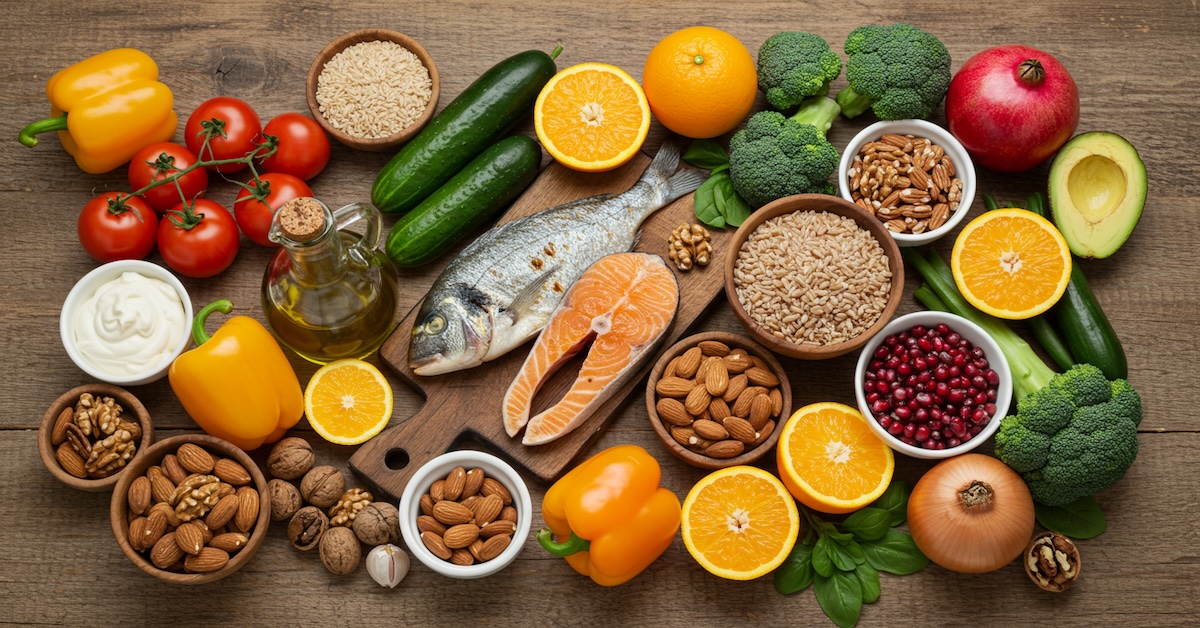
Foods That Support Hair Health After 50
Whole foods are often the best source of vitamins. Here are some top foods to include in your diet for stronger, thicker hair:
- Eggs: High in biotin and protein.
- Salmon: Rich in omega-3s and vitamin D.
- Spinach: Full of iron, folate, and vitamin C.
- Nuts and seeds: Provide zinc, vitamin E, and healthy fats.
- Beans and lentils: Good for iron, protein, and biotin.
- Berries: Packed with vitamin C and antioxidants.
- Sweet potatoes: Great source of vitamin A.
Sample Weekly Hair-healthy Meal Plan
Here’s an example of how to eat for stronger hair:
| Meal | Food Example | Key Hair Nutrients |
|---|---|---|
| Breakfast | Spinach omelet, whole-grain toast, orange slices | Biotin, iron, vitamin C |
| Lunch | Salmon salad with mixed greens, walnuts, and chickpeas | Omega-3s, vitamin D, zinc |
| Dinner | Grilled chicken, roasted sweet potatoes, broccoli | Protein, vitamin A, vitamin C |
| Snack | Greek yogurt with berries and sunflower seeds | Protein, vitamin E, antioxidants |
Lifestyle Habits That Support Hair Health
Supplements work best with healthy habits. Here are some things to add to your routine:
- Gentle hair care: Avoid harsh brushing, tight ponytails, and hot styling tools.
- Scalp massage: Improves blood flow to hair follicles.
- Reduce stress: Meditation, yoga, or walking can lower stress hormones that affect hair.
- Regular exercise: Boosts circulation and overall health.
- Stay hydrated: Water is important for healthy hair and scalp.
When To See A Doctor About Thinning Hair
Supplements help only if your hair loss is due to nutrition. If you notice any of these signs, see a doctor:
- Sudden, patchy, or severe hair loss
- Itchy, red, or swollen scalp
- Hair loss with other symptoms (like weight changes, fatigue, or fever)
- Family history of autoimmune disease or thyroid problems
A doctor can check for underlying issues, order blood tests, and recommend the right treatment. Sometimes, prescription medicines or special shampoos are needed.
Are Hair Growth Vitamins Safe?
Most hair vitamins are safe if you use them as directed. But high doses of certain nutrients can cause problems:
- Vitamin A: Too much can cause hair loss, headache, and liver problems.
- Iron: Extra iron is dangerous unless you’re deficient.
- Selenium: High doses can trigger hair loss and stomach upset.
Practical tip: Always read labels and keep supplements out of reach of children. Tell your doctor about all the vitamins you take.
For more about supplement safety, check out the NIH Office of Dietary Supplements.
What About Topical Hair Vitamins?
Some shampoos and serums contain vitamins like biotin or caffeine. These can help hair look better or feel thicker for a short time. However, most vitamins work best from the inside out. Topical products do not usually change hair growth unless you have a scalp problem.
Non-obvious insight: Some medicated scalp products (like minoxidil) are proven to help hair growth, but regular “vitamin shampoos” are mostly cosmetic.

Credit: www.youtube.com
Popular Myths About Hair Vitamins
There’s a lot of misinformation about hair supplements. Let’s clear up some common myths:
- “Biotin cures all hair loss.” Not true. It only helps if you’re actually low in biotin.
- “Natural vitamins are always safer.” Synthetic and natural vitamins work the same in the body. The dose matters more than the source.
- “If a little is good, more is better.” Too much of some vitamins can cause hair loss or health problems.
- “Hair vitamins work overnight.” Hair growth takes time. Quick results are usually not real.
How To Build A Long-term Hair Health Plan
Strong hair needs more than a single supplement. Here’s how to create a plan that lasts:
- Eat a varied diet: Include protein, healthy fats, and a rainbow of fruits and vegetables.
- Choose a basic multivitamin: If your diet is not perfect, a daily multivitamin can fill gaps.
- Target key nutrients: If tests show you’re low in iron, B12, or vitamin D, treat these first.
- Practice gentle hair care: Use mild shampoo, avoid tight styles, and limit heat tools.
- Manage stress and sleep: Chronic stress or poor sleep can trigger hair shedding.
- Re-check your progress: Take pictures every month to track changes, not just hair in the shower.
- See your doctor as needed: Especially for sudden or patchy hair loss.
Cost Comparison: Food Vs. Supplements
Many people wonder if it’s better to spend money on supplements or nutrient-rich foods. Here’s a rough comparison:
| Option | Average Monthly Cost | Pros | Cons |
|---|---|---|---|
| Supplements | $10–$40 | Convenient, targeted nutrients | May miss other food benefits, risk of overdose |
| Whole Foods | $40–$80 | Complete nutrition, tastes good, supports overall health | Requires planning, may cost more for some nutrients |
Expert tip: Use supplements to fill gaps, not as a substitute for healthy eating.
Frequently Asked Questions
What Vitamin Is Most Important For Thinning Hair Over 50?
Biotin, vitamin D, iron, and zinc are the top nutrients for hair health after 50. But the most important one depends on what your body needs. Blood tests can show if you’re low in any of these.
How Long Does It Take To See Results From Hair Vitamins?
It usually takes 3–6 months to notice real changes. Hair grows slowly, so be patient and consistent with your supplements and healthy habits.
Can Hair Vitamins Cause Any Side Effects?
Most are safe if you take the right dose. Problems happen when you take too much vitamin A, iron, or selenium. Always follow the label and talk to your doctor if you have questions.
Do Men And Women Need Different Vitamins For Thinning Hair?
The main vitamins are the same. However, women may need more iron, especially before menopause, and men may need more zinc. Your doctor can help tailor a plan.
Are There Any Medical Conditions That Can Cause Hair Thinning?
Yes. Thyroid disease, anemia, autoimmune conditions, and severe stress can all trigger hair loss. If your thinning is sudden or comes with other symptoms, see a doctor to rule out other causes.
Your hair is a reflection of your overall health. By focusing on the right vitamins, a balanced diet, and healthy habits, you can support stronger, fuller hair—even after 50. Remember, supplements are just one piece of the puzzle. If you have concerns about hair loss, work with a healthcare provider for the best results.