

Ceramides In Moisturizers: How They Repair Your Skin Barrier Explained
Healthy skin is more than just looking good. It protects your body from bacteria, pollution, and harmful chemicals. But sometimes, your skin feels dry, itchy, or sensitive. You may see redness, flaking, or even cracks. These are all signs your skin barrier is damaged. In recent years, many skincare experts recommend using moisturizers with ceramides to help repair this barrier. But what are ceramides, and how do they work? If you’re new to skincare or confused by all the terms, this guide will make things clear. Let’s explore how ceramides in moisturizers help restore and protect your skin’s most important shield.
What Are Ceramides?
Ceramides are fat molecules (lipids) found naturally in your skin. They make up about 50% of the skin’s outer layer (stratum corneum). These lipids hold skin cells together, forming a strong, waterproof barrier.
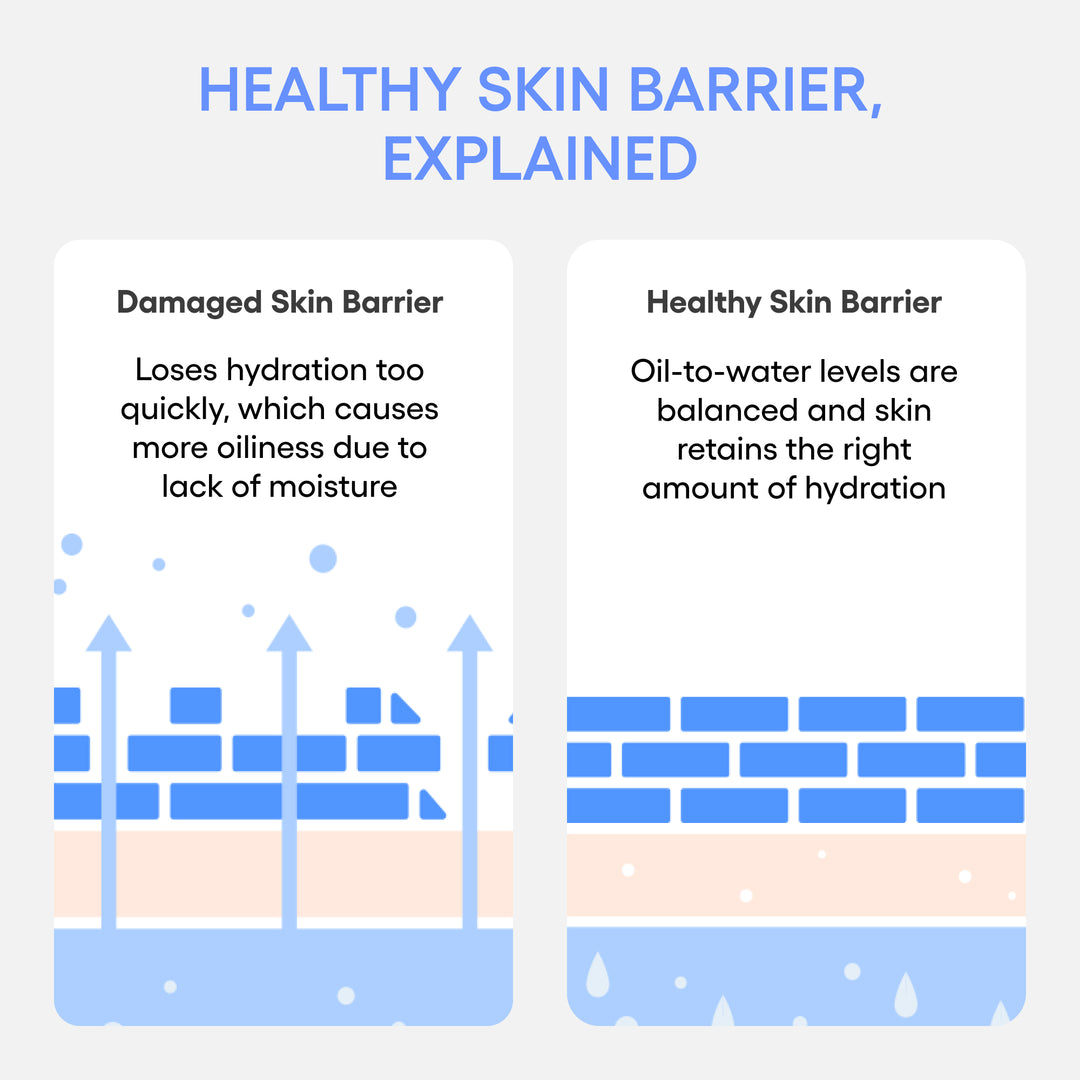
Imagine your skin cells as bricks. Ceramides act like the mortar that keeps the bricks tightly packed. Without enough ceramides, the bricks fall apart, leaving gaps. These gaps let water escape (causing dryness) and let irritants get in (causing sensitivity and redness).
There are several types of ceramides, each with slightly different roles. The most common are:
- Ceramide 1 (EOS)
- Ceramide 2 (NS)
- Ceramide 3 (NP)
- Ceramide 6-II (AP)
- Ceramide 9 (EOP)
Scientists have identified at least nine types, but most moisturizers use a mix of the key ones. Some are derived from plants or made synthetically to match human ceramides.
The Skin Barrier: Why It Matters
Your skin barrier is the outermost layer of skin. It acts as a shield against germs, chemicals, and moisture loss. When this barrier is healthy, your skin feels soft, smooth, and protected. When it’s damaged, you experience dryness, itching, sensitivity, and even eczema.
How The Skin Barrier Works
The barrier is made of lipids (fats), including ceramides, cholesterol, and fatty acids. These lipids form a thin film that keeps water inside and harmful things outside.
Every day, your skin faces challenges:
- Harsh weather (cold, heat, wind)
- Pollution
- Hot showers
- Soap and cleansers
- Aging
- Skin conditions (eczema, psoriasis)
Any of these can break down the barrier, leading to water loss and irritation. Ceramides are crucial because they help rebuild this barrier.
Credit: us.laneige.com
How Ceramides Repair The Skin Barrier
Ceramides in moisturizers work in three main ways:
- Replace Lost Lipids: When your skin loses ceramides, moisturizers can supply them from outside. This helps fill gaps and restore the barrier.
- Lock in Moisture: Ceramides stop water from escaping. This keeps your skin hydrated for longer.
- Protect from Irritants: A healthy barrier blocks bacteria, allergens, and pollutants. Ceramides make the barrier stronger.
The Science Behind Ceramides
Studies show that people with dry or sensitive skin often have fewer ceramides. For example, people with eczema have lower levels of ceramide 1 and 3. This makes their skin more prone to water loss and irritation.
Applying ceramide-rich moisturizers can improve skin barrier function. In one study, a cream with ceramides increased moisture by 42% after two weeks. Another study found that ceramide creams reduced eczema symptoms better than regular moisturizers.
Ceramides also signal skin cells to produce more lipids. This helps the skin heal itself naturally.
Ceramides Vs Other Moisturizer Ingredients
Let’s compare ceramides with other popular moisturizing ingredients:
| Ingredient | Main Benefit | Barrier Repair | Hydration |
|---|---|---|---|
| Ceramides | Restores skin barrier | Strong | Moderate |
| Hyaluronic Acid | Attracts water | Weak | Strong |
| Glycerin | Draws moisture | Weak | Strong |
| Petrolatum | Seals moisture | Moderate | Moderate |
| Fatty Acids | Softens skin | Moderate | Moderate |
Ceramides stand out because they actually rebuild the barrier, not just add moisture. They are especially useful for people with dry, sensitive, or damaged skin.
Who Needs Ceramide Moisturizers?
Everyone can benefit from ceramides, but some people need them more than others.
Groups That Benefit Most
- People with dry skin: Ceramides restore lost lipids and prevent flaking.
- Sensitive skin types: Ceramides reduce irritation and redness.
- Aging skin: As you age, your skin makes fewer ceramides. Moisturizers help replace them.
- Eczema sufferers: Ceramides soothe itch and repair damaged skin.
- After harsh treatments: Chemical peels, retinoids, or laser treatments can weaken the barrier. Ceramides speed up recovery.
Signs You Need Ceramides
- Your skin feels tight after washing
- Redness and irritation are common
- You see flaky patches
- Moisturizers don’t work well
- Your skin burns or stings easily
If you notice these, switching to a ceramide-rich moisturizer can make a big difference.
Types Of Ceramides In Skincare
Ceramides come in several forms in skincare products. The main ones are:
Natural Ceramides
Extracted from plants, animals, or yeast. These match human skin ceramides closely.
Synthetic Ceramides
Made in labs to copy natural ceramides. They are stable and effective.
Encapsulated Ceramides
Wrapped in tiny carriers (liposomes) to help them penetrate deeper. This can boost their effectiveness.
Most products use a blend of synthetic and natural ceramides for best results. The type doesn’t matter as much as the total amount and the formula.
How To Choose A Ceramide Moisturizer
Picking the right moisturizer can be confusing. Here’s what matters:
Key Factors To Consider
- Ceramide Type and Amount: Look for products that list ceramide 1, 3, 6-II, or a blend. More types are better.
- Supporting Ingredients: Cholesterol and fatty acids help ceramides work better.
- Texture: Creams are thicker and better for dry skin. Lotions are lighter for normal or oily skin.
- Fragrance-Free: Scented products can irritate sensitive skin.
- PH Balanced: The skin barrier works best at pH 4.5–5.5.
Comparing Popular Ceramide Moisturizers
Here’s a comparison of three top ceramide moisturizers:
| Product | Ceramide Types | Texture | Ideal For | Other Key Ingredients |
|---|---|---|---|---|
| CeraVe Moisturizing Cream | 1, 3, 6-II | Thick cream | Dry, sensitive skin | Hyaluronic acid, cholesterol |
| Eucerin Advanced Repair Lotion | 3, 6-II | Light lotion | Normal to dry skin | Urea, glycerin |
| La Roche-Posay Lipikar Balm | 1, 3, 6-II | Rich balm | Very dry, eczema-prone skin | Shea butter, niacinamide |
Choose based on your skin type and needs. If you have eczema, look for thicker creams. For daily use, lighter lotions may be better.
Common Mistakes When Buying
- Picking products with too little ceramide
- Ignoring supporting lipids (cholesterol, fatty acids)
- Using scented or alcohol-heavy formulas
- Not patch-testing before use
Patch test any new moisturizer. Apply a small amount to your wrist and wait 24 hours for any reaction.
How To Use Ceramide Moisturizers
Using ceramide moisturizers correctly boosts their effectiveness.
Step-by-step Application
- Cleanse gently: Use mild, soap-free cleansers. Avoid hot water.
- Pat dry: Don’t rub your skin. Leave it slightly damp.
- Apply moisturizer: Use enough to cover your face and neck.
- Follow with sunscreen: Ceramides repair the barrier but don’t protect from UV.
Apply twice daily (morning and evening) for best results. If your skin is very dry, apply after every wash.
Practical Tips
- Use more in winter or dry weather
- Combine with hydrating serums (like hyaluronic acid)
- Don’t mix with harsh exfoliants or retinoids at the same time
- Wait 5–10 minutes before layering other products
Ceramides work best when you use them regularly. You may see improvement in a week, but full repair can take up to a month.
Real-life Examples And Data
Ceramide moisturizers are not just hype. They are backed by strong data and real-world results.
Studies On Barrier Repair
A study from 2018 showed that a ceramide cream improved skin hydration by 42% in just two weeks. Another trial found that children with eczema saw a 50% reduction in flare-ups when using ceramide lotions.
Success Stories
Many people with chronic dry skin report dramatic improvements. For example:
- Emma, 32: Struggled with eczema since childhood. After switching to a ceramide balm, her itching dropped by 70% in four weeks.
- Carlos, 45: Had flaky skin every winter. Ceramide cream stopped the flaking and made his skin feel smoother.
These results are common because ceramides target the root cause: a broken barrier.
Non-obvious Insights
- Ceramide Synergy: Ceramides work best when combined with cholesterol and fatty acids. Alone, they are less effective. Many beginners miss this and buy “pure ceramide” creams.
- Layering Matters: Applying ceramide moisturizer on damp skin boosts penetration. Most people apply it to dry skin, which reduces its power.
Ceramides For Different Skin Concerns
Ceramide moisturizers can help with many skin problems. Here’s how:
Eczema
Eczema is caused by a weak barrier. Ceramides rebuild the barrier, reduce itch, and protect from triggers. Look for thick creams with multiple ceramide types.
Psoriasis
Psoriasis causes scaling and redness. Ceramides help lock in moisture and reduce flakiness. Combine with doctor-prescribed treatments.
Aging
Aging skin loses ceramides, leading to dryness and wrinkles. Using ceramide-rich creams slows water loss and keeps skin plump.
Acne
Some acne treatments dry out skin. Ceramides restore balance and prevent irritation. Choose oil-free formulas if you have acne-prone skin.
Sensitive Skin
Redness, burning, and stinging are signs of a broken barrier. Ceramides calm and protect, making skin less reactive.
Ceramides In Body Care
Ceramides are not just for the face. They work well for body skin, too.
Body Creams
Dry hands, feet, and legs often need thicker creams. Ceramide body lotions can prevent cracks, especially in winter.
Repairing Damaged Skin
After shaving, waxing, or sunburn, your skin barrier is weak. Ceramide creams speed up healing and reduce pain.
For Children
Children with eczema or dry skin benefit from ceramide lotions. Pediatricians often recommend them because they are gentle and effective.
The Role Of Ceramides In Anti-aging
Ceramides are powerful in fighting signs of aging.
How Ceramides Prevent Aging
- Keep skin hydrated and plump
- Reduce fine lines caused by dryness
- Make skin more resilient to environmental stress
As you age, your skin produces fewer ceramides. This makes it thinner, drier, and more prone to wrinkles. Ceramide creams restore lost lipids and slow down aging.
Data On Anti-aging
A 2016 study found that older adults who used ceramide moisturizer saw a 25% reduction in wrinkle depth after two months. Their skin also felt smoother and looked brighter.
Non-obvious Insight
Ceramides are more important for anti-aging than many expensive “miracle” ingredients. They address the root cause—lipid loss—not just surface dryness.
How Ceramides Compare With Other Barrier Repair Ingredients
It’s easy to get confused by all the barrier repair ingredients. Let’s compare ceramides with others:
| Barrier Ingredient | Main Function | Best For | Drawbacks |
|---|---|---|---|
| Ceramides | Rebuilds barrier | Dry, sensitive, aging skin | Expensive |
| Cholesterol | Supports ceramides | All skin types | Works best with ceramides |
| Fatty Acids | Softens skin | Dry skin | Can cause breakouts |
| Petrolatum | Seals moisture | Very dry skin | Greasy feel |
| Niacinamide | Reduces redness | Sensitive skin | May cause tingling |
Ceramides are unique because they directly replace lost lipids. Cholesterol and fatty acids help, but ceramides are the foundation.
Safety And Side Effects
Ceramide moisturizers are safe for most people. They rarely cause irritation or allergies.
Possible Side Effects
- Mild redness (rare)
- Acne breakouts (if formula is oily)
- Allergic reaction (very rare)
Always patch test new products. If you have severe allergies, check the ingredient list carefully.
Who Should Avoid Ceramides?
Most people can use ceramides. If you have a known allergy to an ingredient, avoid that product. If you have very oily or acne-prone skin, pick oil-free formulas.
Ceramides In Cosmetics And Sunscreens
Ceramides are now found in many cosmetic products, including makeup and sunscreens.
Makeup
Ceramide-infused foundations and powders help prevent dryness. They are good for mature or sensitive skin.
Sunscreens
Some sunscreens include ceramides to protect and repair the barrier while blocking UV rays. Look for these if you have sensitive skin.
Practical Example
If your makeup makes your skin dry, try switching to a ceramide-based foundation. It can keep your skin smooth all day.

Credit: www.amazon.com
The Future Of Ceramides In Skincare
Ceramides are becoming more popular in skincare. New research is finding better ways to deliver them.
Trends
- Encapsulated ceramides for deeper penetration
- Custom blends for different skin types
- Ceramide serums for targeted repair
Scientists are also testing ceramides for wound healing and medical skin treatments.
Data
Market research shows ceramide products grew by 18% in 2023, as more people understand their benefits.
Expert Tips For Using Ceramide Moisturizers
Here are expert tips to get the best results:
- Layer with hydrating serums: Use hyaluronic acid before your ceramide cream.
- Apply to damp skin: This boosts absorption.
- Use daily: Consistency is key for barrier repair.
- Avoid harsh cleansers: They strip lipids and make ceramides less effective.
- Choose multi-lipid formulas: Ceramides plus cholesterol and fatty acids repair faster.
How Ceramides Help In Extreme Conditions
Ceramides are useful in harsh environments.
Winter
Cold, dry air breaks down your barrier. Ceramide creams prevent cracks and peeling.
After Sunburn
Sunburn damages the barrier. Ceramides speed up healing and reduce pain.
Post-procedure
After laser or chemical peels, the barrier is weak. Ceramides help restore it quickly.
Comparing Ceramides Across Brands
Different brands use different ceramide blends. Here’s how some popular brands compare:
| Brand | Ceramide Types | Supporting Lipids | Price Range |
|---|---|---|---|
| CeraVe | 1, 3, 6-II | Cholesterol, fatty acids | $15–$25 |
| Eucerin | 3, 6-II | Urea, glycerin | $10–$20 |
| La Roche-Posay | 1, 3, 6-II | Shea butter, niacinamide | $18–$35 |
| Dr. Jart+ | 5 types | Cholesterol, fatty acids | $30–$50 |
Choose based on your budget, skin type, and needs. More ceramide types can mean better repair.
Ceramides And Environmental Stress
Ceramides protect against pollution, UV rays, and harsh weather.
Pollution
Pollutants break down lipids. Ceramides strengthen the barrier, blocking toxins.
Uv Rays
UV light damages skin cells and lipids. Ceramides restore lost lipids after sun exposure.
Wind And Cold
Wind and cold strip moisture. Ceramides seal it in and prevent chapping.
How Ceramides Affect Skin Over Time
Long-term use of ceramide moisturizers can change your skin for the better.
Results After One Month
- Softer, smoother skin
- Less redness and irritation
- Fewer dry patches
Results After Six Months
- Stronger, more resilient barrier
- Reduced sensitivity
- Slower aging
Ceramides are not a quick fix. Regular use builds a healthier barrier over time.
Ceramide Myths And Misconceptions
There are many myths about ceramides. Let’s clear up some confusion.
Myth 1: Ceramides Work Instantly
Ceramides start repairing your barrier right away, but full results take weeks. Be patient.
Myth 2: Only Expensive Brands Have Ceramides
Many affordable products have good ceramide blends. Price doesn’t guarantee quality.
Myth 3: Ceramides Are Only For Dry Skin
Ceramides help all skin types, including oily and acne-prone skin.
Myth 4: You Don’t Need Ceramides If You Use Other Moisturizers
Regular moisturizers add water but don’t rebuild the barrier. Ceramides do both.
The Science Of Ceramide Delivery
Ceramide molecules are large. Getting them into the skin is a challenge.
Encapsulation
Some brands use liposomes to carry ceramides deeper. This boosts their effectiveness.
Ph Balance
Ceramides work best at a slightly acidic pH. If a moisturizer is too alkaline, ceramides won’t work as well.
Formula Stability
Ceramides can break down in unstable formulas. Look for products with good packaging and a short ingredient list.
Ceramides In Clinical Treatments
Doctors use ceramides in special creams for skin diseases.
Eczema And Psoriasis
Ceramide creams are often prescribed to speed up healing and reduce symptoms.
Post-surgery
After skin surgery, ceramide creams help restore the barrier and prevent infection.
Research Data
Clinical trials show ceramide creams reduce eczema symptoms by 50% in children and adults. They are safe and effective.
Common Questions And Practical Answers
Many people have questions about ceramides. Here are practical answers:
- Can I use ceramides with retinoids? Yes, but apply ceramides after retinoids to reduce irritation.
- Are ceramide creams safe during pregnancy? Yes, most are safe. Check with your doctor if you have concerns.
- Do ceramides cause breakouts? Rarely. Choose oil-free formulas if you have acne.
- How long before I see results? You may notice softer skin in a week. Full barrier repair can take 4–6 weeks.
- Can children use ceramide lotions? Yes, they are gentle and recommended for eczema and dryness.
For more scientific data, visit NCBI Research.

Credit: www.o3plus.com
Frequently Asked Questions
What Are Ceramides And Why Are They Important?
Ceramides are fat molecules found in the skin. They hold skin cells together, forming a strong barrier. This barrier keeps water in and blocks harmful germs and chemicals. Without enough ceramides, your skin becomes dry, sensitive, and prone to irritation.
How Do Ceramides In Moisturizers Work?
Ceramides in moisturizers replace lost lipids, fill gaps, and rebuild the barrier. They lock in moisture and protect from irritants. Using ceramide creams regularly can repair damaged skin and prevent dryness.
Who Should Use Ceramide Moisturizers?
Anyone with dry, sensitive, aging, or eczema-prone skin should use ceramide moisturizers. They are also good after harsh treatments like peels, retinoids, or sunburn. Even people with normal skin benefit from stronger barrier protection.
Are There Any Side Effects To Using Ceramide Creams?
Ceramide creams are very safe. Rarely, they may cause mild redness or acne breakouts if the formula is oily. Always patch test new products and choose oil-free options if you have acne-prone skin.
How Long Does It Take For Ceramide Moisturizers To Repair The Skin Barrier?
You may notice softer skin in a week, but full barrier repair usually takes 4–6 weeks with regular use. Consistency is key for best results.
Ceramides are a powerful, proven way to repair and protect your skin barrier. They are not just a trend—they are supported by science and real-world results. If your skin feels dry, sensitive, or easily irritated, switching to a ceramide-rich moisturizer is one of the best steps you can take.
Try to combine ceramides with other barrier-supporting ingredients, use them daily, and be patient. Over time, your skin will become stronger, smoother, and healthier.