

Dimethicone In Moisturizers: Safety Myths Vs Scientific Facts
Many people care deeply about what goes onto their skin. With growing interest in skincare, ingredients get a lot of attention. One ingredient stands out: dimethicone. It is everywhere, from basic lotions to luxury creams. Some people trust it; others fear it. Why does dimethicone cause so much debate? Is it safe or risky? Are the fears around it based on facts or just myths? This article will explore dimethicone in moisturizers, clear up common misunderstandings, and offer science-based answers. If you want to make smart choices for your skin, keep reading.
What Is Dimethicone?
Dimethicone is a type of silicone. Its chemical name is polydimethylsiloxane. It has a smooth, silky texture and is colorless and odorless. Dimethicone is used in many personal care products, especially moisturizers. It acts as an emollient—meaning it softens and smooths the skin.
Dimethicone works by forming a thin, flexible layer on the skin. This layer helps seal in moisture and keeps irritants out. It is not absorbed deeply. Instead, it stays on the surface, protecting your skin and giving it a soft feel.
Dimethicone belongs to a family of silicones, but it is unique because of its skin-friendly properties. Unlike some heavier silicones, it does not feel sticky or greasy. It is also resistant to heat and oxidation, which means it keeps its effectiveness even in hot climates or when exposed to sunlight.
Why Is Dimethicone Popular In Moisturizers?
There are several reasons why dimethicone is common in skincare:
- It helps make products feel silky and spread easily.
- It locks in water, preventing dryness.
- It fills in small lines, giving skin a smoother appearance.
- It reduces irritation by forming a barrier.
- It is stable and does not react with other ingredients.
Dimethicone improves the “slip” of products, so they glide smoothly across the skin. This makes application easier and more pleasant. It is also compatible with many other ingredients, so formulators can use it in many types of products.
Most people notice their skin feels softer and less sticky when using moisturizers with dimethicone. It is often found in products for sensitive skin and in those meant for eczema or irritation.
Dimethicone can also help reduce the white cast often left by sunscreens, especially mineral ones. By blending well with sunscreen ingredients, it makes the product look better on the skin and easier to use.
Safety Myths Surrounding Dimethicone
Many rumors and beliefs about dimethicone circulate online and in beauty stores. Some are based on facts, but others are just myths. Let’s look at the most common safety myths and compare them to what science says.
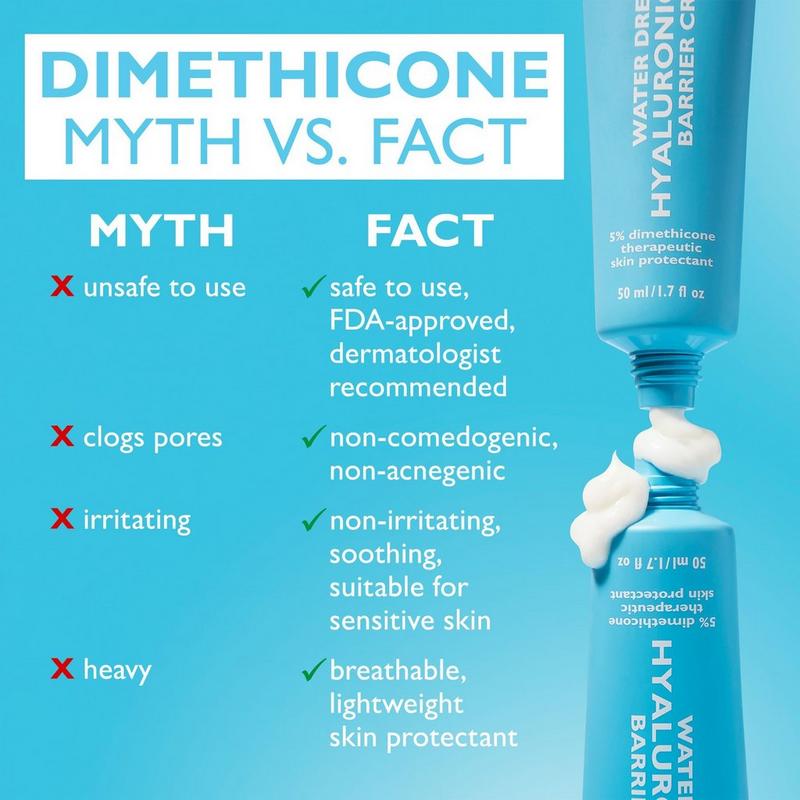
Myth 1: Dimethicone Suffocates The Skin
Some people think dimethicone forms a plastic-like film that stops skin from “breathing. ” The idea is that this causes breakouts or makes skin unhealthy.
Scientific Fact: Skin does not “breathe” in the same way lungs do. Skin exchanges gases but is not harmed by a thin layer of dimethicone. Dimethicone is breathable and flexible. It allows water vapor to escape but blocks irritants.
Non-obvious Insight: Dimethicone is used in wound dressings for this reason—it protects but does not trap bacteria or cause infection. Studies show that even high concentrations do not block pores or suffocate skin.
Dimethicone’s structure allows it to form a semi-permeable layer. This means it protects the skin from environmental factors while still letting essential moisture and gases pass through. Unlike some heavy oils or waxes, it does not completely seal the skin.
Myth 2: Dimethicone Causes Acne
A popular myth says dimethicone is comedogenic (pore-clogging), leading to acne and blackheads.
Scientific Fact: Dimethicone is rated as non-comedogenic. It does not block pores or cause acne. It can actually help protect sensitive skin from irritation. Many dermatologists recommend dimethicone for people with acne-prone skin because it soothes and reduces friction.
Non-obvious Insight: People with acne often benefit from dimethicone because it reduces irritation from other ingredients. It acts as a protective barrier, not a pore blocker.
Dimethicone creates a smooth surface, helping makeup or other products stay on without causing friction. This is useful for people whose skin is easily irritated or who use strong acne medications. It is also included in formulations for prescription creams used to treat acne, which would not be the case if it caused pimples.
Myth 3: Dimethicone Is Toxic
Some claim dimethicone is harmful, toxic, or dangerous for long-term use.
Scientific Fact: Dimethicone is considered safe by regulatory agencies worldwide, including the FDA and European Commission. It is used in medical products, baby lotions, and even in food as an anti-foaming agent. Toxicity tests show it is not absorbed into the body and does not build up in organs.
Non-obvious Insight: Dimethicone has a very large molecule, so it cannot penetrate into the bloodstream. It stays on the skin until washed off.
Dimethicone’s safety record is strong. It is used in products designed for the most sensitive users, including premature infants and patients with compromised skin barriers. If it were toxic, it would not be used in these medical settings.
Myth 4: Dimethicone Builds Up On Skin
Some believe dimethicone forms a layer that cannot be removed, causing buildup and dull skin.
Scientific Fact: Dimethicone is easily washed away with regular soap and water. It does not stick permanently. Good skincare routines remove any residue.
Dimethicone is designed to last until your next wash, helping protect skin during the day. Its molecules do not bond permanently to skin or hair. Using cleansing products removes any leftover dimethicone without difficulty.
Myth 5: Dimethicone Prevents Skin Healing
A myth claims dimethicone blocks skin from repairing itself, especially after injury.
Scientific Fact: Dimethicone is used in wound care for its healing properties. It protects skin, reduces friction, and helps wounds heal faster by keeping them moist and shielded.
Keeping wounds moist and protected is the best way to support healing. Dimethicone’s barrier effect reduces further irritation and allows the skin to repair itself without disturbance. It is used in hospital settings for burn victims and chronic wounds.
Scientific Evidence: Dimethicone’s Safety Profile
To understand dimethicone’s real safety, we need to look at scientific studies, data, and expert opinions.
Regulatory Approvals
Dimethicone is approved by major agencies:
- U.S. FDA (Food and Drug Administration)
- European Commission
- Health Canada
- Cosmetic Ingredient Review (CIR) panel
These groups check for toxicity, irritation, and allergic reactions. Their reviews show dimethicone is safe for skin, including sensitive types.
Dimethicone’s approval in so many regions and products means it has passed strict safety checks. These agencies review not only short-term effects but also long-term use, ensuring there is no hidden risk.
Clinical Studies
Many studies have tested dimethicone:
- Contact dermatitis: Dimethicone reduces irritation and dryness.
- Eczema: Moisturizers with dimethicone help reduce itching and redness.
- Allergy: Dimethicone rarely causes allergic reactions, even in sensitive people.
A review in the International Journal of Toxicology found no evidence of toxicity or harm in humans.
Dimethicone’s effectiveness in treating skin conditions is supported by clinical trials. For example, a double-blind study on eczema showed that creams containing dimethicone improved symptoms faster than those without it. The ingredient helped patients maintain skin moisture, reduced inflammation, and prevented flare-ups.
Safety Data
Let’s compare dimethicone’s safety with other common moisturizer ingredients.
| Ingredient | Comedogenic Rating | Allergy Risk | Absorption |
|---|---|---|---|
| Dimethicone | Non-comedogenic | Very low | Surface only |
| Mineral Oil | Low | Low | Surface only |
| Lanolin | Moderate | Medium | Surface |
| Coconut Oil | High | Medium | Absorbed |
Dimethicone stands out for its low allergy risk and non-comedogenic status.
Mineral oil, another common ingredient, is also non-comedogenic but can feel heavier on the skin. Lanolin comes from sheep’s wool and is more likely to cause allergic reactions. Coconut oil is natural but can block pores for some people, especially those with acne-prone skin.
Usage In Medical Products
Dimethicone is used in:
- Barrier creams for diaper rash
- Anti-chafing gels for athletes
- Scar treatment sheets
- Wound dressings
Doctors trust dimethicone for its protective, soothing properties.
In hospitals and clinics, dimethicone is often the first choice for patients with fragile skin. It helps prevent skin breakdown, especially for people who are bedridden. Its use in scar treatment sheets shows its value in helping skin heal and stay healthy over time.
How Dimethicone Works In Moisturizers
Dimethicone is not just a filler. It plays an important role in how moisturizers feel and perform.
Moisture Lock
Dimethicone forms a barrier on the skin. This barrier keeps water in, so skin stays hydrated. It is especially helpful for dry skin. Unlike some oils, dimethicone does not feel greasy.
The barrier effect is important for people living in dry climates or working in air-conditioned spaces. Skin loses water quickly in these conditions, so dimethicone helps keep it soft and comfortable. Even after washing hands or face, the skin feels smoother and less tight.
Smooth Finish
When you apply a moisturizer with dimethicone, your skin feels smoother. The ingredient fills in tiny gaps and lines, making the surface look soft and even.
This smoothing effect is why dimethicone is used in makeup primers. It helps makeup sit better and last longer. For people concerned about fine lines, dimethicone temporarily reduces their appearance, making skin look younger.
Protection From Irritants
Dimethicone blocks dust, pollution, and other irritants. This is useful for people living in cities or exposed to harsh environments.
People working outdoors or in polluted areas benefit from the barrier dimethicone provides. It reduces contact with harmful particles, lowering the risk of irritation and redness.
Gentle For Sensitive Skin
Dimethicone is unlikely to cause irritation. It is often used in products for eczema, rosacea, and allergic skin.
Unlike some natural oils, dimethicone does not contain proteins or allergens. This makes it suitable for people with allergies or autoimmune skin conditions.
Comparison: Moisturizers With And Without Dimethicone
Here is a simple comparison:
| Feature | With Dimethicone | Without Dimethicone |
|---|---|---|
| Texture | Silky, smooth | Thicker, sometimes greasy |
| Moisture retention | Excellent | Good, but can evaporate faster |
| Barrier function | Strong | Variable |
| Risk of irritation | Very low | Depends on other ingredients |
Moisturizers without dimethicone may rely on heavier oils or waxes to lock in moisture. These can sometimes feel greasy or sticky, and their barrier effect is less consistent.

Credit: creators.spotify.com
Common Uses Of Dimethicone In Skincare
Dimethicone is found in many types of products:
- Moisturizers: Face and body creams, lotions
- Sunscreens: Helps spread easily, prevents irritation
- Anti-aging products: Smooths fine lines
- Makeup primers: Creates a soft base
- Shaving creams: Reduces friction, prevents nicks
- Lip balms: Locks in moisture
It is also used in hair care for its smoothing effects.
Dimethicone’s versatility means it is used in both high-end and budget products. It helps improve the feel and effectiveness of many formulas.
Who Should Use Moisturizers With Dimethicone?
Dimethicone is safe and effective for most people, but especially helpful for:
- Dry skin: Locks in water, prevents dryness
- Sensitive skin: Low risk of irritation or allergy
- Eczema or dermatitis: Reduces redness and itching
- Athletes: Prevents chafing and irritation
- People in polluted environments: Shields skin from dust and chemicals
Some people avoid dimethicone for personal reasons, but most will benefit from its protective effects.
Dimethicone is also suitable for older adults, whose skin tends to be thinner and more fragile. It helps maintain skin integrity and reduces the risk of tears or breakdown.
Environmental Concerns And Dimethicone
Another debate about dimethicone is its effect on the environment. Is it safe for nature?
Biodegradability
Dimethicone is not biodegradable in the same way as plant oils. It breaks down slowly in soil and water. However, the amounts used in personal care are very small.
Dimethicone’s slow breakdown is due to its stable chemical structure. This stability is what makes it useful in products but also means it persists longer in the environment.
Water Pollution
Some worry dimethicone from showers goes into rivers and oceans. Research shows that dimethicone is not toxic to aquatic life at normal concentrations. It does not build up or harm fish and plants.
Most wastewater treatment plants remove dimethicone before it reaches waterways. Only tiny traces may end up in nature, and studies show these are not dangerous to wildlife.
Comparison With Natural Oils
Natural oils break down faster but can cause allergic reactions or clog pores. Dimethicone is stable and does not spoil easily.
While plant oils are more eco-friendly, they sometimes spoil or go rancid quickly. Dimethicone’s stability means products last longer and stay effective.
Future Developments
Scientists are working on making silicones more biodegradable. Some newer formulas use modified dimethicone that breaks down faster. Brands are also improving recycling and waste handling to reduce environmental impact.
Allergic Reactions And Sensitivity
Dimethicone is unlikely to cause allergies. It is used in hypoallergenic products. However, some rare cases of sensitivity exist.
Signs Of Sensitivity
- Redness
- Itching
- Rash
If you notice these symptoms, stop using the product and consult a dermatologist.
Testing For Allergies
Before using a new moisturizer, do a patch test:
- Apply a small amount to your forearm.
- Wait 24 hours.
- If no reaction, it is safe to use.
This simple test prevents surprises and is recommended for people with a history of allergies or sensitive skin.
What Makes Dimethicone Hypoallergenic?
Dimethicone’s structure lacks proteins and other compounds that trigger most allergies. This is why it is preferred for people with sensitive skin or who have had reactions to other ingredients in the past.
Dimethicone Vs Other Moisturizer Ingredients
Many Moisturizing Ingredients Exist. How Does Dimethicone Compare?
| Ingredient | Moisture Lock | Comedogenic Risk | Allergy Risk | Texture |
|---|---|---|---|---|
| Dimethicone | Excellent | None | Very low | Silky |
| Petrolatum | Excellent | Low | Low | Thick, greasy |
| Shea Butter | Good | Moderate | Medium | Rich, heavy |
| Aloe Vera | Moderate | Low | Low | Light, watery |
| Lanolin | Good | Medium | Medium | Sticky |
Dimethicone is often chosen for its silky feel and low risk of irritation.
Shea butter and lanolin are popular but heavier and can trigger reactions in some users. Aloe vera is soothing but does not lock in moisture as well as dimethicone.
Practical Tips For Choosing Dimethicone-based Moisturizers
If you want to use a moisturizer with dimethicone, here are some tips:
- Check the ingredient list: Dimethicone is often near the top. Look for “dimethicone” or “methicone.”
- Choose based on skin type: Dimethicone is good for dry or sensitive skin.
- Avoid layering too many silicone products: Too many can feel heavy.
- Try a patch test: Always test before using a new product.
- Look for clinical studies: Brands that share scientific data are more trustworthy.
- Avoid fake fears: Myths are common online. Trust science and expert advice.
Another tip is to consider the product’s purpose. For day creams, dimethicone provides a smooth base for makeup. For night creams, it helps lock in moisture while you sleep. If you use active ingredients like retinol, dimethicone can reduce irritation from these stronger compounds.
Dimethicone In Sensitive Skin Care
Sensitive skin needs gentle ingredients. Dimethicone is one of the best options:
- It calms redness and irritation.
- It shields skin from harsh chemicals.
- It is used in medical creams for eczema and allergies.
Many hypoallergenic moisturizers use dimethicone as the main barrier ingredient.
Dimethicone also helps reduce discomfort from shaving, waxing, or other skin treatments. It provides instant relief for skin that feels raw or sore.
Dimethicone In Cosmetic Products
Dimethicone is not just in moisturizers. It is found in:
- Foundation: Makes skin look smooth, prevents caking.
- Primer: Fills pores, gives a soft base for makeup.
- Concealer: Helps blend easily.
Makeup with dimethicone is easier to apply and lasts longer. It prevents makeup from settling into lines.
Dimethicone’s smoothing properties make it ideal for products that need to create a flawless look. It is the secret behind many “blur” and “pore-filling” cosmetic formulas.
Credit: onskin.com
Real-world Examples And Studies
Let’s look at some real cases:
- Eczema patients: A study showed that dimethicone-based creams improved skin texture and reduced itching better than plant oil creams.
- Athletes: Anti-chafing gels with dimethicone reduced skin injury in runners.
- Children: Diaper rash creams with dimethicone healed skin faster than those without.
Statistics
- Dimethicone is present in over 70% of moisturizers sold in the U.S.
- Reports of allergy or irritation are less than 0.01%.
- Dermatologists recommend dimethicone for sensitive skin more than any other silicone.
Dimethicone’s use in real-world products shows its effectiveness and safety. From hospitals to sports fields, it is trusted by professionals.
Common Mistakes When Using Dimethicone Moisturizers
Some users make mistakes that reduce the benefits:
- Overusing: Applying too much can feel heavy.
- Not cleansing: Always wash skin before applying.
- Mixing with strong acids: Some acids can irritate skin if used together.
- Ignoring patch tests: Always test for sensitivity.
- Believing myths: Trust science, not rumors.
Another mistake is skipping sunscreen. Dimethicone helps protect skin, but it does not block UV rays. Always use sunscreen during the day for full protection.
The Role Of Dimethicone In Dermatology
Dermatologists often choose dimethicone for its protective qualities:
- It is used in creams for burns, wounds, and scars.
- It helps patients with allergies or eczema.
- It is safe for use on children and babies.
Dimethicone is part of many prescription products because it is reliable and gentle.
Dermatologists also use dimethicone-based products for patients undergoing chemotherapy or radiation, where skin becomes extremely fragile and sensitive. It helps prevent breakdown and supports healing.
Future Trends: Dimethicone And Skincare Innovation
Skincare Is Always Changing. What Is The Future For Dimethicone?
- New blends: Scientists mix dimethicone with plant extracts for extra benefits.
- Eco-friendly formulas: Research is underway to make silicone ingredients more biodegradable.
- Personalized skincare: Dimethicone is used in products made for individual skin types.
Some brands are developing dimethicone products tailored for specific climates or skin needs. Others focus on balancing dimethicone with natural ingredients to create hybrid formulas.
Making An Informed Choice
When choosing a moisturizer, knowledge matters. Dimethicone has been tested for decades. It is safe, effective, and trusted by experts. Many fears are based on myths, not facts. If you want soft, protected skin, dimethicone is a smart choice.
If you want to read more about ingredient safety, visit Wikipedia for detailed information.
Frequently Asked Questions
Is Dimethicone Safe For Sensitive Skin?
Yes. Dimethicone is one of the safest ingredients for sensitive skin. It is used in hypoallergenic products and medical creams for eczema. It rarely causes irritation or allergy.
Does Dimethicone Cause Acne?
No. Dimethicone is non-comedogenic, meaning it does not block pores or cause acne. It can help protect skin from irritation.
Can Dimethicone Be Used On Children Or Babies?
Yes. Dimethicone is safe for children and babies. It is used in diaper rash creams and lotions for young skin.
Is Dimethicone Harmful To The Environment?
Dimethicone breaks down slowly, but research shows it is not toxic to aquatic life at normal use levels. New eco-friendly formulas are being developed for the future.
How Do I Know If A Moisturizer Contains Dimethicone?
Check the ingredient list on the packaging. Look for “dimethicone,” “methicone,” or similar names near the top. Most moisturizers list it clearly.
Choosing skincare can feel confusing, especially with so many myths. But when you look at the facts, dimethicone stands out as a safe, reliable ingredient. Trust science, check your products, and enjoy healthier skin.
Credit: www.ulta.com