

Many people struggle to find the right hair care routine. The problem often starts with not knowing their hair porosity. Porosity is how well your hair absorbs and keeps moisture. If you don’t know your porosity type, you may use products that work against your hair, not for it.
Imagine you buy a fancy conditioner, but it leaves your hair dry. Or, you try an oil treatment but your hair feels greasy. The secret is not just the product—it’s your hair’s ability to handle moisture. Different porosity types need different care.
This quiz is designed to help you discover your own hair porosity type. With ten simple questions, you will learn how your hair responds to water, products, and environmental changes. Whether your hair is straight, curly, wavy, or coily, knowing your porosity changes everything. You will understand which products work best, how often to wash, and even how to style your hair.
Let’s explore the world of hair porosity together. The quiz is easy, and each question gives you clues about your hair. By the end, you will have a clear answer and practical advice tailored to your porosity type. If you’re ready to stop guessing and start caring for your hair the right way, this guide is for you.
What Is Hair Porosity?
Hair porosity is a simple concept, but it has a big impact. It describes how well your hair can absorb and hold moisture. This depends on the cuticle layer, which is the outer surface of each hair strand.
The cuticle is made of tiny, overlapping cells—like shingles on a roof. If these cells lie flat and close together, moisture has a hard time getting in. If they are raised or spaced apart, water and products enter more easily.
There are three main porosity types:
- Low porosity: Cuticle cells are tightly packed. Hair struggles to absorb moisture but keeps it well once inside.
- Medium porosity: Cuticle cells are slightly raised. Hair absorbs and keeps moisture easily. This is often called “normal” porosity.
- High porosity: Cuticle cells are open or damaged. Hair absorbs moisture quickly but loses it just as fast.
Knowing your type helps you choose better products, avoid common mistakes, and keep your hair healthy.
Why Porosity Matters
Porosity affects everything from how your hair feels to how it looks. If you have low porosity, heavy products may sit on your hair and cause buildup. High porosity hair can dry out quickly, even after deep conditioning. Medium porosity hair is easier to manage, but it still needs care.
Experts agree: Understanding porosity is more important than knowing your hair’s curl pattern or thickness. It shapes your daily routine, your styling choices, and your results.
The Hair Porosity Quiz: 10 Key Questions
This quiz is practical and easy. Each question targets a specific sign of hair porosity. Answer honestly. At the end, count your answers to see which type fits you best.
Each question includes explanations and examples, so you understand why it matters.
1. How Does Your Hair React To Water?
When you wet your hair, watch how it behaves. Does it soak up water quickly or does water bead up and roll off?
- If water sits on your hair or takes time to absorb, you likely have low porosity.
- If your hair absorbs water quickly and feels saturated fast, it’s probably high porosity.
- If your hair gets wet at a moderate speed, it’s medium porosity.
Example: People with low porosity often notice droplets on their hair after showering. High porosity hair gets drenched fast.
2. How Long Does It Take For Your Hair To Dry?
After washing, observe how fast your hair dries. This is a strong clue.
- If your hair takes a long time to dry, it is usually low porosity.
- If it dries very quickly, you likely have high porosity.
- If it dries somewhere in between, it’s medium porosity.
Data: Studies show that low porosity hair can take up to twice as long to air dry compared to high porosity hair.
Tip: Try air drying instead of blow drying for a more accurate test.
3. How Easily Does Your Hair Get Tangled Or Frizzy?
Frizz and tangles often point to porosity issues. High porosity hair has open cuticles that catch and lose moisture fast.
- Frequent tangling and frizz suggest high porosity.
- Smooth, easy-to-detangle hair often means low porosity.
- Medium porosity hair may get tangled, but not too often.
Example: If your hair feels rough and frizzes even in mild humidity, it’s likely high porosity.
4. How Does Your Hair React To Oils And Conditioners?
Notice how your hair handles products. Does oil sit on top or soak in? Does conditioner work well or seem to disappear?
- Low porosity hair often feels greasy or heavy after oils and conditioners because the cuticle is closed.
- High porosity hair absorbs products fast, sometimes needing more to feel moisturized.
- Medium porosity hair responds well to most products.
Tip: If your hair looks shiny but feels coated after using oils, it’s probably low porosity.
5. Do You Notice Product Buildup On Your Hair?
Product buildup happens when shampoos, conditioners, or stylers don’t absorb or rinse out well.
- If you often see flakes, residue, or a dull coating, you may have low porosity hair.
- High porosity hair rarely has buildup, as products penetrate deeply.
- Medium porosity hair can have buildup if products are used too much.
Non-obvious insight: Low porosity hair is more sensitive to protein buildup, which can make it feel stiff.
6. How Does Your Hair Feel After Coloring Or Chemical Treatments?
Chemical treatments like dye, bleach, or relaxers affect the cuticle. Some people notice big changes after coloring.
- If your hair becomes dry, brittle, or damaged after coloring, it is likely high porosity.
- If your hair stays healthy and shiny, you may have low porosity.
- Medium porosity hair can handle treatments well, with little change.
Example: If your hair color fades quickly, it’s a sign of high porosity.
7. How Does Your Hair Respond To Humidity?
Humidity affects hair differently based on porosity.
- High porosity hair swells, frizzes, and loses shape in humidity.
- Low porosity hair stays smooth, but may feel heavy or greasy.
- Medium porosity hair is less affected and keeps its style.
Tip: If your curls lose definition in humid weather, your porosity is probably high.
8. How Easily Does Your Hair Break Or Split?
Breakage is a sign of weak or damaged cuticles.
- Frequent breakage or split ends point to high porosity.
- Low porosity hair is strong and resists damage.
- Medium porosity hair may break if not cared for, but usually stays healthy.
Data: According to the American Academy of Dermatology, high porosity hair is up to 30% more likely to break under stress.
9. How Shiny Is Your Hair?
Shine depends on how light reflects off the cuticle.
- Low porosity hair is usually shiny because the cuticle is smooth.
- High porosity hair looks dull or faded.
- Medium porosity hair is shiny, but not as much as low porosity.
Example: If your hair always looks glossy in photos, you may have low porosity.
10. How Does Your Hair Absorb Deep Conditioning Treatments?
Deep conditioning is a good test for porosity.
- Low porosity hair may not absorb treatments well, leaving product on the surface.
- High porosity hair drinks up treatments but loses moisture quickly.
- Medium porosity hair benefits most from deep conditioning.
Tip: If you need frequent treatments to keep your hair soft, your porosity is likely high.
Scoring Your Results
After answering the quiz, count which porosity type fits your answers most often. Most people find they match one type, but some may be between types.
- Mostly low porosity answers: You have low porosity hair.
- Mostly medium porosity answers: You have medium porosity hair.
- Mostly high porosity answers: You have high porosity hair.
If you have mixed answers, your hair may have different porosity in different areas. For example, roots can be low porosity and ends can be high porosity, especially after coloring.
Understanding Each Hair Porosity Type
Low Porosity
Low porosity hair is resistant to moisture. The cuticle layer is tight, so water and products have trouble getting in. This type is common in straight and wavy hair, but can appear in curls too.
Benefits:
- Hair stays hydrated once moisture is inside.
- Less risk of frizz or breakage.
Challenges:
- Hard to moisturize.
- Prone to product buildup.
Care tips:
- Use lightweight, water-based products.
- Warm up conditioners to help them penetrate.
- Avoid heavy oils and butters.
Medium Porosity
Medium porosity is the “normal” type. The cuticle is slightly raised, so hair absorbs moisture well and keeps it.
Benefits:
- Easy to style and manage.
- Handles treatments and coloring without much damage.
Challenges:
- Can become high porosity after frequent chemical treatments.
Care tips:
- Use balanced products.
- Deep condition regularly, but not too often.
- Monitor for changes after coloring or heat styling.
High Porosity
High porosity hair has gaps or holes in the cuticle, often from damage or genetics. It absorbs moisture quickly but loses it just as fast.
Benefits:
- Easy to moisturize.
- Products penetrate quickly.
Challenges:
- Prone to dryness, frizz, and breakage.
- Needs extra care to retain moisture.
Care tips:
- Use rich, creamy conditioners.
- Apply leave-in treatments and seal with oils.
- Avoid harsh chemicals and heat.
Hair Porosity Comparison Table
To make it clearer, here is a comparison of the three types:
| Porosity Type | Cuticle Structure | Moisture Absorption | Common Challenges | Best Care Tips |
|---|---|---|---|---|
| Low Porosity | Tightly packed | Slow | Buildup, hard to moisturize | Light products, heat for absorption |
| Medium Porosity | Slightly raised | Moderate | Can change after damage | Balanced routine, regular deep conditioning |
| High Porosity | Open or damaged | Fast | Dryness, frizz, breakage | Heavy conditioners, oil sealants |
How Porosity Affects Product Choices
Choosing the right products can be confusing. Porosity gives you a clear guide.
Low Porosity Products
- Lightweight leave-ins
- Water-based moisturizers
- Avoid heavy oils
Medium Porosity Products
- Standard conditioners
- Creamy leave-ins
- Occasional protein treatments
High Porosity Products
- Rich, creamy conditioners
- Oil sealants (like coconut or olive oil)
- Avoid alcohol-based products
Non-obvious insight: High porosity hair can benefit from using products with hydrolyzed protein. This fills gaps in the cuticle, making hair stronger.
Porosity And Hair Care Routines
Your routine should fit your porosity type. Here’s a practical approach for each:
Low Porosity Routine
- Use warm water to open the cuticle.
- Choose light moisturizers.
- Clarify monthly to remove buildup.
Tip: Steam treatments help products penetrate.
Medium Porosity Routine
- Balance moisture and protein.
- Deep condition every 2–3 weeks.
- Use regular styling products.
Tip: Watch for signs of damage after coloring.
High Porosity Routine
- Moisturize often.
- Seal with oils or butters.
- Avoid heat and harsh chemicals.
Tip: Protect hair at night with a satin scarf.
Common Mistakes When Testing Hair Porosity
Many people make errors when testing porosity. Here are two common mistakes:
- Using the float test: This test puts hair in water to see if it floats or sinks. But results are unreliable—hair products and oils can change the outcome.
- Ignoring mixed porosity: Some people have different porosity at roots and ends, especially after coloring. Test each area separately.
Non-obvious insight: Environmental factors can change porosity. Hard water, pollution, and heat styling all affect the cuticle.
Porosity And Hair Types
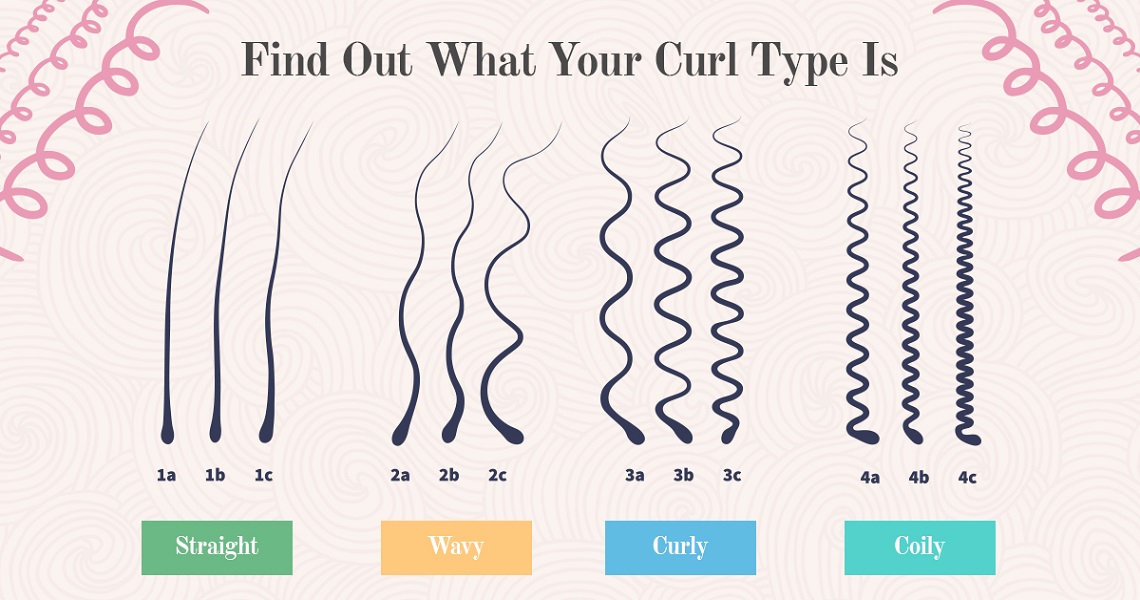
Porosity is not the same as hair type. Hair type refers to curl pattern, thickness, or density. Porosity affects everyone, from straight to coily hair.
For example:
- Straight hair can be high porosity after bleaching.
- Curly hair often has higher porosity naturally.
Data: Surveys show that about 65% of people with curly hair have medium to high porosity, due to natural cuticle structure.
Environmental Effects On Hair Porosity
Porosity is not fixed. It changes with environment, habits, and treatments.
- Hard water raises porosity by roughening the cuticle.
- Sun, wind, and pollution cause damage, raising porosity.
- Protective styles (like braids) help keep porosity stable.
Example: If you swim often, chlorine can raise your porosity. Using a clarifying shampoo and leave-in conditioner will help.
How To Improve Your Hair Porosity
Improving porosity is possible, especially for high porosity hair.
- Use protein treatments to repair cuticles.
- Avoid harsh chemicals and frequent heat styling.
- Seal moisture with oils and butters.
Tip: For low porosity, use heat with conditioners to help absorption.
| Porosity Type | Improvement Strategy | Expected Outcome |
|---|---|---|
| Low Porosity | Steam, warm water, light products | Better moisture absorption |
| Medium Porosity | Balanced moisture/protein | Stable, healthy hair |
| High Porosity | Protein, oil sealing, gentle care | Less breakage, more shine |
Porosity And Hair Growth
Porosity affects hair growth indirectly. High porosity hair breaks easily, slowing growth. Low porosity hair grows well but may feel heavy.
Tips for growth:
- Reduce breakage by sealing moisture.
- Avoid tight hairstyles that stress cuticles.
- Trim split ends regularly.
Non-obvious insight: High porosity hair often needs shorter wash intervals, as it loses moisture faster.
Credit: curlambassadors.ca
Porosity Across Different Ethnic Hair Types
Porosity varies by ethnicity. Studies show African and Afro-textured hair often has higher porosity, while Asian hair is usually low porosity.
Example: Afro-textured hair benefits from oil sealing and protective styles. Asian hair needs clarifying and light moisture.
Data: According to Wikipedia, porosity differences are linked to cuticle structure and genetic factors.
Diy Porosity Tests: What Works And What Doesn’t
Many people try home tests. Some work, some don’t.
- Float test: Not reliable. Oils and products affect results.
- Spray test: Spray water on dry hair. If it beads up, you have low porosity.
- Touch test: Feel hair after washing. If it feels sticky or coated, it’s low porosity. If it feels rough, it’s high porosity.
Tip: Always test on clean, product-free hair.

Credit: hairstory.com
Porosity And Styling Choices
Porosity affects styling. High porosity hair needs gentle handling. Low porosity hair can handle heat, but products may build up.
- For braids and twists, use oil sealants if you have high porosity.
- For straight styles, clarify regularly if you have low porosity.
Example: If your hair won’t hold a curl, it may be high porosity and need more moisture.
Porosity Comparison: Real-life Case Studies
Here are three real-life examples:
- Maria has low porosity, straight hair. She noticed water rolls off her hair and products build up. She switched to lightweight conditioners and uses a steamer. Her hair now feels softer and looks shinier.
- Tariq has medium porosity, wavy hair. He tried coloring but noticed no damage. He balances protein and moisture. His hair stays healthy and easy to style.
- Lina has high porosity, curly hair. After bleaching, her hair became dry and frizzy. She started using deep conditioners and oil sealants. Her curls are now defined and breakage is reduced.
Porosity And Age
Porosity changes with age. As you get older, hair becomes more porous due to cuticle wear and environmental exposure.
Tips:
- For seniors, use gentle shampoos and rich conditioners.
- Avoid frequent coloring and heat styling.
Non-obvious insight: Children’s hair is usually low to medium porosity but can change quickly after puberty.
Porosity And Hair Health Myths
There are many myths about porosity.
- Myth: High porosity hair is always damaged. Truth: Genetics can cause high porosity, not just damage.
- Myth: Low porosity hair doesn’t need moisture. Truth: All hair needs moisture, but low porosity needs help absorbing it.
Tip: Don’t trust every test you see online. Look for science-backed advice.
Porosity And Professional Treatments
Salon treatments affect porosity. Keratin treatments, perms, and relaxers open the cuticle, raising porosity.
Advice:
- After chemical treatments, use protein-rich products.
- Ask your stylist about your porosity before coloring.
Example: If you notice more breakage after a perm, switch to deep conditioning routines.
Porosity And Seasonal Changes
Porosity changes with the seasons.
- In winter, hair loses moisture faster. High porosity hair needs more protection.
- In summer, humidity increases frizz. Low porosity hair may feel heavier.
Tip: Adjust your routine as seasons change.
Porosity And Hair Accessories
Accessories affect porosity health.
- Use satin or silk scarves to reduce friction.
- Avoid rough brushes and tight elastics.
Example: Cotton pillowcases cause breakage in high porosity hair. Switch to satin for smoother results.
Porosity And Scalp Care
Healthy scalp is key for all porosity types.
- Low porosity: Use gentle exfoliation to remove buildup.
- High porosity: Moisturize scalp with oils.
- Medium porosity: Balance moisture and cleansing.
Tip: Don’t ignore your scalp—it affects hair porosity and growth.
Porosity And Diet
Diet impacts hair porosity. Protein, vitamins, and hydration help keep cuticles strong.
- Eat foods rich in biotin, vitamin E, and omega-3.
- Drink water to support moisture.
Data: Studies show that dehydration increases hair breakage by up to 15%.
Porosity And Hair Loss
Porosity is linked to hair loss. High porosity hair breaks, causing thinning. Low porosity hair can get heavy and stress roots.
Advice:
- Reduce breakage with oil sealants.
- Avoid tight styles and harsh treatments.
Tip: If you notice increased hair loss, check your porosity and adjust your routine.
Porosity And Children’s Hair
Children’s hair is often low porosity. It needs gentle care and light products.
- Avoid heavy conditioners and oils.
- Use gentle detanglers.
Tip: Teach children healthy hair habits early.
Porosity And Men’s Hair
Men often overlook porosity. Short hair can still be affected.
- Low porosity: Use light gels and moisturizers.
- High porosity: Moisturize and seal with oils.
Example: If your hairline is thinning, check for breakage linked to porosity.
Porosity And Dandruff
Dandruff is more common in low porosity hair due to product buildup.
Advice:
- Clarify regularly.
- Use scalp treatments.
Tip: Don’t confuse dandruff with dry scalp. Porosity affects both.
Porosity And Heat Styling
Heat styling raises porosity by damaging the cuticle.
- Use heat protectants.
- Limit use of flat irons and blow dryers.
Example: If your hair gets frizzy after heat styling, it’s a sign of rising porosity.
Porosity And Hair Color
Coloring lifts the cuticle, increasing porosity.
- Use deep conditioners after coloring.
- Limit frequency of color changes.
Data: Frequent coloring can raise porosity by up to 40%.
Porosity And Protective Styles
Protective styles help keep porosity stable.
- Use braids, twists, and buns.
- Moisturize before styling.
Tip: Don’t leave styles in too long—this can cause buildup.
Porosity And Swimming
Swimming raises porosity due to chlorine and salt.
- Use swim caps.
- Rinse hair after swimming.
Advice: Apply leave-in conditioner before swimming to reduce damage.
Porosity And Hair Transplants
Hair transplants don’t change porosity, but transplanted hair can behave differently.
- Follow your surgeon’s advice.
- Moisturize and protect transplanted hair.
Tip: Monitor changes in porosity after surgery.
Porosity And Aging Hair
Aging makes hair more porous.
- Use gentle shampoos.
- Deep condition regularly.
Advice: Protect hair from sun and wind as you age.
Porosity And Hormonal Changes
Hormones affect porosity. Pregnancy, menopause, and puberty can change hair texture and porosity.
- Monitor changes.
- Adjust routine as needed.
Tip: Consult a dermatologist for advice during hormonal shifts.
Porosity And Stress
Stress weakens cuticles, raising porosity.
- Practice stress reduction.
- Use gentle products.
Data: Chronic stress can increase hair breakage by up to 20%.
Porosity And Hair Growth Cycles
Porosity changes in growth cycles. New hair is usually low porosity. Old hair is more porous.
- Trim regularly to remove damaged ends.
- Moisturize new growth.
Tip: Don’t neglect ends—they show porosity most clearly.
Porosity And Hair Product Ingredients
Ingredients matter for porosity.
- Low porosity: Avoid silicones and heavy oils.
- High porosity: Use protein and oil sealants.
Example: Look for hydrolyzed keratin in high porosity products.
Porosity And Hair Care Myths
Not all advice online is correct.
- Myth: All curly hair is high porosity. Truth: Porosity varies.
- Myth: Oil fixes all porosity issues. Truth: Oils seal moisture but don’t fix the cuticle.
Tip: Always verify advice with science.
Porosity And Professional Advice
If you’re unsure, consult a professional. Stylists can test porosity and recommend products.
- Ask for a strand test.
- Discuss routines and styling options.
Tip: Bring your quiz answers to your stylist for better advice.
Porosity And Social Media Trends
Trends change fast. Not all work for your porosity type.
- Avoid one-size-fits-all routines.
- Customize advice for your hair.
Example: If a trend involves heavy oils, it may not work for low porosity hair.

Credit: www.amazon.com
Porosity And Hair Accessories Comparison Table
Here is a quick comparison:
| Accessory | Effect on Low Porosity | Effect on High Porosity | Best Use |
|---|---|---|---|
| Satin Scarf | Reduces buildup | Prevents breakage | Night protection |
| Cotton Pillowcase | Causes buildup | Causes breakage | Avoid |
| Wide-Tooth Comb | Gentle detangling | Reduces frizz | Daily use |
| Elastic Band | May cause buildup | Causes breakage | Use with caution |
Frequently Asked Questions
What Is The Most Accurate Way To Test Hair Porosity?
The spray test is reliable. Spray water on clean, dry hair. If water beads up, it’s low porosity. If it absorbs quickly, it’s high porosity. Avoid the float test—it’s not accurate.
Can Porosity Change Over Time?
Yes, porosity changes with age, treatments, and environment. Frequent coloring or heat styling raises porosity. Healthy habits help keep it stable.
Is Porosity Linked To Hair Type Or Ethnicity?
Porosity is independent of hair type. It occurs in straight, wavy, curly, and coily hair. Some ethnic groups have typical porosity patterns, but everyone can have any type.
How Often Should I Deep Condition Based On Porosity?
- Low porosity: Every 3–4 weeks.
- Medium porosity: Every 2–3 weeks.
- High porosity: Weekly or as needed.
Adjust based on hair’s response.
Will Changing My Routine Help My Porosity?
Changing your routine helps manage porosity. Use products and methods suited to your type. For high porosity, use protein and sealants. For low porosity, use heat and light products.
Getting to know your hair porosity is the first step to healthy, beautiful hair. Take the quiz, adjust your routine, and watch your hair transform. The right care starts with understanding your unique hair needs. If you want to learn more, visit Wikipedia for in-depth information. Your hair will thank you.