

If you have low porosity hair, you probably know the struggle: products just seem to sit on top, moisture is hard to keep in, and deep conditioning sometimes feels pointless. But what if the problem isn’t your products—it’s the temperature you’re using? Understanding the right use of heat and deep conditioning can completely change your results. In this guide, you’ll learn why temperature matters so much for low porosity hair, how to use heat safely, and discover a practical temperature guide for best results.
Understanding Low Porosity Hair
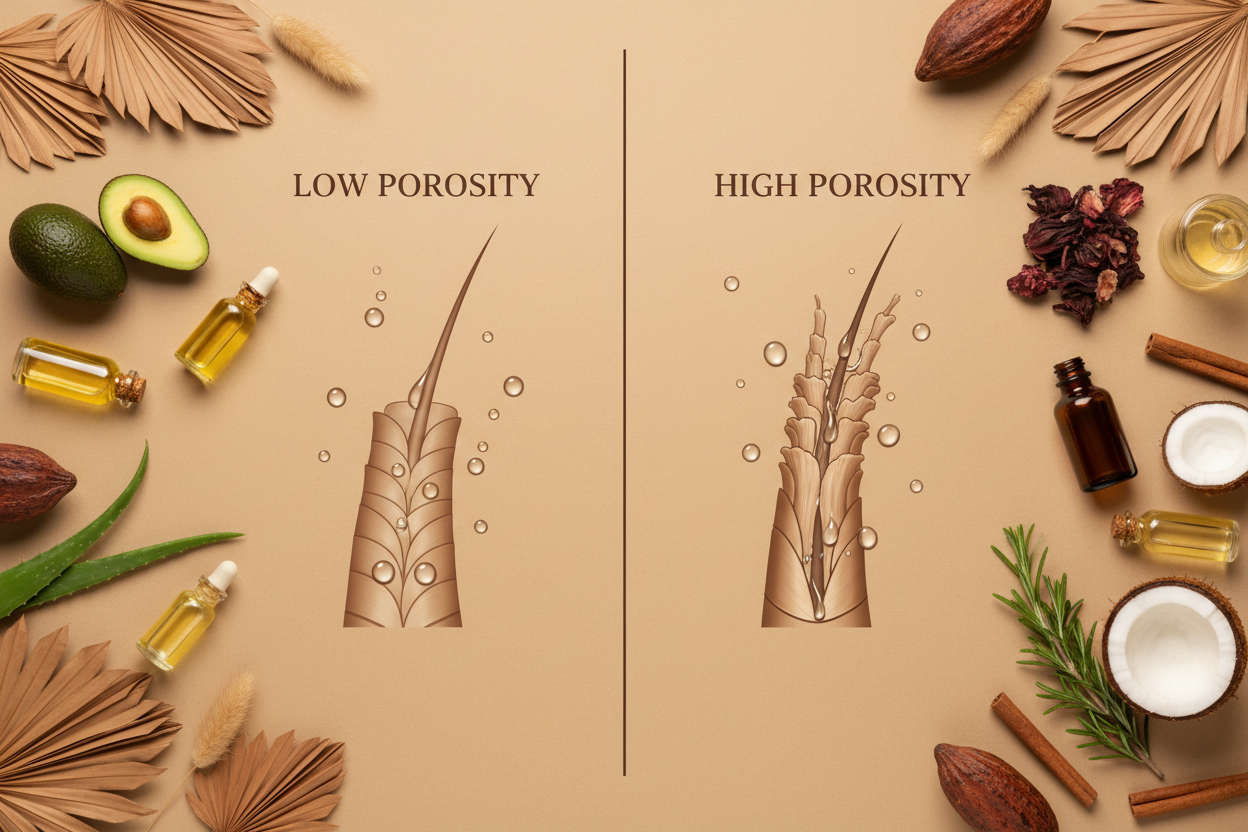
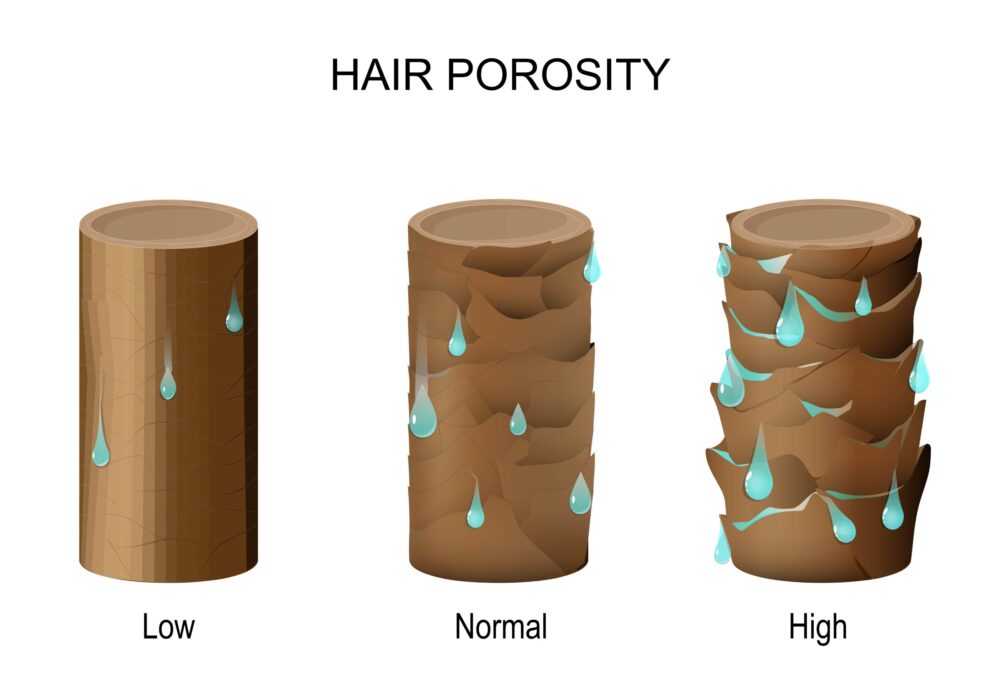
Low porosity hair has a cuticle layer that lies flat and tight. This means water, oils, and hair products have a hard time getting into the hair shaft. While this makes the hair less prone to frizz and helps it retain moisture, it also means that your favorite conditioners and treatments may just sit on the surface instead of penetrating where they’re needed.
Imagine your hair like a waterproof jacket. Water beads up and rolls off. That’s great for avoiding frizz, but not so great when you want your hair to soak up nutrients. Heat can help lift the cuticle just enough to let moisture in.
Signs Of Low Porosity Hair
- Water beads up on your hair instead of soaking in.
- Products seem to sit on your hair and cause buildup.
- Hair takes a long time to dry.
- Protein treatments can make your hair feel stiff or straw-like.
Understanding these signs is key. If they sound familiar, you’re in the right place.
Why Heat Matters For Low Porosity Hair
The main issue with low porosity hair is that the cuticle is so tightly sealed, it blocks out moisture. This is where heat becomes a game-changer. When you apply gentle heat, the cuticle layer loosens slightly, allowing conditioners, masks, and oils to penetrate deeper into the hair shaft.
Using the right temperature is crucial. Too little heat, and nothing gets in. Too much, and you risk damage. The goal is to find that sweet spot where your hair opens up just enough to let in all the good stuff.
The Science Behind Heat And Hair
When exposed to heat, the cuticle (the outer layer of your hair) gently lifts. This is similar to how warm water opens pores on your skin. With the cuticle slightly raised, conditioners and treatments can reach the inner layers of your hair more effectively.
A 2016 study in the International Journal of Trichology showed that heat-assisted deep conditioning increased hair moisture by up to 20% in low porosity hair, compared to using conditioner alone.
Deep Conditioning: The Basics
Before we dive into temperatures, let’s clarify what deep conditioning actually involves. Deep conditioning is the process of applying a rich, nourishing treatment or mask to your hair for an extended period. This process helps:
- Restore moisture
- Improve elasticity
- Strengthen hair
- Reduce breakage
For low porosity hair, deep conditioning without heat may have limited results. This is why heat is often recommended.
Types Of Deep Conditioners
Low porosity hair often benefits most from:
- Moisturizing deep conditioners: These are rich in humectants like glycerin or honey.
- Protein-free formulas: Low porosity hair often doesn’t need extra protein.
- Lightweight oils: Oils like argan or grapeseed are less likely to cause buildup.
Choosing the right formula is just as important as the method you use.
Temperature Guide For Low Porosity Hair
Let’s get to the heart of the matter: what’s the best temperature for deep conditioning low porosity hair? Using the correct temperature can make or break your results.
Recommended Temperatures
- Warm water rinse: 35–40°C (95–104°F)
- Heated cap or hooded dryer: 45–55°C (113–131°F)
- Steamer: 45–55°C (113–131°F)
- Body heat (plastic cap): Your natural body temperature, around 37°C (98.6°F)
Let’s break down why each method works and how to use them safely.
Comparing Heat Methods
Below is a comparison of the most common methods for applying heat during deep conditioning.
| Heat Method | Temperature Range | Best For | Duration | Notes |
|---|---|---|---|---|
| Heated Cap | 45–55°C (113–131°F) |
All hair lengths | 15–30 min | Easy home use; consistent heat |
| Hooded Dryer | 45–55°C (113–131°F) |
Thick or dense hair | 15–30 min | Even coverage, salon-like |
| Hair Steamer | 45–55°C (113–131°F) |
Extra dry hair | 15–20 min | Boosts moisture, opens cuticle gently |
| Plastic Cap & Towel | Body temp | Short hair, travel | 30–60 min | Slow, less effective for very low porosity |
How To Use Each Method
- Heated Cap: After applying conditioner, cover hair with a plastic cap, then place the heated cap over it. Set for 15–30 minutes.
- Hooded Dryer: Sit under the dryer with a plastic cap on. Keep heat on medium to avoid overheating.
- Steamer: Allow steam to flow evenly over your hair. The steam gently lifts the cuticle and infuses moisture.
- Plastic Cap & Towel: For a no-heat option, cover hair with a plastic cap, then wrap a warm towel around your head. This uses your natural body heat.
Step-by-step Deep Conditioning Routine For Low Porosity Hair
Getting the process right matters as much as the temperature itself. Here’s a detailed, practical routine.
1. Pre-treatment: Clarify
Low porosity hair is prone to buildup because products don’t absorb easily. Clarify your hair before deep conditioning to remove residue.
- Use a clarifying shampoo.
- Rinse with warm water (35–40°C/95–104°F) to start opening the cuticle.
2. Apply Conditioner Evenly
Choose a light, moisturizing deep conditioner. Apply in sections to ensure every strand is coated.
- Avoid protein-heavy formulas unless your hair feels mushy or too soft.
- Focus on the mid-lengths and ends.
3. Add Heat
Pick your preferred heat method. For most, a heated cap or hooded dryer works best.
- Set the device to 45–55°C (113–131°F).
- Deep condition for 15–30 minutes. Longer is not always better.
- If using body heat, leave the conditioner on for 30–60 minutes.
4. Rinse Thoroughly
Use warm water to rinse out the conditioner. This helps keep the cuticle slightly open for added moisture.
- Finish with a cool rinse (not ice cold) to gently close the cuticle and lock in moisture.
5. Style As Usual
Apply your leave-in conditioner or styling products while hair is still damp to trap in moisture.
Common Mistakes With Heat And Low Porosity Hair
Many people make simple mistakes that reduce the effectiveness of their routine or even harm their hair. Here’s what to watch out for:
Overheating
Using temperatures above 55°C (131°F) can damage the hair cuticle, making it brittle and prone to breakage. More heat isn’t better—stick to safe ranges.
Skipping Clarifying
If you don’t clarify, your deep conditioner may not penetrate. Buildup acts like a barrier.
Using Too Much Product
Low porosity hair needs less product than you think. Too much can weigh hair down and cause even more buildup.
Not Sectioning Hair
Applying conditioner all at once often leads to missed spots. Sectioning ensures even coverage.
Rushing The Process
Deep conditioning is not a quick fix. Give it enough time to work, but don’t overdo it—15–30 minutes with heat is usually enough.
Credit: theorganibrands.com
The Role Of Steam In Deep Conditioning
Steam is one of the best ways to infuse moisture into low porosity hair. The gentle, moist heat from a steamer lifts the cuticle just enough for conditioners to enter, without causing damage.
Why Steam Works
- Moist heat: Penetrates deeper than dry heat.
- Hydration boost: Adds water molecules directly to the hair.
- Gentle on hair: Less risk of overdrying or burning.
Using A Steamer
- Fill your steamer with distilled water to avoid mineral buildup.
- Steam for 15–20 minutes.
- Keep hair in sections for even coverage.
- Don’t over-steam; too much moisture can cause hygral fatigue (overly soft, weak hair).
Deep Conditioning Frequency For Low Porosity Hair
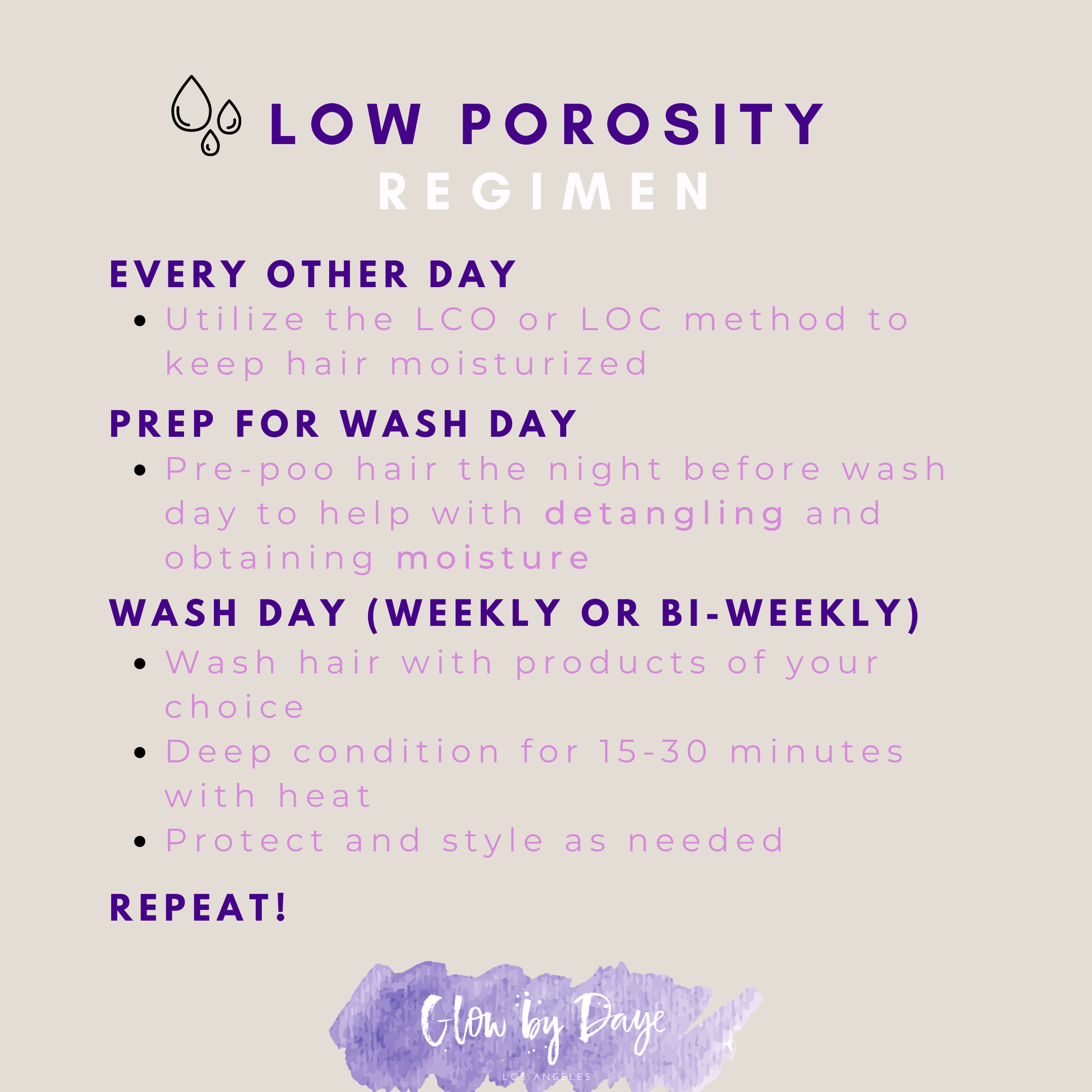
You might think more is better, but deep conditioning too often can overwhelm low porosity hair. For most, once a week is enough. Some may need only every two weeks.
Signs You’re Deep Conditioning Too Often
- Hair feels heavy or greasy
- Increased breakage
- Curls lose their bounce
If you notice these signs, cut back on the frequency.
Product Ingredients To Look For (and Avoid)
Choosing the right ingredients can make or break your deep conditioning routine.
Best Ingredients For Low Porosity Hair
- Humectants: Glycerin, honey, aloe vera
- Lightweight oils: Argan, grapeseed, sweet almond
- Emollients: Shea butter (in moderation), avocado oil
Ingredients To Avoid
- Heavy proteins: Keratin, collagen, silk protein (unless your hair is damaged)
- Heavy butters and oils: Coconut oil, castor oil (these can cause buildup)
- Silicones: Can block moisture in low porosity hair
Natural Deep Conditioning Treatments
You don’t always need to buy expensive products. Natural ingredients from your kitchen can work, too.
Examples
- Aloe Vera and Honey Mask
- Mix equal parts aloe vera gel and raw honey.
- Apply to damp hair, use a heated cap for 20 minutes.
- Avocado and Olive Oil Mask
- Mash one ripe avocado, mix with 2 tablespoons olive oil.
- Apply to hair, steam for 15–20 minutes.
- Yogurt and Glycerin Mask
- Mix half a cup of plain yogurt with a tablespoon of vegetable glycerin.
- Apply, cover, and use gentle heat for 20 minutes.
These DIY treatments use humectants and lightweight oils—perfect for low porosity hair.
The Importance Of Water Temperature
Even the water you use matters. Warm water (not hot) is best for:
- Rinsing out buildup
- Starting the deep conditioning process
- Opening the cuticle gently
Cool water helps seal the cuticle after conditioning. This combination helps moisture stay locked in, but prevents frizz or roughness.
How To Tell If Your Routine Is Working
It can take a few weeks to see results, but here’s what to look for:
- Hair absorbs products better
- Less buildup on scalp and strands
- Hair stays moisturized longer
- Curls or waves have more definition
If you don’t see improvement, check your temperature settings, clarify more often, or try a different deep conditioner.
Credit: www.drserkanaygin.com
Safety Tips For Using Heat
Using heat on your hair always carries some risk. Here’s how to stay safe:
- Always test the temperature of your device before use.
- Never use heat on soaking wet hair; towel-dry first.
- Don’t exceed recommended times—15–30 minutes is usually enough.
- If your scalp feels uncomfortable, stop immediately.
- Clean your heat tools regularly to avoid product buildup and bacteria.
How Heat And Deep Conditioning Change Over Time
As your hair gets healthier, you may need less frequent deep conditioning or lower heat settings. Pay attention to how your hair feels after each session.
Adjusting Your Routine
- If hair feels strong and bouncy, reduce the frequency.
- If hair is limp or mushy, you may be over-conditioning or using too much heat.
- If you start using more stylers (like gels or creams), clarify more often.
Consistency and observation are key. What works today might need adjusting in a few months.
Heat And Deep Conditioning For Different Hair Types
Low porosity hair comes in all curl patterns and textures. Your routine may need adjustments based on your specific hair type.
Fine Low Porosity Hair
- Use lighter conditioners.
- Lower heat settings to avoid damage.
- Less frequent deep conditioning.
Thick Or Coarse Low Porosity Hair
- Slightly higher heat (within safe range) helps open the cuticle.
- Richer formulas may work, but avoid too much protein.
- Section thoroughly for even coverage.
Comparing Deep Conditioning Methods
Let’s compare three common methods for low porosity hair.
| Method | Pros | Cons | Best For |
|---|---|---|---|
| Heated Cap | Portable, easy to use, consistent heat | Needs electricity, limited temperature control | Most low porosity hair types |
| Hooded Dryer | Even heat, salon quality results | Bulky, not travel-friendly | Thick or dense hair |
| Steamer | Deepest moisture penetration, gentle on hair | Expensive, requires maintenance | Very dry or damaged low porosity hair |
Credit: www.glowbydaye.com
Non-obvious Insights Beginners Miss
- Water Quality Matters: Hard water can leave minerals on your hair, making it even harder for products to penetrate. Use distilled or filtered water when possible for rinsing and steaming.
- Layering Moisture Is Key: After deep conditioning, applying a leave-in conditioner while your hair is still damp helps seal in the moisture. Don’t wait until your hair is dry.
- Heat Protectant Isn’t Just for Styling: If you use a hooded dryer or heated cap frequently, a lightweight heat protectant can add an extra layer of safety—even during deep conditioning.
- Not All Humectants Work the Same: In dry climates, humectants like glycerin can pull moisture out of your hair instead of into it. Adjust your products based on the weather.
When To Avoid Heat
There are times when heat isn’t recommended, even for low porosity hair.
- If your hair is freshly colored or chemically treated, wait at least one week before applying heat.
- If your scalp is sensitive or you have scalp conditions, use only body heat or skip heat entirely.
- If your hair is breaking or feels weak, focus on gentle moisturizing treatments first.
Listening to your hair is always more important than following any rule.
Real-world Example: Jasmine’s Routine
Jasmine has shoulder-length, low porosity, 4A curls. She struggled with dry, stiff hair, despite using expensive conditioners. After switching to weekly deep conditioning with a heated cap at 50°C for 20 minutes, and clarifying her hair every two weeks, she noticed:
- Products absorbed better
- Hair stayed softer for days
- Curls were more defined
She also learned to use less product and rinse with filtered water for best results.
Expert Recommendations
Trichologists (hair and scalp specialists) recommend:
- Using heat for deep conditioning no more than once a week.
- Keeping heat below 55°C (131°F) to protect cuticle integrity.
- Rotating products every few months to avoid buildup.
- Consulting a professional if you notice sudden changes in your hair.
The American Academy of Dermatology offers tips for choosing safe hair products and routines. For more, see the AAD hair care tips.
Frequently Asked Questions
What Is The Best Temperature For Deep Conditioning Low Porosity Hair?
The ideal temperature is between 45–55°C (113–131°F). This is warm enough to open the cuticle gently, but not so hot that it causes damage. Use a heated cap, hooded dryer, or steamer set within this range for best results.
How Often Should I Deep Condition My Low Porosity Hair With Heat?
For most people, once a week is enough. If your hair feels heavy, greasy, or limp, reduce the frequency. Pay attention to your hair’s response and adjust as needed.
Can I Use Protein Treatments On Low Porosity Hair?
Low porosity hair often does not need frequent protein treatments, as the cuticle is already tight. Too much protein can make your hair stiff or brittle. Use moisturizing treatments more often, and protein only if your hair feels mushy or overly soft.
Is Steaming Better Than Using A Heated Cap Or Dryer?
Steaming is very effective for adding moisture and gently lifting the cuticle. It works especially well for very dry or damaged low porosity hair. However, heated caps and hooded dryers are also effective—choose what fits your routine and budget.
What Should I Do If My Hair Still Feels Dry After Deep Conditioning With Heat?
First, check your product ingredients—avoid heavy proteins and buildup-causing oils. Make sure you’re clarifying your hair regularly. Adjust your deep conditioning time and temperature, and try layering a leave-in conditioner while your hair is still damp.
Getting the most from heat and deep conditioning for low porosity hair is all about understanding your unique hair, using the right temperature, and following a consistent routine. With a little attention to detail, you can transform stubborn, dry hair into soft, manageable curls or waves. Remember: patience and experimentation matter. Listen to your hair, adjust as you go, and enjoy the journey to healthier, more hydrated hair.