

Many people struggle with hair that feels dry, frizzy, and difficult to manage. You might notice your curls lose their shape quickly after washing, or your hair soaks up products but still seems thirsty. If this sounds familiar, your hair may have high porosity. Understanding high porosity hair is the first step to giving it the care it needs. In this article, you’ll discover what makes hair porous, why it loses moisture so fast, and—most importantly—how you can manage it for healthier, stronger strands.
What Is High Porosity Hair?
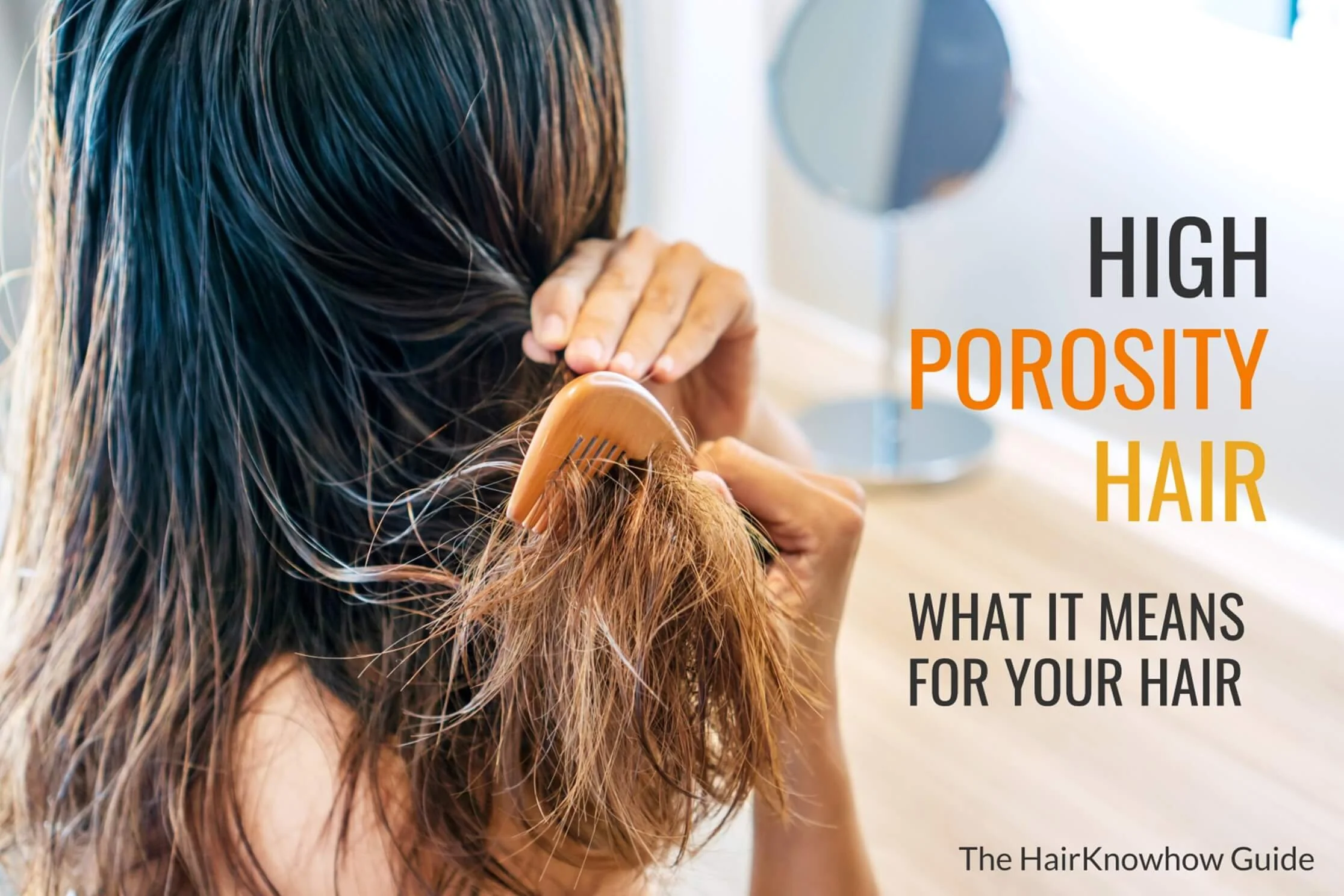
High porosity hair means your hair absorbs water and products easily, but also loses them just as fast. Think of your hair like a sponge with big holes. It soaks up water quickly, but it also dries out fast because moisture escapes through those gaps. This type of hair often feels dry, tangles easily, and can look dull or frizzy.
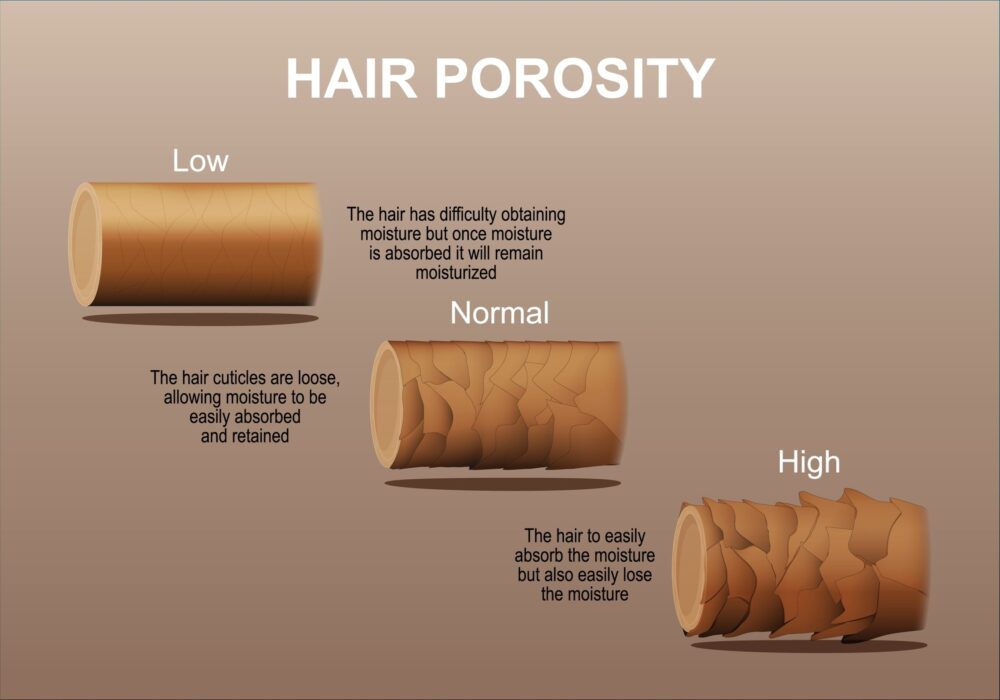
Porosity is not about hair type, curl pattern, or color. It’s about how your hair cuticle—the outer layer made of tiny scales—lets moisture in and out. High porosity hair has raised or damaged cuticles, creating more space for water and oils to enter and leave.
How Porosity Is Different From Hair Type
Many confuse hair porosity with hair type (straight, wavy, curly, coily). But they are not the same. Two people can have the same curl pattern but very different porosity. Porosity affects how your hair handles moisture and products, not its shape or thickness.
The Three Levels Of Hair Porosity
Hair porosity is usually divided into three main categories:
- Low porosity: Cuticles are tightly packed. Hair is slow to get wet and slow to dry.
- Normal porosity: Cuticles are slightly raised. Hair balances moisture well.
- High porosity: Cuticles are widely spaced or damaged. Hair gets wet and dries fast, but loses moisture quickly.
Why Does Hair Become Highly Porous?
There are several reasons why hair develops high porosity. For some, it’s genetic—you’re born with it. For others, daily habits or environmental factors are the cause.
Main Causes Of High Porosity
- Genetics: Some people naturally have raised cuticles. If your parents or siblings have high porosity hair, you might too.
- Chemical treatments: Coloring, bleaching, relaxing, or perming your hair can lift the cuticle, making it more porous.
- Heat styling: Frequent use of flat irons, curling irons, or blow dryers can damage the hair’s outer layer.
- Environmental exposure: Sun, wind, chlorine, and saltwater can wear down the cuticle over time.
- Mechanical damage: Rough brushing, towel drying, or tight hairstyles can physically damage your hair.
Often, high porosity is a mix of genetics and damage. Even if you’re born with normal porosity, harsh treatments can make your hair more porous over time.
How High Porosity Hair Looks And Feels
- Absorbs water and products quickly
- Dries very fast after washing
- Prone to frizz and tangles
- Feels rough or dry, especially at the ends
- Can appear dull or lack shine
Some people notice their hair loses definition quickly—curls drop or waves turn fluffy because moisture disappears fast.
Credit: www.drserkanaygin.com
How To Test Your Hair’s Porosity
Understanding your hair’s porosity is key to caring for it properly. There are simple tests you can do at home.
The Water Test
- Take a clean, dry strand of hair (from your brush or comb).
- Fill a glass with room-temperature water.
- Drop the hair into the glass.
- Wait 3-5 minutes.
- If your hair sinks quickly, you likely have high porosity.
- If it floats for a while before sinking, you have normal porosity.
- If it floats on top, you have low porosity hair.
The Slide Test
Take a strand of clean hair and gently slide your fingers from the tip to the root. If you feel bumps or roughness, your cuticles may be raised—another sign of high porosity.
The Spray Test
Spray a small section of dry hair with water. High porosity hair will get wet almost instantly.
Two Insights Many Miss
- Product buildup can give false results. Always test on clean, product-free hair.
- Hair porosity can vary on your head. For example, ends (which are older) are often more porous than roots.
The Science: Why High Porosity Hair Loses Moisture So Fast
To understand why high porosity hair loses moisture, you need to look at its structure.
The Hair Cuticle
The cuticle is made of overlapping cells, like shingles on a roof. When these cuticles are raised, moisture enters easily but also escapes quickly. This is the main reason high porosity hair gets dry and frizzy.
Moisture Movement
High porosity hair is like a leaky bucket. Water and products can go in, but they don’t stay. Oils that should protect your hair slip away, leaving strands exposed. This makes your hair feel dry and look dull, even if you use good products.
Common Problems With High Porosity Hair
- Frizz: Raised cuticles allow humidity to enter, causing hair to swell and frizz.
- Breakage: Dry hair is brittle and snaps easily.
- Lack of definition: Curls and waves can lose shape as moisture evaporates.
- Color fading: If you color your hair, pigments escape faster from porous hair.
How To Care For High Porosity Hair
If you have high porosity hair, you can’t change its structure overnight. But you can manage it with the right routine. The goal is to add moisture, lock it in, and protect your hair from more damage.
Wash Routine: Less Is More
- Use a sulfate-free shampoo to avoid stripping natural oils.
- Wash less often—overwashing dries hair further.
- Try co-washing (using conditioner only) if your scalp is not oily.
Conditioning Is Essential
- Always use a rich conditioner after shampooing.
- Look for ingredients like sheabutter, coconut oil, argan oil, or honey.
- Deep condition weekly with a product containing proteins and natural oils.
Seal In Moisture
After applying your leave-in conditioner, seal the moisture with a light oil or butter. Popular choices include jojoba oil, olive oil, or shea butter. This step helps slow down moisture loss.
Layer Your Products
The LCO (Liquid-Cream-Oil) or LOC (Liquid-Oil-Cream) method works well for high porosity hair:
- Liquid (water or leave-in spray)
- Cream (moisturizing leave-in)
- Oil or butter (to seal)
Experiment to see which order works best for you.
Avoid Excessive Heat And Chemicals
- Limit use of flat irons, curling wands, and blow dryers.
- If you color or bleach, wait longer between treatments.
- Use a heat protectant if you must use hot tools.
Protect From The Environment
- Wear a hat or scarf in strong sun, wind, or cold weather.
- Rinse your hair with clean water before and after swimming.
Sleep On Silk Or Satin
Cotton pillowcases absorb moisture and rough up your hair. Silk or satin pillowcases help keep your hair’s oils and reduce breakage.
Trim Regularly
High porosity hair is prone to split ends. Trim every 6-8 weeks to keep your hair healthy.
Two Insights You Might Not Know
- Protein treatments are helpful, but too much protein can make hair stiff and brittle. Alternate with moisture treatments.
- Hard water can worsen dryness. If possible, use a shower filter to remove minerals.
Ingredients That Help High Porosity Hair
Choosing the right products is critical. Some ingredients are especially good for high porosity hair.
Best Ingredients
- Hydrolyzed proteins: Fill in gaps in the cuticle (look for hydrolyzed wheat, keratin, silk).
- Natural oils: Penetrate and seal moisture (coconut, olive, avocado, argan).
- Humectants: Attract moisture (glycerin, honey, aloe vera).
- Butters: Lock in hydration (shea, mango butter).
- Ceramides: Help rebuild the cuticle.
Ingredients To Be Careful With
- Heavy silicones: Can build up and weigh hair down.
- Drying alcohols: Look for “alcohol denat,” “isopropyl alcohol”—these can make hair drier.
- Harsh sulfates: Strip away natural oils.
Example Product Routine
- Sulfate-free shampoo (once a week)
- Moisturizing conditioner (every wash)
- Deep conditioner with protein (every 2 weeks)
- Leave-in conditioner (after every wash)
- Light oil or butter to seal
Credit: www.hairknowhow.com
High Porosity Hair Vs. Low Porosity Hair
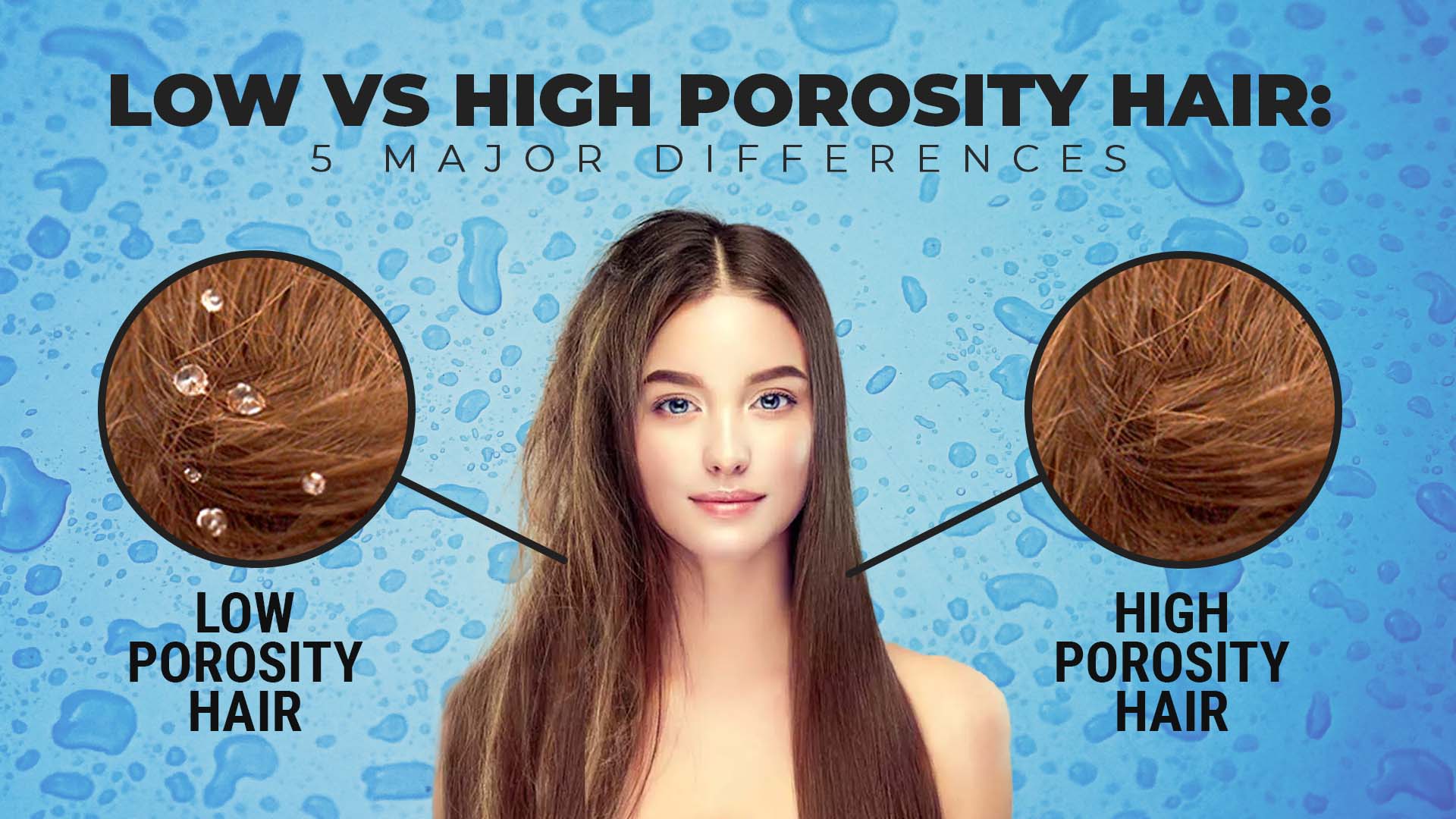
Comparing high and low porosity hair can help you see what makes high porosity unique.
| Feature | High Porosity | Low Porosity |
|---|---|---|
| Water Absorption | Fast | Slow |
| Drying Time | Quick | Long |
| Common Issues | Frizz, dryness | Product buildup |
| Product Needs | Moisture sealing, proteins | Lightweight, water-based |
| Cuticle Structure | Raised/open | Flat/closed |
Common Myths About High Porosity Hair
Many ideas about high porosity hair are not true. Let’s clear up some of the biggest myths.
Myth 1: High Porosity Hair Is Always Damaged
Not always. Some people are born with highly porous hair. However, damage can make it worse.
Myth 2: High Porosity Hair Can’t Be Healthy
With the right care, high porosity hair can be shiny, defined, and strong. It just needs extra attention.
Myth 3: You Should Always Use Protein
Protein helps fill in gaps, but too much can make hair hard and breakable. Balance with moisture.
Myth 4: Heavy Oils Will Fix Everything
Some oils seal moisture well, but using too much can weigh hair down or cause buildup. Choose lighter oils and use sparingly.
Myth 5: All Curls Are High Porosity
Curly hair is not always high porosity. Porosity and curl pattern are separate traits.
Protective Hairstyles For High Porosity Hair
Protective styles help reduce breakage and keep moisture in. Here are some options:
- Braids: Box braids, cornrows, or simple three-strand braids.
- Twists: Two-strand twists or flat twists.
- Buns: Low or high buns, secured gently.
- Updos: Styles that tuck away the ends, like chignons or roll-and-tuck styles.
- Wigs and weaves: Wear your hair braided underneath to protect it from the environment.
- Pineapple method: For curls, pile hair loosely on top of your head at night to reduce friction.
Always moisturize and seal your hair before styling. Avoid styles that pull too tight, which can cause breakage.
Mistakes To Avoid With High Porosity Hair
Caring for high porosity hair requires patience and knowledge. Here are some common mistakes to watch out for:
- Skipping leave-in conditioner: Without it, moisture disappears quickly.
- Using harsh shampoos: Sulfates strip away needed oils.
- Overloading on protein: Too much protein makes hair stiff.
- Neglecting trims: Split ends travel up the hair shaft, causing more damage.
- Applying heat too often: This lifts cuticles and worsens porosity.
- Tight hairstyles: These can lead to breakage and even hair loss.
- Sleeping on cotton: Causes friction and dries out hair.
- Ignoring water quality: Hard water can make dryness and breakage worse.
Many beginners also miss that weather changes impact their hair. High humidity can make hair frizzier, while cold, dry air can make it brittle.
How To Build A High Porosity Hair Routine
Every person’s hair is unique, but there are basic steps you can follow.
Step 1: Gentle Cleansing
Wash your hair once or twice a week with a mild, sulfate-free shampoo. Focus on your scalp. If your hair feels dry, co-wash with conditioner between shampoos.
Step 2: Moisturize Deeply
After washing, use a thick, creamy conditioner. Once a week, apply a deep conditioning treatment rich in both proteins and natural oils.
Step 3: Leave-in Conditioner
Apply a leave-in conditioner to wet hair. This helps lock in moisture and prepare your hair for styling.
Step 4: Seal With Oil Or Butter
Use a small amount of lightweight oil or butter to seal the moisture. Focus on the ends, which are the oldest and driest part.
Step 5: Detangle Carefully
Use your fingers or a wide-tooth comb, starting from the ends and working up. Always detangle when your hair is damp and coated with conditioner.
Step 6: Style Gently
Choose protective styles or loose buns. Avoid heat styling whenever possible.
Step 7: Night Care
Cover your hair with a silk or satin scarf or use a silk pillowcase. This prevents moisture loss and reduces breakage.
Step 8: Trim Regularly
Every 6-8 weeks, trim the ends to prevent split ends from spreading.
Step 9: Pay Attention To Weather
In humid climates, use anti-humidity products. In dry climates, use extra leave-in conditioner and oil.
Step 10: Listen To Your Hair
If your hair feels stiff, reduce protein. If it feels mushy or limp, add more protein. Adjust your routine as needed.
How Diet And Health Affect Hair Porosity
Many people overlook the impact of nutrition and health on their hair. High porosity hair is more vulnerable to changes in your body.
- Protein: Your hair is made of keratin, a protein. Eat enough lean meats, beans, and nuts.
- Healthy fats: Omega-3s (in fish, flaxseed, walnuts) support hair strength and shine.
- Vitamins and minerals: Iron, zinc, vitamins A, C, and E are crucial for healthy hair growth.
- Hydration: Drink plenty of water. Dehydration makes dry hair worse.
Certain health problems (thyroid disease, anemia, hormonal changes) can make hair more fragile. If you notice sudden changes in your hair, see a healthcare professional.
Products To Try For High Porosity Hair
There are many products made for high porosity hair. Here are some categories and examples (always check ingredients):
Shampoos
- SheaMoisture Raw Shea Butter Moisture Retention Shampoo
- Mielle Organics Babassu Oil Conditioning Sulfate-Free Shampoo
Conditioners
- Aussie 3 Minute Miracle Moist Deep Conditioner
- Camille Rose Algae Renew Deep Conditioner
Leave-ins
- Kinky Curly Knot Today Leave-In Detangler
- Cantu Shea Butter Leave-In Conditioning Repair Cream
Oils And Butters
- Jamaican Black Castor Oil
- 100% Pure Avocado Oil
- Shea Butter
Protein Treatments
- Aphogee Two-Step Protein Treatment
- Briogeo Don’t Despair, Repair! Deep Conditioning Mask
Always patch test new products. What works for one person may not work for another.
Weather And High Porosity Hair: What You Need To Know
The weather has a big effect on high porosity hair.
- Humidity: Moisture in the air enters raised cuticles, causing frizz.
- Cold/Dry air: Pulls moisture out of hair, making it brittle.
- Sun: UV rays damage the cuticle, making porosity worse.
- Wind: Tangles hair, breaks strands, and removes moisture.
Weather Protection Tips
- Use anti-humidity sprays or creams in wet weather.
- In cold climates, add extra oil or butter to seal in moisture.
- Wear hats or scarves to protect your hair from sun and wind.
- Rinse with cool water after swimming to remove chlorine or salt.
Credit: theradome.com
Diy Remedies For High Porosity Hair
Many people with high porosity hair use homemade treatments to add moisture and strength.
Protein-rich Mask
Mix 1 egg, 1 tablespoon yogurt, and 1 tablespoon olive oil. Apply to damp hair, leave for 20 minutes, then rinse with cool water.
Moisturizing Avocado Mask
Mash half an avocado, add 2 tablespoons honey, and 1 tablespoon coconut oil. Apply to clean, damp hair. Cover with a shower cap for 30 minutes, then rinse.
Aloe Vera Gel
Pure aloe vera can be used as a light leave-in to help seal moisture.
Tip: Always follow a protein treatment with a moisturizing conditioner to prevent stiffness.
High Porosity Hair And Color Treatments
If you color, bleach, or perm your hair, you need to be extra careful. Chemical treatments lift the cuticle, making high porosity hair even more fragile.
- Wait at least 8 weeks between treatments.
- Always deep condition before and after coloring.
- Ask your stylist about bond-building treatments that protect hair structure.
- Use color-safe, sulfate-free shampoos to keep hair healthy and color vibrant.
If you notice more breakage or dryness after coloring, cut back on protein treatments and focus on moisture.
Children And High Porosity Hair
Children can have high porosity hair too. Their hair is more sensitive, so use gentle, kid-friendly products.
- Avoid harsh shampoos and chemicals.
- Use a wide-tooth comb to detangle.
- Keep styles loose and comfortable.
- Moisturize regularly, but use lighter oils and creams.
- Protect their hair at night with a satin bonnet or pillowcase.
Help children build healthy hair habits early. This prevents damage and keeps their hair strong as they grow.
High Porosity Hair And Scalp Care
A healthy scalp is the foundation for healthy hair. People with high porosity hair sometimes forget the scalp needs care too.
- Massage your scalp gently when washing.
- Don’t apply heavy oils directly to the scalp—they can clog pores.
- Use a gentle exfoliating scrub once a month to remove buildup.
- Watch for flakes or itching; dryness can affect the scalp too.
- If you have dandruff, choose a mild, moisturizing anti-dandruff shampoo.
Real-life Stories And Examples
Hearing from others with high porosity hair can be encouraging.
- Maria, 29: “My hair always felt dry, no matter what I tried. When I learned about porosity, I switched to layering products—leave-in, then oil—and my curls finally stayed hydrated.”
- James, 34: “I thought my hair was just ‘bad.’ Turns out, it’s high porosity from years of coloring. I now deep condition every week, and the breakage has stopped.”
- Priya, 22: “I used to overload on protein treatments. My hair got stiff and started breaking. Now, I balance protein with moisture, and it’s much softer.”
These stories show that with the right care, high porosity hair can become healthy and beautiful.
High Porosity Hair: Quick Reference
Here’s a summary of what matters most for high porosity hair.
| Do | Don’t |
|---|---|
| Use sulfate-free shampoo | Wash too often |
| Deep condition weekly | Overload on protein |
| Seal moisture with oil/butter | Use heavy silicones |
| Protect hair at night | Sleep on cotton pillowcase |
| Trim regularly | Ignore split ends |
When To See A Professional
Sometimes, home care isn’t enough. See a hairstylist or trichologist if:
- Your hair keeps breaking, even with good care.
- You notice bald spots or thinning.
- Scalp is very itchy, flaky, or sore.
- You want to color or chemically treat your hair safely.
A professional can recommend treatments, check for health issues, and help you build a custom routine.
Where To Learn More
There’s a lot to learn about hair care and porosity. For in-depth science and tips, check out the Wikipedia Hair Care page.
Frequently Asked Questions
What Is The Main Cause Of High Porosity Hair?
High porosity hair can be genetic, but it’s often caused by chemical treatments (bleaching, coloring), heat styling, or environmental damage. These factors lift or damage the cuticle, making hair lose moisture faster.
Can High Porosity Hair Become Low Porosity?
You can’t fully change your hair’s porosity, but you can manage and improve its condition. With the right care, you can reduce damage and help your hair hold moisture better.
How Often Should I Wash High Porosity Hair?
Most people with high porosity hair should wash once or twice a week. Over-washing can strip moisture, so use gentle, sulfate-free cleansers and co-wash when possible.
Are Protein Treatments Good For High Porosity Hair?
Protein treatments help fill gaps in the cuticle and strengthen hair. However, too much protein can make hair hard and lead to breakage. Balance with moisturizing treatments for best results.
What Is The Best Oil For High Porosity Hair?
Oils like argan, avocado, olive, and jojoba work well. They penetrate the hair shaft and help seal in moisture. Test a few to see which your hair likes best.
—
High porosity hair can be a challenge, but it’s not a life sentence for dryness or frizz. With knowledge, patience, and the right routine, you can keep your hair strong, soft, and beautiful. Remember, it’s about learning what works for your unique hair—and giving it the care it deserves.