

High porosity hair is a topic that gets more attention every year, especially with the rise of natural hair care and people seeking healthier routines. If you’ve ever noticed your hair soaks up water fast but dries just as quickly, or if your hair feels rough, frizzy, or easily tangled, you might have high porosity hair.
This means your hair’s cuticles are open or damaged, letting moisture and protein in—and out—very easily.
One of the most confusing subjects for people with high porosity hair is protein treatments. You’ve probably heard that protein is “essential” for damaged or porous hair. But how much is too much? How often should you do these treatments?
And can you actually make your hair worse by overdoing it? These questions matter, because the right balance can make your hair stronger, while the wrong approach can leave it stiff, dry, or even more breakable.
This article will guide you through everything you need to know about high porosity hair protein treatments. We’ll cover what high porosity hair really is, the science behind protein and hair structure, how protein treatments work, the signs you’re overusing them, and how to find the right routine for your unique hair. We’ll also look at some myths, practical tips, and expert advice, including what most beginners miss. By the end, you’ll have a clear, confident plan for your hair—and answers to the most common questions.
Understanding High Porosity Hair
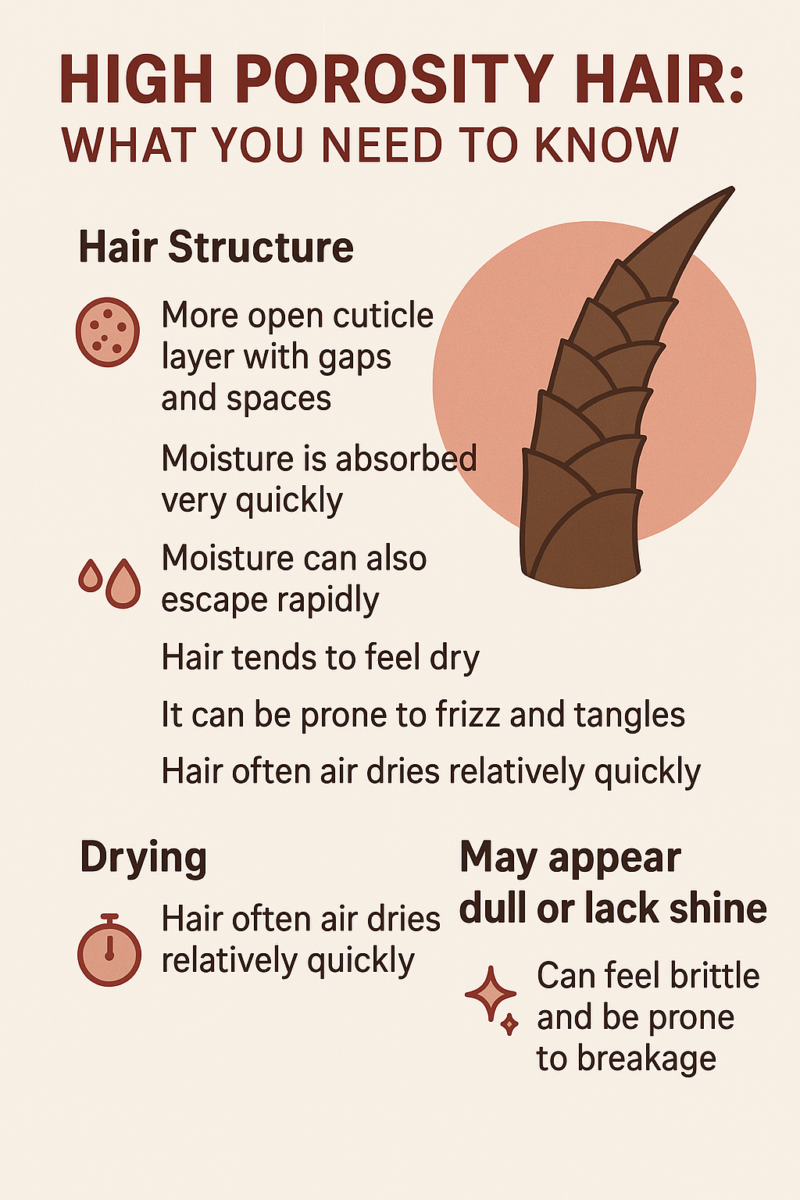
High porosity hair is often misunderstood. Many people think it’s just “dry” or “damaged,” but there’s more to it. Porosity is about how well your hair absorbs and holds moisture. If you picture each hair strand like a shingled roof, in high porosity hair, the “shingles” (cuticles) are raised, chipped, or have gaps.
Causes Of High Porosity
There are different reasons why hair becomes highly porous:
- Genetics: Some people are simply born with more open cuticles.
- Chemical treatments: Bleaching, coloring, relaxing, or perming can damage the cuticle.
- Heat styling: Frequent use of flat irons, curling wands, or blow dryers weakens cuticles.
- Environmental damage: Sun, wind, chlorine, and pollution can strip the hair’s natural protection.
- Mechanical stress: Over-brushing, rough towel drying, or tight hairstyles can cause breakage.
Key Characteristics
High porosity hair tends to:
- Absorb water quickly but dries out fast
- Feel rough, frizzy, or straw-like
- Tangle and break easily
- Lose color or treatments quickly
- Struggle to retain moisture and nutrients
How To Test Your Hair’s Porosity
A simple way to check: Place a clean strand of dry hair in a glass of water. If it sinks quickly, your hair is likely high porosity. But, beware—this test isn’t perfect. Sometimes product buildup or oils can affect the result. Professional assessment or observing your hair’s behavior is more reliable.
The Science Of Protein And Hair Structure
To understand protein treatments, it helps to know how hair is built. Hair is mostly made of keratin, a strong protein. The outer layer, the cuticle, protects the inner layers—the cortex (which gives hair its strength and color) and the medulla (the core, present in some hair types).
When the cuticle is damaged, protein in the cortex can escape. The open cuticles also let outside substances (water, chemicals, dirt) in more easily. This is why high porosity hair is weaker and more vulnerable.
Why Protein Matters
Protein acts as a “filler” for gaps and cracks in the cuticle. When you use a protein treatment, it deposits protein fragments (like hydrolyzed keratin) onto and into the hair shaft, temporarily patching up the damage. This can make hair feel stronger, less prone to breakage, and smoother.
But here’s what most beginners miss: Protein is not a permanent fix. These treatments only stick for a short time, and if you overuse them, you can actually make your hair more brittle. The secret is finding the balance between protein and moisture.
Protein Vs. Moisture: The Delicate Balance
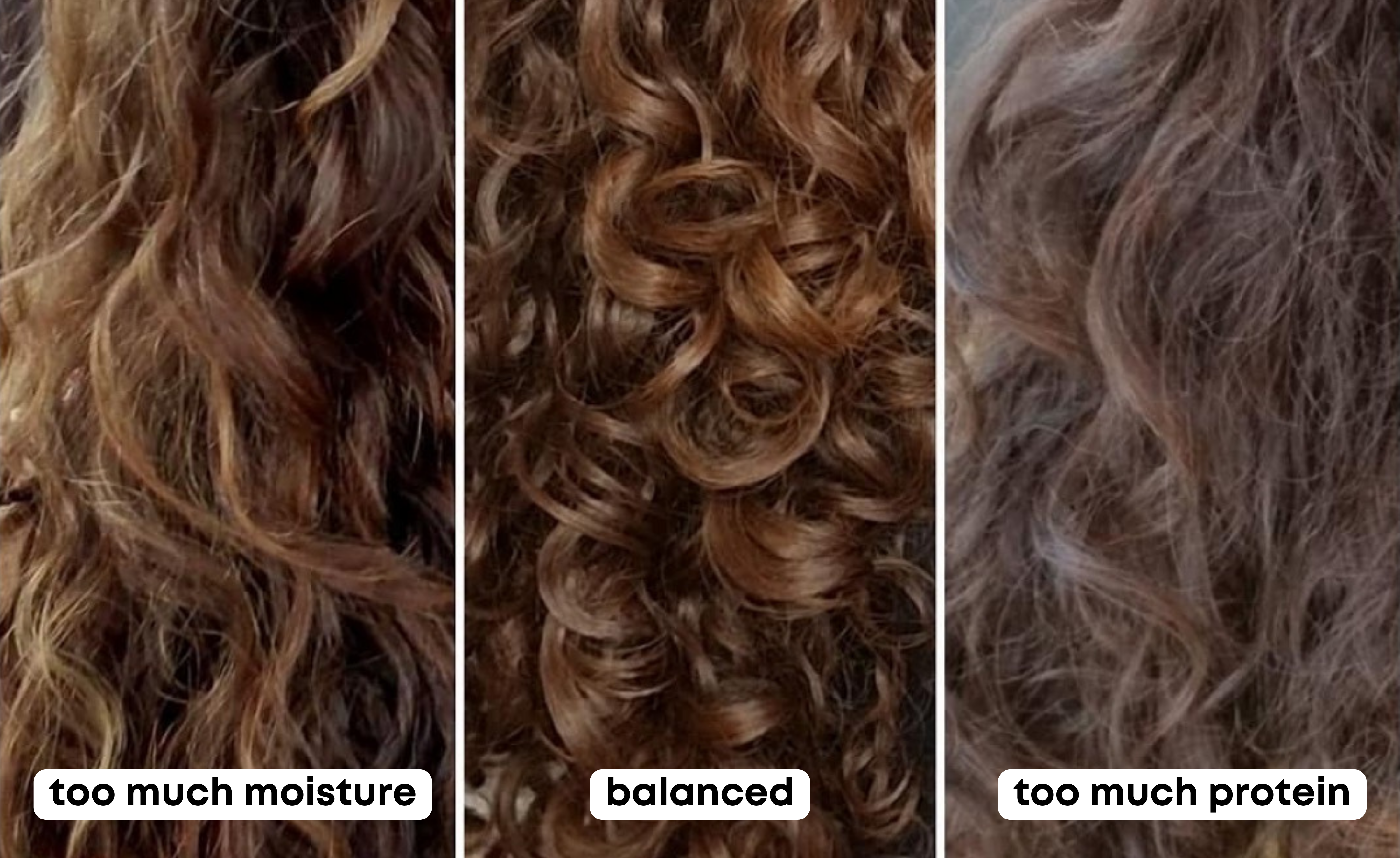
Healthy hair needs both protein (for strength) and moisture (for softness and flexibility). Too much protein without enough moisture leads to stiff, straw-like hair. Too much moisture without protein can make hair mushy, limp, and prone to breakage. People with high porosity hair often struggle to keep this balance.
What Are Protein Treatments?
A protein treatment is any product or process that adds protein to your hair. These can range from deep conditioners with added protein, to intense salon-grade reconstructors, to home remedies like egg masks.
Types Of Protein Treatments
- Light protein conditioners: Daily or weekly conditioners with a small amount of protein (e.g., silk, wheat, soy protein).
- Protein-rich deep treatments: Used every 2-4 weeks, these contain higher concentrations of hydrolyzed proteins.
- Intensive reconstructor treatments: Strongest type, usually salon-grade, meant for serious damage. Used rarely.
- DIY treatments: Natural options like eggs, yogurt, or gelatin masks. These are less predictable and may not penetrate the hair as well as hydrolyzed proteins.
How They Work
Protein molecules attach to the hair shaft, filling gaps and coating the outside. Hydrolyzed proteins are broken into small pieces, so they can penetrate deeper into the hair. After treatment, your hair should feel stronger, have less breakage, and be less frizzy.
But, the effect is temporary. Protein washes out over time, and the hair’s condition will slowly return to its original state unless you keep up a healthy routine.
Common Ingredients To Look For
- Hydrolyzed keratin
- Hydrolyzed wheat protein
- Silk amino acids
- Collagen
- Soy protein
- Rice protein
If you see these near the top of an ingredient list, the product is protein-rich.
How Often Should You Use Protein Treatments On High Porosity Hair?
This is the million-dollar question. The truth is, there is no single answer for everyone. It depends on your hair’s condition, how damaged it is, your environment, and the strength of the treatment you use.
General Guidelines
For most people with high porosity hair:
- Light protein treatments: Once a week or every two weeks.
- Protein-rich deep treatments: Every 2-4 weeks.
- Intensive reconstructor treatments: Once every 6-8 weeks, or only as needed.
- DIY protein masks: Once a month, but results can vary.
Factors That Affect Frequency
- Level of damage: If your hair is very damaged (from bleach, color, heat), you may need more frequent treatments at first.
- Hair thickness and texture: Fine hair can become overloaded with protein more easily than thick, coarse hair.
- Climate: Dry, windy, or sunny climates can strip hair faster, increasing your need for repair.
- Product strength: Stronger products require less frequent use.
- Other products in your routine: Using protein in every product (shampoo, conditioner, leave-in) can quickly lead to overload.
Start Low And Go Slow
If you’re new to protein treatments, it’s best to start with a light treatment every two weeks. Watch how your hair responds. If it feels stronger and less frizzy, but not stiff, you’re on the right track. If it starts to feel hard, straw-like, or breaks more, you might be using too much.
Example Routine For High Porosity Hair
Here’s a sample monthly routine:
- Week 1: Light protein conditioner
- Week 2: Moisturizing deep conditioner (no protein)
- Week 3: Protein-rich deep treatment
- Week 4: Moisturizing conditioner
Always follow a protein treatment with a moisturizing conditioner to restore flexibility.
Credit: www.drserkanaygin.com
Signs You Are Overusing Protein Treatments
Many people believe “if some is good, more is better”—but that’s not true for protein. Protein overload is a real problem, especially for high porosity hair. Here are warning signs:
How To Recognize Protein Overload
- Hair feels stiff, hard, or straw-like
- Increased breakage, especially when combing or styling
- Hair looks dull, lifeless, or less shiny
- Difficulty absorbing moisture (water beads on hair instead of soaking in)
- Tangling and snapping, even with gentle handling
If you notice these signs, stop using protein and focus on moisture until your hair feels balanced again.
What Makes Protein Overload More Likely?
- Using protein treatments too often (weekly or more)
- Using strong reconstructor products when not needed
- Using several protein-rich products in the same routine
- Not balancing protein with moisturizing treatments
What To Do If You Overdo It
- Switch to moisture-only conditioners and masks for a few weeks.
- Use gentle shampoos to remove buildup.
- Avoid protein-heavy stylers and leave-ins.
- Trim damaged ends if breakage is severe.
Protein Treatment Myths And Mistakes
People often get advice from friends, social media, or even well-meaning stylists that doesn’t fit their hair. Let’s clear up some common myths and mistakes.
Myth 1: High Porosity Hair Always Needs Protein
While high porosity hair benefits from protein, it doesn’t need it all the time. Overuse can cause just as many problems as underuse. Listen to your hair’s needs, not just general rules.
Myth 2: Natural Protein (eggs, Yogurt) Is Best
DIY masks can help, but most natural proteins are too large to penetrate the hair shaft. Hydrolyzed proteins in commercial treatments are broken down to be more effective.
Myth 3: You Should Feel Immediate Strength
Sometimes, hair feels stiffer right after a protein treatment. But if it stays hard or unmanageable, that’s a sign you’ve done too much.
Mistake 1: Ignoring Product Labels
Many shampoos, conditioners, and leave-ins contain protein. If you use several at once, you could get overload without realizing.
Mistake 2: Using Intense Treatments For Mild Problems
Reserve strong reconstructors for major damage (e. g. , after bleaching). For regular care, lighter treatments are safer.
Mistake 3: Forgetting To Moisturize After Protein
Protein adds strength, but you need moisture for flexibility. Always follow with a moisturizing conditioner.
How To Choose The Right Protein Treatment
With so many products on the market, it’s easy to get overwhelmed. Here’s how to pick what fits your hair’s needs.
Step 1: Assess Your Damage
- Mild damage (occasional frizz, minor breakage): Use light conditioners with protein.
- Moderate damage (split ends, dryness, color-treated): Use protein-rich deep treatments every few weeks.
- Severe damage (after bleaching, relaxing, or major breakage): Use intensive reconstructor treatments, but only as needed.
Step 2: Read Ingredient Lists
Look for hydrolyzed proteins in the top five ingredients for a strong treatment. For lighter care, they should appear further down.
Step 3: Consider Your Routine
If you already use protein in your shampoo or leave-in, go lighter on your deep treatments.
Step 4: Try Patch Testing
Apply a small amount to a section of hair. Wait 24 hours and check for stiffness or breakage.
Step 5: Rotate With Moisture
Don’t rely on protein alone. Alternate with moisturizing masks to keep hair flexible.
Comparing Popular Protein Treatments
Here’s a comparison of some common products for high porosity hair:
| Product | Protein Type | Strength | Recommended Frequency |
|---|---|---|---|
| Aphogee Two-Step Protein Treatment | Hydrolyzed Keratin | Intensive | Every 6-8 weeks |
| SheaMoisture Manuka Honey & Yogurt Protein Treatment | Hydrolyzed Wheat Protein, Yogurt Extract | Medium | Every 2-4 weeks |
| Briogeo Don’t Despair, Repair! Deep Conditioning Mask | Silk Proteins, Algae Extract | Light | Weekly |
Protein Vs. Moisture Treatments: When To Use Each
Finding balance means knowing when to reach for protein, and when your hair simply needs hydration.
Signs You Need Protein
- Hair feels mushy or stretchy when wet
- More breakage or split ends than usual
- Hair lacks structure or shape
Signs You Need Moisture
- Hair feels stiff or hard
- Dullness and tangling
- Dryness and frizz
Quick Comparison
| Need | Protein Treatment | Moisture Treatment |
|---|---|---|
| Strengthen weak hair | ✔️ | ❌ |
| Soften rough hair | ❌ | ✔️ |
| Reduce frizz | ✔️ (if due to damage) | ✔️ |
| Add shine | ✔️ | ✔️ |
| Repair split ends | ✔️ (temporarily) | ❌ |
Real-world Examples: Success And Mistakes
Sometimes, the best advice comes from people who have learned the hard way. Here are two stories to illustrate common outcomes.
Case 1: Overuse Leads To Breakage
Maria had high porosity hair after years of coloring. She read online that protein could “fix” her hair, so she used a strong protein mask every week. After a month, her hair became stiff and broke off, especially at the ends.
She realized she’d overloaded her hair and switched to deep moisture treatments, restoring balance over time.
Case 2: Balanced Approach Yields Healthy Hair
Jason’s curly hair was frizzy and tangly. He alternated a light protein conditioner once a week with a moisturizing mask. His hair became stronger, less frizzy, and easier to manage. He adjusted his routine seasonally, using more moisture in winter and more protein after swimming or sun exposure.
Practical Tips For High Porosity Hair Care
Getting the right results is about more than just treatments. Here are practical tips for long-term hair health:
- Use lukewarm or cool water when washing—hot water opens cuticles further.
- Seal with oils or creams after conditioning to lock in moisture.
- Avoid harsh shampoos with sulfates, which strip hair’s natural oils.
- Limit heat styling—use a heat protectant if you must.
- Protect hair at night with a satin or silk scarf to reduce friction.
- Trim split ends regularly to prevent further breakage.
- Clarify monthly to remove buildup, allowing treatments to work better.
- Listen to your hair—if it feels off, adjust your routine.
Many beginners miss the importance of sealing in moisture after every wash. Oils like argan, jojoba, or grapeseed can help close the cuticle and keep both protein and moisture inside the hair shaft longer.
Another insight: Don’t be afraid to take breaks from protein. If your hair is healthy and strong, you may need less protein than you think.
Credit: www.hairknowhow.com
Expert Advice: What Trichologists Say
Trichologists (hair and scalp specialists) agree: the key for high porosity hair is individualized care. No two heads of hair are alike, so what works for one person may not work for another.
According to a study published by the International Journal of Trichology, regular protein treatments improved hair strength in people with damaged or porous hair—but only when used in moderation and balanced with moisture. Overuse led to increased breakage and dryness.
Experts recommend:
- Consulting a professional if you’re unsure about your hair’s porosity or best routine.
- Doing a “stretch test”: Wet a strand, stretch gently—if it snaps, you may need more moisture; if it stretches and doesn’t return, you may need more protein.
- Keeping a hair diary to track what works and what doesn’t.
For more scientific insights, check resources like the National Institutes of Health.
How To Safely Incorporate Protein Treatments Into Your Routine
If you want to start or refine your routine, follow these steps:
- Clarify Your Hair: Remove product buildup with a gentle clarifying shampoo. This helps the protein treatment work better.
- Apply Protein Treatment: Follow product instructions carefully. Don’t leave strong treatments on longer than recommended.
- Rinse Thoroughly: Remove all product to avoid buildup.
- Follow With Moisturizer: Use a deep moisturizing conditioner right after protein.
- Seal In Moisture: After rinsing, apply a leave-in conditioner and a sealing oil.
- Style Gently: Avoid tight styles or harsh brushing right after treatment.
- Monitor Results: If your hair feels strong and flexible, keep your routine. If it feels stiff or breaks, cut back on protein.
Sample Balanced Hair Routine
| Step | Product Type | Frequency |
|---|---|---|
| Clarify | Gentle Clarifying Shampoo | Once per month |
| Protein Treatment | Light/Medium Protein Mask | Every 2-4 weeks |
| Moisturizing Conditioner | Deep Moisture Mask | Weekly or as needed |
| Leave-In & Oil | Leave-In Conditioner + Oil | After every wash |
Credit: bouclesproject.com
Frequently Asked Questions
How Do I Know If My High Porosity Hair Needs Protein Or Moisture?
Check how your hair feels and behaves. If it’s limp, mushy, or stretches without returning to shape, it likely needs protein. If it feels stiff, dry, or brittle, focus on moisture instead.
Can I Use Protein And Moisture Treatments Together?
Yes, but not at the same time. Use protein treatments first, then follow with a moisturizing conditioner. Alternate weeks between protein and moisture for best results.
What Happens If I Never Use Protein Treatments On High Porosity Hair?
Without protein, high porosity hair can remain weak, frizzy, and prone to breakage. Occasional protein helps strengthen and repair, but don’t overdo it.
Are There Any Side Effects From Using Protein Treatments Too Often?
Yes. Overuse can lead to protein overload, making hair stiff, dry, and more likely to break. Always balance with moisture and adjust frequency as needed.
Do Salon Protein Treatments Work Better Than Home Treatments?
Salon treatments are usually stronger and can give faster results for very damaged hair. But they can also cause overload if used too often. For most people, home treatments with hydrolyzed proteins are safer and easier to manage.
Finding the right balance for your high porosity hair takes patience, observation, and a willingness to adjust. The good news? Once you understand the science and signs, you’ll be able to enjoy stronger, healthier hair with less frustration. Remember: listen to your hair, adjust as needed, and don’t chase quick fixes. With the right protein routine, high porosity hair can truly shine.