

Many people struggle with high porosity hair, but few truly understand what it means. If your hair soaks up water quickly, dries fast, and often feels rough or frizzy, you may have high porosity hair. This type of hair can be beautiful, but it also faces unique challenges. The cuticle—the outer layer of your hair—has gaps or holes. This means moisture escapes easily. As a result, your hair can become dry, weak, or break off.
But there’s good news: with the right protocol, you can strengthen high porosity hair and help seal the cuticle. This gives your hair a smoother look, better moisture retention, and improved overall health. In this article, you’ll learn exactly how to build a complete, step-by-step strengthening routine. We’ll cover the science behind high porosity hair, the best ingredients and products, daily and weekly practices, and common mistakes to avoid. Whether you’re new to hair care or have tried many methods before, you’ll discover practical steps and advanced insights for healthy, resilient hair.
Understanding High Porosity Hair
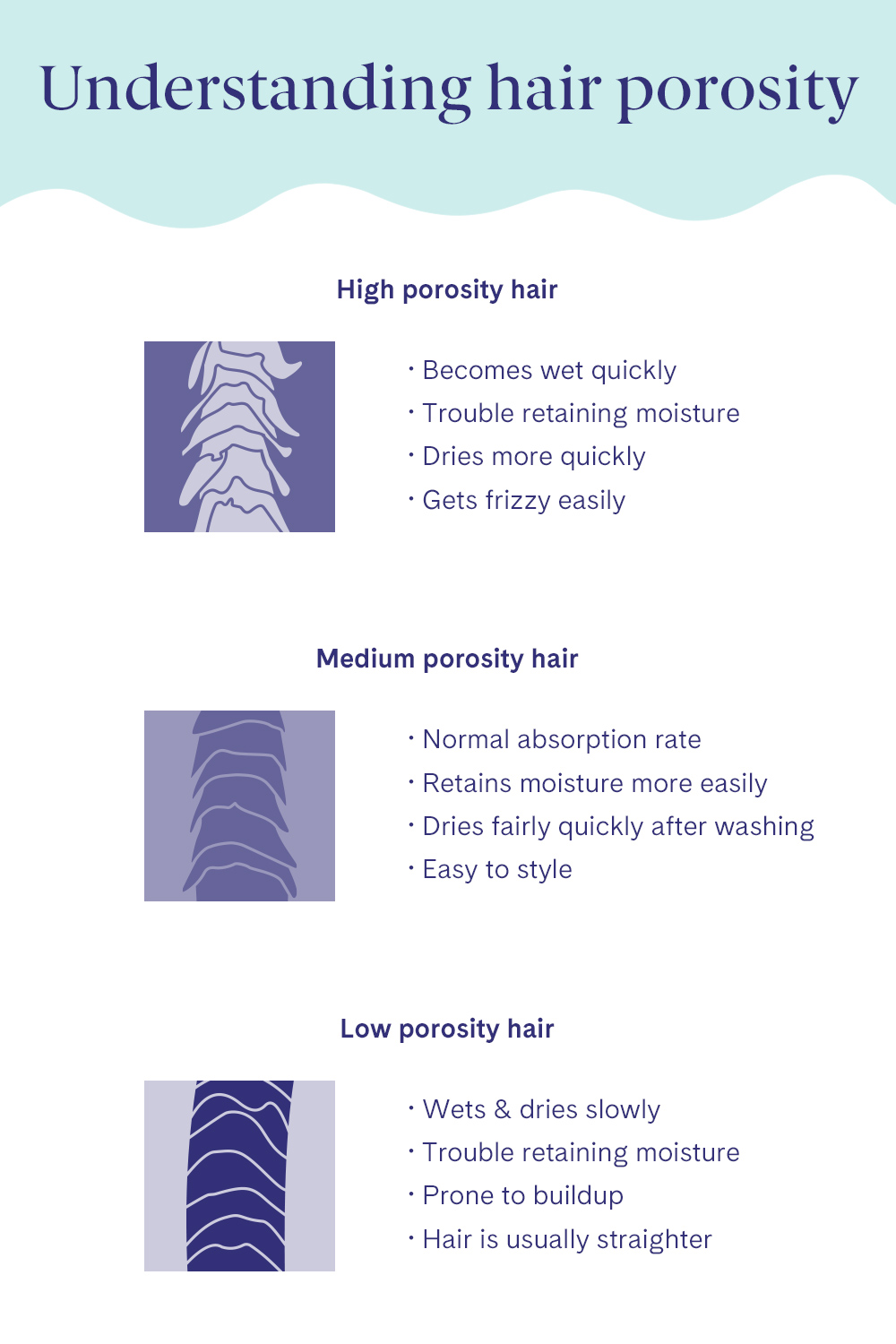
High porosity hair is not just a buzzword—it’s a real condition with visible signs and specific causes. The cuticle layer is made of overlapping scales, like the shingles on a roof. In high porosity hair, these scales are lifted, chipped, or missing. This can happen naturally, but is often caused by:
- Chemical treatments (bleaching, coloring, relaxing)
- Heat styling (flat irons, curling wands, blow dryers)
- Environmental stress (sun, wind, hard water)
- Mechanical damage (rough combing, tight hairstyles)
When the cuticle is open, water and products enter the hair shaft easily, but they also escape just as quickly. This leads to a cycle of dryness, tangles, and breakage.
Key Signs Of High Porosity Hair
Some people are not sure if they have high porosity hair. Look for these signs:
- Quick absorption: Hair soaks up water or products instantly.
- Fast drying: Hair dries quickly after washing.
- Frequent frizz: Hair looks puffy or frizzy, especially in humidity.
- Tangles and knots: Hair is hard to detangle, especially at the ends.
- Lack of shine: Hair looks dull and feels rough.
If you notice these, you likely have high porosity hair. But knowing your porosity is only the beginning.
Why Sealing The Cuticle Matters
Sealing the cuticle is the main goal for high porosity hair. When the cuticle is smooth and closed, moisture stays inside the hair shaft longer. This means your hair feels softer, looks shinier, and has less breakage. Without a sealed cuticle, even the best products will not give lasting results. That’s why every step in your strengthening protocol should help smooth and protect the cuticle.
Building A High Porosity Hair Strengthening Protocol
A complete protocol is more than just using a conditioner. You need a routine that addresses cleansing, conditioning, moisturizing, protein treatments, sealing, and protective styling. Each step plays a unique role.
Step 1: Gentle Cleansing
High porosity hair can be fragile. Harsh shampoos strip away natural oils and roughen the cuticle even more. Instead, choose gentle, sulfate-free cleansers.
What to look for:
- Sulfate-free formulas
- Moisturizing ingredients (aloe vera, glycerin, oat proteins)
- Low pH (closer to 4.5–5.5, which is ideal for hair)
Wash your hair 1-2 times per week. Over-washing can make dryness worse.
Example Routine
- Wet hair with lukewarm water (not hot).
- Apply cleanser to scalp and roots, not the ends.
- Gently massage with fingertips—not nails.
- Rinse thoroughly.
Tip: If your scalp gets oily but your ends are dry, try “co-washing” (washing with conditioner only) between shampoos.
Step 2: Deep Conditioning
Deep conditioners are essential for high porosity hair. They add moisture and help repair the cuticle.
Key ingredients:
- Hydrolyzed proteins (keratin, wheat, silk, rice): Small enough to enter the hair shaft and reinforce weak spots.
- Plant oils (avocado, olive, argan): Seal and smooth the cuticle.
- Butters (shea, mango): Coat the hair, lock in moisture.
Use a deep conditioner once a week.
How To Deep Condition
- After cleansing, apply product to damp hair.
- Focus on mid-lengths and ends.
- Cover with a shower cap or plastic wrap.
- Use gentle heat (hood dryer, warm towel) for 15–30 minutes.
- Rinse with cool water to help close the cuticle.
Insight: Many people skip the heat, but warmth helps the conditioner penetrate deeper and smooth the cuticle.
Step 3: Protein Treatments
High porosity hair loses protein quickly, leading to weak, limp strands. Regular protein treatments can rebuild structure and strength. But overdoing it makes hair stiff and brittle.
How often: Every 2–4 weeks, depending on your hair’s needs.
Types of proteins:
- Lightweight proteins (wheat, silk, rice): For regular use.
- Stronger proteins (keratin, collagen): For very damaged hair.
Always follow protein treatments with a moisturizing conditioner.
Protein Treatment Application
- Apply to clean, damp hair.
- Leave on for the recommended time (usually 10–20 minutes).
- Rinse thoroughly.
- Use a moisturizing conditioner after.
Non-obvious insight: Protein treatments are not a “one size fits all.” If your hair feels stiff or straw-like, cut back to once a month.
Step 4: Leave-in Conditioners And Moisturizers
Leave-in products keep moisture inside the hair shaft. For high porosity hair, choose creamy, rich formulas with both humectants (to attract moisture) and emollients (to lock it in).
Look for:
- Glycerin or aloe vera (humectants)
- Shea butter, coconut oil, jojoba oil (emollients)
- Light silicones (dimethicone): Helps smooth the cuticle and reduce frizz.
Apply leave-ins after every wash, before styling.
Moisturizing Tips
- Apply product section by section for even coverage.
- Focus on dry, frizzy areas.
- Don’t overload—too much can weigh hair down.
Insight: Many people use only oil, but oil alone cannot hydrate hair. Always use a water-based moisturizer first, then seal with oil.
Step 5: Sealing The Cuticle
This is the core step for high porosity hair. Sealing means “closing” the cuticle so moisture stays inside. There are two main methods: the LOC method and acidic rinses.
The Loc Method
LOC stands for Liquid, Oil, Cream. This order helps layer moisture and seal it in.
- Liquid: Use a water-based leave-in.
- Oil: Apply a light oil (argan, grapeseed, jojoba).
- Cream: Finish with a rich cream or butter.
Each layer traps the one below, locking in hydration.
Acidic Rinses
Hair cuticles lay flatter in slightly acidic conditions. After washing, rinse hair with a solution like diluted apple cider vinegar (ACV):
- Mix 1–2 tablespoons of ACV in 1 cup of cool water.
- Pour over hair after conditioning.
- Do not rinse out.
This helps smooth the cuticle, reduce frizz, and add shine.
Advanced tip: If you live in a hard water area, use a chelating shampoo once a month before your acidic rinse. Hard water minerals can raise the cuticle and block moisture.
Step 6: Protective Styling
Protective styles reduce daily damage and help hair retain moisture. Examples include:
- Loose braids or twists
- Buns
- Silk or satin scarves and pillowcases
Avoid tight styles that pull or stress the hair shaft. Protective styles are especially helpful overnight or in harsh weather.
Step 7: Regular Trims
High porosity hair is prone to split ends and breakage. Trim every 8–12 weeks to keep ends healthy and prevent splits from moving up the hair shaft.
Key Ingredients For Sealing And Strengthening
Some ingredients are much more effective for high porosity hair. Here’s a closer look at what works—and why.
Proteins
Proteins fill in gaps in the cuticle, making hair stronger and less porous.
- Hydrolyzed Keratin: Mimics your hair’s natural protein.
- Hydrolyzed Wheat Protein: Lightweight, penetrates easily.
- Silk Amino Acids: Smooths the cuticle, adds softness.
Ceramides
Ceramides are natural oils found in hair. They act like glue, sealing the cuticle layers together.
Benefits:
- Reduce moisture loss
- Improve shine
- Help repair damage
Look for products with “ceramides” or “phytoceramides” on the label.
Fatty Alcohols
Not all alcohols are drying. Cetyl alcohol and stearyl alcohol are fatty alcohols that soften and smooth the cuticle.
Plant Oils
Not all oils are equal. Some penetrate the hair shaft, others sit on the surface.
| Oil | Penetrating? | Main Benefit |
|---|---|---|
| Coconut | Yes | Reduces protein loss |
| Olive | Yes | Moisturizes and strengthens |
| Argan | No | Seals and smooths cuticle |
| Jojoba | No | Repairs and adds shine |
Tip: For sealing, use non-penetrating oils (argan, jojoba) as the final step. For deep treatments, use penetrating oils (coconut, olive).
Silicones
Light silicones coat the hair and protect it from humidity. Look for water-soluble types (ex: amodimethicone).
Acids
Acidic ingredients help flatten the cuticle. Examples:
- Citric acid (in conditioners)
- Apple cider vinegar (in rinses)
Non-obvious insight: If your water is alkaline (high pH), your hair cuticle stays open. Acidic products help close it.
Daily And Weekly Routine Example
Consistency is key for high porosity hair. Here’s a sample schedule for best results.
Daily Routine
- Spritz hair with water or a water-based leave-in.
- Apply a thin layer of oil or cream to seal ends.
- Wear hair in a loose protective style.
- Sleep on a satin pillowcase or use a silk scarf.
Weekly Routine
- Shampoo with a gentle, sulfate-free cleanser.
- Apply a deep conditioner with protein.
- Use heat for 20 minutes (shower cap + warm towel).
- Rinse with cool water.
- Apply leave-in, oil, then cream (LOC method).
- Protective style for the week.
Monthly Routine
- Use a chelating shampoo if you have hard water.
- Apply a strong protein treatment (if needed).
- Trim ends if they feel rough or split.
Advanced tip: High porosity hair needs balance. Too much protein without moisture can make hair stiff. Too much moisture without protein can make hair limp.

Credit: uk.curlsmith.com
Common Mistakes With High Porosity Hair
Even well-meaning routines can backfire. Avoid these frequent errors.
Overusing Protein
Protein is important, but too much makes hair feel hard and straw-like. If this happens, switch to moisture-rich products for a few washes.
Skipping Sealants
Many people forget the “seal” step. Without oil or cream, moisture escapes quickly and hair stays dry.
Using The Wrong Oils
Heavy, thick oils (castor, mineral oil) can build up and cause dullness. Choose light, natural oils instead.
Hot Water Rinses
Hot water lifts the cuticle. Always finish with cool water to help close it.
Neglecting The Scalp
A healthy scalp = healthy hair. Use gentle massages and keep the scalp clean but not stripped.
Not Adjusting For Weather
Humid or dry climates affect high porosity hair. In humidity, use anti-frizz serums. In dry air, use heavier creams.
Comparing High Porosity And Low Porosity Hair
Understanding the differences can help you choose the right protocol.
| Feature | High Porosity | Low Porosity |
|---|---|---|
| Water Absorption | Quick | Slow |
| Drying Time | Fast | Slow |
| Frizz | Common | Rare |
| Product Absorption | High | Low |
| Best Oils | Light, sealing oils | Penetrating oils |
Insight: Many people with high porosity hair try routines meant for low porosity hair (like heavy butters or minimal washing). This often leads to more dryness and breakage.
Best Practices For Sealing The Cuticle
Sealing the cuticle is not a single action—it’s a combination of habits and products.
Use Acidic Rinses Regularly
Even once a week can make a big difference. Over time, hair will feel softer and be easier to manage.
Layer Products Correctly
The order matters. Always apply water-based products first, then oils or creams.
Avoid High Ph Products
Some shampoos and DIY treatments are too alkaline. They make the cuticle stand up, increasing porosity.
Limit Heat Styling
Every time you use a flat iron or curling wand, the cuticle is damaged a little more. If you must use heat, always use a heat protectant.
Protect At Night
Silk and satin reduce friction, helping the cuticle stay smooth.
Product Recommendations For High Porosity Hair
While everyone’s hair is unique, these product types are usually effective for high porosity hair:
- Moisturizing, sulfate-free shampoos: Look for gentle cleansers with aloe vera or oat proteins.
- Protein-rich deep conditioners: Choose products with hydrolyzed proteins and ceramides.
- Creamy leave-in conditioners: Water-based, with added oils or butters.
- Light sealing oils: Argan, grapeseed, jojoba.
- Acidic rinses: Pre-mixed apple cider vinegar rinses or make your own.
For ingredient research and more detailed product lists, visit the National Institutes of Health.
Non-obvious insight: Some popular “natural” ingredients (like pure coconut oil) can make high porosity hair feel stiff if overused. Use only as a pre-wash treatment, not as a daily sealant.
Credit: colorwowhair.com
Advanced Strengthening Protocol: The Science Behind The Steps
To get the best results, it helps to know why each step works. Here’s a scientific breakdown.
Protein-moisture Balance
Human hair is about 95% protein (keratin) and 5% water, lipids, and other substances. High porosity hair loses both protein and moisture. The right balance gives flexibility and strength.
- Too much protein: Hair feels hard, may snap.
- Too much moisture: Hair feels mushy, stretches and breaks.
Alternate protein and moisture treatments until your hair feels both strong and soft.
Ph And The Cuticle
The cuticle’s response to pH is well-proven in research:
- Acidic (pH 4.5–5.5): Cuticle lays flat, hair is smooth and shiny.
- Alkaline (pH 7+): Cuticle lifts, hair becomes rough and frizzy.
Most drugstore shampoos are too alkaline. Always check for pH-balanced formulas.
The Role Of Ceramides
Ceramides fill gaps in the cuticle, like mortar between bricks. When used regularly, they make hair less porous and more resistant to breakage.
Penetrating Vs. Sealing Oils
- Penetrating oils (coconut, olive) enter the hair shaft and reduce protein loss.
- Sealing oils (argan, jojoba) coat the outside, locking in moisture.
For high porosity hair, use both: penetrating oils for deep treatments, sealing oils for daily moisture retention.
Heat And Product Absorption
Gentle heat opens the cuticle slightly, allowing conditioners to penetrate. But too much heat damages the cuticle permanently. Use warm (not hot) towels or steam.
How To Tell If Your Protocol Is Working
Improvement takes time, but you can spot progress with these signs:
- Hair stays moisturized longer between washes.
- Less frizz, even in humid or rainy weather.
- Fewer tangles and knots.
- Hair feels stronger, less breakage when detangling.
- More shine and softness.
Tracking Your Results
Keep a simple hair diary. Note how your hair feels after each wash, and any changes in texture or manageability.
Diy Treatments For High Porosity Hair
If you prefer natural remedies, some DIY treatments are especially helpful.
Apple Cider Vinegar Rinse
- Mix 2 tbsp ACV in 1 cup cool water.
- Pour over hair after conditioning.
- Do not rinse out.
Aloe Vera Gel Leave-in
- Mix pure aloe gel with water (1: 2 ratio).
- Spritz onto damp hair before sealing with oil.
Banana And Honey Mask
- Blend 1 ripe banana with 2 tbsp honey.
- Apply to damp hair, leave for 20 minutes.
- Rinse and condition as usual.
Note: Always patch test new treatments to avoid allergic reactions.
When To See A Professional
If you follow a strengthening protocol and still have severe breakage, it may be time to see a trichologist (hair and scalp specialist). They can check for medical issues or recommend targeted treatments.
Real-world Success Stories
People with high porosity hair often feel frustrated at first, but many see dramatic changes with the right routine.
Example 1: After switching to a pH-balanced, sulfate-free shampoo and weekly acidic rinses, one woman reported her hair stayed moisturized for three days instead of just a few hours.
Example 2: A man with bleached hair saw fewer split ends and less shedding after adding protein treatments and sealing oils to his routine.
It’s not about expensive products, but about consistency and understanding your hair’s needs.
Frequently Asked Questions
What Is The Best Oil For Sealing High Porosity Hair?
The best oils are light, non-penetrating types like argan oil, grapeseed oil, or jojoba oil. These sit on the surface of the hair and help lock in moisture, making the cuticle feel smoother and reducing frizz.
How Can I Tell If I Am Using Too Much Protein?
If your hair starts to feel stiff, hard, or brittle, you may be using too much protein. High porosity hair needs both protein and moisture, so alternate between protein treatments and deep moisturizing conditioners for best results.
Is Apple Cider Vinegar Safe For All Hair Types?
Apple cider vinegar is generally safe when diluted properly (1–2 tablespoons per cup of water). It helps close the cuticle and adds shine. However, if you have sensitive skin or scalp, do a patch test first.
How Often Should I Trim High Porosity Hair?
Trimming every 8–12 weeks is recommended. This helps remove split ends and prevents breakage from moving up the hair shaft, keeping your hair looking healthy and strong.
Can I Repair High Porosity Hair Permanently?
You can improve the look and strength of high porosity hair, but once the cuticle is damaged, it cannot be fully repaired. Regular care, sealing, and protective styling will give your hair the best chance to grow long and healthy.
A strong protocol gives high porosity hair the moisture, protein, and protection it needs. With time and the right habits, you’ll see smoother, stronger, and more beautiful hair. Remember, sealing the cuticle is not a one-time fix—it’s a journey. Be patient, and celebrate your progress along the way.
Credit: www.lovelyskin.com