

Why do some people wake up with healthy, shiny hair, while others notice hair thinning, breakage, or even increased hair fall? Many people blame genes, stress, or hair products, but few realize the huge role that sleep quality plays in the health of your hair. Modern research is uncovering powerful connections between the way we sleep and how our hair grows, rests, and sheds. Hair is not just about looks—it’s also a signal of what’s happening inside our bodies, especially when it comes to sleep. In this article, you’ll discover how the cycles of sleep and hair growth are linked, what new science says about this link, and how you can use sleep to support thicker, stronger hair.
Understanding Hair Growth Cycles
To understand how sleep affects hair, you first need to know how hair growth cycles work. Each hair strand on your scalp goes through several stages in its life. These cycles are not random. In fact, each hair is following its own “schedule” that is influenced by your health, hormones, and lifestyle—including your sleep.
The Three Main Phases
1. Anagen (growth Phase):
This phase can last 2 to 7 years. Hair actively grows, and most of your hair (about 85–90%) is in this phase at any time. How long your hair stays in this phase decides how long it can grow before falling out.
People with long anagen phases can grow their hair very long, while those with shorter anagen phases may notice their hair never gets past a certain length. This phase depends on the health of your scalp, hormones, and the nutrients you get from food and blood flow.
2. Catagen (transition Phase):
This short phase (2–3 weeks) is when hair growth slows and the follicle shrinks. Only about 1% of hair is in this phase. This is a natural part of the cycle and acts like a “reset” for the hair follicle.
During this time, the hair detaches from its blood supply, but it does not fall out yet.
3. Telogen (resting Phase):
Lasting around 2–4 months, hair rests and then falls out. After this, the cycle restarts. About 10–15% of your hairs are in this phase at any time. Shedding during this phase is normal, but if too many hairs enter telogen at once, you’ll notice more hair fall.
The Hair Follicle As A Mini-organ
Each hair follicle is a complex mini-organ that relies on blood flow, nutrients, and hormone signals. It’s sensitive to body changes, including those caused by sleep. The follicle is not just a simple root; it is made of many cell types that work together. It has its own blood supply, and cells in the follicle multiply quickly, needing lots of energy and nutrients. Hormones like melatonin, cortisol, and androgens communicate with the follicle to tell it when to grow, rest, or shed. If your sleep or hormone balance is off, the follicles can get confused, resulting in weaker or thinner hair.
Why Cycles Matter
When cycles are disrupted—by stress, hormones, or lack of sleep—hair can shed faster, grow more slowly, or become thinner. This is why people with sleep disorders often notice hair issues. These cycles are also why you might see more hair fall after a stressful period or a time of poor health.
If you don’t support your body’s natural rhythms, your hair can’t follow its healthy cycle, leading to visible changes.
How Sleep Quality Influences Hair Growth
Sleep is when the body repairs itself. If sleep is poor, these repairs suffer, including those in the scalp and hair follicles. Hair may seem like a simple part of your body, but it depends on many repair processes that mostly happen at night.
Hormones And Hair
- Melatonin:
This “sleep hormone” is released in the dark and helps control the hair cycle. Studies show that melatonin can help extend the anagen (growth) phase. It also has antioxidant effects, which protect hair follicles from damage. Melatonin is not just for sleep—it is also found in the skin and scalp, where it helps “set” the timing for hair growth.
Low melatonin levels, often caused by exposure to light at night or poor sleep, can shorten the growth phase and cause more hair to enter the shedding phase.
- Cortisol:
Poor sleep raises cortisol (the stress hormone), which can push hair into the telogen (resting/shedding) phase. High cortisol is linked to hair thinning and loss. Chronically high cortisol makes the environment around the hair follicle more “hostile,” with inflammation and less blood flow, which weakens hair and increases shedding. For example, people with high-stress jobs who sleep poorly often notice increased hair fall a few months later.
Cell Repair And Growth
During deep sleep, blood flow to the skin increases. This brings nutrients and oxygen to hair follicles, helping them grow. Deep sleep is when the body does most of its repair work, including fixing damage to hair cells, producing new hair cells, and clearing out waste products. If you miss deep sleep, your scalp gets less support for hair growth. Over time, this can lead to weaker, thinner hair that breaks easily. People who wake up often at night or don’t get enough deep sleep may notice their hair loses its shine and strength.
Immune System And Inflammation
Sleep loss can trigger inflammation, which harms hair follicles. People with chronic sleep problems have higher rates of scalp conditions like dandruff and hair thinning. The body’s immune system “resets” during sleep, and good sleep helps keep inflammation low. When you don’t sleep well, your immune system can start attacking its own tissues, including hair follicles. This can lead to hair loss conditions like alopecia areata or worsen common scalp problems. Small changes, like more flakes or an itchy scalp, can be early signs your sleep is not supporting hair health.
Sleep And Hair Cycle Timing
Research shows that poor sleep can even shift the hair cycle, causing more hairs to enter the shedding phase at once. This is called telogen effluvium, and it often happens after periods of stress or sleep loss. For example, students who study late at night for months, new parents, or people working night shifts often see more hair fall after the sleep disruption ends. This condition is usually reversible, but it can be scary when it happens.

Credit: www.kslclinic.co.uk
Key Research Findings: Sleep And Hair Growth
Scientists have studied the link between sleep and hair in animals and humans. Here’s what the research says.
Human Studies
- A 2013 study found that people with insomnia were more likely to have hair thinning and slower hair growth. They also had higher cortisol levels. This study showed that poor sleep isn’t just about feeling tired—it affects your appearance, too.
- In 2018, a group of women with chronic sleep deprivation showed a significant increase in telogen effluvium compared to those with healthy sleep habits. Their hair loss was not just psychological but could be measured.
- Researchers in South Korea observed that shift workers, who often have poor sleep quality, had higher rates of hair loss. The effect was seen even when controlling for stress and diet, suggesting sleep was a key factor.
Many studies now include sleep quality as a standard question when looking at hair loss, showing how important researchers believe this connection is.
Animal Studies
- Mice exposed to constant light (which disrupts melatonin) lost more hair and had shorter anagen phases than mice with normal dark cycles. This shows how much the body depends on light and dark signals to keep hair healthy.
- When melatonin was applied to animal skin, hair regrew faster—even in areas that had lost hair. This supports the idea that melatonin is a direct signal for hair growth, not just a sleep aid.
These animal studies help explain why people who work at night, travel across time zones often, or live in places with extreme daylight changes might notice changes in their hair.
Melatonin And Topical Treatments
Some studies tested melatonin lotions on human scalps. After 6 months, participants had thicker hair and less shedding compared to those using a placebo. These studies are small, but they suggest that supporting melatonin levels—by sleeping well, using red or yellow lights at night, or even using topical melatonin—may help hair grow stronger.
Some dermatologists now recommend topical melatonin for certain types of hair loss, especially if there are signs of sleep disruption.
Data Table: Sleep Quality And Hair Health
Below is a summary of research findings linking sleep quality and hair growth.
| Study | Participants/Subjects | Sleep Condition | Hair Outcome |
|---|---|---|---|
| 2013 Human Study | 120 adults | Chronic insomnia | ↑ Hair thinning, ↑ cortisol |
| 2018 Women’s Study | 82 women | Sleep deprivation | ↑ Telogen effluvium |
| Animal Light Exposure | Mice | Constant light (no melatonin) | ↓ Anagen phase, ↑ hair loss |
| Melatonin Lotion Trial | 30 adults | Topical melatonin | ↑ Hair thickness, ↓ shedding |
These findings show that both the quantity and the quality of your sleep are important for hair health, and that restoring natural sleep patterns can lead to visible improvements.
The Science Behind Sleep Stages And Hair Growth
Not all sleep is equal. The deep sleep stages are most important for repair and growth—including hair.
Sleep Stages Overview
- Stage 1 & 2: Light sleep, body starts to relax. You can be awakened easily, and your brain activity slows. These are important for transitioning into deeper sleep, but they do not offer much repair for the body or hair.
- Stage 3 (Deep Sleep): Body repairs tissues, boosts blood flow, releases growth hormone. This is when your body does most of its “restoration” work. If you don’t get enough deep sleep, your body struggles to fix daily wear and tear, including damage to hair cells.
- REM Sleep: Brain is active, but not much physical repair happens. You dream during this stage, and your brain processes memories and emotions. It does not play a big role in hair growth.
Growth Hormone Release
During deep sleep, the body releases growth hormone. This hormone supports cell division and repair in hair follicles. People with poor deep sleep may not get enough growth hormone, which slows down the anagen phase. Growth hormone helps “kickstart” new hair cells and can even help hair recover after illness or stress.
Young people often have more deep sleep and higher growth hormone levels, which is partly why their hair grows faster and thicker. As we age or lose deep sleep to stress or poor habits, hair growth can slow down.
Blood Flow Differences
When you’re in deep sleep, blood flow to the scalp increases. This is when hair follicles get the most nutrients and oxygen. Chronic sleep loss means the scalp is “starved” during the night. With less blood flow, hair follicles are weaker, and new hair is finer and more likely to break.
This is often why people who sleep poorly notice their hair is dull, lifeless, or more brittle.
Data Table: Sleep Stage Impact On Hair
Here’s how each sleep stage affects hair growth potential.
| Sleep Stage | Main Body Activity | Impact on Hair Growth |
|---|---|---|
| Stage 1 & 2 | Light relaxation | Low impact |
| Stage 3 (Deep Sleep) | Cell repair, hormone release | High impact (promotes growth) |
| REM | Brain activity, dreaming | Minimal impact |
If you want your hair to benefit from sleep, focus on getting enough deep sleep, not just total hours.
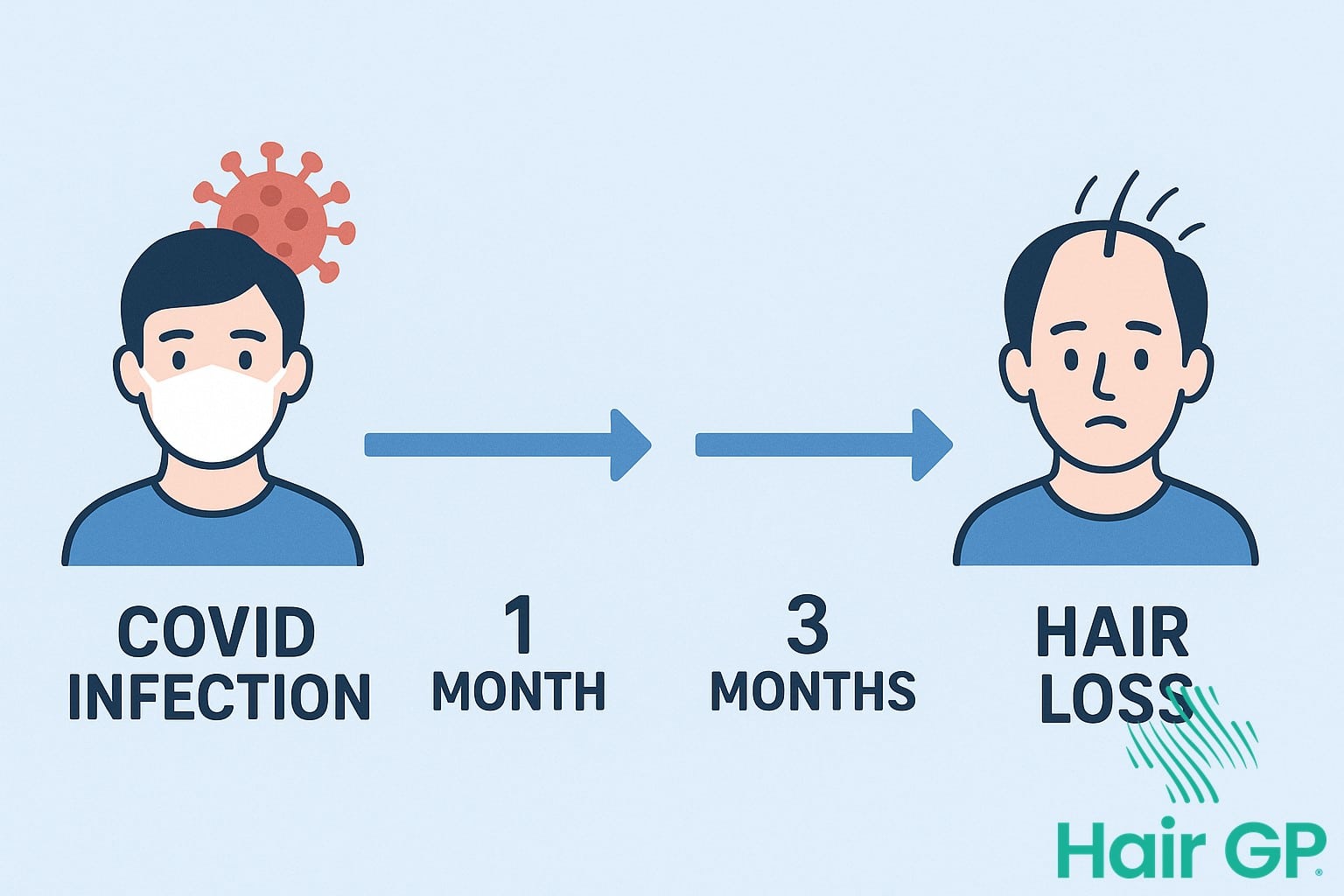
Credit: hairgp.co.uk
The Role Of Circadian Rhythms
Your body’s circadian rhythm—the 24-hour clock—sets the timing for many processes, including sleep and hair growth. Every cell in your body, including hair follicles, follows this rhythm.
How Circadian Rhythms Affect Hair
- Hair follicles have their own “clocks.” They respond to melatonin and other signals controlled by the brain’s suprachiasmatic nucleus (SCN). This master clock tells your body when to release hormones, when to repair cells, and when to grow hair.
- People with disrupted sleep schedules (e.g., shift workers, travelers) have more hair problems, because their hair cycles get out of sync. Even staying up late or sleeping in on weekends can confuse your body’s clock, which in turn affects your hair.
Light Exposure And Melatonin
Bright light at night blocks melatonin. This shortens the hair growth phase. For example, people who use screens late at night may reduce their hair’s growth potential. Even small amounts of blue light from phones or TVs can make a difference.
That’s why experts recommend dimming lights an hour before bed and using “night mode” on devices.
Practical Example
A person who works night shifts and sleeps during the day is more likely to have irregular hair cycles, leading to patchy hair loss or thinning. This is because their body never gets a strong “night” signal, so melatonin stays low and hair cycles become uncoordinated.
Over time, this can lead to visible thinning, especially around the temples or crown.
Common Sleep Problems That Affect Hair
Many people suffer from sleep disorders or habits that harm hair growth. These problems can be hidden—sometimes people don’t realize their poor sleep is affecting their hair until they see more breakage or thinning.
Insomnia
People who can’t fall or stay asleep often have higher cortisol and more inflammation. This can push hair into the shedding phase. Even if you get enough total hours, frequent waking at night prevents you from reaching deep sleep stages that are important for hair repair.
Sleep Apnea
This condition causes breathing to stop and start during sleep. It lowers oxygen delivery to the scalp, which starves hair follicles. Studies link sleep apnea with slower hair growth and more hair loss. Many people with sleep apnea don’t realize they have it—daytime tiredness and snoring are common signs.
Restless Leg Syndrome
This causes people to move their legs at night, breaking up sleep. The result: less deep sleep, less repair for hair follicles. If you wake up tired or notice your sheets are messy from night movement, you could be losing out on deep sleep.
Poor Sleep Habits
- Late nights, irregular bedtimes
- Too much caffeine or screen time
- Sleeping in bright rooms
These habits reduce melatonin and deep sleep, harming hair health. Keeping a regular bedtime and using blackout curtains can help restore your body’s signals.

Credit: hairgp.co.uk
How Poor Sleep Triggers Hair Loss Conditions
Sleep loss doesn’t just slow hair growth—it can cause real medical conditions.
Telogen Effluvium
This is a form of sudden hair shedding. It’s often triggered by a shock to the body, like illness, stress, or severe sleep loss. More hairs than normal enter the telogen (shedding) phase at once. Usually, it’s reversible if sleep improves.
You may notice handfuls of hair coming out in the shower or on your pillow—this can be alarming but often gets better within months of fixing the cause.
Alopecia Areata
This autoimmune disease causes patchy hair loss. Poor sleep increases immune system problems, which may trigger or worsen this condition. Sleep supports immune balance, and without it, the body may start attacking its own hair follicles.
Androgenetic Alopecia
Also called male or female pattern baldness, this is mainly genetic. But chronic sleep loss can speed up the process by increasing inflammation and hormone imbalances. For those with a family history, good sleep might slow down the pattern of thinning or help treatments work better.
How Improving Sleep Can Boost Hair Health
The good news: better sleep can help restore healthy hair cycles and reduce shedding.
Tips For Better Sleep And Hair
- Stick to a Schedule: Go to bed and wake up at the same time every day. This keeps your circadian rhythm—and your hair’s “clock”—on track. Even on weekends, try not to shift your schedule by more than an hour.
- Create a Sleep-Friendly Space: Make your bedroom dark, quiet, and cool. Use blackout curtains, white noise machines, and keep electronics out of the room.
- Avoid Screens Before Bed: Blue light from phones and computers blocks melatonin. Try reading a book or listening to relaxing music instead.
- Limit Caffeine and Alcohol: These disrupt deep sleep. Avoid coffee after 2 p.m. and limit alcohol, which can cause you to wake up often at night.
- Try Relaxation Techniques: Deep breathing, meditation, or gentle yoga can lower stress and help you fall asleep faster. Even 10 minutes before bed can make a difference.
- See a Doctor for Sleep Problems: If you have insomnia or sleep apnea, treatment can help both your sleep and hair.
Nutrients And Supplements
Some people find improvement with melatonin supplements (always check with a doctor first). A healthy diet with enough protein, iron, zinc, and vitamins also supports hair growth. If you’re low in nutrients, even perfect sleep won’t give you healthy hair. Topical melatonin may also help, especially if you have sleep-related hair loss.
Real-world Example
A woman with chronic insomnia and hair thinning started practicing better sleep habits and taking a small dose of melatonin (as advised by her doctor). After 3 months, her sleep improved, and her hair started to grow back thicker. She also made small changes like using blackout curtains and turning off her phone an hour before bed.
Comparing Hair Growth In Good Vs. Poor Sleepers
How big is the difference? Studies show that people who sleep well have thicker, healthier hair over time.
| Group | Average Sleep Quality | Hair Growth Rate | Hair Thickness |
|---|---|---|---|
| Good Sleepers | 7–8 hours, deep sleep | 1.2 cm/month | Normal to thick |
| Poor Sleepers | 5 hours or less, interrupted | 0.7 cm/month | Thin, brittle |
Over a year, this difference adds up—a good sleeper could grow hair nearly twice as fast and keep it much thicker.
Hidden Insights Most People Miss
Many articles mention the basics, but here are two non-obvious facts about sleep and hair:
1. Melatonin Isn’t Just For Sleep:
Melatonin directly affects hair follicles. Topical melatonin (applied to the scalp) has been shown to improve hair growth, not just oral supplements. This means that supporting your body’s natural melatonin, by sleeping in darkness and avoiding bright screens at night, can boost your hair from the “outside in” and the “inside out.
”
2. Daytime Habits Matter As Much As Nighttime:
Your exposure to light during the day “sets” your body clock. Getting morning sunlight can actually help your hair by supporting healthy melatonin cycles at night. Morning sunlight helps your brain “know” when to start the sleep process later, leading to better sleep and better hair.
Another often-missed tip: physical activity during the day, especially outdoors, helps you sleep deeper at night, which in turn supports your hair’s growth cycle.
Common Mistakes When Trying To Improve Hair With Sleep
People trying to fix their hair with better sleep often make a few mistakes:
- Ignoring Underlying Health Issues:
Sometimes hair loss is caused by thyroid disease, iron deficiency, or medications. Fixing sleep alone may not be enough. Always check with your doctor if hair loss is sudden or severe.
- Using Sleep Aids Incorrectly:
Overusing sleeping pills can actually make sleep quality worse in the long run. Always use under medical supervision. Some pills suppress deep sleep, which is what your hair needs most.
- Focusing Only on Sleep Length, Not Quality:
It’s not just about how many hours you sleep, but how much deep, uninterrupted sleep you get. People who sleep 8 hours but wake up often may still have poor hair health.
How To Track Your Sleep And Hair Progress
If you want to see if sleep is helping your hair:
- Use a Sleep Tracker:
Many smartwatches and phone apps can measure sleep stages. Look for increases in deep sleep over time.
- Take Hair Photos:
Snap a picture of your hair every month in the same lighting. Watch for changes in thickness, shine, and hairline.
- Note Hair Shedding:
Count loose hairs after brushing or showering (some shedding is normal, but big increases are a warning sign). Keeping a simple diary can help you spot patterns between sleep and hair changes.
You can also use a scalp microscope or visit a dermatologist for a more detailed analysis if you want to track changes closely.
When To See A Doctor
If you have:
- Sudden or patchy hair loss
- Hair loss with other symptoms (fever, weight loss, fatigue)
- Sleep problems lasting more than a month
It’s important to talk to a healthcare provider. Blood tests, scalp exams, or sleep studies may be needed. Don’t wait for months hoping things will improve on their own if you see rapid changes in your hair or health.
The Big Picture: Sleep As Part Of Hair Health
Hair health is not just about shampoos and vitamins. It’s a sign of what’s happening inside your body. Quality sleep supports the entire hair cycle, from growth to shedding. It keeps hormones in balance, reduces inflammation, and helps your body repair itself overnight.
Many people are surprised at how much their hair improves when they focus on sleep. While not every case of hair loss is caused by poor sleep, making sleep a priority is a simple, powerful way to support better hair—along with good nutrition and stress management.
For more on the science behind sleep and body repair, you can read research at the National Institutes of Health.
Frequently Asked Questions
Does Sleeping More Always Make Your Hair Grow Faster?
Not always. While enough good-quality sleep supports hair growth, sleeping too much or irregularly can actually disrupt your body clock. The key is consistent, deep sleep—not just more hours. Oversleeping, especially at different times each day, can confuse your circadian rhythm and make sleep less effective for hair health.
Can Poor Sleep Cause Permanent Hair Loss?
Usually, sleep-related hair loss is temporary (like telogen effluvium). Hair often regrows if sleep improves. But if sleep loss lasts for years, it may speed up genetic hair loss or worsen autoimmune conditions. Chronic poor sleep can also slow recovery from other hair loss causes.
Is It True That Melatonin Helps Hair Growth?
Yes, research shows that melatonin supports hair follicles. Both oral and topical melatonin have been linked to better hair growth, especially when hair loss is linked to poor sleep or disrupted circadian rhythms. Not everyone benefits the same way—always check with a health professional before starting supplements.
Will Fixing My Sleep Solve All My Hair Problems?
Fixing sleep can help, but not all hair loss is caused by sleep. Other factors like hormones, nutrition, genetics, or medical issues matter too. Good sleep is one important part of overall hair health. Think of it as a strong foundation—other factors build on top.
How Soon Will I See Results In My Hair After Improving Sleep?
Hair grows slowly—usually about 1 cm per month. You may notice less shedding within 1–2 months, but visible hair thickening can take 3–6 months of better sleep and healthy habits. Be patient and watch for small changes, like less hair on your pillow or a healthier scalp.
By understanding the science and making sleep a priority, you’re not just helping your hair—you’re supporting your whole body. Sleep well, and your hair will thank you.