

Your skin is your body’s largest organ. It protects you from pollution, bacteria, and dehydration. But sometimes, your skin barrier becomes damaged. You might notice redness, dryness, itching, or sensitivity. Many people try expensive creams or harsh treatments, but these can make things worse. If you want to repair your skin barrier naturally, you need a complete protocol—simple steps, proven ingredients, and lifestyle changes. This guide explains everything, from signs of damage to daily habits and advanced care. You’ll learn how to restore healthy, resilient skin without relying on synthetic products or risky shortcuts.
What Is The Skin Barrier?
Your skin barrier is the top layer of your skin. Experts call it the stratum corneum. It’s made of skin cells (corneocytes) and fats (lipids) like ceramides, cholesterol, and fatty acids. Think of it as a brick wall: the cells are bricks, and the fats are mortar. This wall keeps moisture in and blocks germs and irritants.
When the barrier is healthy, your skin feels soft, smooth, and protected. If it’s damaged, you lose water quickly, and irritants can enter. This causes dryness, redness, peeling, and sometimes painful cracks. A weak barrier can also make your skin sensitive to products and the environment.
The skin barrier also plays a key role in balancing your skin’s pH level. Healthy skin is slightly acidic, with a pH around 5. 5. This acidity helps prevent bad bacteria from growing and keeps the skin’s natural flora healthy.
If the barrier is damaged, the pH can rise, making it easier for bacteria to cause problems such as breakouts or infections.
Another important function of the barrier is controlling how much water leaves your skin. This is called transepidermal water loss (TEWL). When the barrier is strong, TEWL is low, and your skin stays hydrated. If the barrier is weak, water escapes quickly, making skin feel tight and dry.
It’s also worth noting that a healthy barrier is essential for people with skin conditions like eczema, rosacea, or psoriasis. These conditions are often made worse when the barrier is weak. For anyone, but especially for those with sensitive or reactive skin, keeping the barrier healthy makes a huge difference in comfort and appearance.
Signs Of A Damaged Skin Barrier
Many people don’t realize their skin barrier is damaged. Look for these signs:
- Persistent dryness that doesn’t improve with moisturizer
- Redness or blotchy patches
- Flaking or peeling, especially after washing
- Itching or tightness
- Stinging when you apply products
- Increased sensitivity to sun, wind, or pollution
- Breakouts or irritation after using new skincare
If you notice two or more of these, your skin barrier probably needs help.
Some people also notice their usual products suddenly start to sting or burn. This is a classic sign that the skin barrier is compromised. Another clue is if your skin feels rough or bumpy to the touch, even after moisturizing.
In some cases, people get tiny cracks at the corners of the mouth or nose, or even areas that look like eczema.
Many beginners miss the subtle sign of “product intolerance. ” This means your skin reacts badly to products you used to tolerate well. For example, a moisturizer that once felt soothing might now cause a burning feeling. This is often the first sign that your barrier is struggling, even before you see visible redness or peeling.
If your skin seems to react to weather changes—getting worse in wind, dry air, or after a flight—this can also point to a weakened barrier. Healthy skin is more resilient to these everyday stresses.
Why Does The Skin Barrier Get Damaged?
Understanding the causes helps you avoid future problems. The most common reasons:
- Over-washing: Using harsh soaps or washing too often removes natural oils.
- Excess exfoliation: Scrubs and acids can strip away protective layers.
- Environmental stress: Sun, wind, cold, and pollution weaken the barrier.
- Hot showers: Heat dissolves skin lipids.
- Stress: Hormones impact skin repair.
- Allergic reactions: Fragrances and chemicals trigger inflammation.
- Aging: Natural lipid production decreases over time.
Most people damage their skin barrier without realizing it. Even popular skincare routines can do harm if used incorrectly.
Some other factors to consider:
- Hard water: Water with high mineral content can leave a residue that makes skin dry and sensitive.
- Use of makeup removers: Some makeup removers, especially wipes or micellar water with harsh surfactants, can disrupt the barrier if used daily.
- Overuse of actives: Ingredients like retinol, vitamin C, or strong acids are popular for anti-aging or brightening, but too much can overwhelm the barrier.
- Medications: Certain acne treatments (like benzoyl peroxide) or prescription creams can dry out or thin the barrier.
- Low humidity: Air that is very dry (indoors in winter, or on airplanes) pulls moisture from the skin.
A non-obvious insight: The combination of several small stresses adds up. For example, a little sun, a hot shower, and a new scrub might not seem much alone—but together, they can tip the balance and damage your barrier.
The Science Of Skin Barrier Repair
Researchers show that restoring the skin barrier requires two main things:
- Replacing lost lipids (ceramides, cholesterol, fatty acids)
- Supporting the skin’s natural healing process
A 2018 study published in the Journal of Dermatology showed that using natural oils and gentle routines helps the barrier recover faster than harsh chemicals. This protocol uses proven natural methods, supported by science.
Skin barrier repair is not just about adding moisture. It’s about rebuilding the “wall” that keeps good things in and bad things out. Clinical studies show that applying the right balance of ceramides, cholesterol, and fatty acids speeds up recovery.
These three lipids must be present in roughly equal parts for best results. If you only use one (for example, just ceramides), the repair is incomplete.
Also, science tells us that gentle care is key. If you keep using harsh cleansers or exfoliants, the skin can’t rebuild itself, even if you use the best creams. Giving the skin a break lets your natural repair systems work.
Another finding: natural oils like sunflower or jojoba can actually signal your skin to produce more of its own lipids. This is why plant oils help so much, especially in the early phase of healing.
One more insight: supporting the skin’s microbiome (the good bacteria living on your skin) helps the barrier recover. Harsh treatments or antibacterial soaps can hurt these helpful bacteria, making healing slower. Natural, gentle routines protect both your skin and its friendly microbes.

Credit: circadia.com
Complete Protocol: Repair Your Skin Barrier Naturally
To fix your damaged skin barrier, you need a step-by-step plan. The following protocol is based on clinical research and practical experience. Each step builds on the last. Do not skip steps or try to rush healing; skin needs time and consistency.
Step 1: Stop All Potential Irritants
The first step is to remove anything that could make damage worse.
- Avoid products with fragrance, alcohol, or harsh preservatives
- Pause all exfoliating acids (AHA, BHA, retinoids)
- Use only simple, unscented cleansers
- Skip scrubs, masks, and peels
If you’re not sure about a product, check the ingredient list. Less is more during barrier repair.
Be careful with “natural” products, too. Essential oils, citrus extracts, and herbal blends can irritate sensitive skin. Even products labeled “gentle” or “for sensitive skin” may include hidden irritants like linalool or limonene.
Some people don’t realize that makeup can also irritate a damaged barrier. If possible, go makeup-free for a week or two. If you must wear makeup, choose mineral-based powders and avoid liquid foundations with alcohol or fragrance.
Step 2: Gentle Cleansing
Switch to a gentle cleanser that does not foam much. Foaming means surfactants, which strip oils.
- Use lukewarm water—not hot
- Cleanse only once per day, usually at night
- Pat dry, don’t rub
Recommended ingredients: glycerin, ceramides, and fatty acids.
If you wear sunscreen or makeup, you can use a gentle oil cleanser (like sunflower or squalane oil) to remove it before your main cleanser. Oil cleansers break down makeup without drying out your skin.
Don’t use washcloths, brushes, or cleansing devices—they create friction and can irritate. Your hands are best.
Many people think double cleansing is necessary, but if your skin barrier is damaged, keep things simple. One gentle cleanse is enough.
A non-obvious tip: Hard water can worsen dryness. If you live in an area with hard water, try rinsing your face with distilled or filtered water, or wipe with a damp cotton pad after cleansing.
Step 3: Moisturize With Lipid-rich Formulas
Moisturizers are key, but not all are equal. You need formulas with:
- Ceramides (restore the mortar between skin cells)
- Cholesterol (works with ceramides for barrier repair)
- Fatty acids (like omega-3 and omega-6)
Apply moisturizer after cleansing, while skin is still damp.
Example Of A Lipid-rich Moisturizer
Look for products labeled “barrier repair” or “lipid replenishing.” A good formula contains:
- Ceramide NP
- Cholesterol
- Sunflower or safflower oil
Avoid silicone-heavy creams; they coat skin but don’t feed it.
Some well-known products include CeraVe Moisturizing Cream, La Roche-Posay Cicaplast Baume, or Eucerin Advanced Repair. For a DIY approach, mix a simple ceramide serum with a few drops of sunflower oil.
If your skin is extremely dry, use the “sandwich” method: apply a thin layer of moisturizer, wait a few minutes, then add another layer. This builds up protection without feeling greasy.
A helpful tip: Store your moisturizer in the fridge. Cool creams soothe irritation and can reduce redness.
Step 4: Use Natural Oils
Some oils are similar to skin’s own lipids. They help fill gaps and support healing.
Best natural oils:
- Jojoba oil: Mimics skin’s sebum, absorbs quickly.
- Squalane: Derived from olives, lightweight and non-irritating.
- Sunflower seed oil: High in linoleic acid, helps reduce inflammation.
- Rosehip oil: Rich in fatty acids and antioxidants.
Apply a few drops after moisturizer or mix into your cream. Do not use coconut oil—it can clog pores.
Natural oils can be used both morning and night. For day, use just 1–2 drops to avoid shine. At night, you can use a little more.
If you have oily or acne-prone skin, start with squalane or jojoba—they are less likely to clog pores. For very dry skin, sunflower or rosehip oil provides extra nourishment.
Don’t forget to patch-test oils before using all over your face. Apply a small amount behind your ear and wait 24 hours.
Another non-obvious insight: Oils can also help protect your skin from pollution. They form a light barrier that keeps out tiny particles, especially if you live in a city.
Step 5: Humectants For Hydration
Humectants pull water into the skin. They are important for deep hydration.
- Glycerin: Used in many gentle moisturizers
- Hyaluronic acid: Holds 1,000 times its weight in water
Apply humectants before oils or creams. If your skin feels sticky, use less.
You can find hyaluronic acid serums in most drugstores, but look for ones without added fragrance or alcohol. Glycerin is often found in lotions for sensitive skin.
A helpful technique: After applying a humectant, mist your face lightly with water before sealing with moisturizer. This gives the humectant more moisture to draw in.
If your home has very dry air (especially in winter), use a humidifier. This makes humectants work better and prevents skin from drying out overnight.
Step 6: Support With Soothing Ingredients
Certain natural extracts calm irritation and help skin repair itself.
- Aloe vera: Reduces redness and inflammation
- Colloidal oatmeal: Relieves itching and supports healing
- Panthenol (Vitamin B5): Speeds up recovery
Choose unscented, single-ingredient gels or creams. Apply as needed.
For best results, use aloe vera gel straight from the plant or a store-bought 99% pure version. Avoid colored or scented gels.
Colloidal oatmeal is found in creams like Aveeno or Eucerin Eczema Relief. You can also make an oatmeal paste at home by blending oats into a fine powder and mixing with water.
Panthenol is often in “healing balms” or creams for baby skin. It’s safe and effective for adults too.
Another insight: Licorice root extract and calendula are two other gentle botanicals that can calm redness, but always patch-test new ingredients.
Step 7: Protect From Environmental Stress
Your skin needs protection during healing.
- Wear a wide-brimmed hat outdoors
- Use mineral sunscreen (zinc oxide or titanium dioxide)
- Avoid wind and cold as much as possible
Mineral sunscreens are less likely to irritate sensitive skin. Do not use chemical sunscreens during repair.
If the weather is harsh (windy, cold, or very sunny), use a scarf or mask to shield your face. Indoors, avoid sitting directly under air conditioners or heaters.
Even on cloudy days, UV rays can harm your skin. Make sun protection a daily habit, not just for summer.
If your skin stings when applying sunscreen, try mixing a small amount with your moisturizer or applying over a layer of oil for extra comfort.
Step 8: Avoid Excessive Touching And Picking
Touching your skin spreads bacteria and worsens irritation.
- Keep hands clean
- Don’t pick at flakes or scabs
- Resist scratching, even if it itches
If itching is severe, use a cold compress.
If you find it hard to stop touching your face, keep your hands busy—try squeezing a stress ball or keeping a tissue handy.
If you accidentally scratch or pick, immediately cleanse the area gently and reapply soothing cream.
Remember: Healing skin often looks worse before it looks better. Letting flakes fall off naturally prevents scars and infection.
Step 9: Optimize Your Diet
The skin needs nutrients to rebuild itself. Focus on foods rich in:
- Omega-3 fatty acids: Salmon, chia seeds, walnuts
- Vitamin E: Almonds, sunflower seeds, spinach
- Vitamin C: Bell peppers, oranges, broccoli
- Zinc: Pumpkin seeds, beef, chickpeas
Drink plenty of water. Avoid processed foods, sugar, and alcohol. These slow healing.
Some extra tips:
- Include healthy fats like olive oil and avocado to support lipid production.
- Eat colorful fruits and vegetables for antioxidants, which fight inflammation.
- Limit spicy foods, as they can trigger redness in sensitive skin.
- Avoid crash diets or sudden changes in eating—these can stress the body and slow skin repair.
A non-obvious insight: Probiotics (found in yogurt or fermented foods) can help, too. A healthy gut supports better skin healing.
Step 10: Sleep And Stress Management
Skin repairs itself while you sleep. Stress releases hormones that make skin weaker.
- Aim for 7-9 hours of sleep per night
- Practice relaxation (deep breathing, meditation)
- Avoid late nights and screen time before bed
Small changes in routine can make a big difference over time.
If you struggle with sleep, try a consistent bedtime routine: dim lights, avoid caffeine, and keep your phone out of the bedroom.
Managing stress is crucial. Chronic stress raises cortisol, which breaks down skin collagen and slows healing. Try gentle exercise, journaling, or spending time in nature.
A non-obvious tip: Even short naps or “power breaks” can help your skin, especially if you lost sleep the night before.
Step 11: Repairing The Skin Barrier: Real-life Examples
Many people have repaired their skin barrier naturally. Here are two cases:
Case 1: Sarah, 26, London
Sarah used exfoliating acids daily and developed red, peeling skin. She stopped all acids, switched to ceramide-rich moisturizer, and applied sunflower oil. After 2 weeks, her skin was hydrated and calm.
Case 2: Ahmed, 34, Dubai
Ahmed’s skin was dry and flaky from frequent washing and sun exposure. He started using a gentle cleanser, applied colloidal oatmeal, and increased omega-3 in his diet. After 3 weeks, his barrier was strong and healthy.
Another example: Mei, 21, from Singapore, struggled with breakouts and used many strong acne treatments. Her skin became very sensitive and itchy. She simplified her routine to just a mild cleanser and plain squalane oil. She also took a break from makeup. In a month, her skin was soft and clear again.
One more: David, 40, from Canada, worked outdoors in winter and had painful cracks on his cheeks. He began using a thick ceramide balm at night and wore a scarf during the day. He ate more almonds and salmon for healthy fats. After four weeks, his skin barrier was much stronger, and he no longer felt stinging in the wind.
These stories show that with patience and the right steps, anyone can restore their skin barrier.
Step 12: How Long Does Repair Take?
Most people see improvement in 1–2 weeks. Full recovery may take 4–6 weeks if the damage is severe. Be patient and consistent.
The timeline depends on your age, overall health, and how long your barrier has been damaged. Younger skin often heals a bit faster, but even older skin can recover with care.
If you see no change after 2 weeks, review your products for hidden irritants or contact a dermatologist.
Remember, healing is not always linear. You may have days where your skin looks worse before it gets better. Stick with the routine and avoid the temptation to try new products too soon.
Key Ingredients And Their Benefits
Understanding ingredients helps you make good choices. Here’s a comparison of popular barrier-repair ingredients:
| Ingredient | Main Benefit | Best For | Common Source |
|---|---|---|---|
| Ceramides | Restore barrier lipids | Dry, sensitive skin | Moisturizer |
| Cholesterol | Works with ceramides | Barrier repair | Moisturizer |
| Fatty acids | Fill gaps in barrier | Inflamed, rough skin | Natural oils |
| Glycerin | Hydrates skin | All skin types | Cleanser, moisturizer |
| Colloidal oatmeal | Calms irritation | Itchy, red skin | Soothing cream |
| Hyaluronic acid | Deep hydration | Dehydrated skin | Serum |
| Aloe vera | Reduces inflammation | Sun-damaged skin | Gel |
Knowing how these ingredients work allows you to build a routine that targets your skin’s specific needs. For example, if your main problem is itchiness, colloidal oatmeal and panthenol are better than just using more moisturizer. If you have flaky or rough skin, fatty acids in natural oils help fill in the barrier gaps.
Another tip: If you can’t find a product with all three lipids (ceramides, cholesterol, fatty acids), you can layer simple products. For example, apply a ceramide-rich cream, then follow with a few drops of sunflower oil for fatty acids.
Comparing Cleansers: Which Ones Are Best?
Choosing the right cleanser is critical. Here’s a quick comparison:
| Type | Key Ingredient | Foaming | Barrier Safety |
|---|---|---|---|
| Gel Cleanser | Glycerin | Low | Safe |
| Cream Cleanser | Ceramides | None | Very safe |
| Foaming Cleanser | Sulfates | High | Not safe |
| Oil Cleanser | Sunflower oil | None | Safe |
Cream cleansers are best for very dry or sensitive skin because they add moisture as they cleanse. Gel cleansers are good for normal or combination skin, but check for gentle ingredients.
Avoid foaming cleansers with sulfates (like sodium lauryl sulfate), which are too harsh for a damaged barrier. Even “mild” foaming cleansers can be drying if used too often.
Oil cleansers are especially helpful for removing makeup or sunscreen without stripping the skin. Just be sure to rinse thoroughly with lukewarm water.
Another insight: Some “micellar waters” are marketed as gentle, but many contain preservatives or surfactants that can irritate damaged skin. Always check the ingredient list.
Natural Oils: Which Ones Work Best?
Not all oils are equal for barrier repair. Here’s a comparison:
| Oil | Comedogenic Rating | Absorption | Main Benefit |
|---|---|---|---|
| Jojoba | Low | Fast | Mimics skin sebum |
| Squalane | Low | Fast | Lightweight |
| Sunflower | Low | Medium | Calms inflammation |
| Rosehip | Low | Medium | Rich in fatty acids |
| Coconut | High | Slow | Occlusive |
Choose oils with a low comedogenic rating if you’re prone to breakouts. Fast-absorbing oils are less likely to leave a greasy feeling.
A unique tip: For combination skin, try mixing two oils—like squalane for T-zone and sunflower for dry cheeks.
Coconut oil is popular but best avoided for the face, especially if you get pimples or blackheads.
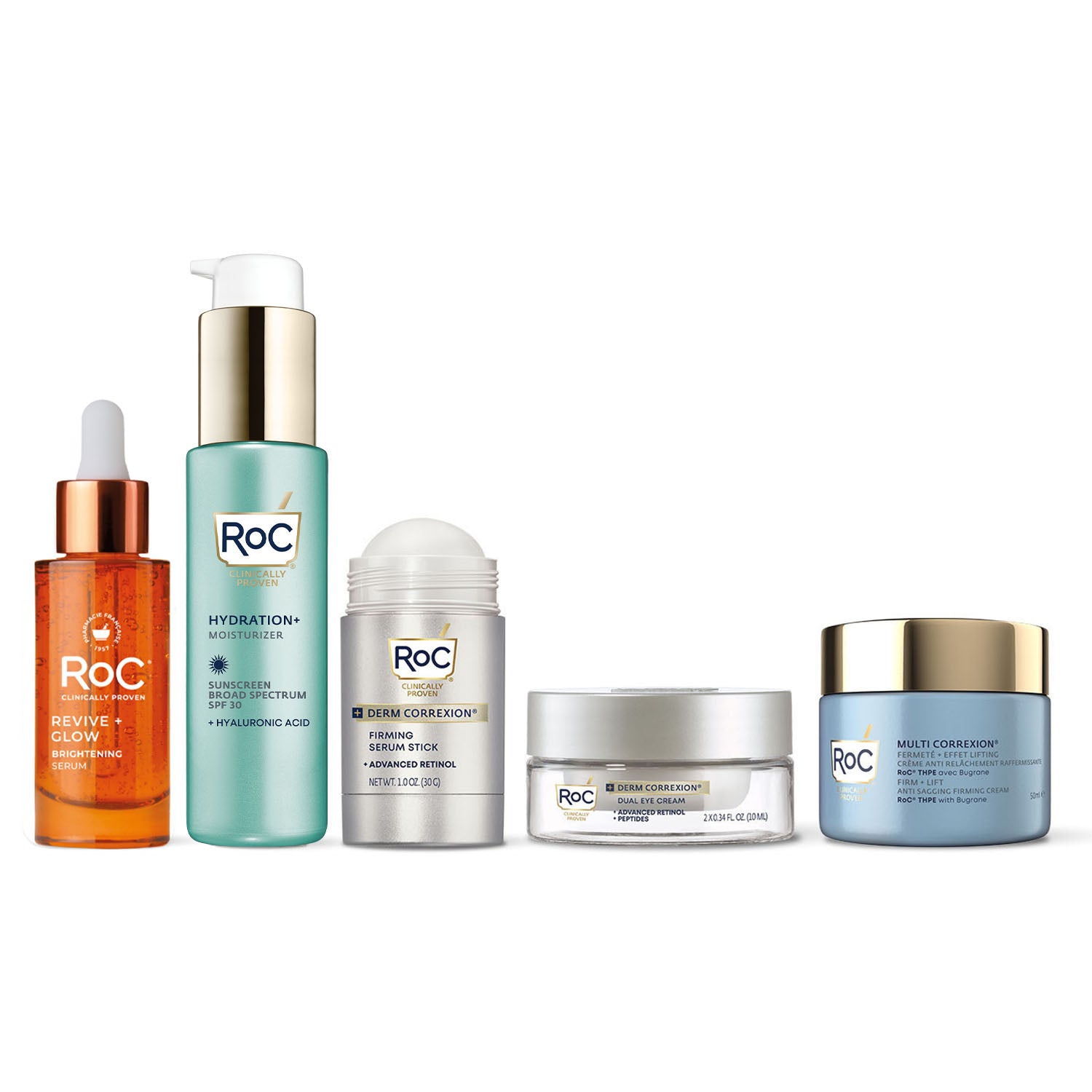
Credit: www.rocskincare.com
Advanced Tips And Common Mistakes
Many people make mistakes during barrier repair. Avoid these pitfalls:
Mistake 1: Returning To Exfoliation Too Soon
Do not use scrubs or acids until your skin is fully healed. Even a gentle exfoliant can cause setbacks.
A helpful guideline: Wait at least one week after your skin looks and feels normal before reintroducing any exfoliation. Start with a very mild product and use only once per week. Stop immediately if you notice irritation.
Mistake 2: Using Too Many Products
Stick to a minimal routine: gentle cleanser, lipid-rich moisturizer, and natural oil. More products mean more risk.
Many people think more steps equal better results, but for barrier repair, simplicity is best. Each extra product is another chance for irritation.
Mistake 3: Ignoring Sun Protection
UV rays slow healing and damage new skin. Use mineral sunscreen daily, even indoors.
Even short walks or sitting near a window can expose your skin to UV. Protecting healing skin is critical, as new skin is more sensitive to sun damage.
Mistake 4: Believing “natural” Means Safe
Some natural ingredients (like essential oils) cause irritation. Always patch-test new products.
Lavender, peppermint, and citrus oils are especially risky for sensitive skin. Patch-testing means applying a small amount to your inner arm and waiting 24–48 hours for any reaction.
Mistake 5: Not Addressing Stress And Sleep
Skin repair is a whole-body process. Neglecting sleep or stress will slow results.
If you’re under a lot of stress or getting poor sleep, your skin may take twice as long to heal, no matter how perfect your products are.
Advanced Tip: Use Occlusives For Extra Protection
Occlusives are ingredients that form a protective layer. Examples:
- Petrolatum (Vaseline): Excellent for locking in moisture, but not “natural.” Use only on top of natural products.
- Beeswax: Natural occlusive that’s gentle on skin.
Apply occlusives at night to prevent water loss.
A simple method called “slugging” involves applying a thin layer of petrolatum as the last step at night. This traps moisture and boosts repair. If you prefer a natural option, try a beeswax-based balm.
Advanced Tip: Monitor Your Skin’s Progress
Take photos every week. Note changes in redness, flaking, and hydration. If your skin worsens, review your routine and remove any new products.
A skin journal helps you see patterns, like whether certain foods or activities make things better or worse.
When To See A Dermatologist
If your skin does not improve after 4 weeks, or if you have severe pain, bleeding, or infection, see a professional. Some conditions like eczema or psoriasis need medical help.
If you develop blisters, yellow crusts, or swelling, these could be signs of infection. Do not wait to seek help in these cases.
If you’re unsure whether your problem is just barrier damage or a skin disease, a dermatologist can diagnose and recommend a safe plan.
Natural Skin Barrier Repair Vs. Medical Treatments
Many medical treatments use steroids or antibiotics. These are useful for severe cases but can weaken the barrier over time. Natural repair focuses on restoring lipids and soothing skin, which is safer for most people.
A recent review in the Journal of Clinical Dermatology found that natural oils and ceramide-rich moisturizers were as effective as prescription creams for mild barrier damage (National Institutes of Health).
Medical treatments may be needed for chronic or infected skin problems, but for most everyday barrier damage, gentle, natural care is enough.
A non-obvious insight: Overuse of steroid creams can thin the skin and cause long-term problems. Always use medical creams only as directed and for the shortest time needed.
How To Maintain A Healthy Skin Barrier After Repair
Once your skin is healed, keep it healthy with these habits:
- Use gentle, unscented cleanser
- Moisturize daily with ceramides and fatty acids
- Protect from sun and pollution
- Avoid over-exfoliating
- Eat a balanced diet
- Get enough sleep
Try to keep your routine simple, even when your skin feels great. Many people relapse by adding too many new products too soon.
If you want to try new actives (like vitamin C or retinol), introduce one at a time and watch for signs of irritation. Always buffer strong actives with a layer of moisturizer.
Switch to richer creams in winter, and lighter ones in summer. Adjust your routine based on the weather and your skin’s needs.

Credit: www.amazon.sg
Frequently Asked Questions
What Is The Skin Barrier And Why Is It Important?
The skin barrier is the top layer of your skin. It keeps moisture in and blocks germs and irritants. When it’s healthy, skin feels soft and protected. If damaged, you get dryness, redness, and sensitivity.
How Long Does It Take To Repair A Damaged Skin Barrier?
Most people see improvement in 1–2 weeks if they follow a good protocol. Full recovery can take 4–6 weeks. Severe cases may take longer.
Which Ingredients Should I Avoid During Repair?
Avoid fragrances, alcohol, exfoliating acids, and essential oils. These can cause irritation and slow healing.
Can I Use Sunscreen While Repairing My Skin Barrier?
Yes, but choose mineral sunscreen with zinc oxide or titanium dioxide. Chemical sunscreens may irritate damaged skin.
What Foods Help Repair The Skin Barrier?
Eat foods rich in omega-3 fatty acids (salmon, chia seeds), vitamin E (almonds, spinach), vitamin C (bell peppers, oranges), and zinc (pumpkin seeds, beef). Drink plenty of water and avoid processed foods.
Can I Wear Makeup While Repairing My Barrier?
It’s best to avoid makeup for a few weeks. If you must wear it, choose mineral powders and avoid liquid foundations with alcohol or fragrance. Remove makeup gently and double-check for irritants.
My Skin Is Still Red After A Month—what Should I Do?
If redness or irritation doesn’t improve after 4 weeks of gentle care, see a dermatologist. You may have eczema, rosacea, or another condition needing special treatment.
Taking care of your skin barrier is not just about products. It’s a lifestyle. With patience and consistent steps, you can restore healthy, resilient skin naturally. If you follow this protocol, your skin will thank you—now and in the future.