

Starting a hair and skin care journal can change how you understand your beauty routine. If you have ever wondered why a certain cream helped your skin glow or why your hair suddenly became dry, a journal can give you answers.
Many people try new products or routines without tracking the effects, making it hard to know what really works. A journal keeps everything in one place, helping you see patterns, track progress, and avoid repeating mistakes. This approach is popular among dermatologists and beauty experts who want to make smart, data-driven choices.
If you want healthier hair and clearer skin, tracking your routine is a practical step. You do not need special skills—just a notebook or a phone, and a few minutes each day. With time, you will know which habits give you good results and which do not.
This article will guide you through every part of starting and maintaining an effective hair and skin care journal. You will learn exactly what to track, how to spot patterns, and how to use your journal for long-term success.
Why Start A Hair And Skin Care Journal?
There are many reasons to begin tracking your hair and skin care journey. The most obvious is to identify what works for your unique needs. Beauty routines are highly personal—what helps your friend may not work for you. A journal gives you clear evidence based on your own experience.
Another important reason is avoiding wasted time and money. According to a 2023 survey from Statista, the average American spends over $300 per year on skin care products and even more on hair treatments. However, 60% of users admit they buy products that do not suit them. By tracking the effect of each new item, you quickly notice what is worth the price.
Finally, a journal helps you spot triggers. Sometimes, breakouts or hair loss are connected to diet, stress, or weather—not just your shampoo or lotion. Writing down daily changes and outside factors gives you a complete picture.
Choosing The Right Journal Format
The format you use is key to your success. Each person has their own preference, so it is important to pick a method that feels natural and easy to keep up with.
Paper Journal
A classic paper notebook works well for people who like writing by hand. You can use a simple lined notebook, a bullet journal, or a planner with dates. Paper journals make it easy to draw diagrams, stick in photos, or add color codes.
Digital Journal
Apps and spreadsheets are popular for people who are always on their phones or computers. Free tools like Google Sheets or apps like Notion allow you to add photos, use drop-downs, and search for keywords. Digital journals are easy to back up and update on the go.
Pre-made Templates
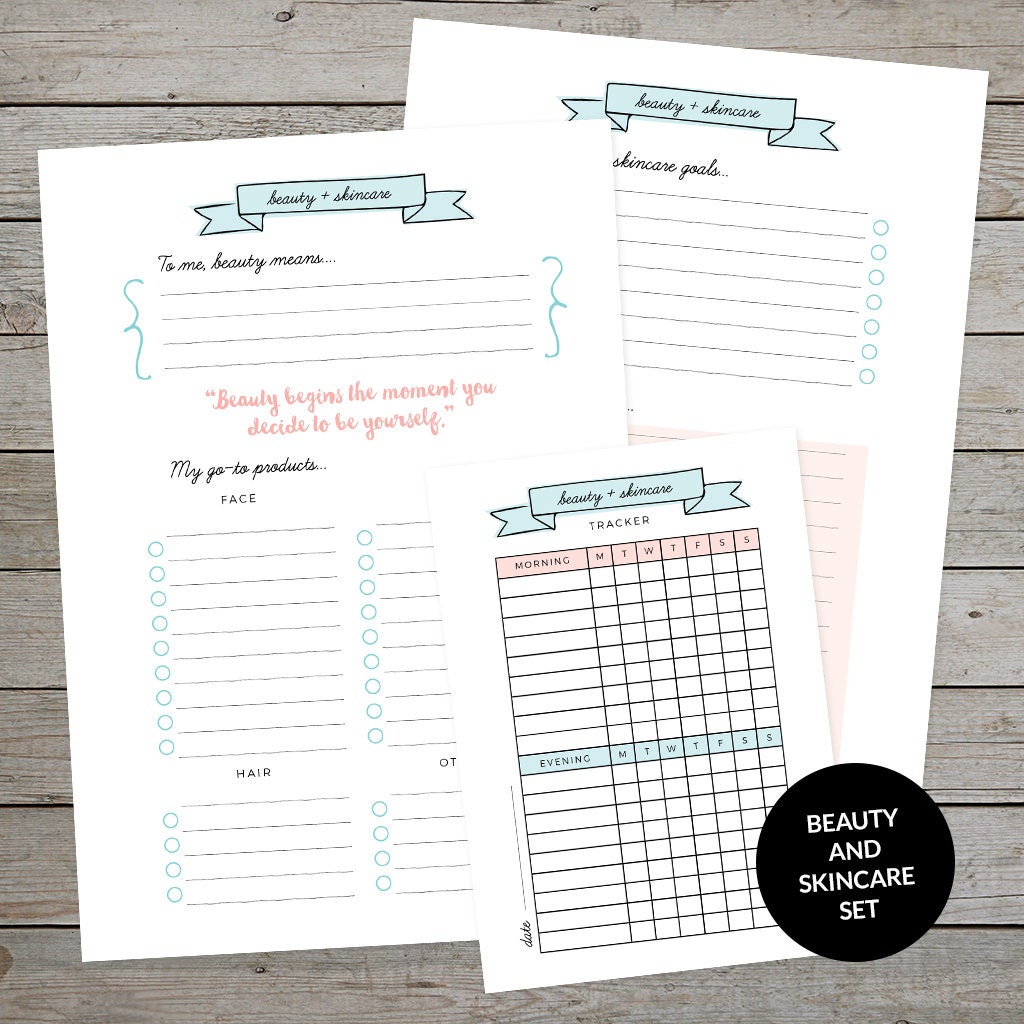
Some beauty brands and dermatologists offer printable or digital templates. These usually have sections for products, ingredients, and daily notes. Templates save time and can help beginners remember what details to include.
Pro Tip: Choose a format you will actually use every day. Consistency is more important than style.
What To Track: Essential Elements For Success
A good hair and skin care journal should include certain key details. At first, it may seem like a lot to write down, but over time, you will learn what matters most for you.
1. Products And Ingredients
Every day, write down the products you use and their main ingredients. This helps you notice which items cause changes. For example, if a moisturizer with retinol makes your skin dry, you can look for gentler options.
2. Application Methods
How you use a product matters as much as what you use. Note if you apply it with your hands, a brush, or a cotton pad. For hair, mention if you air-dried, blow-dried, or used heat tools.
3. Timing
Write down when you use each product—morning, night, before a workout, etc. Some treatments work better at certain times of day.
4. Quantities
Record how much product you use. A pea-sized amount of serum can give very different results compared to a generous layer.
5. Skin And Hair Condition
Describe your skin and hair at the start and end of each day. Are you oily, dry, itchy, or flaky? Is your hair frizzy, shiny, or breaking? Use simple words and be honest.
6. Environmental Factors
Weather, pollution, and sunlight affect your skin and hair. Note if it was humid, sunny, cold, or windy.
7. Diet And Hydration
List what you eat and drink, especially if you notice changes after certain foods. For example, dairy or sugar can trigger acne for some people.
8. Stress And Sleep
Mental health plays a big role. If you are stressed or sleep poorly, your skin and hair may react. A quick note helps you spot connections.
9. Exercise
Write down your physical activity. Sweating, swimming, or wearing hats can all change your results.
10. Reactions Or Changes
Always log any new symptoms—itching, redness, breakouts, hair shedding, or improvement.
Below is a sample structure for a daily entry:
| Category | Details to Track | Example Entry |
|---|---|---|
| Products Used | Name, ingredients, amount | Cetaphil Cleanser, glycerin, dime-size |
| Application | How and when applied | Washed face at 7am, used hands |
| Condition | Skin/hair status before & after | Oily T-zone, dry cheeks; less redness after wash |
| External Factors | Weather, diet, stress, exercise | Sunny, 2L water, no dairy, walked 30 mins, moderate stress |
| Reactions | Any changes or symptoms | No breakouts, skin felt soft |
Getting Started: Step-by-step Guide
It is easy to feel overwhelmed when you begin. Here is a simple process to launch your hair and skin care journal.
Step 1: Set Your Goal
Decide what you want to achieve. Do you want to reduce acne, stop hair loss, grow longer hair, or get glowing skin? Clear goals help you focus your tracking.
Step 2: Gather Supplies
Pick your journal format and prepare your tools—pen, phone, or laptop. Gather your current products and check their labels for ingredients.
Step 3: Make Your First Entry
On day one, write a detailed description of your hair and skin. Include photos if possible. List all products you use, including brand, type, and ingredients. Describe your routine and note your goal.
Step 4: Track Daily
Each day, update your journal with what you used, any changes you noticed, and outside factors like weather or diet. Be honest and do not skip days—even “no change” is useful data.
Step 5: Review Weekly
At the end of each week, read back through your notes. Look for patterns—does your skin get dry after a certain serum? Does your hair get oily when you eat fast food?
Step 6: Adjust Your Routine
Use your journal to make small changes. If you see improvement, keep going. If things get worse, try removing or swapping products one at a time.
Step 7: Track Long-term Progress
Take monthly photos and compare your condition over time. Celebrate small wins—less redness, stronger hair, fewer breakouts.
Beginner Insight: Many people forget to note days when they skip their routine. Tracking these “off” days is just as important for spotting patterns.
What Most People Miss When Journaling
Many beginners make the same mistakes, which can slow progress or cause frustration.
1. Not Tracking Ingredients: It is common to write only the product name and skip the ingredient list. This makes it hard to spot if, for example, your skin reacts to fragrance or alcohol found in multiple products.
2. Ignoring Environmental Factors: People often overlook how weather or stress affects their skin and hair. For example, a humid day can make hair frizzy, no matter what shampoo is used.
3. Changing Too Many Things at Once: Making several changes (new shampoo, new diet, new serum) means you cannot tell which one had an effect. Change only one thing at a time.
4. Forgetting to Update: Consistency is key. Missing entries, especially on “bad” days, makes your journal less useful.
5. Not Reviewing Regularly: Some only write, but never look back. Reviewing helps you spot slow changes and avoid repeating mistakes.
How To Analyze Your Journal For Results
After a few weeks or months, your journal will contain valuable data. Here is how to use it:
Look For Patterns
Read through your entries and look for repeated words or situations. For example, if “itchy scalp” appears every time you use a product with sulfates, that is a clear sign.
Compare Before And After
Use your photos and notes to compare your condition before starting a new routine and after. Are there fewer pimples? Is your hair shinier?
Check For Triggers
If you have sudden breakouts or hair loss, look for what changed in the days before—new foods, stress, or weather conditions.
Use Simple Data Tables
To make analysis easier, create a table to track changes over time.
| Week | Main Change | Hair Result | Skin Result |
|---|---|---|---|
| 1 | Started new shampoo | More shine | No change |
| 2 | Added vitamin C serum | No change | Less redness |
| 3 | Stopped dairy | No change | Fewer breakouts |
Seek Expert Help
If you cannot find clear answers, consider showing your journal to a dermatologist or hair specialist. Your detailed notes will help them suggest better solutions.
Expert Insight: Sometimes, small changes (like switching pillowcases or water filters) make a big difference. Your journal can help you notice these hidden factors.
Advanced Tips For A More Effective Journal
Once you get used to daily entries, you can add advanced techniques to get even deeper insights.
Color Coding
Use different colors for positive, negative, and neutral results. For example, green for improvement, red for problems, blue for no change. This makes it easy to scan your journal quickly.
Ingredient Tracking
Create a master list of ingredients that show up in your products. Mark which ones give good or bad results. Over time, you will know which ingredients to seek or avoid.
Seasonal Patterns
Track changes by season. For example, dry winter air might make your skin flaky, while summer humidity causes oiliness.
Product Rotation Testing
Try using a product for 2-4 weeks, then stopping for the same time. Note differences to see if it truly helps. This method is called “A/B testing” and is used in science and beauty research.
Allergy And Sensitivity Notes
If you have allergies, write down any new symptoms, even if they seem unrelated—like sneezing, headaches, or rashes. Many people do not connect skin or hair reactions to allergies.
Compare With Research
Check your findings against trusted sources like the American Academy of Dermatology. This can confirm if your results match known science.
Non-Obvious Insight: Many hair and skin changes are slow. Do not expect overnight results. Journals reveal progress you might not see day-to-day.
Sample Journal Entry: Putting It All Together
To help you get started, here is a sample daily entry based on the tips above:
—
Date: March 10, 2024
Goal: Reduce scalp itching and clear up forehead breakouts.
Morning Routine:
- Washed hair with Head & Shoulders Classic Clean (active ingredient: Pyrithione zinc, used quarter-size amount, massaged for 2 mins)
- Washed face with Cetaphil Gentle Cleanser (used hands, lukewarm water)
- Applied CeraVe Moisturizer (contains ceramides, niacinamide, small amount)
Evening Routine:
- Face: Washed with water only
- Hair: Brushed, air-dried
Weather: Cloudy, 10°C, light wind
Diet: Oatmeal, salad, chicken, 2L water
Stress: Medium (work deadline)
Exercise: 20 min walk
Skin Condition: Forehead less red than yesterday, one new pimple
Hair Condition: Scalp less itchy, hair not greasy
Reactions: No burning or discomfort
Notes: Will try skipping hair product tomorrow to test if itching returns.
—

Credit: www.amazon.com
Using Photos And Visuals
Adding photos to your journal is one of the easiest ways to see slow changes. Take clear pictures of your face and hair from the same angle and lighting each week. This is especially useful for tracking acne, pigmentation, hair growth, or scalp conditions.
Tip: Use a simple naming system (like “March10-Front.jpg”) and store photos in a folder linked to your journal for easy comparison.
Common Mistakes To Avoid
Even with the best intentions, it is easy to make mistakes that limit your journal’s value.
- Skipping Bad Days: Some people only write on “good” days. This hides the full picture. Every day counts, even if you do not like the results.
- Not Reviewing: Writing is only half the process. You must read and reflect to spot trends.
- Being Impatient: Some changes take weeks or months. Do not expect instant results.
- Trying Too Many Products: Testing several items at once makes it impossible to know what works.
- Ignoring Professional Advice: If you have serious issues, always consult a dermatologist. Your journal is a tool, not a replacement for medical advice.

Credit: www.amazon.com
Comparing Different Journal Methods
Here is a quick comparison to help you choose the best tracking style:
| Method | Pros | Cons | Best For |
|---|---|---|---|
| Paper Notebook | Easy, personal, creative | Harder to search or back up | People who enjoy writing by hand |
| Digital App | Searchable, shareable, can add photos | Needs phone/computer, can be distracting | Tech-savvy users |
| Spreadsheet | Great for tracking data, easy charts | Less creative, can feel clinical | People who like numbers/data |
| Pre-Made Template | Quick start, reminders built in | Less flexible, may not fit all needs | Beginners, busy users |
Non-Obvious Insight: Some people combine methods, like using a paper journal for daily notes and a spreadsheet for monthly summaries.
Turning Your Journal Into Action
The true power of a journal is turning information into results. Here’s how to use what you learn:
- Refine Your Routine: Remove products that do not help. Add more of what works.
- Build a “Hero Product” List: Over time, you will have a list of items that always give good results.
- Spot Bad Ingredients: Avoid products with ingredients you react to.
- Prepare for Seasonal Changes: Use your journal to adjust your routine for winter, summer, or travel.
- Talk to Professionals: Bring your journal to appointments—dermatologists love seeing real data.
Practical Example: If you see more acne every time you eat cheese, try skipping dairy for a month and record the results. Your journal will show if there is a real connection.
Credit: www.etsy.com
Motivation And Consistency Tips
Keeping a journal takes effort, but these strategies can help you stay on track:
- Set Reminders: Use phone alarms or sticky notes to remember your journal.
- Make It a Ritual: Pair journaling with another habit, like brushing your teeth.
- Reward Progress: Celebrate milestones, like a month of daily entries.
- Share With Friends: Some people stay motivated by joining online groups or sharing tips.
- Keep It Simple: Do not try to track everything—focus on what matters most for your goals.
Encouragement: Remember, even small steps add up. Missing a day is not failure—just keep going.
When To Change Your Journal Routine
As your knowledge grows, your journal should change too. Here’s when to update your approach:
- New Goals: If you solve one problem (like acne), shift focus to something new (like hair growth).
- Major Routine Changes: Starting a new medication or treatment? Update your tracking for better results.
- Lifestyle Changes: Moving to a new climate, starting a new job, or changing diet? Add new sections to your journal.
- Plateau: If you stop seeing progress, review your journal to find what to try next.
Expert Guidance: Regularly reviewing and updating your journal keeps it useful and helps you stay engaged.
Real-world Success Stories
Journaling is not just a theory—many people have transformed their hair and skin with this method.
- Case 1: Anna, 29, struggled with dry, flaky scalp for years. After tracking her routine, she noticed flare-ups every time she used products with sulfates. Switching to sulfate-free shampoo ended her symptoms.
- Case 2: Ravi, 34, had acne that returned every winter. His journal showed that dry air and hot showers made it worse. Adding a humidifier and gentle moisturizer reduced his breakouts.
- Case 3: Maria, 22, wanted longer hair. Her journal showed more hair fall after days with less sleep and high stress. Improving her sleep helped her hair become fuller.
These examples show how small, daily notes can lead to big improvements.
When To Seek Help
While a journal is powerful, it is not a substitute for medical care. If you notice:
- Sudden, severe hair loss
- Painful or spreading rashes
- Signs of infection (pus, fever)
- No improvement after 3-6 months
. . . it is time to see a professional. Bring your journal—it can speed up diagnosis and treatment.
For more information, consult resources like the American Academy of Dermatology.
Frequently Asked Questions
How Long Does It Take To See Results In My Hair And Skin Care Journal?
Most people start to see patterns and results within 4 to 8 weeks. Hair and skin cycles are slow, so patience is key. Tracking for at least three months gives the best picture.
Can I Use My Phone For Hair And Skin Care Journaling?
Yes, using a phone app or notes is a great way to stay consistent. Choose an app that lets you add photos, search entries, and set reminders.
What If I Miss A Few Days?
Missing days is normal—just start again as soon as you can. The most important thing is to keep going, not to be perfect.
Should I Track Makeup In My Journal?
Yes, makeup can affect skin condition, cause breakouts, or interact with other products. Track what you use, how you remove it, and any changes you notice.
Is Journaling Useful If I Have Healthy Hair And Skin?
Absolutely. Journaling helps you keep your good results, spot early warning signs, and make smart changes as you age or your environment shifts.
—
Building a hair and skin care journal is one of the smartest steps you can take for better beauty and health. With a few minutes each day, you create a powerful record that helps you understand what really works for your unique needs.
Over time, this simple habit can save you money, prevent frustration, and help you reach your goals with confidence. Start today, stay consistent, and let your journal guide you to your best hair and skin ever.