

In 2026, the world of hair care is truly changing. Walk into any beauty aisle or browse your favorite shop online, and you’ll see something special: products that celebrate every curl, coil, wave, and straight strand. People now know that hair texture, porosity, and pattern are not just buzzwords—they are the key to healthy, beautiful hair for everyone. For too long, one-size-fits-all formulas dominated the shelves. Now, brands are finally listening, scientists are learning more, and consumers are demanding products that work with their unique hair, not against it.
This movement is called inclusive hair care. But what does that really mean? And why does it matter? Let’s look deeper, from the science behind hair to the newest products, smart routines, and future trends. If you want to understand how to care for every type of hair—or you’re searching for the right product in 2026—this guide is for you.
What Makes Hair Unique: Texture, Porosity, And Pattern
Hair is more than just straight or curly. Three main traits make every person’s hair unique: texture, porosity, and pattern. Understanding these will help you choose the right products and routines.
Hair Texture
Texture means the thickness of each strand. There are three main types:
- Fine: Feels soft, sometimes hard to style. Can be fragile.
- Medium: Most common, holds styles well.
- Coarse: Feels thick, strong, and often dry.
Fine hair can get oily fast and needs lightweight products. Coarse hair can handle heavy creams but may need extra moisture.
Knowing your hair texture helps you avoid common mistakes. For example, using heavy oils on fine hair will make it look greasy, while using light sprays on coarse hair can leave it dry and frizzy. Many people with medium hair find they can use a wider range of products, but even then, it’s smart to check for buildup or dryness.
Example: Someone with fine hair might struggle with flatness after using a thick conditioner. Switching to a volumizing formula or using conditioner only on the tips can help.
Hair Porosity
Porosity is how well your hair absorbs and keeps moisture. There are three levels:
- Low porosity: Cuticles are tight. Water and products have trouble getting in.
- Medium porosity: Easy to style, holds moisture well.
- High porosity: Cuticles are open. Hair absorbs moisture fast, but loses it quickly.
A quick test: Drop a clean strand of hair in a glass of water. If it sinks fast, it’s high porosity. If it floats, it’s low.
Porosity changes how your hair reacts to treatments. Low porosity hair often resists color and deep conditioning, so gentle heat can help products penetrate. High porosity hair needs help holding moisture—think heavier creams or leave-ins. Medium porosity hair is the “happy middle,” but it still benefits from regular masks and protection.
Tip: If your hair dries quickly after washing, it’s probably high porosity. If it takes hours, it’s likely low.
Hair Pattern
Pattern describes the shape of hair strands:
- Straight (Type 1)
- Wavy (Type 2)
- Curly (Type 3)
- Coily/Kinky (Type 4)
Each type has subtypes (like 3A, 3B, 4C), but the main idea is that patterns affect how hair looks, reacts to humidity, and needs to be cared for.
Wavy hair can frizz easily, curly hair needs hydration, and coily hair often benefits from protective styles. Even within one pattern, you might have tighter curls at the nape or looser waves near the front.
Non-obvious insight: Even on one head, you may have more than one pattern or porosity! Many people mix and match products on different sections for best results. For instance, you might use a heavier cream on the back, and a lighter gel on the sides.
Why Inclusive Hair Care Matters In 2026
The push for inclusive hair care didn’t happen overnight. For decades, people with textured or curly hair often struggled to find products that really worked. Now, thanks to social media, better science, and growing demand, the industry is changing.
- Diversity in beauty: More brands feature models and ambassadors with all hair types, not just straight or wavy.
- Better education: Consumers know how to check ingredients, read labels, and demand transparency.
- Product innovation: Brands invest in formulas for every texture, not just one.
- Cultural respect: Products now celebrate cultural hair traditions, not erase them.
Inclusive hair care means brands recognize that everyone’s hair is different. It’s not just about selling more products—it’s about helping people feel confident and comfortable in their own hair. In the past, many brands ignored curly or coily hair, leaving customers to mix DIY recipes or buy products not made for them.
Now, you’ll see tutorials for every pattern, guides for different porosities, and ingredient lists that explain what each item does. Even packaging is changing, with clearer instructions and less “one-size-fits-all” marketing.
Example: Many brands now offer products in multiple sizes and price points, so people with thick, curly hair can buy bigger bottles, while those with fine hair can try small samples.
In 2026, inclusivity means everyone can find what they need—no more feeling left out or forced to use products that don’t fit.
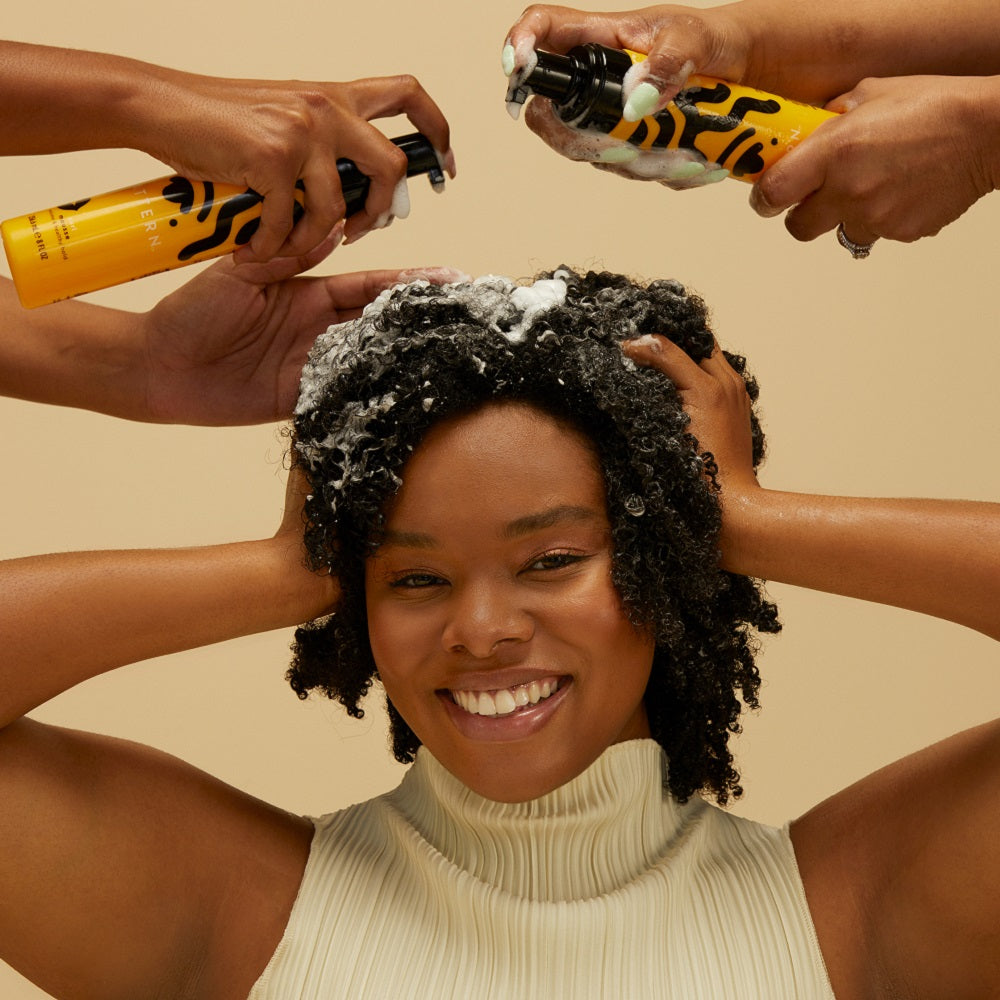
Credit: patternbeauty.com
Understanding Product Types: Matching Hair Needs
It’s easy to get lost in the sea of shampoos, conditioners, creams, and oils. Let’s break down the main product types, and how to pick the right one for your hair.
Cleansing: Shampoos And Cleansers
Cleansing is the foundation of hair care. But not all shampoos are equal.
- Sulfate-free shampoos: Gentle, don’t strip natural oils. Good for curly and color-treated hair.
- Clarifying shampoos: Deep clean, remove build-up. Use once a month for high-product users.
- Co-washes: Creamy cleansers, popular for curly or coily hair. Clean without drying.
Non-obvious insight: Many people over-wash. In 2026, routines are more flexible—some wash twice a week, others only once.
If you style with gels, sprays, or oils, clarifying is important. But using clarifiers too often can dry your hair. For people with sensitive scalps or colored hair, sulfate-free options help preserve moisture and color.
Example: A person with fine, oily hair might use a gentle shampoo every other day. Someone with thick, coily hair may wash once a week and co-wash midweek.
Conditioning: Moisture And Repair
Conditioners soften hair and lock in moisture.
- Rinse-out conditioners: Everyday use, detangle and smooth.
- Deep conditioners: Extra hydration, used weekly.
- Leave-in conditioners: Stay in hair to protect and hydrate all day.
If you have high porosity hair, deep conditioners with protein can help. For low porosity hair, lighter formulas prevent build-up.
Conditioners are not just for softness. They also help repair damage, add shine, and prevent tangles. Leave-ins are especially popular for curly and coily hair, providing ongoing moisture and helping to define curls.
Tip: If your hair feels heavy or sticky after conditioning, you may be using too much. Adjust the amount or switch to a lighter formula.
Styling Products: Gels, Creams, And More
The right styling product shapes your look.
- Gels: Hold curls or waves, control frizz.
- Creams: Moisturize and define curls, add softness.
- Foams/mousses: Add volume, light hold.
- Serums and oils: Add shine, seal in moisture.
Pro tip: Not all products work for all types. For example, thick butters may weigh down fine hair but save dry coils.
Styling products can be layered. For example, you might use a leave-in, then a curl cream, then a gel. Experimenting with “cocktailing” products is common in 2026—combining two or three to get just the right look.
Example: For wavy hair, a mousse and light gel can boost volume and definition without crunch.
Treatments: Masks, Oils, And Serums
Treatments solve special problems.
- Protein treatments: Repair damage, strengthen. Use monthly for weak hair.
- Hydrating masks: Restore moisture, fight dryness.
- Scalp treatments: Soothe itch, boost growth.
In 2026, many treatments are custom-mixed. Some brands even offer “blend bars” in stores for tailored solutions.
Treatments are often used as a reset—after coloring, heat styling, or exposure to harsh weather. A scalp mask might contain tea tree oil to calm irritation, while a hydrating mask could use avocado for deep moisture.
Non-obvious insight: Many people skip treatments, thinking they’re only for damaged hair. But regular use can prevent problems and keep hair strong.
Key Ingredients For Every Hair Type
Knowing what’s in your product matters as much as the label. Here are some of the most effective ingredients for each hair need.
For Low Porosity Hair
- Aloe vera: Light hydration, absorbs easily.
- Argan oil: Non-greasy, adds shine.
- Honey: Natural humectant, pulls in moisture.
- Green tea extract: Reduces build-up.
Aloe and honey are popular because they don’t weigh hair down. Green tea extract helps clear scalp buildup, especially for people who use lots of styling products.
For High Porosity Hair
- Shea butter: Heavy moisture, seals cuticle.
- Coconut oil: Penetrates deeply, prevents protein loss.
- Silk proteins: Repair and strengthen.
- Avocado oil: Rich in vitamins, locks in moisture.
Shea butter and silk proteins are key for repairing and protecting hair that’s been colored or heat-styled. Avocado oil offers vitamins and fatty acids to help keep moisture in.
For Fine Or Straight Hair
- Panthenol (Vitamin B5): Adds body without weight.
- Rice water: Strengthens, boosts shine.
- Hydrolyzed proteins: Light strengthening.
Panthenol and rice water are lightweight, so fine hair won’t feel greasy. Hydrolyzed proteins are small enough to add strength without sticking to the hair surface.
For Thick, Curly, Or Coily Hair
- Castor oil: Boosts growth, tames frizz.
- Jojoba oil: Balances scalp, adds softness.
- Mango butter: Deep hydration.
Castor oil is famous for helping edges and hairlines grow stronger. Mango butter is rich and creamy, perfect for twist-outs and braids.
Important note: Some ingredients, like coconut oil, work well for some but not all. Always patch test and adjust based on how your hair responds. This is especially important for people with allergies or sensitive scalps.
How To Choose The Right Hair Care Products In 2026
With so many choices, picking the right products can feel overwhelming. Here’s a step-by-step approach.
- Know your hair: Identify your texture, porosity, and pattern. This is the foundation.
- Read the label: Look for key ingredients that match your hair’s needs.
- Avoid harsh chemicals: Stay away from sulfates, parabens, and drying alcohols unless your hair needs deep cleansing.
- Consider climate: Humidity, dryness, and temperature affect how hair responds.
- Start simple: Use one new product at a time to see what works.
- Adjust with seasons: Hair can change with weather, hormones, or health.
Non-obvious insight: In 2026, smart apps can scan your hair and suggest products. Some even use AI to track changes and recommend new routines.
Example: If you move from a humid climate to a dry one, you may need to switch from light sprays to heavier creams or oils.
Also, don’t forget to check reviews and ask others with similar hair. Sometimes, learning from someone’s experience saves you trial and error.
Product Innovations For Inclusivity
The last few years have seen big changes in how products are made, sold, and used. Here’s what’s new in 2026.
Custom Formulations
Many brands now offer products you can customize. Online or in-store, you answer questions about your hair, and the formula is mixed just for you.
- Personalized shampoos and conditioners
- Custom styling creams for mixed textures
- Adjustable hold gels and serums
Customization means you don’t have to settle. If your hair is curly at the crown and wavy at the ends, you can get a formula that works for both.
Scalp-focused Products
A healthy scalp is the key to healthy hair. New products target scalp health with gentle exfoliators, probiotics, and soothing botanicals.
Scalp care is especially important for people with protective styles or those who use lots of products. In 2026, you’ll find scalp scrubs, balancing tonics, and even scalp serums designed for different skin types.
Eco-friendly And Clean Beauty
More consumers demand natural ingredients and sustainable packaging. Brands are using biodegradable containers, refill programs, and cruelty-free formulas.
Some brands offer bottle return programs, so you can refill your shampoo and conditioner. Clean beauty also means no harsh chemicals, making it safer for sensitive skin and the environment.
Tech-driven Hair Care
Smart brushes, scalp analyzers, and apps help you track hair health and get tips. Even ingredient lists are easier to understand, thanks to QR codes and AI tools.
In some salons, stylists use handheld scanners to check moisture levels and damage, then recommend products on the spot.
Embracing Cultural Heritage
Brands now include traditional ingredients like chebe powder from Chad or amla oil from India, celebrating the wisdom of different cultures.
Products often explain the history and benefits of these ingredients, helping people connect with their roots and learn new ways to care for their hair.
Comparing Top Product Lines By Texture And Porosity
To help you navigate the shelves, here’s a comparison of popular product lines in 2026 for different hair needs.
| Brand | Best For | Key Ingredients | Customizable? | Eco-Friendly |
|---|---|---|---|---|
| TextureMatch Pro | All textures, especially curly/coily | Shea butter, aloe vera, silk proteins | Yes | Yes |
| Porosity Focused | Low & high porosity | Rice water, honey, argan oil | Yes | Partial |
| SimpleStrand | Straight, fine hair | Panthenol, green tea extract | No | Yes |
| Cultural Roots | Coily, protective styles | Chebe powder, mango butter | No | Yes |
Brands are constantly updating formulas based on feedback, so check often for new releases. Many companies now offer sample kits so you can try products before buying full sizes.
How To Build An Inclusive Hair Care Routine
No matter your hair type, a smart routine is key. Here’s how to create one that works for you.
Step 1: Cleanse
Pick a shampoo or co-wash that matches your texture and porosity. Cleanse your scalp, not just your hair.
- Fine or straight: Wash 2-3 times a week.
- Curly or coily: Once a week, or co-wash between.
If you use lots of styling products, add a clarifying shampoo once a month. For dry scalps, look for gentle cleansers with tea tree or peppermint.
Step 2: Condition
Use a rinse-out conditioner after every cleanse. Once a week, add a deep conditioner or mask.
- High porosity: Use heavier, protein-rich masks.
- Low porosity: Choose lightweight, hydrating conditioners.
Don’t rush conditioning. Let it sit for 3–10 minutes so your hair absorbs the benefits. If your hair tangles easily, use a wide-tooth comb to spread the conditioner.
Step 3: Moisturize
Apply a leave-in conditioner or moisturizing cream. Focus on the ends, which are the oldest and driest.
For curly or coily hair, section your hair and apply moisturizer evenly. Straight or wavy hair may only need a light spray.
Step 4: Seal And Style
Use oil, butter, or serum to seal in moisture. Choose styling products based on your desired look.
- For curls: Creams or gels to define.
- For straight: Light serums for shine.
- For waves: Foams to boost volume.
Experiment with layering. For example, try leave-in, then cream, then gel for extra hold and definition.
Step 5: Protect
At night, use a silk or satin pillowcase, or wrap hair in a scarf. This prevents breakage and dryness.
Non-obvious insight: Protective styles (braids, twists) are not just for coily hair—they work for all types and reduce damage. Even simple buns or ponytails can help if done gently.
Common Mistakes In Hair Care (and How To Fix Them)
Everyone makes mistakes with hair care. Here’s what to watch out for:
- Using too much protein: Overuse can make hair stiff and break. Alternate with moisture treatments.
- Product build-up: Using heavy products without clarifying can make hair dull. Use a clarifying shampoo monthly.
- Ignoring scalp health: Dry, flaky scalp leads to weak hair. Treat your scalp with gentle oils and exfoliators.
- Not adjusting for climate: Hair needs more moisture in dry weather, less in humid climates.
- Skipping trims: Even if you want long hair, regular trims prevent split ends.
Another mistake is using hot tools without protection. Always use a heat protectant spray if you blow-dry, straighten, or curl your hair.
Example: If your hair feels rough after a protein treatment, switch to a hydrating mask next time.
How Hair Care Brands Are Becoming More Inclusive
The hair care industry is evolving fast. Here’s how brands are making real changes.
Diverse Product Testing
Brands now test formulas on panels with all textures, from 1A to 4C. This ensures products work for everyone.
Inclusive Marketing
You’ll see models with afros, locs, and straight hair in ads. This helps all customers feel seen and valued.
Education And Support
Many brands offer online guides, video tutorials, and even live consultations to help people learn about their hair.
Brands are also partnering with salons and stylists who specialize in textured hair, offering training and certification programs.
Ingredient Transparency
QR codes on packaging lead to detailed ingredient info, allergy warnings, and origin stories.
Price Accessibility
Brands are working to make high-quality, inclusive products affordable and available in all communities.
Discount programs, free samples, and bulk sizes help more people access the products they need.

Credit: www.ulta.com
The Science Behind Hair: Why Texture And Porosity Matter
Hair science is complex—but you don’t need a PhD to understand the basics.
The Role Of Cuticle Structure
The cuticle is the outer layer of hair. If it lies flat, hair is smooth and shiny. If it’s raised, hair can be frizzy or dry. Porosity is all about cuticle shape.
Flat cuticles make hair reflect light and hold moisture, while raised cuticles let moisture escape. This is why high porosity hair often feels dry even after conditioning.
Curl Pattern And Shape
Curly and coily hair grows in a spiral or zig-zag. This means natural oils from the scalp have a harder time traveling down the strand, leading to dryness.
This also explains why curly hair is often more fragile. The bends and twists create weak points, so gentle handling is important.
Genetic And Environmental Influences
Your genes set your base texture and pattern, but sun, water, diet, and even stress can change how your hair acts. In 2026, more products help fight damage from pollution, hard water, and UV rays.
Example: If you swim often, look for products with UV protection and clarifiers to remove chlorine.
Styling For Every Texture: Tips And Techniques
Looking great is about more than products. Here’s how to style every texture and pattern with confidence.
Straight Hair (type 1)
- Use light, volumizing products.
- Avoid heavy butters and oils.
- Try root-lifting sprays for body.
If you want waves, use flexible rods or braid damp hair overnight. Avoid over-brushing, which can cause breakage.
Wavy Hair (type 2)
- Use a diffuser when blow-drying.
- Try mousse or light gel for definition.
- Scrunch with a microfiber towel to reduce frizz.
For beachy waves, twist sections and let them air dry. Light oils can tame frizz without weighing hair down.
Curly Hair (type 3)
- Apply cream or gel to wet hair.
- Finger-coil sections for extra definition.
- Avoid brushing dry—use a wide-tooth comb when wet.
Try “plopping”—wrap wet hair in a T-shirt to enhance curls. Refresh curls with a water and leave-in mix on non-wash days.
Coily/kinky Hair (type 4)
- Use the LOC method: Leave-in, Oil, Cream.
- Try protective styles like twists or braids.
- Moisturize daily to prevent breakage.
Protective styles can last a week or more and help reduce daily handling, which can cause breakage.
Pro tip: Don’t compare your hair to others. What works for one person may not work for you—and that’s okay.
The Role Of Community In Inclusive Hair Care
Online and offline communities help people learn, share, and celebrate their hair. In 2026, these groups are stronger than ever.
- Forums and social media: People share routines, reviews, and before-after photos.
- Salons and stylists: Many now specialize in certain textures or patterns.
- Events and meetups: Hair care expos, curly hair festivals, and workshops connect people.
Joining a community can help you troubleshoot problems and discover new products. Many people find their favorite routine by learning from others with similar hair.
Non-obvious insight: The best advice often comes from someone with hair like yours—not always from big brands or influencers.
Sustainability And Ethics In Hair Care
Consumers today want more than good hair—they want brands that care for the planet and people.
- Vegan and cruelty-free formulas: No animal products or testing.
- Fair trade ingredients: Sourced ethically, supporting farmers.
- Minimal packaging: Less plastic, more refills.
- Charity partnerships: Many brands give back to communities.
Example: Some companies support water projects in regions where key ingredients are grown, creating a positive cycle.
In 2026, many brands even share stories about their ingredient sourcing, letting you know your purchase supports real people.
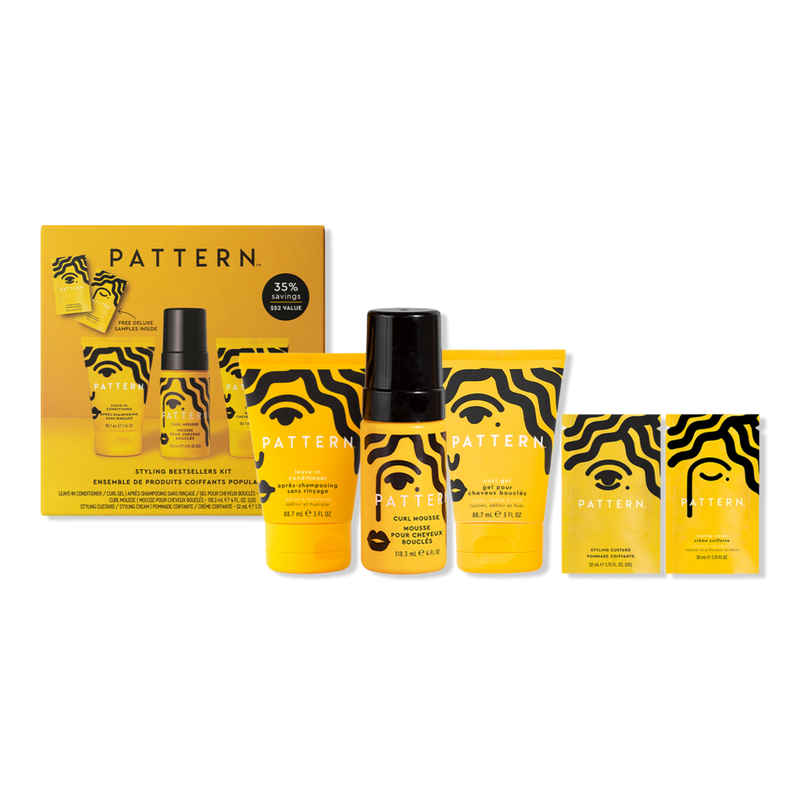
Credit: www.ulta.com
Data: Consumer Trends In 2026
How has inclusive hair care changed buying habits? Here’s a snapshot.
| Category | 2022 | 2026 | Growth (%) |
|---|---|---|---|
| Custom hair products | $1.8B | $4.3B | 139% |
| Curly/coily hair market | $2.5B | $5.7B | 128% |
| Eco-friendly hair care | $1.1B | $3.0B | 172% |
*Source: Beauty Industry Market Analysis, 2026*
These numbers show how fast the industry is growing. People are demanding products that match their needs and values, and brands are listening.
How To Advocate For Even More Inclusive Hair Care
Inclusivity isn’t finished—it’s ongoing. Here’s how you can help drive change:
- Support diverse brands: Buy from companies that serve all hair types.
- Share your story: Post reviews, photos, and feedback online.
- Ask for what you need: If your salon or store doesn’t carry products for your hair, speak up.
- Educate others: Share what you learn with friends and family.
- Celebrate all hair: Help end hair shaming and promote positive messages.
For deeper learning, the NaturallyCurly community offers science-backed resources and forums for all textures.
You can also join local events or online groups to support new brands and help others find the right products.
Frequently Asked Questions
How Do I Find Out My Hair Porosity?
To test your hair porosity, clean and dry a strand of your hair. Drop it in a glass of water. If it floats, you have low porosity. If it sinks slowly, you have medium porosity. If it sinks quickly, your hair is high porosity.
What Is The Difference Between Hair Texture And Hair Pattern?
Hair texture refers to how thick or thin your hair strands are (fine, medium, coarse). Hair pattern describes the shape of your hair, such as straight, wavy, curly, or coily.
Can I Use The Same Products If My Hair Has Mixed Patterns Or Porosities?
Yes, but you might need to mix and match. It’s common to use heavier creams or oils on drier, curlier sections, and lighter products on finer or straighter sections. Listen to your hair’s needs.
What Does “inclusive Hair Care” Mean?
Inclusive hair care means products and routines are designed for all hair types, textures, patterns, and porosities. It’s about making sure everyone can find products that work for them—not just one group.
How Can I Tell If A Hair Care Brand Is Really Inclusive?
Look for diverse models, a wide range of products for all types, and ingredient transparency. Check if the brand offers education or support, and read reviews from people with hair like yours.
The future of hair care is bright—and it’s for everyone. Whether your hair is straight and fine, curly and thick, or anything in between, 2026 is the year to celebrate, care for, and love your unique hair.