

Iron Deficiency And Postpartum Hair Loss: The Critical Connection
Welcoming a new baby is an incredible journey, but for many mothers, the postpartum period brings unexpected physical changes. One of the most common concerns is postpartum hair loss. While it’s natural to shed some hair after childbirth, for some women, the amount seems alarming. If you find more strands on your pillow, in your shower, or on your hairbrush, you’re not alone.
But why does this happen, and what role does iron deficiency play? Many mothers are surprised to learn that low iron levels after pregnancy can be a major reason behind excessive hair shedding. Understanding this connection can help you take action, regain your confidence, and support your body’s recovery.
This article looks deeply into how iron deficiency and postpartum hair loss are linked, what signs to watch for, and how you can manage both your iron levels and your hair health. Whether you are a new mom or supporting someone who is, the information here is designed to give you clarity, practical advice, and real solutions.
Understanding Postpartum Hair Loss
Losing some hair after childbirth is a normal experience. It’s called postpartum telogen effluvium. During pregnancy, high levels of estrogen keep hair in the growing phase. This means many women enjoy thicker, more luscious hair while pregnant.
However, after delivery, hormone levels drop. This sudden change causes a larger number of hairs to enter the resting (telogen) phase, and they fall out a few months later. Most women notice this shedding about 2 to 4 months after giving birth.
How Much Hair Loss Is Normal?
Normally, people lose about 50 to 100 hairs a day. After childbirth, this number can jump to 300 or even more per day. While this can feel frightening, it usually evens out within 6 to 12 months. In most cases, hair regrows naturally.
When Should You Worry?
If your hair loss is severe, lasts longer than a year, or comes with other symptoms like extreme fatigue or pale skin, it might signal iron deficiency or another problem. It’s important to listen to your body and seek medical advice if you have concerns.
Iron Deficiency: What Every Mother Should Know
Iron is an essential mineral that helps your body make hemoglobin, a part of red blood cells. Hemoglobin carries oxygen throughout your body. When you don’t have enough iron, your body can’t make enough healthy red blood cells, leading to iron deficiency anemia.
Why Do New Mothers Face Iron Deficiency?
Pregnancy and childbirth increase the body’s need for iron. Here are some reasons iron levels drop after having a baby:
- Blood loss during delivery: Even a normal delivery causes blood loss, which can lower iron stores.
- Increased iron demand: Your body uses more iron during pregnancy to support the baby’s growth.
- Poor diet: Some women don’t get enough iron from food, especially if they have strong food aversions or nausea.
- Short gaps between pregnancies: Not giving the body time to recover can worsen iron deficiency.
Signs And Symptoms Of Iron Deficiency
Iron deficiency can be mild at first and easy to miss. Watch for these signs:
- Fatigue and weakness
- Pale skin
- Shortness of breath
- Dizziness or lightheadedness
- Cold hands and feet
- Brittle nails
- Headaches
- Cravings for non-food items (like ice or clay, called pica)
- Restless legs syndrome
If you notice these symptoms, especially alongside hair loss, it’s time to get your iron levels checked.
/assets/images/provider/photos/2795928.png)
Credit: www.taramd.com
The Science: How Iron Deficiency Triggers Hair Loss
Iron plays a direct role in hair growth and health. Here’s what happens when your body doesn’t have enough:
The Hair Growth Cycle
Hair grows in three main phases:
- Anagen (Growth phase): Lasts 2-7 years.
- Catagen (Transition phase): Lasts about 2 weeks.
- Telogen (Resting/shedding phase): Lasts 2-3 months.
Iron is needed during the anagen phase. When iron is low, more hairs shift into the telogen phase, causing increased shedding.
Why Is Iron So Important For Hair Follicles?
Iron helps hair follicles get enough oxygen. Without it, follicles become weak and hair falls out more easily. Studies show that women with iron deficiency anemia are more likely to suffer hair thinning and shedding.
Some research even suggests that iron deficiency—even without anemia—can cause hair loss. This means it’s possible to have normal blood count but still lose hair due to low stored iron (measured by serum ferritin).
Iron Levels And Postpartum Hair Loss
Not all postpartum hair loss is caused by iron deficiency. Hormones play a big part. But when hair loss is severe, or continues longer than expected, low iron may be a hidden cause. Treating iron deficiency can often help hair grow back more quickly and fully.
Postpartum Hair Loss Vs. Iron Deficiency Hair Loss
It’s easy to confuse normal postpartum shedding with hair loss from iron deficiency. But there are differences:
| Feature | Postpartum Hair Loss | Iron Deficiency Hair Loss |
|---|---|---|
| Timing | 2-4 months after birth | Any time, often persists |
| Pattern | Shedding all over scalp | Diffuse thinning, sometimes more on top |
| Associated Symptoms | None or mild fatigue | Fatigue, pale skin, other anemia signs |
| Duration | Usually less than 12 months | Can last until iron is corrected |
| Response to Iron | No major effect | Improves with iron treatment |
Knowing the difference can help you and your doctor decide what steps to take.
Diagnosing Iron Deficiency In The Postpartum Period
If you suspect iron deficiency, a simple blood test can give answers. Here’s what doctors usually check:
- Hemoglobin: Shows if you have anemia.
- Serum ferritin: Measures iron stores in your body.
- Serum iron: Shows current iron levels in your blood.
- Total iron-binding capacity (TIBC): Checks how well your body transports iron.
What Do The Numbers Mean?
- Normal hemoglobin for women: 12-16 g/dL
- Normal serum ferritin: 20-200 ng/mL (some experts recommend at least 40 ng/mL for healthy hair growth)
- Low ferritin: Below 15-20 ng/mL usually means depleted iron stores
Low ferritin can cause hair loss even if hemoglobin is normal.
Who Should Get Tested?
You should consider testing if:
- You have heavy hair loss more than 4-6 months after delivery
- You feel tired, weak, or dizzy
- Your periods are heavy after childbirth
- You follow a vegetarian or vegan diet (lower iron intake)
- You lost a lot of blood during childbirth
How To Restore Iron Levels After Childbirth
Treating iron deficiency is important for your health and hair. Here’s how to get started:
1. Dietary Changes
Adding iron-rich foods to your diet is the first step. Good sources include:
- Red meat (beef, lamb)
- Poultry (chicken, turkey)
- Fish and seafood
- Eggs
- Beans and lentils
- Tofu and soy products
- Leafy green vegetables (spinach, kale)
- Fortified cereals and breads
- Nuts and seeds
There are two types of dietary iron:
- Heme iron (from animal foods): Absorbed better by the body
- Non-heme iron (from plants): Less easily absorbed
Eating vitamin C-rich foods (like oranges, strawberries, or bell peppers) with iron foods can increase absorption.
2. Iron Supplements
Sometimes, food alone isn’t enough. Your doctor may recommend iron supplements. These come in many forms, such as:
- Ferrous sulfate (most common)
- Ferrous gluconate
- Ferrous fumarate
Supplements can cause side effects like stomach upset or constipation. Taking them with food, or switching to a different type, can help.
Dosage And Duration
Typical supplement doses are 60-120 mg of elemental iron per day. Most women need to take them for at least 3-6 months. It’s important not to stop early, even if you feel better.
3. Treating Underlying Causes
If you have heavy periods or another cause of blood loss, your doctor will help address these issues too.
4. Iron By Injection Or Iv
If you can’t tolerate oral supplements, or your deficiency is severe, iron can be given by injection or intravenous (IV) drip.
5. Avoid Common Mistakes
Many women make these mistakes when trying to boost iron:
- Taking iron with tea or coffee (blocks absorption)
- Not taking supplements long enough
- Not rechecking blood tests to see if levels improved
- Ignoring side effects instead of asking for a different supplement
Practical Tips To Manage Postpartum Hair Loss
While restoring iron is key, there are other steps you can take to manage hair loss and support regrowth.
Be Gentle With Your Hair
- Use a wide-toothed comb to avoid pulling hair
- Avoid tight hairstyles like ponytails or buns
- Skip harsh chemical treatments and heat styling
Choose The Right Shampoo
Mild, sulfate-free shampoos are less likely to irritate your scalp. Some shampoos contain ingredients like biotin or caffeine that may help support hair growth.
Eat A Balanced Diet
Besides iron, your hair needs protein, zinc, biotin, and other nutrients. Try to eat a variety of foods and avoid crash diets.
Try A Shorter Haircut
Some moms find that shorter styles make hair look thicker and are easier to manage during this period.
Reduce Stress
Stress can make hair loss worse. Try to get enough rest and ask for help when you need it.
Be Patient
Remember, most postpartum hair loss is temporary. With time and the right approach, your hair will likely grow back.
How Long Until Hair Regrows After Iron Deficiency?
Regrowth depends on how quickly you restore your iron levels. Some women see improvement within 3 months of treatment, but full regrowth can take 6-12 months.
Here’s a rough timeline:
| Time After Starting Treatment | What to Expect |
|---|---|
| 1-2 months | Reduced shedding, slight baby hairs |
| 3-6 months | Noticeable regrowth, less thinning |
| 6-12 months | Fuller hair, most areas filled in |
If you don’t see improvement after 6 months, it’s important to follow up with your doctor. Other conditions—like thyroid problems—can also cause hair loss.
Real Stories: Women’s Experiences With Postpartum Hair Loss And Iron Deficiency
Hearing from other mothers can be comforting. Here are a few examples:
- Sarah, age 29: “At 4 months postpartum, I started losing handfuls of hair. Blood tests showed my ferritin was only 10 ng/mL. After 4 months of iron supplements, my hair started to fill in and the shedding stopped.”
- Lisa, age 34: “I thought my tiredness was just from being a new mom. Turns out, I was anemic. Fixing my iron not only helped my hair, but I finally felt like myself again.”
- Priya, age 31: “I’m vegetarian, so I struggled with low iron during pregnancy and after. Working with a dietitian helped me get enough iron from plant foods, and my hair improved.”
These stories show that postpartum hair loss can feel scary, but with the right help, recovery is possible.
Other Causes Of Hair Loss After Pregnancy
Not all hair loss is due to iron deficiency or hormones. Consider these other possibilities:
- Thyroid disorders: Hypothyroidism and hyperthyroidism can both cause hair thinning.
- Low protein intake: Crash diets or not eating enough can affect hair.
- Vitamin deficiencies: Especially zinc, vitamin D, and B vitamins.
- Scalp conditions: Such as dandruff or psoriasis.
- Genetic hair loss: If you have a family history.
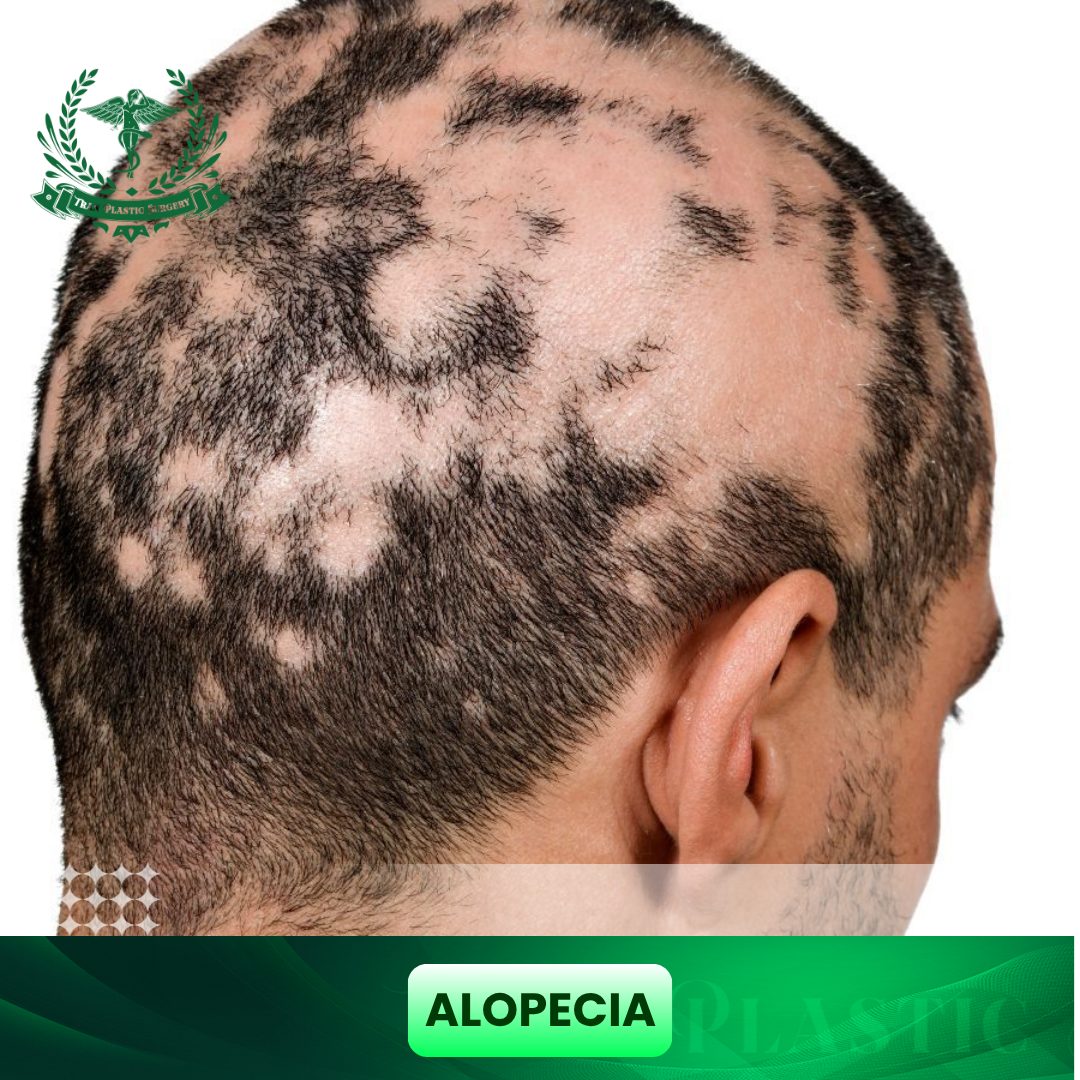
If your hair loss is severe, patchy, or comes with symptoms like itching or pain, see a doctor.
How To Talk To Your Doctor About Hair Loss
Many women feel uncomfortable bringing up hair loss, but it’s a real health issue. Here are tips for your appointment:
- Prepare a list of symptoms: Include fatigue, dizziness, or changes in your period.
- Track your hair loss: Take photos or note how much you’re shedding.
- Ask for a full blood workup: Include ferritin, hemoglobin, and thyroid tests.
- Share your diet: Mention if you avoid certain foods or follow a vegetarian diet.
- Be open about emotional impact: Hair loss can affect self-esteem, and support is important.
Your doctor can help you find the best plan to restore your health and hair.
Iron And Breastfeeding: What You Need To Know
Some mothers worry about taking iron while breastfeeding. The good news is that iron supplements are safe for most breastfeeding women. Iron does not pass into breast milk in large amounts, so it will not harm your baby.
In fact, treating your own deficiency helps you stay strong and able to care for your child. Only a small amount of iron is lost in breast milk, but if you are severely deficient, your body has less to give.
When To See A Specialist
If your hair loss does not improve after treating iron deficiency, or you have other symptoms (like irregular periods, rapid weight changes, or scalp pain), consider seeing a specialist such as a dermatologist or endocrinologist. They can help look for less common causes and offer additional treatments.
Non-obvious Insights About Iron Deficiency And Hair Loss
Many new mothers don’t realize these critical points:
- Low ferritin can cause hair loss even if your main blood count (hemoglobin) is normal. Doctors sometimes miss this, so ask specifically for a ferritin test if you have ongoing hair loss.
- Iron supplements often need to be continued for months after blood tests return to normal. Your hair follicles need time to recover, and stopping supplements early can lead to relapse.
- Vegetarian sources of iron are harder for the body to absorb. Pairing plant-based iron foods with vitamin C-rich foods can double or triple absorption.
- Hair loss may be the first sign of iron deficiency, even before you feel tired. Don’t ignore changes in your hair—it’s your body sending a message.
Myths About Postpartum Hair Loss And Iron
Let’s clear up some common misunderstandings:
- “Postpartum hair loss is always normal.” Not true—excessive or long-lasting shedding can be a sign of iron deficiency or other health problems.
- “If I’m not anemic, I can’t have iron-related hair loss.” False—low iron stores (ferritin) can trigger hair loss even without anemia.
- “Supplements will fix my hair overnight.” Regrowth takes time, usually several months.
- “Iron supplements are dangerous while breastfeeding.” For most women, they are safe and important. Always follow your doctor’s advice.
How To Prevent Iron Deficiency Before And After Birth
Prevention is the best medicine. Here’s how to keep your iron levels healthy:
- Eat iron-rich foods regularly, both during pregnancy and after.
- Take prenatal vitamins with iron as recommended.
- Space pregnancies at least 18 months apart to let your body recover.
- Treat heavy periods or other causes of blood loss early.
- Get routine blood tests during and after pregnancy.
- Don’t skip meals or follow extreme diets.
If you plan another pregnancy, building up iron stores ahead of time can make a big difference.
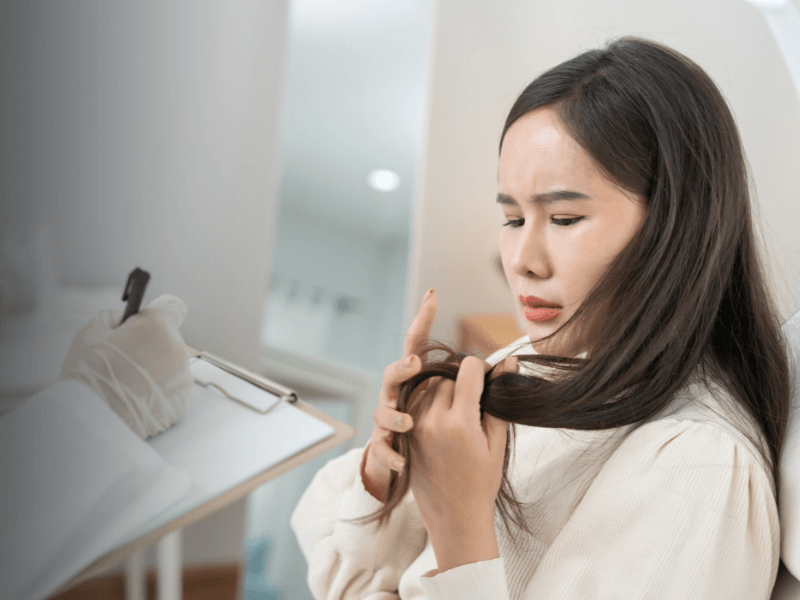
Credit: tampabayendocrine.com
Comparing Iron Supplements: What’s Best For Postpartum Women?
Choosing the right supplement can be confusing. Here’s a simple comparison:
| Type | Pros | Cons |
|---|---|---|
| Ferrous sulfate | Cheap, effective, widely available | Can cause constipation or nausea |
| Ferrous gluconate | Softer on the stomach | Less iron per pill, may need higher dose |
| Ferrous fumarate | High iron content, effective | May cause stomach upset |
| Iron polysaccharide | Gentle on digestion, fewer side effects | More expensive, prescription may be needed |
| IV iron | Works quickly, for severe cases | Requires clinic visit, risk of allergic reactions |
Always discuss with your healthcare provider before starting or switching iron supplements.
Supporting Mental And Emotional Health
Hair loss after childbirth can affect self-confidence and mood. Here’s how to cope:
- Talk about your feelings with friends, family, or support groups.
- Focus on what your body has accomplished—growing and nurturing a new life.
- Give yourself time—hair loss is temporary, and regrowth happens.
- Avoid comparing yourself to others. Every woman’s journey is unique.
If you feel overwhelmed, anxious, or depressed, reach out to a mental health professional.
Credit: tranplastic.com
The Role Of Other Nutrients In Hair Regrowth
While iron is crucial, other nutrients also support hair health:
- Protein: Hair is made of keratin, a protein. Include eggs, fish, dairy, beans, and nuts.
- Zinc: Supports hair tissue growth. Found in meats, seeds, and whole grains.
- Biotin: A B vitamin found in eggs, nuts, and whole grains.
- Vitamin D: Helps hair follicles. Sunlight and fortified foods are good sources.
- Omega-3 fatty acids: Found in fish, flaxseed, and walnuts.
A well-rounded diet is the best way to support hair and overall health.
Is Hair Loss Always Reversible?
The good news is that postpartum hair loss and hair loss from iron deficiency are usually reversible. Once the underlying cause is treated, hair follicles recover and new growth appears. However, full recovery can take time. In rare cases, if hair loss has been severe and prolonged, some thinning may remain. Early action gives the best chance for full regrowth.
Final Thoughts
Iron deficiency and postpartum hair loss are closely connected, but they are both manageable with the right information and care. If you’re losing more hair than usual after having a baby, don’t panic. Check your iron status, support your body with healthy foods, and work closely with your healthcare provider.
Most importantly, remember that you are not alone. Millions of women go through this, and with time and the right support, hair regrowth is possible. Your health and well-being matter, for you and your growing family.
For more on postpartum health, you can read resources from the Mayo Clinic.
Frequently Asked Questions
Why Is Iron Important For New Mothers?
Iron is vital for making red blood cells, which carry oxygen throughout your body. After childbirth, many women have low iron due to blood loss and increased needs during pregnancy. Low iron can cause fatigue, poor recovery, and hair loss.
How Do I Know If My Hair Loss Is From Iron Deficiency Or Just Hormones?
Hormonal hair loss usually starts 2-4 months after birth and improves within a year. Hair loss from iron deficiency can happen at any time, often lasts longer, and is usually accompanied by symptoms like tiredness, dizziness, or pale skin. A blood test can tell the difference.
Can I Take Iron Supplements While Breastfeeding?
Yes, iron supplements are safe for most breastfeeding mothers. They help restore your own health and do not harm your baby. Always follow your doctor’s advice for the right dose and type of supplement.
How Long Does It Take To See Hair Regrowth After Treating Iron Deficiency?
Most women notice less shedding within 2-3 months of starting treatment, but full regrowth can take 6-12 months. Continue iron supplements as directed and follow up with your doctor if you don’t see improvement.
Are There Ways To Prevent Postpartum Hair Loss?
You can’t prevent all postpartum hair loss since it’s mostly due to hormonal changes. However, keeping your iron levels healthy, eating a balanced diet, and being gentle with your hair can help minimize loss and support faster regrowth. If hair loss is severe or long-lasting, see your healthcare provider.