

Menopausal hair loss can feel stressful, confusing, and even frightening. Many women notice hair thinning, shedding, or even bald patches as they enter menopause. You might wonder: Is this normal? Is it just hormones, or could something else be causing it? The answer is not always simple. While menopause often triggers changes in hair, other health issues may also play a role. That’s why getting the right lab tests is so important.
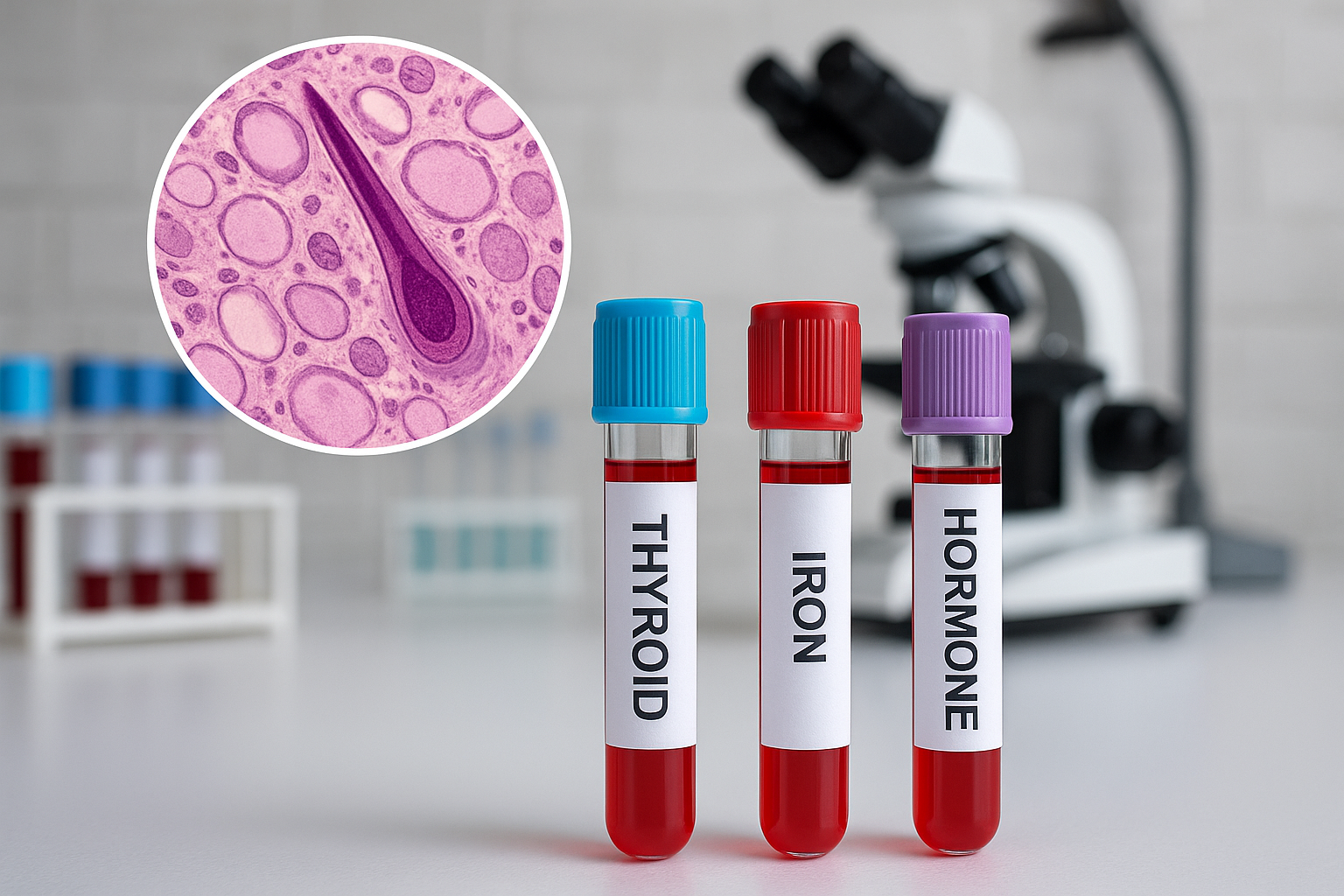
Testing can uncover problems with your thyroid, iron levels, and other factors that impact hair health. Sadly, many women only get basic hormone tests, missing hidden causes that could be fixed. This guide will help you understand which lab tests to request, how results relate to hair loss, and what to do next. You’ll learn about thyroid and iron testing, but also less obvious tests that many doctors overlook. By the end, you’ll be ready to ask your healthcare provider for the most useful tests and interpret your results with confidence.
Understanding Menopausal Hair Loss
Menopause is a natural stage in a woman’s life, marked by the end of menstruation. Most women reach menopause between ages 45 and 55. During this time, estrogen and progesterone levels drop, which can affect hair growth. Many women notice:
- Hair thinning, especially at the crown or part line
- Increased hair shedding
- Reduced hair volume
- Sometimes, noticeable bald spots
The medical term for this pattern is female pattern hair loss (FPHL), also known as androgenetic alopecia. It’s not just hormones, though. Other health issues, like thyroid disorders or nutritional deficiencies, can cause similar symptoms. That’s why lab tests are key.
How Hormones Affect Hair
Before menopause, estrogen helps keep hair thick and healthy. When estrogen drops, hair follicles become sensitive to androgens (male hormones). These androgens shrink the follicles, causing thinner, shorter hairs. Progesterone also protects hair, so its decline worsens the effect.
But hormonal changes are only part of the story. Sometimes, something else is going on beneath the surface—like thyroid disease or iron deficiency.
Why Lab Tests Matter For Menopausal Hair Loss
Many women assume menopausal hair loss is inevitable. But not all hair loss is caused by menopause alone. Lab tests can:
- Identify treatable causes
- Prevent unnecessary treatments
- Guide targeted therapy
- Offer peace of mind
Requesting the right tests helps you rule out hidden issues, like thyroid disease, iron deficiency, or even autoimmune disorders. This is especially important if your hair loss is sudden, severe, or comes with other symptoms like fatigue, weight changes, or skin problems.
Key Lab Tests For Menopausal Hair Loss
There are several important lab tests to consider if you notice hair loss during menopause. Some are well-known, like thyroid and iron panels. Others are less obvious but equally important. Let’s look at each, with details on what they measure, why they matter, and how to interpret results.
Thyroid Function Tests
Thyroid problems are a common—but often missed—cause of hair loss in menopausal women. The thyroid gland controls metabolism and affects hair growth cycles.
Essential Thyroid Tests
- TSH (Thyroid Stimulating Hormone)
- Measures how much hormone your thyroid is making.
- High TSH suggests hypothyroidism (underactive thyroid).
- Low TSH suggests hyperthyroidism (overactive thyroid).
- Free T4 (Thyroxine)
- Measures the active thyroid hormone in your blood.
- Low Free T4 means your thyroid isn’t making enough hormone.
- Free T3 (Triiodothyronine)
- Measures another active thyroid hormone.
- Low Free T3 can cause hair loss, fatigue, and weight gain.
- Thyroid Antibodies
- Includes Anti-TPO and Anti-thyroglobulin tests.
- High antibodies suggest autoimmune thyroid disease, like Hashimoto’s or Graves’ disease.
Why Thyroid Testing Matters
Thyroid disorders are more common in women, especially after age 40. Symptoms like hair thinning, brittle nails, or dry skin can be early signs—even before other symptoms appear. Many doctors only test TSH, but full thyroid panels give a clearer picture.
Example: Thyroid Test Results
Here’s a simple comparison of typical thyroid values:
| Test | Normal Range | Low (Hypothyroid) | High (Hyperthyroid) |
|---|---|---|---|
| TSH | 0.4–4.0 mIU/L | <0.4 | >4.0 |
| Free T4 | 0.8–1.8 ng/dL | <0.8 | >1.8 |
| Free T3 | 2.3–4.2 pg/mL | <2.3 | >4.2 |
Iron Studies
Iron is vital for hair growth. Low iron—especially ferritin—is a common cause of hair loss in women.
Essential Iron Tests
- Serum Ferritin
- Measures iron stores in your body.
- Low ferritin means low iron, even if other tests are normal.
- Serum Iron
- Measures iron circulating in your blood.
- Total Iron Binding Capacity (TIBC)
- Shows how well your body transports iron.
- Transferrin Saturation
- Indicates how much iron is bound and available for use.
Why Iron Testing Matters
Many women lose iron through menstruation, and menopause can reveal hidden deficiencies. Hair follicles need iron to grow new hair. Low ferritin (below 30 ng/mL) is linked to hair thinning, even if you don’t have anemia.
Example: Iron Test Results
Here’s a simple comparison of iron values:
| Test | Normal Range | Low | High |
|---|---|---|---|
| Serum Ferritin | 30–200 ng/mL | <30 | >200 |
| Serum Iron | 60–170 μg/dL | <60 | >170 |
| TIBC | 240–450 μg/dL | <240 | >450 |
| Transferrin Saturation | 15–50% | <15% | >50% |
Hormonal Profile
Hormone changes drive most menopausal symptoms, including hair loss. A hormonal profile shows if there are abnormal levels contributing to hair thinning.
Key Hormone Tests
- Estradiol
- Main form of estrogen.
- Low levels may cause hair loss.
- Progesterone
- Helps balance estrogen.
- Low levels can worsen hair loss.
- Testosterone (Total and Free)
- High levels can trigger androgenic hair loss.
- DHEA-S (Dehydroepiandrosterone Sulfate)
- Precursor to androgens.
- High levels can cause hair thinning.
- FSH (Follicle Stimulating Hormone) and LH (Luteinizing Hormone)
- High levels confirm menopause.
Why Hormone Testing Matters
If hair loss is severe or unusual, hormones may be out of balance. Sometimes, conditions like polycystic ovary syndrome (PCOS) or adrenal disorders can cause high androgens, leading to hair loss—even after menopause.
Vitamin And Mineral Tests
Nutritional deficiencies are a hidden cause of hair loss. Menopause can change how your body absorbs nutrients.
Important Tests
- Vitamin D
- Low vitamin D is linked to hair loss.
- Vitamin B12
- Supports hair growth and energy.
- Zinc
- Essential for hair and skin health.
- Biotin
- Often marketed for hair, but deficiency is rare.
Why Vitamin Testing Matters
Even mild deficiencies can affect hair growth. Many women don’t realize they are low in vitamin D or B12. These tests can help you fine-tune your diet and supplements.
Example: Vitamin Test Comparison
Here’s a simple comparison of key vitamin and mineral values:
| Test | Normal Range | Low |
|---|---|---|
| Vitamin D | 30–100 ng/mL | <30 |
| Vitamin B12 | 200–900 pg/mL | <200 |
| Zinc | 70–120 μg/dL | <70 |
| Biotin | 300–1000 ng/L | <300 |
Autoimmune Screening
Some autoimmune diseases cause hair loss, such as alopecia areata or lupus. Menopause can trigger or worsen these conditions.
Key Autoimmune Tests
- ANA (Antinuclear Antibody)
- Screens for autoimmune activity.
- Rheumatoid Factor
- Checks for rheumatoid arthritis.
- Anti-TPO (Thyroid Peroxidase Antibody)
- Included in thyroid tests, but also signals autoimmune thyroid disease.
Why Autoimmune Testing Matters
If you have sudden, patchy hair loss, or other symptoms like joint pain, skin rashes, or fatigue, autoimmune testing is important. Early detection can help manage symptoms and protect hair health.
Inflammatory Markers
Chronic inflammation can disrupt hair growth. Menopause raises inflammation in some women.
Key Tests
- CRP (C-Reactive Protein)
- Measures general inflammation.
- ESR (Erythrocyte Sedimentation Rate)
- Another marker for inflammation.
Why Inflammatory Testing Matters
High inflammation can point to hidden infections, autoimmune disease, or metabolic problems. If your hair loss comes with pain, swelling, or fever, these tests are useful.
Blood Sugar And Metabolic Tests
Menopause increases the risk of metabolic syndrome, diabetes, and insulin resistance—all linked to hair loss.
Key Tests
- Fasting Glucose
- Measures blood sugar after fasting.
- HbA1c
- Shows average blood sugar over 3 months.
- Insulin
- High levels can cause hair loss.
- Lipid Panel
- Measures cholesterol and triglycerides.
Why Metabolic Testing Matters
High blood sugar and insulin affect hair growth. Some women develop diabetes after menopause, which can worsen hair loss. Early detection helps guide treatment.
Other Useful Tests
Some women need additional tests if hair loss is unusual, rapid, or comes with other symptoms.
Additional Tests
- CBC (Complete Blood Count)
- Checks for anemia or infection.
- Liver Function Tests
- Poor liver health can affect hormones.
- Kidney Function Tests
- Kidney problems can cause hair and skin changes.
- Cortisol
- High or low cortisol can disrupt hair growth.
- Sex Hormone Binding Globulin (SHBG)
- Affects how much testosterone is available.
When To Request These Tests
If you have fatigue, weight changes, skin problems, or other health concerns, these tests may be needed. They help rule out hidden causes and guide treatment.
How To Request Lab Tests For Menopausal Hair Loss
Asking for the right tests can feel daunting. Doctors may not always order comprehensive panels unless you ask. Here’s how to approach your healthcare provider:
- Prepare a list: Write down the tests you want, based on this guide.
- Describe your symptoms: Explain if your hair loss is sudden, severe, or comes with other symptoms.
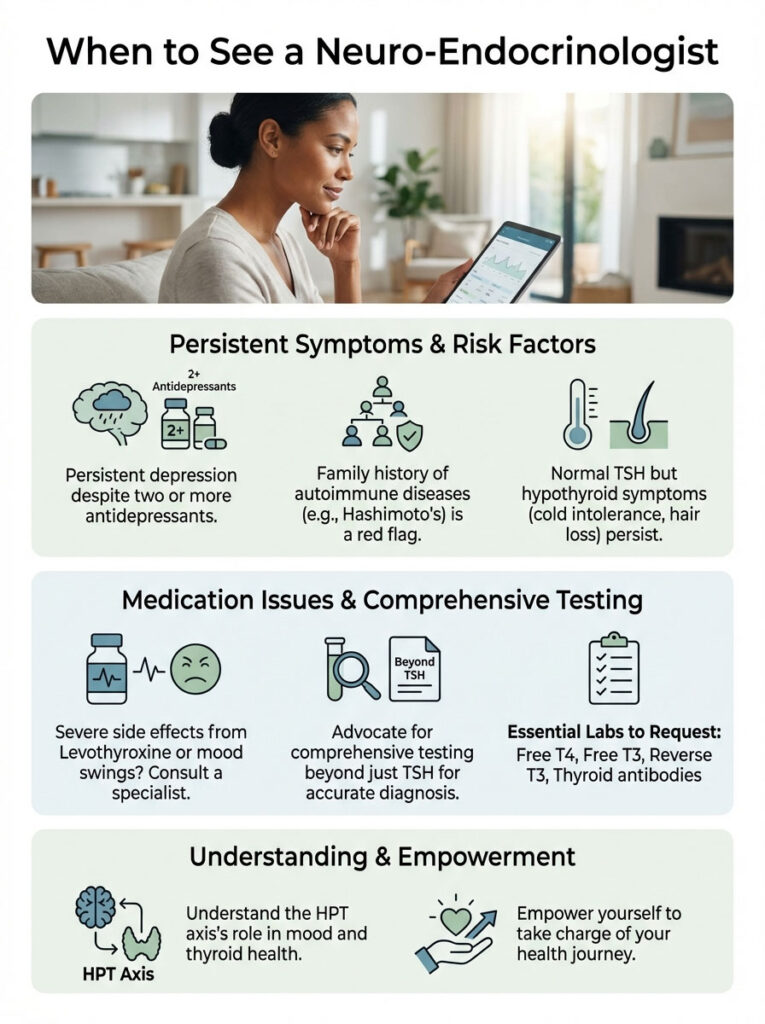
- Ask for full panels: Don’t settle for just TSH or basic iron tests—request the full thyroid and iron panels.
- Share your family history: Mention any thyroid, autoimmune, or metabolic diseases in your family.
- Be persistent but polite: If your doctor hesitates, ask why and discuss your concerns.
Example: How To Ask Your Doctor
You might say, “I’m experiencing hair loss and want to rule out hidden causes. Could we check my thyroid function (including TSH, Free T4, Free T3, and antibodies), iron status (including ferritin), and hormone levels? ”
Interpreting Your Lab Results
Getting lab results can feel confusing. Numbers are important, but ranges and context matter more. Here’s how to make sense of your results:
- Normal doesn’t always mean optimal: Some “normal” results can still cause symptoms. For example, ferritin above 30 ng/mL is considered normal, but hair experts suggest levels above 70 ng/mL for optimal hair growth.
- Look for patterns: Multiple low or high values may point to a bigger problem.
- Compare to symptom severity: If your hair loss is severe, even minor abnormalities may matter.
- Repeat tests if needed: Sometimes, retesting in a few months gives a clearer picture.
Practical Example
Let’s say your ferritin is 25 ng/mL, just below normal. You may still experience hair loss, even if other iron tests look fine. Raising ferritin through diet or supplements can help.
Common Non-obvious Insights For Menopausal Hair Loss
- Low ferritin without anemia: You can have normal hemoglobin but low ferritin, causing hair loss. Many doctors miss this.
- Thyroid antibodies matter: Even if TSH and thyroid hormones are normal, high antibodies can signal early thyroid disease.
- Vitamin D and B12 often ignored: These are crucial for hair and energy, but rarely tested unless you ask.
- Blood sugar impacts hair: Insulin resistance can trigger hair thinning, even before diabetes develops.
- Inflammation is a hidden factor: Chronic inflammation can disrupt hair cycles, but few doctors check CRP or ESR for hair loss.
What To Do If Tests Show Abnormalities
If your lab tests reveal problems, the next steps depend on the cause:
- Low thyroid hormones: May require thyroid medication.
- Low ferritin or iron: Iron supplements, dietary changes, or treatment for blood loss.
- Hormonal imbalance: Hormone therapy or medications to balance androgens.
- Vitamin deficiency: Supplements or targeted nutrition.
- Autoimmune disease: Specialist referral, medications, and monitoring.
- High blood sugar or insulin: Diet, exercise, and possibly medication.
Always follow up with your healthcare provider. Don’t try to self-treat without guidance.
How Often To Repeat Lab Tests
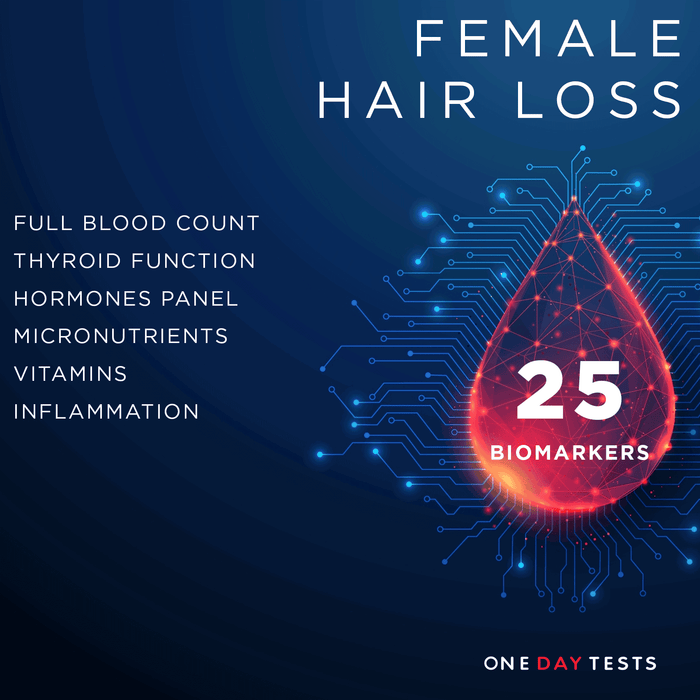
Hair loss can take months to improve. Repeat tests every 3–6 months to track progress, especially if you start new treatments. If you feel worse or develop new symptoms, retest sooner.
Credit: onedaytests.com
Practical Tips For Managing Menopausal Hair Loss
- Don’t panic: Menopausal hair loss is common and often treatable.
- Keep a symptom diary: Track hair changes, energy, mood, and other symptoms.
- Support hair health: Eat a balanced diet, avoid harsh hair treatments, and consider gentle supplements.
- Stress management: High stress can worsen hair loss.
- Seek specialist care: If hair loss is severe, see a dermatologist or endocrinologist.
- Join support groups: Many women find comfort and advice from others experiencing the same issues.
Myths And Misconceptions About Menopausal Hair Loss
Many women believe hair loss is inevitable or untreatable during menopause. In reality, many causes can be managed or reversed. Here are some common myths:
- “It’s just hormones, nothing can be done.”
- False. Thyroid, iron, and other issues can be treated.
- “Supplements always help.”
- Not always. Supplements only work if you have a deficiency.
- “Hair loss is permanent.”
- Not always. Treatable causes can reverse hair thinning.
- “Only men lose hair with age.”
- False. Female pattern hair loss is very common.
Comparing Hair Loss Causes In Menopause
To help you understand how different causes affect hair loss, here’s a comparison:
| Cause | Hair Loss Pattern | Other Symptoms | Best Tests |
|---|---|---|---|
| Hormonal Changes | Gradual thinning, mostly at crown | Hot flashes, mood changes | Estradiol, Progesterone, FSH, LH |
| Thyroid Disorders | Diffuse thinning, brittle hair | Fatigue, weight changes, dry skin | TSH, Free T4, Free T3, Antibodies |
| Iron Deficiency | Diffuse thinning, slow regrowth | Fatigue, pale skin | Ferritin, Serum Iron, TIBC |
| Autoimmune Disease | Patchy hair loss, sudden onset | Joint pain, rashes | ANA, Anti-TPO, Rheumatoid Factor |
| Metabolic Syndrome | Diffuse thinning | Weight gain, high blood sugar | Glucose, HbA1c, Lipid Panel |
What If All Lab Tests Are Normal?
Sometimes, all lab tests are normal, but hair loss continues. This can be frustrating, but doesn’t mean nothing can be done. Possible reasons include:
- Genetic predisposition: Female pattern hair loss runs in families.
- Stress or trauma: Emotional or physical stress can trigger hair loss.
- Recent illness or surgery: Hair loss may start 2–3 months after a major event.
- Age-related changes: Hair follicles age and produce thinner hair.
In these cases, focus on hair-supporting habits and see a dermatologist for further advice.
Credit: hairgp.co.uk
Real-life Example: Sarah’s Story
Sarah, age 52, noticed her hair thinning after menopause. Her doctor tested TSH and said her thyroid was “normal.” But Sarah kept losing hair. She requested a full thyroid panel, iron studies, and vitamin tests. Results showed:
- TSH: 3.9 (high-normal)
- Free T4: 0.9 (low-normal)
- Ferritin: 18 ng/mL (low)
- Vitamin D: 24 ng/mL (low)
Sarah started thyroid medication, iron supplements, and vitamin D. Within six months, her hair stopped shedding and began to regrow. Her story shows the importance of full testing—not just basic panels.
Lab Tests Checklist For Menopausal Hair Loss
If you’re experiencing hair loss during menopause, consider requesting these tests:
- TSH, Free T4, Free T3, Thyroid Antibodies
- Serum Ferritin, Serum Iron, TIBC, Transferrin Saturation
- Estradiol, Progesterone, Testosterone, DHEA-S, FSH, LH
- Vitamin D, Vitamin B12, Zinc, Biotin
- ANA, Rheumatoid Factor, Anti-TPO
- CRP, ESR
- Fasting Glucose, HbA1c, Insulin, Lipid Panel
- CBC, Liver Function, Kidney Function, Cortisol, SHBG
Bringing this list to your doctor helps ensure nothing important is missed.
Credit: www.healthcareontime.com
Cost And Insurance Coverage
Lab tests can be expensive, especially if you request full panels. Insurance coverage varies. Some tests—like TSH or CBC—are usually covered, while others (like hormone or vitamin panels) may require extra payment. Always check with your provider and ask about costs.
Risks And Limitations Of Lab Testing
Lab tests are useful, but not perfect. Sometimes, results are borderline or unclear. False negatives and positives can happen. Always interpret results with your doctor, not alone. Repeat tests if symptoms persist.
Latest Research On Menopausal Hair Loss
Recent studies show:
- Low ferritin is linked to hair loss even without anemia.
- Thyroid antibodies can predict hair loss before hormone levels change.
- Vitamin D deficiency is common in menopausal women with hair thinning.
- Insulin resistance increases risk of female pattern hair loss.
For more scientific detail, see this study from the National Institutes of Health.
Frequently Asked Questions
What Is The Best Lab Test For Menopausal Hair Loss?
The most important test is serum ferritin, which checks iron stores. Low ferritin often causes hair loss. Full thyroid panels (TSH, Free T4, Free T3, and antibodies) are also key, as thyroid disorders are common after menopause.
Can Vitamin Deficiencies Cause Hair Loss During Menopause?
Yes, vitamin D and vitamin B12 are common deficiencies linked to hair thinning. Zinc and biotin may also play a role, though biotin deficiency is rare. Testing helps identify and treat these issues.
How Often Should I Repeat Lab Tests For Hair Loss?
Repeat tests every 3–6 months if you start new treatments or if symptoms change. This helps track progress and adjust therapy. Some tests, like thyroid panels, may need repeating more often if abnormalities are found.
Are Hair Loss Supplements Helpful?
Supplements only work if you have a deficiency. For example, iron helps if you’re low in ferritin. Taking supplements without testing can be wasteful or harmful. Always check your levels first.
Is Menopausal Hair Loss Permanent?
Not always. Many causes—like low iron, thyroid disease, or vitamin deficiency—are treatable. Hair can regrow once the underlying cause is fixed. If hair loss is genetic, treatments may slow or partially reverse thinning.
Final Thoughts
Menopausal hair loss can feel overwhelming, but lab tests offer hope. By checking thyroid, iron, hormones, vitamins, and other markers, you can uncover hidden causes and guide treatment. Don’t settle for basic panels—request full testing, interpret results with your doctor, and repeat tests if needed.
With patience and the right approach, most women can improve their hair health and regain confidence. Remember, hair loss is rarely just “normal”—and with the right lab tests, you can take control of your health and your hair.