

If you have high porosity hair, you know the daily battle: your hair drinks up moisture fast but loses it just as quickly. For many, finding the right way to lock in hydration is a journey filled with trial and error. Two popular methods claim to be the answer—LOC and LCO. But which one really seals in moisture better for high porosity hair? Understanding the science behind these routines can make all the difference in the health, shine, and manageability of your curls or coils. This guide dives deep into both methods, explains what makes high porosity hair unique, and helps you confidently choose the routine that delivers lasting results.
Understanding High Porosity Hair
High porosity hair has cuticles that are widely spaced or even lifted. This means moisture enters the hair shaft easily, but it also escapes quickly. There are several reasons hair may become highly porous:
- Genetics: Some people are simply born with it.
- Chemical treatments: Relaxers, dyes, and bleach can lift the cuticle layers.
- Heat styling: Frequent use of flat irons, curling wands, or blow dryers.
- Environmental factors: Sun, wind, and even hard water can damage the cuticle over time.
How do you know if your hair is high porosity? Here are some common signs:
- Hair absorbs water quickly but dries fast.
- Products seem to disappear into the hair.
- Hair feels dry or rough, even after moisturizing.
- Prone to frizz and tangling.
- Breakage and split ends are common.
If you notice these signs, try running your fingers over a strand—if it feels uneven or bumpy, that’s another clue your cuticles are raised. Sometimes, you can even see the ends of your hair splitting more easily compared to people with low porosity hair.
High porosity hair isn’t bad—it just needs a tailored care approach. The right moisture-sealing method can transform your routine and your results. For example, with consistent care, hair that once felt brittle can become softer and more manageable within a few weeks.
Also, it’s important to understand that porosity can change over time. If you stop using harsh chemicals and introduce gentler styling methods, you might notice your hair’s porosity improves. But, if you continue with damaging habits, the problem may get worse.
The Loc And Lco Methods: What Are They?
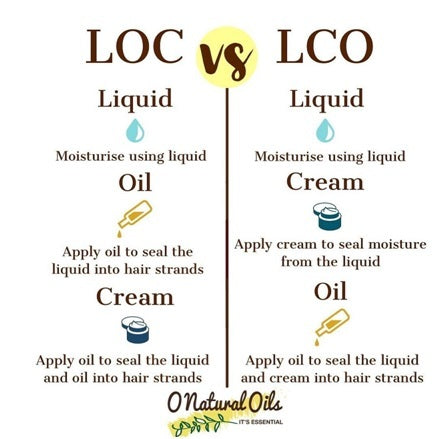
Both LOC and LCO are step-by-step routines designed to keep moisture inside the hair shaft longer. The key difference is the order you apply your products.
What Does Loc Stand For?
- L: Liquid or Leave-in conditioner
- O: Oil
- C: Cream
In the LOC method, you first apply a water-based liquid or leave-in conditioner, then seal with oil, and finally top with a cream. The idea is that each layer builds on the previous, helping to trap moisture.
For people who want to keep things simple, this method is easy to remember. Many have found it helpful to use spray bottles for the liquid step, especially if their hair dries quickly after washing.
What Does Lco Stand For?
- L: Liquid or Leave-in conditioner
- C: Cream
- O: Oil
Here, you apply the cream after your liquid, then finish with oil. Supporters say putting oil last helps lock in both the water and the cream’s moisturizing ingredients.
This method is often chosen by those who want their hair to feel lighter, as oil is only used as a thin, final layer.

Credit: frobabieshair.com
Why Moisture Sealing Matters For High Porosity Hair
Because high porosity hair loses water so easily, sealing is not optional—it’s necessary. Without a good seal, even the best moisturizers evaporate quickly. When moisture is locked in, hair stays softer, more elastic, and less prone to breakage. Over time, this can mean longer, healthier hair.
This step is especially important if you style your hair with heat or live in a dry climate. For example, people who flat iron their hair need extra protection, as heat can cause even more moisture loss.
But not all sealing methods work the same for everyone. The structure of high porosity hair means that some products and sequences can actually make dryness or frizz worse. For instance, using a lightweight oil might not be enough; your hair could still feel dry a few hours later.
A small, often-missed detail: sealing also protects your hair from pollution, dust, and other particles in the air. This means your hair not only stays hydrated, but also cleaner between washes.
Key Differences: Loc Vs. Lco
Let’s break down how these two methods differ and why the order might matter for high porosity hair.
| Step | LOC Method | LCO Method |
|---|---|---|
| 1 | Liquid/Leave-in | Liquid/Leave-in |
| 2 | Oil | Cream |
| 3 | Cream | Oil |
The main argument:
- LOC: Oil forms a barrier after the liquid, with the cream adding further moisture and protection.
- LCO: Cream comes before the oil, so the oil acts as a final seal, trapping both liquid and cream inside the hair shaft.
It’s important to remember that even small changes in product order can make a big difference. For example, if you use a very thick cream before the oil, it could make your hair feel heavier, but also more moisturized.
What Each Step Does
Liquid Or Leave-in Conditioner
This step hydrates the hair. Water-based leave-ins are best because water is the ultimate moisturizer. For high porosity hair, you want a leave-in that has humectants like glycerin or aloe vera, which pull moisture into the hair.
A non-obvious tip: If your water is hard (contains a lot of minerals), use distilled or filtered water for your spray bottle. Hard water can cause minerals to build up on your hair, making it harder for moisture to penetrate.
Oil
Oil seals in whatever you put on first. Lightweight oils (like argan or grapeseed) are quickly absorbed, while heavier oils (like castor or olive) sit on the surface, creating a stronger barrier. For high porosity hair, heavier oils often work better.
Another detail: Some oils, such as coconut oil, can penetrate the hair shaft, but not all high porosity hair types like coconut oil. It can sometimes cause protein overload and make the hair feel stiff. Always do a patch test before applying a new oil all over your hair.
Cream
Creams add extra moisture and help define curls. They are usually thicker and contain oils, butters, and sometimes proteins. For high porosity hair, creams should be rich but not too heavy, to avoid buildup.
If your cream leaves a white cast or residue, it might be too heavy for your hair, or it may not mix well with your other products. Always check how your products layer together on the back of your hand before applying.
Product Choices: What Works Best For High Porosity Hair?
Choosing the right products for each step is as important as the order you use them. High porosity hair often responds best to:
- Water-based leave-ins with humectants
- Heavy oils like castor, olive, or avocado
- Creams with butters (shea, mango) and proteins
For example, a good leave-in might list water as the first ingredient and include aloe or glycerin. A high-quality oil should be cold-pressed and pure, not mixed with fillers.
Avoid products that contain too much alcohol or silicone, as they can dry out or coat the hair, blocking moisture.
Another tip: Some people find success with layering a light oil and a heavier oil. This “double oiling” can be helpful in very dry climates, but only if your hair isn’t easily weighed down.
If you notice your hair getting limp or greasy, scale back the amount of cream or oil you use.
How To Perform The Loc Method
Here’s a step-by-step guide to the LOC method for high porosity hair:
- Start with freshly washed, damp hair. Hair should not be soaking wet or dry.
- Apply a generous amount of leave-in conditioner. Focus on the ends and areas that feel driest.
- Smooth a heavy oil over the hair. Concentrate on the mid-lengths and ends.
- Work a creamy moisturizer or butter through the hair. Use praying hands or raking motions to evenly distribute.
- Style as usual. Twist, braid, or define curls as you like.
Tips:
- Don’t use too much oil or cream—your hair can feel greasy or weighed down.
- Section hair for even application.
- Adjust the amount of each product based on your hair’s thickness and length.
For best results, let your hair air dry or use a hooded dryer on a low setting. Direct heat can undo the moisturizing work you just did.
Also, try applying products in small sections. This ensures every strand is coated and reduces the chance of missing dry patches.
How To Perform The Lco Method
For the LCO method, the sequence is slightly different:
- Apply leave-in conditioner to damp hair. This hydrates the strands.
- Add a moisturizing cream. Make sure it’s evenly distributed.
- Seal with oil. Focus on the ends, which lose moisture fastest.
- Style as desired.
Tips:
- If your cream is very thick, use less to avoid buildup.
- Oils should be applied sparingly but enough to coat the hair.
- Experiment with product combinations to find what your hair likes.
A practical tip: Warm the oil between your hands before applying. This helps it glide on smoothly and reduces the chance of using too much in one spot.
If your hair gets frizzy easily, try smoothing the final layer with your palms, not your fingers. This keeps the cuticle flat and reduces frizz.
Which Method Seals Moisture Better For High Porosity Hair?
Now, the big question: Does LOC or LCO seal better for high porosity hair?
Scientific Perspective
The main function of oil in these routines is to form a barrier on the hair shaft. This barrier slows down water loss. Research shows that applying oil after all water-based products (as in the LCO method) creates the most effective seal.
That’s because oil molecules are hydrophobic—they repel water and prevent its evaporation.
However, the effectiveness also depends on:
- The oil’s molecular size (castor oil forms a thicker barrier than coconut oil)
- The cream’s ingredients (some creams have oils already, which can change the result)
- Your hair’s individual response (some people’s hair feels better with LOC)
Another insight: If your cream contains a lot of protein, it may be better to use LCO, since sealing with oil last can help reduce protein loss from the hair shaft.
Real-world Experiences
Many people with high porosity hair report that the LCO method keeps their hair softer and moisturized for longer. The final oil layer helps trap all the moisture from the water and cream.
However, some high porosity hair types—especially those with fine or loose curls—find that LOC works better because the cream helps reduce frizz when applied last.
Sometimes, the difference is subtle and you may need to try each method for several weeks to truly notice what works best for you.
Side-by-side Comparison
Here’s a summary of how each method performs for high porosity hair:
| Feature | LOC Method | LCO Method |
|---|---|---|
| Moisture Retention | Good, but may not last as long for very porous hair | Excellent, oil traps both water and cream |
| Frizz Control | Effective, especially if using a rich cream | Very effective, as oil smooths cuticles last |
| Softness | Noticeable, but may fade faster | Longer-lasting softness |
| Build-up Risk | Higher if heavy cream used last | Lower, oil forms a thin top layer |
| Ideal For | Coarse, thick, or frizz-prone high porosity hair | All high porosity types, especially fine or medium strands |
Common Mistakes When Using Loc Or Lco
It’s easy to get less-than-ideal results if you make these common errors:
- Applying to dry hair. Always start with damp hair so products can penetrate.
- Using too much product. High porosity hair absorbs quickly, but too much can cause buildup.
- Wrong product type. Light oils or creams may not be enough for high porosity hair.
- Skipping protein. High porosity hair often needs protein for strength, so include it occasionally.
- Not sealing ends. The oldest, driest part of your hair needs the most protection.
Another mistake: not waiting between layers. Give each product a few moments to absorb before adding the next. This can make a significant difference in how well each layer performs.
Non-obvious tip: Rotate products based on the weather. Humid days may need lighter creams, while dry weather calls for heavier layers.
Also, don’t forget your scalp health. Sometimes, buildup from heavy products can cause itchiness or flakes. If this happens, clarify your scalp and try lighter products for a while.
Examples: Loc And Lco Routines For High Porosity Hair
Example Loc Routine
- Leave-in: Kinky Curly Knot Today or Camille Rose Curl Love Moisture Milk
- Oil: Jamaican black castor oil
- Cream: SheaMoisture Curl Enhancing Smoothie
Example Lco Routine
- Leave-in: TGIN Green Tea Leave-in Conditioner
- Cream: Cantu Coconut Curling Cream
- Oil: Olive oil
Try these routines for a week at a time to see how your hair responds. Take note of how long your hair stays soft, how much frizz you have, and if you notice any buildup.
Another example: For a lighter routine, try using grapeseed oil instead of castor oil and a whipped shea butter cream. This can be helpful if your hair feels weighed down or if you live in a very humid area.
How Weather And Climate Affect Your Choice
High porosity hair is sensitive to environmental changes. In humid climates, your hair may swell, leading to frizz. In dry air, it can feel straw-like.
- Humid weather: LCO works well since the oil layer prevents extra moisture from entering and causing frizz.
- Dry weather: LOC may work better if your cream is very rich, providing an extra moisture shield.
You might need to switch methods as seasons change. That flexibility is a hidden advantage.
Also, remember that cold weather can dry out your hair, making moisture retention even more important. In this case, you might want to add a deep conditioning treatment once a week to boost hydration.
Non-obvious insight: If you travel often, bring travel-sized products for both methods. This way, you can adapt your routine quickly to new climates.
Credit: www.mijoynaturals.com
How To Tell If Your Method Is Working
You’ll know you picked the right routine if:
- Hair feels soft and hydrated for more than 24 hours.
- Less frizz, fewer tangles, and less breakage.
- Curls are defined and springy, not limp or greasy.
- You don’t need to reapply products daily.
If your hair feels dry, greasy, or heavy, adjust your products or switch the order.
Another sign: When you comb or finger-detangle, you should notice less hair coming out. If you see more shedding, it might mean your hair isn’t getting enough moisture or protein.
How To Switch Methods Safely
If you want to switch from LOC to LCO (or vice versa), do this gently:
- Clarify your hair first to remove buildup.
- Try the new method for at least a week.
- Take notes on how your hair feels and looks.
- Don’t change all products at once—switch the order first, then adjust one product at a time.
This helps you identify what truly works for your hair.
A practical tip: Take photos of your hair each day to track changes in shine, curl definition, and frizz. Sometimes, changes are gradual and easier to see in pictures.
The Role Of Protein In High Porosity Routines
High porosity hair loses protein as well as water. Both LOC and LCO can include protein—choose leave-ins or creams with hydrolyzed wheat protein or silk amino acids. Don’t overdo it; once a week is enough for most people.
If you notice your hair becoming stiff or brittle, take a break from protein and focus on moisture for a week or two.
Another detail: You can add a DIY protein treatment (like an egg mask or yogurt treatment) once a month, but always follow with a moisturizing deep conditioner.
Can You Combine Both Methods?
Some people use a hybrid method, adding oil both before and after cream. This works best on very coarse, dry hair. However, it’s easy to go overboard, so use a light touch.
For example, you might do a small amount of oil after the leave-in, then a cream, then finish with a very light layer of oil just on the ends. This can give extra sealing power without weighing down the hair shaft.

Credit: frobabieshair.com
Real-world Stories
Many high porosity naturals share their journeys online. For example, Maya, a beauty blogger with 4B high porosity hair, found that LCO kept her hair moisturized for three days, while LOC left her dry by day two. On the other hand, Rachel, with 3C high porosity hair, prefers LOC in winter for the extra cream barrier.
Listening to your hair is key—what works for others may not work for you.
Another story: Jamal, with fine, high porosity waves, saw breakage disappear after switching to LCO with avocado oil and a protein-rich cream. Before, his hair would snap off at the ends within days of washing.
Product Layering Tips For Best Results
- Warm your oil slightly before applying—it spreads easier and penetrates better.
- Rub cream between your palms before smoothing onto hair.
- Focus all layers on the ends, where porosity is highest.
- Use a silk or satin scarf at night to minimize moisture loss.
A less common tip: Try “scrunching” product into your curls if you wear your hair curly. This can help define curls and encourage even product coverage.
Do You Need To Refresh Between Washes?
High porosity hair may need a mid-week refresh. Use a water-based spray, then reseal with a small amount of oil. This helps maintain moisture without starting the whole routine over.
If you work out often or sweat a lot, you may need to refresh more frequently. Make sure your refresh spray includes a little leave-in conditioner, not just water, for best results.
Ingredients To Avoid In High Porosity Hair Care
- Drying alcohols: Like isopropyl alcohol, which strip moisture.
- Heavy silicones: They can block moisture entry.
- Waxes or petrolatum: Cause buildup and attract dirt.
Instead, look for natural butters and plant oils.
A non-obvious detail: Some “natural” products still have hidden silicones or alcohols—always check the ingredient list, not just the front label.
Pros And Cons: Loc Vs. Lco For High Porosity Hair
Let’s sum up the main strengths and weaknesses:
Loc Method
Pros:
- Good for coarse, thick hair.
- Cream helps with frizz and definition.
- Works in dry climates with heavy creams.
Cons:
- May cause buildup if cream is too heavy.
- Moisture may not last as long for very porous hair.
Lco Method
Pros:
- Excellent moisture retention.
- Lightweight feel, less greasy.
- Better for fine or medium strands.
- Oil layer smooths cuticle and reduces frizz.
Cons:
- May not be enough for extremely dry, coarse hair unless a rich cream is used.
- Some oils can weigh down very fine hair.
How Often Should You Use These Methods?
Most high porosity naturals use LOC or LCO after every wash, usually once or twice a week. You can refresh with water and a little oil between washes as needed.
If your hair starts to feel heavy, try clarifying once a month to remove product buildup. This keeps your hair ready to absorb moisture each time.
How To Pick The Right Method For You
- Consider your hair’s texture: Fine hair may prefer LCO; coarse hair may do better with LOC.
- Think about your climate: Humid? LCO is often best. Dry? LOC may be better.
- Test and observe: Try each method for at least a week.
- Mix and match: Don’t be afraid to adjust based on your hair’s daily needs.
If you color or heat-style your hair often, you may need to add extra deep conditioning treatments to your routine, no matter which method you choose.
Non-obvious Insights For Beginners
- If your hair feels dry even after both routines, clarify with a gentle shampoo—buildup can block moisture.
- The temperature of your water matters: Lukewarm water opens the cuticle, helping products absorb better.
- Don’t ignore your scalp—healthy hair starts there, so use lightweight oils or scalp massages if needed.
Also, sleeping on a cotton pillowcase can strip moisture from your hair. Switch to silk or satin for better moisture retention.
If your hair feels sticky or coated, it’s a sign to use less product or try lighter formulas.
When To See A Professional
If your hair is still dry, breaking, or not responding, consult a trichologist or natural hair specialist. Sometimes, underlying health or scalp issues affect moisture retention.
For more in-depth scientific insight, you can read about hair porosity and cuticle structure at the Wikipedia Human Hair page.
Frequently Asked Questions
What Is The Main Difference Between Loc And Lco For High Porosity Hair?
The main difference is the order of products. LOC applies oil before cream, while LCO applies cream before oil. For high porosity hair, LCO often seals moisture better because the oil locks in both the liquid and cream.
How Do I Know If I Have High Porosity Hair?
Signs include hair that gets wet easily, dries quickly, feels rough, and is prone to frizz and breakage. A quick test: drop a clean strand of hair in water—if it sinks fast, you likely have high porosity hair.
Can I Use Both Methods On Different Wash Days?
Yes, you can alternate LOC and LCO based on your hair’s needs or the weather. This helps prevent buildup and keeps your routine flexible.
What Oils Are Best For Sealing High Porosity Hair?
Heavier oils like castor, olive, and avocado work best. They create a stronger barrier and prevent moisture loss better than lightweight oils.
How Often Should I Use Loc Or Lco Methods?
Most people use these methods once or twice a week, after washing their hair. You can refresh with water and oil between washes if needed.
Choosing between LOC and LCO can seem confusing, but the best method is the one that keeps your high porosity hair feeling healthy, hydrated, and easy to manage. Listen to your hair, experiment, and don’t be afraid to adjust your routine as your hair’s needs change.
With the right care, high porosity hair can be just as strong, shiny, and beautiful as any other type.