

The idea of putting bacteria on your skin may sound strange. For years, many people believed that bacteria were only bad. We scrubbed, cleaned, and used products promising to kill germs. But now, science shows that not all bacteria are harmful. In fact, your skin needs some bacteria to stay healthy. This is the reason behind the microbiome moisturizer trend—a new approach in skincare that focuses on balancing the skin’s natural bacteria.
Today, many brands promote moisturizers filled with special ingredients that support the skin’s microbiome. These products promise smoother, stronger, and calmer skin. But how does this work? Why are people now paying attention to bacteria in skincare? If you’re curious about microbiome moisturizers, you’re not alone.
Let’s explore the science, the benefits, the risks, and what makes this trend so popular.
The Skin Microbiome: What It Is And Why It Matters
Your skin is home to billions of tiny living organisms. These include bacteria, fungi, and even viruses. Together, they form the skin microbiome. Most of these microbes are harmless or helpful. They protect you from infections, keep your skin hydrated, and even help reduce inflammation.
Think of your microbiome as a busy city. Each “citizen” has a job. Good bacteria help fight bad bacteria. Some keep your skin moist. Others help your immune system stay strong. When this balance is lost—because of harsh soaps, pollution, or stress—your skin can suffer.
You may notice dryness, redness, acne, or other problems.
If you look under a microscope, you would see thousands of different types of bacteria living on every inch of your skin. Some bacteria fight off invaders, others produce substances that keep your skin soft, and some help your skin recover from injury.
Even fungi and viruses play roles. For example, *Malassezia* is a common skin fungus that helps break down oils.
Diversity Is Key
Healthy skin has a diverse microbiome. This means there are many different types of bacteria living together. Studies show that people with skin problems, like eczema, often have less diversity. Their skin is missing some helpful bacteria. Keeping your skin’s microbiome balanced is important for strong, healthy skin.
A diverse microbiome acts like a shield. It stops harmful bacteria from taking over. If the diversity drops—maybe from using harsh products or antibiotics—the skin becomes weaker. For example, research shows that people with eczema often have too much of one bacteria, *Staphylococcus aureus*.
They lack the balance that keeps skin healthy.
Many people don’t realize that even small habits—like touching your face, using makeup, or swimming in chlorinated pools—can change your skin’s microbiome. Trying to keep your skin “super clean” can actually hurt the good bacteria, making your skin more sensitive over time.
Common Microbiome Problems
- Over-cleansing: Using strong cleansers too often kills both good and bad bacteria. This is especially common with foaming soaps and products labeled “antibacterial.”
- Antibiotics: Medicines can disturb your skin’s natural balance. Even topical antibiotics for acne can change the mix of bacteria.
- Pollution: Dirty air affects the types of bacteria on your skin. Particles from traffic or factories can stick to your skin and change the environment.
- Stress: Stress hormones change the skin’s environment and affect the microbiome. When you’re stressed, your skin produces more oil, and this can shift which bacteria grow.
Some people notice skin changes during travel, especially to cities with more pollution or different climates. Your microbiome can react to new environments, showing how sensitive it is.
How Microbiome Moisturizers Work
Microbiome moisturizers are designed to support and balance the skin’s bacteria. They use special ingredients called prebiotics, probiotics, and sometimes postbiotics. Let’s break down what each one does.
Prebiotics
Prebiotics are food for good bacteria. When you apply prebiotics, you help good microbes grow and stay strong. Common prebiotics in skincare include plant sugars, oat extract, and inulin.
Prebiotics do not contain bacteria themselves. Instead, they create a friendly environment for good bacteria already living on your skin. For example, inulin (from chicory root) is often used because it feeds helpful bacteria without encouraging harmful ones.
Probiotics
Probiotics are live bacteria. In skincare, these are carefully chosen strains that help your skin’s natural defenses. Unlike probiotics in yogurt, these are safe for skin and often used in creams or gels.
Some products use probiotic extracts rather than live bacteria, because live cultures can be hard to keep fresh. Brands often add types like *Lactobacillus* or *Bifida* for their ability to calm inflammation and encourage healing.
Postbiotics
Postbiotics are products made by bacteria—like enzymes or acids. They help calm the skin and reduce irritation. Some brands use postbiotics for extra benefits.
Postbiotics are usually more stable than probiotics, so they last longer in creams. Lactic acid, for example, is a postbiotic that gently exfoliates and keeps skin soft.
How They Are Used In Moisturizers
A typical microbiome moisturizer combines moisturizing agents (like glycerin or hyaluronic acid) with prebiotics, probiotics, or postbiotics. The goal is to hydrate your skin and encourage good bacteria to thrive. This helps build a protective barrier, keeps moisture locked in, and reduces redness or dryness.
Some brands also use ingredients that protect the bacteria, such as oils that mimic skin’s natural fat. This makes the moisturizer more effective, especially for dry or sensitive skin.
Science Behind Bacteria In Skincare
Many studies support the idea that bacteria can help your skin. In 2016, researchers found that applying certain probiotics reduced inflammation and helped heal wounds faster. Another study showed that prebiotic creams improved the skin barrier in people with eczema.
Modern research uses DNA tests to track changes in the skin microbiome. Scientists can see which bacteria grow after using a microbiome moisturizer. They often find more diversity and fewer signs of inflammation.
Key Research Findings
- Eczema Relief: Children with eczema who used probiotic creams saw less itching and redness. Some creams also reduced the need for steroid treatments.
- Acne Improvement: Some probiotics block “bad” bacteria that cause acne. For example, *Lactobacillus* can stop *Propionibacterium acnes* from multiplying.
- Barrier Strengthening: Prebiotics helped skin hold onto moisture better. This is important for people living in dry climates.
Researchers also found that people who use microbiome moisturizers have fewer “flare-ups” from environmental triggers, like cold weather or pollution.
Real-world Example
In South Korea, the beauty brand Dr. Jart+ launched a line of microbiome moisturizers. Their products use fermented ingredients and probiotics. Many users report calmer, smoother skin after a few weeks. This shows that the trend is not just hype—it’s backed by real results.
Another example: In France, the brand Gallinée ran clinical studies showing that their prebiotic cream improved skin comfort and reduced dryness for most users. These real-world results encourage more brands to invest in microbiome science.
Benefits Of Microbiome Moisturizers
Microbiome moisturizers offer several benefits, especially for people with sensitive or problem skin. Here are some key advantages:
1. Strengthens Skin Barrier
Your skin barrier is like a wall. It keeps moisture in and stops germs out. Microbiome moisturizers help repair and protect this barrier, making your skin less likely to dry out or get irritated.
The barrier is made of fats, proteins, and bacteria. When it’s strong, your skin feels smooth and looks healthy. If the barrier breaks down, your skin can get flaky, itchy, or infected. Microbiome moisturizers help the bacteria rebuild this wall.
2. Reduces Redness And Inflammation
Many people notice less redness and swelling when using microbiome moisturizers. The good bacteria help calm the immune response, which means fewer breakouts and flare-ups.
Studies show that using these products can lower levels of certain chemicals in the skin that cause inflammation. This helps people with rosacea, eczema, or sensitive skin.
3. Boosts Hydration
These moisturizers lock in water and prevent dehydration. Prebiotics and postbiotics make it easier for your skin to stay moist.
Hydrated skin heals faster and looks brighter. Many microbiome moisturizers use hyaluronic acid, which can hold 1,000 times its weight in water.
4. Supports Sensitive Skin
If your skin is easily irritated, microbiome moisturizers can help. They are often made without harsh chemicals or fragrances, so they are gentle.
People who react to perfumes or preservatives often find microbiome products less irritating. Some brands even test their products on people with allergies.
5. Fights Acne And Eczema
By balancing bacteria, these products reduce the growth of harmful microbes that cause acne or eczema.
Not all acne is caused by bacteria, but reducing “bad” bacteria can lower the chances of breakouts. For eczema, the goal is to bring back missing bacteria and calm the immune system.
6. May Slow Aging
Some studies suggest that a healthy microbiome protects against early aging by keeping the skin strong and elastic.
As we age, the skin barrier gets weaker and loses moisture. Microbiome moisturizers help keep the barrier strong, so wrinkles and sagging develop more slowly.
7. Non-obvious Insights
- Microbiome moisturizers work best when used regularly—your skin needs time to adjust.
- Some people with oily skin are surprised to find that their skin becomes less greasy after using microbiome products. This is because the microbiome helps control oil production naturally.
Another insight: If you travel often, switching to a microbiome moisturizer can help your skin adapt to new climates and water types.
Ingredients In Microbiome Moisturizers
Understanding what goes into these products can help you choose wisely. Here are common ingredients:
Prebiotic Ingredients
- Inulin: A plant fiber that feeds good bacteria.
- Oat extract: Soothes and supports the microbiome.
- Plant sugars: Help bacteria grow.
Prebiotics are often used in blends. For example, oat extract not only feeds bacteria but also calms irritation. Some brands use mushroom extracts as prebiotics for added benefits.
Probiotic Ingredients
- Lactobacillus ferment: A safe, skin-friendly bacteria.
- Bifida ferment lysate: Repairs and calms skin.
- Streptococcus thermophilus: Supports hydration.
Probiotic ingredients are carefully chosen to avoid causing infections. Most are “non-pathogenic,” meaning they won’t harm your skin.
Postbiotic Ingredients
- Lactic acid: Smooths and softens skin.
- Fermented oils: Provide vitamins and antioxidants.
Postbiotics can also include peptides, which are small proteins that help repair the skin barrier.
Moisturizing Agents
- Glycerin: Draws water into the skin.
- Hyaluronic acid: Keeps skin plump.
- Ceramides: Repair the barrier.
These agents are often mixed with prebiotics or probiotics for a “double effect”—hydration and microbiome support.
Example Ingredient List
Here’s a sample ingredient list from a popular microbiome moisturizer:
- Water
- Glycerin
- Lactobacillus ferment
- Inulin
- Oat extract
- Ceramides
- Hyaluronic acid
- Lactic acid
Some products also include natural oils, such as jojoba or almond oil, which help seal in moisture and protect bacteria.
How To Use Microbiome Moisturizers
Getting the most out of your microbiome moisturizer is not difficult, but there are some tips to follow.
1. Cleanse Gently
Avoid harsh soaps or cleansers. Use a mild, pH-balanced product to remove dirt without killing good bacteria.
If your cleanser is too strong, it will wash away the helpful bacteria. Look for labels like “soap-free,” “gentle,” or “for sensitive skin. ” Micellar water is a good choice for gentle cleaning.
2. Apply Moisturizer
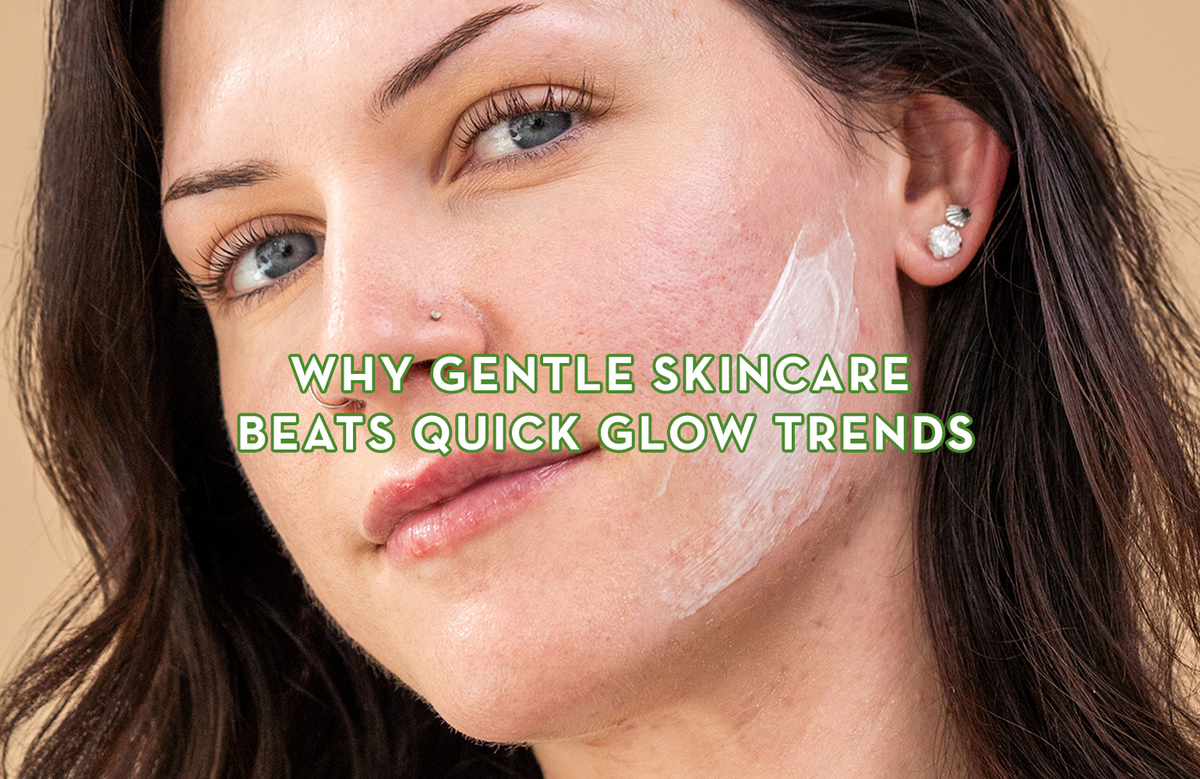
Use clean hands to apply your microbiome moisturizer. Spread it evenly over your face and neck.
Don’t rub too hard. Gentle patting helps the product absorb and avoids irritation.
3. Use Consistently
Don’t expect instant results. It can take 2–4 weeks for your skin’s microbiome to balance and show improvement.
Consistency is important. Try to apply at the same time each day, such as morning and evening.
4. Avoid Over-layering
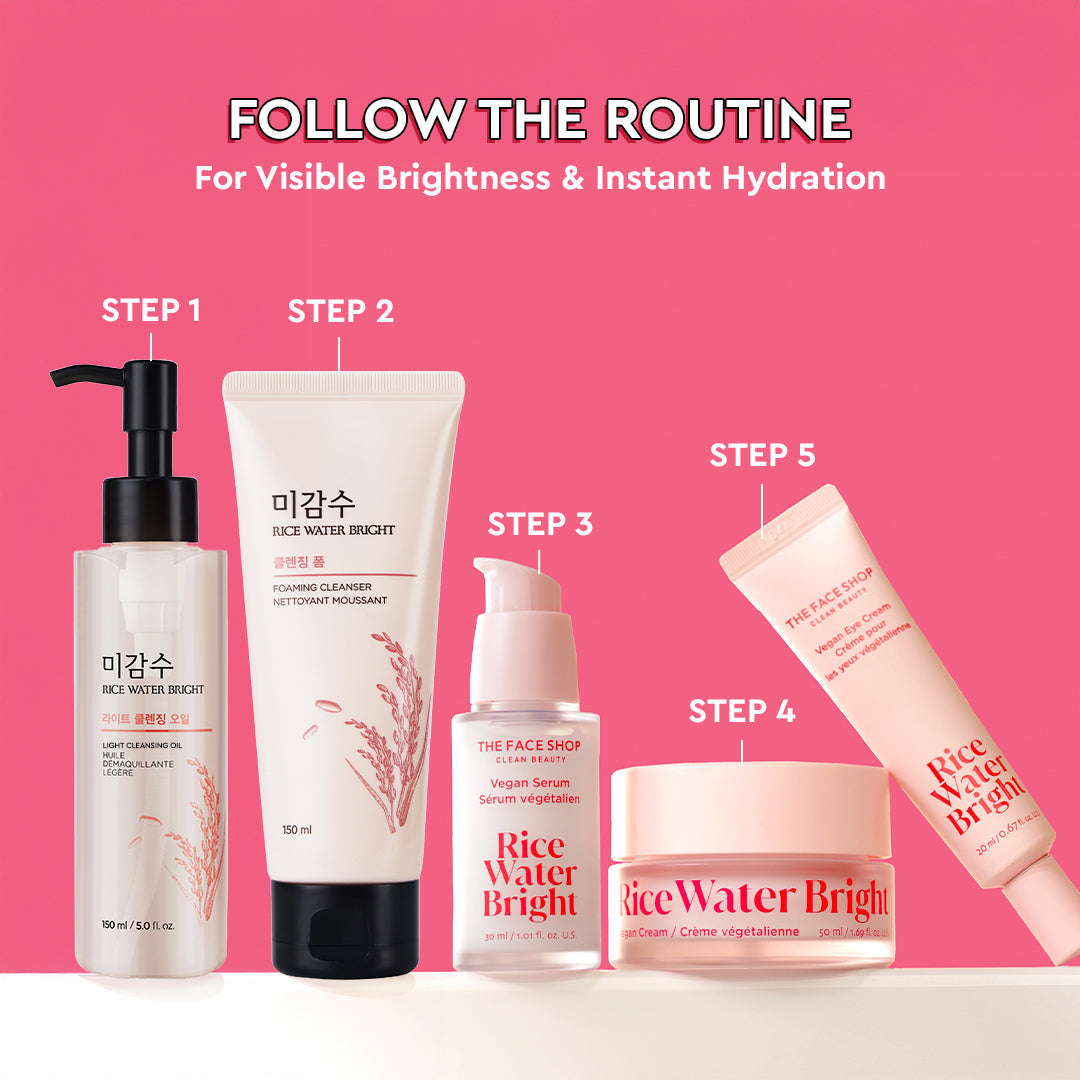
Try not to use too many products at once. Stick to gentle cleansers, microbiome moisturizer, and sunscreen.
Layering heavy creams, serums, or masks can block the effects of the microbiome ingredients. Keep your routine simple for best results.
5. Watch For Changes
Notice how your skin responds. If you see more redness or irritation, check the ingredient list or talk to a dermatologist.
Some people experience slight tingling or dryness during the first week. This usually goes away as the microbiome adapts.
Non-obvious Insight
- Using a microbiome moisturizer after strong treatments (like retinoids or chemical peels) can help your skin recover faster.
Also, applying moisturizer right after showering (while skin is slightly damp) helps lock in hydration and supports bacteria.
Credit: sonage.com
Popular Microbiome Moisturizer Brands
Many brands now offer microbiome-friendly products. Here are some of the most trusted names:
- Gallinée: French brand focused on prebiotics and probiotics.
- Mother Dirt: Uses live bacteria for skin health.
- Dr. Jart+: Korean brand with probiotic-based formulas.
- La Roche-Posay: Offers prebiotic-rich thermal water.
- Aveeno: Uses oat extract for microbiome support.
- Tula Skincare: Combines probiotics and superfoods.
- Biossance: Focuses on fermented ingredients.
- Yours Skincare: Personalized microbiome moisturizers.
- Codex Beauty: Uses prebiotics for sensitive skin.
- ESPA: Natural, probiotic-based products.
These brands use different approaches. For example, Mother Dirt focuses on live bacteria, while Gallinée uses prebiotics. Aveeno is popular for its gentle formulas suitable for babies and adults.
Brand Comparison
Here’s a comparison of three top microbiome moisturizer brands:
| Brand | Main Ingredients | Target Skin Type | Price Range |
|---|---|---|---|
| Gallinée | Prebiotics, Probiotics, Lactic Acid | Sensitive, Dry | $35–$60 |
| Mother Dirt | Live Bacteria, Squalane | All Types | $40–$70 |
| Dr. Jart+ | Fermented Extracts, Hyaluronic Acid | Normal, Combo | $30–$55 |
Some brands, like Tula and Biossance, combine microbiome ingredients with antioxidants for extra benefits. Codex Beauty is known for its focus on sensitive skin and eco-friendly packaging.
Microbiome Moisturizer Vs. Traditional Moisturizer
You might wonder how microbiome moisturizers compare to regular creams. Here’s a look:
Main Differences
- Microbiome moisturizers support skin bacteria, while traditional moisturizers focus only on hydration.
- Microbiome products use prebiotics, probiotics, or postbiotics; traditional products use oils and humectants.
- Microbiome moisturizers are often free from harsh chemicals or preservatives.
Traditional moisturizers sometimes use mineral oils or silicones. These create a barrier, but don’t help the microbiome. Microbiome moisturizers are more likely to use plant-based ingredients and avoid artificial fragrances.
Results
- Microbiome moisturizers may reduce redness, acne, or eczema.
- Traditional moisturizers mainly fix dryness.
Microbiome moisturizers often improve texture and comfort as well. Some users report fewer allergic reactions compared to traditional creams.
Data Table
| Feature | Microbiome Moisturizer | Traditional Moisturizer |
|---|---|---|
| Hydration | Yes | Yes |
| Supports Skin Barrier | Yes | Sometimes |
| Balances Bacteria | Yes | No |
| Reduces Inflammation | Yes | Limited |
| Contains Pre/Pro/Postbiotics | Yes | No |
Non-obvious Insight
- Some traditional moisturizers contain ingredients that can damage your skin’s microbiome, like alcohol or strong preservatives.
Another insight: Switching from a traditional moisturizer to a microbiome moisturizer may cause a “transition period.” Your skin might feel different for a few days as the microbiome recovers.
Who Should Use Microbiome Moisturizers?
Microbiome moisturizers are not just for people with skin problems. Almost anyone can benefit, but some groups may see bigger improvements.
Best For:
- Sensitive skin: People who react to regular creams.
- Acne-prone skin: Balances bacteria to reduce breakouts.
- Dry skin: Helps lock in moisture and repair the barrier.
- Eczema and rosacea sufferers: Reduces irritation and redness.
- Aging skin: Maintains elasticity and strength.
Even people with “normal” skin can use these products to prevent problems and keep skin healthy.
Not Ideal For:
- People with severe infections or open wounds—ask a doctor first.
- Those allergic to certain ingredients—always check the label.
Some people with fungal infections or serious skin diseases should avoid microbiome moisturizers until their condition is treated.
Practical Example
A young woman with eczema switched to a microbiome moisturizer. After three weeks, her skin felt less itchy and the redness faded. She had tried many products before, but only microbiome moisturizers worked well.
Another example: A man with oily skin tried a probiotic moisturizer. After a month, his skin looked less shiny and he had fewer pimples. He learned that balancing bacteria helped control oil naturally.
Common Mistakes When Using Microbiome Moisturizers
Many people make simple mistakes with these products. Here are the most common ones:
- Using harsh cleansers before application: This kills good bacteria.
- Layering too many products: This can confuse the skin and block benefits.
- Expecting quick results: The microbiome needs time to balance.
- Ignoring ingredient lists: Some “microbiome” products contain alcohol or preservatives.
- Not patch testing: Always test new products on a small area first.
Some people also switch products too often, never giving their skin time to adjust. Others use microbiome moisturizers only once or twice a week, which is not enough for full benefits.
Non-obvious Insight
- Some people use microbiome moisturizers with antibiotics or strong acne treatments. This can reduce the benefits, as these treatments kill both good and bad bacteria.
Another mistake: Using the product on dirty skin. Always wash gently before applying, but avoid harsh cleansers.
Credit: thefaceshop.in
Microbiome Moisturizer Trend: Why Now?
The microbiome moisturizer trend is growing fast. Here’s why:
Scientific Discovery
Recent studies reveal how important skin bacteria are. More people now understand that healthy skin needs a balanced microbiome.
Dermatologists are now recommending microbiome-friendly products for sensitive skin, allergies, and even after surgery.
Consumer Demand
People want safer, gentler products. Many are tired of harsh chemicals and allergic reactions.
Consumers read labels more carefully and look for “free from” claims, such as “free from parabens” or “no artificial fragrance. ”
Technology
New ways to make stable probiotics and prebiotics allow brands to create better products.
For example, encapsulation technology keeps probiotics fresh until you apply the cream.
Social Media
Influencers and dermatologists share their experiences, making the trend more popular.
Stories and reviews on platforms like Instagram and TikTok help spread the word. Many people trust these real-life testimonials more than ads.
Industry Data
- The global microbiome skincare market was worth $260 million in 2021.
- Experts predict it will grow to $1.1 billion by 2028.
- 60% of new skincare launches in 2023 featured microbiome-friendly claims.
This rise shows that microbiome skincare is not just a fad—it’s a major shift.
Example
In 2022, the brand Gallinée reported a 45% sales increase after launching microbiome-based products. This shows real consumer interest.
Another example: Tula Skincare saw a spike in sales after influencers shared their “before and after” photos.
Risks And Limitations Of Microbiome Moisturizers
While the trend is promising, there are some risks and limits to consider.
1. Allergies
Some people may be allergic to certain probiotics or plant extracts. Always check the label and do a patch test.
If you have a history of allergies, talk to a dermatologist before trying new products.
2. Unproven Claims
Not all brands use real science. Some products are just marketing, with little benefit.
Look for brands with clinical studies or dermatologist backing. Avoid products with vague claims like “microbiome boosting” without ingredient details.
3. Stability Issues
Live probiotics can be hard to keep fresh. Some lose their power if exposed to heat or light.
Store your moisturizer in a cool, dry place. Some brands use special packaging to protect the ingredients.
4. Overuse
Using too many microbiome products can upset your skin. Stick to one or two at a time.
Too much of a good thing can cause imbalance, leading to breakouts or irritation.
5. Regulation
There is little regulation for microbiome skincare. Some brands may not use quality ingredients.
Check for certifications, reviews, and third-party testing. This helps avoid fake or unsafe products.
Comparison Table
| Risk | How to Avoid |
|---|---|
| Allergies | Patch test, read labels |
| Fake Claims | Choose trusted brands, check reviews |
| Stability | Store in cool, dry place |
| Overuse | Limit to 1–2 products |
| Regulation | Research brands, look for clinical studies |
Another limitation: Some people may not see major changes if their skin is already healthy, but they can still benefit from long-term protection.
The Future Of Microbiome Skincare
Microbiome skincare is not just a passing trend. It is changing how people think about beauty and health.
Personalized Products
Brands are now creating products based on your unique microbiome. You can get creams matched to your skin type and bacteria.
Some companies offer home kits to test your skin’s bacteria. They then recommend custom products.
New Ingredients
Scientists are discovering new prebiotics and probiotics that work even better. Some future products may use bacteria to deliver vitamins or heal wounds.
There is research into using “engineered” bacteria that target specific skin problems.
Better Testing
Soon, you may be able to test your skin microbiome at home and track changes.
Apps and devices could help you see how your skin reacts to new products and environments.
Example
A startup in California offers skin microbiome tests. Users send a sample and get advice on which products to use. This makes skincare more personal and effective.
Another development: Brands may soon offer “smart creams” that release ingredients based on your skin’s needs.
External Link
For more details about microbiome science, visit Wikipedia’s skin microbiome page.
Frequently Asked Questions
What Is A Microbiome Moisturizer?
A microbiome moisturizer is a cream or lotion designed to support the skin’s natural bacteria. It uses prebiotics, probiotics, or postbiotics to balance the microbiome, strengthen the skin barrier, and reduce irritation.
Microbiome moisturizers are different from traditional creams because they focus on bacteria as well as hydration.
Are Microbiome Moisturizers Safe For Sensitive Skin?
Most microbiome moisturizers are safe for sensitive skin. They avoid harsh chemicals and focus on gentle, helpful ingredients. However, always check the label and patch test before full use.
Some brands design their products specifically for allergy-prone skin, making them safer for most people.
How Long Does It Take To See Results?
You may see some changes in 1–2 weeks, but full results often take 2–4 weeks. The skin’s microbiome needs time to adjust. Consistent use is important.
If you stop using the moisturizer, your skin may return to its previous state, so keep up the routine.
Can Microbiome Moisturizers Help With Acne Or Eczema?
Yes, many users with acne or eczema report fewer breakouts and less redness. The moisturizers help balance bacteria and reduce inflammation. They are not a cure, but they can help manage symptoms.
Some people find that their skin becomes less sensitive over time, with fewer flare-ups.
Should I Stop Using Other Skincare Products?
It’s best to use microbiome moisturizers with simple, gentle cleansers and sunscreen. Avoid harsh scrubs or products with alcohol. Don’t layer too many products at once, as this can upset the microbiome.
If you use other treatments, like retinoids, apply microbiome moisturizer afterwards to help recovery.
Microbiome moisturizers are changing the way we care for our skin. Instead of fighting bacteria, we now work with them. The science is promising, and real results are possible. If you want healthier, calmer skin, it may be time to join the microbiome moisturizer trend.
Credit: www.mdacne.com