
Every day, our skin works as a shield. It protects us from dirt, pollution, bacteria, and harsh weather. But have you ever wondered what keeps this shield strong? Science now shows that millions of tiny living things—bacteria, fungi, and viruses—live on our skin and help protect it. This living community is called the skin microbiome. In recent years, dermatologists have learned just how important the microbiome is for a healthy skin barrier. If you want to keep your skin smooth, strong, and less sensitive, understanding the microbiome is essential.
Let’s look deeper into what the skin microbiome is, how it connects to the barrier function, what experts say, and why keeping your skin’s “good bugs” happy could be the secret to lasting skin health.
What Is The Skin Microbiome?
The skin microbiome is a collection of microorganisms that live on the skin’s surface. These tiny organisms include bacteria, fungi, viruses, and even microscopic mites. Most are harmless, and many are actually helpful. They live in balance, forming an invisible layer that acts as your skin’s first line of defense.
In fact, your skin’s surface is never truly “clean” or empty. Even after washing, friendly bacteria quickly return to form a protective layer. This is normal and actually desirable for healthy skin. For example, after just a few hours, your original microbes begin to repopulate, helping the skin recover from any minor damage caused by washing.
Key Facts About The Skin Microbiome
- Diversity: Healthy skin hosts hundreds of different microbial species. The more diverse, the better. Diversity means your skin can resist many threats at once, much like a city with different specialists for every job.
- Weight: All the microbes together weigh about 1–2 kg on the average adult. That’s roughly as much as your brain!
- Location: Microbiome composition changes in different body parts. For example, your face, armpits, and feet have very different populations. Oily zones, like the nose and forehead, have more oil-loving bacteria, while dry areas, like the elbows, host others.
Dermatologists often compare the microbiome to a protective garden. If the garden is diverse and healthy, weeds (harmful microbes) have less chance to grow. But if the balance breaks, skin problems can appear. If you think about a garden, you know it needs water, sunlight, and variety.
The same is true for your skin’s microbial community.
Understanding The Skin Barrier
The skin barrier is the outermost layer of the skin, mainly made up of dead skin cells and lipids (fats). It works like a brick wall:
- Bricks: Dead skin cells
- Mortar: Lipids holding the cells together
This barrier stops water from leaving your body and blocks harmful substances from entering. If it is damaged, skin may become dry, itchy, or inflamed.
You can think of the skin barrier as a raincoat. It keeps moisture inside and blocks outside irritants. When the “raincoat” is broken or thin, water escapes and irritants sneak in. This is why people with a weak barrier often have sensitive skin.
Main Functions Of The Skin Barrier
- Prevents water loss: Keeps skin hydrated and plump. This helps prevent fine lines and keeps your skin soft.
- Blocks irritants: Stops chemicals, allergens, and pollutants. Without a strong barrier, pollution and dust can quickly trigger redness or allergic reactions.
- Protects against microbes: Stops harmful bacteria and viruses. An intact barrier is your body’s first guard against infection.
A healthy barrier is essential for smooth, calm, and glowing skin. Even small cracks can lead to bigger problems, so barrier care is a top priority for healthy skin routines.
How The Microbiome Supports The Skin Barrier
Dermatologists now agree that the skin microbiome and barrier work together closely. The microbiome helps:
- Block harmful invaders: Good microbes crowd out bad ones.
- Regulate immunity: They “teach” the immune system not to overreact.
- Produce helpful substances: Some microbes make acids and peptides that keep skin slightly acidic (which bad bacteria hate).
When the microbiome is balanced, the skin barrier is stronger and less likely to get irritated or infected.
The skin’s natural acidity (pH) is partly due to the work of these microbes. This acidity acts as a “no entry” sign for many pathogens. For example, friendly bacteria create lactic acid and short-chain fatty acids, which keep bad bacteria under control.
Key Ways The Microbiome Protects The Skin
- Competition: Good bacteria take up space and food, making it hard for bad bacteria to grow. If you use harsh products that remove all bacteria, you leave empty “real estate” for troublemakers to move in.
- Chemical Warfare: Some skin bacteria make substances that kill or stop the growth of harmful microbes. For example, Staphylococcus epidermidis can produce antimicrobial peptides that fight infection.
- Immune Training: The microbiome helps the skin’s immune cells react only to real threats. This is important because overreaction can cause redness and swelling, as seen in eczema and other skin conditions.
A strong microbiome also helps wounds heal faster and keeps inflammation under control.
What Happens When The Microbiome Is Disrupted?
When the balance of the microbiome breaks down—called dysbiosis—the skin barrier weakens. This can happen because of:
- Over-washing or using harsh soaps
- Antibiotics (oral or topical)
- Pollution or heavy makeup
- Stress or poor diet
Even things like swimming in chlorinated water or moving to a new city with different air quality can disturb your microbiome. Changes in hormones, such as during puberty or menopause, can also shift the balance and make skin more sensitive.
Signs of a disrupted microbiome include:
- Dryness and flaking
- Redness and irritation
- Breakouts or acne
- Eczema or psoriasis flare-ups
Sometimes, you may notice your skin suddenly becoming more sensitive or reacting to products you used before. This is often a sign that your barrier and microbiome need support.
Common Skin Conditions Linked To Microbiome Imbalance
| Condition | Microbiome Change | Skin Barrier Effect |
|---|---|---|
| Acne | Overgrowth of Cutibacterium acnes | Inflammation, blocked pores |
| Eczema | Less diversity, more Staphylococcus aureus | More irritation, dryness |
| Rosacea | Imbalance in Demodex mites | Redness, bumps |
| Psoriasis | Reduced helpful bacteria | Scaly, inflamed patches |
Dermatologists are now using this knowledge to create new treatments that support the microbiome, not just kill bacteria. For example, there are gentle creams that restore balance instead of using strong antibiotics that may make things worse over time.
What Dermatologists Say About The Microbiome And Skin Health
Leading skin experts have changed their advice in recent years. Instead of only fighting germs, they now focus on balancing the skin microbiome. Here is what top dermatologists emphasize:
1. Avoid Over-cleansing
Dr. Whitney Bowe, a well-known dermatologist, says, “Harsh cleansers strip away both bad and good bacteria. This can lead to a weaker barrier and more skin problems. ” She suggests using gentle, pH-balanced cleansers.
It’s easy to think that washing more is always better, but even two showers a day can be too much if you use strong soap. The skin needs some natural oils and microbes to stay healthy.
2. Focus On Ph
Healthy skin is slightly acidic, with a pH around 4. 5–5. 5. Dr. Zoe Draelos explains that “many soaps are too alkaline and disrupt the skin’s acid mantle, harming the microbiome. ” Always look for products labeled “pH balanced. ”
Bar soaps, for example, are often alkaline and can disrupt the natural environment your microbes need. If you have sensitive or dry skin, pH becomes even more important.
3. Support With Prebiotics And Probiotics
Dr. Adam Friedman recommends skincare with prebiotics (ingredients that feed good bacteria) and probiotics (live beneficial bacteria). “These can help restore microbial balance,” he says, “especially after antibiotic use or skin damage.”
Prebiotics are like food for your friendly bacteria. Ingredients such as inulin or oat extract help your own microbes grow stronger, making it easier for your skin to recover from stress.
4. Be Careful With Antibiotics
According to Dr. Rajani Katta, “Overusing topical antibiotics can wipe out helpful bacteria and make the skin more vulnerable. ” She advises using such treatments only when truly needed.
Many people use antibiotic creams for small cuts or pimples, but these should not be used every day. Over time, this can lead to resistant bacteria that are much harder to treat.
5. Moisturize To Protect
Moisturizers help seal the skin barrier, which keeps the microbiome environment stable. Dr. Michelle Henry notes, “A well-moisturized barrier helps good microbes thrive. ”
Choose moisturizers with ingredients like ceramides, squalane, or natural oils. These not only repair the barrier but also support your skin’s natural ecosystem.
6. Diet Matters
Emerging research, supported by Dr. Ava Shamban, shows that eating more fiber, fruits, and vegetables supports both gut and skin microbiome health. “What you eat reflects on your skin,” she says.
Foods like yogurt, kimchi, and bananas can help your skin as much as your stomach. Drinking enough water and limiting processed foods also make a difference, since sugar and unhealthy fats can increase inflammation and harm both your gut and skin microbes.
The Science Behind The Microbiome And Barrier Connection
Many studies now show how the microbiome and skin barrier interact. Here’s a closer look at the science:
Research Findings
- Microbiome diversity is linked to barrier strength. People with more types of skin bacteria have stronger, less reactive skin. Diversity means your skin can handle more stress without getting irritated.
- Certain bacteria help make ceramides—important fats in the skin barrier. Ceramides are like glue in the “brick wall” of your skin. Without them, the wall falls apart.
- Microbiome changes can predict skin disease before symptoms appear. For example, early shifts in bacteria can signal the start of eczema or psoriasis.
For example, a 2021 study in the Journal of Investigative Dermatology found that people with eczema had a less diverse microbiome and more harmful bacteria, which made their skin barrier weaker.
Other research has shown that restoring certain bacteria can help reduce inflammation and even prevent infections. Scientists are now testing “next generation” creams that contain live microbes or their extracts.
Key Bacteria For Skin Health
Some bacteria are especially important for a healthy barrier:
- Staphylococcus epidermidis: Produces substances that fight off bad bacteria and help heal wounds. It also helps keep the skin calm.
- Cutibacterium acnes: Keeps skin slightly acidic, which helps block harmful microbes. While it sometimes causes acne, in the right balance, it’s mostly beneficial.
- Corynebacterium species: Help balance skin oil and moisture. These bacteria thrive in moist places like the armpits and help keep odors in check.
When these good bacteria drop, problems often start. For example, a decrease in S. epidermidis has been linked to more frequent infections and slower healing.
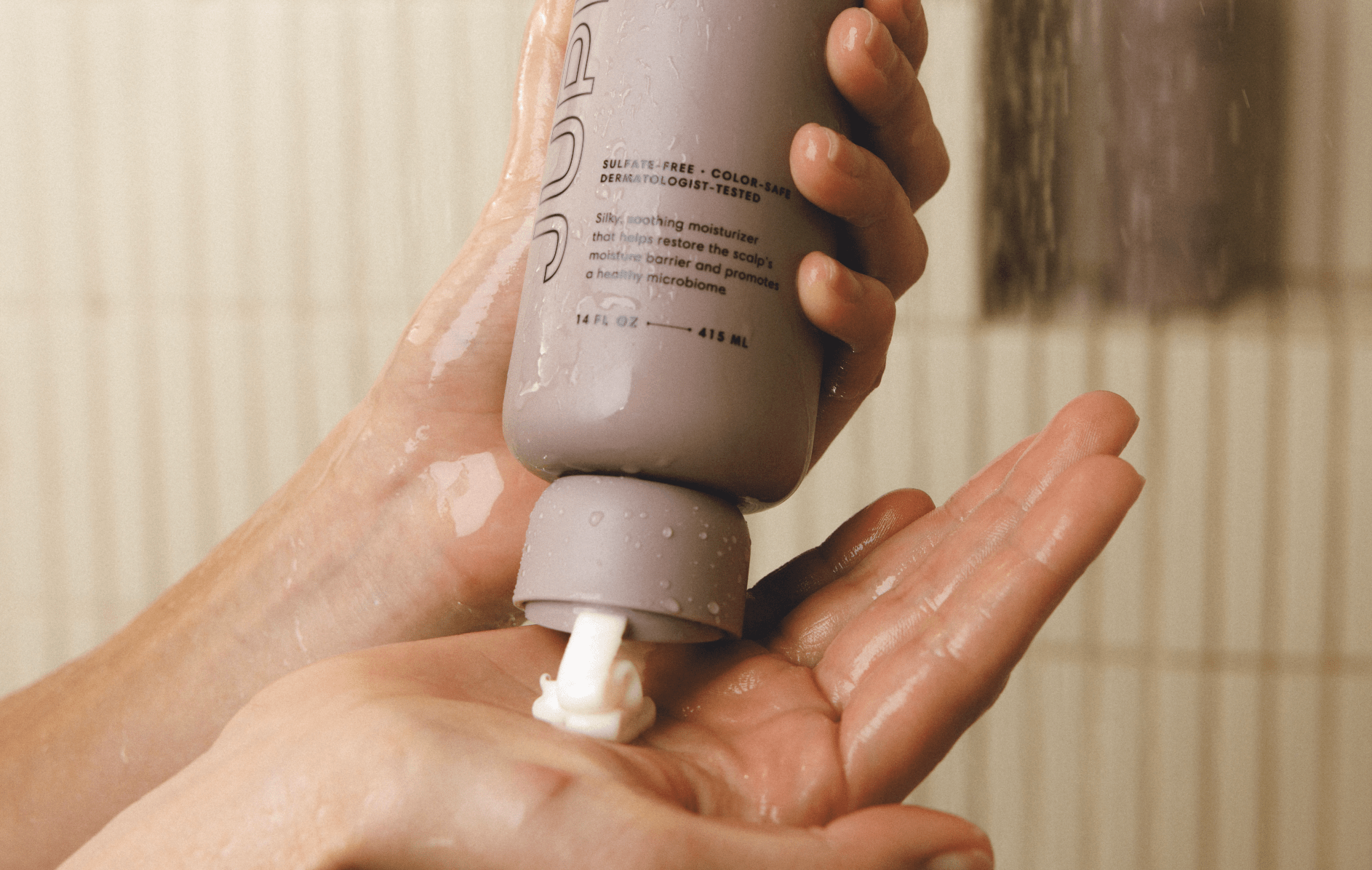
Credit: hellojupiter.com
Factors That Affect The Skin Microbiome
Several things can change your skin’s microbial balance:
- Age: Babies and older adults have different microbiomes than young adults. Infants, for example, have more Streptococcus, while adults have more Cutibacterium.
- Body site: Oily areas (like the face) have different microbes than dry areas (like the forearms). Folds and creases (like behind knees) also have their own mix.
- Climate: Humid or dry weather changes which microbes can survive. High humidity can increase certain bacteria and fungi, while dry air favors others.
- Hygiene habits: Too much washing or strong products can harm the microbiome. Even something as simple as switching to a new laundry detergent can make a difference.
- Medications: Antibiotics, steroids, and some acne drugs can reduce good bacteria. Oral medications can affect the skin even if you don’t apply them directly.
Comparing Microbiome By Body Area
Here is a quick comparison of different body sites:
| Body Area | Main Microbes | Barrier Strength |
|---|---|---|
| Forehead | Cutibacterium, Staphylococcus | Medium |
| Armpit | Corynebacterium, Staphylococcus | High (due to sweat) |
| Feet | Brevibacterium, Staphylococcus | Medium-Low |
| Forearm | Streptococcus, Micrococcus | High (dry environment) |
This variety explains why some skin conditions appear only in certain places. For example, athlete’s foot is common on the feet, while acne appears mostly on oily areas like the face and back.
How To Support A Healthy Skin Microbiome
Dermatologists now recommend several ways to keep your skin microbiome healthy, which helps the skin barrier stay strong:
1. Use Gentle Cleansers
Choose products without harsh detergents, fragrances, or alcohol. Look for pH-balanced on the label. Avoid scrubbing too hard.
If your skin feels tight after washing, your cleanser may be too strong. Switch to one made for sensitive or dry skin.
2. Moisturize Regularly
Using a moisturizer with ceramides or natural oils helps the skin barrier and feeds good microbes. Apply after bathing to lock in moisture.
If you have oily skin, don’t skip moisturizer—choose a light gel or lotion. Good hydration is important for every skin type.
3. Limit Antibacterial Products
Only use antibacterial soaps when necessary (like before surgery). For daily life, regular soap is enough.
Frequent use of antibacterial hand gels can also dry out your skin and harm your microbiome. Plain soap and water work for most situations.
4. Try Prebiotic And Probiotic Skincare
Some creams and serums now include prebiotics (like inulin or oat extracts) or probiotics (live or lysed bacteria). These help restore balance, especially after skin stress.
If you have sensitive or problem skin, look for brands that share their research or clinical results. Not all products are equally effective.
5. Avoid Over-exfoliating
Peeling or scrubbing too often removes both dead cells and good microbes. Once or twice a week is enough for most people.
Signs of over-exfoliation include stinging, redness, or new breakouts. If this happens, cut back and give your skin time to recover.
6. Protect From The Sun
Too much UV light can harm the microbiome. Use sunscreen, hats, or stay in the shade.
Physical (mineral) sunscreens are often less irritating for sensitive or barrier-compromised skin.
7. Eat For Your Skin
A diet rich in fiber, fermented foods (like yogurt), and healthy fats helps support the skin’s microbiome and barrier from the inside.
Try adding foods like kefir, sauerkraut, and beans to your meals. These encourage the growth of healthy bacteria throughout your body.
8. Be Patient With New Products
It takes time for the microbiome to adjust. When trying new skincare, give it at least 2–4 weeks before deciding if it works.
Changing products too often can confuse your skin and make it harder to see real results.
Myths And Facts: Clearing Up Confusion
There are many myths about the skin microbiome. Here’s what dermatologists say is true and what is not.
Myth 1: All Bacteria On The Skin Are Bad.
Fact: Most skin microbes are neutral or helpful. Only a few cause problems. Trying to kill all bacteria can actually make your skin less healthy.
Myth 2: You Need To Scrub Your Skin To Keep It Clean.
Fact: Over-scrubbing removes good microbes and damages the barrier. Gentle washing is best. Let your skin’s natural defenses do most of the work.
Myth 3: Probiotic Skincare Always Works.
Fact: Not all probiotic creams have live, active bacteria. Some use bacterial lysates (broken cells), which may still help, but not always. Look for proven brands.
Ask for clinical studies or look for dermatologist-recommended options. Results can vary from person to person.
Myth 4: Antibiotics Are Safe For Long-term Use On Skin.
Fact: Overuse can lead to resistance and kill good bacteria, harming the barrier.
Only use antibiotics as directed by a healthcare provider, and never for small everyday problems.
Myth 5: Your Microbiome Never Changes.
Fact: It changes with age, health, lifestyle, and environment.
Travel, stress, and even pet ownership can shift your skin’s microbiome. This is normal, and adaptation is part of healthy skin.
Practical Tips From Dermatologists For Everyday Life
To keep your skin barrier and microbiome strong, try these daily habits:
- Wash with lukewarm, not hot, water.
- Pat skin dry instead of rubbing.
- Use moisturizer after every wash.
- Choose simple products with fewer ingredients.
- Switch to a silk pillowcase to reduce irritation.
- Don’t share towels or makeup.
- Manage stress with sleep and relaxation.
- Eat a balanced diet high in fiber.
If your skin starts reacting, simplify your routine and focus on repairing the barrier before adding new products. Less is often more when it comes to skin health.
Microbiome-friendly Skincare: What To Look For
The skincare market is now full of products claiming to be “microbiome-friendly.” But not all are equal. Here’s what to check before buying:
Ingredients To Seek
- Prebiotics: Inulin, alpha-glucan oligosaccharide, oat beta-glucan
- Probiotics: Lactobacillus ferment, Bifida ferment lysate
- Postbiotics: Fermented extracts, lactic acid
These ingredients help your skin’s own microbes thrive or add beneficial ones directly.
Ingredients To Avoid
- Strong alcohols (like denatured alcohol)
- Harsh sulfates (like SLS, SLES)
- Artificial fragrances and colors
- Antibacterial chemicals (like triclosan)
These can disrupt your microbiome and damage the barrier, leading to more problems over time.
Certification And Testing
Some brands now test their products for microbiome safety. Look for phrases like “clinically tested for microbiome” or “dermatologist-approved for sensitive skin.” You can check resources such as the National Institutes of Health for details on the latest research.
When in doubt, consult a dermatologist or look for recommendations from trusted sources.
Case Studies: How Supporting The Microbiome Changed Skin Health
Many people notice big changes when they start caring for their microbiome. Here are real-life examples:
Case 1: Adult With Persistent Acne
Maria, 28, tried many acne products but often ended up with dry, red skin. A dermatologist suggested switching to a gentle cleanser, using a ceramide-rich moisturizer, and adding a probiotic serum. After three months, her acne reduced, and her skin felt calmer.
Maria also noticed fewer breakouts during her menstrual cycle. Her dermatologist explained that a balanced microbiome can help with hormonal shifts, making skin less reactive.
Case 2: Child With Eczema
Jake, age 6, had itchy, flaky skin. His doctor advised avoiding soaps, using a prebiotic cream, and limiting antibiotics. After six weeks, Jake’s skin barrier improved, and his flare-ups were less frequent.
His parents saw that Jake scratched less at night and was able to sleep better. They also added more fruits and vegetables to his meals, which helped support his skin from the inside.
Case 3: Middle-aged Man With Sensitive Skin
David, 45, worked outdoors and often felt his skin was tight and rough. He started using sunscreen, a moisturizer with squalane, and stopped over-washing. Within a month, his skin was smoother and less irritated.
David also switched to fragrance-free laundry detergent and noticed his skin became less red around his collar and cuffs—a sign that even small changes matter.
These stories show how small changes can have a big effect.
The Gut-skin Axis: How Your Gut Microbiome Affects Your Skin
Dermatologists are also paying attention to the gut-skin axis. This is the link between the microbes in your intestines and your skin health. If your gut microbiome is healthy, your skin barrier is more likely to be strong.
How The Gut And Skin Connect
- Inflammation: An unhealthy gut can trigger inflammation, which shows up as eczema, acne, or rashes.
- Nutrients: Good gut microbes help you absorb vitamins and minerals that support skin health. For example, vitamin A and zinc are important for skin repair.
- Immune system: The gut microbiome “trains” your immune system, affecting how your skin reacts.
Research shows that people with gut problems, like irritable bowel syndrome, often have more skin issues too. This is why improving gut health can improve skin health.
Foods That Help
- Yogurt, kefir, sauerkraut (probiotics)
- Oats, bananas, garlic (prebiotics)
- Colorful fruits and vegetables (antioxidants)
Eating these can help both your gut and skin microbiomes thrive. Try to include a variety of these foods every week for best results.
Comparing Microbiome-friendly Products
Here’s a quick look at different types of microbiome-supporting skincare:
| Product Type | Main Benefit | Example Ingredients |
|---|---|---|
| Prebiotic Cleanser | Feeds good bacteria | Inulin, oat extract |
| Probiotic Serum | Restores balance | Lactobacillus ferment |
| Ceramide Moisturizer | Repairs barrier | Ceramides, squalane |
| Postbiotic Cream | Reduces redness | Lactic acid, fermented extracts |
Always patch test new products, especially if you have sensitive or reactive skin. Start with a small amount and increase slowly.
Non-obvious Insights: What Beginners Often Miss
Many people focus only on what they put on their skin. But dermatologists want you to remember:
- Consistency beats intensity: Using gentle products every day is better than using strong treatments only sometimes. The skin likes routine and stability.
- Your skin changes with the seasons: In winter, you may need richer moisturizers; in summer, lighter ones. Adjusting products helps keep your microbiome stable.
- Stress and sleep matter: Stress changes your skin’s oil production and immune response, affecting the microbiome. Good sleep helps restore balance.
- Travel and environment: Airplane travel, new climates, and even changes in water can shift your skin’s microbes. Bring your favorite gentle products when you travel.
These details are easy to overlook but make a real difference. People often underestimate how much small daily habits—like pillowcase hygiene or diet—can affect long-term skin health.
The Future Of Microbiome Research In Dermatology
Scientists are just beginning to understand the full power of the skin microbiome. Some future directions include:
- Personalized skincare: Products tailored to your unique microbiome. Skin swabs could help match you to the right cream.
- Microbiome transplants: Like “skin probiotics” from healthy donors for severe skin conditions.
- Better disease prediction: Using microbiome data to spot problems before they start.
- Gene editing of microbes: Advanced methods could “tune” your skin’s microbes to help with stubborn conditions.
As research grows, we will see even more advanced ways to care for our skin barrier through microbiome science.
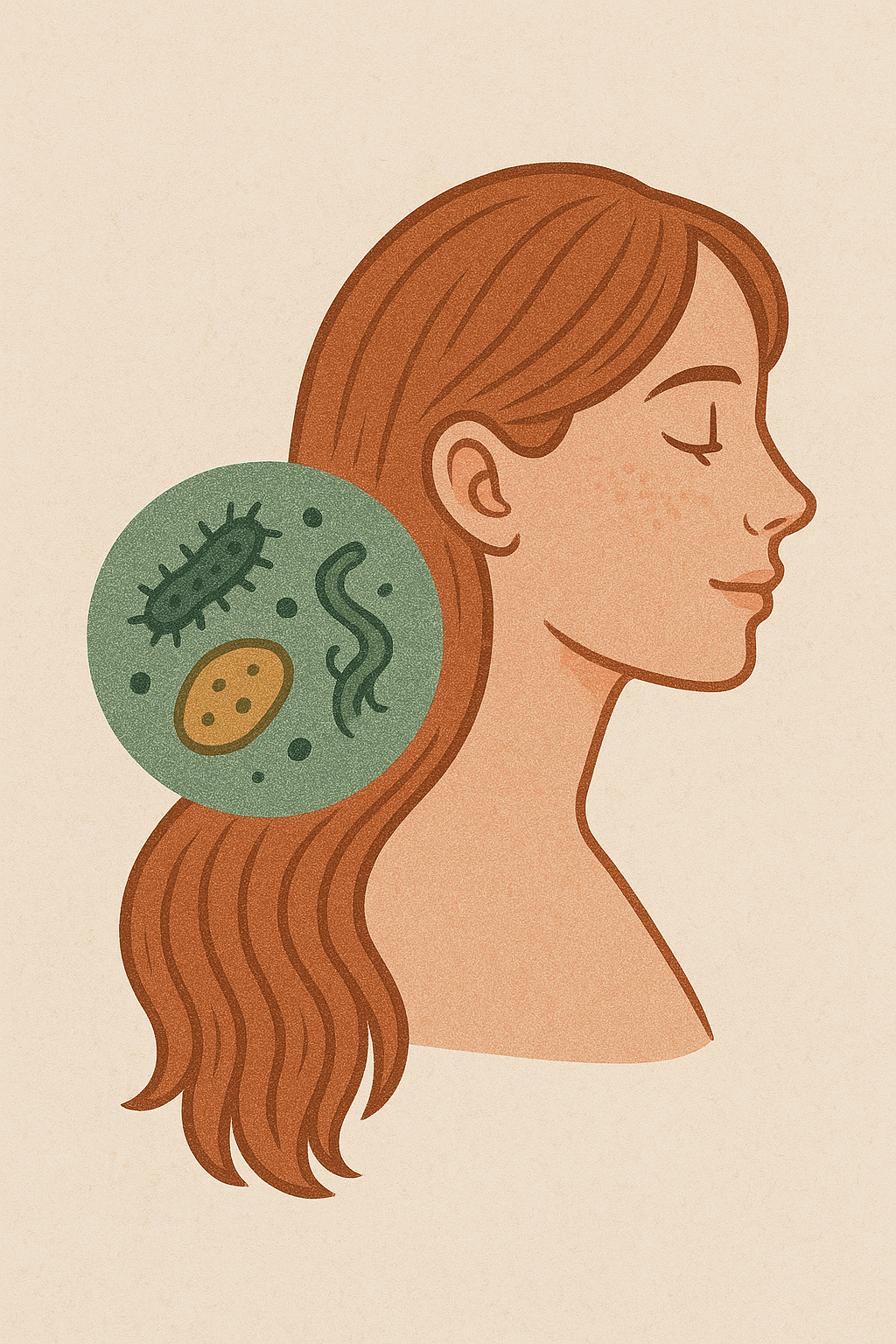
Credit: www.innerbuddies.com
Frequently Asked Questions
What Is The Skin Microbiome, And Why Is It Important?
The skin microbiome is a group of bacteria, fungi, and other microbes living on the skin. They protect you from harmful germs and help keep your skin barrier strong. Without a healthy microbiome, your skin can become dry, irritated, or more likely to get infections.

Credit: dermatologyseattle.com
How Can I Tell If My Skin Microbiome Is Unbalanced?
Signs include dryness, redness, itching, frequent breakouts, or flare-ups of eczema and psoriasis. If your skin feels worse after using new products or antibiotics, your microbiome may be disrupted.
Can Diet Affect My Skin Microbiome?
Yes. Eating plenty of fruits, vegetables, and fermented foods can support both your gut and skin microbiome. A healthy gut often leads to healthier, stronger skin.
Are Probiotic Skincare Products Safe For Everyone?
Most are safe, but if you have very sensitive skin or allergies, do a patch test first. Not all products have live bacteria, but even “dead” bacteria (lysates) may help calm and protect the skin.
How Long Does It Take To See Improvements When Caring For My Skin Microbiome?
It usually takes 2–4 weeks to notice changes. Give your skin time to adjust, and avoid switching products too often.
A healthy skin barrier is more than just a trend. By understanding and supporting your skin’s microbiome, you can enjoy smoother, stronger, and more comfortable skin for years to come. Listen to your skin, follow expert advice, and remember: sometimes, the tiniest helpers make the biggest difference.