

Moisturizer For Cold Weather Face Protection: Wind And Frost Shield
Winter can be beautiful, but for your skin, it’s often a tough season. Cold air, strong wind, and freezing temperatures can dry out your face, causing discomfort, redness, and even painful cracks. If you live in a place with harsh winters or travel somewhere cold, you might notice your skin feels tight and rough after just a few minutes outside. Many people think a simple moisturizer is enough, but cold weather requires a special approach. You need a product that acts as a shield against wind and frost, keeping your face hydrated and protected all day.
This article gives you clear, practical advice for choosing and using the right moisturizer for cold weather face protection. You’ll learn how cold affects skin, what ingredients really help, and how to build a routine that works—even in freezing temperatures.
We’ll cover the science behind winter skin care, compare popular products, and give you expert tips to avoid common mistakes. If you want your skin to stay soft, healthy, and comfortable this winter, read on.
Why Cold Weather Damages Your Skin
Winter weather is tough on your face because of three main factors: low humidity, freezing temperatures, and strong wind. These elements strip moisture from your skin, break down its natural barrier, and make it vulnerable to dryness, irritation, and frostbite.
The Science Behind Skin Dryness
Your skin has a thin layer called the stratum corneum. This layer protects against moisture loss. In cold, dry air, water evaporates from your skin much faster. Research shows that humidity levels below 30% (common in winter) can lead to a 30% increase in skin dehydration compared to normal conditions.
Wind makes things worse. It removes moisture from the surface, speeds up evaporation, and damages the barrier. Even if you don’t see visible cracks, wind can cause microscopic injuries that allow allergens and bacteria to enter. That’s why your face gets red or stings after walking outside in cold wind.
Frost And Skin Health
Frost happens when temperatures drop below freezing. If skin is exposed for too long, ice crystals form inside skin cells, causing them to die. Even short exposure can lead to chapping, peeling, and rough patches. In extreme cases, frostbite can occur, but for most people, the damage is mild but uncomfortable.
Who Is Most At Risk?
- People with dry or sensitive skin
- Children and elderly
- Outdoor workers
- Winter sports athletes
If you fit one of these groups, you need extra protection. But even healthy adults can suffer from winter skin problems if they don’t use the right moisturizer.
How Moisturizer Works As A Wind And Frost Shield
Moisturizers are more than just creams—they’re protective shields for your face. The right product creates a barrier between your skin and the harsh environment, locking in moisture and blocking cold wind and frost.
Types Of Moisturizers For Winter
There are three main categories:
- Occlusives: These create a physical barrier on your skin. Examples: petrolatum, shea butter, lanolin. They’re the best for blocking wind and frost.
- Emollients: These fill in gaps between skin cells, making skin smooth. Examples: ceramides, fatty acids, squalane.
- Humectants: These draw water into the skin. Examples: glycerin, hyaluronic acid, urea.
For cold weather, you need a combination of all three—but occlusives are most important. They prevent water loss and shield your skin from extreme conditions.
Real-world Example
A study by the American Academy of Dermatology found that using an occlusive moisturizer (like petrolatum) reduced winter dryness by 45% compared to regular lotion. This shows that the right product can make a big difference.
Key Ingredients That Protect Against Wind And Frost
Not all moisturizers work for winter. Here are the ingredients you should look for:
- Petrolatum: The strongest occlusive. It seals moisture in and blocks wind. Safe for most skin types.
- Shea Butter: Natural fat from African shea tree. Rich in vitamins, deeply moisturizing.
- Ceramides: Restore skin’s natural barrier. Essential for repairing damage.
- Glycerin: Powerful humectant. Attracts water into skin.
- Lanolin: Comes from sheep wool. Excellent for locking in moisture.
- Squalane: Lightweight oil. Smooths skin and helps prevent dehydration.
- Dimethicone: Silky silicone. Adds protection without greasiness.
- Hyaluronic Acid: Holds up to 1000 times its weight in water. Keeps skin plump.
- Beeswax: Natural occlusive. Forms a breathable protective layer.
- Urea: Gentle exfoliant and humectant. Helps remove flaky skin.
Ingredients To Avoid In Winter
- Alcohols (except fatty alcohols): Can dry skin.
- Fragrances: May irritate sensitive skin.
- Harsh exfoliants: Like retinoids or scrubs, which can damage the barrier.
Choosing the right ingredients is the first step to protecting your face from winter damage.
Comparing Popular Winter Moisturizers
Not all brands are equal. Some products are designed for cold weather, others are not. Here’s a comparison of five popular moisturizers for wind and frost protection:
| Moisturizer | Main Ingredients | Texture | Best For | Wind/Frost Protection |
|---|---|---|---|---|
| Cetaphil Rich Hydrating Cream | Glycerin, Squalane, Dimethicone | Light cream | Normal to dry skin | Moderate |
| CeraVe Moisturizing Cream | Ceramides, Hyaluronic Acid, Petrolatum | Thick cream | Very dry/sensitive skin | High |
| Vaseline Original | Petrolatum | Ointment | Extreme cold | Very High |
| La Roche-Posay Lipikar Balm AP+ | Shea Butter, Glycerin, Niacinamide | Rich balm | Dry, eczema-prone skin | High |
| Weleda Skin Food | Beeswax, Shea Butter, Lanolin | Thick cream | Very dry skin | High |
How To Choose
- For extreme cold and wind, Vaseline or CeraVe are best—they have strong occlusive ingredients.
- For daily winter use, Cetaphil or Lipikar offer good balance: Not too heavy, but protective.
- If you have eczema or sensitive skin, look for products with ceramides and niacinamide.
Building Your Winter Face Moisturizing Routine
A moisturizer is only part of the solution. You need a routine that protects your skin from morning to night. Here’s a step-by-step guide:
1. Cleanse Gently
Use a mild, non-foaming cleanser. Avoid hot water—it strips oils.
2. Apply Moisturizer Within 2 Minutes
After washing, pat skin dry and apply moisturizer right away. This locks in water.
3. Layer For Extra Protection
If your skin is very dry, use a humectant serum (like hyaluronic acid) first, then a thick occlusive cream.
4. Reapply During The Day
If outside for hours, reapply moisturizer every 3–4 hours. Carry a small tube.
5. Shield With Physical Barriers
Wear a scarf or face mask for added protection, especially in strong wind.
6. Use Sunscreen
UV rays can damage skin even in winter. Apply broad-spectrum sunscreen after moisturizer.
7. Night Care
At night, use a richer cream to help skin recover.
Example Routine
Morning:
- Cleanse with gentle milk cleanser
- Apply hyaluronic acid serum
- Apply CeraVe Moisturizing Cream
- Apply sunscreen
Day:
- Reapply moisturizer as needed
- Use scarf outdoors
Night:
- Cleanse gently
- Apply Weleda Skin Food or Vaseline
Practical Tips For Maximum Wind And Frost Protection
Most people miss these simple but important steps:
- Don’t skip moisturizer on oily skin: Cold air dries all skin types. Choose a non-comedogenic product if you’re worried about breakouts.
- Use thicker creams at night: Your skin repairs itself while you sleep. A rich cream helps speed up recovery.
- Avoid hot showers: Hot water can worsen dryness. Use lukewarm water.
- Protect lips and nose: These areas are often forgotten but are prone to chapping. Use a balm with petrolatum or beeswax.
- Check air humidity indoors: Heating systems make air dry. Use a humidifier to keep humidity above 40%.
- Patch test new products: Winter skin is sensitive. Test a small area first to avoid irritation.
- Watch for frostbite signs: If skin feels numb, pale, or hard after exposure, seek warmth and medical help.
Two Non-obvious Insights
- Layering is better than one thick cream: Using a light hydrating serum followed by a thick occlusive cream gives longer protection and less greasiness.
- Moisturizer can freeze on skin: In extreme cold, water-based creams can freeze. Choose ointments (like Vaseline) for outdoor activities below -10°C.
The Role Of Humidity And Indoor Heating
Many people think only outdoor cold affects skin. But indoor heating dries out air, leading to more problems. Studies show that indoor humidity in winter can drop below 20%, causing skin dehydration even when you stay inside.
Managing Indoor Skin Care
- Use a humidifier in your bedroom and living space.
- Drink enough water—at least 2 liters a day.
- Avoid sitting close to heaters, as they dry skin faster.
- Apply moisturizer before bed to help repair overnight.
Mistakes To Avoid With Winter Moisturizer
Even with the best product, mistakes can ruin your results.
- Using summer moisturizer: Light lotions don’t protect in winter. Switch to thicker creams.
- Applying too little: Use enough to cover your face fully. A pea-size is not enough.
- Ignoring ingredient lists: Some creams have alcohol or fragrances that irritate cold-exposed skin.
- Not reapplying: One layer in the morning won’t last all day, especially in cold wind.
- Skipping sunscreen: UV rays reflect off snow and ice, increasing risk of sunburn.
- Not protecting eyes and lips: These are the most delicate areas. Use eye cream and lip balm.

Credit: www.amazon.com
How To Pick The Best Moisturizer For Your Skin Type
Your skin type decides which moisturizer works best. Here’s a simple guide:
| Skin Type | Recommended Ingredients | Example Product | Texture |
|---|---|---|---|
| Dry | Petrolatum, Shea Butter, Ceramides | CeraVe Moisturizing Cream | Thick cream |
| Oily | Squalane, Dimethicone, Glycerin | Cetaphil Rich Hydrating Cream | Light cream |
| Sensitive | Shea Butter, Ceramides, Niacinamide | La Roche-Posay Lipikar Balm | Rich balm |
| Combination | Glycerin, Squalane, Beeswax | Weleda Skin Food | Thick cream |
Expert Guidance
If you’re not sure about your skin type, try to observe:
- Is your skin tight and flaky? Likely dry.
- Does your face get shiny? Likely oily.
- Do you have redness or stinging? Sensitive.
Choose a moisturizer that matches your needs. If in doubt, start with a cream for dry skin—it works for most people in winter.
The Effect Of Wind Chill On Skin
Wind chill is the “feels like” temperature. When wind blows, it removes heat from your skin faster. This increases risk of dryness, chapping, and frostbite.
Data On Wind Chill
- At 0°C with 30 km/h wind, skin loses moisture twice as fast as on a calm day.
- Exposure to wind chill below -10°C can cause frostbite in 30 minutes.
Moisturizer acts as a shield—but in extreme wind, physical barriers like scarves and masks are also needed.
Winter Moisturizer Myths And Facts
Many people believe myths about winter skin care. Let’s clear up some confusion.
Common Myths
- “Drinking water is enough.”
Hydration helps, but external moisturizer is essential. Skin loses water faster than you can replace by drinking.
- “Oily skin doesn’t need moisturizer.”
All skin types lose moisture in cold air. Use lighter formulas if you’re worried about shine.
- “Natural oils work better than creams.”
Some oils (like squalane) are helpful, but creams with occlusives offer stronger protection against wind and frost.
- “Sunscreen isn’t needed in winter.”
UV rays are present all year, and snow reflects them—leading to sunburn.
Real Facts
- Moisturizer must be applied regularly, not just once a day.
- Layering products improves protection.
- Ingredients matter more than brand name.
Real-life Case Studies: Winter Skin Protection
To understand how moisturizer works in real life, let’s look at two examples.
Case Study 1: Outdoor Worker In Canada
John works outside in Toronto, where winter temperatures drop to -15°C and wind is strong. He used a light lotion and suffered from red, cracked skin. After switching to Vaseline and CeraVe, applying every few hours and wearing a scarf, his skin improved.
Within one week, redness disappeared and cracks healed.
Case Study 2: Skiing Enthusiast
Maria enjoys skiing in the Alps. She noticed her cheeks were peeling after long days outdoors. She started using Weleda Skin Food, layered over a hyaluronic acid serum, and reapplied during breaks. She also used SPF 50 sunscreen. Her skin stayed smooth, no more peeling.
These stories show that the right routine and products can protect against severe wind and frost.
Comparing Moisturizer Vs. Barrier Creams
Some people use barrier creams for extra protection. These are thicker and designed to shield skin from extreme conditions.
| Product Type | Main Function | Best For | Examples |
|---|---|---|---|
| Moisturizer | Hydrate and protect | Daily use | CeraVe, Cetaphil |
| Barrier Cream | Shield against extreme cold, wind, chemicals | Outdoor workers, athletes | Vaseline, Eucerin Aquaphor |
Barrier creams are best for extreme conditions—like working outside all day. For most people, a rich moisturizer is enough.
Moisturizer Application Techniques For Best Results
How you apply moisturizer matters. Here are expert tips:
- Pat, don’t rub: Rubbing can irritate cold-exposed skin. Pat gently to help absorption.
- Apply in upward motions: Helps blood flow and prevents sagging.
- Use enough product: More is better in winter. Don’t be shy.
- Warm between fingers: Warm cream spreads better and feels soothing.
The Importance Of Sun Protection In Winter
Many people skip sunscreen in winter. But UV rays are dangerous, even on cloudy days. Snow reflects up to 80% of UV rays, increasing exposure.
Always apply sunscreen after moisturizer. Choose SPF 30 or higher. Reapply every 2–3 hours if outside.
Children And Elderly: Special Winter Skin Needs
Children and elderly have thinner skin, which loses moisture faster.
- For children: Use fragrance-free creams, avoid harsh chemicals, apply often.
- For elderly: Use richer creams, check for cracks, and protect with scarves or hats.
Eco-friendly And Natural Winter Moisturizers
Some people prefer natural products. Look for:
- Beeswax
- Shea Butter
- Lanolin
- Plant oils (like squalane)
Natural creams can be effective, but check for potential allergens. Always patch test.
How Long Does A Moisturizer’s Shield Last?
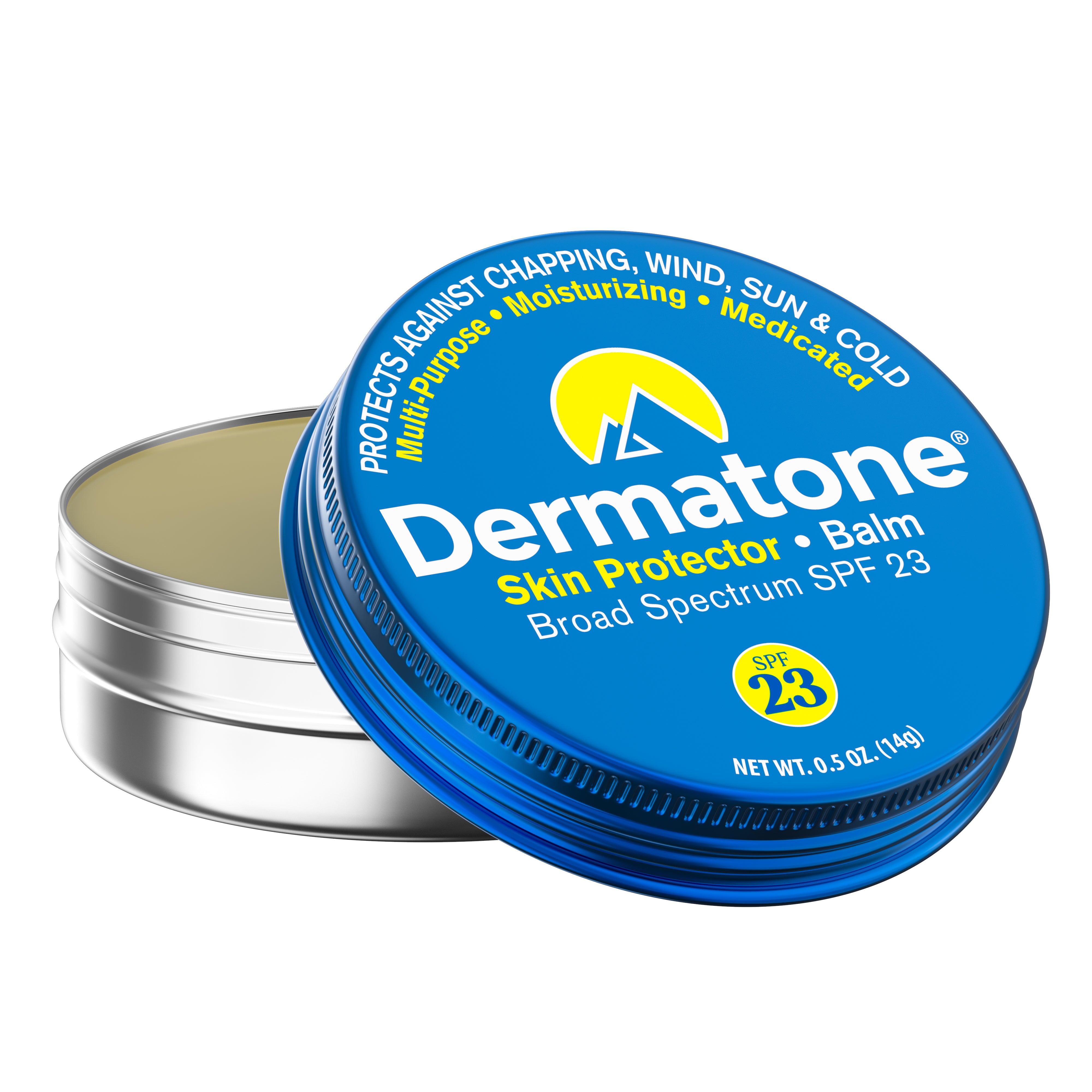
Most creams last 4–6 hours in cold weather. Extreme wind or frost can shorten this time. Reapply regularly, especially after sweating or wiping your face.
Credit: www.dermatone.com
Finding The Right Moisturizer: Common Buyer Mistakes
When shopping, avoid these mistakes:
- Choosing based on price alone: Cheap creams may lack key ingredients.
- Ignoring texture: Some people dislike heavy ointments. Try samples first.
- Missing occlusive ingredients: Read the label—petrolatum, shea butter, lanolin are best.
- Buying scented products: Fragrances can cause irritation.
Data: Moisturizer Effectiveness In Winter
Recent studies show:
- People who use occlusive moisturizers in winter have 40% fewer skin complaints.
- Using a humidifier with moisturizer improves skin hydration by 25%.

Credit: www.amazon.com
When To See A Dermatologist
If your skin is still dry, cracked, or painful despite using moisturizer, see a dermatologist. They can recommend prescription creams or check for conditions like eczema.
Moisturizer For Cold Weather Face Protection: Final Checklist
Here’s a quick summary to keep your face safe this winter:
- Use a moisturizer with occlusive ingredients.
- Apply within 2 minutes after washing.
- Layer for extra protection.
- Reapply every 4–6 hours.
- Use sunscreen daily.
- Protect lips and nose.
- Avoid hot water.
- Use a humidifier indoors.
- Patch test new products.
- Wear scarves or masks outside.
Frequently Asked Questions
What Is The Best Moisturizer For Extreme Cold?
The best is a rich, occlusive product like Vaseline or CeraVe Moisturizing Cream. These block wind and prevent frost damage.
How Often Should I Apply Moisturizer In Winter?
Apply every 4–6 hours if you’re outside or in heated rooms. After washing your face, always apply immediately.
Can Moisturizer Freeze On My Skin?
Yes, water-based creams can freeze in very cold temperatures. For outdoor sports or work below -10°C, use ointments like Vaseline.
Is Sunscreen Needed In Winter?
Absolutely. UV rays are strong in winter, especially with snow. Use SPF 30 or higher every day.
What If My Skin Stays Dry After Using Moisturizer?
Try a richer product, layer with a hydrating serum, and use a humidifier. If dryness continues, see a dermatologist.
Taking care of your skin in cold weather is more than just comfort—it’s about health and protection. The right moisturizer acts as your wind and frost shield, letting you enjoy winter without worry. For more scientific advice on skin care, visit the American Academy of Dermatology.
Stay warm, stay protected, and let your skin glow all season long.