

If you are struggling with red, bumpy, or flaky skin around your mouth, you may have perioral dermatitis. This common skin problem can be frustrating, especially when you want to soothe dryness without making things worse. Many moisturizers on the market contain ingredients that can actually trigger more irritation or cause new flares. Finding a safe moisturizer for perioral dermatitis is not just about hydration—it is about protecting your skin’s delicate balance. This guide will help you understand perioral dermatitis, discover what to look for (and avoid) in moisturizers, and find gentle options that will not cause flares.
Understanding Perioral Dermatitis
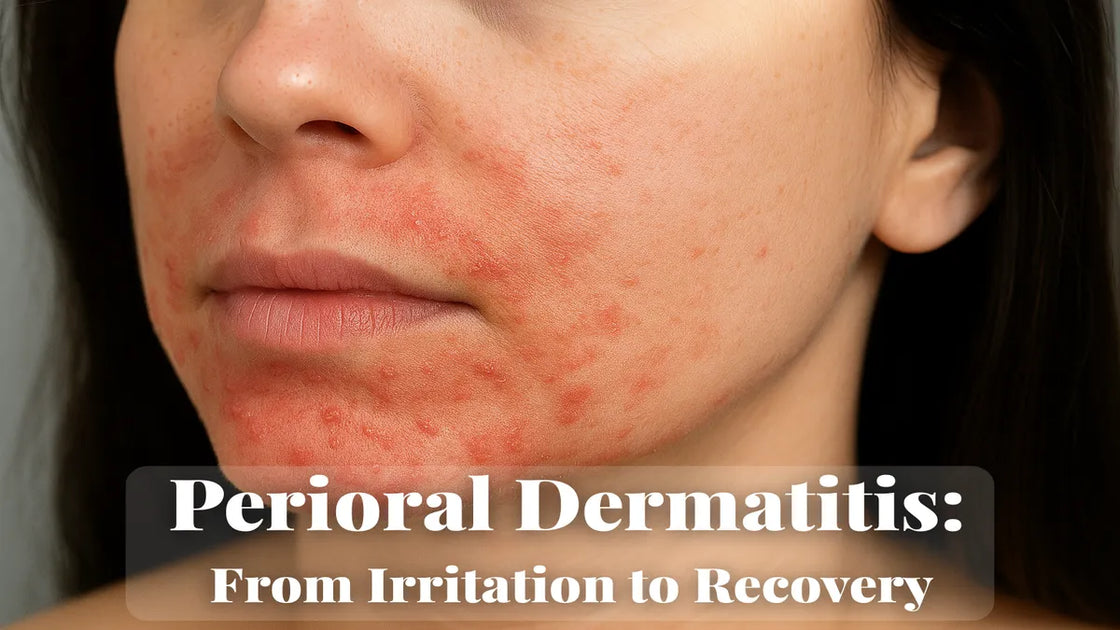
Perioral dermatitis is a skin condition that usually affects the area around the mouth, nose, and sometimes the eyes. It shows up as small, red bumps, mild peeling, and sometimes burning or itching. It can be mistaken for acne, eczema, or even rosacea, but it has its own triggers and needs special care.
The exact cause is not always clear. However, some common factors include:
- Overuse of topical steroids (like creams for rashes)
- Certain facial creams and cosmetics
- Fluoridated toothpaste
- Hormonal changes
- Stress
People with perioral dermatitis often have sensitive skin. This means even products that are safe for most people may cause irritation for them.
Why Moisturizer Matters For Perioral Dermatitis
Moisturizing is important for everyone, but for those with perioral dermatitis, it is essential. Dryness makes the skin barrier weaker, which can lead to more irritation, redness, and flares. But the wrong moisturizer can make things worse, clogging pores or adding chemicals that trigger a reaction.
A good moisturizer helps by:
- Reducing dryness and flakiness
- Calming irritation
- Supporting the skin’s natural barrier
- Helping the skin heal faster
Choosing the right product can be the difference between a calm, healthy face and weeks of discomfort.
Ingredients To Avoid In Moisturizers
People with perioral dermatitis need to be extra careful about what goes on their skin. Some common moisturizer ingredients can cause or worsen flares. Here are key ingredients to avoid:
- Fragrance: Artificial scents are a top cause of irritation.
- Sodium Lauryl Sulfate (SLS): This detergent can strip skin and worsen flares.
- Heavy oils or petrolatum: Ingredients like mineral oil, petrolatum, and coconut oil can be too occlusive and clog pores.
- Alcohol: Some alcohols dry out skin or cause stinging.
- Parabens and formaldehyde releasers: Preservatives that can irritate sensitive skin.
- Lanolin: Some people are allergic or sensitive to this.
- Essential oils: Even “natural” oils like lavender or tea tree can trigger reactions in sensitive skin.
- Silicones (like dimethicone): These are not always bad, but for some, they can block pores and trap heat.
- Botanical extracts: Aloe, chamomile, and others may sound gentle, but can cause allergies for some.
One non-obvious insight: Even “gentle” or “hypoallergenic” labels do not guarantee a product is safe for perioral dermatitis. Always check the full ingredient list.
What To Look For In A Safe Moisturizer
When choosing a moisturizer for perioral dermatitis, focus on simple, minimal formulas. Here are features to look for:
- Fragrance-free
- Non-comedogenic (won’t clog pores)
- Free of dyes and unnecessary additives
- Lightweight (not greasy or heavy)
- PH balanced (close to skin’s natural pH, about 5.5)
- Contains calming ingredients like ceramides, glycerin, squalane, or niacinamide
A simple rule: The fewer the ingredients, the better. If you see a long list, especially with words you do not recognize, be cautious.
How Moisturizers Help Heal Perioral Dermatitis
When the skin around your mouth is irritated, it often means the skin barrier is damaged. This barrier keeps moisture in and protects against bacteria and irritants. Good moisturizers support healing by:
- Replacing lost moisture
- Filling in gaps in the skin barrier
- Reducing inflammation with calming ingredients
- Preventing new irritants from getting in
A well-chosen moisturizer does not just make skin feel better—it can actually speed up recovery and reduce the frequency of flares.
Top Safe Moisturizers For Perioral Dermatitis
There is no single “best” moisturizer for everyone with perioral dermatitis, but some products are recommended often by dermatologists and people who have this condition. Below are safe options, with their key ingredients and what makes them suitable.
| Product | Main Ingredients | Why It’s Safe |
|---|---|---|
| Vanicream Moisturizing Cream | Petrolatum, Glycerin, Sorbitol | No fragrance, dyes, lanolin, or parabens; very simple formula |
| CeraVe Moisturizing Cream | Ceramides, Hyaluronic Acid, Glycerin | Supports skin barrier, non-comedogenic, no fragrance |
| La Roche-Posay Toleriane Sensitive Fluide | Squalane, Glycerin, Thermal Spring Water | Minimal ingredients, no fragrance, lightweight |
| Avene Tolerance Extreme Cream | Glycerin, Squalane, Avene Thermal Spring Water | No preservatives, fragrance, or alcohol; sterile packaging |
| Neutrogena Hydro Boost Water Gel (Fragrance Free) | Hyaluronic Acid, Glycerin | Lightweight, oil-free, non-comedogenic |
| EltaMD Barrier Renewal Complex | Ceramides, Squalane, Niacinamide | Supports barrier repair, no fragrance or harsh additives |
| Eucerin Advanced Repair Cream | Ceramides, Urea, Glycerin | No fragrance, helps with dryness and flaking |
Why These Moisturizers Work
All these options have short ingredient lists and avoid common irritants. Most include ceramides and glycerin, which are gentle on inflamed skin. Products like Vanicream and Avene Tolerance are especially popular among people with multiple sensitivities.
Moisturizer Application Tips For Perioral Dermatitis
Even the best moisturizer can cause problems if used incorrectly. Here are some tips to help you get the most benefit:
- Apply to damp skin: After washing your face with lukewarm water, gently pat dry and apply moisturizer immediately. This helps lock in moisture.
- Use clean hands: Always wash your hands before touching your face to avoid introducing bacteria.
- Start with a small amount: Less is more, especially if you are trying a new product.
- Avoid rubbing or massaging too hard: Gentle dabbing is best for sensitive skin.
- Patch test new products: Try the moisturizer on a small area (like behind your ear) for a few days before using it on your face.
Non-obvious Insight
Many people use too many products at once, hoping for faster results. This often backfires. Using one gentle moisturizer and a mild cleanser is usually the best approach until your skin calms down.
How To Build A Skincare Routine Around Perioral Dermatitis
A simple, gentle routine is the safest bet. Here’s an example routine for someone with perioral dermatitis:
| Step | Product Type | Purpose |
|---|---|---|
| 1 | Gentle Cleanser (fragrance-free) | Remove dirt and oil without stripping skin |
| 2 | Safe Moisturizer (see list above) | Hydrate and support skin barrier |
| 3 | Mineral Sunscreen (if going outdoors) | Protect from UV rays; choose zinc oxide or titanium dioxide |
Avoid toners, serums, or spot treatments unless recommended by your doctor. Less is more.
The Role Of Lifestyle And Environment
Moisturizer is only one part of managing perioral dermatitis. Other factors can affect your skin, including:
- Diet: Some people find spicy foods or dairy make their symptoms worse.
- Toothpaste: Switch to a SLS-free, fluoride-free toothpaste if you suspect it’s a trigger.
- Stress: High stress can worsen skin problems. Try mindfulness or relaxation techniques.
- Weather: Cold, dry air can increase flares, while humidity often soothes skin.
One detail beginners miss: Changing pillowcases and towels often can reduce bacteria near your face, which may help prevent new flares.
How To Spot A Flare From Your Moisturizer
Sometimes, even a recommended product can cause a problem for your unique skin. Watch for these signs:
- Increased redness or burning
- New bumps or pustules
- Peeling or stinging
If you notice these after starting a new moisturizer, stop using it and go back to the last product that was safe. Sometimes, a reaction may not appear until several days after starting a product, so keep track of changes.

Credit: www.skindepth.com.au
Common Mistakes When Moisturizing Perioral Dermatitis
Many people make the same errors, often making their skin worse. Here are mistakes to avoid:
- Using steroid creams: These may calm redness at first but almost always worsen perioral dermatitis in the long run.
- Switching products too often: Give your skin time (at least 2–4 weeks) to adjust unless you have a clear reaction.
- Using too much product: Heavy layers can clog pores and trap heat.
- Trying “natural” home remedies: Oatmeal masks, honey, or coconut oil can sometimes help eczema, but often worsen perioral dermatitis.
- Not patch-testing: Always test new moisturizers on a small area first.
When To See A Dermatologist
If your perioral dermatitis does not improve after 4–6 weeks of gentle care, or if it gets worse, see a dermatologist. Sometimes, prescription treatments are needed, such as topical or oral antibiotics. Your doctor may also help you identify triggers you haven’t noticed.
Comparing Popular Moisturizers: How Do They Stack Up?
For those who want a quick comparison, here’s a side-by-side look at how top moisturizers for perioral dermatitis compare in key areas.
| Moisturizer | Fragrance-Free | Contains Ceramides | Non-Comedogenic | Lightweight | Price Range (USD) |
|---|---|---|---|---|---|
| Vanicream Moisturizing Cream | Yes | No | Yes | Medium | 8–15 |
| CeraVe Moisturizing Cream | Yes | Yes | Yes | Medium | 12–18 |
| La Roche-Posay Toleriane Sensitive Fluide | Yes | No | Yes | Yes | 20–30 |
| Avene Tolerance Extreme Cream | Yes | No | Yes | Yes | 25–35 |
| Neutrogena Hydro Boost Water Gel (Fragrance Free) | Yes | No | Yes | Yes | 16–25 |
| EltaMD Barrier Renewal Complex | Yes | Yes | Yes | Yes | 40–55 |
| Eucerin Advanced Repair Cream | Yes | Yes | Yes | Medium | 9–15 |
This comparison shows that most good options are fragrance-free and non-comedogenic, but if you need ceramides (for barrier repair), CeraVe, EltaMD, and Eucerin are strong choices.
Can You Use Ointments Like Vaseline Or Aquaphor?
Ointments are often suggested for dry skin, but they are not always the best for perioral dermatitis. Here is why:
- Vaseline (petrolatum): Very occlusive. It locks in moisture but can trap heat and bacteria, which may worsen flares for some people.
- Aquaphor: Contains petrolatum plus lanolin and mineral oil. Lanolin can be irritating for sensitive skin.
- Pros: These ointments are simple and have few ingredients. They are sometimes helpful as spot treatments on very dry or cracked areas.
- Cons: For perioral dermatitis, these products are often too heavy for daily use and can cause clogged pores.
If you use an ointment, try it on a small area first. Avoid using thick layers around the mouth.
Moisturizer Myths And Misconceptions
There are many myths about what works for perioral dermatitis. Here are some you should know:
- Myth: Natural means safe. Many natural oils and extracts can cause allergies or irritation.
- Myth: You should stop moisturizing during a flare. In fact, gentle moisturization is usually helpful.
- Myth: More is better. Using a thick layer or multiple products can make things worse.
- Myth: Expensive products are safer. Price does not guarantee safety; simple pharmacy brands are often the best.
How To Read Labels Like A Pro
Learning to read skincare labels is one of the most valuable skills for people with perioral dermatitis. Here’s what to do:
- Check the first five ingredients: These make up most of the product.
- Look for known irritants: Fragrance, alcohol, essential oils, lanolin.
- Check for beneficial ingredients: Ceramides, glycerin, hyaluronic acid, squalane, niacinamide.
- Avoid long, complex ingredient lists: More ingredients mean more chances for irritation.
If you are unsure about an ingredient, look it up on a trusted site or ask your dermatologist.
Credit: harlanmd.com
Children And Perioral Dermatitis: Special Considerations
Kids can get perioral dermatitis too. They may be even more sensitive to certain ingredients. For children, stick to the safest options:
- Fragrance-free, dye-free products only
- Avoid adult creams with active ingredients unless prescribed
- Do not use over-the-counter steroid creams on a child’s face without medical advice
A pediatrician or dermatologist can help choose the safest moisturizer for children.
Prescription Moisturizers And Barrier Creams
In some cases, your doctor may recommend a prescription moisturizer or barrier cream. These are designed for very sensitive or damaged skin and may include ingredients like:
- Ceramide-rich formulas
- Niacinamide for calming redness
- Urea for gentle exfoliation and hydration
Ask your dermatologist if you are not getting relief from over-the-counter products.
The Role Of Ceramides In Skin Repair
Ceramides are natural lipids found in the skin. They help hold skin cells together and keep moisture in. For people with perioral dermatitis, ceramide-rich moisturizers can:
- Repair the skin barrier
- Reduce water loss
- Make skin less sensitive over time
CeraVe, Eucerin, and EltaMD all include ceramides in their formulas.
Real Patient Stories: What Actually Works
Many people with perioral dermatitis share their success stories online. Here are two examples:
- Ella, 28: “I tried dozens of moisturizers before finding Vanicream. It was the only one that didn’t sting. My flares have been less frequent, and my skin finally feels normal.”
- Mike, 34: “Switching to a simple routine with CeraVe Moisturizing Cream and a gentle cleanser helped me the most. I avoid all fragrance and try not to touch my face.”
Hearing from others with the same condition can be encouraging, but remember that everyone’s skin is different. What works for one person may not work for another.
When Moisturizer Alone Is Not Enough
Sometimes, even the best moisturizer cannot fully control perioral dermatitis. In these cases, your doctor may recommend additional treatments such as:
- Topical antibiotics (like metronidazole or clindamycin)
- Oral antibiotics (like doxycycline for severe cases)
- Azelaic acid cream (soothes and reduces bumps)
Moisturizer remains important even if you use these treatments, as it helps prevent dryness and supports healing.
How To Transition Between Moisturizers Safely
If you need to switch to a new moisturizer, do it slowly:
- Patch-test the new product for several days.
- Use the new product on a small area of your face at first.
- Gradually replace your old moisturizer as long as there is no reaction.
This reduces the risk of a flare caused by a sudden change.
Safe Sunscreens For Perioral Dermatitis
Sun protection is important, but some sunscreens can be irritating. Look for:
- Mineral (physical) sunscreens: Zinc oxide or titanium dioxide are best.
- Fragrance-free, non-comedogenic formulas
- No alcohol or preservatives
Avoid chemical sunscreens, as they are more likely to sting sensitive skin.
Summary: The Path To Calm, Healthy Skin
Managing perioral dermatitis can feel overwhelming, but choosing the right moisturizer makes a big difference. The safest options are simple, fragrance-free, and avoid heavy or irritating ingredients. Focus on supporting your skin’s natural barrier, keep your routine gentle, and watch for triggers.
If you do not see improvement, do not hesitate to seek medical help.
For more scientific background, you can read about perioral dermatitis on American Academy of Dermatology.

Credit: harlanmd.com
Frequently Asked Questions
What Is The Best Type Of Moisturizer For Perioral Dermatitis?
The best moisturizer is fragrance-free, non-comedogenic, and contains simple ingredients like ceramides or glycerin. Look for products recommended above, such as Vanicream or CeraVe.
Can I Use Natural Oils As Moisturizers For Perioral Dermatitis?
It is better to avoid most natural oils, especially coconut oil or essential oils. These can clog pores or cause irritation. Stick to products with proven ingredients and minimal additives.
How Often Should I Apply Moisturizer If I Have Perioral Dermatitis?
Apply moisturizer twice daily—once in the morning and once at night. If your skin feels dry during the day, you can reapply a thin layer as needed.
Is It Safe To Use Makeup With Perioral Dermatitis?
It is best to avoid makeup during a flare. If you must use it, choose mineral-based, fragrance-free products and remove them gently each night. Heavy or waterproof makeup can make symptoms worse.
When Should I See A Doctor For Perioral Dermatitis?
If your symptoms do not improve after 4–6 weeks of gentle care, or if your skin gets worse, see a dermatologist. You may need prescription treatments or help identifying triggers.
Managing perioral dermatitis takes patience, but with the right moisturizer and routine, you can see real improvements in your skin’s health.