

Understanding skin moisturizers can feel confusing. There are so many products, each promising softer, healthier skin. Yet, most people don’t know that moisturizers actually fall into three main groups: occlusive, humectant, and emollient. These words sound complex, but learning about them helps you choose the right moisturizer for your needs. Whether you have dry, oily, sensitive, or aging skin, knowing the difference between these types can change your skincare routine for the better.
This guide explains each moisturizer type, how they work, and who should use them. We’ll look at common ingredients, how to spot each type, and the science behind their effects. You’ll find practical advice, examples, and even tables comparing key features.
By the end, you’ll be able to pick the best moisturizer for your skin—and avoid common mistakes many people make.
What Are Moisturizer Types?
Moisturizers are products that add or keep moisture in your skin. They help prevent dryness, protect your skin barrier, and keep your skin soft. There are three main types:
- Occlusives
- Humectants
- Emollients
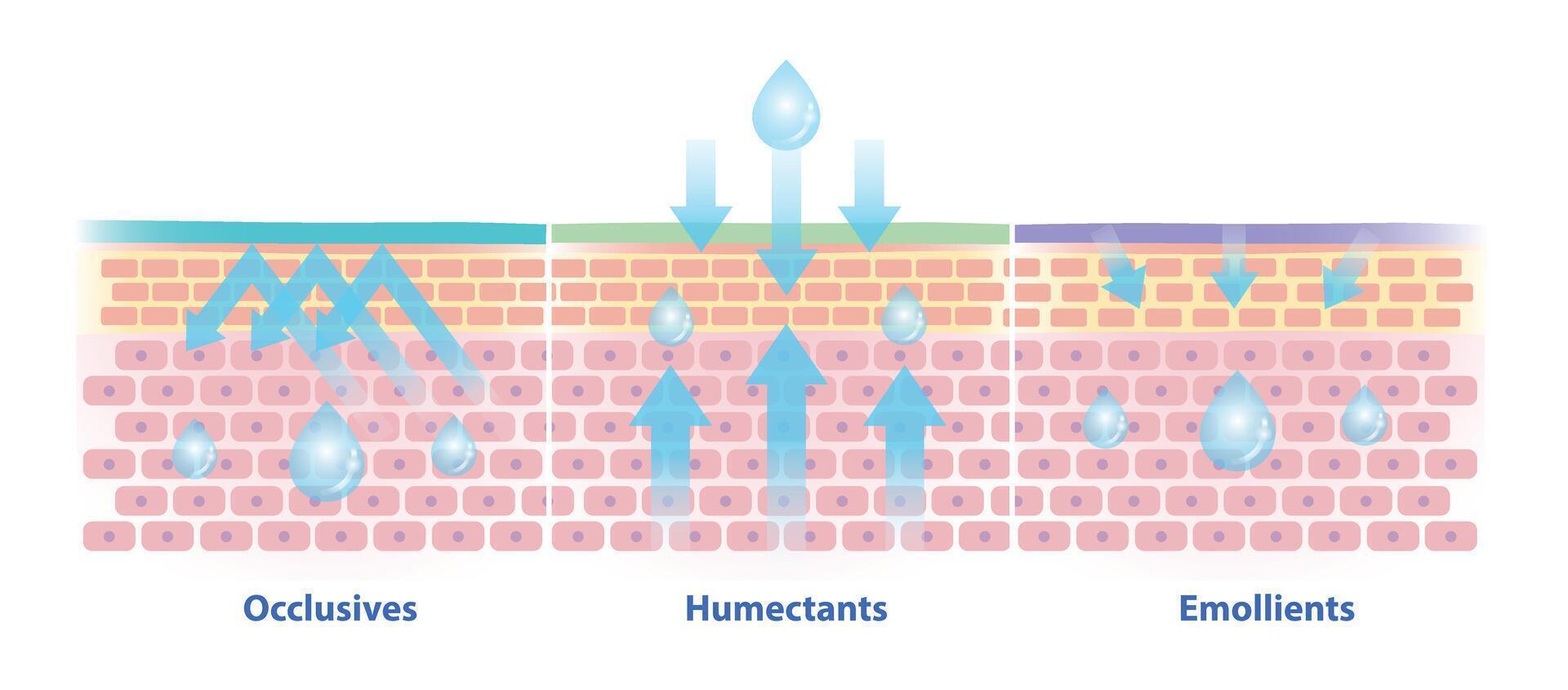
Each type uses a different method to improve skin. Some lock in water, some attract water, and some smooth the skin’s surface. Most modern moisturizers combine these, but understanding the main role of each type is important.
Occlusive Moisturizers: How They Work
Occlusives create a physical barrier on the skin. This barrier keeps water from escaping. Imagine wrapping your skin in a thin film—occlusives do just that, trapping moisture underneath.
Common Occlusive Ingredients
Many occlusives are thick, greasy substances. Examples include:
- Petrolatum (like Vaseline)
- Mineral oil
- Lanolin
- Beeswax
- Silicone derivatives (dimethicone)
These ingredients are popular because they form a strong seal. Petrolatum can reduce water loss from the skin by up to 99%. Lanolin comes from sheep’s wool and is found in many lip balms and creams. Beeswax is natural and often used in gentle formulas.
Who Should Use Occlusives?
Occlusives are best for people with very dry skin or skin conditions like eczema. If your skin feels tight, flaky, or cracked, occlusives can help heal and protect. They are also great for protecting hands, feet, or lips during cold weather.
However, occlusives may feel heavy or greasy. They can clog pores in people with oily or acne-prone skin. For those with these skin types, lighter moisturizers are usually better.
How Occlusives Are Used
Occlusives are often applied as the last step in skincare routines, especially at night. They lock in all the moisture and actives from earlier steps. Some people use occlusives only on problem areas, like elbows or heels.
Non-obvious Insights
- Occlusives don’t add moisture—they trap existing moisture. So, if your skin is already dry, you need to add a humectant first.
- The strength of occlusive ingredients varies. Petrolatum is stronger than mineral oil or beeswax.
Humectant Moisturizers: The Water Attractors
Humectants are ingredients that draw water into the skin. They attract moisture from the air and from deeper skin layers. This makes the skin feel soft, plump, and hydrated.
Common Humectant Ingredients
Humectants are usually lightweight and non-greasy. Some popular examples:
- Glycerin
- Hyaluronic acid
- Urea
- Sorbitol
- Propylene glycol
- Aloe vera
Glycerin is one of the oldest and most effective humectants. It can absorb water from the air and hold it in the skin. Hyaluronic acid is famous for holding up to 1000 times its weight in water. Urea not only hydrates but also helps to exfoliate dead skin.
Who Should Use Humectants?
Humectants are suitable for almost all skin types. They are especially good for:
- Dehydrated skin
- Oily skin
- Combination skin
People with oily or acne-prone skin often prefer humectants because they hydrate without clogging pores. Humectants are also used in anti-aging products to plump up fine lines.
How Humectants Are Used
Humectants are usually found in serums, gels, and lightweight creams. They work best when applied to damp skin—after a shower or after washing your face. This helps them pull in extra moisture.
Non-obvious Insights
- Humectants can actually dry out skin if the air is very dry. In low humidity, they may pull water from deeper skin layers, making the surface feel dry.
- Using a humectant without an occlusive can reduce its benefits. The moisture attracted by humectants can escape unless sealed by an occlusive.
Emollient Moisturizers: The Smoothers
Emollients fill gaps between skin cells, making the skin feel soft and smooth. They don’t necessarily add water or trap it—they make skin feel comfortable and flexible.
Common Emollient Ingredients
Emollients are often silky, creamy, or oily. Some examples:
- Plant oils (jojoba, almond, coconut)
- Shea butter
- Fatty acids (oleic acid, linoleic acid)
- Esters
- Ceramides
Shea butter is a popular emollient that deeply softens the skin. Jojoba oil is similar to the skin’s natural oil and is non-comedogenic. Ceramides are vital for healthy skin—they repair the skin barrier.
Who Should Use Emollients?
Emollients work for most skin types, but they are especially good for:
- Sensitive skin
- Aging skin
- Rough or flaky skin
If your skin feels rough, tight, or irritated, emollients can help restore comfort. They are often used in products for eczema, psoriasis, and dermatitis.
How Emollients Are Used
Emollients are found in creams, lotions, and ointments. They are used all over the body and are gentle enough for daily use. Many sunscreen and anti-aging products include emollients.
Non-obvious Insights
- Not all emollients are oils. Some are waxes or fatty acids that mimic skin’s natural lipids.
- Emollients can help reduce the feeling of irritation after shaving or exfoliating.
Comparing Occlusive, Humectant, And Emollient Moisturizers
To make things clearer, let’s compare the three types in a simple way. Here’s a data table showing key differences:
| Type | Main Action | Common Ingredients | Best For | Texture | Possible Downsides |
|---|---|---|---|---|---|
| Occlusive | Blocks water loss | Petrolatum, mineral oil, beeswax | Very dry, damaged skin | Thick, greasy | Can clog pores, feel heavy |
| Humectant | Attracts water | Glycerin, hyaluronic acid, urea | Dehydrated, oily skin | Light, watery | May dry skin in low humidity |
| Emollient | Softens, smooths | Shea butter, oils, ceramides | Sensitive, aging skin | Creamy, silky | May feel greasy, cause breakouts |
How To Choose The Right Moisturizer
With so many products, picking the right one is tricky. Here’s how to match a moisturizer to your skin type and needs:
For Dry Skin
Dry skin needs both humectants and occlusives. Humectants draw in water; occlusives trap it. Look for products that list ingredients like glycerin, hyaluronic acid, and petrolatum. Creams and ointments are better than lotions.
For Oily Skin
Oily skin benefits most from humectants. These hydrate without adding extra oil. Gel-based moisturizers with hyaluronic acid, glycerin, or aloe vera are good choices. Avoid heavy occlusives.
For Sensitive Skin
Sensitive skin needs gentle emollients. Look for plant oils, shea butter, or ceramides. Avoid strong fragrances or alcohols, which can cause irritation.
For Aging Skin
Aging skin loses moisture and elasticity. It needs all three types. Humectants hydrate, emollients soften, and occlusives prevent water loss. Look for formulas with ceramides, hyaluronic acid, and shea butter.
For Skin With Eczema Or Psoriasis
These conditions need strong occlusives and emollients. Use ointments or balms with petrolatum, lanolin, and ceramides. Avoid harsh chemicals or fragrances.
Practical Tips
- Always check the ingredient list. The main ingredient is usually listed first.
- Apply moisturizer within 3 minutes after bathing—this locks in moisture.
- Adjust your moisturizer seasonally. Use heavier occlusives in winter, lighter humectants in summer.
- Patch test new products to avoid allergic reactions.
Ingredient Deep Dive: Popular Moisturizer Components
Let’s look at key ingredients used in each category. This helps you recognize them in products.
Occlusive Ingredients
- Petrolatum: A byproduct of petroleum, highly effective at sealing moisture.
- Mineral Oil: Lightweight occlusive, less greasy than petrolatum.
- Lanolin: Natural, but can cause allergies in some people.
- Beeswax: Natural, used in balms and lip products.
- Dimethicone: A silicone, smooth and non-greasy, used in many creams.
Humectant Ingredients
- Glycerin: Cheap, safe, and very effective.
- Hyaluronic Acid: Found in many anti-aging serums.
- Urea: Also exfoliates, good for rough skin.
- Sorbitol: Used in many lotions and creams.
- Aloe Vera: Natural, soothing, mild humectant.
Emollient Ingredients
- Shea Butter: Rich, softens skin deeply.
- Jojoba Oil: Mimics skin’s oil, non-comedogenic.
- Ceramides: Restore skin barrier, reduce dryness.
- Fatty Acids: Help maintain skin’s softness.
- Esters: Synthetic emollients, often used in lotions.
How Moisturizer Types Affect Skin Health
Using the right moisturizer improves skin health. Here’s how each type helps:
- Occlusives protect the skin barrier, prevent cracks and reduce irritation.
- Humectants keep skin hydrated, plump, and flexible.
- Emollients smooth rough patches, reduce itching, and restore comfort.
Skin that is well-moisturized has fewer wrinkles, heals faster, and is less likely to become irritated.
The Science Behind Moisturizers
A study published in the Journal of Dermatology showed that occlusive moisturizers could reduce transepidermal water loss (TEWL) by nearly 99%. Humectants like glycerin improve skin hydration by 20–40%. Emollients are proven to reduce roughness and help skin recover from damage.
Moisturizer Layering: Combining Types For Best Results
Many skincare routines use more than one type of moisturizer. This is called layering. Here’s how it works:
- Apply a humectant serum to damp skin (e.g., hyaluronic acid).
- Follow with an emollient cream (e.g., shea butter, ceramides).
- Finish with an occlusive (e.g., petrolatum) to lock everything in.
This method maximizes hydration and protection. It is especially helpful in dry climates or for those with eczema.
Common Mistakes In Moisturizer Layering
- Applying occlusive first: This blocks humectants from working.
- Using only humectants in dry air: Can make skin drier.
- Skipping emollients: Skin may stay rough even if hydrated.
The Role Of Climate And Environment
Your environment affects how moisturizers work. In humid climates, humectants perform well because there’s water in the air. In dry climates, occlusives are necessary to stop water loss.
For example, a study in Arizona found that using humectant-only moisturizers made skin drier during the winter. Adding an occlusive solved this issue.
If you live in a hot, humid area, gel-based humectants are ideal. If you’re in a cold, dry place, ointments with occlusives will protect your skin.
Comparing Moisturizer Types In Real Products
Let’s look at real-world examples. Here’s a comparison of popular products:
| Product Name | Main Type | Key Ingredients | Skin Type | Price Range |
|---|---|---|---|---|
| CeraVe Moisturizing Cream | Emollient/occlusive | Ceramides, hyaluronic acid, petrolatum | Dry, sensitive | $12–$20 |
| Neutrogena Hydro Boost Gel | Humectant | Hyaluronic acid, glycerin | Oily, combination | $15–$22 |
| Vaseline Petroleum Jelly | Occlusive | Petrolatum | Very dry | $3–$6 |
| Eucerin Advanced Repair | Humectant/emollient | Urea, ceramides | Dry, rough | $10–$18 |
| La Roche-Posay Lipikar Balm | Emollient/occlusive | Shea butter, niacinamide, mineral oil | Sensitive, eczema-prone | $18–$30 |
How To Read Moisturizer Labels
Reading the label helps you understand which type of moisturizer you are buying. Here are some tips:
- Look for key words: “hydrating,” “softening,” “protective.”
- Check ingredient order: Ingredients listed first are most abundant.
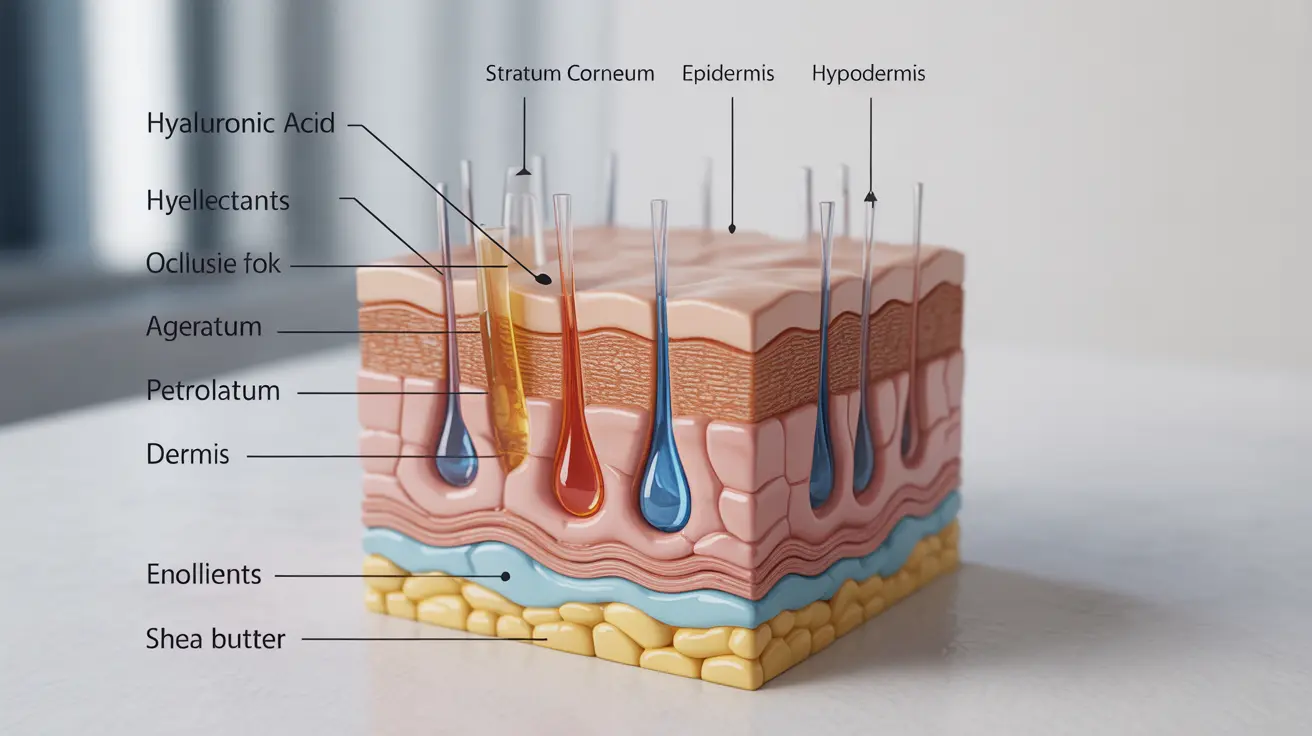
- Identify main type: If petrolatum is first, it’s occlusive. If glycerin or hyaluronic acid is first, it’s humectant. If oils or ceramides are first, it’s emollient.
Example Label
A cream label lists:
- Water
- Glycerin
- Petrolatum
- Shea Butter
- Ceramides
This product contains all three types, but glycerin and petrolatum are most dominant.
Credit: www.getlabtest.com
Moisturizer Myths: What Most People Get Wrong
Many people believe one moisturizer fits all. Here are common myths and the truth:
- Myth: “Oily skin doesn’t need moisturizer.”
Truth: Oily skin loses water just like dry skin. Humectants help without adding oil.
- Myth: “Petrolatum is bad for skin.”
Truth: Petrolatum is safe and very effective. It’s approved by dermatologists worldwide.
- Myth: “Natural oils are always better.”
Truth: Some oils can clog pores or cause allergies. Test before use.
- Myth: “More moisturizer means more benefits.”
Truth: Using too much can block pores or cause irritation. Use only what your skin needs.
- Myth: “Humectants always hydrate.”
Truth: In dry climates, humectants can make skin drier unless combined with occlusives.
Moisturizer Use: Step-by-step Routine
Here’s a simple routine to maximize benefits:
- Wash your face with a gentle cleanser.
- Pat skin dry, leaving it slightly damp.
- Apply a humectant serum or gel.
- Follow with an emollient cream.
- Finish with an occlusive layer on dry areas.
Repeat morning and night. Adjust steps based on your skin’s needs and climate.
Specific Data: Moisturizer Use Around The World
A study from the International Journal of Dermatology found:
- 76% of people in cold climates use occlusives in winter.
- 52% of people in humid climates prefer humectant gels.
- 62% of women over age 40 use emollient creams for anti-aging.
In Japan, hyaluronic acid serums are best-sellers. In Europe, plant oils and shea butter are popular. In the USA, petrolatum-based products are common for eczema and dry skin.
Moisturizer Allergies And Sensitivities
Some ingredients can cause reactions. Lanolin, natural oils, and fragrances are common culprits. Always patch test new products on your wrist before full use.
If you have allergies, choose fragrance-free and hypoallergenic products. Look for labels that say “tested for sensitive skin.”
The Role Of Moisturizers In Skin Disorders
Moisturizers are not just for beauty—they help manage skin conditions.
- Eczema: Occlusives and emollients reduce flare-ups.
- Psoriasis: Emollients soften scales, occlusives lock in treatment.
- Rosacea: Emollients calm redness, avoid harsh humectants.
- Acne: Humectants hydrate without clogging pores.
Dermatologists often prescribe combination moisturizers for these conditions.
Natural Vs. Synthetic Moisturizers
There is debate about natural vs. synthetic ingredients. Natural oils (coconut, olive, almond) are popular, but can cause breakouts. Synthetic ingredients (petrolatum, dimethicone) are tested for safety, and often less likely to cause irritation.
A study from Harvard Medical School found that synthetic occlusives are more stable and less likely to cause allergies than natural oils. However, many people prefer the feel and scent of natural products.
Credit: www.vecteezy.com
Environmental Impact: Sustainability Of Moisturizer Ingredients
Some moisturizer ingredients have environmental impacts. Palm oil and mineral oil production can harm ecosystems. Beeswax is sustainable, but petrolatum is not biodegradable.
Many brands now use eco-friendly packaging and source ingredients responsibly. If sustainability matters to you, look for labels that say “certified organic,” “fair trade,” or “recyclable packaging.”
Moisturizers For Babies And Children
Children’s skin is thinner and more sensitive. Pediatricians recommend mild emollients and occlusives. Avoid strong humectants or products with fragrance.
Popular choices:
- Aquaphor Healing Ointment: Occlusive, safe for babies.
- Aveeno Baby Daily Moisture: Emollient, gentle oat formula.

Credit: harlanmd.com
Moisturizers For Body Vs. Face
The skin on your body is different from your face. Body moisturizers are often thicker, with more occlusives. Facial moisturizers are lighter, with more humectants and emollients.
If you use body cream on your face, you may get breakouts. Always check the label.
Moisturizer Trends: What’s New In 2024?
New trends focus on multi-functional moisturizers. These combine hydration, anti-aging, and skin barrier repair. Ingredients like niacinamide, peptides, and probiotics are popular.
Brands are making moisturizers with fewer ingredients to reduce allergies. Waterless formulas and stick moisturizers are emerging. Vegan and cruelty-free products are becoming standard.
Moisturizer Safety: What To Avoid
Some ingredients are best avoided, especially if you have sensitive skin:
- Fragrances: Can cause irritation.
- Alcohols: Dry out skin.
- Parabens: Some people prefer to avoid for safety.
- Essential oils: May trigger allergies.
Always choose moisturizers tested for safety and labeled for your skin type.
Moisturizer Storage And Shelf Life
Keep moisturizers in a cool, dry place. Avoid sunlight, which can break down ingredients. Most creams last 12–24 months. Throw away products if they change color, smell, or texture.
The Future Of Moisturizers
Research is creating smarter moisturizers. These adjust hydration based on skin needs and environment. Micro-encapsulation delivers actives deeper into skin. Digital tools help match products to your skin type.
If you want to learn more about the science, visit NIH Dermatology Research for detailed studies.
Frequently Asked Questions
What Is The Difference Between Occlusive, Humectant, And Emollient Moisturizers?
Occlusive moisturizers block water loss by creating a seal. Humectant moisturizers attract water to the skin. Emollient moisturizers smooth and soften the skin. Most modern products combine these types.
Can I Use All Three Types Of Moisturizers Together?
Yes. Using humectants, emollients, and occlusives together maximizes hydration and protection. Apply humectants first, then emollients, then occlusives.
Which Type Is Best For Oily Skin?
Humectants are best for oily skin. They hydrate without adding oil. Gel-based formulas with hyaluronic acid or glycerin work well.
Are Natural Moisturizers Better Than Synthetic?
Not always. Natural moisturizers can cause allergies or clog pores. Synthetic ones are often safer and more stable. Choose based on your skin’s needs and patch test before use.
How Do I Know Which Moisturizer Type I Need?
Check your skin’s condition. If it’s dry and flaky, use occlusives and emollients. If it’s oily, use humectants. If it’s sensitive, choose gentle emollients. Read labels and ingredient lists to match your needs.
Moisturizers are more than just a daily habit—they are essential for healthy, comfortable skin. By understanding occlusive, humectant, and emollient types, you can make smart choices. Remember to check ingredients, match products to your skin type, and adjust for your climate.
With the right routine, you’ll enjoy softer, healthier skin every day.