

Red Light Therapy for Skin And Scalp: Home Devices Worth the Investment
Many people want brighter, healthier skin and stronger hair. But finding the right solution can feel confusing. You may have heard about red light therapy. It’s a science-backed method that promises to help your skin and scalp – and now, you can try it at home. But is it really worth the investment? This guide will help you understand how red light therapy works, what benefits you can expect, which home devices stand out, and how to use them safely for the best results.
What Is Red Light Therapy?
Red light therapy is a treatment that uses low-level wavelengths of red light (around 630–700 nanometers) to affect cells in the skin and scalp. Sometimes you will hear it called low-level laser therapy (LLLT) or photobiomodulation. Unlike UV light, red light does not cause burns or DNA damage. Instead, it’s absorbed by the cells and can help with healing, collagen production, and inflammation.
Red light therapy is not new. It has been studied for over 40 years. Many dermatologists and clinics use it to help with wound healing, skin rejuvenation, and even hair growth. Now, thanks to new technology, you can find safe, effective red light therapy devices for home use.
How Does Red Light Therapy Work?
Red light reaches deep into the skin and scalp. When cells absorb this light, the mitochondria (the “powerhouse” of the cell) become more active. This can lead to more energy production (ATP). With more energy, cells work better and repair themselves faster.
For the skin, this means:
- More collagen (for firmness and fewer wrinkles)
- Less inflammation (for redness and acne)
- Faster healing (for scars and damage)
For the scalp and hair:
- Improved blood flow (which brings nutrients to hair follicles)
- Reduced inflammation (which can affect hair growth)
- Possible stimulation of hair regrowth in people with thinning hair
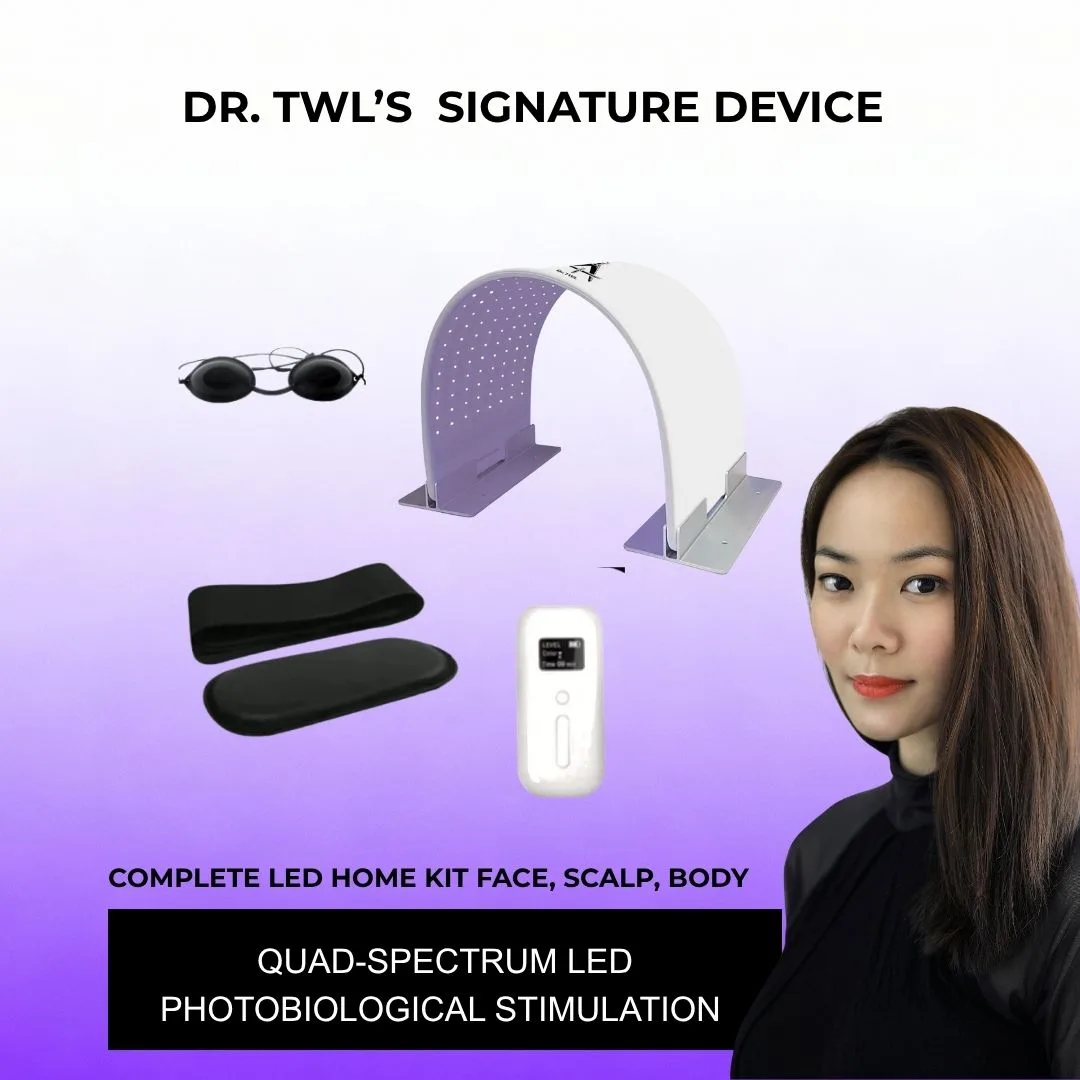
Credit: drtwlderma.com
Benefits Of Red Light Therapy For Skin
Red light therapy is popular for its ability to improve skin health without surgery, chemicals, or downtime. Here are the main benefits:
1. Fewer Fine Lines And Wrinkles
Many studies show red light therapy can boost collagen production. Collagen is a protein that keeps skin firm and smooth. As we age, collagen levels drop, causing wrinkles. Red light therapy may help slow this process and make skin look younger.
2. Better Skin Tone And Texture
People often notice their skin looks brighter and smoother after regular red light therapy. It can help reduce age spots, pigmentation, and rough patches. This is likely due to faster cell turnover and healing.
3. Relief For Acne And Redness
Red light therapy helps reduce inflammation, which is key for people with acne, rosacea, or sensitive skin. It won’t kill bacteria like blue light, but it calms redness and helps the skin recover from breakouts faster.
4. Faster Healing Of Scars And Wounds
Because red light therapy supports repair at the cellular level, it can help with scar healing. Many people use it after cosmetic treatments (like microneedling or peels) to speed up recovery.
5. Improved Hydration And Elasticity
With healthier collagen and better blood flow, the skin can hold moisture better. This means less dryness and a more “plump,” healthy look.
Non-obvious insight: Results are gradual. Most people need several weeks of consistent use to notice big changes. Photos before and after can help you track progress.
Benefits Of Red Light Therapy For Scalp And Hair
Thinning hair and scalp problems are common. Red light therapy offers a non-drug, non-surgical way to help:
1. Hair Growth And Thickness
Some clinical studies show red light therapy can increase hair count and make existing hair thicker, especially for people with androgenetic alopecia (male or female pattern baldness). Results are not instant, but over 3–6 months, many users notice less shedding and more new hair.
2. Healthier Scalp
Red light can reduce scalp inflammation. This is important because irritated, flaky, or inflamed scalp skin can slow hair growth or cause hair loss. People with seborrheic dermatitis or scalp psoriasis sometimes see improvement with regular use.
3. Improved Hair Quality
With better blood flow and less inflammation, hair can grow stronger and shinier. Some users also report less breakage and split ends.
Non-obvious insight: Red light therapy is not a miracle cure. It works best for mild to moderate hair thinning, not complete baldness. Consistency matters much more than intensity.
Are Home Red Light Devices Effective?
This is the big question for most people. There is a lot of marketing hype, but do home devices actually work?
What Science Says
Many clinical studies use professional-grade devices in clinics. But recent research shows that high-quality home devices can deliver results if they use the right wavelength (usually 630–660 nm for skin, 650–680 nm for scalp) and enough power (measured in mW/cm²).
A 2020 review found that at-home red light therapy can significantly improve skin wrinkles and elasticity after 8–12 weeks of regular use. For hair, studies with home-use helmets and caps showed increased hair density after 16–26 weeks.
What Matters Most
- Wavelength: Look for 630–670 nm for the best effect.
- Irradiance (power): Should be at least 20–40 mW/cm² for home use.
- Treatment area: Larger panels are better for skin. Helmets/caps are better for scalp.
- Session time: Most devices need 10–20 minutes per session, several times per week.
Home devices are not as strong as clinic lasers, but they are much more convenient and less expensive over time.
Practical tip: Some cheap devices claim “red light” but only use weak LEDs. Always check for device specs and third-party reviews.
Top Home Red Light Therapy Devices For Skin And Scalp
Choosing the right device is important. Here are some of the most popular and effective options for home use. Each serves a slightly different need, so consider your goals, budget, and lifestyle.
1. Large Led Panels
These are flat panels with multiple red LEDs. You can use them while sitting or lying down.
Pros: Covers face, neck, chest, or scalp at once; fast sessions
Cons: Higher cost; takes up space
Best for: People who want full-face or multi-area treatment
2. Handheld Wands
These are small, portable devices you move over your skin or scalp.
Pros: Portable; lower cost; precise targeting
Cons: Small treatment area; longer sessions
Best for: Spot treatment, travel, or small areas like scars
3. Face Masks
Flexible or rigid masks that fit over your face, with built-in red LEDs.
Pros: Hands-free; covers all facial skin evenly
Cons: Only for the face; can be pricey
Best for: Anti-aging, acne, or overall facial skin improvement
4. Hair Growth Caps And Helmets
Caps or helmets with red (sometimes also infrared) LEDs focused on the scalp.
Pros: Covers the whole scalp; easy to use
Cons: Expensive; only for hair/scalp
Best for: Androgenetic alopecia, thinning hair
5. Combs And Brushes
Devices shaped like a hairbrush or comb with red LEDs.
Pros: Combines brushing and therapy; easy for scalp access
Cons: Small area; repetitive motion needed
Best for: Mild hair thinning, spot treatment
Below is a comparison of the common home device types:
| Device Type | Treatment Area | Session Time | Price Range | Best For |
|---|---|---|---|---|
| Large LED Panel | Face, scalp, chest | 10–20 min | $200–$1000+ | Multiple areas |
| Handheld Wand | Small spots | 15–30 min | $50–$200 | Targeted treatment |
| Face Mask | Face only | 10–20 min | $100–$600 | Skin rejuvenation |
| Hair Cap/Helmet | Scalp | 10–25 min | $250–$1200 | Hair loss/thinning |
| Comb/Brush | Part line/scalp | 10–15 min | $50–$300 | Small areas |
Non-obvious insight: Many users get the best results by combining a large panel (for skin) and a cap (for scalp), if budget allows.
What To Look For When Choosing A Device
Not all red light therapy devices are created equal. Here’s how to choose one that works:
1. Wavelength
The best range for skin is 630–660 nm. For hair/scalp, look for 650–680 nm. Some devices add near-infrared (800–880 nm), which may also help with deeper tissues.
2. Power Output (irradiance)
Power is measured in milliwatts per square centimeter (mW/cm²). For home use, 20–40 mW/cm² is effective. Lower power means you need longer sessions. Beware of devices that don’t list this information.
3. Treatment Area
A bigger treatment area means faster sessions and better coverage. Panels and masks are best for skin; caps and helmets are best for the scalp.
4. Build Quality And Safety
Choose devices with FDA clearance or certification in your country. Look for sturdy build and a warranty.
5. Ease Of Use
Will you use a device regularly? Face masks and caps are hands-free. Wands and combs require more work.
6. Price
Prices range widely. Cheap devices often lack enough power or good LEDs. Investing in a quality device usually pays off with better results and durability.
7. Extra Features
Some devices offer timers, adjustable intensity, or Bluetooth tracking. These are nice but not required for results.
Here’s a sample comparison of two popular device types:
| Feature | Face Mask | Hair Growth Cap |
|---|---|---|
| Wavelength | 630–660 nm | 650–680 nm |
| Power Output | 20–30 mW/cm² | 20–50 mW/cm² |
| Session Time | 10–20 min | 15–25 min |
| Coverage | Full face | Whole scalp |
| Hands-Free | Yes | Yes |
| Cost | $$ | $$$ |
Practical tip: Look for before-and-after photos from real users, not just company marketing.
How To Use Red Light Therapy At Home
Success with red light therapy comes from consistency and patience. Here’s how to get started and maximize your results.
1. Start With Clean Skin Or Scalp
Wash your face or scalp to remove makeup, sunscreen, or hair products. Light must reach the skin directly.
2. Distance Matters
Most devices work best when placed 1–6 inches from the skin. Follow the manufacturer’s guide. Too far away, and you lose power; too close, and it can get hot.
3. Session Time And Frequency
- Skin: 10–20 minutes, 3–5 times a week
- Scalp: 15–25 minutes, 3 times a week
Do not use for longer than recommended – more is not always better.
4. Be Patient
Improvements for skin can appear in 4–8 weeks, but best results come after 12–16 weeks. For hair, visible changes take 3–6 months.
5. Track Your Results
Take clear “before” photos in the same light and angle every month. It can be hard to see slow changes day-to-day.
6. Combine With Other Good Habits
Red light therapy works best with sunscreen, gentle skincare, and healthy lifestyle choices. For hair, use mild shampoos and avoid harsh chemicals.
Common mistake: Giving up too soon. Many people stop after 2–3 weeks if they don’t see results. Stick with it for at least 2–3 months.
Safety And Side Effects
Red light therapy is considered very safe for most people. It does not use UV light and does not burn the skin. Still, there are a few things to keep in mind:
Possible Side Effects
- Mild redness or warmth after use (usually fades quickly)
- Temporary tightness or tingling
- Dryness if you use too often
Rare: Eye strain if you look directly at the lights. Many devices include goggles – always use them.
Who Should Not Use It
- People with photosensitivity (light-triggered reactions)
- Those taking medications that increase light sensitivity (like some antibiotics)
- People with a history of skin cancer (check with a doctor first)
- Pregnant women (safety not fully studied)
Experience-based tip: If you have sensitive skin, start with shorter sessions and increase slowly.
Cost Vs. Clinic Treatments
You might wonder, “Why not just go to a clinic?” Here’s how home devices compare:
- Clinic treatments can cost $60–$250 per session. Most people need 10–20 sessions for good results.
- Home devices cost $100–$1200 for unlimited use. Over time, home use is much cheaper.
Home use offers convenience and privacy, but results may be slower compared to high-powered clinic lasers. For many people, the trade-off is worth it.
| Setting | Cost per Session | Total Cost (10 Sessions) | Convenience |
|---|---|---|---|
| Clinic | $100–$200 | $1000–$2000 | Requires appointment |
| Home Device | $1–$10 (amortized) | $100–$1000 (device price) | Any time, unlimited uses |
Non-obvious insight: Even if you start with a home device, some people do a few initial clinic sessions to “jump start” progress, then maintain at home.

Credit: www.projectebeauty.com
Real-world Results: What Users Say
Most people who use red light therapy at home see subtle but real changes after several weeks. Here are some typical outcomes:
- Smoother, softer skin within 6–8 weeks
- Brighter, more even complexion after 2 months
- Fewer breakouts and less redness for acne-prone users
- Noticeably thicker hair and less shedding after 4–6 months (for scalp therapy)
- Improved healing and fading of scars over time
Some users see dramatic results, but for most, the changes are moderate and natural-looking. Setting realistic expectations is key.
Example: Maria, age 40, used a face mask 4 times per week. After 10 weeks, she noticed her skin was “less dull, and my cheeks are firmer.” John, age 36, used a hair growth cap and saw “less hair on my pillow and a thicker hairline after 5 months.”
Myths And Misconceptions
Red light therapy is often misunderstood. Let’s clear up a few myths:
- Myth: Results are instant.
Reality: Results take weeks to months of consistent use.
- Myth: Any red light device will work.
Reality: Many cheap devices lack the right wavelength or power.
- Myth: More is better.
Reality: Overuse can irritate skin. Follow device guidelines.
- Myth: Works for everyone, every condition.
Reality: Best for mild-moderate aging, acne, and hair thinning. Not for severe cases.
- Myth: It’s dangerous or causes cancer.
Reality: Red light therapy is safe and non-cancer-causing (unlike UV).
Combining Red Light Therapy With Other Treatments
Red light therapy can be combined with other treatments for even better results.
- Skincare routines: Use gentle cleansers and moisturizers. Apply antioxidant serums after therapy.
- Acne treatments: Red light can calm inflammation after using acne creams (retinoids or benzoyl peroxide).
- Microneedling: Some people use red light after microneedling to speed healing.
- Hair growth: Many use red light together with minoxidil or gentle scalp massages.
Practical tip: Avoid harsh exfoliants or acids right before red light sessions to prevent irritation.
Who Should Consider Home Red Light Therapy?
You might benefit if you:
- Want a non-invasive, drug-free option for skin aging or mild-moderate hair thinning
- Are willing to use the device consistently for months
- Prefer privacy and convenience over clinic visits
- Like to track progress and adjust your routine
You might not benefit if you:
- Expect dramatic overnight results
- Have severe skin or scalp conditions (consult a dermatologist)
- Cannot commit to regular use
Credit: drtwlderma.com
The Investment: Is It Worth It?
Home red light devices are not cheap. But for many, they offer a cost-effective, safe way to improve skin and scalp health. Key points to consider:
- Long-term use: One device can last years, serving multiple family members.
- Lower cost per session: After the initial purchase, each session is nearly free.
- Convenience: No travel or appointments needed.
- Evidence-backed: Many clinical studies support benefits for skin aging, acne, and mild hair loss (see NCBI research).
Pro tip: If you are unsure, try a mid-range device first. If you see results, you can always upgrade later.
Frequently Asked Questions
What Is The Best Wavelength For Red Light Therapy At Home?
The most effective wavelengths are 630–660 nm for skin and 650–680 nm for scalp. These are well-studied and safe.
How Long Does It Take To See Results?
For most people, visible results appear in 4–8 weeks for skin and 3–6 months for hair. Consistency is key – don’t skip sessions.
Is Red Light Therapy Safe For All Skin Types?
Yes, red light therapy is safe for all skin tones and types. It does not cause burns or pigment changes, but sensitive users should start with shorter sessions.
Can I Use Skincare Products With Red Light Therapy?
You can use gentle cleansers and moisturizers, but avoid products with retinol, acids, or strong exfoliants right before treatment. Use antioxidant serums after your session for best results.
Will Hair Grow Back On Completely Bald Areas?
Red light therapy works best on areas with some hair present. Completely bald scalp usually does not respond, as the follicles are inactive. It works best for mild to moderate thinning.
Red light therapy at home is not magic, but it is backed by science, safe, and convenient. If you set realistic goals and stick with the routine, it can be a smart investment in your skin and hair health.