

Bringing a new life into the world is a remarkable journey, but for many women, the weeks and months after childbirth come with unexpected challenges. One of the most common yet rarely discussed struggles is postpartum hair loss—especially along the hairline. You may notice thinning edges, extra strands in your comb, or even small patches where hair seems to disappear. This experience can feel alarming, but it’s more common than you think. Regrowing your hairline after postpartum hair loss is possible with patience, science-backed methods, and gentle care.
This article explores effective ways to restore your hairline, explaining how postpartum hair loss works, what methods actually help, and what mistakes to avoid. You’ll find practical guidance, expert insights, and tips you won’t hear from most beauty blogs. If you’re ready to support your hair’s recovery and feel confident again, let’s dive in.
Understanding Postpartum Hair Loss
Why Hair Falls Out After Pregnancy
During pregnancy, high levels of estrogen keep your hair in a prolonged growth phase, making it feel thicker and fuller. After childbirth, hormone levels drop quickly. This sudden change sends more hairs than usual into the shedding phase (telogen), causing noticeable hair loss—often peaking around three to six months postpartum.
It’s not just about hormones, though. The physical and emotional stress of childbirth, sleep loss, and the demands of a newborn can all influence the hair growth cycle. Many mothers notice that hair loss seems to begin just as they’re adjusting to their new routines, adding to the stress.
Hair loss is not always evenly spread. Many women find that their hairline, temples, or parting are the most affected. This is because hair in these areas tends to be finer and more sensitive to hormonal changes. Sometimes, hair sheds in a “fringe” pattern, making the loss along the edges more obvious.
Is It Permanent?
Most postpartum hair loss is temporary. The hair growth cycle usually returns to normal within a year. However, some women find that hair at the hairline, temples, or parting takes longer to regrow, or doesn’t fully return without extra support.
It’s normal for regrowth to start as soft, fine “baby hairs. ” These new hairs may seem wispy or have a different texture at first. Over the following months, they often thicken and blend in with the rest of your hair.
If you are still seeing significant thinning after a year, or the hairline never fills in, there could be other causes at play, such as genetic factors or underlying health issues.
Who Is Most Affected?
- Women with long hair, since shedding feels more dramatic
- Those with a family history of pattern hair loss
- Mothers of twins or multiples (more intense hormonal shifts)
- Women who experienced high stress or a complicated delivery
Curly-haired women sometimes notice more visible thinning at the hairline because curls add volume, making loss of density easier to spot. If you have fine or fragile hair, you might also be more likely to see gaps along the edges.
It’s important to recognize the difference between normal shedding and signs of other conditions, such as alopecia areata (an autoimmune disorder causing patchy hair loss) or thyroid problems. If you notice bald patches, redness, or itching, consult your doctor.
Proven Methods To Regrow Your Hairline After Postpartum Hair Loss
1. Be Gentle With Your Hair
Your hair and scalp are more sensitive during the postpartum period. Aggressive brushing, tight ponytails, or harsh treatments can worsen breakage, especially at the hairline.
- Use a wide-tooth comb and avoid tugging on wet hair.
- Skip tight styles like braids, buns, or ponytails.
- Choose soft hair ties and avoid rubber bands.
- Allow hair to air-dry whenever possible.
Avoid brushing your hair when it is wet, as wet hair is more elastic and prone to snapping. If you must detangle after washing, apply a light leave-in conditioner and work gently from the ends upward.
If you wear scarves, turbans, or hats, make sure they are not too tight around the hairline. Friction and pressure can slow regrowth and cause additional breakage.
2. Adopt A Nourishing Diet
Hair is made of protein and relies on nutrients like iron, zinc, and vitamin D. A balanced diet supports your body’s recovery and encourages hair growth.
Key Foods For Hair Regrowth:
- Eggs (protein, biotin)
- Spinach (iron, folate)
- Salmon (omega-3 fatty acids)
- Nuts and seeds (vitamin E, zinc)
- Greek yogurt (protein, B vitamins)
- Sweet potatoes (beta carotene for scalp health)
- Lentils and beans (plant protein and iron)
If you’re breastfeeding, your nutritional needs are higher. Eating regular, balanced meals helps both you and your hair recover. Skipping meals or dieting can worsen shedding, as your body prioritizes essential functions over hair growth when nutrients are lacking.
Hydration is also important. Drink plenty of water daily, as dehydration can make your scalp dry and affect hair texture. Some mothers find it helpful to keep a water bottle nearby while caring for their baby.
Include a variety of colorful fruits and vegetables to ensure you get antioxidants that protect hair follicles from stress-related damage.
3. Continue Prenatal Vitamins
Many doctors recommend continuing prenatal vitamins for several months after birth, especially if you’re breastfeeding. These supplements provide folic acid, iron, vitamin B12, and other nutrients that support hair regrowth.
Prenatal vitamins are not just for pregnancy—they help fill nutritional gaps during recovery and while nursing. If you are not breastfeeding, you can switch to a high-quality women’s multivitamin, but always consult your healthcare provider before making changes.
Some women consider adding biotin supplements, but research on their effectiveness for postpartum hair loss is limited. Biotin deficiency is rare, and excess intake can cause misleading blood test results, so discuss with your doctor before starting.
4. Address Iron Deficiency
Postpartum women are at risk for iron deficiency anemia due to blood loss during childbirth. Low iron can slow hair regrowth or worsen shedding.
Signs Of Iron Deficiency:
- Fatigue
- Dizziness
- Pale skin
- Brittle nails
- Shortness of breath
Ask your doctor for a blood test if you suspect low iron. If needed, take an iron supplement as directed. Never self-prescribe high doses, as excess iron can be harmful.
Even mild iron deficiency can impact hair health before it causes obvious symptoms. If you are vegetarian or vegan, be extra mindful of iron-rich foods and consider vitamin C with meals to boost absorption.
5. Scalp Massage And Stimulation
Regular scalp massages increase blood flow to the hair follicles, encouraging growth at the hairline.
How To Do It:
- Use your fingertips (not nails)
- Apply gentle circular motions for 3-5 minutes daily
- Optional: Add a few drops of rosemary oil (shown in studies to support hair regrowth)
- Try massaging while applying oil or conditioner, or as part of your bedtime routine
Scalp massage is safe, relaxing, and easy to add to your routine. It can also help reduce stress and tension after a long day. Some women find it helps with headaches and improves sleep quality.
Consistency matters more than pressure. A light touch is enough to stimulate circulation and signal the follicles to transition from rest to growth.
6. Topical Treatments: Minoxidil
Minoxidil (often known by the brand name Rogaine) is FDA-approved for female pattern hair loss. Some dermatologists recommend it for stubborn postpartum shedding, especially at the temples and hairline.
- Available as a foam or liquid (2% or 5%)
- Apply to a dry scalp, not immediately before breastfeeding
- Results take 3-6 months
Note: Not all women need minoxidil. Consult your doctor, especially if breastfeeding, as evidence about safety in nursing mothers is limited.
Some women notice initial extra shedding when starting minoxidil—this is normal as old hairs are pushed out to make way for new growth. If irritation, redness, or allergic reaction occurs, stop use and speak with a healthcare provider.
Consistency is crucial with minoxidil. Missing applications can delay progress. If you stop using it, regrown hair may be lost, so it’s important to discuss a long-term plan with your doctor.
7. Use Gentle, Sulfate-free Shampoos
Harsh shampoos strip natural oils and may irritate the scalp. Choose sulfate-free, fragrance-free formulas designed for sensitive scalps.
- Wash hair 2-3 times per week, not daily
- Avoid hot water, which dries the scalp
- Rinse thoroughly to remove all product residue
Some shampoos contain biotin, caffeine, or keratin. While they support healthy hair, no shampoo alone can regrow hairline hair—think of them as part of your overall routine.
Conditioners and leave-in products should be lightweight and non-greasy, especially near the hairline. Focus conditioner on the mid-lengths and ends, not the roots, to prevent buildup.
If you experience scalp flaking or itchiness, try shampoos with gentle ingredients like aloe vera or chamomile. Avoid those with alcohol, parabens, or strong fragrances.
8. Avoid Heat And Chemical Styling
Heat from blow dryers, straighteners, and curling irons can weaken already fragile hair at the hairline. Chemical treatments (like relaxers, perms, or dyes) can also cause breakage.
- Air-dry your hair when possible
- If you must use heat, apply a heat protectant spray
- Limit chemical treatments until hair regains strength
- Choose temporary color sprays or powders to cover thin spots instead of permanent dye
If you must style your hair, use the lowest heat setting and keep tools moving rather than holding them in one place. Limit heat styling to special occasions or once a week at most.
Chemical processes can be especially damaging postpartum, as hormonal changes make hair more sensitive. Even “natural” dyes like henna can sometimes irritate the scalp—do a patch test first.
9. Try Medical-grade Laser Devices
Low-level laser therapy (LLLT) is an emerging technology for hair regrowth. Devices like laser combs or caps use safe, gentle light to stimulate hair follicles.
- Used 2-3 times per week at home
- Non-invasive and generally well-tolerated
- Results can take 3-6 months
Ask your dermatologist if LLLT is suitable for you—especially if hairline regrowth is slow.
Laser devices are an investment, but some women notice improvement in thickness and density with regular use. Look for FDA-cleared devices and follow instructions carefully.
Do not combine laser therapy with topical treatments without medical advice, as the interaction between products and light is not always known.
10. Consider Platelet-rich Plasma (prp) Injections
For severe or persistent postpartum hair loss, some clinics offer PRP therapy. This involves drawing your blood, processing it to concentrate platelets, and injecting it into areas of hair thinning.
- Platelets contain growth factors that can stimulate follicles
- Usually done as a series of 3-4 treatments, spaced one month apart
- Some studies show promising results for hairline regrowth
PRP is more expensive and may not be needed for typical postpartum shedding. Discuss risks, costs, and expectations with a specialist.
Some women experience mild discomfort or swelling at the injection sites. Results are not instant—most see gradual improvement over several months.
PRP is not suitable for everyone. Those with certain medical conditions or blood disorders may not be candidates. Always choose a reputable clinic with experience in hair restoration.
11. Smart Haircuts And Styling Tricks
While you wait for regrowth, a skilled haircut can help disguise thin hairlines.
- Ask your stylist for soft layers or bangs to cover thinning edges
- Avoid heavy, blunt cuts that draw attention to the hairline
- Use light styling products for gentle hold
- Experiment with side parts or gentle waves to create the illusion of volume
Consider using colored hair fibers or root powders that match your hair color. These products can instantly make the hairline look fuller and are easily washed out.
Avoid slicked-back styles, which expose the edges. A “messy” or textured look can add volume and distract from thinning areas.
12. Optimize Your Sleep And Stress
Sleep deprivation and stress can disrupt the hair growth cycle. While new motherhood is stressful, small steps help:
- Nap when your baby naps, even if it’s just a short rest
- Practice deep breathing or meditation
- Ask for help from family or friends
- Set realistic daily goals and avoid overloading yourself
Chronic stress raises cortisol, which can slow regrowth. Even a few minutes of relaxation supports your hair and overall well-being.
Consider gentle activities like stretching, walking, or listening to calming music. Mindful breathing before bed can improve sleep quality, which in turn supports recovery and hair health.
13. Monitor Your Thyroid Health
Thyroid disorders (like hypothyroidism or postpartum thyroiditis) can cause ongoing hair loss or prevent regrowth. Symptoms include:
- Fatigue
- Weight changes
- Dry skin
- Sensitivity to cold
- Mood swings
If hair loss persists beyond a year, or you have other symptoms, ask your doctor for a thyroid test. Treating the underlying cause is key for regrowing your hairline.
Thyroid problems are common after pregnancy and may develop gradually. Proper diagnosis and treatment can restore your energy, mood, and hair health.
14. Use Silk Or Satin Pillowcases
Rough cotton pillowcases cause friction, leading to breakage—especially at delicate edges.
- Switch to silk or satin pillowcases to reduce hair damage
- Bonus: They’re gentler on skin and help prevent wrinkles
This simple swap can make a noticeable difference over time.
You can also use a silk or satin scarf to protect your hair at night, especially if you move a lot in your sleep. These fabrics help hair retain moisture and reduce tangling.
15. Hydrate And Moisturize Your Scalp
A dry, tight scalp slows hair regrowth. Keeping your scalp moisturized supports a healthy environment for new hair.
- Use lightweight, non-greasy oils (argan, jojoba, or coconut oil)
- Massage a few drops into the hairline 1-2 times a week
- Avoid heavy, pore-clogging products
If you have a naturally oily scalp, choose serums or sprays designed for hydration rather than heavy oils. If you notice buildup, clarify your scalp gently once a month.
Proper scalp hydration can also reduce itching and flaking, making your hairline look healthier as it regrows.
16. Manage Expectations And Track Progress
Hair regrowth is slow—typically 1 cm per month for healthy hair. Take progress photos every 4-6 weeks to notice subtle changes.
- Celebrate small wins, like less shedding or new baby hairs
- Remember that regrowth often starts as fine, soft hairs
Don’t be discouraged if your hairline takes time to fill in. Consistency is key.
If you get frustrated, look back at your progress photos. Even slight improvements—like more shine, fewer short hairs falling out, or a fuller ponytail—mean your efforts are paying off.
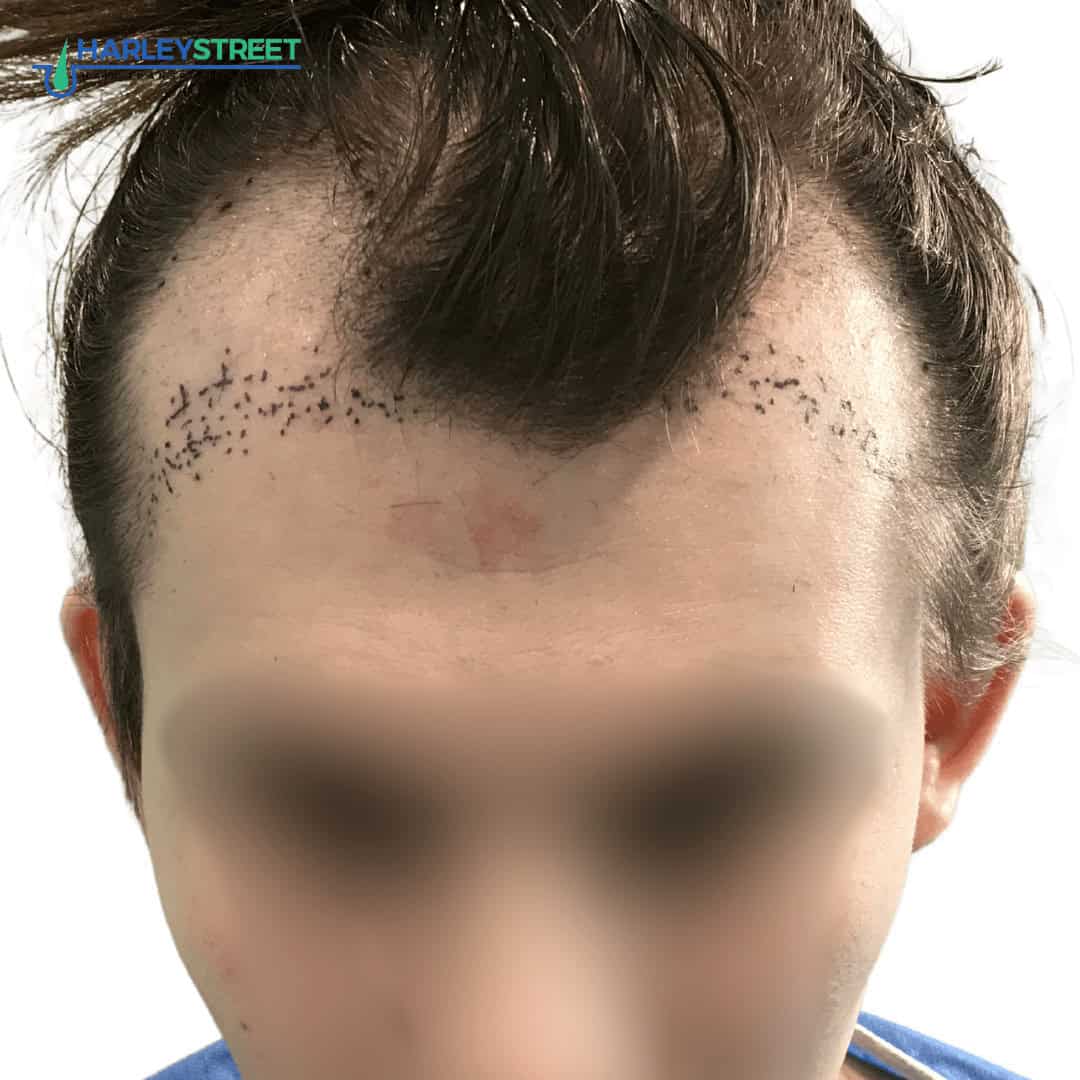
Credit: www.harleystreethairtransplant.co.uk
Comparing Hair Regrowth Methods
To help you see which options may fit your lifestyle, here’s a comparison of popular hairline regrowth strategies:
| Method | Cost | Time to See Results | Safety for Nursing Mothers | Effort Level |
|---|---|---|---|---|
| Diet & Vitamins | Low | 2-4 months | Safe | Easy |
| Topical Minoxidil | Moderate | 3-6 months | Consult Doctor | Moderate |
| Laser Therapy | High | 3-6 months | Generally Safe | Moderate |
| PRP Injections | Very High | 2-4 months | Consult Doctor | Clinic Visits |
| Scalp Massage | Free | 3-6 months | Safe | Easy |
Not every method fits every lifestyle or budget. For most women, starting with diet, gentle care, and supplements is enough. Advanced options can be considered if progress is slow or if shedding is severe.
Common Mistakes To Avoid
New mothers are often eager to fix hair loss quickly. Unfortunately, some common mistakes can set back your progress:
- Over-styling or using harsh treatments: Coloring, relaxing, or straightening hair when it’s fragile can cause permanent damage.
- Trying “miracle” supplements without research: Not all vitamins or herbal products are safe, especially if you’re breastfeeding.
- Wearing tight headbands or wigs: These may rub against the hairline, causing more breakage.
- Ignoring underlying health issues: Thyroid problems or severe iron deficiency need medical attention, not just hair products.
- Expecting instant results: Hair growth is slow. Products that promise overnight change are often scams.
Also, avoid brushing your hair too often or too aggressively. It’s tempting to style hair to cover thinning, but repeated manipulation can slow regrowth.
Don’t skip meals or restrict calories in hopes of “bouncing back” after pregnancy. Nutritional gaps can make hair loss worse.
:max_bytes(150000):strip_icc():focal(745x284:747x286)/Life-Changing-Hair-Transplant-030725-tout-30be3e3716f447e3b4411fc2029fe03b.jpg)
Credit: people.com
Myths About Regrowing Hairline After Postpartum
Many myths can lead to confusion or wasted money. Let’s clear up some common misconceptions:
- “Breastfeeding causes hair loss.” False. Breastfeeding does not cause postpartum shedding. It’s the hormonal change after delivery.
- “Cutting your hair makes it regrow faster.” False. Trimming can reduce split ends, but does not speed up regrowth.
- “Oils and home remedies can regrow hairline overnight.” False. Oils may condition hair, but no natural product gives instant results.
- “If my mother lost her hair, I will too.” Not always. Genetics play a role, but environment, nutrition, and care matter too.
- “Wearing hats makes hair fall out.” False. Gentle hats don’t cause hair loss unless they’re too tight or worn all day.
- “Postpartum hair loss means you’re unhealthy.” False. Even very healthy women can experience significant shedding due to hormones alone.
Understanding the facts helps you focus on what truly works.
Data: How Common Is Postpartum Hair Loss?
Studies show that up to 50% of women experience noticeable postpartum hair loss. Most see the worst shedding around three months after delivery, with regrowth starting by six months.
| Time After Birth | Percent of Women Experiencing Hair Loss | Typical Severity |
|---|---|---|
| 1-3 months | 40% | Mild to moderate |
| 3-6 months | 50% | Moderate to severe |
| 6-12 months | 20% | Mild |
| 12+ months | 5% | Persistent thinning |
Persistent or severe thinning should be evaluated by a dermatologist.
It’s important to note that cultural and genetic backgrounds can influence how obvious hair loss appears. Women with darker or thicker hair may notice shedding more than those with lighter or finer hair.
Non-obvious Insights For Better Results
Many beginners focus only on products or supplements, missing other factors that impact regrowth:
- Scalp Health Is Key: If you have dandruff, eczema, or scalp buildup, treat these first. A healthy scalp is the best “soil” for new hair to grow.
- Timing Your Routine Matters: Apply topical treatments or oils at night, when the scalp is less exposed to sunlight, sweat, or pollution. This boosts absorption.
- Don’t Overlook Gentle Detangling: Use your fingers or a wide-tooth comb to avoid snapping fragile new hairs at the hairline.
- Protect Your Hair in the Shower: Use a gentle stream of water, avoid very hot water, and finish with a cool rinse to help close the cuticle and reduce frizz.
Most guides miss these details, but they can make a real difference.
When To See A Doctor
While most postpartum hair loss is normal, see your healthcare provider if you notice:
- Bald patches or visible scalp (especially at the hairline)
- Redness, itching, or pain
- Hair loss lasting longer than 12 months
- Other symptoms (fatigue, weight changes, mood swings)
- Loss of hair from eyebrows or other body parts
A dermatologist can check for treatable conditions and guide you on advanced treatments. Bringing photos of your hairline over time can help your doctor assess your progress.
The Emotional Side: Self-confidence And Patience
Losing hair can feel like losing part of yourself. Many women experience anxiety or embarrassment, especially when hairline changes are visible. Remember:
- You are not alone—millions of women face this and recover.
- Hair does regrow, though it takes time.
- Support groups, online forums, or talking to other mothers can help.
- It’s okay to grieve the temporary loss and seek emotional support.
You may want to experiment with scarves, hats, or gentle hair accessories as you wait for regrowth. Focusing on self-care, even small rituals like a scalp massage or a relaxing bath, can help boost your mood.
If you feel overwhelmed, don’t hesitate to speak with a mental health professional. Postpartum changes can be emotionally challenging, and support is available.
Hairline Regrowth: What To Expect Over Time
Hair grows in cycles, and regrowth is not always steady. Here’s what a typical timeline looks like:
| Months Postpartum | What Happens to Your Hairline |
|---|---|
| 0-3 months | Hormonal drop triggers shedding; hairline looks thinner |
| 3-6 months | Shedding peaks; new baby hairs may start to appear at the edges |
| 6-12 months | Shedding slows; fine new hairs fill in hairline |
| 12+ months | Regrowth continues; thickness gradually returns for most women |
If your hairline isn’t improving after 12 months, seek a professional evaluation.
New hairs may look different in color or texture at first. With time and gentle care, they will blend in. Be patient—it’s normal for the process to feel slow.
Realistic Goals And Final Tips
Regrowing your hairline after postpartum hair loss is a journey, not a sprint. Setting realistic goals helps you stay motivated:
- Aim to reduce shedding, not stop it overnight.
- Focus on overall scalp and hair health, not just the hairline.
- Be patient—regrowth takes months, not weeks.
- Avoid comparing your progress to others; genetics and recovery speed vary.
- Track your progress with photos and celebrate every sign of improvement.
Small, consistent actions bring the best results. Trust the process and be kind to yourself.
For additional trustworthy information, the American Academy of Dermatology offers helpful resources on postpartum hair loss.
Frequently Asked Questions
What Causes Postpartum Hair Loss, Especially At The Hairline?
Postpartum hair loss happens due to a sudden drop in pregnancy hormones, mainly estrogen, after childbirth. This shift sends many hairs into the shedding phase at once, often making the hairline appear thinner.
How Long Does It Take To Regrow The Hairline After Postpartum Hair Loss?
Most women see regrowth within 6 to 12 months. Fine “baby hairs” at the hairline are usually the first sign of recovery. For some, full thickness may take up to 18 months.
Are There Any Natural Remedies That Work For Hairline Regrowth?
Natural remedies like scalp massage, a nutrient-rich diet, and gentle oils (such as rosemary or argan oil) can support regrowth, but there’s no “magic” natural cure. Consistency is key, and results take time.
Is It Safe To Use Minoxidil Or Other Treatments While Breastfeeding?
Minoxidil’s safety in breastfeeding is not fully established. Always consult your healthcare provider before starting any topical or oral hair regrowth product if you are nursing.
When Should I Worry About Postpartum Hair Loss Or Thinning Hairline?
If hair loss is severe, lasts longer than a year, or comes with symptoms like itching, redness, or bald spots, consult a dermatologist. Underlying issues like thyroid problems or alopecia may need special care.
Regrowing your hairline after postpartum hair loss is possible with the right approach, gentle care, and realistic expectations. Remember that most women recover naturally—and you are not alone on this journey.
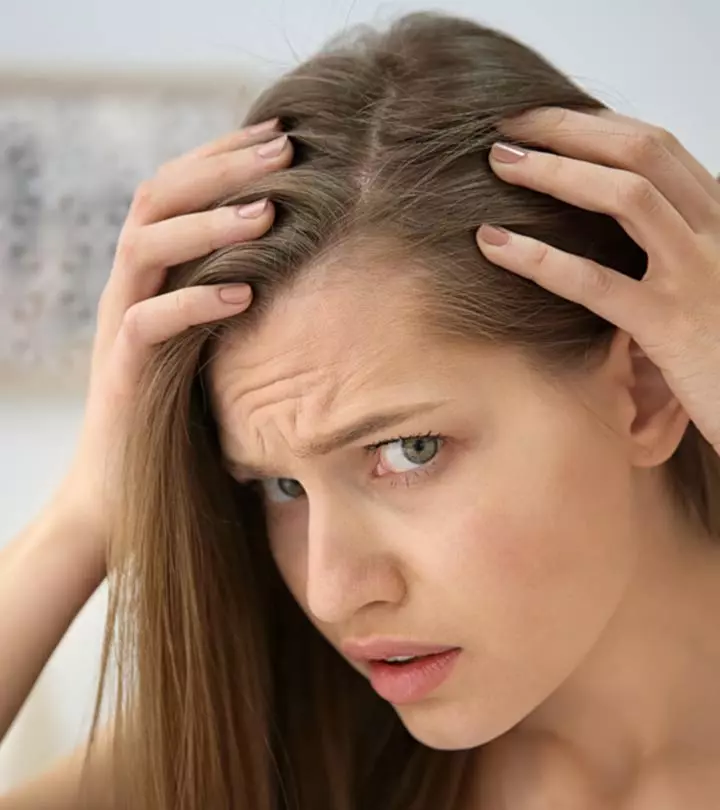
Credit: www.stylecraze.com