

Scalp Microneedling For Hair Growth: Dermaroller Guide And Schedule
Hair loss affects millions of people. It can hurt self-confidence and daily life. Today, many try treatments that promise results. One of the newest and most talked-about methods is scalp microneedling. This uses a tool called a dermaroller to trigger hair growth. But how does it work? Is it safe? What is the correct schedule? This article gives you clear answers, practical steps, and expert advice. Whether you are new to microneedling or want to perfect your routine, you’ll find everything you need to know about using a dermaroller for hair growth.
What Is Scalp Microneedling?
Scalp microneedling is a technique where tiny needles create small holes in the scalp. These needles are part of a device called a dermaroller. When rolled over the skin, they make hundreds of micro-injuries. This process wakes up the skin’s healing system. As the skin repairs itself, it produces more collagen and growth factors. These help hair follicles become stronger and healthier.
Microneedling is not new. It started as a treatment for scars and wrinkles. In recent years, studies show it can help people with hair loss, including those with androgenetic alopecia (male or female pattern baldness). Microneedling is now recommended by some dermatologists as a supplement to other hair loss treatments.
Microneedling can also be used for other scalp conditions. For example, people with patchy hair loss (alopecia areata) sometimes try this method when other solutions do not work. It is less invasive than surgery and can be done at home with the right tools and care.
How Does Microneedling Boost Hair Growth?
The main idea is simple: wound healing triggers the body to produce new cells and repair old ones. When you use a dermaroller, your scalp releases signals to rebuild itself. These signals can wake up sleepy hair follicles and help new hairs grow.
Microneedling also improves blood flow. Better blood flow means more nutrients reach the hair roots. This can help hair grow thicker and stronger. Some research suggests microneedling increases the absorption of topical treatments like minoxidil. The tiny holes allow these products to reach deeper into the scalp.
There is another possible benefit: microneedling may help reduce inflammation in the scalp. Inflammation can block hair growth by making it harder for follicles to get the nutrients they need. By encouraging healing, microneedling may help return the scalp to a healthier state, supporting long-term hair growth.
Dermaroller Basics: Choosing The Right Tool
Picking the right dermaroller is critical. Not all dermarollers are safe for the scalp, and using the wrong one can cause harm.
Needle Length
The needle length is the most important factor. For scalp microneedling, typical needle lengths are:
- 0.25 mm: For improved product absorption. Not effective for hair growth by itself.
- 0.5 mm: Common for beginners. Stimulates scalp healing and can promote mild hair growth.
- 1.0 mm: Used for deeper stimulation. This length is more effective but may cause more discomfort.
- 1.5 mm: For severe hair loss or experienced users. Must be used with caution.
Most experts recommend starting with 0.5 mm or 1.0 mm needles. Longer needles (over 1.5 mm) should only be used by professionals.
Many beginners think longer needles mean faster results, but this is not true. Longer needles increase the risk of injury and are more painful. For most people, 0. 5 mm or 1. 0 mm is enough to see improvement without too much discomfort.
Dermaroller Quality
Look for these features when buying a dermaroller:
- Sterile packaging: Prevents infection.
- Titanium or stainless steel needles: These are strong and resist bending.
- Comfortable handle: Makes rolling easier.
- Needle density: More needles mean faster coverage, but too many can cause extra pain.
Avoid cheap, poorly made dermarollers. A bad tool can damage your scalp and increase infection risk.
Some people do not realize the importance of needle sharpness. Dull or bent needles can scratch the scalp instead of making clean holes, leading to pain, poor healing, and even scarring. Always check your dermaroller before each use.
Manual Vs. Electric Dermarollers
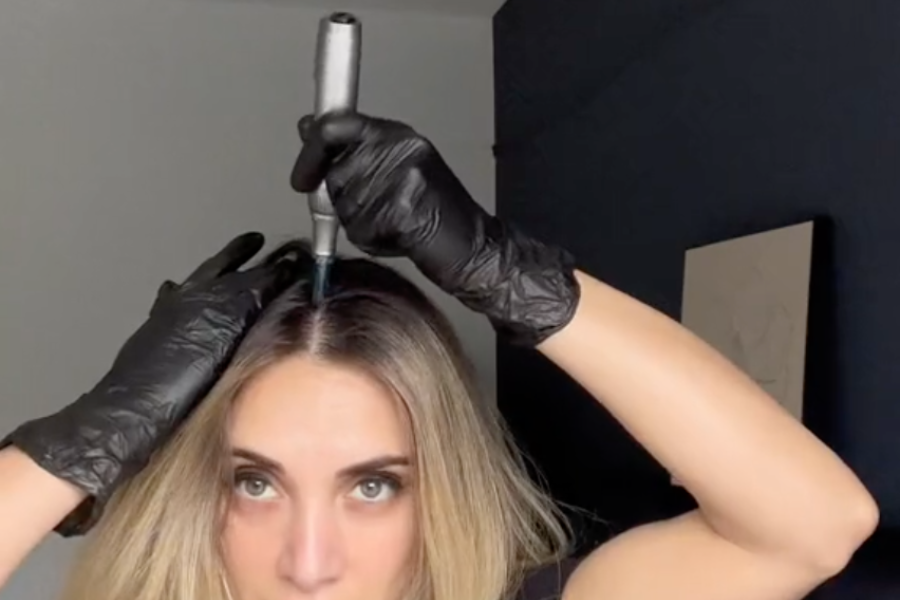
Manual dermarollers are simple rollers you move by hand. Electric models (sometimes called micropens) vibrate and puncture the skin quickly. Electric models can be more precise but are usually more expensive.
Here’s a comparison:
| Type | Advantages | Disadvantages |
|---|---|---|
| Manual Dermaroller | Affordable, easy to use, good for beginners | Less precise, can cause uneven pressure |
| Electric Micropen | More precise, customizable depth, faster | Expensive, requires more skill |
Most people start with a manual dermaroller. If you want more control and don’t mind the price, consider an electric device.
Manual dermarollers are also easier to clean and maintain. Electric devices need more care and sometimes require special cleaning solutions. If you are new, start with manual and upgrade later if needed.
Preparing For Scalp Microneedling
Preparation is key to safe and effective microneedling. Here are important steps before you start:
- Wash your scalp: Remove oils, dirt, and styling products. Use a gentle shampoo.
- Disinfect the dermaroller: Soak it in 70% isopropyl alcohol for 10 minutes.
- Dry your scalp and dermaroller: Both must be dry before rolling.
- Avoid blood-thinning drugs: If you take aspirin or other blood thinners, check with your doctor. Microneedling can cause mild bleeding.
- Do not use on infected or broken skin: If you have scalp acne, eczema, or wounds, wait until your skin is healthy.
Some people also like to apply a numbing cream to the scalp before rolling, especially if using longer needles. If you do this, make sure to clean the cream off completely before starting.
What To Expect
Microneedling feels like a mild prickling. Some people find it uncomfortable, especially with longer needles. For most, the pain is manageable. If you feel severe pain, stop and check your technique.
You might see a little redness or minor bleeding during and after the process. This is normal with the right pressure and needle length. However, your scalp should not bleed heavily or hurt for a long time after rolling.
Step-by-step Guide: How To Use A Dermaroller For Hair Growth
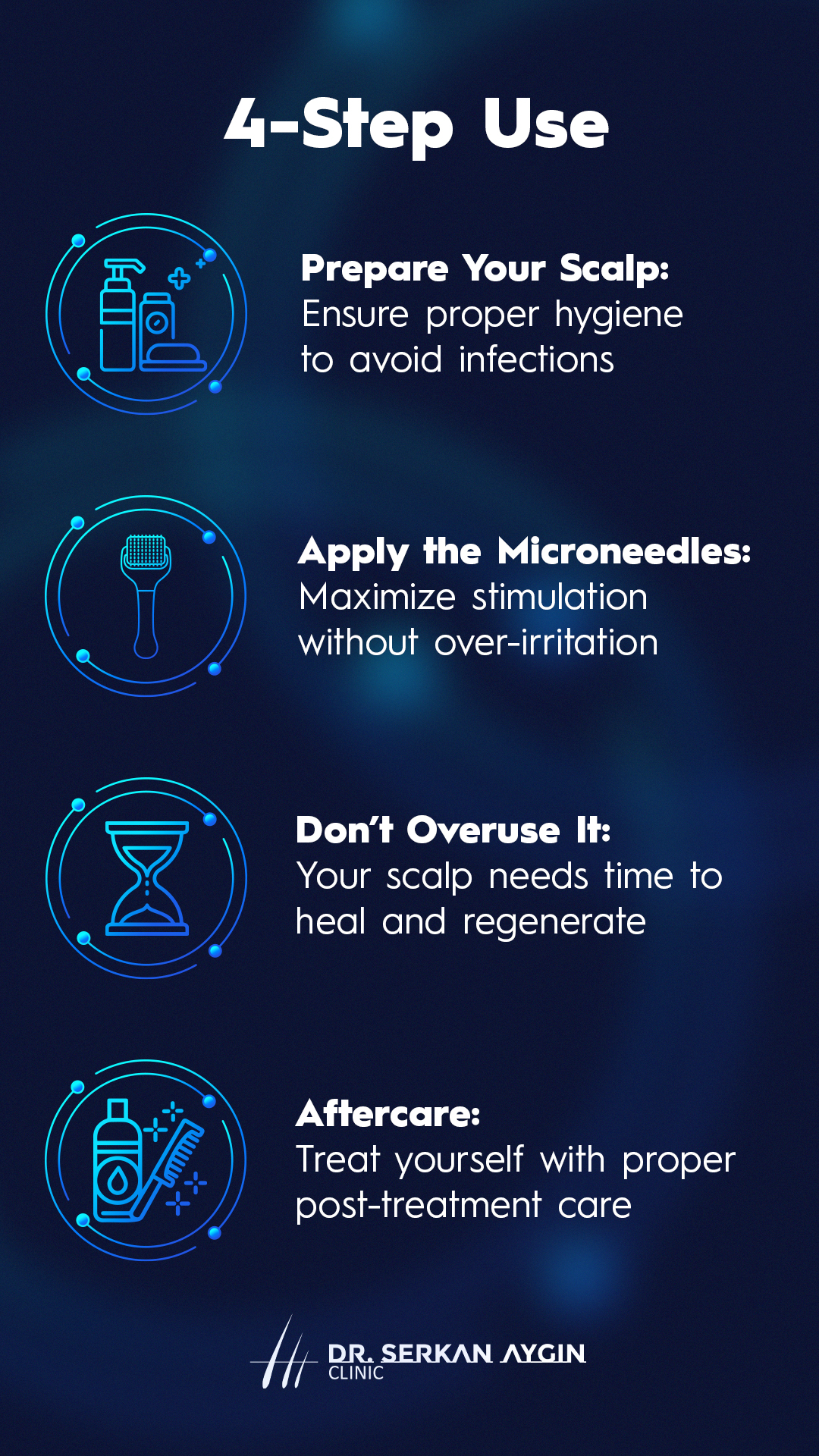
Follow these steps to get the most benefit and avoid problems:
- Section your hair: Use clips to expose the area you want to treat.
- Roll the dermaroller: Move it in four directions—vertical, horizontal, diagonal left, diagonal right. Each direction: 6–8 passes.
- Apply gentle pressure: Don’t press too hard. Let the needles do the work.
- Clean the dermaroller after use: Soak again in alcohol and let dry.
- Apply topical treatments (optional): After rolling, you can apply minoxidil or a growth serum. Make sure it’s safe to use after microneedling.
For best results, divide your scalp into sections. Work on one area at a time, especially if your hair is thick. This makes it easier to reach the scalp and prevents tangling.
Common Mistakes To Avoid
- Using too much force: This can cause deep wounds and scarring.
- Rolling too often: Your scalp needs time to heal. Overuse can slow progress.
- Skipping cleaning: A dirty dermaroller spreads germs and can cause infection.
- Applying harsh products after rolling: Only use products approved by your doctor.
Another mistake is not following a set pattern. Rolling randomly can lead to missed spots or extra damage in one area. Stick to a routine to cover each area evenly.
Some people also forget to replace their dermaroller. Needles become dull with use. Using a worn tool can lead to discomfort and less effective results.

Credit: traya.health
Dermaroller Schedule: How Often Should You Microneedle?
Choosing the right schedule is crucial. Your scalp needs time to heal and grow new hair. Here’s a simple guide:
- 0.25 mm needles: 2–3 times per week. For product absorption only.
- 0.5 mm needles: Once per week.
- 1.0 mm needles: Every 10–14 days.
- 1.5 mm needles: Every 2–3 weeks. Only for experienced users.
Never microneedle daily. The healing process is essential for results. If you use other treatments like minoxidil, apply them after rolling but wait until the scalp is dry.
If you notice your scalp stays red or irritated longer than a day, you may be using your dermaroller too often. Reduce your sessions to let your skin recover.
Example Weekly Schedule
| Day | Action |
|---|---|
| Monday | Microneedling (0.5 mm) |
| Tuesday | Rest, apply topical treatments |
| Wednesday | Rest |
| Thursday | Rest, apply topical treatments |
| Friday | Rest |
| Saturday | Rest, apply topical treatments |
| Sunday | Rest |
This schedule allows enough healing. Adjust as needed based on your scalp’s response.
It’s important to listen to your body. Some people need more recovery time, especially as they start. If your scalp is still sensitive or red, wait longer between sessions.
Benefits Of Scalp Microneedling For Hair Growth
Microneedling is popular because it offers several benefits. Here are the main advantages:
- Stimulates natural hair growth: Activates dormant follicles.
- Improves scalp health: Boosts collagen and blood flow.
- Enhances absorption of treatments: Minoxidil and other serums work better.
- Affordable: Compared to hair transplants, microneedling is low-cost.
- Minimal downtime: You can return to normal activities within hours.
Microneedling is also less invasive than many other treatments. There are no cuts, stitches, or long recovery periods. You can do it at home with a little practice.
Supporting Data
A 2013 study published in the International Journal of Trichology found that people who used microneedling with minoxidil saw twice as much hair growth as those using minoxidil alone. In another trial, over 80% of participants noticed improvement after three months.
Other studies support these findings. For example, a 2015 review of microneedling for hair loss showed that the treatment increases the number and thickness of hairs in many people. However, results are not instant, and not everyone responds the same way.
Real-life Example
Maria, a 35-year-old woman with early hair thinning, started microneedling once a week with a 1. 0 mm dermaroller. After three months, her hair looked fuller, and she saw new baby hairs around her hairline. Maria also used minoxidil for better results.
Her biggest tip: she took photos every month to track her progress. The changes were slow at first, but after 10–12 weeks, she noticed less shedding and more volume.
Risks, Side Effects, And Safety Tips
No treatment is risk-free. Scalp microneedling is generally safe if you follow instructions, but there are possible side effects:
- Redness and swelling: Lasts up to 24 hours.
- Mild bleeding: Especially with longer needles.
- Itching and dryness: The scalp may feel tight or itchy.
- Infection: Rare, but possible if tools are not cleaned properly.
- Scarring: Only if you use too much force or roll too often.
Some people are surprised by the itching that can come a few days after microneedling. This is part of the healing process, but scratching can introduce bacteria. Try using a gentle, fragrance-free moisturizer if needed.
How To Stay Safe
- Always disinfect your dermaroller before and after each use.
- Do not share your dermaroller with others.
- Avoid rolling on broken skin or active scalp conditions.
- Stop use if you see pus, severe pain, or lasting redness.
If you have medical conditions or take medication, talk to your doctor before starting.
One non-obvious tip: after rolling, avoid swimming pools or hot tubs for at least 24 hours. Chlorine and bacteria can irritate or infect your scalp.
Who Should Avoid Scalp Microneedling?
Not everyone can use a dermaroller. You should avoid microneedling if you have:
- Active scalp infections (fungal, bacterial)
- Severe eczema or psoriasis
- Bleeding disorders or take blood thinners
- Skin cancer or suspicious lesions on the scalp
- Severe allergy to metals (titanium, stainless steel)
Pregnant women should also check with their doctor before using microneedling.
If you are unsure, consult a dermatologist. Some skin conditions can look similar, and a professional can help you decide if microneedling is safe for you.
Combining Microneedling With Other Hair Treatments
Microneedling works well with other hair growth methods. Here are common combinations:
- Minoxidil: Apply after microneedling. Studies show better results.
- PRP (Platelet-Rich Plasma): Many clinics use microneedling before PRP injections.
- Hair growth serums: Look for products with peptides, caffeine, or natural extracts.
- Biotin supplements: Helps hair grow stronger from within.
Some clinics offer microneedling as part of a larger hair restoration program. If you are using prescription treatments, ask your doctor about combining them safely with microneedling.
What Not To Combine
Avoid harsh chemicals like strong retinoids, steroids, or alcohol-based products right after rolling. These can irritate the scalp.
Also, avoid using essential oils immediately after microneedling. While some are promoted for hair growth, they can be too strong for freshly treated skin and may cause reactions.
How Long Before You See Results?
Patience is key. Hair growth takes time. Most users notice changes after 3–6 months of regular microneedling. Early signs include:
- New baby hairs
- Thicker existing hair
- Less shedding
If you don’t see results after six months, review your technique, schedule, and tool quality. Sometimes, a change in needle length or combining with minoxidil helps.
Some people see small changes earlier, like less hair in the shower drain or a healthier scalp. For others, it takes longer. Taking monthly photos in the same lighting can help you see progress.
Factors That Affect Results
- Age: Younger people often see faster results.
- Type of hair loss: Pattern baldness responds better than total baldness.
- Consistency: Regular use is important.
- Diet and health: Good nutrition supports hair growth.
Stress, poor sleep, and other health issues can also slow your progress. Try to create healthy habits alongside microneedling.
Practical Tips For Best Results
Here are expert tips to maximize your microneedling success:
- Stay consistent: Follow your schedule. Don’t skip sessions.
- Eat a balanced diet: Hair needs protein, iron, and vitamins.
- Take before and after photos: Track your progress every month.
- Avoid hot showers or harsh shampoos after rolling. Use mild products.
- Protect your scalp from sun: Sunburn slows healing.
Keeping a small journal of your routine, including products used, can also help spot any patterns or reactions.
Non-obvious Insights
- Don’t roll over thick hair: It can tangle in the needles and cause pain. Work on areas with visible thinning or part your hair well.
- Needle sharpness matters: Replace your dermaroller after 10–15 uses. Dull needles cause more pain and less effective results.
Another tip: Use a mirror or ask a friend to help reach hard-to-see areas, especially on the back of your head.
Comparing Microneedling To Other Hair Loss Treatments
Microneedling is just one option for hair growth. Let’s see how it stacks up against other treatments:
| Treatment | Effectiveness | Cost | Side Effects | Time to See Results |
|---|---|---|---|---|
| Microneedling | Moderate to high (with minoxidil) | Low to moderate | Mild redness, swelling | 3–6 months |
| Minoxidil | Moderate | Low | Itching, dryness | 3–6 months |
| Finasteride | High (for men) | Low | Sexual side effects | 3–6 months |
| Hair Transplant | Very high | Very high | Scarring, infection | 6–12 months |
| PRP Therapy | Moderate | High | Pain, swelling | 3–6 months |
Microneedling is less expensive than transplants and has fewer side effects than some drugs.
One thing beginners often miss: combining treatments can give better results, but you need to monitor your scalp closely for irritation or side effects.
How To Clean And Store Your Dermaroller
Keeping your dermaroller clean is essential. Here’s how:
- Rinse after use: Hold under warm water.
- Disinfect: Soak in 70% alcohol for 10–15 minutes.
- Air dry: Let it dry completely before storing.
- Store safely: Keep in a clean, closed container.
Never share your dermaroller. Replace it if you see bent or damaged needles.
For extra protection, keep your dermaroller in its original case. Avoid storing it in humid places like bathrooms, which can lead to bacteria growth.
Signs Your Microneedling Is Working
Look for these signs after a few months:
- New hairs in thinning areas
- Thicker strands
- Reduced shedding
- Healthier scalp
If you see these, keep going. If not, review your process or talk to a specialist.
Some people notice improved scalp texture as an early sign. The skin feels smoother, and there is less flaking or dryness.
What To Do If You Experience Side Effects
Side effects are usually mild. Here’s what to do:
- Redness or swelling: Use a cold compress. Avoid rolling again until healed.
- Bleeding: Apply gentle pressure with a clean cloth.
- Itching: Use a fragrance-free moisturizer.
- Infection signs (pus, severe pain): See a doctor right away.
Don’t ignore serious symptoms. Early action prevents bigger problems.
If your scalp develops small bumps or pimples, stop microneedling and let your skin recover fully before the next session.
Cost Of Scalp Microneedling
Microneedling at home is affordable. Here are average costs:
- Dermaroller: $20–$80 depending on quality and needle length.
- Topical treatments: $10–$30 per month.
- Professional sessions: $100–$300 per session at a clinic.
Home use is cheaper but requires careful technique. Clinics offer expert care but cost more.
Professional sessions may include extra services like numbing, advanced serums, or aftercare advice. However, many people get excellent results from home routines with a good dermaroller and patience.
Real-world Success Stories
Many people have shared their experiences online. Here are two examples:
- John, 42: Tried microneedling with minoxidil. Saw visible regrowth in his crown area after 4 months. He followed a once-a-week schedule with a 1.0 mm dermaroller.
- Priya, 28: Used microneedling alone for postpartum hair loss. Noticed less shedding and thicker hair after 3 months.
While results vary, consistency and correct technique are common in successful stories.
Some people also report that microneedling improved their scalp health, reducing dandruff and flakiness alongside hair regrowth.
Choosing A Dermaroller Brand
There are many brands on the market. Good brands offer:
- Sterile packaging
- High-quality needles
- Clear instructions
Avoid brands with poor reviews or unclear manufacturing standards. Check for certifications and customer feedback.
Look for brands that provide customer support, clear return policies, and replacement heads. Trusted brands are usually sold by reputable health or beauty stores, not just random online sellers.
Credit: www.drserkanaygin.com
How Long Should You Continue Microneedling?
Hair loss is often a long-term issue. Microneedling can be a lifelong routine. Most experts suggest:
- First 6 months: Weekly sessions
- After 6 months: Reduce to every 2–3 weeks for maintenance
If you stop, hair loss may return. Maintenance is important for lasting results.
Some people choose to take short breaks after several months to let the scalp rest. If you notice irritation, a longer pause can help.
When To See A Dermatologist
If you don’t see results, or your hair loss gets worse, see a specialist. Dermatologists can check for medical causes and suggest other treatments. Sometimes, a combination of methods works best.
A dermatologist can also do a scalp biopsy or blood tests to check for underlying health issues. This is important if your hair loss is sudden, patchy, or linked to other symptoms.
Frequently Asked Questions
How Soon Can I Wash My Hair After Microneedling?
Wait at least 6–8 hours before washing your hair. Use mild shampoo and avoid hot water. This gives your scalp time to heal and keeps the micro-injuries clean.
If your scalp feels sensitive, you can wait up to 24 hours before washing. Always use lukewarm water and pat dry gently.
Can I Use Minoxidil Right After Microneedling?
Yes, but wait until bleeding stops and scalp is dry. Applying minoxidil too soon can cause irritation. For best results, use minoxidil within a few hours after rolling.
If you notice stinging or redness, try waiting longer before applying minoxidil next time.
Is Microneedling Painful?
Most people feel mild discomfort. The pain depends on needle length and your sensitivity. Shorter needles are less painful. If you feel severe pain, stop and check your technique.
Using a numbing cream can help, but always clean it off before starting to avoid any chemical reactions.
How Often Should I Replace My Dermaroller?
Replace your dermaroller every 10–15 uses. Dull needles increase pain and infection risk. If you notice bent needles or damage, change it sooner.
Always store your roller in a safe place to avoid accidental drops that bend the needles.
Can Microneedling Cause Permanent Damage?
If used correctly, microneedling is safe and temporary. Permanent damage happens only with improper technique, too much force, or rolling too often. Always follow instructions and avoid aggressive rolling.
If you are unsure about your method, ask a professional or watch educational videos from trusted sources.
Final Thoughts
Scalp microneedling is a proven method for hair growth. Using a dermaroller correctly can stimulate new hairs, improve scalp health, and boost other treatments like minoxidil. The key is choosing the right tool, following a safe schedule, and staying consistent. Remember to clean your dermaroller, watch for side effects, and give your scalp time to heal. Results take patience, but many people see real improvement in a few months. If you want to learn more or see research studies, visit Source Name. With careful practice and the right knowledge, you can take control of your hair journey and enjoy healthier, fuller hair.
Credit: drpen.com.au