

Slugging for Barrier Repair: Is It Still Worth It in 2026
If you spend any time on skincare forums, TikTok, or YouTube, you’ve probably heard about slugging. This trend, which started in South Korea and went global around 2021, is still a hot topic in 2026. People cover their faces in a thick layer of petroleum jelly—usually Vaseline—as the last step of their nighttime routine. The goal? Stronger, healthier skin by repairing the skin barrier.
But after several years and thousands of users sharing their results, is slugging still the gold standard for barrier repair? Or have new science and products made it less relevant? In this guide, you’ll get a complete, clear look at slugging: what it is, how it works, who should try it, who shouldn’t, how it compares to modern alternatives, and whether it’s still worth your time and money in 2026.
What Is Slugging?
Slugging is a simple skincare technique. After cleansing and applying your usual serums or moisturizer, you apply a thick layer of an occlusive (usually petroleum jelly) all over your face. This layer acts like a shield, preventing water loss overnight and helping your skin repair itself.
The name “slugging” comes from the shiny, slimy look your face gets—like a slug. The trend exploded on social media in the early 2020s, with users sharing before-and-after pictures and tips. Dermatologists joined the conversation, explaining the science behind transepidermal water loss (TEWL) and the importance of the skin barrier.
The Science Of Occlusives
An occlusive is any ingredient that forms a barrier on the skin, stopping water from escaping. The most common occlusive in slugging is petrolatum (petroleum jelly). Petrolatum is highly effective—studies show it can reduce water loss from the skin by over 98%.
Other occlusives include:
- Mineral oil
- Dimethicone (a type of silicone)
- Lanolin
- Beeswax
But petroleum jelly remains the most popular due to its low cost, availability, and track record.
Why Is The Skin Barrier So Important?
Your skin barrier is a protective layer on the surface of your skin. It’s made up of dead skin cells, lipids (fats), and natural moisturizing factors. This barrier has two main jobs:
- Keep water inside your skin
- Block irritants, bacteria, and pollutants
When your barrier is healthy, your skin looks plump, smooth, and calm. But if the barrier is damaged, you may notice:
- Dryness or flakiness
- Redness or irritation
- Stinging when you apply products
- Increased breakouts or sensitivity
Barrier damage can happen from over-exfoliation, harsh cleansers, sun exposure, or dry environments.
Slugging aims to give your barrier a break—locking in moisture and letting your skin heal itself overnight.

Credit: news.cuanschutz.edu
The Evolution Of Slugging: 2021 To 2026
When slugging first went viral, it was mainly seen as a secret weapon for dry, irritated, or over-exfoliated skin. But in 2026, the world of skincare looks different. We have new barrier-repair creams, better understanding of skin biology, and more options for every skin type.
Let’s look at how slugging has changed over the years:
2021–2022: The Viral Boom
- Most users were under 30, experimenting with actives like retinol, acids, or strong cleansers.
- Slugging was a rescue method for damaged skin, especially in cold climates.
2023–2024: Mainstream Acceptance
- Dermatologists started recommending slugging for certain cases.
- Brands launched “slug balms” and occlusive creams with extra ingredients (ceramides, niacinamide).
- People with oily and acne-prone skin started questioning if slugging was right for them.
2025–2026: More Choices, Smarter Decisions
- New research on skin barrier and microbiome led to advanced formulas.
- Consumers became more aware of ingredients and potential risks.
- The focus shifted from “just occlusion” to “complete barrier repair,” including hydration, lipids, and gentle care.
How Slugging Works For Barrier Repair
The main benefit of slugging is reducing water loss. When you apply an occlusive, it forms a layer that keeps moisture in. This helps your skin’s natural repair process, especially overnight.
Here’s what happens step by step:
- Cleansing: You remove dirt, makeup, and sunscreen.
- Moisturizing: You apply serums or creams with humectants (like glycerin or hyaluronic acid).
- Occlusion: You cover everything with a layer of petrolatum.
The occlusive seals in the moisture and ingredients from your previous steps. This creates the ideal environment for your barrier to recover.
Supporting Data
A 2022 study published in the Journal of Clinical and Aesthetic Dermatology found that petrolatum reduced transepidermal water loss by up to 99% after a single use. This is why it’s still used in hospitals for wound healing and post-procedure care.
Another 2024 survey of 5,000 skincare users found that 68% reported less dryness after a week of slugging. However, 14% reported more breakouts, especially those with acne-prone skin.
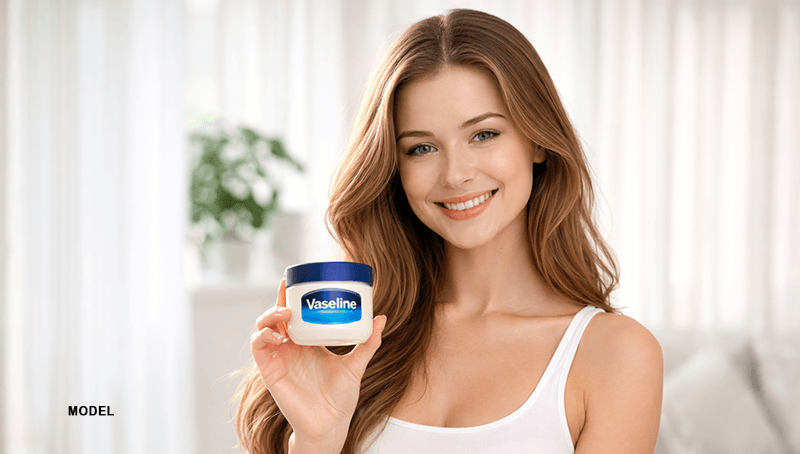
Credit: www.westlakedermatology.com
Who Should Try Slugging?
Slugging is not for everyone—but for the right person, it can be a game-changer. Here’s who benefits most:
- People with dry or very dry skin
- Those with a damaged barrier (redness, irritation, stinging)
- People living in cold or dry climates
- Anyone recovering from over-exfoliation or retinoid irritation
If your skin feels tight or flaky after washing, or if you’ve overdone it with actives, slugging can help.
Not For Everyone
On the other hand, slugging may not be best for:
- Oily or acne-prone skin: Occlusives can trap oil, sweat, and bacteria, leading to breakouts.
- People with fungal acne: Petrolatum may worsen symptoms.
- Hot, humid climates: The extra layer can feel suffocating and uncomfortable.
Non-obvious insight: Even if you have oily skin, you might benefit from spot-slugging—applying petrolatum only to dry patches, not your whole face.
How To Do Slugging Safely In 2026
If you want to try slugging, follow these steps to get the best results and avoid common mistakes.
Step 1: Start With Clean Skin
Always wash your face gently before slugging. Leftover makeup, sunscreen, or dirt can get trapped and cause breakouts.
Step 2: Hydrate First
Apply a hydrating serum or moisturizer. Look for humectants like:
- Glycerin
- Hyaluronic acid
- Panthenol
These draw water into the skin, making the occlusive layer more effective.
Step 3: Apply A Thin Layer Of Petrolatum
You don’t need to pile it on. A pea-sized amount is enough for most faces. Spread evenly—no need for a thick mask.
Step 4: Leave Overnight
Sleep with the layer on. In the morning, cleanse gently to remove any residue.
Step 5: Adjust Frequency
Most people don’t need to slug every night. Start with once or twice a week, and adjust based on your skin’s response.
Common Mistakes To Avoid
- Applying to dirty skin: This traps bacteria and can cause acne.
- Using too much: A thin layer works just as well, and is less messy.
- Slugging over strong actives: Avoid retinoids, acids, or vitamin C right before slugging. These can be trapped and cause irritation.
Non-obvious insight: If you use actives, apply them on alternate nights, not before slugging. This lowers the risk of irritation.
Slugging Vs. Modern Barrier Repair Creams
The skincare market in 2026 is full of barrier repair creams that promise results without the mess of slugging. How do they compare?
Let’s look at key differences in this comparison:
| Factor | Slugging (Petrolatum) | Barrier Creams (2026 Formulas) |
|---|---|---|
| Main Function | Occlusion (seals moisture) | Occlusion, hydration, and repair |
| Ingredients | Petrolatum, mineral oil | Ceramides, cholesterol, fatty acids, niacinamide |
| Suitable Skin Types | Dry, very dry, damaged | All types (with options for oily/acne-prone) |
| Texture | Greasy, thick | Creamy, lightweight options |
| Risk of Breakouts | Moderate to high (for oily skin) | Low (non-comedogenic formulas) |
| Cost | Very low | Low to high |
Key Takeaways
- Slugging is unbeatable for pure occlusion, but barrier creams offer hydration and repair ingredients.
- Many modern creams mimic the skin’s natural lipids, leading to faster recovery without clogging pores.
- Oily and acne-prone users often prefer modern creams for a lighter, non-greasy feel.
The Role Of Ceramides, Fatty Acids, And Cholesterol
In 2026, most barrier repair products focus on ceramides, fatty acids, and cholesterol. These are the main lipids found naturally in your skin barrier.
Why Are They Important?
- Ceramides: Help glue skin cells together, keeping the barrier strong.
- Fatty acids: Keep skin soft and flexible.
- Cholesterol: Supports barrier structure and function.
Combining these in the right ratio (about 3:1:1, ceramides:cholesterol:fatty acids) speeds up barrier healing.
Slugging And Lipids
Petrolatum does not add these lipids—it only seals in what’s already there. If your skin lacks ceramides, you may heal faster with a modern barrier cream.
Is Slugging Still Worth It In 2026?
This is the big question. With all the new science and products, does the old-school slugging method still make sense?
Pros Of Slugging In 2026
- Cheap and effective: A tub of Vaseline costs a few dollars and lasts months.
- Great for emergencies: Fast recovery for over-exfoliated or windburned skin.
- Simple ingredients: No fragrances, no preservatives—just petrolatum.
Cons Of Slugging In 2026
- Messy and greasy: Can transfer to pillows and hair.
- Not for all skin types: More likely to cause breakouts in oily or acne-prone users.
- No added nutrients: Does not provide ceramides, antioxidants, or anti-inflammatory ingredients.
Who Gets The Most Value?
Slugging is still a solid choice for:
- People with very dry, flaky, or irritated skin
- Those on a budget
- Short-term recovery (like after a chemical peel or retinoid burn)
But if you want faster, more comfortable results—or have oily or acne-prone skin—a modern barrier repair cream is likely better.
Slugging And Skin Microbiome: The 2026 Perspective
Recent research highlights the importance of the skin microbiome—the balance of good bacteria on your skin. Some experts worried that slugging might disrupt this balance by sealing everything under a layer of petrolatum.
However, studies so far show mixed results. Most healthy skin returns to normal after slugging stops. But if you have ongoing issues (like eczema or perioral dermatitis), it’s wise to consult a dermatologist before slugging.
Who Should Avoid Slugging?
Certain people should skip slugging or use it with caution:
- Acne-prone individuals: Petrolatum can worsen breakouts for some.
- People with milia: Tiny white bumps may increase.
- Those with seborrheic dermatitis or fungal acne: Slugging can trap yeast and worsen symptoms.
- Anyone with a known allergy to petrolatum: Rare, but possible.
Pro tip: If you’re unsure, patch test behind your ear or on your jawline before slugging your full face.
Upgraded Slugging: Mixing Occlusives With Modern Ingredients
Some people now practice “upgraded slugging,” combining occlusives with modern actives. For example, applying a ceramide serum or niacinamide cream before the petrolatum layer.
Benefits
- You get the best of both worlds: The protective seal plus added nutrients.
- Can speed up recovery after chemical peels, laser treatments, or harsh weather.
Cautions
- Avoid applying strong actives (like retinoids or exfoliating acids) right before slugging, as this can increase irritation.
- Stick to gentle, barrier-supporting ingredients under your occlusive.
Slugging For Body, Lips, And Hands
Face slugging gets all the attention, but many people use occlusives elsewhere:
- Hands: Great for cracked knuckles in winter.
- Lips: Classic “lip slugging” with petrolatum-based balms.
- Body: Heals dry elbows, knees, and feet overnight.
Non-obvious insight: Many athletes and healthcare workers use slugging for their hands, especially after frequent washing or sanitizer use.
Are There Better Alternatives In 2026?
With science moving fast, you have more choices than ever in 2026. Some popular alternatives to classic slugging include:
- Multi-lipid creams: Formulas with ceramides, fatty acids, and cholesterol.
- Non-petrolatum occlusives: Plant-based waxes (like shea butter or squalane).
- Moisture barrier sprays: Lightweight, leave-on mists for humid climates.
- Hydrocolloid masks: Sheets or patches that seal in moisture without the mess.
Here’s how they compare in a quick overview:
| Method | Best For | Pros | Cons |
|---|---|---|---|
| Slugging (petrolatum) | Very dry, damaged skin | Cheap, effective, widely available | Messy, greasy, may clog pores |
| Barrier creams | All skin types | Hydrating, light textures, added nutrients | Higher cost, fragrance risk |
| Plant waxes/oils | Natural/eco-friendly users | Less greasy, plant-based | Lower occlusion, may irritate sensitive skin |
| Hydrocolloid masks | Spot treatment | No mess, targeted healing | Not for full face, single use |
How To Decide: Slugging Or Something Else?
Choosing the right method depends on your skin, your goals, and your lifestyle. Here’s a quick decision guide:
- If your skin is very dry, sensitive, or damaged, and you want a cheap, powerful fix—try slugging.
- If you want daily barrier support with less mess, choose a modern barrier repair cream.
- For oily or acne-prone skin, look for lightweight, non-comedogenic options.
- If you care about eco-friendly or plant-based options, try shea butter or squalane.
Pro tip: Listen to your skin. If you see breakouts, irritation, or discomfort, try a different method.
Expert Opinions: Dermatologists In 2026
Most dermatologists agree: slugging is safe for short-term use on dry or damaged skin. But they also say it’s not a magic solution for every problem.
Quotes from leading experts:
- “Slugging is a good emergency tool, but not everyone needs it every night,” says Dr. Mina Park, dermatologist and author of ‘Skin Science in the 2020s’.
- “Look for products with ceramides and gentle humectants for daily barrier support. Save slugging for harsh winters or when your skin is truly struggling.”
- “If you have acne or oily skin, try a lighter barrier cream. Monitor your skin’s response and adjust as needed.”
For more on the science behind skin barrier repair, see this National Institutes of Health article.
Common Myths About Slugging
With so much information online, it’s easy to get confused. Let’s clear up a few myths:
- Myth 1: Slugging is only for dry skin.
- Fact: It’s best for dry skin, but even oily skin can benefit from spot-slugging.
- Myth 2: Petrolatum suffocates the skin.
- Fact: Petrolatum lets oxygen through, but blocks water loss.
- Myth 3: Slugging causes acne in everyone.
- Fact: Many people with dry skin never break out from slugging. Oily/acne-prone users should be more cautious.
- Myth 4: You must use a thick layer.
- Fact: A thin layer is just as effective and less messy.
The Bottom Line: Should You Slug In 2026?
Slugging is not a one-size-fits-all answer. In 2026, you have more options than ever for barrier repair—from old-school Vaseline to high-tech creams.
- If you love simplicity, need a quick fix, or have a tight budget, slugging is still worth trying.
- If you want a lighter feel, faster results, or have oily skin, look to modern barrier creams with ceramides and gentle humectants.
Most important: pay attention to your own skin. What works for one person might not work for you. Try different methods, watch for changes, and adjust your routine as needed. And if you have ongoing skin problems, always talk to a dermatologist.
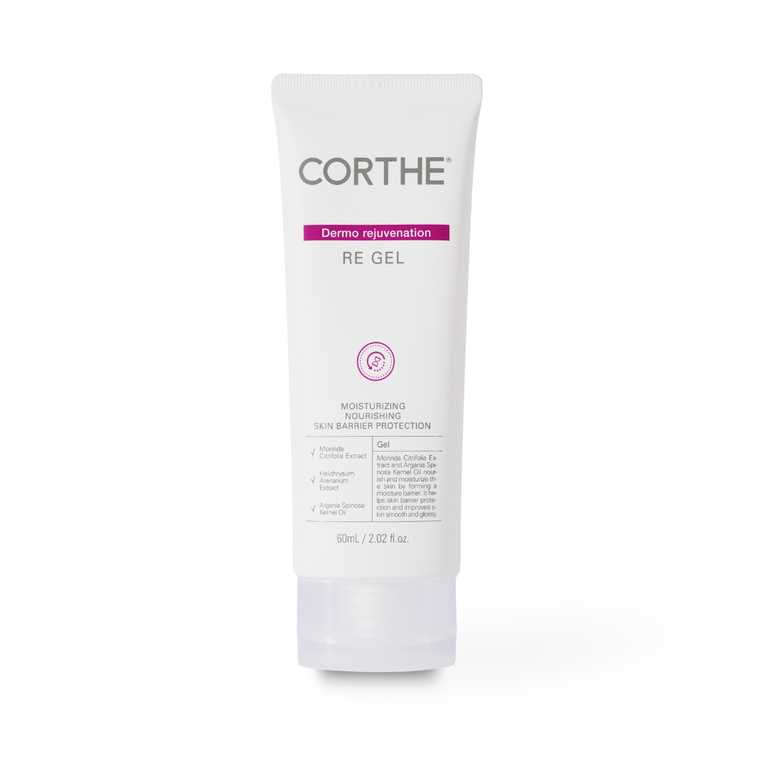
Credit: www.mysticbeautyandskincare.com
Frequently Asked Questions
What Is The Main Purpose Of Slugging?
The main purpose of slugging is to prevent water loss from your skin and support barrier repair. It does this by sealing in moisture and creating a protective layer, especially useful for dry or damaged skin.
Can Slugging Cause Acne Or Breakouts?
Slugging can cause breakouts for some people, especially those with oily or acne-prone skin. Petrolatum can trap oil, sweat, and bacteria, leading to clogged pores. If you have this skin type, consider patch testing or using lighter barrier creams instead.
How Often Should I Do Slugging?
Most people don’t need to slug every night. Start with once or twice a week, and adjust based on how your skin feels. If you notice breakouts or irritation, stop or try spot-slugging only on dry areas.
Are There Modern Alternatives To Slugging?
Yes, there are many modern alternatives. Barrier repair creams with ceramides, fatty acids, and cholesterol are popular in 2026. There are also plant-based occlusives and hydrocolloid masks for targeted use.
Does Slugging Help With Anti-aging?
Slugging can help prevent dehydration lines and support overall skin health, but it does not directly reverse aging. For anti-aging, pair slugging with sunscreen and gentle actives like peptides or antioxidants—never strong acids or retinoids before occlusion.
Slugging has stood the test of time for a reason, but skincare is always evolving. Try what works best for you, and don’t be afraid to mix old and new for the healthiest possible skin.