

Squalane Moisturizer Benefits: Why This Oil Is Non-comedogenic
If you care about your skin, you’ve probably heard the word “squalane” popping up in beauty conversations, skincare blogs, or even on the shelves of your local pharmacy. But what is squalane, and why are so many experts recommending it as a moisturizer? Even more, what makes it special among facial oils for people who worry about clogged pores and breakouts?
This article is your deep-dive guide to squalane. We’ll explore what squalane is, how it’s different from squalene, why it’s non-comedogenic, and what science actually says about its use on different skin types. You’ll also discover practical tips for using squalane, how it compares to other popular oils, and the mistakes beginners often make.
By the end, you’ll have the clarity to decide if squalane deserves a place in your routine—no matter if you have oily, sensitive, or dry skin.
What Is Squalane?
Squalane is a lightweight, stable oil derived from hydrogenated squalene. It’s naturally found in small amounts in your skin’s own sebum. In skincare, squalane typically comes from plant sources such as olives, sugarcane, or rice bran. The hydrogenation process turns unstable squalene (with an “e”) into squalane (with an “a”), making it shelf-stable and safe for use in cosmetics.
Squalane’s silky texture, odorless nature, and non-greasy feel make it unique. Many people are surprised to learn that this ingredient isn’t just a trend—it’s based on how our own skin protects itself. As we age, our natural squalene production decreases, which can lead to dryness and a weakened skin barrier.
Squalane Vs. Squalene
It’s easy to confuse these two words. Here’s a simple explanation:
- Squalene: Found naturally in human skin and some plants, but is unstable and oxidizes quickly. Not ideal for skincare products.
- Squalane: The hydrogenated, stable form used in beauty products. Doesn’t oxidize, so it won’t spoil or irritate your skin.
Why Moisturize With Squalane?
People use squalane for one main reason: it hydrates skin without making it oily or causing breakouts. But that’s only the surface. Squalane acts as an emollient, filling the gaps between skin cells to leave skin feeling soft, smooth, and balanced.
Let’s break down the most important benefits:
- Restores Skin’s Moisture Barrier: Squalane mimics the natural oils your skin produces. It helps strengthen the protective layer, keeping moisture in and harmful stuff out.
- Lightweight and Fast-Absorbing: Unlike many plant oils, squalane sinks in quickly. It doesn’t sit on top of the skin or leave a sticky film.
- Suitable for All Skin Types: Dry, oily, sensitive, or acne-prone—squalane works for everyone because it’s close to your body’s own oils.
- Non-Comedogenic: It won’t block pores, which is rare among oils. This property makes it a favorite for people with blemish-prone skin.
- Antioxidant Properties: Squalane helps protect the skin from free radicals, pollution, and environmental stress.

Credit: www.amazon.com
The Science Behind Squalane’s Non-comedogenic Nature
A common worry with facial oils is that they’ll cause acne or blackheads. Squalane stands out because of its non-comedogenic rating. But what does this mean scientifically?
Understanding The Comedogenic Scale
The comedogenic scale ranks ingredients from 0 to 5 based on their likelihood to clog pores:
- 0: Will not clog pores (non-comedogenic)
- 1-2: Low risk
- 3-5: Moderate to high risk
Squalane scores a 0 on this scale, meaning it’s extremely unlikely to block pores—even for people with oily or acne-prone skin.
Why Squalane Doesn’t Clog Pores
The structure of squalane is almost identical to the lipids your skin naturally makes. This “skin-identical” property allows it to blend in easily, rather than sitting on the surface and causing congestion.
Here’s a comparison to clarify:
| Oil | Comedogenic Rating | Texture | Best For |
|---|---|---|---|
| Squalane | 0 | Lightweight, silky | All skin types |
| Coconut Oil | 4 | Thick, greasy | Dry skin (not acne-prone) |
| Jojoba Oil | 2 | Medium, waxy | Most skin types |
| Olive Oil | 2 | Medium, slick | Normal to dry skin |
Many people with sensitive or acne-prone skin can’t use oils like coconut or cocoa butter because they are highly comedogenic. Squalane, on the other hand, gives the benefits of an oil without the risk.
Clinical Research
Several studies support squalane’s safety and effectiveness:
- A 2012 study published in the Journal of Cosmetic Dermatology found that squalane is “non-irritant and non-comedogenic” on human skin.
- Another study in 2018 showed that squalane improved hydration and skin elasticity, even in people with sensitive or reactive skin.
This is why dermatologists often recommend squalane for people struggling with both dryness and acne.
Key Benefits Of Squalane Moisturizer
Let’s take a closer look at the unique benefits squalane brings to your skincare routine.
1. Deep Hydration Without Greasy Feel
Squalane offers intense moisture that absorbs fast. Unlike heavier oils, it won’t leave your face shiny or sticky. This makes it perfect for use under makeup or sunscreen.
2. Supports Skin Barrier Repair
Your skin’s barrier is its first defense against bacteria, pollution, and moisture loss. Squalane helps repair and protect this layer, especially if you use harsh exfoliants or live in a dry climate.
3. Reduces Redness And Inflammation
Squalane is gentle enough for people with rosacea, eczema, or sensitive skin. It calms irritation and helps reduce redness—making it ideal after sun exposure or shaving.
4. Antioxidant Protection
Daily exposure to UV rays and pollution creates free radicals that damage your skin and speed up aging. Squalane acts as an antioxidant, neutralizing these threats and supporting a youthful look.
5. Enhances Skin Elasticity
Regular use of squalane can improve skin’s firmness and bounce. It supports collagen production and helps delay the appearance of fine lines.
6. Safe For All Ages And Skin Types
Babies, teens, adults, and seniors—all can use squalane safely. It’s non-allergenic and has a long record of use in medical and cosmetic products.
7. Works Well With Other Ingredients
Squalane mixes easily with other skincare ingredients like vitamin C, retinol, and hyaluronic acid. It won’t block their absorption, and it can actually make strong actives feel gentler.
8. Lightweight Enough For Hair And Body
Many people use squalane to tame flyaways, add shine to hair, or soften dry cuticles. Its lightweight nature makes it a true multi-tasker.
9. Improves Skin Tone And Texture
Regular use helps even out skin tone and smooth rough patches. Over time, your skin looks more radiant and feels softer.
10. Reduces Water Loss
Squalane forms a breathable protective layer on the skin, which reduces transepidermal water loss—a major cause of dehydration.
Squalane Vs. Other Popular Oils
People often ask how squalane compares to other oils. Here’s a breakdown to help you decide what fits your routine best.
| Feature | Squalane | Argan Oil | Rosehip Oil | Mineral Oil |
|---|---|---|---|---|
| Comedogenicity | 0 (won’t clog pores) | 0 | 1 | 0 |
| Texture | Very light, silky | Medium-light | Light, dry | Heavy |
| Best For | All skin types | Normal to dry skin | Oily, mature skin | Very dry skin |
| Allergy Risk | Very low | Low | Low | Low |
| Absorption | Fast | Moderate | Fast | Slow |
Key Insights
- Squalane is the lightest and best for all skin types, especially acne-prone.
- Argan and rosehip oils are also low on the comedogenic scale but are richer and can feel heavier.
- Mineral oil is non-comedogenic but can feel greasy and doesn’t offer antioxidant benefits.
How To Use Squalane Moisturizer
Ready to add squalane to your routine? Here’s how to get the best results.
Step 1: Choose The Right Product
Look for 100% plant-derived squalane (from olives or sugarcane). Avoid products with unnecessary fragrances or additives, especially if you have sensitive skin.
Step 2: When To Apply
Squalane can be used morning and night. It works well as the last step in your skincare routine, after serums but before sunscreen in the morning.
Step 3: How Much To Use
A few drops (2–3 for the face) are enough. Warm it between your palms, then gently press into your skin. Don’t rub harshly—let it absorb naturally.
Step 4: Combine With Other Products
Squalane layers easily with hyaluronic acid, niacinamide, retinol, and other actives. If you use strong exfoliants, squalane can help reduce irritation.
Step 5: For Hair And Body
For hair: Warm 1–2 drops in your palms, then smooth over dry ends for shine.
For body: Apply to damp skin after bathing to lock in moisture.
Step 6: Patch Test
Even though squalane is very safe, do a patch test if your skin is extremely sensitive. Apply a drop behind your ear and wait 24 hours.
Who Should Use Squalane?
Squalane’s versatility is impressive. Here’s how different skin types and concerns can benefit:
Oily And Acne-prone Skin
Because squalane is non-comedogenic and closely matches your skin’s own oils, it can actually help balance oil production. Many people with oily skin are surprised to find their skin becomes less greasy and calmer over time.
Dry And Mature Skin
Squalane is deeply hydrating and can help reduce the appearance of fine lines. It’s especially good for people over 30, as natural squalene production drops with age.
Sensitive And Reactive Skin
If your skin gets red, itchy, or breaks out from new products, squalane is a safe starting point. It’s gentle, rarely causes allergic reactions, and soothes irritation.
Combination Skin
Squalane can be used all over the face or just on dry patches. Its fast absorption means it won’t make the oily areas slick.
Post-procedure Or Damaged Skin
After treatments like chemical peels or laser therapy, squalane helps restore the barrier and speed up healing. Always ask your doctor before using new products after medical treatments.
Squalane In Real-world Skincare Routines
Let’s look at a few example routines to see how squalane fits in:
Basic Morning Routine
- Cleanser (gentle, non-stripping)
- Hydrating serum (hyaluronic acid)
- Squalane moisturizer (2–3 drops)
- Sunscreen (SPF 30+)
Night Routine For Oily Skin
- Gel cleanser
- Niacinamide serum
- Squalane (1–2 drops)
- Oil-free moisturizer (optional)
Night Routine For Dry/mature Skin
- Rich cream cleanser
- Peptide serum or retinol
- Squalane (3–4 drops)
- Nourishing cream
For Hair Care
- Shampoo and condition as normal
- Towel dry hair
- Apply 1–2 drops squalane to ends to smooth and protect
Squalane: Plant-derived Vs. Shark-derived
Most modern squalane comes from plant sources. However, some cheaper or older products may use squalane from shark liver oil. This is not only unsustainable but also raises ethical concerns.
Always read product labels and choose plant-based squalane for ethical and environmental reasons. Brands will usually highlight “plant-derived” or “sustainable” on their packaging.
Common Mistakes When Using Squalane
Even though squalane is simple to use, beginners often make a few mistakes:
- Using Too Much: Squalane spreads easily. Start with 1–2 drops and add more only if needed.
- Mixing With Heavy Creams: If you use thick moisturizers, apply squalane first, or it may not absorb well.
- Expecting Instant Results: Some benefits (like improved texture) take a few weeks. Be patient and consistent.
- Not Checking the Source: Always choose plant-derived squalane to avoid animal cruelty and poor-quality products.
- Ignoring Patch Testing: Even low-risk ingredients can cause irritation in rare cases. Patch test if your skin is very sensitive.

Credit: dermae.com
Squalane For Special Skin Concerns
Let’s go deeper into how squalane helps with specific skin issues.
Acne And Breakouts
Many acne treatments dry out the skin, which makes it produce even more oil. Squalane helps by restoring moisture without clogging pores, so your skin can heal naturally.
Eczema And Dermatitis
People with eczema often struggle to find oils that don’t cause flare-ups. Squalane’s simple, non-irritating profile makes it one of the few safe options for these conditions.
Redness And Rosacea
Because squalane is anti-inflammatory, it calms the redness and burning often seen in rosacea. It won’t trigger flushing or stinging.
Aging And Fine Lines
Squalane supports collagen and elasticity, helping to reduce fine lines and keep skin looking youthful. It’s not a miracle cure, but consistent use makes a visible difference over time.
Dehydrated Skin
If your skin feels tight, flaky, or rough, squalane can restore lost water. It works even better when used with humectants like glycerin or hyaluronic acid.
Environmental And Ethical Considerations
One non-obvious benefit of squalane is its sustainability—when sourced correctly. Modern squalane is usually made from sugarcane or olives, not sharks. This reduces the negative impact on marine ecosystems and supports renewable farming.
If you want a more eco-friendly routine, look for brands that use bio-based squalane and have transparent sourcing practices.
Squalane In Dermatology And Medicine
Squalane isn’t just a cosmetic ingredient. Doctors and dermatologists use it in:
- Wound healing ointments
- Post-laser and post-peel products
- Scar treatments
- Topical medications for dry, sensitive, or allergic skin
Its safety and effectiveness make it a favorite in medical settings.
Squalane For Men’s Skincare
Men often avoid moisturizers because they don’t like greasy or sticky products. Squalane solves this problem thanks to its weightless feel. It absorbs fast, won’t clog beard hair follicles, and doesn’t leave a shine—making it ideal for men’s routines.
Squalane And Makeup
Squalane isn’t just for bare skin. Makeup artists use it to:
- Prep skin for a smoother foundation application
- Mix with foundation for a dewy finish
- Tame dry patches so makeup doesn’t cake
- Remove makeup gently without stripping skin
A drop or two added to your base can transform the final look.
Practical Tips For Getting The Most Out Of Squalane
Here are some expert tips that can make a big difference:
- Apply to Damp Skin: Squalane locks in water, so use it right after washing or applying a hydrating mist.
- Mix With Foundation: Blend a drop with your makeup for extra glow and hydration.
- Use as a Lip Oil: Squalane works as a fast-absorbing lip conditioner.
- Soften Cuticles: Massage a little into cuticles to prevent cracks and peeling.
- Treat Dry Elbows and Heels: A few drops can soften even the roughest skin.
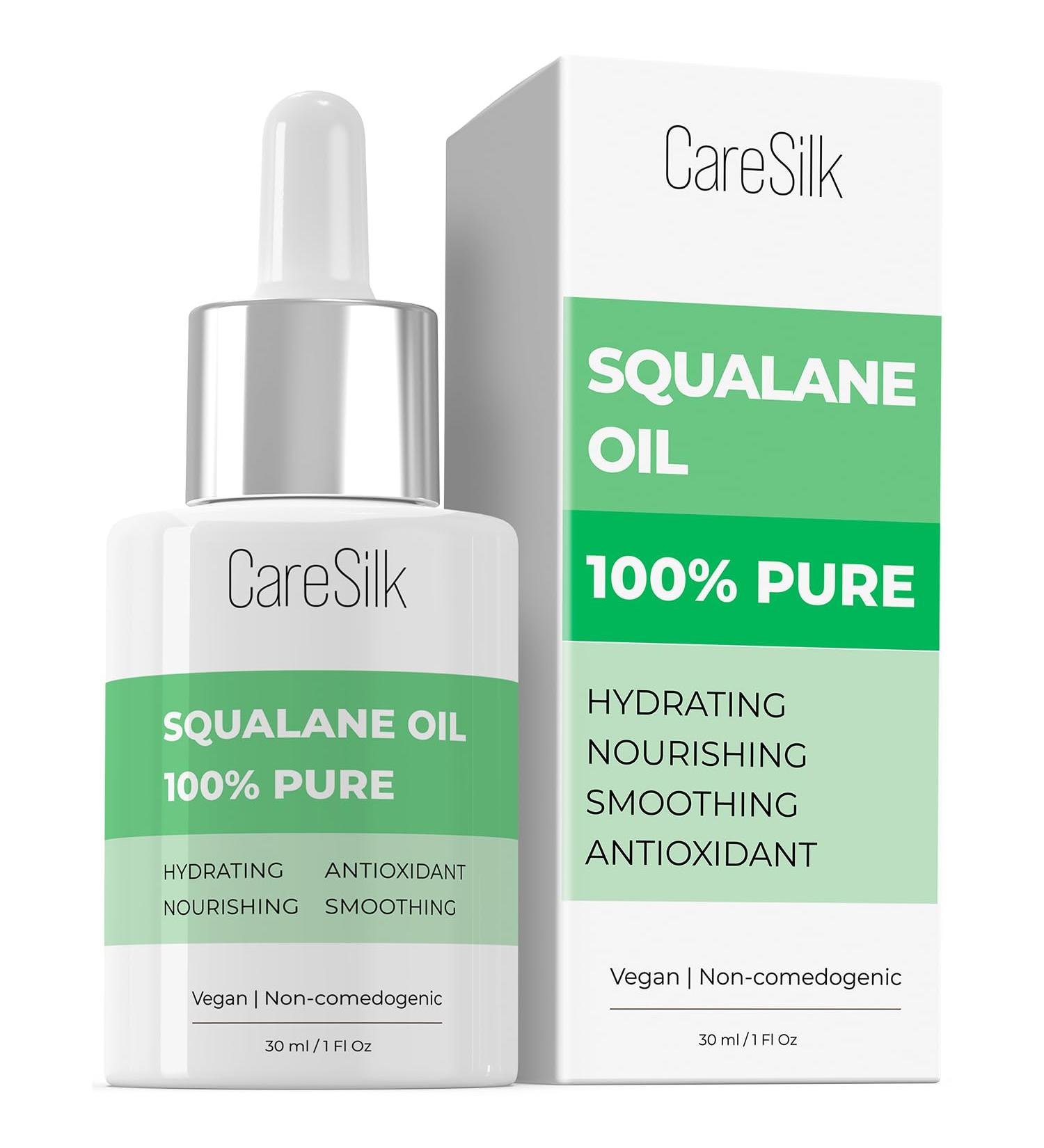
Credit: www.gosupps.com
Squalane And Sensitive Skin: Why It’s Often The Safest Choice
People with sensitive skin often react badly to essential oils, fragrances, or even “natural” products. Squalane’s simple structure and skin-identical nature make it one of the least likely ingredients to cause irritation or allergies.
In fact, hospitals use squalane-based products for newborn babies and burn victims because of its gentle and healing properties.
Real-world Results: What Users Say
Thousands of reviews and testimonials highlight squalane’s benefits:
- Many users with acne-prone skin report fewer breakouts and less oiliness.
- People with dry or mature skin notice smoother, softer, more radiant skin.
- Those with sensitive skin often say it’s the “only oil they trust.”
- Some users see improvements in eczema, redness, and flakiness within weeks.
While every skin is different, these results are backed by both clinical studies and real-world experience.
How To Store And Handle Squalane
Squalane is very stable and doesn’t spoil easily. Still, to get the best results:
- Store in a cool, dry place away from sunlight.
- Keep the bottle tightly closed to prevent contamination.
- Check the expiration date—most squalane lasts 2–3 years unopened.
Squalane Moisturizer: Frequently Asked Questions
Frequently Asked Questions
What Is The Difference Between Squalane And Squalene?
Squalene is a natural compound found in human sebum and some plants. It is unstable and easily oxidizes, so it’s not ideal for skincare. Squalane is the hydrogenated, stable form used in cosmetics. It has all the benefits of squalene but is safe, non-irritating, and long-lasting.
Is Squalane Really Non-comedogenic?
Yes, squalane scores a 0 on the comedogenic scale, which means it will not clog pores. This makes it one of the safest oils for people with acne-prone, oily, or sensitive skin.
Can I Use Squalane With Other Actives Like Retinol Or Vitamin C?
Absolutely. Squalane works well with most skincare ingredients. It can even reduce the irritation sometimes caused by strong actives like retinol or vitamin C by providing extra moisture and barrier support.
Is Plant-derived Squalane Better Than Shark-derived Squalane?
Plant-derived squalane is better for both ethical and environmental reasons. It’s just as effective as shark-derived squalane, but it doesn’t harm marine life and is more sustainable. Always choose products labeled “plant-derived.”
Where Can I Find More Detailed Scientific Research About Squalane?
For more in-depth scientific information, you can visit the Wikipedia page on squalane, which includes references to clinical studies and dermatological research.
Squalane’s popularity is no accident. With its unique combination of deep hydration, lightweight texture, and non-comedogenic safety, it stands out among moisturizers. Whether your skin is oily, dry, sensitive, or somewhere in between, squalane can make a real difference. Choose a high-quality, plant-based product, use it consistently, and you’ll likely see softer, smoother, and healthier skin—without the breakouts or heavy feel of other oils.
Squalane is a small change that often leads to big improvements.