

Swimming is a unique sport. It offers full-body exercise, fun, and even stress relief. But there’s a hidden problem many swimmers face: chlorine damage. Whether you swim in a pool for fitness, fun, or competition, your hair and skin are always exposed to chemicals that can dry, irritate, and weaken them. Some people think regular shampoo and lotion are enough, but that’s rarely the case. To truly protect yourself, you need a complete protocol designed for chlorine protection—one that starts before you even dip your toe in the water.
Let’s explore exactly how chlorine affects your body, what you can do about it, and the best steps to keep your hair and skin healthy, strong, and comfortable—whether you swim once a week or twice a day. The right knowledge and habits can make all the difference between loving your swim routine and suffering from dryness, breakouts, or brittle hair.
Why Chlorine Is A Problem For Swimmers
It’s easy to see why pools use chlorine: it kills bacteria and keeps the water clear. But this disinfectant doesn’t just attack germs. It also reacts with the natural oils on your hair and skin. Over time, this reaction can lead to dry, brittle hair, itchy scalp, flaky skin, and even rashes or breakouts. For swimmers who train daily, these effects can build up quickly.
Most swimmers notice:
- Dry, rough skin that feels tight after swimming
- Itchy or red patches
- Brittle hair that breaks or splits easily
- Color fading in dyed or natural hair
- Greenish tint in lighter hair, especially blondes
The problem is not just the chlorine itself. When it mixes with sweat or other substances, it forms chloramines—compounds that are even more irritating. Children, people with sensitive skin, and frequent swimmers are at higher risk. If you’ve ever noticed your skin feeling strangely tight, or your hair feeling straw-like after a swim, you’ve already experienced the early effects of chlorine.
Some swimmers also develop “swimmer’s itch,” a rash caused by irritation from pool chemicals. Over time, repeated chlorine exposure can even make skin conditions like eczema or psoriasis worse. For people who swim in both indoor and outdoor pools, the effects can be more severe due to a combination of chlorine, sun, and wind exposure.
The Science Of Chlorine Damage
Understanding what’s happening at a microscopic level helps you fight back more effectively. Chlorine strips away the hydrolipid barrier—a thin layer of oils and moisture that protects your skin and hair. Without this barrier:
- Water evaporates faster from your skin, causing dehydration
- Hair cuticles (the outer layer) lift and roughen, making hair tangle and break
- The skin’s natural pH balance is disrupted, making it more vulnerable
For example, a study in the *Journal of Dermatological Science* found that swimmers had 40% less natural oil on their skin after just 30 minutes in a chlorinated pool. Hair samples showed a 50% increase in cuticle damage after a single swim.
Microscopically, hair that is exposed to chlorine often develops tiny cracks and holes in the cuticle. These cracks allow more water and chemicals to penetrate, weakening the hair from inside out. This is why hair becomes frizzy, dull, and more likely to split or break.
Over time, even the color and texture of your hair can change. People with curls may notice their hair losing its natural shape. Those with straight hair may find it becomes limp or flyaway.
Chlorine also breaks down important proteins in your hair and skin. Keratin, the main protein in hair, starts to degrade, making the hair weaker and less elastic. On your skin, chlorine disrupts the microbiome—the balance of healthy bacteria that defend against infection and irritation.
This is one reason swimmers sometimes notice breakouts, rashes, or small bumps after swimming.
Another problem is the effect on your skin’s acid mantle, a thin, protective layer that keeps harmful bacteria out and moisture in. Chlorine is alkaline, so it raises your skin’s pH, making it less effective at protecting you. This can trigger itching, flaking, and increased sensitivity. It’s a cycle: the more often you swim without protection, the more your skin and hair struggle to recover.
Pre-swim Protection Strategies
The best way to deal with chlorine? Block it before it can do harm. Most swimmers skip this step, but it’s actually the most powerful.
1. Rinse Before Swimming
Shower with fresh water before you enter the pool. This pre-soaks your hair and skin, reducing how much chlorine they absorb. Think of your skin and hair as sponges: if they’re already wet, they can’t soak up as much pool water.
Not only does this reduce chlorine absorption, but it also helps keep pools cleaner. Many public pools require this step, but few swimmers know that it actually protects their own bodies, too. For best results, spend at least 60 seconds under the shower, making sure your scalp and all skin are thoroughly wet.
2. Apply Pre-swim Lotions And Oils
There are special pre-swim barrier creams and oils made for swimmers. These form a thin shield over your skin, making it harder for chlorine to stick. Coconut oil, shea butter, or silicone-based lotions work well for most people.
- For hair, a few drops of argan oil or leave-in conditioner can help seal the cuticle and block chlorine.
Some swimmers use petroleum jelly on extra-dry spots, such as elbows or heels, but don’t use it on your face if you’re prone to breakouts. Look for pre-swim products that are water-resistant, so they don’t wash off right away. If you have fine hair, use lightweight leave-in sprays rather than heavy oils to avoid weighing your hair down.
A little goes a long way. Massage oils or creams into your hair—focusing on the ends—and apply a thin layer over your skin. Pay special attention to areas that get itchy or dry quickly.
3. Use A Swim Cap
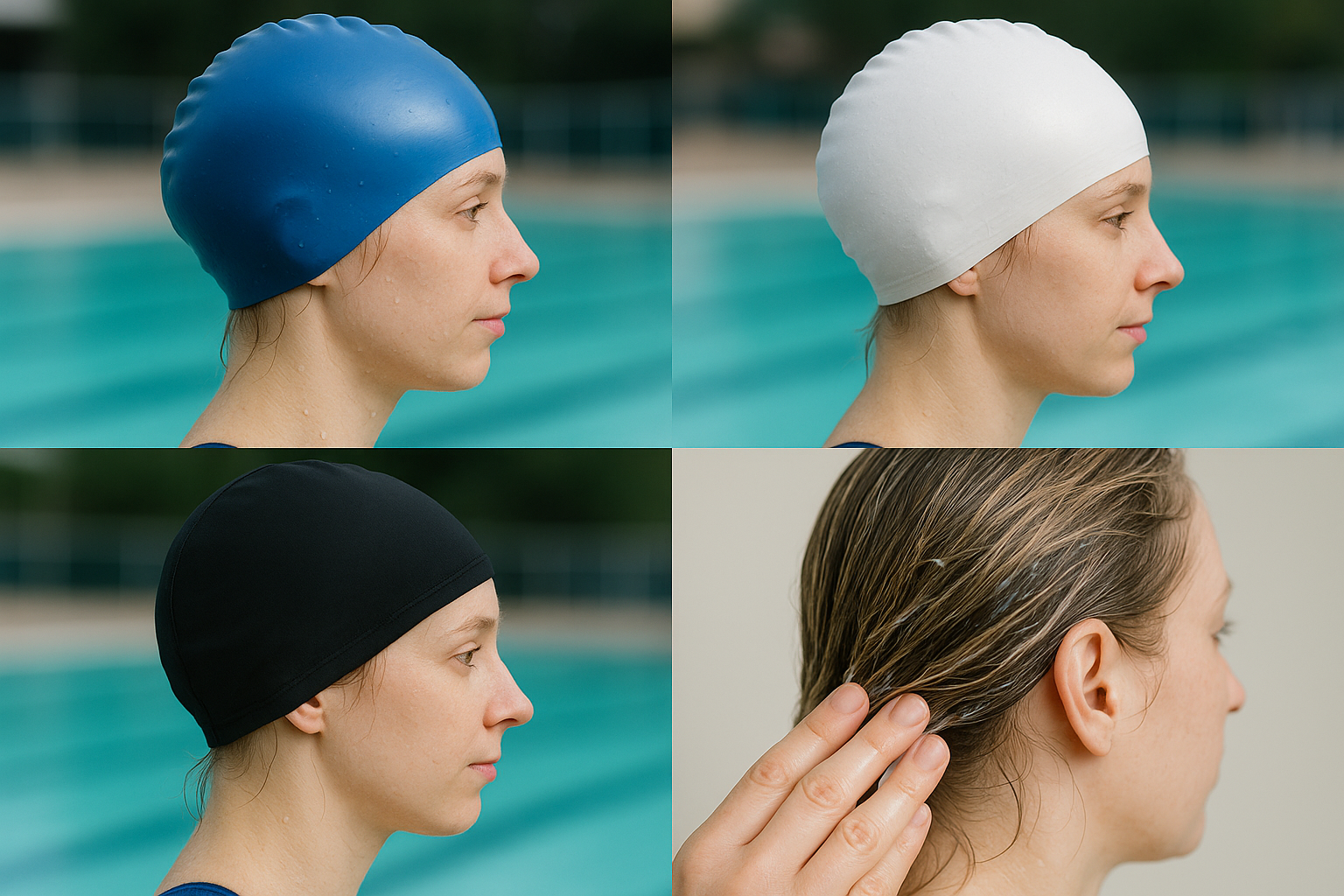
A silicone swim cap is far more effective than latex or fabric. It creates a physical barrier, especially important for people with long or colored hair. While no cap is 100% waterproof, it keeps most chlorine away and reduces friction.
Silicone caps are also more durable and comfortable for long sessions. If you find caps uncomfortable, try stretching them gently before use or using a thin layer of conditioner underneath. For those with long hair, twist it into a bun and tuck it under the cap for better coverage.
A pro tip: if you have thick or curly hair, look for larger “long hair” caps. They cover more and provide a better fit. Some swimmers even double-cap: a latex cap first, then a silicone cap on top, for extra protection during long workouts.
4. Choose Protective Swimwear
Full-body suits or rash guards can protect your skin, especially if you have eczema or allergies. If you swim outdoors, look for UV-protective fabrics to block sun damage too.
These suits are not just for competitive swimmers or surfers. Many recreational swimmers use them to prevent rashes and irritation. If you’re sensitive to chlorine, consider long-sleeved options and high necklines. For children, sun-and-chlorine-protective suits are widely available and can prevent both chemical and sun damage.
Best Practice Pool Habits
What you do in and around the pool can make a big difference in your chlorine exposure.
1. Avoid Sitting In Wet Swimwear
Chlorine continues to react with your skin as long as your suit is wet. Change out of your swimwear and rinse off as soon as possible after swimming.
Some people lounge for hours in their swim gear, but this gives chlorine more time to irritate your skin. Pack a dry towel and extra clothes for a quick change after your swim. Kids, in particular, should not stay in wet suits, as their skin is more likely to become red or itchy.
2. Don’t Rub Eyes Or Face
Chlorinated water can irritate sensitive areas. Wear goggles and avoid touching your face with wet hands.
If you accidentally get water in your eyes, rinse with fresh water right away. Some swimmers use lubricating eye drops after swimming to soothe irritation. For facial protection, consider using a water-resistant barrier cream on your cheeks and forehead, especially if you get red patches easily.
3. Drink Water
Swimming can dehydrate you, especially in heated pools. Drink plenty of water before and after to help your body flush out toxins and keep your skin hydrated from within.
Dehydration makes your skin more sensitive to chlorine. Aim to drink a glass of water every 30–45 minutes while swimming, especially if you’re doing intense laps or swimming in a warm environment. Electrolyte drinks can also help, but avoid sugary sodas, which can worsen skin issues.
If you notice headaches, fatigue, or dry lips after swimming, you may not be hydrating enough. Adding a pinch of sea salt or a splash of lemon to your water can encourage better hydration and help replace minerals lost during your swim.
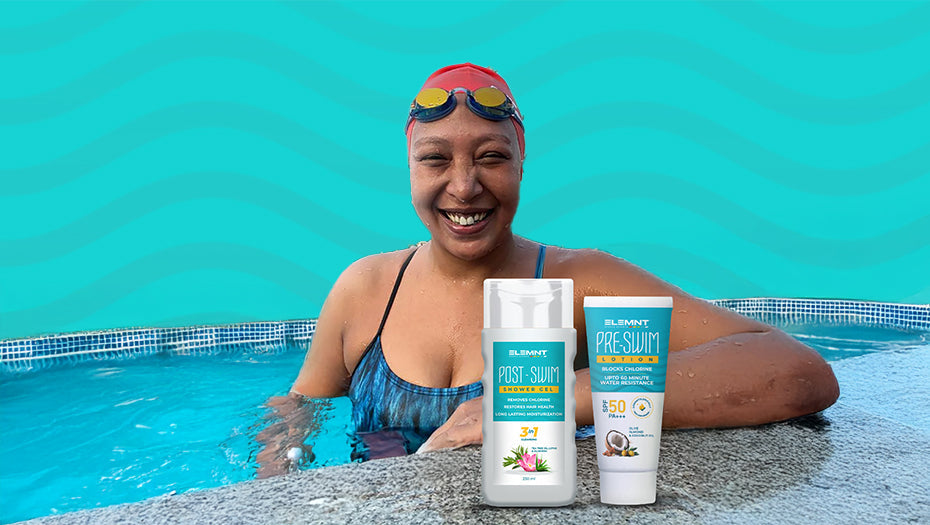
Credit: elemntlife.com
Immediate Post-swim Care
The first 30 minutes after swimming are critical. This is when chlorine is still sitting on your skin and hair, causing the most damage.
1. Rinse With Fresh Water
Rinse immediately and thoroughly. Use lukewarm, not hot, water. This removes most of the chlorine before it can dry and bond to your skin.
Don’t forget to rinse under your swimsuit and behind your ears—these areas are often missed and can become irritated later. The sooner you rinse, the less time chlorine has to bind to your skin and hair proteins.
2. Use A Gentle, Chlorine-removing Cleanser
Regular soaps won’t remove all the chlorine. Use a special chlorine removal body wash or a shampoo with ascorbic acid (Vitamin C) or sodium thiosulfate, which neutralize chlorine.
Look for products labeled “chlorine neutralizing,” “swimmer’s shampoo,” or “vitamin C wash. ” These are gentler on sensitive skin and hair than harsh clarifying shampoos. If you don’t have a special cleanser, you can mix a small amount of vitamin C powder (ascorbic acid) with your regular body wash in a pinch.
3. Shampoo And Condition Properly
Choose a swimmer’s shampoo—not just a clarifying one. These are made to target chlorine, copper, and other pool chemicals. Always follow with a deep conditioner, focusing on the ends of your hair.
- Tip: Don’t overwash. Too much shampooing strips more natural oils.
If your hair is very dry or curly, you may want to “co-wash”—washing only with conditioner—some days to avoid extra dryness. For best results, leave the conditioner on for at least three minutes before rinsing.
4. Moisturize Immediately
Apply a fragrance-free moisturizer while your skin is still slightly damp. Look for products with ceramides, glycerin, or hyaluronic acid. These lock in moisture and help repair your barrier.
Apply moisturizer all over, not just on dry spots. If you’re prone to acne, choose non-comedogenic (won’t clog pores) formulas. For extra dry feet and hands, use a thicker ointment or cream and cover with cotton socks or gloves for an hour.
5. Soothe Sensitive Areas
If you notice redness or stinging, apply a calming cream with aloe or calendula. For stubborn irritation, a mild hydrocortisone cream (1%) can help—but use it sparingly and not daily.
If your eyes are red or irritated, use preservative-free eye drops and avoid rubbing. For chafed skin, zinc oxide ointment (the kind used for babies) can help speed healing and prevent infection.
Weekly Deep Care: Recovery Protocols
Even with daily protection, chlorine can build up over time. A weekly routine helps remove stubborn residues and repair deeper damage.
1. Clarifying Hair Treatments
Use a clarifying shampoo once a week to remove buildup. For a natural option, mix baking soda with your regular shampoo (about 1 tablespoon per wash). Rinse thoroughly and always follow with a deep conditioner.
If you color your hair, be cautious—clarifying shampoos can fade color. Choose clarifiers made for color-treated hair or use them less often. Another natural option is rinsing with apple cider vinegar (diluted with water) to help restore your hair’s pH and shine.
2. Hair Masks
A weekly hair mask restores moisture and strength. Good options include coconut oil masks, shea butter treatments, or deep conditioners with keratin.
- Leave on for at least 20 minutes for best results.
If your hair is fine, use lightweight protein masks to avoid limpness. For thick or curly hair, heavier butters and oils can help tame frizz and restore bounce. Heat can boost mask effectiveness—wrap your hair in a warm towel during treatment.
3. Exfoliate Your Skin
Once a week, use a gentle body scrub or a washcloth to exfoliate. This removes dead skin cells and helps your moisturizer work better. Don’t scrub too hard—gentle is key.
Choose scrubs with round beads or natural materials like oatmeal, not sharp or rough particles. If you have sensitive skin, use a mild chemical exfoliant like lactic acid or polyhydroxy acid (PHA) instead of a physical scrub.
4. Overnight Hydration
For very dry skin or hair, apply a rich cream or oil before bed. Cover hair with a silk scarf to avoid mess. This gives your body extra time to recover.
For skin, try “slugging”—applying a layer of petrolatum (like Vaseline) over your moisturizer to trap moisture overnight. For hair, use a deep oil treatment once a week and wash it out in the morning. This can make a huge difference in softness and shine.
Credit: hairgp.co.uk
Nutrition For Strong Hair And Skin
Protection isn’t just about what you put on your body; it’s also about what you put in it. Healthy hair and skin need nutrients to repair themselves.
1. Hydration
Aim for at least 2 liters of water per day, more if you train hard. Herbal teas and water-rich fruits (like watermelon or cucumber) also help.
Remember, caffeinated drinks can dehydrate you—so balance coffee or tea with extra water. Try infusing your water with slices of citrus or berries for added antioxidants and flavor.
2. Protein
Hair is made of keratin, a type of protein. Make sure you’re getting enough lean meat, eggs, beans, or tofu.
If you’re vegetarian or vegan, lentils, quinoa, and tempeh are excellent protein sources. Not eating enough protein is a common reason for weak, slow-growing hair.
3. Healthy Fats
Omega-3 fatty acids (in salmon, walnuts, chia seeds) keep your skin barrier strong and hair shiny.
If you don’t eat fish, flaxseed oil or algae-based supplements provide similar benefits. Healthy fats also support hormone balance, which is important for hair growth and skin healing.
4. Antioxidants
Vitamins A, C, and E help repair cell damage. Eat colorful fruits and vegetables like berries, spinach, and sweet potatoes.
Antioxidants fight the free radicals created by chlorine exposure. They also support collagen production, which keeps your skin firm and elastic. Try to “eat the rainbow” every day for best results.
5. Zinc And Biotin
Both are essential for hair growth and skin repair. You’ll find them in eggs, nuts, seeds, and whole grains.
If you notice slow hair growth or brittle nails, ask your doctor about a supplement. However, don’t overdo it—too much can cause other problems. For most people, a balanced diet is enough.
Comparing Swimmer Hair And Skin Products
With so many products on the market, it’s hard to know what really works. Here’s a quick comparison of common swimmer shampoos and conditioners:
| Product | Main Ingredient | Best For | Drawback |
|---|---|---|---|
| UltraSwim Shampoo | Sodium Thiosulfate | Chlorine removal | Can be drying |
| Malibu C Swimmers Wellness | Ascorbic Acid (Vitamin C) | Gentle, color-treated hair | Higher price |
| Aquaguard Pre-Swim Hair Defense | Silicone | Blocking chlorine | May feel greasy |
| Paul Mitchell Shampoo Three | Sulfates | Heavy buildup removal | Not for daily use |
When choosing, consider your hair type, how often you swim, and whether your hair is colored or chemically treated. For example, swimmers with fine or color-treated hair may prefer gentler, sulfate-free options, while those with thick or oily hair might need stronger clarifiers.
Always balance powerful cleansers with regular deep conditioning.
Skin Moisturizer Comparison
Some moisturizers are better for post-swim recovery. Here’s a look at popular options:
| Brand | Main Ingredient | Texture | Fragrance-Free |
|---|---|---|---|
| Cetaphil Moisturizing Cream | Ceramides, Glycerin | Thick | Yes |
| CeraVe Daily Moisturizing Lotion | Ceramides, Hyaluronic Acid | Light | Yes |
| Eucerin Advanced Repair | Urea, Glycerin | Medium | Yes |
| Neutrogena Hydro Boost | Hyaluronic Acid | Gel | No |
Choose a fragrance-free product if you have sensitive skin or swim frequently. Thick creams are best for very dry or flaky skin, while lighter lotions or gels are better for oily or acne-prone skin. If you swim outdoors, look for moisturizers with added SPF for extra protection.
Common Mistakes Swimmers Make
Many swimmers accidentally make chlorine damage worse. Here are some mistakes to avoid:
- Skipping the pre-swim rinse. Dry hair and skin absorb more chlorine.
- Using harsh shampoos daily. This strips natural oils and increases dryness.
- Not moisturizing after every swim. Even oily skin needs hydration.
- Ignoring small signs of damage. Early dryness or split ends can lead to bigger problems if not treated.
- Relying on regular soap. Most soaps don’t neutralize chlorine and may leave residue.
- Wearing the wrong swim cap. Thin latex caps offer less protection than silicone.
- Not washing swimwear. Chlorine left in fabric can irritate skin on the next use.
- Forgetting nutrition. Diet matters for recovery and resilience.
Another mistake is not adjusting your routine with the seasons. Cold, dry air in winter makes chlorine irritation worse, so increase moisturizing. In summer, add sun protection and more thorough rinsing to your protocol.
Special Considerations For Kids
Children have thinner, more sensitive skin. They also spend more time in the water playing, which increases exposure.
- Always use a snug-fitting swim cap.
- Choose a gentle, fragrance-free moisturizer.
- Rinse kids as soon as possible after swimming.
- Watch for rashes, and consult a doctor if irritation persists.
If your child dislikes swim caps, try a headband or braid long hair to minimize tangling and exposure. For babies and toddlers, use baby-safe barrier creams and dress them in long-sleeved swim suits. Always keep an eye out for changes in their skin, especially in folds or diaper areas, where irritation can be missed.
Swimmer Hair And Skin Care For Competitive Athletes
Competitive swimmers spend hours in the pool each week. Their routine should be stricter.
- Use leave-in conditioners before every practice.
- Alternate between swimmer’s and moisturizing shampoos.
- Get regular trims to remove split ends.
- Use prescription-strength creams for stubborn skin issues (only under medical advice).
- Consider regular scalp massages to boost circulation and hair growth.
It’s also smart for serious athletes to schedule “rest days” for their hair—days when you skip harsh clarifiers or hot tools. Protective hairstyles, like braids or buns under the cap, can reduce breakage. For skin, consider regular check-ins with a sports dermatologist to catch problems early.
Adapting Protocols For Saltwater Pools And Open Water
Some pools use saltwater systems. These have less chlorine, but salt can be drying too. The same protection steps apply, but focus more on moisturizing.
Saltwater can actually strip your skin’s oils even faster than chlorine, especially if you have eczema or dry patches. Rinse immediately after swimming, and use extra-hydrating lotions. For hair, use leave-in conditioners with added humectants (like glycerin) to draw moisture back in.
For lakes or oceans, the risk of chlorine drops, but sun and salt become the challenge. Use UV-protective products and rinse off salt as soon as possible.
Don’t forget about wind exposure, which can also dry skin and hair. If you swim in natural water, always check for algae or bacteria warnings, as these can cause their own skin issues.
Myths And Misconceptions About Chlorine Protection
Let’s clear up some common myths:
- “A swim cap keeps hair completely dry.” No cap is 100% waterproof, but silicone caps greatly reduce exposure.
- “Chlorine is safe because it’s in drinking water.” Pool concentrations are much higher and designed to kill bacteria, not to be gentle on skin.
- “You can just wash chlorine off with soap.” It takes a special cleanser to neutralize chlorine, not just remove it.
- “Chlorine causes green hair.” Actually, it’s copper in the water that reacts with chlorine and hair proteins, especially in blondes.
Another myth: “Chlorine smell means the pool is clean.” In reality, a strong smell means there are a lot of chloramines, which form when chlorine mixes with sweat, urine, or other substances. It’s a sign the pool needs better maintenance, not more chlorine.
Building Your Personal Chlorine Protection Protocol
Every swimmer is different. Factors like hair type, skin sensitivity, swim frequency, and pool chemistry all play a role. Here’s how to build your routine:
Step 1: Assess Your Needs
- How often do you swim?
- Is your hair color-treated or chemically processed?
- Do you have sensitive or eczema-prone skin?
Also, consider your environment. Indoor pools may be warmer and more chlorinated than outdoor ones. Outdoor swimmers must add sun protection. If you travel or use different pools, your needs may change.
Step 2: Gather Essentials
- Pre-swim barrier cream or oil
- Silicone swim cap
- Swimmer’s shampoo and conditioner
- Chlorine-neutralizing body wash
- Fragrance-free moisturizer
- Weekly deep treatment (hair mask, exfoliator)
Keep these products in a swim bag so you’re always prepared. If you swim at a gym, consider travel-size bottles.
Step 3: Create A Routine
- Before swimming: Rinse, apply barrier products, wear cap.
- After swimming: Rinse, cleanse, moisturize.
- Weekly: Deep clean and hydrate.
Write your protocol on a card and keep it in your swim bag if you’re new to the routine. Small changes, like spending an extra minute rinsing or switching to a swimmer’s shampoo, add up over time.
Step 4: Adjust As Needed
- Increase moisturizing in winter or if you notice more dryness.
- Try different products if irritation or buildup occurs.
- Ask a dermatologist for advice if problems persist.
If you’re recovering from damage, add a second deep conditioning session each week until your hair or skin improves.
Data Snapshot: Chlorine Exposure And Swimmer Health
Here’s what recent research shows about the impact of chlorine on swimmers:
| Study | Participants | Key Finding | Recommendation |
|---|---|---|---|
| Journal of Dermatology (2021) | 120 adult swimmers | Increased risk of dry skin and eczema | Use barrier creams & moisturizers |
| American Journal of Sports Medicine (2020) | 85 competitive swimmers | Hair protein loss up 45% after 3 months | Weekly protein masks recommended |
| European Journal of Pediatrics (2019) | 150 children | Higher rates of skin irritation | Immediate rinsing post-swim |
These studies show how important a complete protocol is—not just for comfort, but for long-term health. Ignoring small signs of damage can lead to bigger issues, like chronic dermatitis or even hair loss over time.

Credit: www.barbabos.ubuy.com
Non-obvious Tips Most Swimmers Miss
Here are two advanced tips that even experienced swimmers often forget:
- Use a vitamin C spray after swimming. Dissolve vitamin C powder in water and spritz on skin and hair before your shower. This neutralizes chlorine instantly.
- Switch up your shower filter. Install a showerhead filter that removes chlorine and heavy metals. This protects your skin and hair from any leftover pool chemicals during your post-swim rinse.
Another tip: Rotate your swim gear. Wash caps and goggles regularly, as trapped chlorine can cause skin irritation or acne where the straps touch your skin. Also, keep nails short and moisturized; chlorine can weaken nails, leading to splits or infections.
When To See A Professional
If you notice persistent itching, rashes, or hair loss, don’t just “wait and see. ” A dermatologist can recommend prescription products or allergy tests. Early intervention prevents bigger problems later.
If your symptoms include swelling, blistering, or infection, seek help right away. Unusual hair loss or changes in skin color should always be checked by a professional.
The Bottom Line
Swimming is fantastic for your body and mind, but it does require extra care for your hair and skin. A strong chlorine protection protocol isn’t just for professionals—it’s for anyone who wants to stay healthy and comfortable in the water. With the right steps before, during, and after every swim, you can enjoy the pool without paying the price.
For more on swimmer skin safety, see this CDC guide to pool chemicals.
Frequently Asked Questions
How Can I Protect Colored Hair From Chlorine?
Use a silicone swim cap and apply a leave-in conditioner or hair oil before swimming. Always rinse and use a color-safe swimmer’s shampoo and deep conditioner after. Avoid clarifying shampoos too often, as they can strip color. When possible, schedule coloring or chemical treatments a few days after swimming, not before.
Is It Safe To Swim Every Day If I Follow This Protocol?
Yes, most people can swim daily if they follow a full protection routine and listen to their body. If you notice persistent dryness or irritation, increase your moisturizing and deep treatments, and consult a dermatologist if problems remain. For children or people with skin conditions, check with a doctor before starting a daily swim routine.
What’s The Best Way To Remove Chlorine Smell From Skin?
A chlorine-neutralizing body wash or a rinse with diluted vitamin C (ascorbic acid) works best. Regular soap may not fully remove the smell. Moisturize after every wash. Don’t forget to wash accessories like goggles and swim caps, as they can hold onto the chlorine scent.
Are Saltwater Pools Better For Your Skin And Hair?
Saltwater pools have less chlorine, but salt can still be drying. They are gentler for many people, but you should still rinse, cleanse, and moisturize after swimming. Some people with eczema or psoriasis find saltwater more irritating, so monitor your own reaction.
Can Children Use Adult Swimmer Hair And Skin Products?
It depends. Many swimmer shampoos and lotions are safe for kids, but choose fragrance-free and gentle formulas. Avoid heavy clarifying shampoos and always patch test new products on children. For babies or toddlers, stick with products labeled for sensitive or pediatric use.
Swimming can be a lifelong joy when you protect your hair and skin from the start. Build your protocol, adjust as you go, and you’ll be ready for every lap, race, or cannonball—no regrets.