

The Gut-skin-scalp Axis: How Your Digestive Health Affects Everything
When you look in the mirror and see your skin or scalp acting up, your first thought is probably about creams, shampoos, or maybe stress. But have you ever wondered if the real solution comes from inside your body? Recent science is uncovering a surprising truth: your digestive system deeply impacts your skin and scalp health. This connection, called the gut-skin-scalp axis, shows how your gut health can change everything from acne to dandruff and even hair loss.
Most people think about their stomach only when it hurts, but your gut is much more than a food processor. It’s home to trillions of bacteria, viruses, and fungi—collectively called the gut microbiome. These tiny organisms influence your immune system, inflammation, and even the way your skin and scalp behave. If your gut is out of balance, it can trigger a chain reaction that shows up on your face, arms, or even your scalp.
This article will guide you through the fascinating science of the gut-skin-scalp axis. You’ll learn how your digestive health affects your entire body, why certain foods change your skin and scalp, and what you can do to get better results than with creams or shampoos alone.
We’ll dig deep, using clear explanations, practical tips, and real examples—so you can finally understand why your digestive health matters more than you think.
Understanding The Gut-skin-scalp Axis
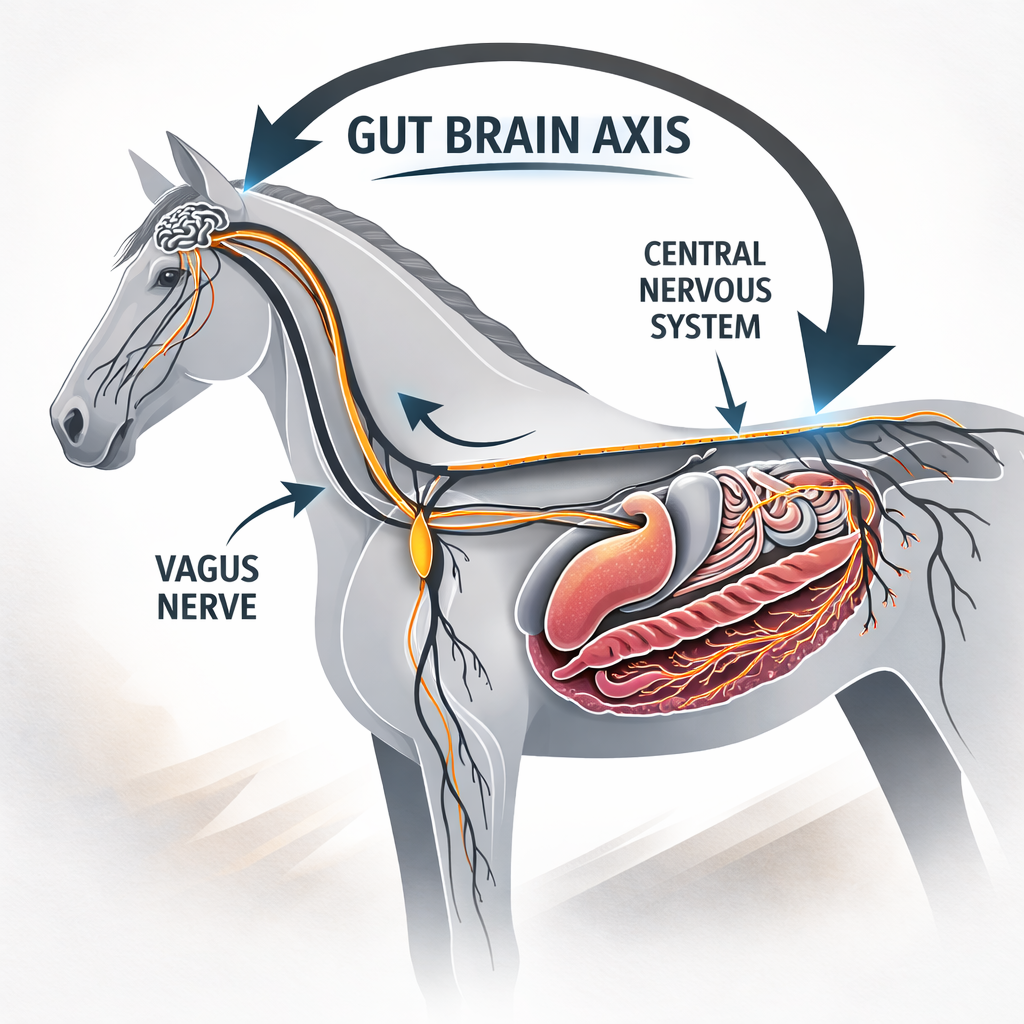
To grasp how your digestive health affects your skin and scalp, you first need to understand how these systems communicate. The gut-skin-scalp axis is a complex network that connects the digestive tract, immune system, skin, and scalp. Think of it as a busy highway, where signals travel back and forth every day.
What Is The Gut Microbiome?
Inside your intestines live about 100 trillion microbes—mostly bacteria, but also viruses and fungi. This community is called your gut microbiome. It helps break down food, create vitamins, and protect against harmful invaders. Importantly, your microbiome also “talks” to your immune system and sends chemical signals all over your body.
How Does The Gut Communicate With The Skin And Scalp?
The gut communicates with the skin and scalp in several ways:
- Immune System: Most of your immune cells live in your gut. When the gut is healthy, the immune system works smoothly. But if your gut barrier becomes “leaky” (a problem called leaky gut syndrome), harmful substances can enter your bloodstream and cause inflammation. This often shows up as rashes, redness, or scalp irritation.
- Nutrients: Your gut absorbs vitamins, minerals, and other nutrients from food. If it’s not working well, your skin and scalp may not get what they need to stay healthy.
- Hormones and Chemicals: The gut produces and responds to hormones, like serotonin and cortisol. These can affect oil production in your skin and scalp, or trigger inflammation.
- Microbial Metabolites: The bacteria in your gut create compounds (like short-chain fatty acids) that travel through your blood and affect your skin’s barrier, hydration, and even hair follicle health.
Scientific Evidence For The Gut-skin-scalp Axis
The link between gut health and skin is not just theory. Research shows that people with skin problems often have gut issues too. For example:
- Acne patients often have less diverse gut bacteria than people without acne.
- People with eczema or psoriasis show differences in their gut microbiome compared to healthy individuals.
- Alopecia areata (an autoimmune hair loss condition) is linked to changes in gut bacteria and increased gut inflammation.
One large study found that people with rosacea are more likely to have digestive diseases like celiac or irritable bowel syndrome. This data supports the strong connection between your gut, skin, and scalp.
The Gut Microbiome: Your Internal Ecosystem
Your gut microbiome is like a rainforest inside your body—full of life, diversity, and constant change. It protects you from harmful germs, helps digest food, and controls many body functions.
Why Microbial Balance Matters
A healthy gut has a balance between “good” and “bad” bacteria. But modern life—full of antibiotics, processed foods, and stress—can easily disrupt this balance. When “bad” bacteria take over, your gut becomes inflamed and may not absorb nutrients properly. This can lead to:
- Skin inflammation (redness, eczema, acne)
- Scalp irritation (dandruff, itching, hair loss)
- Lowered immunity, making you more likely to get infections
How Gut Bacteria Influence Skin And Scalp
Gut bacteria create vitamins (like biotin and vitamin B12), break down fiber into healthy fats, and produce chemicals that lower inflammation. If your microbiome is damaged, your body loses these benefits. For example:
- Short-chain fatty acids (SCFAs) like butyrate help keep your skin moist and barrier strong.
- Some bacteria help control androgen hormones, which affect oil production in the skin and scalp (key in acne and oily scalp).
- Others reduce the growth of harmful yeasts on the scalp, preventing dandruff.
Data: Gut Microbiome And Skin Disorders
Recent studies have found:
- People with acne have lower levels of beneficial bacteria like Lactobacillus and Bifidobacterium.
- Psoriasis patients show higher levels of harmful bacteria that create toxins.
- In one study, improving gut bacteria diversity reduced eczema symptoms by 50% in 8 weeks.
The evidence is clear: your gut health is written all over your skin and scalp.
How Digestive Issues Trigger Skin And Scalp Problems
You may not connect a stomach ache with a breakout, but the link is real. When your digestive system is unhealthy, the effects can appear on your face, arms, or scalp.
Leaky Gut: The Hidden Trigger
The gut lining is only one cell thick. If it’s damaged, toxins and bacteria can leak into your bloodstream—a problem called leaky gut. This triggers inflammation throughout your body, including your skin and scalp.
Common causes of leaky gut include:
- Overuse of antibiotics
- High-sugar or high-fat diets
- Chronic stress
- Alcohol and smoking
Symptoms often include bloating, gas, food sensitivities, and skin flare-ups.
Food Intolerances And Allergies
Many people have trouble digesting certain foods. Common triggers include dairy, gluten, eggs, and soy. When these foods are not digested well, your immune system reacts. The result: hives, eczema, or even hair thinning.
Poor Nutrient Absorption
Your skin and scalp need vitamins, minerals, and amino acids to repair themselves. If your gut is inflamed, you may not absorb enough zinc, vitamin D, omega-3s, or iron. This can cause:
- Dry, flaky skin
- Slow wound healing
- Increased hair loss or dandruff
Chronic Inflammation
Inflamed guts send inflammatory chemicals (like cytokines) into the bloodstream. These chemicals can:
- Make skin conditions (like acne or psoriasis) worse
- Increase scalp itching or redness
- Weaken hair follicles, making hair thinner
Real-world Example
A 2022 study followed 500 adults with eczema. Those who improved their gut health (using probiotics, fiber, and anti-inflammatory foods) saw a 60% improvement in skin itching and redness after 3 months.
Skin And Scalp Conditions Linked To Gut Health
Many common skin and scalp problems have roots in digestive health. Understanding this link helps you target the real cause, not just the symptoms.
Acne
- Gut connection: Low levels of healthy gut bacteria, high sugar or dairy diets, and chronic stress can all worsen acne.
- Mechanism: Imbalanced gut bacteria lead to higher inflammation and increased oil production, both of which trigger acne.
Eczema (atopic Dermatitis)
- Gut connection: Children with eczema often have less diverse gut bacteria. Adults with eczema may have leaky gut and food intolerances.
- Mechanism: Poor gut health lets allergens and toxins into the bloodstream, which activate the immune system and cause skin rashes.
Psoriasis
- Gut connection: People with psoriasis often have gut inflammation and overgrowth of harmful bacteria.
- Mechanism: Gut inflammation raises whole-body inflammation, making skin plaques worse.
Rosacea
- Gut connection: Strong links to gut diseases like small intestinal bacterial overgrowth (SIBO) and irritable bowel syndrome (IBS).
- Mechanism: Gut bacteria imbalances can trigger facial redness and bumps.
Dandruff And Seborrheic Dermatitis
- Gut connection: Poor gut health allows harmful yeast (like Malassezia) to overgrow on the scalp.
- Mechanism: Inflammation and poor nutrient absorption weaken the scalp barrier, leading to itching and flakes.
Hair Loss (alopecia Areata, Telogen Effluvium)
- Gut connection: Autoimmune hair loss is linked to gut inflammation and low diversity of gut bacteria.
- Mechanism: Chronic inflammation damages hair follicles. Poor digestion leads to nutrient shortages that slow hair growth.
Comparison: Common Skin And Scalp Problems And Gut Factors
| Condition | Main Gut-Related Triggers | Symptoms |
|---|---|---|
| Acne | Low good bacteria, high sugar, leaky gut | Pimples, oily skin |
| Eczema | Food allergies, low bacteria diversity | Itchy, red patches |
| Psoriasis | Gut inflammation, toxin-producing bacteria | Scaly plaques, redness |
| Dandruff | Yeast overgrowth, low immunity | Flaky scalp, itching |
| Hair Loss | Autoimmunity, poor nutrient absorption | Thinning hair, bald spots |

Credit: nafequine.com
The Role Of Diet In The Gut-skin-scalp Axis
What you eat is one of the most powerful ways to change your gut—and, in turn, your skin and scalp. Many people see dramatic results by changing their diets.
Foods That Harm Gut And Skin Health
- Sugar and Refined Carbs: Feed bad bacteria and yeast, leading to inflammation and breakouts.
- Dairy: Linked to acne and eczema flare-ups in sensitive people.
- Gluten: Can trigger gut inflammation in those with sensitivities or celiac disease.
- Processed Foods: Often low in fiber and full of additives that harm gut bacteria.
- Alcohol: Damages gut lining, increases leaky gut risk.
Foods That Support Gut, Skin, And Scalp
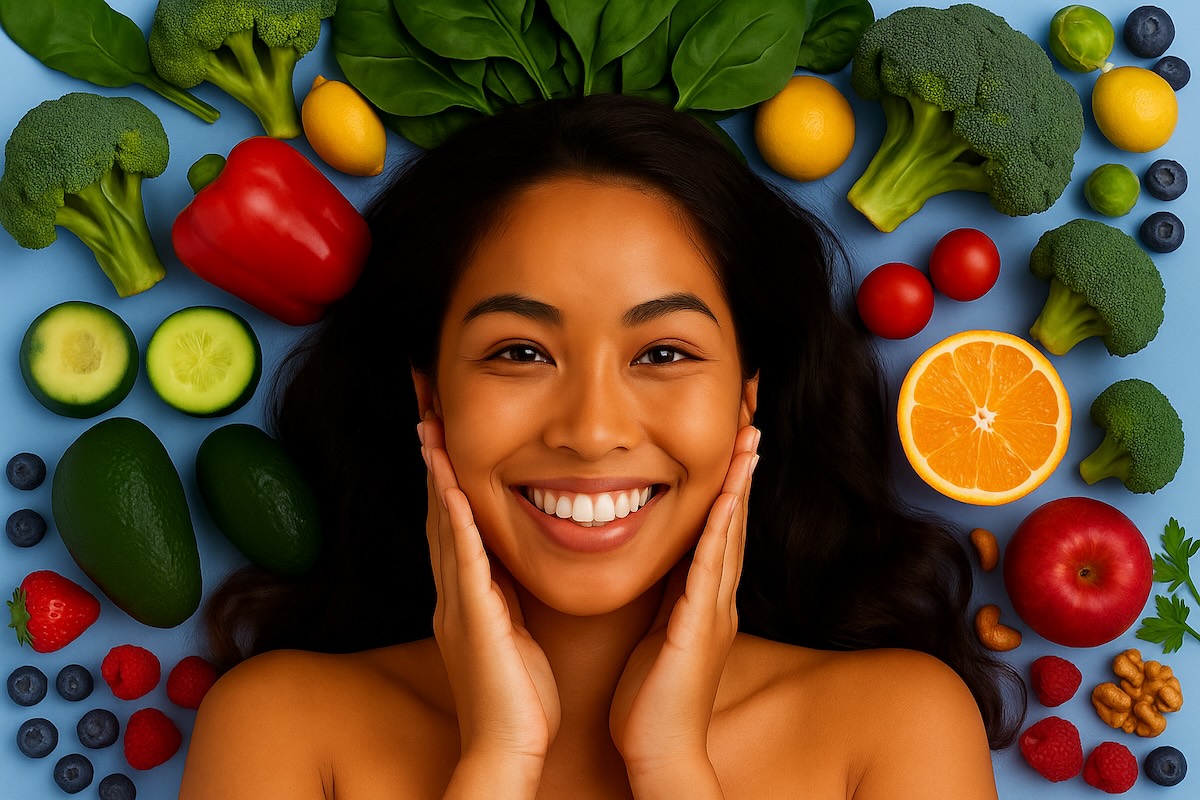
- Fiber-rich vegetables (broccoli, carrots, spinach): Feed good bacteria.
- Fermented foods (yogurt, kefir, sauerkraut): Add healthy bacteria to your gut.
- Omega-3 fatty acids (salmon, walnuts, flaxseed): Lower inflammation and support scalp health.
- Antioxidant-rich fruits (blueberries, oranges): Protect skin cells from damage.
- Lean protein (chicken, beans, eggs): Needed for skin and hair repair.
Real-world Data: Diet And Skin Health
A 2021 review showed that people who ate a Mediterranean-style diet (rich in fiber, healthy fats, and vegetables) had 35% fewer acne flare-ups and less scalp itching compared to those eating a standard Western diet.
Sample Comparison: Diet Types For Gut-skin-scalp Health
| Diet Type | Main Features | Typical Impact on Skin/Scalp |
|---|---|---|
| Western Diet | High sugar, low fiber, processed foods | More acne, dull skin, scalp irritation |
| Mediterranean Diet | High fiber, olive oil, fish, vegetables | Clearer skin, less dandruff, stronger hair |
| Elimination Diet | Removes common allergens (dairy, gluten, soy) | Fewer rashes, less eczema, improved hair health |
Two Insights Beginners Miss
- Gut health is not just about probiotics. While probiotics can help, your diet as a whole matters much more. Eating a wide variety of plant foods feeds different gut bacteria and keeps your internal ecosystem strong.
- Food reactions can be delayed. Sometimes a food you ate three days ago can trigger a skin or scalp reaction today. Keeping a food diary helps you spot these patterns.
Probiotics, Prebiotics, And Supplements For The Gut-skin-scalp Axis
Many people turn to supplements to improve gut health. But not all products work the same, and results depend on choosing the right approach.
Probiotics: Good Bacteria In A Capsule
Probiotics are live bacteria that help restore balance in your gut. Common strains include Lactobacillus and Bifidobacterium. Studies show that probiotics can:
- Reduce inflammation in eczema and acne
- Lower dandruff by fighting harmful scalp yeast
- Improve hair growth in people with gut-related hair loss
But not all probiotics work for every condition. For example, Lactobacillus rhamnosus GG is helpful for eczema, while Saccharomyces boulardii may work better for dandruff.
Prebiotics: Feeding Your Good Bacteria
Prebiotics are plant fibers that feed healthy gut bacteria. Foods high in prebiotics include:
- Garlic
- Onions
- Bananas
- Asparagus
- Oats
Eating these foods helps your good bacteria grow, creating more health benefits for your skin and scalp.
Other Helpful Supplements
- Zinc: Essential for skin healing and hair growth. Low zinc is common in people with gut issues.
- Omega-3s: Lower inflammation throughout the body, including the scalp.
- Collagen peptides: May support skin elasticity and hair strength.
How To Choose The Right Supplements
- Identify your main issue (acne, eczema, dandruff, hair loss).
- Start with food first—supplements work best alongside a healthy diet.
- Pick targeted probiotics (look for strains studied for your condition).
- Avoid megadoses—too much can harm your gut balance.
Data: Supplement Impact On Skin/scalp
A 2020 trial found that people taking a multi-strain probiotic had 40% fewer acne lesions after 12 weeks. Another study reported that prebiotic fiber reduced scalp itching in people with dandruff by 33%.
Credit: globalwellnessinstitute.org
Stress, Sleep, And The Gut-skin-scalp Connection
Most people know that stress makes skin and scalp issues worse. But not everyone realizes the gut is part of this story. When you are stressed, your gut bacteria change, and your digestive system becomes less efficient.
How Stress Damages The Gut
- Lowers good bacteria, increases harmful species
- Reduces gut barrier strength, causing leaky gut
- Slows down digestion, causing bloating and discomfort
All of these effects increase inflammation, which shows up as breakouts, rashes, or itchy scalp.
Sleep And Gut Health
Good sleep helps your gut bacteria stay balanced. Poor sleep:
- Raises stress hormones (like cortisol), which inflame the skin and scalp
- Lowers production of melatonin, which is needed for skin repair
Practical Tips For Managing Stress And Sleep
- Try deep breathing or meditation before bed
- Stick to a regular sleep schedule
- Avoid caffeine and screens late at night
- Get sunlight during the day to help your body clock
Hidden Insight
Many people overlook the impact of chronic low-level stress (busy work, worry, too much screen time). Even small amounts add up and change your gut bacteria over time.
Medical Conditions That Affect The Gut-skin-scalp Axis
Some diseases directly connect your gut, skin, and scalp health. If you have one of these conditions, improving your gut health can dramatically improve your symptoms.
Celiac Disease
A severe reaction to gluten, this disease damages the gut lining and causes rashes, hair loss, and dandruff. Strictly avoiding gluten usually improves both gut and skin health.
Inflammatory Bowel Disease (ibd)
People with Crohn’s disease or ulcerative colitis often have skin and scalp problems (like psoriasis, eczema, or hair thinning). Managing gut inflammation helps control these symptoms.
Small Intestinal Bacterial Overgrowth (sibo)
This condition causes too many bacteria to grow in the small intestine, leading to bloating, rashes, and scalp itching. Treating SIBO often improves both digestive and skin symptoms.
Polycystic Ovary Syndrome (pcos)
PCOS affects hormone levels and is linked to both gut issues and scalp problems (like oily scalp and hair thinning). Changing your diet and gut bacteria can help balance hormones.
Autoimmune Disorders
Diseases like lupus and alopecia areata often involve gut inflammation and abnormal immune responses that show up on the skin and scalp.
Table: Common Medical Conditions And Gut-skin-scalp Symptoms
| Medical Condition | Gut Issue | Skin/Scalp Effect |
|---|---|---|
| Celiac Disease | Gluten triggers gut damage | Rashes, hair loss, itchy scalp |
| IBD | Chronic gut inflammation | Eczema, psoriasis, dandruff |
| SIBO | Overgrowth of gut bacteria | Redness, rashes, scalp itching |
| PCOS | Hormonal imbalance, gut dysbiosis | Oily skin/scalp, hair thinning |
| Autoimmune Diseases | Immune attack on gut lining | Patchy hair loss, skin inflammation |
Practical Steps To Improve Your Gut For Better Skin And Scalp
You can’t change your genes, but you can control your daily habits. Here are steps you can take to repair your gut and get healthier skin and scalp:
1. Eat For Diversity
Aim to eat at least 30 different plant foods per week (vegetables, fruits, whole grains, nuts, seeds). This feeds a wider range of good bacteria.
2. Add Fermented Foods
Include a small serving of yogurt, kimchi, miso, or sauerkraut daily. These foods introduce helpful bacteria to your gut.
3. Avoid Common Triggers
If you notice flare-ups after eating dairy, gluten, or processed foods, try removing them for 2-4 weeks and observe any changes.
4. Manage Stress
Short daily routines like deep breathing, stretching, or even a walk outdoors can lower stress and support gut health.
5. Sleep Well
Aim for 7-9 hours of good sleep per night. Poor sleep weakens your gut and immune system.
6. Use Supplements Wisely
Choose probiotics and prebiotics based on your main issues (see earlier sections). Ask your doctor before starting new supplements, especially if you have medical conditions.
7. Stay Hydrated
Water supports digestion and helps flush out toxins that could inflame your skin or scalp.
8. Limit Alcohol And Caffeine
Both can irritate your gut and make skin or scalp issues worse if you overdo it.
9. Move Your Body
Regular exercise helps your gut bacteria thrive and reduces stress chemicals that hurt your skin and scalp.
10. Track Your Progress
Keep a simple journal of your food, mood, skin/scalp symptoms, and sleep. This helps you find patterns and stay motivated.
Two More Insights For Success
- It takes time to see results. Most people notice changes in skin and scalp within 4-8 weeks of improving gut health—not overnight.
- One size does not fit all. What works for your friend may not work for you. Experiment and adjust based on your unique body.
When To See A Professional
Sometimes, you need expert help. If you have severe or stubborn symptoms, consider seeing a:
- Dermatologist: For skin or scalp symptoms that won’t go away
- Gastroenterologist: For ongoing digestive problems
- Registered Dietitian: To help design a gut-friendly eating plan
Testing for food allergies, celiac disease, or gut infections may be needed. Always talk to your doctor before making big changes, especially if you are on medication.
The Future Of Gut-skin-scalp Research
The science of the gut-skin-scalp axis is still growing. New research is exploring:
- Personalized probiotics: Tailored to your unique microbiome
- Skin and scalp “microbiome” therapies: Using bacteria-based creams or shampoos
- Genetic testing: To find your best diet for gut and skin health
One promising area is fecal microbiota transplantation (FMT), where healthy gut bacteria are transferred from a donor. Early studies show this can help severe eczema and hair loss, but it’s still experimental.
For more on new research, check National Institutes of Health.
Frequently Asked Questions
What Is The Gut-skin-scalp Axis?
The gut-skin-scalp axis is the link between your digestive system, immune health, skin, and scalp. When your gut is balanced and healthy, your skin and scalp are more likely to be clear and comfortable. Problems in your gut often show up as rashes, breakouts, or scalp irritation.
Can Probiotics Really Help My Skin Or Scalp?
Yes, certain probiotics can improve skin and scalp conditions, especially if you have acne, eczema, or dandruff linked to gut imbalance. Choose strains studied for your condition and use them with a healthy diet for best results.
How Long Does It Take To See Results From Changing My Gut Health?
Most people start to notice improvements in their skin and scalp within 4 to 8 weeks of making gut-friendly changes. For some, it may take longer depending on the severity of their condition and how consistent they are with new habits.
Are There Warning Signs That My Gut Health Is Affecting My Skin Or Scalp?
Warning signs include bloating, food sensitivities, frequent rashes, unexplained acne, or hair loss—especially if these appear together. If skin or scalp problems don’t respond to usual treatments, look at your gut health as a possible cause.
Should I See A Doctor For Gut-related Skin Or Scalp Issues?
If you have severe, painful, or long-lasting symptoms—like open sores, rapid hair loss, or gut pain—see a doctor or specialist. They can test for food allergies, infections, or chronic diseases and help you make a plan that addresses both your gut and skin/scalp health.
When you take care of your gut, you’re not just helping your stomach—you’re giving your skin and scalp the best chance to look and feel healthy. Understanding the gut-skin-scalp axis may be the missing link you’ve been looking for.
Credit: nafequine.com