

Thyroid Hair Loss Recovery Timeline: How Long Until Regrowth
Hair loss can be distressing, especially when it’s linked to thyroid problems. Many people notice more hair on their brush or pillow and wonder, “Will my hair grow back?” and “How long does it take?” Understanding the timeline for thyroid hair loss recovery can help you set realistic expectations and reduce anxiety during your healing journey. This guide explains how thyroid issues affect hair, the regrowth timeline, and practical steps to help you see progress.
How Thyroid Disorders Cause Hair Loss
The thyroid gland plays a key role in controlling how your body uses energy. It produces hormones called T3 and T4, which influence almost every cell. When your thyroid is not working correctly, it can disrupt your hair’s growth cycle.
There are two main thyroid problems that cause hair loss:
- Hypothyroidism: An underactive thyroid does not make enough hormones. This slows cell turnover, including hair growth. Hair may become thin, dry, and brittle.
- Hyperthyroidism: An overactive thyroid speeds up metabolism. This can shock hair follicles, causing them to enter a resting (telogen) phase early.
Both conditions can trigger diffuse hair loss—meaning you lose hair evenly across your scalp, not in patches.
A common, but lesser-known, effect is the way thyroid problems disrupt the hair’s normal growth cycle. Hair grows, rests, and sheds in a predictable pattern. Thyroid imbalance can push more hairs into the shedding phase at once. This is called telogen effluvium, and it usually starts two to four months after the thyroid problem begins or changes.
What To Expect: The Thyroid Hair Loss Recovery Timeline
Every person’s timeline is unique, but most people follow a similar pattern when their thyroid is treated. Here’s a detailed look at what you can expect, broken down by months.
The First 0–3 Months: Stabilizing Your Thyroid
The first step is getting a correct diagnosis and starting treatment. This usually means thyroid hormone replacement (like levothyroxine for hypothyroidism) or medications to slow thyroid hormone production (for hyperthyroidism).
Key changes in this stage:
- Hair loss may continue, or even get worse, for several weeks after starting treatment. This is because hair follicles need time to respond to new hormone levels.
- You may still see increased shedding in the shower or when brushing.
Why? Hair follicles follow their own rhythm. When you correct the thyroid hormone imbalance, it takes time for your hair cycle to “reset.” Many people worry treatment is not working, but this phase is normal.
Non-obvious insight: Some people also experience shedding after their thyroid returns to normal (called “hormone rebound”). This can be confusing, but it’s usually temporary.
Months 3–6: The Start Of Regrowth
By the third month, your body is adapting to stable thyroid levels. Hair loss should slow down, and you may notice less hair falling out.
What happens now:
- New hairs begin to grow. These are often short, fine, and may be hard to see at first.
- The scalp may look fuller in bright light, but it’s subtle.
- Shedding reduces, but hair density is not yet fully restored.
Common mistake: Expecting instant results. Hair grows about 1 cm (0.4 inches) per month, so visible changes take time.
Practical tip: Take regular photos of your hairline or parting. This helps track small improvements you might miss day-to-day.
Months 6–12: Noticeable Improvement
By now, most people see real progress:
- New hairs are longer and thicker.
- Bald spots or thinning areas start to fill in.
- Hair texture may improve, becoming softer and shinier.
Stat: Studies show around 70% of people notice visible hair regrowth within 6–12 months of thyroid stabilization, provided there are no other causes.
Non-obvious insight: Regrowth is usually even, not patchy. However, some areas (like the temples) may recover more slowly.
12 Months And Beyond: Full Recovery
After a year, many people regain most of their lost hair, though the timeline can vary.
- For some, complete regrowth takes up to 18–24 months.
- If hair loss persists, other factors (like iron deficiency, stress, or genetics) may be involved.
Key point: If hair is not growing back after a year of good thyroid control, consult a dermatologist. Chronic telogen effluvium or other scalp conditions could be present.
Factors That Influence Thyroid Hair Regrowth
Not everyone recovers at the same rate. Several things can speed up or slow down your timeline:
1. How Long The Thyroid Problem Lasted
The longer you had untreated thyroid imbalance, the more hair follicles may be affected. Early treatment often means quicker regrowth.
2. Age And Genetics
Older people may regrow hair more slowly. If you have a family history of baldness, thyroid hair loss may reveal genetic thinning sooner.
3. Overall Health And Nutrition
Conditions like low iron, vitamin D deficiency, or chronic illness can make hair recovery slower. Eat a balanced diet rich in protein, iron, and vitamins.
4. Stress Levels
Physical or emotional stress can trigger further hair shedding, even if your thyroid is under control. Stress reduction helps recovery.
5. Other Medications
Some drugs, like beta blockers or blood thinners, can also cause hair loss. Review your medication list with your doctor.
6. Scalp Health
Healthy skin is important for hair growth. Issues like dandruff, psoriasis, or fungal infections can block regrowth.
Understanding The Hair Growth Cycle
To understand why thyroid hair loss takes time to reverse, it helps to know how the hair growth cycle works.
| Phase | Duration | What Happens |
|---|---|---|
| Anagen (Growth) | 2–7 years | Hair grows actively |
| Catagen (Transition) | 2–3 weeks | Hair follicle shrinks |
| Telogen (Resting) | 2–4 months | Hair rests, then sheds |
Thyroid problems push more hairs into the telogen phase. That’s why hair falls out in large amounts. When the thyroid is balanced, follicles gradually return to the growth phase, but it can take several cycles to recover lost volume.
What Does Thyroid Hair Regrowth Look Like?
Many people ask what new hair will look like after thyroid recovery. Here’s what you might notice:
- Baby hairs at the hairline or parting—these are short, soft, and may stick up.
- Overall thickness improves before length.
- Sometimes, regrown hair is a slightly different color or texture (finer, curlier, or straighter).
Example: If you lost hair at the temples, you may see new fuzz there first. In some cases, regrowth is patchy at first, but it evens out over several months.
How To Boost Thyroid Hair Regrowth
While you can’t force hair to grow overnight, certain strategies support faster, healthier regrowth.
1. Stick To Your Thyroid Treatment
Take your medication at the same time every day as prescribed. Small changes in hormone levels can affect the hair cycle.
2. Optimize Your Nutrition
Include foods rich in:
- Protein: Eggs, chicken, fish, legumes
- Iron: Red meat, spinach, lentils
- Vitamin D: Fatty fish, sunlight, fortified foods
- Zinc: Nuts, seeds, shellfish
If you have a deficiency, supplements can help—but check with your doctor first.
3. Manage Stress
Techniques like meditation, deep breathing, or yoga can lower stress hormones and support hair growth.
4. Care For Your Scalp
Use gentle shampoos, avoid harsh chemicals, and don’t scratch your scalp. Massaging your scalp can improve blood flow.
5. Avoid Damaging Hair Habits
Reduce heat styling, tight ponytails, or chemical treatments during the regrowth phase. These can break fragile new hairs.
6. Consider Topical Treatments
Some people use minoxidil (Rogaine) to encourage faster regrowth. This is not always necessary but may help in stubborn cases. Always check with your doctor before starting new treatments.

Credit: casereports.bmj.com
When To Worry: Signs Of Other Hair Loss Problems
Not all hair loss is due to thyroid issues. If you see the following signs, seek medical advice:
- Patchy bald spots (could suggest alopecia areata)
- Red, scaly, or painful scalp (could be infection or inflammation)
- Rapid, severe thinning not improving after 12 months
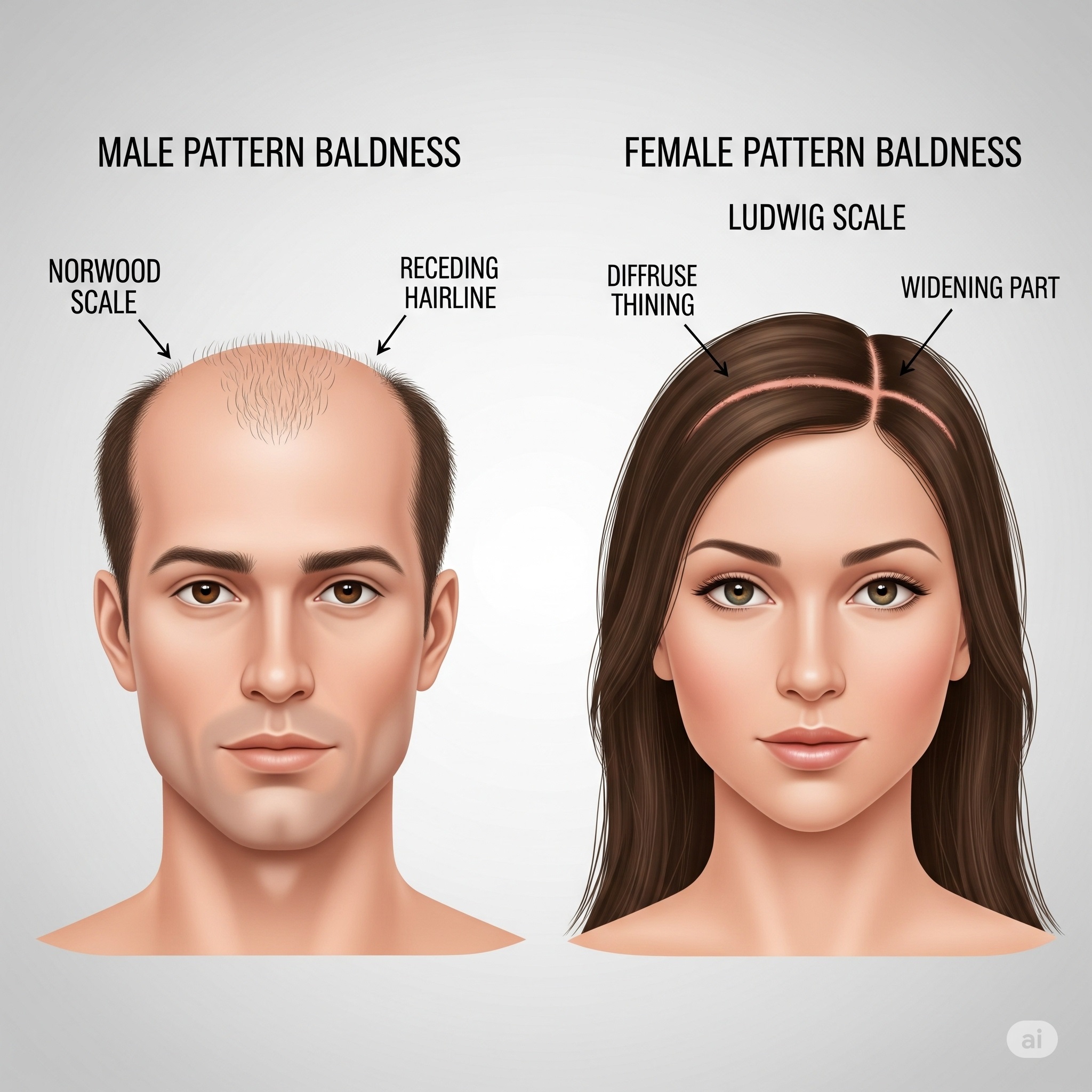
Sometimes, what looks like thyroid hair loss is actually a mix of causes. For example, women may also have androgenetic alopecia (female-pattern baldness), which is slower to recover. A dermatologist can do a scalp exam or blood tests to clarify the cause.
Comparing Thyroid Hair Loss To Other Types
Thyroid-related hair loss is often confused with other types. Here’s how it compares:
| Type | Pattern of Loss | Typical Recovery | Notes |
|---|---|---|---|
| Thyroid Hair Loss | Diffuse (all over) | 3–12 months after treatment | Improves with hormone balance |
| Androgenetic Alopecia | Patterned (crown, temples) | Slow, may need lifelong treatment | Genetic, not reversible |
| Telogen Effluvium | Diffuse | 3–6 months after trigger ends | Often recovers fully |
| Alopecia Areata | Patchy | Varies, may regrow or recur | Autoimmune cause |
Tip: If hair loss is only at the temples or crown, it might be more than thyroid-related. See a specialist if unsure.
Credit: hairgp.co.uk
Realistic Expectations: What Most People Experience
Based on medical studies and patient experiences, here’s a typical recovery pattern:
- First 2–3 months: Hair loss continues or worsens after starting thyroid treatment.
- 3–6 months: Shedding slows, some short hairs appear.
- 6–12 months: Noticeable filling in, but not all hair is back yet.
- 12–24 months: Full or near-full regrowth for most people.
Example: If you lost 30% of your hair, you might get back 80–90% within 18 months. Some may not recover all lost hair, especially if other causes are present.
Patient Story: Living Through The Timeline
Maria, 38, noticed sudden hair thinning after her second pregnancy. Blood tests showed hypothyroidism. She started levothyroxine, but her hair kept falling out for two more months. At month four, the shedding slowed. By month seven, she saw baby hairs around her temples. After one year, her hair was almost as thick as before, though her part was still slightly wider.
Her advice? “Take photos every month. Progress is slow, but over time, you’ll see the difference. ”
What Slows Down Recovery
Sometimes, hair regrowth is delayed, even with good thyroid control. Reasons include:
- Undiagnosed nutrient deficiencies (iron, ferritin, vitamin D)
- Chronic stress or illness
- Menopause or hormonal changes
- Genetic predisposition
- Other medications or scalp disorders
Pro tip: Ask your doctor to check for these issues if hair is not regrowing after a year.
Common Myths About Thyroid Hair Loss Recovery
Many people are confused by myths and misinformation. Here’s the truth:
1. “hair Will Never Grow Back.”
Most thyroid hair loss is reversible once hormones are balanced.
2. “biotin Supplements Will Cure It.”
Biotin rarely helps unless you have a true deficiency (which is very rare).
3. “cutting Hair Makes It Grow Faster.”
Trimming removes split ends but does not affect growth rate.
4. “natural Oils Can Regrow Hair Overnight.”
No oil or home remedy can speed up the hair cycle dramatically. They may help scalp health, not regrowth speed.
The Role Of Blood Tests And Thyroid Management
Tracking thyroid hormone levels is key to recovery. Your doctor will check:
- TSH (Thyroid Stimulating Hormone)
- Free T4 and Free T3
- Sometimes, thyroid antibodies (for autoimmune causes)
Aim for TSH in the normal range (usually 0.4–4.0 mIU/L), but ideal levels may vary. Some people feel best at the low-normal or mid-normal range.
Non-obvious insight: Fluctuating thyroid levels (from missed meds or dose changes) can trigger new shedding episodes.
Tip: Consistency is crucial—take your medication the same way each day, avoid missing doses, and report symptoms to your doctor.
Tracking Your Progress
It’s easy to get discouraged if you don’t see quick results. Here are practical ways to measure improvement:
- Take monthly photos in the same lighting and angle.
- Check for new “baby hairs” along your hairline.
- Measure ponytail thickness if you have long hair.
- Note reduced shedding in your brush or shower.
Fact: Visible changes often lag behind lab improvements. Hair needs time to cycle back to growth.
Credit: wmedtour.com
When To See A Specialist
If your hair is not regrowing as expected, or you have other symptoms (like itching, redness, or pain), see a dermatologist or trichologist (hair specialist). They may recommend:
- Scalp biopsy (to check for scarring or inflammation)
- Blood tests for other causes
- Topical or oral treatments for stubborn cases
Early intervention can prevent permanent loss in rare cases.
Supporting Your Emotional Wellbeing
Hair loss can affect self-esteem. Here’s how to cope while waiting for regrowth:
- Talk to friends, family, or a counselor about how you feel.
- Use gentle styling tricks (like volumizing mousse or a new part) to boost confidence.
- Remember: Most thyroid hair loss is temporary.
If anxiety or depression is severe, seek professional help. Emotional stress can worsen hair loss, so self-care matters.
Comparing Recovery Times: Thyroid Hair Loss Vs. Other Hair Loss
How does thyroid hair loss regrowth compare with other types? See the timeline below:
| Type | Regrowth Timeline | Best Outcome |
|---|---|---|
| Thyroid Hair Loss | 3–18 months after hormone correction | Full or near-full regrowth |
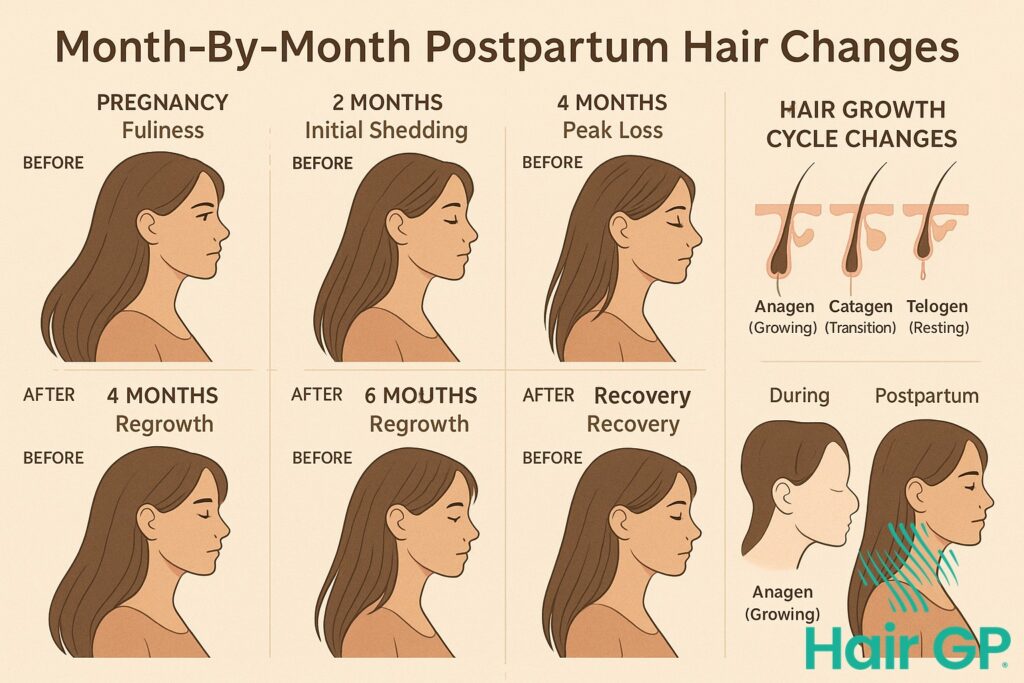
| Postpartum Shedding | 3–12 months | Full regrowth |
| Pattern Baldness | Slow, ongoing | Partial regrowth with treatment |
| Severe Telogen Effluvium | 6–12 months after trigger ends | Full regrowth |
The Role Of Professional Treatments
For stubborn cases, doctors might suggest:
- Topical minoxidil: Helps follicles enter the growth phase.
- PRP (Platelet-Rich Plasma) therapy: Involves injecting growth factors from your blood into the scalp.
- Low-level laser therapy: May stimulate hair follicles.
These treatments work best after your thyroid is stable. They are not substitutes for thyroid medication.
Note: Not all treatments are suitable for everyone. Discuss risks, costs, and realistic expectations with your provider.
Lifestyle Changes That Support Hair Recovery
Small changes can make a big difference in your hair’s recovery:
- Get enough sleep (7–8 hours per night)
- Stay hydrated—dehydration can affect hair and scalp health
- Avoid crash diets, which shock the body and can worsen shedding
- Be gentle: Use wide-tooth combs, avoid hot tools, and don’t tug hair
Pro tip: Consider a silk pillowcase to reduce friction and breakage.
Children And Thyroid-related Hair Loss
Children can also experience hair loss from thyroid imbalance, but their regrowth is often faster. Early diagnosis and treatment are crucial. If your child has thinning hair, see a pediatrician for thyroid testing.
Special Considerations For Women
Women are more likely to have thyroid disorders and may notice shedding after pregnancy, during menopause, or with hormonal birth control changes. These events can overlap, making recovery slower.
- Postpartum women often see hair return by their baby’s first birthday.
- Menopausal women may need extra time and support.
Fact: Women are also more likely to develop autoimmune thyroid disease (like Hashimoto’s), which can have more ups and downs.
The Impact Of Autoimmune Thyroid Disease
Hashimoto’s thyroiditis and Graves’ disease are common causes of thyroid imbalance. Autoimmune disorders can cause more unpredictable hair loss and regrowth patterns. Flare-ups may trigger new shedding.
If you have an autoimmune thyroid problem:
- Work with an endocrinologist to keep your thyroid levels steady.
- Watch for other autoimmune symptoms (like rashes or joint pain).
Supplements And Alternative Therapies: Do They Help?
Many people try supplements, but only a few are proven to help:
- Iron: Only if deficient
- Vitamin D: Important for hair follicle health
- Zinc: May help if levels are low
Herbs, collagen powders, and “hair growth” vitamins are popular but rarely make a big difference unless you have a true deficiency. Avoid megadoses—they can cause harm.
External resource: For more on thyroid hair loss, visit the American Academy of Dermatology.
Frequently Asked Questions
How Long Does It Take For Hair To Grow Back After Treating Thyroid Issues?
Most people see visible hair regrowth within 3–6 months after starting thyroid treatment. Full recovery can take 12–18 months. Some see improvement sooner, while for others it may take longer.
Will All My Lost Hair Return After My Thyroid Is Balanced?
Most people regain 80–100% of their lost hair if their thyroid is well-controlled and there are no other factors. However, some may not recover all lost hair, especially if they have other types of hair loss or have been untreated for a long time.
Can I Speed Up Thyroid Hair Regrowth With Special Shampoos Or Oils?
No shampoo or oil can dramatically speed up regrowth. Gentle scalp care is important, but real improvement depends on correcting thyroid hormone levels and good nutrition.
Is It Normal To Keep Losing Hair After Starting Thyroid Medication?
Yes, it’s common for hair loss to continue or even worsen for 2–3 months after starting treatment. This is due to the hair cycle resetting. Shedding should slow as your hormone levels stabilize.
When Should I See A Doctor About Hair Loss After Thyroid Treatment?
See a doctor if hair loss continues beyond 12 months, if you notice patchy bald spots, or if you have scalp symptoms (redness, pain, or scaling). Other causes may need to be checked.
Final Thoughts
Recovering from thyroid-related hair loss is a journey, not a quick fix. Most people see real improvement within a year of stable thyroid treatment, though patience is required. Focus on your overall health, follow medical advice, and use gentle hair care. If progress stalls, seek professional help to rule out other factors. With time, most people regain their confidence and their hair.