

Many people want strong, shiny hair and a healthy scalp. In recent years, more people talk about vitamin E for hair growth and scalp circulation. You may see vitamin E in shampoos, oils, or even supplements. But is there real science behind these claims? Or is it just another beauty trend?
This article takes a deep look at the evidence for vitamin E’s role in hair and scalp health. We’ll explore what vitamin E is, how it works in the body, and what research says about its effects. You’ll also learn about different ways to use vitamin E, possible risks, and how to make smart choices for your hair.
By the end, you’ll have a clear picture—based on facts, not hype—of what vitamin E can (and cannot) do for your hair.
What Is Vitamin E?
Vitamin E is a group of fat-soluble compounds. The most common form in the human body is alpha-tocopherol. It acts as a powerful antioxidant—this means it helps protect your cells from damage caused by free radicals. Free radicals are unstable molecules from pollution, sun, or even your own metabolism.
There are eight forms of vitamin E found in nature. Four are called tocopherols (alpha, beta, gamma, delta), and four are tocotrienols. Most supplements and foods contain alpha-tocopherol because the body prefers this type.
You can get vitamin E from foods such as:
- Sunflower seeds
- Almonds
- Spinach
- Avocado
- Vegetable oils (like wheat germ oil, sunflower oil)
Vitamin E is also available as capsules, oils, creams, and added to many hair and skin products.
How Does Vitamin E Work In The Body?
Vitamin E’s main job is to stop oxidative stress. This happens when free radicals cause cell and tissue damage. Over time, oxidative stress can affect the skin, scalp, and hair follicles.
Vitamin E works by:
- Neutralizing free radicals: It gives up an electron to stabilize free radicals, preventing them from damaging healthy cells.
- Supporting cell membranes: It helps keep the outer layer of cells (membranes) flexible and strong.
- Aiding immune function: It helps the body fight off infection and inflammation.
- Improving blood flow: Some studies show vitamin E can help widen blood vessels, which may improve circulation.
These effects are important for the whole body—not just the hair and scalp.
Vitamin E And Hair Growth: What Science Says
Many people hope vitamin E can speed up hair growth or reverse hair loss. Let’s look at what research has found.
Does Vitamin E Help Hair Grow Faster?
There are only a few studies that directly test vitamin E for hair growth. One small study in 2010 gave people with alopecia (a type of hair loss) either vitamin E supplements or a placebo for eight months. The vitamin E group saw a 34.5% increase in hair growth compared to the placebo group.
However, the study was small and only looked at people with specific hair loss. There is not enough strong evidence yet to say vitamin E works for everyone.
Can Vitamin E Prevent Hair Loss?
Vitamin E’s antioxidant power may help reduce hair loss caused by oxidative stress. Free radicals can hurt hair follicles and speed up aging of the scalp. By fighting these molecules, vitamin E could protect hair roots.
But again, most evidence comes from small studies or animal research. There are no large, long-term studies proving vitamin E stops hair loss for all people.
What About Scalp Circulation?
Healthy blood flow to the scalp is important for hair growth. Blood brings oxygen and nutrients to hair follicles. Some people believe vitamin E can improve scalp circulation by widening blood vessels and reducing clumping of platelets (tiny blood cells).
A few studies found that vitamin E supplements can help blood vessels relax and improve circulation. This could, in theory, help hair follicles get more nutrients. But direct proof in humans is still limited.
Are There Other Benefits For Hair?
Vitamin E is often added to shampoos, conditioners, and oils. It may help:
- Reduce scalp inflammation
- Moisturize dry hair
- Protect hair from sun damage
- Make hair look shinier
Most of these effects come from vitamin E’s role as an antioxidant and moisturizer. But many claims are based on theory or lab studies, not big human trials.
The Science Of Hair Growth And Loss
To understand if vitamin E helps, it’s useful to know how hair grows and why it falls out.
The Hair Growth Cycle
Hair goes through three main stages:
- Anagen (growth phase): Lasts 2–7 years. Hair grows about half an inch per month.
- Catagen (transition phase): Lasts 2–3 weeks. Hair stops growing and detaches from blood supply.
- Telogen (resting phase): Lasts 2–4 months. Hair falls out, and a new hair begins to grow.
Most healthy adults have 85–90% of hair in the anagen phase.
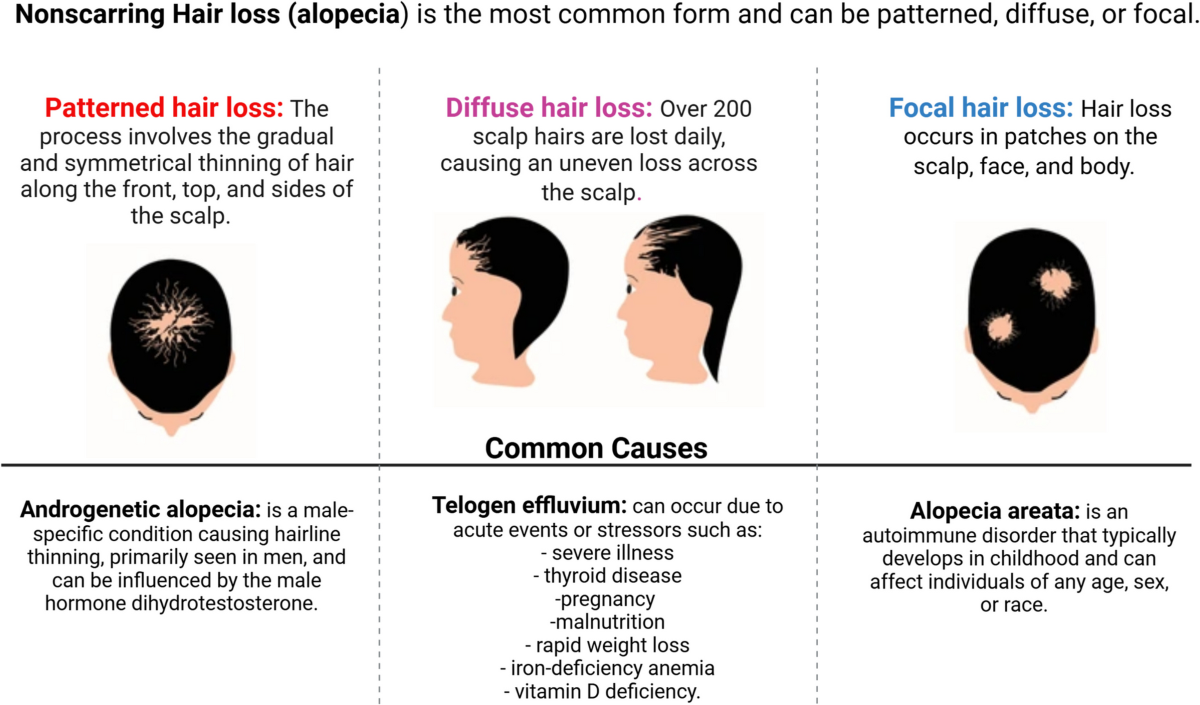
Why Does Hair Fall Out?
Common causes include:
- Genetics: Male or female pattern baldness
- Hormones: Pregnancy, menopause, thyroid issues
- Stress: Physical or emotional shock
- Nutrition: Lack of vitamins, minerals, or protein
- Medical conditions: Alopecia, scalp infections
- Styling damage: Heat, coloring, tight hairstyles
Vitamin E may help in cases where oxidative stress or poor circulation plays a role. But it cannot fix hair loss caused by genetics or hormones.
Credit: drcinik.com
Evidence Review: What Research Actually Shows
It’s important to separate hype from real science. Here, we look at published studies and expert reviews.
Human Studies
- A 2010 study in the Tropical Life Sciences Research journal gave 38 volunteers with hair loss either vitamin E capsules (100 mg, twice daily) or placebo for 8 months. The vitamin E group had a 34.5% increase in hair count, while the placebo group had only a 0.1% increase.
- A review in the International Journal of Trichology notes that vitamin E’s role in hair health is “promising but not yet proven.” The authors say more large studies are needed.
- Other research shows vitamin E may help with scalp inflammation and dryness, but not all people see results.
Animal And Lab Research
- Studies in mice show that vitamin E can improve hair growth when applied to the skin.
- Lab tests found that vitamin E protects skin cells from UV damage and boosts collagen production, which could help the scalp.
Reviews And Meta-analyses
- Most expert reviews say that vitamin E helps reduce oxidative stress, which could protect hair follicles. But they warn that strong evidence in humans is still missing.
- The American Academy of Dermatology does not list vitamin E as a proven treatment for hair loss.
Summary Table: Key Research Findings
Below is a summary comparing major studies on vitamin E and hair growth.
| Study | Type | Participants | Duration | Main Finding |
|---|---|---|---|---|
| Tropical Life Sciences Research (2010) | Human trial | 38 (alopecia patients) | 8 months | +34.5% hair count with vitamin E |
| Animal study (2012) | Mouse model | 30 mice | 12 weeks | Improved hair growth with topical vitamin E |
| International Journal of Trichology (2018 review) | Review | – | – | Evidence “promising but not proven” |
How To Use Vitamin E For Hair And Scalp
If you want to try vitamin E for your hair, you have several options. Each method works differently, and not all are equal.
Topical Application
This means putting vitamin E directly on your scalp or hair. You can use:
- Vitamin E oil: Pure oil or mixed with other oils (like coconut, olive, or jojoba oil)
- Shampoos and conditioners: Many have vitamin E added
- Homemade masks: Mix vitamin E capsules with carrier oils
How to use:
- Massage a small amount of oil into your scalp and hair.
- Leave it for 15–30 minutes (some people leave it overnight).
- Wash with a gentle shampoo.
Tips:
- Always test a small area first. Some people have allergic reactions.
- Too much oil can make hair greasy or clog pores.
Oral Supplements
You can take vitamin E as capsules or tablets. Most adults need about 15 mg (22.4 IU) per day. Some hair growth supplements contain higher doses.
Be careful: Too much vitamin E can cause side effects (see risks below).
Dietary Sources
Eating foods rich in vitamin E supports overall health. Good sources include:
- Nuts and seeds
- Leafy green vegetables
- Fortified cereals
- Vegetable oils
This is the safest way to get vitamin E.
Comparison Table: Application Methods
See how different ways to use vitamin E for hair compare:
| Method | How Used | Pros | Cons |
|---|---|---|---|
| Topical oil | Applied to scalp/hair | Direct application, quick effect | Can be greasy, may cause irritation |
| Supplements | Oral capsules/tablets | Easy, controlled dose | Risk of overdose, not for everyone |
| Diet | Foods rich in vitamin E | Safe, full of nutrients | Slow effect, needs variety |
Potential Risks And Side Effects
Vitamin E is safe when used correctly, but problems can happen if you use too much.
Possible Side Effects
- Skin irritation: Some people get redness, itching, or a rash from pure vitamin E oil.
- Clogged pores: Too much oil on the scalp can cause pimples or folliculitis.
- Hair greasiness: Overuse makes hair heavy and oily.
Risks Of High Doses
Taking high-dose vitamin E supplements (more than 400 IU/day) for a long time can increase the risk of:
- Bleeding problems: Vitamin E thins the blood and can increase bruising.
- Nausea or diarrhea: Some people get stomach upset.
- Headaches or fatigue: Rare but possible.
If you take blood thinners or have health problems, ask your doctor before using vitamin E supplements.
Who Should Not Use Vitamin E Supplements?
- People taking anticoagulant drugs (like warfarin)
- Those with vitamin K deficiency
- People with bleeding disorders
- Anyone with allergies to vitamin E
It’s always safest to talk to a healthcare provider before starting new supplements.
How To Choose Vitamin E Products For Hair
The market is full of vitamin E products. Here’s how to pick the best ones.
- Check the ingredients: Look for “tocopherol” or “tocopheryl acetate” as the source.
- Choose natural over synthetic: Natural vitamin E (d-alpha-tocopherol) is better absorbed than synthetic (dl-alpha-tocopherol).
- Avoid extra chemicals: Some oils and shampoos contain fragrances or preservatives that can irritate the scalp.
- Go for reputable brands: Buy from trusted companies to avoid fake or low-quality products.
- Read reviews: Other users’ experiences can highlight real pros and cons.
If you want pure oil, buy small bottles to avoid spoilage—vitamin E breaks down in light and air.
Credit: link.springer.com
Practical Tips For Getting Results
Getting the most from vitamin E for hair takes more than just buying a product. Here’s what helps:
- Consistency is key: Use vitamin E regularly (2–3 times per week for oil, daily for diet).
- Massage your scalp: This boosts blood flow, making any oil more effective.
- Don’t use too much: Start with a small amount of oil or a low supplement dose.
- Combine with a healthy diet: Hair needs protein, iron, zinc, and other vitamins too.
- Be patient: Results can take weeks or months. Hair grows about half an inch per month at best.
Two mistakes beginners often make:
- Using too much oil and causing greasy buildup or scalp irritation.
- Expecting fast results—hair growth is a slow process, and not everyone responds the same.
Who Might Benefit Most From Vitamin E?
Vitamin E is not a magic cure for hair loss. But some people may see benefits:
- Those with dry, flaky scalp: Vitamin E helps moisturize and reduce itch.
- People exposed to pollution or sun: Its antioxidant effect protects hair from damage.
- Mild hair thinning from stress or poor diet: Vitamin E supports overall scalp health.
People with genetic baldness or severe medical hair loss will not likely see major regrowth from vitamin E alone.
The Role Of Vitamin E In Scalp Circulation
Improving scalp circulation is one reason people use vitamin E. Good blood flow brings nutrients and oxygen to hair roots.
How Vitamin E May Help
- Vasodilation: Vitamin E helps blood vessels relax and widen.
- Prevents clumping: It reduces platelet aggregation, so blood flows more easily.
- Reduces inflammation: Calms inflamed scalp, which can block blood flow.
In theory, these effects can create a better environment for hair growth. But more direct human studies are needed.
Simple Ways To Improve Scalp Circulation
Vitamin E is just one tool. Other ways to boost scalp blood flow include:
- Regular scalp massage: Use fingertips or a massage brush.
- Exercise: Physical activity increases overall blood flow.
- Hot towel treatment: Place a warm towel on your head for a few minutes.
Combining these with vitamin E may give better results.
Myths And Misunderstandings About Vitamin E
There are many myths about vitamin E and hair. Let’s clear up some common ones.
Myth 1: “vitamin E Oil Alone Will Regrow All Lost Hair.”
Fact: No scientific proof shows that applying vitamin E oil alone can reverse baldness, especially genetic hair loss.
Myth 2: “more Vitamin E Means Faster Hair Growth.”
Fact: Very high doses can be harmful. More is not always better. Safe, regular use is best.
Myth 3: “vitamin E Works For Everyone.”
Fact: Results vary. Some people notice shinier, stronger hair; others may see little change.
Myth 4: “only Supplements Matter.”
Fact: Diet, scalp massage, and proper hair care are just as important as any supplement or oil.

Credit: www.cureveda.com
Comparing Vitamin E To Other Hair Growth Ingredients
Many products claim to boost hair growth. How does vitamin E stack up against other popular options?
| Ingredient | Main Benefit | Evidence Strength | Common Use |
|---|---|---|---|
| Vitamin E | Antioxidant, scalp moisture | Moderate | Oils, shampoos, supplements |
| Biotin (B7) | Improves keratin structure | Low-Moderate | Supplements, shampoos |
| Minoxidil | Stimulates hair follicles | High (FDA-approved) | Topical solution |
| Caffeine | Stimulates scalp circulation | Low | Shampoos |
| Rosemary oil | Promotes hair thickness | Moderate | Essential oil, scalp massage |
Vitamin E is helpful, but not as proven for hair growth as minoxidil. Still, it is safer and easier to use for most people.
Real-world Experiences And Case Examples
People’s experiences with vitamin E for hair are mixed. Here are some typical examples.
Positive Example
Anna, age 32, had dry hair and a flaky scalp. She started using a few drops of vitamin E oil mixed with coconut oil twice a week. After one month, her scalp was less itchy and her hair looked shinier.
She did not notice dramatic new hair growth, but overall hair quality improved.
Neutral Example
Carlos, age 44, wanted to slow his receding hairline. He took vitamin E supplements for six months but saw little change in hair thickness. He did notice less scalp irritation, especially after using hair dye.
Negative Example
Priya, age 28, used pure vitamin E oil directly on her scalp every day. After two weeks, she developed small red bumps and her hair became greasy. She stopped using the oil, and the bumps went away.
Insight: Results depend on the cause of hair problems, how vitamin E is used, and individual reaction.
Combining Vitamin E With Other Hair Treatments
Vitamin E works best as part of a full hair care routine. It is safe to use with most other hair products and treatments.
- With minoxidil: Apply vitamin E oil at a different time of day.
- With essential oils: Mix vitamin E with rosemary or peppermint oil for massage.
- With gentle shampoo: Look for products with vitamin E and no harsh chemicals.
If you use prescription hair loss treatments, talk to your doctor before adding new supplements or oils.
The Bottom Line: Should You Use Vitamin E For Hair Growth?
Vitamin E is not a miracle cure for hair loss. The evidence for hair growth is promising but not strong. Most people who benefit from vitamin E see better scalp health, shinier hair, and less dryness or irritation.
If you want to try vitamin E:
- Start with a small amount of oil or a low-dose supplement.
- Combine with a healthy diet, scalp massage, and gentle hair care.
- Don’t expect overnight regrowth—results are gradual and vary.
- Stop use if you have side effects.
The best way to keep hair healthy is a balanced approach. Don’t rely only on one ingredient.
For more details on vitamin E and overall health, you can read this NIH fact sheet.
Frequently Asked Questions
What Foods Are High In Vitamin E For Hair Health?
Foods rich in vitamin E include sunflower seeds, almonds, hazelnuts, spinach, avocado, and vegetable oils like wheat germ and sunflower oil. Eating these regularly supports scalp and hair health.
Can Vitamin E Oil Make Hair Grow Faster?
There is no strong proof that vitamin E oil alone makes hair grow faster. It may help with scalp dryness and shine, but most people will not see dramatic new growth.
Is It Safe To Use Vitamin E Oil On My Scalp Every Day?
Daily use of pure vitamin E oil can cause greasiness or irritation for some people. It’s safer to start with 2–3 times per week and watch for any reaction.
Do Vitamin E Supplements Help With Hair Loss?
Supplements may help if hair loss is due to vitamin E deficiency or oxidative stress. But they are not a proven cure for common hair loss, such as male pattern baldness.
Can I Use Vitamin E With Other Hair Treatments?
Yes, vitamin E can be used with most other hair products. But if you use prescription treatments, check with your doctor first.
Taking care of your hair is a journey. Vitamin E can support scalp health, but it’s not a magic fix. Focus on a healthy diet, gentle care, and realistic expectations for the best results.