

Hair loss is a common concern for people of all ages. It can start slowly or suddenly, and it often affects confidence, social life, and even daily comfort. If you’re noticing more hair on your pillow or in the shower, you’re not alone—millions experience some form of hair thinning or balding in their lifetime. But knowing where to seek help is often confusing. Should you book an appointment with a trichologist or a dermatologist? These two specialists often appear side by side in online searches, yet their roles, training, and methods are quite different.
This article will help you understand the difference between these two experts. You’ll learn what each one does, how they approach hair loss, and most importantly, when you should see a trichologist versus a dermatologist. By the end, you’ll know exactly what steps to take for your unique situation—and avoid wasting time or money on the wrong path.
Understanding Hair Loss: Why It Happens
Hair loss, or alopecia, is not just one condition. There are many types and causes. For some, it’s a slow receding hairline; for others, it’s patchy bald spots. The reasons behind hair loss can include:
- Genetics (family history)
- Hormonal changes (pregnancy, menopause, thyroid problems)
- Stress or trauma
- Poor nutrition or sudden weight loss
- Medical treatments (like chemotherapy)
- Scalp infections or skin diseases
- Hairstyles that pull on the roots
Some hair loss is temporary, while others are permanent. The best treatment often depends on the root cause, which is why a proper diagnosis is essential.
Who Is A Trichologist?
A trichologist is a hair and scalp specialist. The word comes from the Greek “trikhos,” meaning hair. Trichologists are trained to study and treat conditions of the hair and scalp, but they are not medical doctors. Instead, they are highly knowledgeable about:
- Hair structure and growth cycles
- Scalp health
- Non-medical hair loss solutions
- Hair care products and techniques
Trichologists often help with issues like dandruff, scalp irritation, and mild to moderate hair thinning. They provide advice on hair care routines, recommend non-prescription treatments, and sometimes use specialized microscopes to examine hair and scalp up close.
Who Is A Dermatologist?
A dermatologist is a medical doctor who specializes in skin, hair, and nail disorders. This means they can diagnose and treat not only cosmetic hair problems, but also serious medical conditions that affect the scalp and hair follicles. Dermatologists are trained for:
- Diagnosing and treating diseases of the skin and scalp
- Prescribing medications (oral and topical)
- Performing medical procedures (like biopsies)
- Managing autoimmune and infectious causes of hair loss
Because hair grows from the skin, dermatologists often see patients with hair loss as part of their regular practice.
Key Differences: Trichologist Vs Dermatologist
It’s easy to confuse these two professionals, but their roles are quite distinct. This side-by-side comparison helps make it clear:
| Aspect | Trichologist | Dermatologist |
|---|---|---|
| Medical Degree | No | Yes |
| Prescription Authority | No | Yes |
| Scope | Hair and scalp care | Skin, hair, and nails |
| Procedures | Non-medical (hair analysis, advice) | Medical (biopsy, injections, surgery) |
| Common Treatments | Hair products, lifestyle advice | Medications, surgery, laser therapy |
| When to See | Non-medical hair issues | Medical scalp/hair disorders |
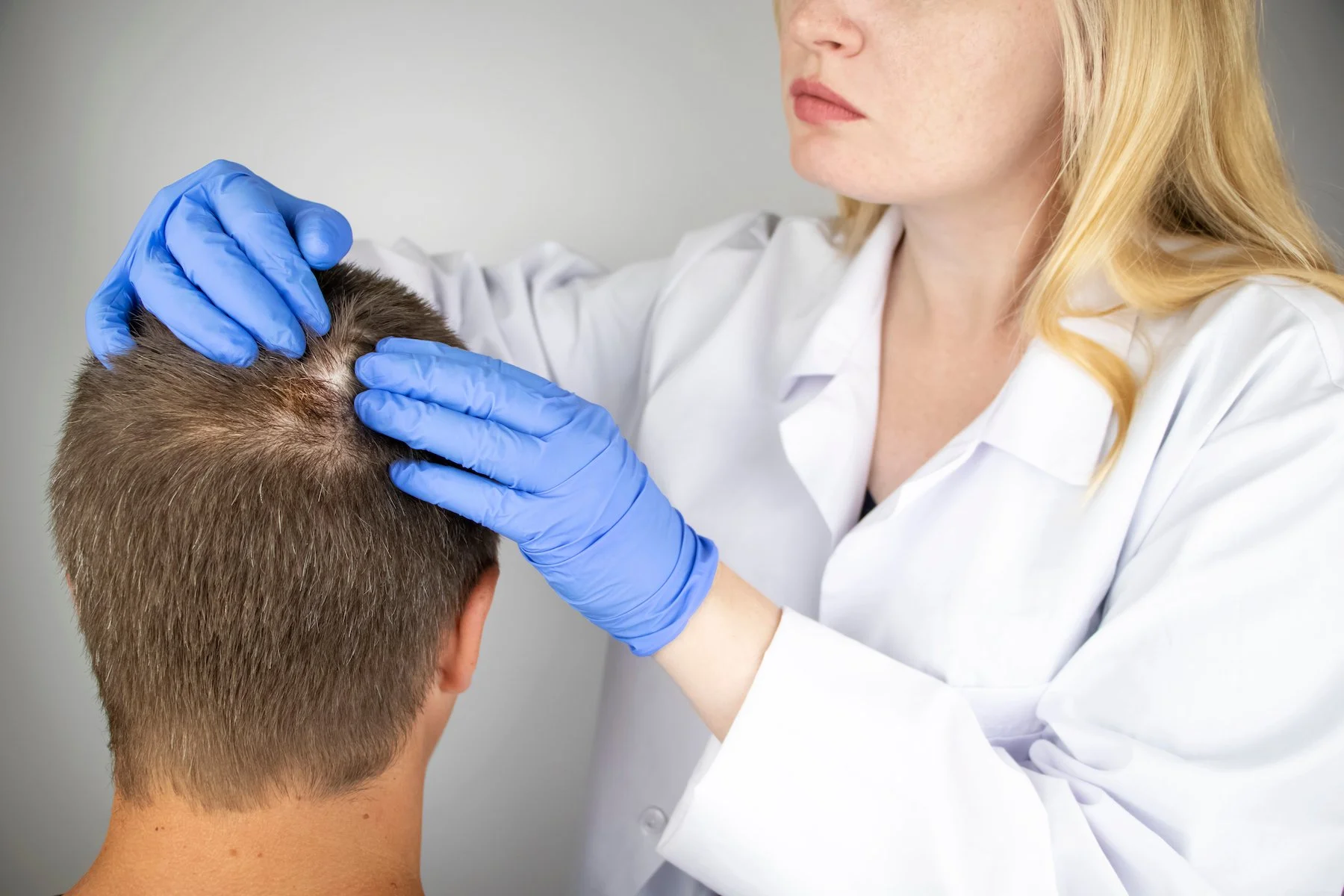
Credit: dermondemand.com
When To See A Trichologist
A trichologist is often your first step if your hair loss is mild, recent, or clearly linked to non-medical causes. Here’s when to consider making an appointment:
1. You Notice Increased Hair Fall, But No Other Symptoms
If you’re losing more hair than usual, but you don’t have pain, redness, or sores on your scalp, a trichologist can help. They will ask about your lifestyle, diet, stress levels, and hair care habits. Sometimes, simple changes like using a different shampoo or reducing heat styling can make a big difference.
2. Hair Thinning Without Bald Spots
Early, diffuse thinning (where your hair is getting lighter all over, not in patches) can be addressed by a trichologist. They may recommend scalp massages, topical treatments like essential oils, or special hair care routines.
3. Scalp Issues Like Dandruff Or Itching
Mild dandruff, dry scalp, or itchiness are common reasons people see trichologists. While these conditions can sometimes need medical treatment, often they are linked to hair products or minor imbalances. A trichologist can recommend gentle solutions.
4. Advice On Hair Care And Styling
If you’re not sure which products to use, or how to care for color-treated or fragile hair, trichologists offer personalized recommendations. They can help you build a routine that supports healthy hair growth.
5. Non-medical Hair Loss
Trichologists are trained to help with:
- Hair breakage from chemicals or heat
- Traction alopecia (from tight hairstyles)
- Seasonal or stress-related shedding
They focus on supporting hair health from the outside, and sometimes with nutritional advice.
6. Pre And Post-hair Transplant Advice
Many people see trichologists before or after hair transplant surgery for advice on caring for new hair grafts and maximizing results.
Non-obvious insight: Trichologists often use advanced scalp analysis tools that most general practitioners don’t have, such as trichoscopes, which can reveal problems invisible to the naked eye.
When To See A Dermatologist
For any medical concern related to your hair or scalp, a dermatologist is the right choice. You should see a dermatologist if:
1. You Have Sudden Or Rapid Hair Loss
If your hair is falling out quickly, especially in clumps or patches, don’t wait. Conditions like alopecia areata (an autoimmune disease) or telogen effluvium (sudden shedding from stress or illness) need medical attention.
2. You Notice Scalp Redness, Pain, Or Sores
Scalp symptoms like redness, swelling, pain, bleeding, or open sores suggest a medical issue. These could be signs of infection, psoriasis, or skin cancer, all of which require a dermatologist’s care.
3. You See Pus, Oozing, Or Crusting
Any discharge from the scalp is abnormal and often points to infection. Dermatologists can diagnose and treat these problems with medications or minor procedures.
4. Hair Loss Runs In Your Family
If your parents or grandparents had significant hair loss, and you’re seeing similar patterns, a dermatologist can diagnose androgenetic alopecia (male/female pattern baldness). Early treatment is key to preventing further loss.
5. You Have Other Skin Symptoms
Conditions like seborrheic dermatitis, psoriasis, or even lupus often affect both the scalp and other areas of skin or nails. A dermatologist can connect the dots and treat the whole condition.
6. Scarring Or Permanent Hair Loss
Some types of hair loss cause scarring—meaning the hair follicles are destroyed and hair cannot grow back. Dermatologists use advanced imaging and sometimes biopsies to diagnose these rare but serious forms.
7. When Over-the-counter Treatments Fail
If you’ve tried shampoos, oils, and lifestyle changes without improvement, a dermatologist can prescribe stronger medications or recommend medical procedures.
Non-obvious insight: Dermatologists can perform scalp biopsies—a small sample of skin taken for testing—which can reveal rare or unusual causes of hair loss missed by basic examination.
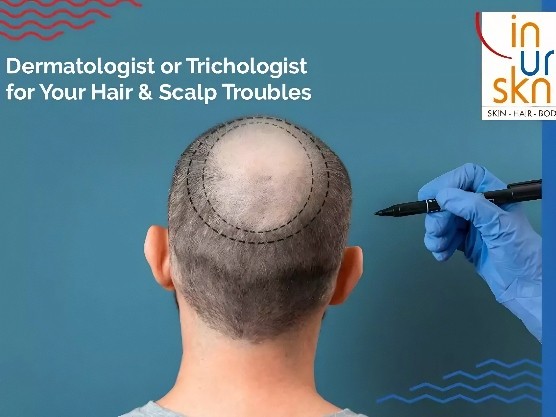
Credit: www.inurskn.in
How Trichologists Approach Hair Loss
Trichologists use a combination of interviews, visual examinations, and sometimes digital imaging to assess hair and scalp health. Their process often includes:
- Taking a detailed history (diet, stress, hair routine)
- Examining the scalp with a trichoscope (a type of microscope)
- Checking for breakage versus true hair loss
- Recommending non-medical products (special shampoos, serums)
- Advising on nutrition, supplements, or gentle hair practices
They may suggest using minoxidil (a common topical treatment), but cannot prescribe oral medications or perform medical procedures.
Trichologists often work together with doctors, especially when they see signs of a medical problem. If they suspect a disease or infection, they will refer you to a dermatologist for diagnosis and treatment.
How Dermatologists Approach Hair Loss
Dermatologists have a wider toolkit. Their process may involve:
- Medical history and family history review
- Physical examination of hair, scalp, skin, and nails
- Blood tests to check for thyroid, hormone, or iron problems
- Scalp biopsy if needed
- Prescribing medications (minoxidil, finasteride, corticosteroids)
- Performing procedures like steroid injections, laser therapy, or surgery
Dermatologists can diagnose and treat both common and rare hair loss disorders, and they can manage side effects or complications from treatments.
Common Types Of Hair Loss: Who Treats What?
Different types of hair loss may be best managed by one specialist or the other, or sometimes both. Here’s a breakdown:
| Condition | Trichologist | Dermatologist |
|---|---|---|
| Androgenetic Alopecia (pattern baldness) | Yes (mild cases) | Yes (all cases) |
| Alopecia Areata (autoimmune patches) | No | Yes |
| Telogen Effluvium (shedding) | Yes | Yes |
| Scarring Alopecia | No | Yes |
| Traction Alopecia | Yes | Yes (if advanced) |
| Dandruff/Seborrheic Dermatitis | Yes (mild) | Yes (severe or persistent) |
| Scalp Psoriasis | No | Yes |
| Fungal/Bacterial Infections | No | Yes |
| Hair Breakage | Yes | Yes (if underlying disease) |
How To Decide: Trichologist Or Dermatologist?
Choosing the right specialist saves you time, money, and frustration. Here’s a practical approach:
- Assess your symptoms: Is your scalp healthy, or do you notice redness, pain, or sores?
- Check your history: Do you have other skin or health problems?
- Look for warning signs: Sudden hair loss, bald patches, or scarring mean you need a dermatologist.
- Start with a trichologist for mild, cosmetic, or routine hair and scalp issues.
- Go straight to a dermatologist if you have medical symptoms or failed over-the-counter treatments.
If you’re not sure, many clinics work as a team. They can direct you to the best professional after an initial consult.
What To Expect In Your Appointment
Knowing what will happen can help you prepare and reduce anxiety.
At The Trichologist
- You’ll answer questions about your lifestyle, diet, stress, and hair routine.
- They may use a trichoscope to examine your scalp closely.
- You might be asked about your family history and any recent changes in health.
- The trichologist may suggest product changes, scalp treatments, or nutritional supplements.
- If they see anything unusual (like sores, severe scaling, or bald patches), they will refer you to a dermatologist.
At The Dermatologist
- The doctor will take a full medical and family history.
- They will examine your scalp and sometimes other areas of skin or nails.
- Blood tests or a biopsy may be ordered if a medical cause is suspected.
- The dermatologist can prescribe medications or recommend medical treatments.
- They may discuss surgical options (like hair transplant) for advanced cases.
Tip: Write down your symptoms, when they started, and any products or treatments you’ve tried. Bring this list to your appointment for a more accurate diagnosis.
Costs And Accessibility
The cost and availability of trichologists and dermatologists can vary widely by country and city.
- Trichologists often work in private clinics, hair salons, or specialized centers. Their services are usually not covered by insurance.
- Dermatologists are found in hospitals, clinics, and private practice. In many countries, you need a referral from your family doctor. Their care is often covered by health insurance, especially for medical problems.
In the US and UK, seeing a dermatologist for hair loss may involve wait times, but you’ll receive a medical diagnosis and access to treatments only a doctor can prescribe.
Practical insight: Some hair clinics offer free initial consultations, but always check the qualifications of your practitioner. Not all “hair experts” are properly trained trichologists or dermatologists.
The Role Of Technology In Hair Loss Diagnosis
Modern hair loss care now includes advanced tools:
- Trichoscopy: High-powered digital imaging to see hair follicles up close.
- Blood tests: Detects hormone, vitamin, or iron deficiencies.
- Genetic testing: Sometimes used for pattern baldness.
- Scalp biopsy: Small piece of scalp examined under a microscope.
Trichologists often use trichoscopes, but only dermatologists can order blood tests and biopsies. Technology helps detect issues that are not visible to the naked eye, leading to faster and more accurate treatment.
Risks Of Self-diagnosis And Delayed Treatment
Many people try to treat hair loss at home with oils, supplements, or internet advice. While some mild cases improve, others worsen without proper care. The risks include:
- Wasting money on ineffective treatments
- Missing early signs of a medical disease
- Permanent hair loss due to delayed therapy (especially in scarring alopecia)
- Allergic reactions or scalp damage from untested products
Important: If you’re not sure about your symptoms, seeing a qualified professional is always safer than guessing.
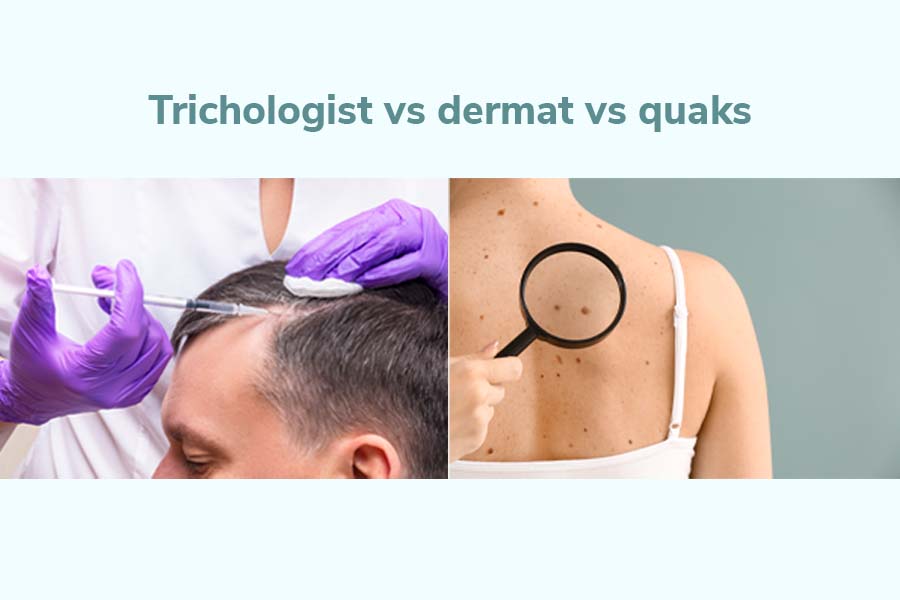
Credit: traya.health
Common Myths About Hair Loss Specialists
There’s a lot of confusion about who does what. Here are some myths, debunked:
1. “trichologists And Dermatologists Do The Same Job.”
In reality, only dermatologists can diagnose and treat medical diseases.
- “All hair loss is due to stress or poor hair care.”
Many cases are genetic or caused by hidden medical problems.
- “You only need to see a doctor if you’re bald.”
Early treatment often prevents further loss.
4. “if A Trichologist Can’t Help, You’re Out Of Options.”
Dermatologists have access to advanced treatments, including surgery.
5. “all Hair Specialists Are Equally Trained.”
Always check credentials. Look for membership in recognized organizations.
Real-life Examples
Case 1: Young Woman With Sudden Patches
Sarah, age 24, woke up with small bald patches. She saw a trichologist, who quickly referred her to a dermatologist. The diagnosis: alopecia areata, an autoimmune disease. Early steroid injections helped her regrow most of her hair.
Case 2: Man With Thinning Hair
John, age 34, noticed gradual thinning on his crown. He visited a trichologist, who recommended topical treatments and lifestyle changes. His hair stabilized, and he avoided unnecessary medication.
Case 3: Teen With Itchy, Flaky Scalp
Priya, age 16, struggled with dandruff and itchiness. A trichologist suggested changing her shampoo and using gentle scalp oils. Her symptoms improved in weeks, with no need for medical drugs.
Takeaway: The right expert at the right time leads to better, faster results.
Preventing Hair Loss: What You Can Do
While not all hair loss can be prevented, these steps help protect your hair and scalp:
- Eat a balanced diet rich in protein, iron, and vitamins
- Avoid tight hairstyles and harsh chemicals
- Manage stress through exercise or relaxation
- Use gentle hair care products
- Treat dandruff or scalp conditions early
- See a specialist if you notice sudden changes
Tip: Early action is key. The sooner you address hair loss, the better your chances for recovery.
Working Together: When Both Specialists Are Needed
Sometimes, the best care is a team approach. For example:
- A trichologist may monitor your hair health during recovery from an illness, while a dermatologist treats the underlying disease.
- After medical treatment for hair loss, a trichologist can help you rebuild a healthy hair care routine.
- In hair transplant clinics, dermatologists perform the surgery, while trichologists guide post-op care.
This collaboration ensures you get both medical and cosmetic support.
Global Standards And Where To Find Qualified Professionals
Look for trichologists certified by reputable organizations, such as the International Association of Trichologists (IAT) or the Institute of Trichologists (UK). For dermatologists, check for board certification and membership in groups like the American Academy of Dermatology.
You can find more on standards and training at American Academy of Dermatology.
Red Flags: When To Seek Immediate Medical Help
Certain symptoms mean you should see a dermatologist urgently:
- Rapid, unexplained hair loss
- Painful, swollen, or bleeding scalp
- Bald spots with redness or pus
- Accompanied by fever or other health symptoms
Delaying care could lead to permanent damage.
The Future Of Hair Loss Treatment
Research continues to improve options. New therapies include:
- Platelet-rich plasma (PRP) injections
- Laser therapy
- Stem cell treatments (still experimental)
- Improved medications with fewer side effects
Dermatologists are usually the first to offer these advanced treatments. Trichologists focus on supporting hair health during and after medical care.
Frequently Asked Questions
What Is The Main Difference Between A Trichologist And A Dermatologist?
A trichologist is a hair and scalp specialist but not a medical doctor. A dermatologist is a physician who treats diseases of the skin, hair, and nails, can prescribe medications, and perform medical procedures.
Can A Trichologist Prescribe Medication For Hair Loss?
No, trichologists cannot prescribe medications. They may recommend over-the-counter treatments or supplements. For prescription drugs, you must see a dermatologist.
When Should I See A Dermatologist For Hair Loss?
See a dermatologist if your hair loss is sudden, patchy, accompanied by pain or sores, or if you have other skin or medical symptoms. Also, if over-the-counter treatments fail.
Is It Possible To See Both A Trichologist And A Dermatologist?
Yes, many people benefit from seeing both. For example, a dermatologist diagnoses and treats the medical problem, and a trichologist helps with hair care and recovery.
Are Hair Loss Treatments Covered By Insurance?
Medical treatments from a dermatologist are often covered if they treat a disease. Cosmetic treatments or visits to a trichologist are usually not covered. Always check your policy.
You don’t have to solve hair loss alone. Understanding when to see a trichologist vs dermatologist can save you time, money, and stress. Take action early, choose the right expert for your needs, and remember—healthy hair starts with the right diagnosis and care.