

Omega-3 Fatty Acids For Hair Growth: Dosage And Best Sources
Many people search for ways to improve their hair. From shampoos to expensive treatments, the market is full of options. However, one of the most effective solutions may already be in your kitchen or on your dinner plate. Omega-3 fatty acids are healthy fats that not only support your heart and brain, but also play a big role in the health of your hair. If you want stronger, shinier, and possibly thicker hair, it’s important to understand how omega-3s work, the best sources, and the right dosage.
This article will guide you through everything you need to know about omega-3 fatty acids and their role in hair growth. You will learn how omega-3s affect your hair, how much you should take, where to get them, and what science says.
Whether you’re struggling with hair loss or simply want better hair health, the information here will help you make smart choices.
How Omega-3 Fatty Acids Affect Hair Growth
The connection between omega-3 fatty acids and hair health might surprise you. These special fats are essential, which means your body cannot make them—you must get them from food. Omega-3s are found in every cell membrane in your body, including those in your scalp and hair follicles.
Nourishing Hair Follicles
Hair grows from follicles under your skin. These tiny organs need a healthy environment to produce strong hair. Omega-3 fatty acids help by keeping the follicle membranes flexible and well-hydrated. This allows nutrients to easily enter and waste to exit, creating the best conditions for hair growth.
Reducing Inflammation
Scalp inflammation is one of the hidden causes of hair loss. Chronic inflammation can damage hair follicles, slow growth, or even lead to conditions like alopecia. Omega-3s, especially EPA and DHA, are known for their anti-inflammatory effects. They help reduce redness, irritation, and swelling on the scalp, protecting your hair roots.
Improving Blood Circulation
Healthy hair growth relies on good blood flow to the scalp. Omega-3s help your blood vessels stay flexible, which improves circulation. Better blood flow means more oxygen and nutrients reach your hair follicles, leading to stronger and healthier hair.
Supporting Oil Production
Your scalp produces natural oils that keep your hair soft and shiny. Omega-3s support the glands that make these oils, preventing dryness, flakiness, and brittle hair. People who lack omega-3s often notice dull, dry hair that breaks easily.
Balancing Hormones
Hormonal changes, especially in women, can trigger hair thinning or loss. Omega-3s help balance hormones like estrogen and testosterone, which can reduce hair loss and promote new growth.
Scientific Evidence
While many studies show the benefits of omega-3s for heart and brain health, research on hair is newer but promising. For example, a 2015 study published in the “Journal of Cosmetic Dermatology” found that women who took omega-3 and omega-6 supplements for six months saw a significant increase in hair density and a reduction in hair loss.
Another study in 2018 showed that people with telogen effluvium (a common type of hair loss) who supplemented with omega-3s had improved hair growth compared to those who did not. However, results can vary, and more research is needed to confirm exactly how omega-3s affect different types of hair loss.
Omega-3 Fatty Acids: Types And Their Role In Hair Health
Not all omega-3s are the same. There are three main types, and each plays a role in your body and hair health.
Ala (alpha-linolenic Acid)
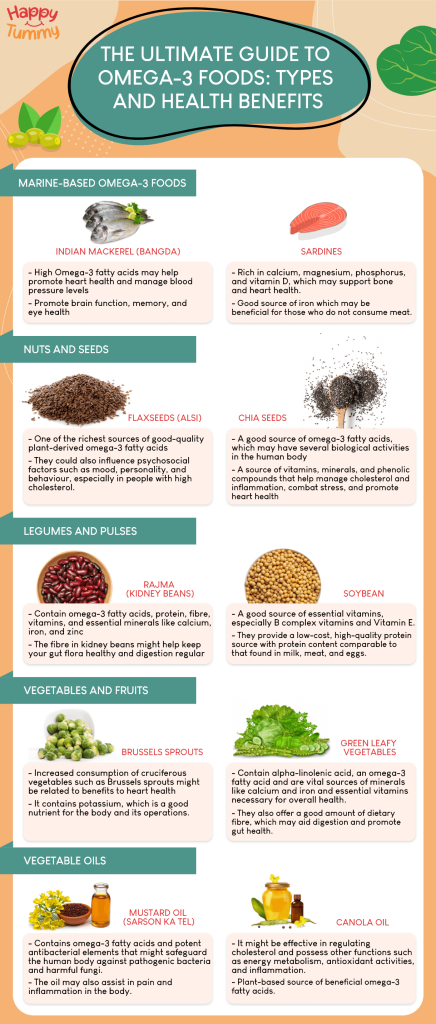
ALA is mostly found in plant foods, such as flaxseeds, chia seeds, walnuts, and some leafy greens. While it is an essential omega-3, your body must convert it into EPA and DHA to get the full benefits. This conversion is not very efficient—only about 5-10% of ALA becomes EPA, and even less turns into DHA. So, while ALA is good, it’s not the best choice for hair growth if you rely on it alone.
Epa (eicosapentaenoic Acid)
EPA is mainly found in fatty fish and seafood. It’s known for its strong anti-inflammatory properties, which can help soothe the scalp and support hair follicles. EPA also helps regulate oil production and blood flow in the scalp.
Dha (docosahexaenoic Acid)
DHA is also found in fish and some algae. It’s crucial for cell membrane health, including those around hair follicles. Healthy cell membranes mean your hair gets more nutrients and stays hydrated.
Which Omega-3 Is Best For Hair?
For hair growth, EPA and DHA are most effective. These are the types found in fish oil and certain algae oils. If you’re vegetarian or vegan, look for algae-based supplements that provide DHA and EPA directly.
Dosage: How Much Omega-3 For Hair Growth?
Knowing the right dosage is key to getting results without side effects. Too little may not help, while too much can cause problems like bleeding or stomach upset.
General Recommendations
- For adults, the American Heart Association suggests at least 250–500 mg of combined EPA and DHA per day for general health. For hair, most experts recommend a similar or slightly higher dose.
- Some studies on hair health use 1,000 mg per day (1 gram) of combined EPA and DHA, with good results and few side effects.
- For vegetarians, aim for at least 1,600 mg ALA per day for men and 1,100 mg for women, but remember, ALA is less effective for hair.
How To Take Omega-3s
You can get omega-3s from food or supplements. Taking them with meals, especially those containing fat, improves absorption. If you use capsules, choose high-quality brands that are third-party tested for purity.
Signs You Need More Omega-3s
Common signs of omega-3 deficiency include:
- Dry, brittle hair
- Flaky scalp
- Hair thinning or slow growth
- Dull hair color
If you notice these signs and eat little fish or plant omega-3s, consider increasing your intake.
Safety And Side Effects
Omega-3s are safe for most people, but very high doses (over 3,000 mg per day) can thin your blood or cause digestive issues. If you take blood thinners or have a bleeding disorder, talk to your doctor before supplementing.
For children and pregnant women, different dosages apply. Always check with a healthcare professional.
Dosage Comparison Table
Below is a quick look at recommended omega-3 dosages for hair growth, based on source and type:
| Source | Type | Recommended Daily Dose |
|---|---|---|
| Fish Oil | EPA + DHA | 500–1,000 mg |
| Algae Oil | DHA + EPA | 500–1,000 mg |
| Flaxseed/Chia | ALA | 1,100–1,600 mg |
Remember, the best results come from consistent use and a balanced diet.
Best Food Sources Of Omega-3 For Hair Growth
Choosing the right foods is the easiest way to boost your omega-3 intake. Here are the top sources, with a focus on those highest in EPA and DHA.
Fatty Fish
Fatty fish are the richest sources of EPA and DHA. They are also packed with protein, vitamin D, and other nutrients that support hair health.
Some top choices:
- Salmon: About 4,000 mg omega-3s per 100 grams (3.5 oz)
- Mackerel: Around 4,100 mg per 100 grams
- Sardines: 2,200 mg per 100 grams
- Anchovies: 2,000 mg per 100 grams
- Herring: 2,300 mg per 100 grams
- Trout: 2,000 mg per 100 grams
- Tuna (fresh, not canned): 1,600 mg per 100 grams
Eating 2–3 servings of these fish per week can meet your omega-3 needs for hair and overall health.
Seafood
Other seafood, like oysters and mussels, also contain omega-3s, but in smaller amounts than fatty fish. They can be a good addition for variety.
Plant-based Sources
If you don’t eat fish, you can still get omega-3s from plants, mainly ALA.
- Flaxseeds: 2,350 mg ALA per tablespoon (ground)
- Chia seeds: 5,000 mg ALA per tablespoon
- Walnuts: 2,500 mg ALA per 28 grams (1 oz)
- Hemp seeds: 600 mg ALA per tablespoon
- Canola oil: 1,300 mg ALA per tablespoon
- Soybeans: 670 mg ALA per half-cup
Note that ALA must convert to EPA and DHA, so you may need more than you would with fish.
Algae Oil
Algae oil is a unique plant-based source. It contains DHA (and sometimes EPA), making it a good choice for vegetarians and vegans.
Omega-3 Enriched Foods
Some eggs, milk, and yogurts are enriched with omega-3s. Check labels to see how much they contain.
Food Source Comparison Table
This table compares the omega-3 content in popular foods, making it easy to plan your meals:
| Food | Omega-3 Type | Amount per Serving |
|---|---|---|
| Salmon (100g) | EPA+DHA | ~4,000 mg |
| Chia Seeds (1 tbsp) | ALA | ~5,000 mg |
| Walnuts (28g) | ALA | ~2,500 mg |
| Algae Oil (1 tsp) | DHA | ~400 mg |
| Sardines (100g) | EPA+DHA | ~2,200 mg |
Choose a mix of these foods to cover your omega-3 needs.
Omega-3 Supplements For Hair Growth: What To Know
Supplements can help you reach your omega-3 goals, especially if you don’t eat much fish. However, not all supplements are equal.
Types Of Omega-3 Supplements
- Fish Oil Capsules: The most common and affordable. Look for brands that are purified and tested for heavy metals and PCBs.
- Krill Oil: Made from tiny shrimp-like animals. Contains EPA and DHA plus antioxidants. Often more expensive but easily absorbed.
- Algae Oil: Plant-based, ideal for vegetarians. Contains DHA and sometimes EPA.
- Flaxseed Oil: Only provides ALA. Best for people who avoid animal products but less effective for hair.
- Cod Liver Oil: Contains EPA, DHA, and vitamins A and D. Can be strong-tasting and should not be taken in high doses due to vitamin A content.
How To Choose A Quality Supplement
- Check for third-party testing (look for labels like IFOS, USP, or NSF)
- Smell and taste: Quality oils should not have a strong fishy smell. Rancid oil can cause burping and stomach upset.
- Concentration: Look for the amount of EPA and DHA per capsule, not just total fish oil.
- Form: Triglyceride form is better absorbed than ethyl ester form.
Supplement Dosage
Most hair growth studies use 500–1,000 mg of EPA + DHA per day. Split doses (morning and night) can reduce stomach discomfort.
When To Expect Results
Omega-3s work slowly. You may see less hair shedding and more shine within 3–6 months of consistent use. Hair growth is a slow process, and patience is important.
Common Mistakes With Omega-3 Supplements
- Taking too little: Many people don’t check the amount of EPA and DHA per capsule.
- Skipping days: Consistency matters more than taking a large dose once in a while.
- Not eating with fat: Omega-3s are absorbed better with a meal containing fat.
- Using expired or low-quality oil: Rancid oil can do more harm than good.
Supplement Comparison Table
Here’s a look at how different supplements compare for hair growth:
| Supplement | Omega-3 Type | Effectiveness for Hair Growth | Best For |
|---|---|---|---|
| Fish Oil | EPA+DHA | High | General use |
| Algae Oil | DHA(+EPA) | High | Vegetarians/Vegans |
| Flaxseed Oil | ALA | Moderate | Plant-based diets |
| Krill Oil | EPA+DHA | High | People needing antioxidant boost |
Best Practices For Using Omega-3s For Hair Growth
Combine With Other Nutrients
Omega-3s work best when you have enough protein, iron, zinc, vitamin D, and B vitamins in your diet. Hair is complex, and no single nutrient can fix every problem. If your diet is poor, consider a multivitamin.
Consistency Is Key
It can take several months to see changes in hair thickness or growth. Make omega-3s a daily habit, either through food or supplements.
Watch For Side Effects
While side effects are rare at normal doses, some people experience:
- Fishy aftertaste or burps
- Stomach upset
- Loose stools
Taking supplements with food often helps. If you notice unusual bruising or bleeding, stop use and see a doctor.
Consult Before Major Changes
If you have medical conditions or take blood thinners, consult your doctor before starting supplements.
Don’t Ignore The Rest Of Your Routine
Good hair care, gentle washing, and avoiding harsh chemicals are still important. Omega-3s help from the inside, but outside care matters too.

Credit: haircenterofturkey.com
Who Should Consider Omega-3s For Hair Growth?
People With Hair Loss Or Thinning
If you notice more hair in your brush or shower, omega-3s may help, especially if your diet is low in fish or healthy fats.
Those With Dry Or Brittle Hair
Omega-3s can improve scalp oil production and hair moisture, reducing breakage.
People With Scalp Inflammation
Conditions like dandruff, psoriasis, or eczema often cause scalp irritation. Omega-3s may reduce inflammation and discomfort.
Vegetarians And Vegans
If you avoid fish, you may not get enough EPA and DHA. Choose algae oil, flaxseeds, chia seeds, and walnuts.
Women With Hormonal Hair Loss
During pregnancy, menopause, or after stopping birth control, hormone changes can trigger hair loss. Omega-3s may help balance hormones.
People On Restrictive Diets
Low-fat or crash diets can reduce hair quality. Adding omega-3s can protect your hair during weight loss.
What Results Can You Expect From Omega-3s?
Results depend on your starting point, diet, and consistency. Here’s what many people report:
- Less hair shedding after 2–3 months
- Softer, shinier hair within weeks
- Thicker hair after 6 months
- Healthier scalp, less flakiness or itching
However, if you have severe hair loss from genetics or disease, omega-3s alone may not be enough. They are most effective when combined with a healthy lifestyle.
Real-life Example
Maria, a 35-year-old office worker, noticed her hair was thinning and her scalp was itchy. She ate little fish and mostly relied on bread and processed foods. After adding salmon twice a week and a daily fish oil supplement (1,000 mg EPA/DHA), she noticed less hair on her pillow after 3 months.
Her hair felt softer, and her scalp was less flaky. This is a common story for many people who improve their omega-3 intake.
Credit: happytummy.aashirvaad.com
Non-obvious Insights: What Most Beginners Miss
1. You Can Test Your Omega-3 Levels
Many labs offer a blood omega-3 index test. This test shows if you are getting enough EPA and DHA. It can help you decide if you need to adjust your intake. Most people in Western countries are below the ideal range.
2. Not All Fish Are Equal
White fish like cod or tilapia have much less omega-3 than salmon or mackerel. Canned tuna is also lower due to processing. If you want results, focus on fatty fish.
3. Cooking Methods Matter
Frying fish can destroy some omega-3s. Baking, steaming, or poaching preserves more of these healthy fats.
4. Supplements Are Not All Pure
Some cheap fish oils contain contaminants like mercury or PCBs. Always choose brands that show purity testing.
5. Omega-6 Fatty Acids Affect Results
Too much omega-6 (from vegetable oils, fried foods) can block omega-3 benefits. Try to reduce processed foods for better results.
Common Mistakes To Avoid
- Relying only on ALA: Plant omega-3s are healthy but not a full replacement for EPA/DHA.
- Inconsistent use: Taking omega-3s only sometimes reduces their benefit.
- Ignoring other causes of hair loss: Stress, poor sleep, and harsh hair treatments can undo your progress.
- Overdosing: More is not always better. Stay within recommended limits.
Practical Tips To Boost Omega-3s For Hair Growth
- Eat fatty fish at least twice a week.
- Add ground flaxseed or chia seeds to smoothies or oatmeal.
- Use algae oil if you’re vegetarian.
- Take supplements with meals.
- Store oils in a cool, dark place to prevent spoilage.
- Reduce fried and processed foods to lower omega-6 intake.
When Omega-3s May Not Help
Not all hair problems come from low omega-3s. If you have:
- Genetic baldness
- Hormonal disorders (thyroid, PCOS)
- Major illnesses or chemotherapy
Omega-3s can support overall health but may not reverse these problems alone. Always work with a healthcare provider for these cases.
Credit: www.hshairclinic.co.uk
Additional Resources
For more on the science and health benefits of omega-3s, see the Omega-3 Fatty Acid Wikipedia page.
Frequently Asked Questions
What Is The Best Omega-3 Supplement For Hair Growth?
The best omega-3 supplement for hair growth is usually fish oil or algae oil. Both provide EPA and DHA, which are the most effective types for hair. Choose a supplement that is purified, third-party tested, and has at least 500–1,000 mg of EPA and DHA combined per serving.
How Long Does It Take To See Results From Omega-3s For Hair Growth?
You may notice less hair shedding and improved shine within 2–3 months of daily omega-3 use. For thicker hair or new growth, results often take 6 months or more. Consistency and a balanced diet are important for the best outcome.
Can Omega-3 Fatty Acids Cause Side Effects?
At normal doses, omega-3s are safe for most people. Side effects may include fishy aftertaste, mild stomach upset, or loose stools. Very high doses (over 3,000 mg per day) can increase bleeding risk. People on blood thinners or with bleeding disorders should consult a doctor first.
Are Plant-based Omega-3s As Good For Hair As Fish Oil?
Plant-based omega-3s (ALA) are healthy but less effective for hair growth than EPA and DHA from fish or algae. Your body converts ALA to EPA/DHA, but not efficiently. If you’re vegetarian or vegan, use algae oil for direct DHA and EPA.
Can I Get Enough Omega-3 From Food Alone?
Yes, you can get enough omega-3s for hair growth from food if you eat fatty fish (like salmon, sardines, or mackerel) 2–3 times a week or combine plant sources wisely. However, many people find it easier to reach the right dose with supplements, especially if they don’t like fish.
Making omega-3 fatty acids a regular part of your diet is one of the simplest ways to support strong, shiny, and healthy hair. Whether you choose fish, plant foods, or supplements, consistency and quality are key. With the right dosage and sources, you can see real improvements in your hair and overall well-being.