

Epigenetics And Skin Aging: Can You Actually Change How Your Genes Express
Every person wants healthy, glowing skin. But as we grow older, our skin changes. Wrinkles, age spots, and loss of firmness become more visible. Many people think this is just a natural process controlled by our genes. But what if you could actually influence how your genes express themselves? This is where epigenetics comes in—a science that explores how lifestyle, environment, and choices can turn genes “on” or “off,” affecting skin aging in ways most people never imagined.
In this article, we’ll dive deep into the relationship between epigenetics and skin aging. We’ll explain what epigenetics is, how it works, and the ways you can potentially change the way your skin ages. You’ll discover scientific facts, real examples, and practical advice. By the end, you’ll understand how your daily habits may be affecting your genes and your skin’s future.
What Is Epigenetics?
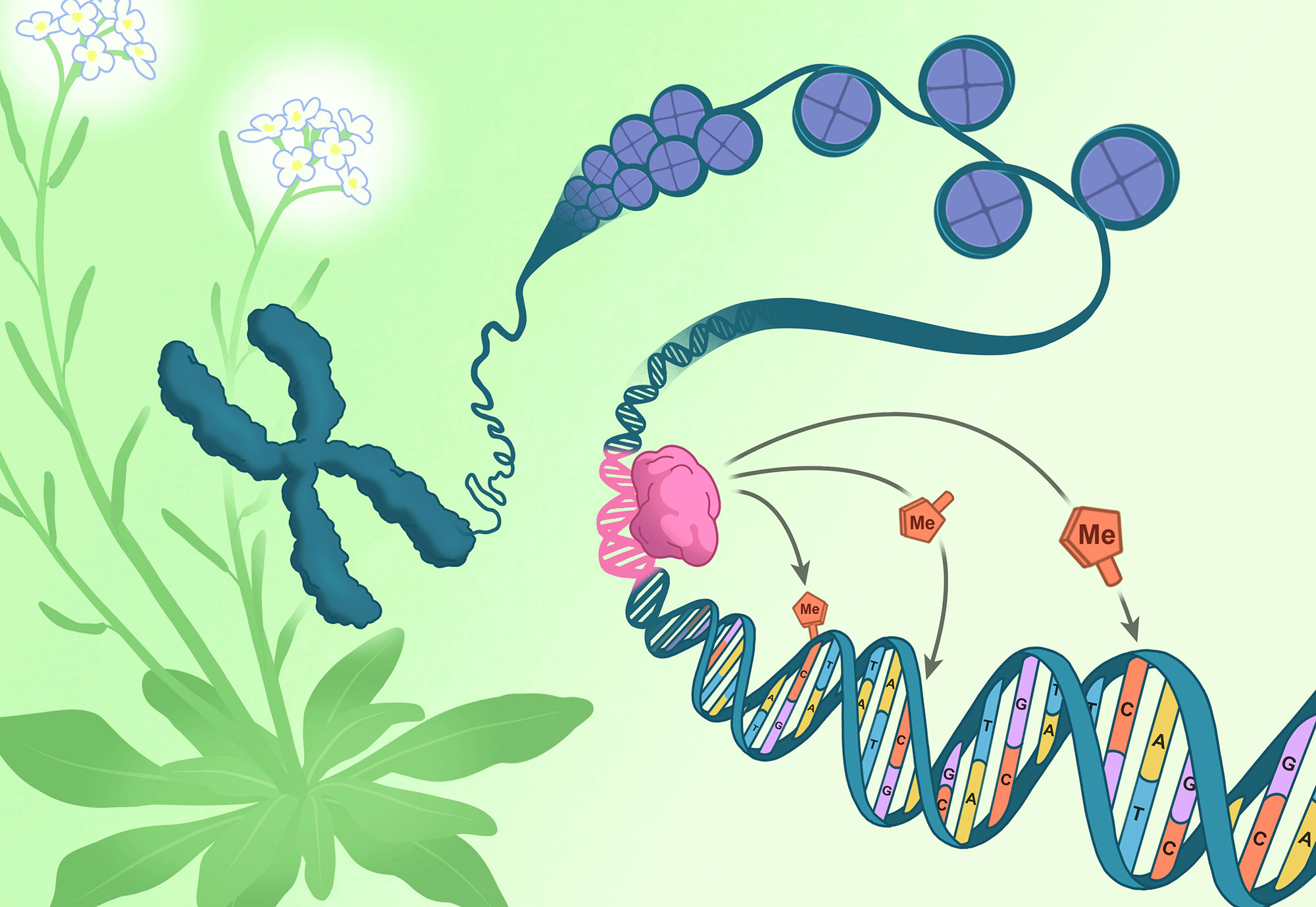
Epigenetics is not about changing your DNA sequence. Instead, it’s about changing how your genes work. Imagine your DNA as a library. Each gene is a book. Epigenetics is like sticky notes on these books, telling your cells which books to read and which to ignore.
These sticky notes are chemical tags added to your DNA or to proteins that wrap around your DNA.
There are several types of epigenetic marks:
- DNA methylation: A chemical group called methyl attaches to DNA, often silencing the gene.
- Histone modification: Histones are proteins that help package DNA. Chemical changes to histones can make genes more or less accessible.
- Non-coding RNA: Small pieces of RNA can control gene expression by blocking or degrading messenger RNA.
Unlike DNA mutations, epigenetic changes can be reversed. This flexibility means that your environment, diet, stress, and other factors may influence your gene expression, sometimes for better, sometimes for worse.
Epigenetics is important because it helps explain why identical twins, who have the same DNA, can look and age differently if they live different lifestyles. For example, if one twin smokes and the other doesn’t, the smoker will likely show more signs of aging.
This difference is not from DNA changes but from epigenetic changes.
Another unique feature of epigenetics is that it allows the body to respond quickly to changes. When you change your habits or environment, your cells can adjust which genes are active, helping you adapt to new situations. This means that your skin’s health and appearance are not “locked in” at birth but can change based on your choices.
Skin Aging: The Basics
Skin aging is a complex process. It happens both inside and outside your body. There are two types:
- Intrinsic aging: Natural aging caused by time, genetics, and internal factors.
- Extrinsic aging: Aging caused by external factors like sun exposure, pollution, smoking, and stress.
Both types involve changes in skin structure and function:
- Loss of collagen and elastin (proteins that keep skin firm)
- Reduction in skin cell turnover
- More visible wrinkles and fine lines
- Dryness and thinning
- Uneven pigment
As we get older, the skin’s ability to repair itself also drops. Small wounds or cuts heal more slowly, and the skin may become more sensitive to irritation. Intrinsic aging happens even if you protect your skin perfectly, but extrinsic aging can speed things up dramatically.
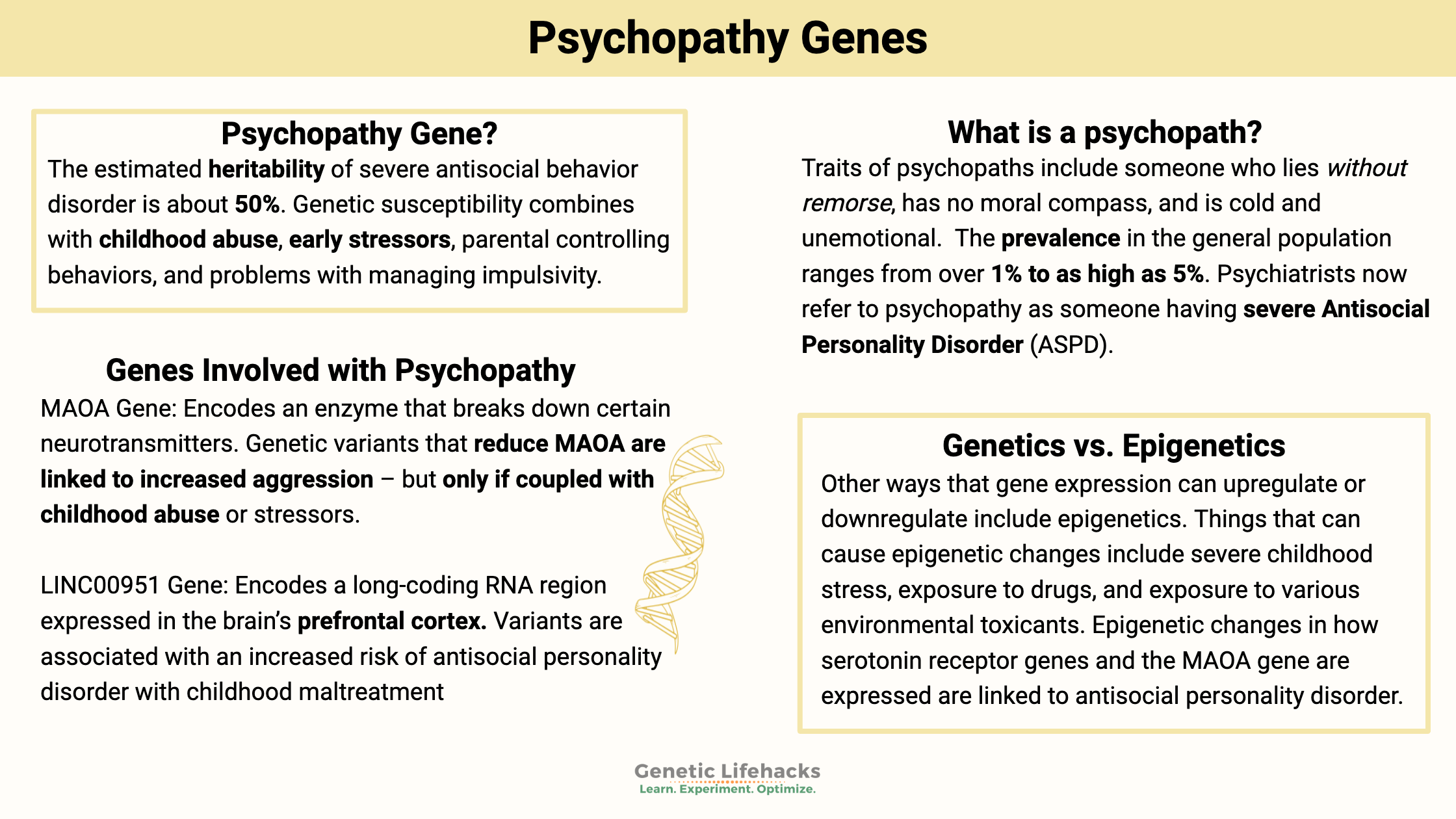
Many people believe skin aging is mostly genetic. But science now shows that epigenetic changes play a major role—sometimes even bigger than your DNA code.
For instance, studies show that people living in sunny climates without sun protection often look older than those living in cooler, cloudier places, even if they share similar genes. This is because sunlight triggers epigenetic changes that speed up aging, not just genetic differences.
How Epigenetics Controls Skin Aging
Dna Methylation And Skin Aging
DNA methylation is one of the most studied epigenetic marks. When methyl groups attach to genes responsible for skin repair, collagen production, or antioxidant defense, those genes can become less active. Over time, this leads to:
- Slower skin cell regeneration
- Reduced production of collagen and elastin
- Increased inflammation
Research shows that older skin has more DNA methylation in genes linked to skin health. For example, a study found that the COL1A1 gene (important for collagen) is often methylated in aged skin, lowering collagen levels and making wrinkles more likely.
It’s important to realize that DNA methylation doesn’t just switch genes off completely. Sometimes, it can reduce activity just enough to make a difference over years. With less collagen, the skin’s support structure weakens, making fine lines and sagging more visible.
There’s also evidence that too much DNA methylation in certain genes may make your skin less able to fight free radicals (unstable molecules that damage cells). This can lead to faster visible aging and even higher risk of skin cancers.
Histone Modification And Skin Structure
Histone modifications can loosen or tighten the DNA structure. If genes that protect against UV damage become less accessible, your skin becomes more sensitive to sunlight. Studies have shown that histone changes can speed up aging by:
- Making skin cells less able to repair DNA damage
- Increasing pigmentation and age spots
- Reducing natural moisture
When histones are modified in negative ways, your skin’s “defense system” weakens. This means the skin can’t heal as well after sun exposure, or it may not make enough moisturizing factors. Over time, this causes a rough, dry texture and uneven color.
Some research even suggests that histone modifications can affect how your immune system in the skin works, making you more likely to get infections or react badly to allergens. This is why some older people develop rashes or sensitivity to products they used for years.
Non-coding Rna And Skin Cell Function
MicroRNAs (miRNAs) are small molecules that block or silence other genes. Some miRNAs become more active with age and target genes that keep skin healthy. For example:
- MiR-34a increases in older skin and reduces cell growth
- MiR-29 targets collagen genes, lowering their production
By controlling these RNAs, skin aging can be slowed or accelerated.
What’s interesting is that some miRNAs may actually protect the skin in youth but become harmful with age. Scientists are now studying which miRNAs to target for anti-aging treatments. Blocking certain miRNAs could help keep skin cells active and youthful for longer.
An overlooked detail is that non-coding RNAs can be affected by external factors like pollution and smoking, which means people exposed to these factors may see faster changes in their skin, even if their genes are “good. ”
Can You Change How Your Genes Express?
The big question: Can you actually influence epigenetic marks? Science suggests yes, at least to some extent.
Environmental Factors
Your environment has a powerful effect on epigenetics. Sun exposure, pollution, and toxins can add or remove epigenetic marks. For example:
- UV rays increase DNA methylation in skin cells, speeding up aging.
- Air pollution changes histone modifications, increasing inflammation.
Reducing exposure to these factors can help protect your skin’s genetic expression.
Even moving to a less polluted area or using filters at home can make a difference. Simple habits like wearing hats, using sunglasses, or staying in the shade have been shown to help keep skin genes healthier.
Lifestyle Choices
Your daily habits play a bigger role than most people realize.
- Diet: Foods rich in antioxidants (like berries, leafy greens, and nuts) can reduce DNA methylation and histone changes. Some nutrients, like folate and vitamin B12, are needed to control methylation.
- Exercise: Physical activity lowers inflammation and changes epigenetic marks related to aging.
- Sleep: Poor sleep increases DNA methylation in stress-related genes, making skin age faster.
- Stress: Chronic stress changes epigenetic marks, increasing hormones that break down collagen.
A less obvious example: Even mild dehydration, if repeated often, can change gene activity in skin cells, making them less able to produce moisturizing factors. Over time, this leads to dull, dry skin.
Skincare Products
Some skincare ingredients can influence epigenetics.
- Retinoids: These vitamin A compounds stimulate collagen and can reverse some DNA methylation marks.
- Peptides: Short chains of amino acids can signal genes to produce more collagen.
- Niacinamide: Helps repair DNA and may influence histone modifications.
A few new products claim to target epigenetic marks directly, but most research is still early.
For example, some creams contain plant extracts that have been shown in lab studies to lower harmful DNA methylation. While these products are promising, it’s important to remember that most of their effects are slow and require regular use.
Medical Treatments
Advanced treatments like chemical peels, laser therapy, and microneedling stimulate skin repair and can change gene expression. Some therapies use growth factors or stem cells to activate healthy genes and reduce aging signs.
Microneedling, for instance, creates tiny injuries that force the skin to heal, switching on genes involved in collagen production and repair. Some clinics now offer “epigenetic facials” using serums designed to target gene expression, but these are still experimental.
Not Obvious: Social Connections Matter
Studies show that loneliness and social isolation increase harmful epigenetic marks. People with strong social ties have lower inflammation and better skin health. This is a detail many miss when thinking about skin aging.
This is not just a psychological effect. Social interaction actually leads to lower stress hormones, which means less DNA methylation in harmful places. Even having a pet or joining a group activity can help your skin age better.
Not Obvious: Intergenerational Effects
Epigenetic marks can be passed to children. If a mother is exposed to high stress or poor nutrition during pregnancy, her child may inherit altered gene expression affecting their skin health later in life.
This means that your choices today could affect not just your skin, but your children’s and even grandchildren’s. For example, if a pregnant woman eats a diet low in folate or experiences high stress, her child may have higher risk of sensitive or poorly aging skin.
Comparing Epigenetic Changes: Young Vs. Old Skin
To understand the difference, look at the main epigenetic marks in young and old skin.
| Epigenetic Mark | Young Skin | Old Skin |
|---|---|---|
| DNA Methylation | Low in key skin genes | High in collagen, repair genes |
| Histone Modification | Open structure, active repair | Closed structure, less repair |
| MicroRNA | Balanced levels | Increased aging-related miRNAs |
This comparison shows how epigenetic marks shift as skin ages, leading to visible changes.
One important detail is that the “epigenetic clock” theory suggests you can even measure biological age by looking at DNA methylation patterns. Some people’s skin may be “older” or “younger” than their real age, depending on their lifestyle.
How Sun Exposure Alters Skin Genes
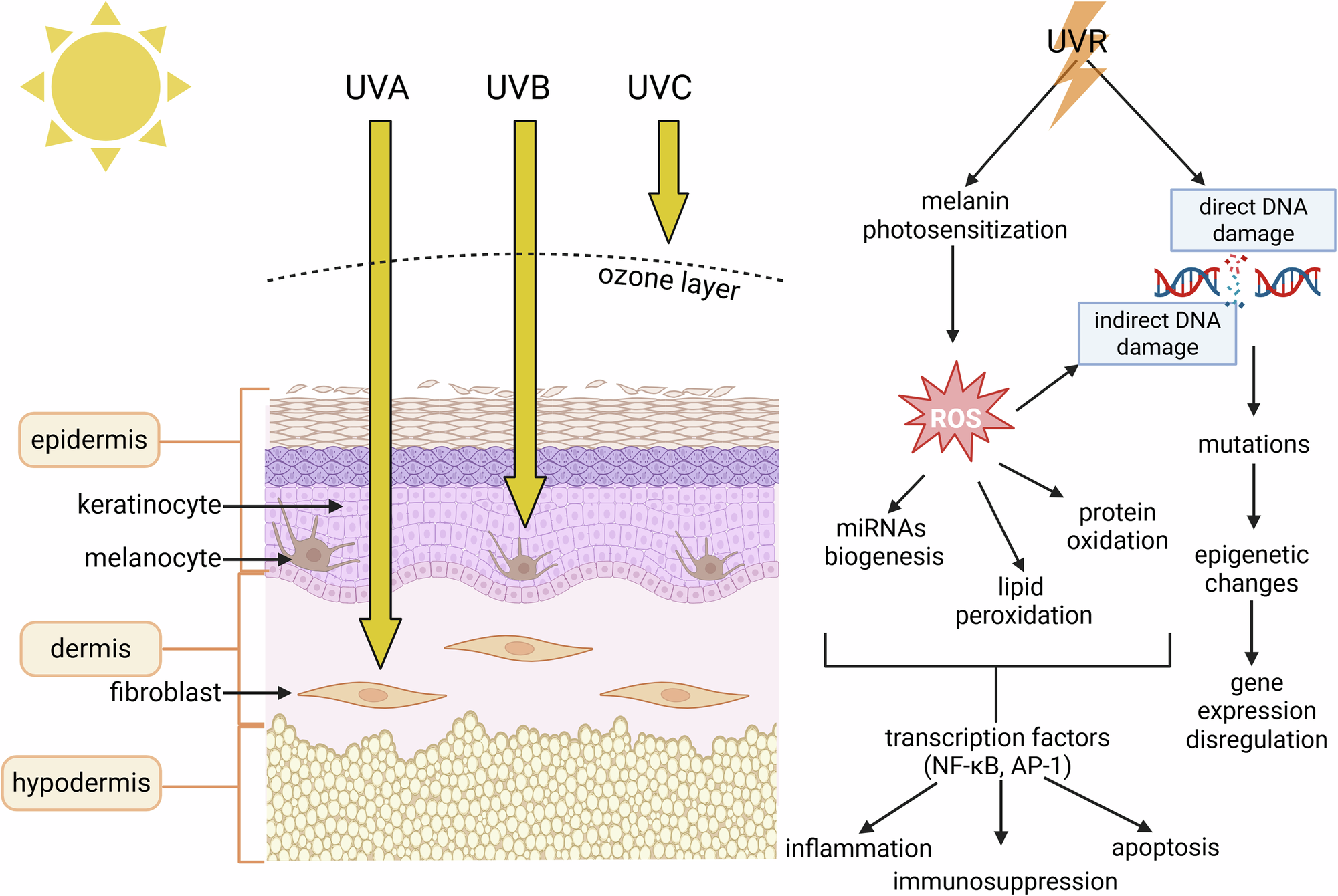
Sunlight is a major cause of extrinsic aging. UV rays damage DNA and change epigenetic marks. For example:
- UVB exposure increases methylation in tumor-suppressor genes, raising skin cancer risk.
- UVA changes histone modifications, making skin cells less able to repair damage.
Protecting skin from the sun is not just about avoiding burns; it’s about keeping epigenetic marks healthy.
Not many people realize that even small amounts of daily sun—like walking to work or sitting by a window—can affect skin gene expression over time. That’s why dermatologists recommend daily sunscreen, even on cloudy days.
Also, sun damage can “reset” some of the good epigenetic changes you make with diet or skincare. This means that sun protection is the foundation of any anti-aging routine, even if you use advanced products or eat well.
Nutrition And Epigenetics In Skin Aging
Food is one of the most powerful tools to change gene expression. Nutrients like folate, vitamin B12, vitamin C, and polyphenols support healthy epigenetic marks.
Foods That Support Healthy Skin Genes
- Leafy Greens: High in folate, which controls DNA methylation.
- Berries: Packed with antioxidants, protecting against histone changes.
- Nuts and Seeds: Rich in vitamin E and zinc, supporting skin repair.
- Fatty Fish: Omega-3s reduce inflammation and support healthy gene expression.
- Green Tea: Contains polyphenols that help regulate epigenetic marks.
Studies show that people who eat diets rich in these foods have slower skin aging and better gene expression profiles.
A less obvious example: Fermented foods like yogurt and kimchi support gut health, which in turn can affect inflammation and skin gene expression. A healthy gut microbiome means less inflammation and fewer negative epigenetic changes in your skin.
Comparing Skincare Ingredients: Traditional Vs. Epigenetic Focused
Let’s look at popular skincare ingredients and their epigenetic impact.
| Ingredient | Traditional Benefit | Epigenetic Impact |
|---|---|---|
| Retinoids | Boost collagen, reduce wrinkles | Reverse DNA methylation in collagen genes |
| Peptides | Increase firmness | Activate gene expression for skin repair |
| Niacinamide | Even skin tone, repair DNA | Influence histone modifications |
| Vitamin C | Brighten, protect | Support antioxidant genes |
| Alpha Hydroxy Acids | Exfoliate | No direct epigenetic impact |
This shows how some ingredients are starting to focus on gene expression, not just surface effects.
For instance, some brands now use “epigenetic peptides” or “gene-activating serums. ” While these are new, early studies suggest they may help keep skin cells youthful if used regularly. However, always look for clinical proof, not just marketing claims.
Credit: www.geneticlifehacks.com
Stress, Sleep, And Epigenetics
Stress and sleep affect your skin more than most people realize. Chronic stress increases cortisol, a hormone that breaks down collagen and changes epigenetic marks. Poor sleep increases DNA methylation in repair genes, making skin age faster.
Tips For Healthier Skin Genes
- Practice relaxation daily (meditation, breathing exercises)
- Aim for 7–9 hours of sleep each night
- Avoid electronic screens before bed
- Build social connections to lower stress
A practical example: If you find it hard to fall asleep, try reading a paper book instead of using your phone. The blue light from screens can disrupt your sleep hormone levels, leading to poor repair of your skin overnight.
Don’t forget, even short naps or power breaks during the day can help lower stress hormones and improve skin recovery.
Pollution, Toxins, And Their Epigenetic Effects
Air pollution and toxins like cigarette smoke increase harmful epigenetic marks. For example, studies show that people living in polluted cities have more DNA methylation in genes related to inflammation and less activity in skin repair genes.
How To Protect Your Skin
- Use skincare products with antioxidants
- Wash your face after exposure to pollution
- Avoid smoking and secondhand smoke
- Consider air purifiers indoors
Another overlooked tip: Change pillowcases often, as pollution and dust can collect there and affect your skin overnight. Also, rinse your face with lukewarm water rather than hot, which can damage skin barriers.
Epigenetic Therapies: The Future Of Anti-aging
Scientists are now developing therapies to target epigenetic marks directly. These include:
- Drugs that remove harmful DNA methylation
- Creams with molecules that change histone modifications
- MicroRNA blockers to activate healthy genes
Some are already in clinical trials. For example, a new cream targets DNA methylation to boost collagen. Early results show smoother, firmer skin in weeks.
In the future, you might see personalized skincare based on your own epigenetic profile, giving even better results. However, it’s important to remember these therapies are still being studied, and long-term safety is unknown.
Comparing Lifestyle Factors And Their Impact On Skin Genes
Here’s a comparison of common lifestyle factors and their effect on skin gene expression.
| Factor | Positive Impact | Negative Impact |
|---|---|---|
| Diet | Antioxidants, vitamins support healthy marks | Processed foods increase harmful marks |
| Exercise | Reduces inflammation, supports skin genes | None if moderate |
| Sleep | Repair genes stay active | Poor sleep increases methylation in repair genes |
| Sun Exposure | Vitamin D production | UV increases harmful marks |
| Pollution | None | Increases methylation, inflammation |
This helps you see which habits to focus on for healthier skin genes.
One extra insight: Even positive factors like exercise can backfire if overdone. Extreme workouts without enough recovery can cause stress that harms skin gene expression. Balance is key.
Real-life Example: The Twin Study
One famous study looked at identical twins. Both have the same DNA, but their lifestyles were different. One smoked, had poor diet, and spent more time in the sun. The other avoided smoking, ate well, and protected their skin. After years, their skin looked very different—one had more wrinkles and age spots.
Scientists found that their epigenetic marks were also different, showing how lifestyle can change gene expression and skin aging.
This study is important because it proves that you can look younger or older than your genetic “twin” based on your habits. It also shows that while you can’t change your genes, you have real control over how they express in your skin.
Key Steps To Influence Skin Gene Expression
If you want to support healthy skin genes, focus on these practical steps:
- Eat a balanced diet with plenty of fruits, vegetables, and healthy fats
- Protect your skin from the sun with sunscreen and clothing
- Use skincare products that support DNA repair and collagen production
- Exercise regularly
- Sleep well
- Reduce stress
- Avoid pollution and toxins
- Stay socially connected
These steps may not change your DNA, but they can change how your genes express, slowing skin aging.
It’s also helpful to keep a simple journal tracking your daily habits and skin changes. Over time, you may notice which routines help your skin look and feel better.
Credit: www.salk.edu
Common Mistakes When Trying To Influence Skin Aging
Many people miss key points when trying to slow skin aging:
- Thinking only skincare products matter, ignoring diet and lifestyle
- Using harsh products that damage skin, increasing harmful epigenetic marks
- Skipping sunscreen, believing only genetics control aging
- Ignoring stress and sleep, which strongly affect gene expression
- Believing epigenetic changes happen overnight (they take time)
Another common mistake: Switching products too quickly or trying too many new things at once. This can irritate the skin and disrupt positive changes. Give new routines or products at least 8–12 weeks before deciding if they work.
How Fast Can You Change Your Skin’s Epigenetics?
Epigenetic changes can happen quickly or slowly, depending on the factor. For example:
- Sun exposure can change marks in days or weeks.
- Diet changes take weeks to months to affect gene expression.
- Skincare products may take months to show epigenetic effects.
Consistency is key. Small daily changes add up over time.
One beginner’s insight: Even after you stop a bad habit (like smoking), it can take months or years for your skin’s gene expression to fully recover. Patience and persistence are important.
Ethical Questions And Limitations
While influencing epigenetics is promising, there are challenges:
- Not all epigenetic changes are reversible.
- Some marks are inherited and harder to change.
- New therapies may have unknown risks.
There are also ethical questions: Should we try to change gene expression for beauty? Is it safe to use drugs or creams that change epigenetic marks?
Scientists are working to answer these questions, but for now, safe lifestyle changes are the best approach.
A less obvious limitation: If you have a medical skin condition, like eczema or psoriasis, talk to a dermatologist before trying new therapies. Epigenetic treatments are not a cure-all and may interact with other health issues.
The Science: What Do Studies Show?
Hundreds of studies support the link between epigenetics and skin aging. For example:
- A 2020 study found that people with high antioxidant diets had fewer harmful methylation marks in their skin.
- Another study showed that regular exercise reduced inflammation-related epigenetic changes, slowing skin aging.
- Early trials of epigenetic skincare creams show improved skin firmness and reduced wrinkles.
Some studies also show that people who meditate or practice yoga have healthier skin gene expression, likely due to lower stress hormones.
For more scientific detail, see this research paper.
Frequently Asked Questions
Can I Really Change My Gene Expression With Lifestyle?
Yes, you can influence epigenetic marks through diet, exercise, sleep, stress management, and skincare. While you can’t change your DNA sequence, you can change how your genes work, affecting skin aging.
Are Epigenetic Skincare Products Safe?
Most products use ingredients already proven safe, like retinoids and peptides. New creams targeting epigenetic marks are still being tested. Always check for clinical trials and consult a dermatologist before using advanced products.
How Long Does It Take To See Changes In My Skin?
Epigenetic changes can take weeks to months. Sun protection and diet changes may show results faster, while skincare products usually take several months to affect gene expression.
Can Epigenetic Marks Be Passed To My Children?
Some marks, especially those from stress or poor nutrition during pregnancy, can be passed to children. This can affect their skin health and aging later in life.
Is It Possible To Reverse Skin Aging Completely?
You can slow or sometimes reverse signs of aging by influencing epigenetic marks, but you can’t stop aging entirely. Healthy habits and smart skincare can make a big difference, but genetics still play a role.
Can Supplements Help With Epigenetics And Skin Aging?
Supplements like folic acid, vitamin B12, and omega-3 fatty acids can support healthy epigenetic marks. However, getting nutrients from whole foods is usually more effective. Always talk to your doctor before starting new supplements.
Do Men And Women Experience Epigenetic Skin Aging Differently?
Yes, hormones can influence epigenetic marks. For example, estrogen in women helps keep collagen genes active, which is why women often see faster skin aging after menopause when estrogen drops.
Final Thoughts
Epigenetics offers a new way to think about skin aging. Instead of focusing only on genes or products, you can change how your genes express by making smart lifestyle choices. Diet, exercise, sleep, stress, and skincare all work together to support healthy skin.
Science is proving that you have more control than you think. By understanding and using this knowledge, you can help your skin age gracefully—and maybe even slow down the clock.
Credit: www.nature.com