

If you’re struggling with hair loss or slow hair growth, you may have heard about using onion juice for hair growth. The idea sounds simple: extract juice from onions and apply it to your scalp. But does it truly work? And if so, how do you use it safely and effectively? This guide takes you through all the facts, myths, research, and practical steps, so you can make an informed decision about using onion juice for your hair.
Many people are searching for natural solutions to hair loss. Synthetic products often bring unwanted side effects or high costs. Onion juice, on the other hand, is affordable and widely available. But while stories of hair revival circulate online, the real question remains: is there clinical evidence supporting this remedy? Let’s dive into the science and the application methods, so you get a clear, honest answer.
The Science Behind Onion Juice For Hair Growth
Why Use Onion Juice For Hair?
Onion juice isn’t just a kitchen staple—it contains sulfur compounds, antioxidants, and other nutrients believed to support hair health. Sulfur is a key building block of hair protein (keratin), and onions are rich in it. The theory is that applying onion juice boosts sulfur to hair follicles, supporting stronger strands and possibly faster regrowth.
People often overlook that sulfur is not only important for keratin but also helps create stronger bonds between hair strands, making hair less likely to break. Over time, exposure to pollution, heat styling, and harsh shampoos can strip these sulfur bonds, weakening hair.
By giving the scalp a fresh supply of sulfur, onion juice may help rebuild these lost links.
Key Nutrients In Onion Juice
- Sulfur: Essential for keratin production, which strengthens hair. Many commercial hair treatments add sulfur artificially, but onion juice offers it naturally.
- Quercetin: An antioxidant that fights inflammation and may protect hair follicles. Quercetin also helps reduce scalp irritation, making it more comfortable for people with sensitive skin.
- Flavonoids: Help counteract oxidative stress, which can damage hair and slow growth. Flavonoids also support the scalp’s immune response, protecting against minor infections.
- Vitamins B6 and C: Support healthy hair growth and scalp health. Vitamin B6 helps transport oxygen to the hair roots, while vitamin C boosts collagen production, an important part of the hair structure.
Some people don’t realize that these nutrients also support scalp health in general, not just hair growth. A healthier scalp environment means less dandruff, less itching, and a better base for hair to grow.
How Onion Juice Might Help Hair Growth
- Reduces inflammation: Chronic scalp inflammation can slow hair growth or trigger loss. Onion juice contains natural anti-inflammatory agents.
- Boosts blood circulation: When massaged in, onion juice can improve blood flow to the scalp, bringing more nutrients to follicles. Better circulation means hair roots get more oxygen and nutrients, which can speed up growth.
- Fights scalp infections: Its natural antibacterial properties may reduce dandruff or minor infections that block hair growth. Some users notice less scalp itchiness after regular use.
- Provides nutrients: Essential vitamins and minerals feed the hair roots. A nourished scalp is less likely to shed hair prematurely.
Possible Mechanisms
Scientists believe onion juice may help by:
- Prolonging the anagen phase (growth phase) of hair.
- Delaying the catagen and telogen phases, which are the transition and shedding phases.
- Stimulating dormant hair follicles due to increased sulfur and improved circulation.
Another possible mechanism involves the antioxidants in onion juice. These protect hair follicles from free radicals, which are unstable molecules that can damage cells. Over time, this protection could help maintain healthier, more active follicles.
While these mechanisms make sense biochemically, what does real research say?
Clinical Evidence: What The Studies Show
Key Clinical Study
The most-cited study on onion juice for hair growth was published in 2002 in the Journal of Dermatology. Researchers tested onion juice on people with alopecia areata (a type of patchy hair loss).
- Participants: 38 patients (24 men, 14 women) with patchy hair loss.
- Treatment: Applied onion juice to the scalp twice daily for two months.
- Results: By week two, hair regrowth began for 17 patients. By week four, 20 of 23 in the onion group saw regrowth (86.9%), compared to 2 of 15 in the control group (13%).
- Conclusion: Onion juice can be an effective topical treatment for some types of hair loss.
Study Data Comparison
| Treatment Group | Patients | Regrowth after 4 weeks | Regrowth after 6 weeks |
|---|---|---|---|
| Onion Juice | 23 | 17 (74%) | 20 (87%) |
| Tap Water (Control) | 15 | 2 (13%) | 2 (13%) |
What This Means
The study’s results are promising, but it’s important to note:
- The sample size was small.
- Only alopecia areata was tested, not other causes of hair loss.
- No long-term effects were studied.
This means you shouldn’t expect the same results for all types of hair loss. For instance, androgenetic alopecia (male or female pattern baldness) is caused by hormones and genetics, and onion juice may not be as effective.
Other Research And Evidence
Few large-scale studies exist. Some smaller studies and anecdotal reports support benefits, but more research is needed. Onion juice appears most helpful for patchy hair loss, not advanced baldness or genetic hair loss.
Anecdotal evidence is strong in online communities. Many users report seeing new hair growth in patchy areas, especially when they apply the juice regularly and combine it with a gentle scalp massage. However, results can vary widely, and some see no improvement.
Insights Beginners Often Miss
- Not all hair loss is the same. Onion juice works best for patchy, non-scarring hair loss (like alopecia areata), not for male or female pattern baldness.
- Consistency is key. Most research used daily or twice-daily application for weeks before results appeared.
Another overlooked point is that onion juice may work better when started early, before hair follicles are completely inactive. It’s harder to revive long-dead follicles, so early action matters.
Credit: hairprptreatmentpune.com
Benefits Of Using Onion Juice For Hair
- Natural and chemical-free
- Affordable and easy to make at home
- May help with scalp health (fights dandruff, reduces itchiness)
- Improves hair shine and texture for some users
- Contains nutrients that support overall hair strength
Some users also report that regular use of onion juice makes their hair feel thicker and more manageable. The juice’s natural acids can help remove buildup from styling products and pollution, giving hair a cleaner, lighter feel.
It’s also worth noting that the strong odor and possible scalp irritation are downsides—more on that later.
A detail many overlook: even if you don’t see dramatic regrowth, you might still benefit from stronger, less breakable hair, which means less hair on your pillow or in your brush.
How To Prepare Onion Juice For Hair Growth
Choosing The Right Onion
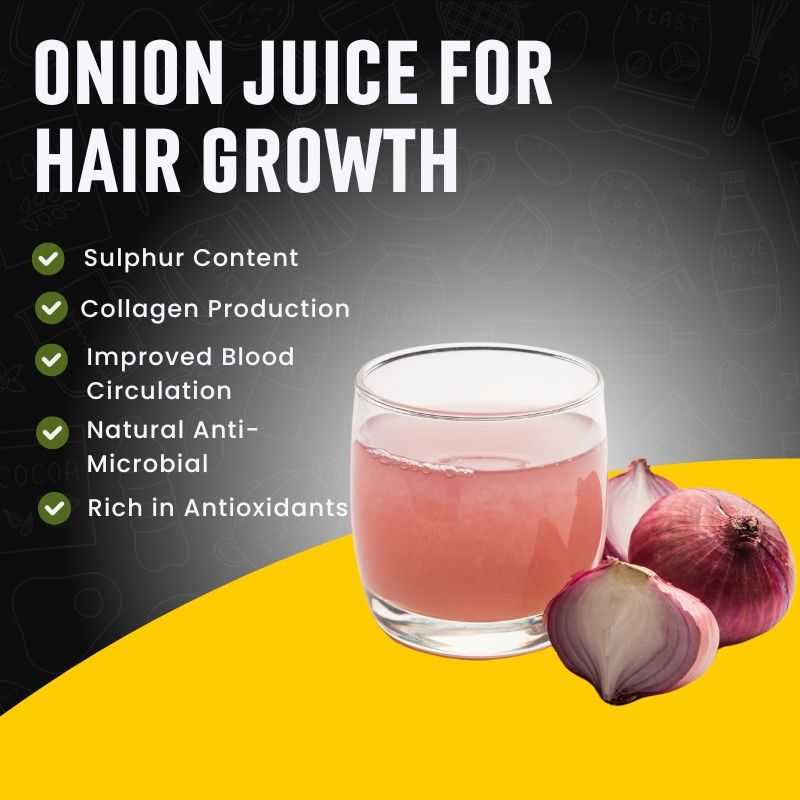
Red onions are most popular for hair growth remedies, as they contain higher amounts of sulfur and antioxidants than yellow or white onions. However, any fresh onion will work.
Organic onions are a good choice if you want to avoid pesticide residues. Some people prefer sweet onions for a milder smell, but red onions are usually the most potent.
Step-by-step Preparation
- Select 2-3 medium red onions.
- Peel and chop them into small pieces.
- Blend or grate the pieces to extract juice. You can use a blender, food processor, or a simple grater.
- Strain the pulp using a cheesecloth or fine sieve. Collect the juice in a clean bowl.
- (Optional) Mix with other ingredients, such as a few drops of essential oil (like lavender or peppermint) to mask the smell, or a spoon of coconut oil for extra moisture.
A pro tip: add a teaspoon of lemon juice for extra antibacterial action and to help cut down the smell. If you want a smoother, less sticky juice, filter it twice.
Storage
- Fresh onion juice works best. If you must store, keep it in a sealed glass container in the fridge for up to 3 days.
- Don’t freeze onion juice; freezing can break down the nutrients and change the texture.
Onion Juice Preparation Table
Here’s a quick look at the main steps and time required:
| Step | Description | Approx. Time |
|---|---|---|
| Chop onions | Peel and dice 2-3 onions | 5 min |
| Blend or grate | Process to a pulp | 3-5 min |
| Strain | Extract juice using cloth or sieve | 2 min |
| Mix (optional) | Add essential oils or carrier oils | 1 min |
A handy tip for beginners: wear kitchen gloves when handling onions to avoid lingering smells on your hands.
Credit: www.olivaclinic.com
Application Guide: How To Use Onion Juice For Hair Growth
Applying onion juice is straightforward, but following these steps helps you get the best results and avoid irritation.
Step-by-step Application
- Test for allergies: Dab a small amount of onion juice on your inner arm. Wait 30 minutes. If no redness or itching appears, it’s likely safe to use on your scalp.
- Section your hair: Use clips to expose your scalp.
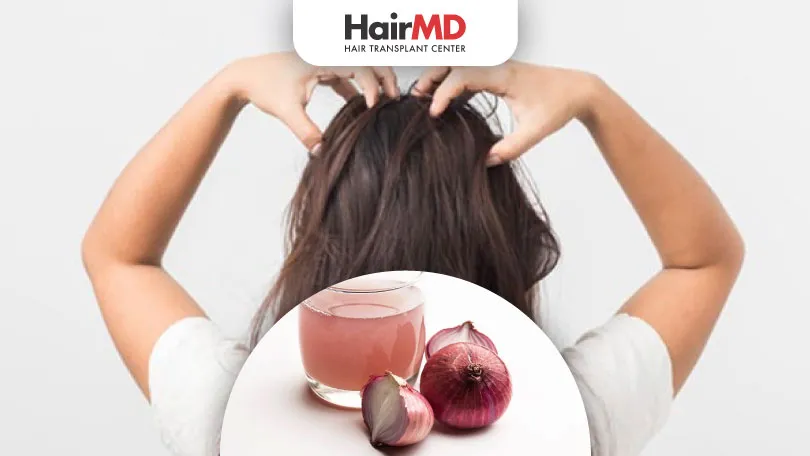
- Apply juice to scalp: Use cotton balls, a brush, or your fingers to gently massage onion juice onto the scalp, focusing on thinning or patchy areas.
- Leave for 15-30 minutes: Cover your hair with a shower cap to avoid dripping. Some people leave it up to 1 hour, but start with a shorter time if you have sensitive skin.
- Rinse and wash: Use a mild shampoo to remove the juice and reduce the smell.
- Repeat: Use 2-3 times a week, or as tolerated.
For best results, apply the juice to a clean, dry scalp. If you use styling products, wash your hair first to avoid blocking the juice from reaching the roots. After washing, let hair air dry instead of using heat, which can stress the scalp.
Application Frequency Table
| Application Frequency | Who Should Use | Expected Results |
|---|---|---|
| 2-3 times/week | Most users | Noticeable regrowth in 4-6 weeks |
| Daily | Patchy hair loss, persistent cases | Faster results, but higher risk of irritation |
| Once/week | Sensitive scalp or maintenance | Slower results |
Practical Tips
- Wear old clothes: Onion juice can stain fabric.
- Massage gently: Avoid harsh rubbing, which can damage hair.
- Use in the evening: The smell can linger, so night application is less likely to affect your daily activities.
Another tip: after rinsing, use a vinegar or lemon water rinse to help neutralize the smell further. About one tablespoon of vinegar in a cup of water works well.
Mixing With Other Ingredients
Some people mix onion juice with:
- Aloe vera gel (soothes scalp and reduces smell)
- Castor oil (boosts thickness)
- Honey (moisturizes and improves texture)
- Coconut oil (reduces irritation)
This can make the treatment more pleasant and less drying.
For even better results, add a few drops of rosemary essential oil. Rosemary is known for supporting scalp circulation and complements onion juice’s effects.
Potential Side Effects And Risks
While onion juice is natural, it’s not risk-free.
Common Side Effects
- Strong odor: The smell can be difficult to remove, even after washing.
- Skin irritation: Redness, itching, or burning may occur, especially on sensitive skin.
- Allergic reaction: Rare, but possible—always patch test first.
- Contact dermatitis: Prolonged use can cause dryness or flaking.
If you have eczema or psoriasis, onion juice may worsen these conditions.
Who Should Avoid Onion Juice?
- People with onion allergies
- Those with open wounds or scalp infections
- Children under 12 (unless recommended by a doctor)
Pregnant or breastfeeding women should also consult a doctor before trying new hair treatments, even natural ones.
How To Minimize Risks
- Always patch test before full use.
- Limit use to 2-3 times per week if you have a sensitive scalp.
- Wash hair thoroughly after each application.
If you add essential oils, use only a few drops, as too much can also irritate the scalp.
What To Do If You Experience Irritation
- Rinse immediately with cool water and mild shampoo.
- Apply a soothing gel (like aloe vera).
- If symptoms persist, stop using onion juice and consult a dermatologist.
Don’t ignore persistent itching, burning, or red patches—these are signs your skin is not tolerating the remedy.
Who Will Benefit Most From Onion Juice?
Onion juice is not a miracle cure for all types of hair loss. It works best for:
- Patchy hair loss (alopecia areata)
- Mild thinning due to stress or temporary issues
- People looking for natural, affordable options
It is less effective for:
- Genetic baldness (male or female pattern baldness)
- Severe scarring or permanent follicle damage
- Advanced hair loss, where follicles are destroyed
People with new or recent hair loss are more likely to see results. If you’ve had bald patches for several years, onion juice is less likely to help.
Comparing Onion Juice With Other Hair Growth Remedies
When considering hair regrowth, you have several options. Here’s how onion juice compares to some common alternatives.
Onion Juice Vs. Minoxidil
- Minoxidil is a widely-used, FDA-approved topical treatment for hair loss.
- Onion juice is natural, unregulated, and has limited research.
Pros of Onion Juice:
- Fewer side effects (for most people)
- Low cost
- Readily available
Cons:
- Unpleasant smell
- Less research
- May not work for everyone
Minoxidil is more effective for hereditary hair loss but can cause side effects like scalp irritation or unwanted hair growth on the face.
One important detail: Minoxidil requires continuous use to maintain results. Stopping it may lead to hair loss returning. Onion juice doesn’t cause “shedding” if you stop, but its effects may fade over time.
Onion Juice Vs. Natural Oils
- Castor oil, coconut oil, and olive oil are used to improve hair strength and shine.
- Onion juice is more targeted for stimulating regrowth.
For best results, some people combine onion juice with natural oils.
Natural oils are especially helpful if you have dry or curly hair, as onion juice alone can be drying. Oils also help seal in moisture after you rinse out the juice.
Insights Beginners Miss
- Onion juice is not a substitute for medical treatments in cases of severe or genetic hair loss.
- More is not always better: Overuse can irritate the scalp and worsen hair problems.
Also, don’t mix too many treatments at once. If you use minoxidil or prescription products, check with your doctor before adding onion juice.
Myths And Misconceptions About Onion Juice
Myth 1: Onion Juice Works For Everyone
Fact: It helps some people, especially with patchy hair loss, but not all cases respond.
Myth 2: Results Are Immediate
Fact: Noticeable regrowth usually takes 4-6 weeks of regular use.
Myth 3: Onion Juice Alone Cures Baldness
Fact: For hereditary or advanced baldness, onion juice is unlikely to cause regrowth.
Myth 4: The More You Apply, The Better
Fact: Excessive use can irritate or damage the scalp.
Another common myth is that the smell means it’s “working. ” In reality, the intensity of the smell has nothing to do with effectiveness. Focus on regular, gentle use instead of stronger doses.
Non-obvious Insight
- Scalp health is key: If you have dandruff or inflammation, treating these first can help onion juice work better.
For example, using a gentle scalp scrub or anti-dandruff shampoo before starting onion juice can give better results.
How To Enhance Results With Onion Juice
- Stay consistent: Use regularly for at least one month before judging results.
- Combine with scalp massage: Improves blood flow and absorption.
- Maintain a healthy diet: Poor nutrition can slow hair growth, regardless of topical treatments.
- Reduce stress: High stress increases hair shedding.
- Avoid heat and harsh chemicals: Excessive styling can damage hair and limit regrowth.
Other ways to boost your results include drinking enough water and avoiding tight hairstyles that pull on the scalp. Gentle hair care habits will help you get the most from onion juice treatments.
Real User Experiences
Many people share positive stories about onion juice for hair growth. Some see visible regrowth in bald spots within weeks. Others notice softer, shinier hair. However, not everyone has a positive outcome—some get scalp irritation or dislike the smell so much they stop using it.
Example: Maria, age 34, had patchy hair loss after a stressful event. She applied onion juice three times a week for two months. She saw baby hairs appear in bald areas, but said the smell was hard to manage. She now mixes onion juice with aloe vera gel and uses it at night.
Another example: Ravi, 27, started using onion juice for thinning at his temples. He took before-and-after photos every week. After 8 weeks, he noticed more hair density and less breakage, but no dramatic regrowth. He found that mixing onion juice with castor oil helped with dryness.
A key point: most successful users stick with the routine and adjust based on their scalp’s reaction. If irritation happens, they cut back or mix with soothing ingredients.
When To See A Doctor
If you have sudden, unexplained hair loss, or your hair does not respond to home remedies, see a dermatologist. Sometimes, hair loss signals medical issues like thyroid problems or nutritional deficiencies. Onion juice can help with mild, patchy loss, but medical advice is important for ongoing or severe cases.
If you notice other symptoms like fatigue, weight change, or scalp sores, get checked by a doctor. Early diagnosis can often prevent more hair loss.
Where To Find Reliable Information
For more research and updates on natural hair growth remedies, check resources like the American Academy of Dermatology and recent scientific reviews. For a summary of the 2002 clinical study, see National Institutes of Health.
You can also look for new clinical trials or systematic reviews, as the field of hair loss treatment is always evolving.
Frequently Asked Questions
Is Onion Juice Safe For All Hair Types?
Most hair types can tolerate onion juice, but people with sensitive skin or scalp conditions should use caution. Always patch test first. Curly and coily hair may feel dry after use, so mixing with oils helps.
How Long Does It Take To See Results From Onion Juice?
Results usually appear in 4 to 6 weeks with regular use. Some notice new “baby hairs” earlier, but full regrowth takes time and patience.
Can I Leave Onion Juice On My Scalp Overnight?
It’s not recommended for beginners, as it can cause irritation or an intense odor. Start with 15-30 minutes, and increase only if your scalp tolerates it well.
Does Onion Juice Remove Dandruff?
Onion juice has antibacterial properties that can reduce minor dandruff and scalp itchiness. For severe dandruff, use a medicated shampoo alongside onion juice.
What Can I Do To Reduce The Smell Of Onion Juice?
Mixing onion juice with lemon juice, essential oils, or aloe vera gel helps mask the smell. Washing hair with a strong, pleasant-smelling shampoo afterward is also important.
Some people find that rinsing with diluted apple cider vinegar or using a baking soda rinse after shampooing further reduces the odor.
Credit: www.hairmdindia.com
Final Thoughts
Onion juice for hair growth is a simple, affordable, and mostly safe home remedy. Clinical evidence shows it can stimulate regrowth for some types of hair loss, especially patchy alopecia. However, it’s not a miracle cure for all hair problems, and results vary.
If you’re curious, patch test first, use consistently, and manage your expectations. Remember, healthy hair also depends on your diet, lifestyle, and overall scalp care. If hair loss is severe, always consult a healthcare professional for guidance. With the right approach, onion juice can be a valuable addition to your hair care routine.