

Many people dream of having thick, healthy hair. But for some, hair thinning and slow hair growth can feel frustrating and hard to solve. While genetics, hormones, and stress play roles, there’s another factor that’s often overlooked: zinc. This trace mineral is tiny but mighty when it comes to the health of your hair. If you’re wondering how zinc works, when supplements help, and what mistakes to avoid, you’re in the right place. In this guide, we’ll explore the science behind zinc and hair growth, clear up common myths, and give you practical advice for stronger, fuller hair.
Why Zinc Matters For Hair
Hair growth is a complex process. Your body needs a balance of nutrients, hormones, and healthy skin to create and maintain strong hair. Zinc is one of those nutrients that supports your body in several ways:
- Cell growth and repair: Hair follicles are among the fastest-growing cells in your body. Zinc helps with cell division and tissue repair, both crucial for new hair to form. Without enough zinc, the renewal of cells in your scalp slows down, making hair weaker and more prone to breakage.
- Immune system support: A weak immune system can trigger scalp inflammation and affect hair health. Zinc strengthens your defense against illness and stress. For example, frequent infections or scalp irritation can disrupt the normal hair growth cycle, and zinc helps keep these problems at bay.
- Hormone balance: Hormonal shifts, especially androgens, can cause hair loss. Zinc helps keep hormones in balance. This is why zinc is sometimes recommended for hair loss related to hormonal changes, such as after childbirth or during menopause.
- Sebum production: Your scalp produces a natural oil called sebum. Zinc helps control this, keeping hair moisturized but not too oily. If sebum production is too high, it can block hair follicles and cause scalp issues; too little and hair becomes dry and brittle.
Many people don’t realize that even a mild zinc deficiency can lead to noticeable hair problems. Some experts compare the effects to that of iron or biotin, but zinc is often forgotten. A deficiency may also cause changes you don’t immediately notice, like slower hair regrowth after a haircut or increased sensitivity in your scalp.
How Zinc Supports Hair Growth
Hair Follicle Function
Each strand of hair grows from a tiny pocket in your skin called a hair follicle. These follicles are sensitive to changes inside your body. Studies have shown that when zinc levels are low, the structure and function of these follicles can break down. This may lead to weaker hair or even hair loss.
Zinc acts as a cofactor for many enzymes involved in DNA and protein production. This means your body can’t build new hair cells efficiently without enough zinc. In fact, researchers have found that people with certain types of hair loss—like telogen effluvium or alopecia areata—often have lower zinc levels.
Hair follicles go through cycles: growth (anagen), transition (catagen), and rest (telogen). Zinc influences these cycles by supporting the enzymes and proteins needed for new hair to start growing. If your body lacks zinc, these cycles can get disrupted, causing more hairs to enter the resting phase and fall out.
Reducing Hair Shedding
Zinc helps keep hairs in the anagen (growth) phase longer. When you’re zinc-deficient, more hairs shift into the telogen (resting) phase, causing them to shed. This is sometimes called telogen effluvium, and it’s one of the most common forms of temporary hair loss.
If you notice increased hair shedding—such as more hairs in your brush or shower drain—it could be a sign your body isn’t getting enough zinc. Correcting this deficiency can help more hair stay in the growth phase, leading to thicker and fuller hair over time.
Supporting Scalp Health
A healthy scalp is vital for good hair. Zinc’s anti-inflammatory properties calm irritated skin and help prevent problems like dandruff or seborrheic dermatitis. These conditions can block follicles and slow down growth.
Zinc also helps regulate the skin’s oil balance. Too much oil can lead to clogged pores and scalp issues, while too little can cause dryness and flaking. Maintaining a healthy scalp environment is essential for hair follicles to function properly and grow strong, healthy hair.
Non-obvious Insight 1
Many people only focus on the hair strand itself. But zinc’s main effect is at the follicle level, where new hair is born. Applying zinc topically (as a shampoo or lotion) may help scalp problems, but it doesn’t fix a body-wide deficiency.
Oral zinc is usually more effective if you’re lacking in this mineral.
It’s also worth noting that scalp issues like itching or flaking can sometimes be early signs of zinc deficiency, even before hair loss appears.
The Science: What Research Says
It’s easy to find claims about zinc and hair online. But what does real science say?
- A 2013 study in the Annals of Dermatology found that people with alopecia areata** had significantly lower zinc levels compared to healthy individuals. This suggests zinc may play a direct role in certain types of hair loss.
- A 2016 review in Dermatology and Therapy looked at several hair loss conditions and found a strong association between low zinc and increased hair shedding. The review also noted that restoring zinc levels can sometimes reverse hair loss, especially when deficiency is the main cause.
- Another study showed that taking zinc supplements improved hair regrowth in people who were zinc deficient. Participants often saw improvements in hair thickness, scalp health, and reduced hair shedding.
Still, it’s important to know that not all hair loss is caused by zinc deficiency. Supplementing with zinc won’t help if your levels are already normal. In fact, taking too much can cause other health problems, which we’ll explain later.
Some studies even suggest that zinc may help with hair loss caused by stress or illness, but more research is needed to confirm these effects.
Signs You May Need More Zinc
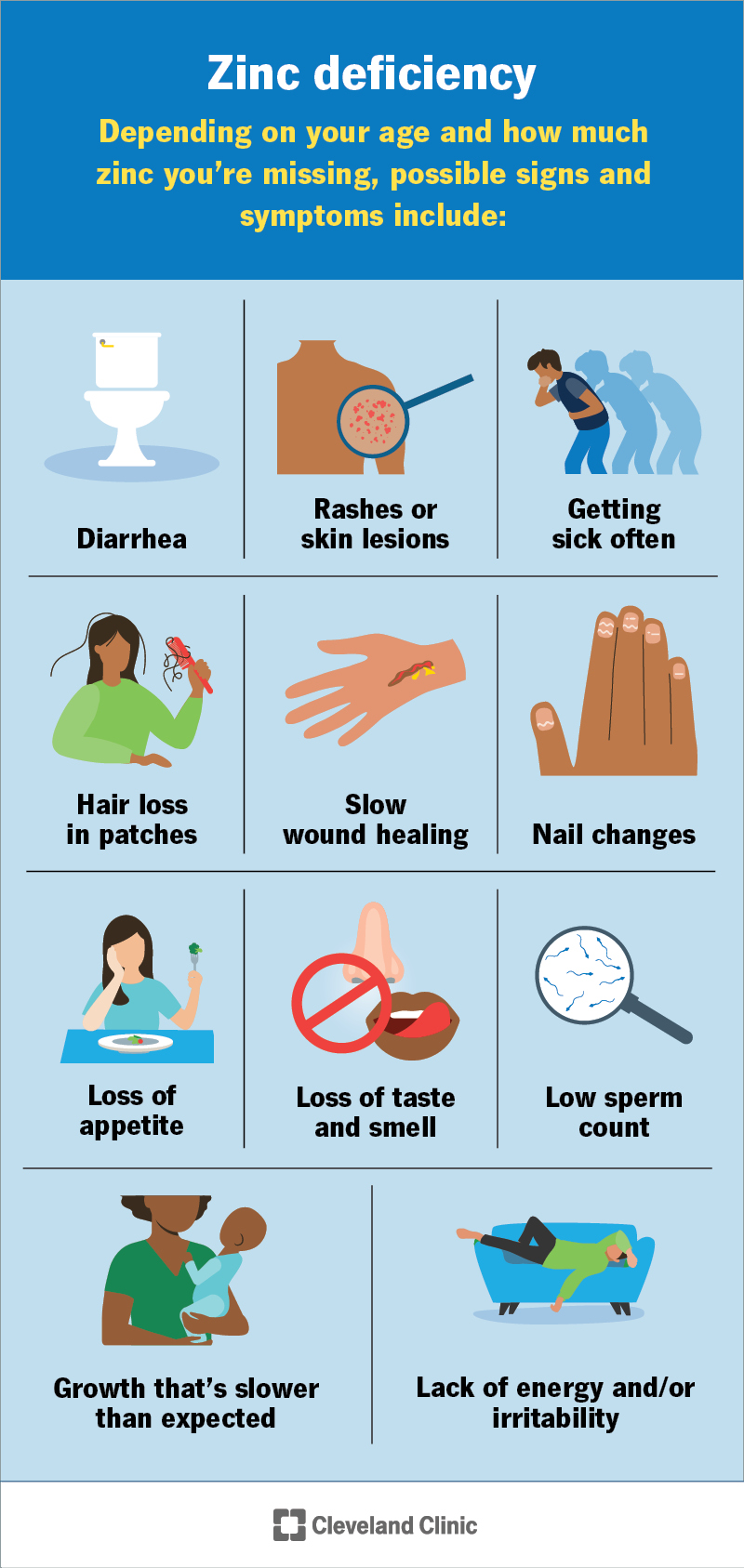
Recognizing a zinc deficiency isn’t always easy. The symptoms can be subtle and often overlap with other health problems. Here are some signs that your body may need more zinc:
- Increased hair shedding or thinning
- Slow hair regrowth after loss or damage
- Brittle nails or white spots on nails
- Skin rashes or frequent infections
- Poor wound healing
- Loss of appetite or sense of taste
- Unexplained fatigue
If you have several of these symptoms, especially with hair loss, it’s wise to check your zinc status.
Less obvious signs include changes in mood, difficulty concentrating, or a weakened sense of smell. Zinc is essential for many body functions, so deficiency can show up in surprising ways.
How To Check Your Zinc Levels
Blood tests can measure zinc, but they are not always accurate. Zinc is stored in many tissues, not just the blood. Doctors often look at symptoms and your diet, not just lab results.
Non-obvious insight #2: People with chronic digestive issues (like Crohn’s disease or celiac) often have trouble absorbing zinc, even if they eat enough. If you have ongoing gut problems, you may need more zinc than others.
Another practical tip: If you’ve recently switched to a restrictive diet or had surgery that affects your digestion, your zinc needs may change. Pay attention to your body and speak with a healthcare provider if you notice changes in your hair or nails.
Common Causes Of Zinc Deficiency
Zinc deficiency can result from several factors:
- Low dietary intake: Not eating enough foods rich in zinc, like meat, shellfish, nuts, and seeds. Diets high in processed foods are usually low in zinc.
- Digestive disorders: Conditions that reduce absorption (e.g., celiac disease, IBS, Crohn’s). Even mild digestive problems can impact how well your body uses zinc.
- Vegetarian or vegan diet: Plant-based foods contain less zinc and more phytates, which block absorption. This is why vegetarians and vegans need to pay extra attention to zinc intake.
- Pregnancy and breastfeeding: These increase zinc needs. Not getting enough can affect both mother and baby.
- Chronic stress: Can deplete zinc levels over time. Stress hormones change how your body uses and stores zinc.
- Alcohol abuse: Alcohol reduces zinc absorption and increases loss through urine.
Many people don’t know that phytates (found in whole grains, beans, and legumes) can bind to zinc and reduce how much your body absorbs. Soaking or fermenting these foods can help reduce phytates.
Another less-known cause is excessive sweating, which can happen during intense physical activity or hot climates. Sweat contains zinc, so athletes or people working outdoors may need more zinc.
How Much Zinc Do You Need?
The recommended daily allowance (RDA) varies by age, gender, and life stage:
| Group | Daily Zinc Needs (mg) |
|---|---|
| Men (19+ years) | 11 mg |
| Women (19+ years) | 8 mg |
| Pregnant women | 11 mg |
| Breastfeeding women | 12 mg |
| Children (4-8 years) | 5 mg |
Most people can meet their zinc needs from a balanced diet. But some people, especially those with restrictive diets or absorption problems, may need supplements.
Keep in mind that these numbers are for “elemental zinc”—the actual amount your body uses. Supplements often list a higher number, but only a fraction is elemental zinc.
:max_bytes(150000):strip_icc()/Health-Healthy-Hair-horiz-ab5be44ea99b47028897b2300afaee81.jpg)
Credit: www.health.com
Best Food Sources Of Zinc
Eating a variety of zinc-rich foods is the safest way to maintain healthy levels. Here are some top sources:
- Oysters (the highest natural source)
- Red meat (beef, lamb, pork)
- Poultry (chicken, turkey)
- Seafood (crab, lobster)
- Nuts and seeds (pumpkin seeds, cashews, almonds)
- Legumes (chickpeas, lentils, beans)
- Dairy products (milk, cheese, yogurt)
- Whole grains (quinoa, oats, brown rice)
- Eggs
It’s worth noting that animal-based sources are better absorbed than plant sources. If you’re vegan or vegetarian, you may need to eat more zinc-rich foods or consider a supplement.
For example, a serving of beef provides about 5 mg of zinc, while a serving of chickpeas offers only about 1. 5 mg. Adding seeds like pumpkin seeds to salads or yogurt can boost your zinc intake naturally.
Cooking methods also matter. Roasting nuts and seeds can increase zinc availability, while boiling legumes may reduce it slightly.
Comparing Zinc Absorption: Animal Vs. Plant Foods
Zinc in animal foods is more bioavailable (easier for your body to use) than in plants. Here’s a comparison:
| Food Type | Approx. Zinc Absorption (%) | Comments |
|---|---|---|
| Animal foods | 40-60% | Highly absorbed, less affected by phytates |
| Plant foods | 10-25% | Lower absorption due to phytates |
If you rely mostly on plant foods, aim for the higher end of the RDA or ask a dietitian about supplements.
One practical example: If you eat mostly beans and grains, soaking them overnight before cooking can help reduce phytates and improve zinc absorption.
When Zinc Supplementation Helps Hair Growth
Not everyone needs a zinc supplement. But in some cases, it can make a real difference for hair growth:
1. Confirmed Zinc Deficiency
If blood tests or symptoms suggest you’re zinc-deficient, supplementing can restore normal hair growth. Hair regrowth usually takes a few months, so patience is needed.
2. Hair Loss Linked To Medical Conditions
People with alopecia areata, telogen effluvium, or chronic scalp conditions may benefit from zinc, especially if their levels are low. Some studies suggest improvement in hair density and thickness after zinc supplementation.
3. Restricted Diets
Vegetarians, vegans, and those with limited access to zinc-rich foods may need a supplement to reach optimal levels.
4. Absorption Problems
If you have digestive diseases, like Crohn’s or celiac, your body may not absorb enough zinc from food. In these cases, supplements can help fill the gap.
5. During Pregnancy And Breastfeeding
These life stages increase your body’s need for zinc. Supplements are sometimes recommended to prevent deficiency.
Important: Always talk to a doctor before starting zinc supplements, especially if you take other medications or have chronic health problems. Too much zinc can be harmful.
Some people mistakenly take zinc supplements without checking their levels. This can lead to unnecessary side effects and imbalance with other minerals.
How To Choose A Zinc Supplement
There are many forms of zinc supplements available. Each has its pros and cons:
| Zinc Form | Absorption | Common Use |
|---|---|---|
| Zinc gluconate | Good | General use, available in lozenges and tablets |
| Zinc picolinate | Excellent | Highly bioavailable, often recommended for deficiency |
| Zinc sulfate | Moderate | Used medically, can cause stomach upset |
| Zinc citrate | Good | Easy on the stomach, well-absorbed |
| Zinc oxide | Poor | Mainly used in creams, not for oral supplementation |
Tip: Zinc picolinate and zinc gluconate are usually best for absorption and gentle on the stomach.
If you’re sensitive to supplements, start with a lower dose and increase slowly. Always check the label for “elemental zinc,” not just the compound amount.
How To Take Zinc Supplements Safely
- Dosage: For adults, typical supplement doses range from 15 to 30 mg of elemental zinc daily. Some people need less, especially if they also get zinc from their diet.
- Timing: Take zinc with food to reduce stomach irritation, but not with high-calcium foods (like milk) or iron supplements, which can block absorption.
- Duration: Don’t take high-dose zinc for more than a few months unless supervised by a doctor. Long-term excess zinc can cause copper deficiency.
Common Mistakes With Zinc Supplements
- Taking too much: High doses can cause nausea, diarrhea, headaches, and lower your immune function.
- Ignoring copper: Zinc and copper compete in your body. Too much zinc can lower copper levels, leading to new problems. Some multivitamins combine both to prevent imbalance.
- Expecting instant results: Hair growth is slow. It takes at least 2-3 months to see changes after correcting a deficiency.
- Skipping medical advice: Some hair loss has other causes (hormones, thyroid problems, stress), and zinc won’t help unless you’re deficient.
Another mistake is using zinc supplements as a “quick fix” for any hair problem without considering diet and lifestyle changes.
Other Nutrients That Work With Zinc
Zinc doesn’t work alone. For best hair health, you need a full range of nutrients. Key partners include:
- Iron: Low iron also causes hair loss, especially in women.
- Biotin: Often added to hair supplements, but only helps if you’re deficient.
- Vitamin D: Important for follicle cycling and immune support.
- Protein: Hair is made of keratin, a protein. Eat enough to support growth.
- Omega-3 fatty acids: Help reduce inflammation and improve scalp health.
A balanced diet is the foundation for healthy hair. Supplements are only one part of the puzzle.
For example, if you eat plenty of zinc but not enough protein, your hair may still be weak. Combining nutrients is key for lasting results.
Credit: www.youtube.com
Myths And Facts About Zinc And Hair Growth
Myth: Zinc supplements boost hair growth for everyone.
Fact: They help only if you’re zinc-deficient. Otherwise, extra zinc won’t speed up hair growth and may even cause harm.
Myth: Topical zinc shampoos fix hair loss.
Fact: These can help scalp issues like dandruff, but won’t solve a body-wide deficiency.
Myth: Zinc works faster than other hair loss treatments.
Fact: Hair growth always takes time, usually 3-6 months after fixing a deficiency.
Myth: You can’t get enough zinc from food.
Fact: Most people can, especially if they include animal foods. Supplements are for special cases.
Another common myth is that zinc supplements are “safe” at any dose. In reality, too much zinc can harm your immune system and cause copper deficiency.
Zinc And Popular Hair Loss Treatments
Many people use products like minoxidil, finasteride, or herbal remedies for hair loss. How does zinc fit in?
- Minoxidil (Rogaine): This increases blood flow to the scalp. Zinc works differently, by supporting follicle health from the inside.
- Finasteride (Propecia): Blocks hormones that cause hair loss. Zinc may help balance hormones but is not a replacement for medication.
- Biotin supplements: Often combined with zinc in “hair vitamins.” Both are only helpful for those who are deficient.
Zinc can be used alongside these treatments but is not a standalone cure for genetic or severe hair loss.
If you use multiple hair treatments, check with your doctor to avoid interactions and side effects.
Who Should Avoid Zinc Supplements?
Some people should use caution with zinc:
- People with kidney disease: May have trouble excreting excess zinc.
- Those taking certain medications: Zinc can interact with antibiotics, diuretics, and penicillamine (for arthritis).
- Anyone with hemochromatosis: A rare iron overload disorder; excess zinc can worsen symptoms.
Always check with your healthcare provider if you have chronic health issues or take regular medications.
Older adults may also be more sensitive to zinc’s effects. If you’re over 65, start with a lower dose and monitor for side effects.
How To Tell If Zinc Is Helping Your Hair
If you start a zinc supplement for hair loss, what signs should you look for?
- Reduced hair shedding: Fewer hairs in your brush, shower, or pillow.
- Thicker hair regrowth: New hairs may feel stronger or denser.
- Improved scalp health: Less itching, irritation, or dandruff.
- Better nail and skin health: Zinc also improves these areas.
Track your progress with photos every few weeks. Remember, changes are slow—stick with your plan for at least 3-6 months.
Pay attention to subtle signs, like less breakage or easier styling. Sometimes, improvements in hair quality show up before visible regrowth.
Credit: my.clevelandclinic.org
Real-life Example: Zinc Deficiency And Hair Recovery
Sara, a 34-year-old vegetarian, noticed her hair thinning and shedding more than usual. Blood tests showed low zinc levels. Her doctor recommended a 25 mg zinc picolinate supplement daily, along with more zinc-rich plant foods. After three months, Sara saw less hair loss and new growth along her hairline.
She continued the supplement for six months and then focused on diet alone. Her experience shows how correcting a deficiency can restore healthy hair, but it takes time and a tailored approach.
Another real-world case involves a young athlete who experienced hair shedding after intense training. Sweat loss and a diet low in animal foods led to low zinc. By increasing dietary zinc and using a short-term supplement, the athlete saw hair recovery within four months.
Practical Tips For Healthy Hair Growth
- Eat a balanced diet: Include both animal and plant sources of zinc if possible.
- Watch for hidden deficiencies: Digestive issues, restrictive diets, or pregnancy may increase your risk.
- Don’t over-supplement: More is not always better. Stick to recommended doses.
- Be patient: Hair growth is slow. Give any new routine at least three months.
- Consider all factors: Genetics, hormones, and stress also affect hair. Zinc is just one part of the picture.
If you’re not seeing results, review your lifestyle—stress, sleep, and hydration all play roles in hair health.
Where To Find More Information
If you want to read more about zinc and its role in health, the National Institutes of Health offers a comprehensive guide: NIH Zinc Fact Sheet.
Frequently Asked Questions
Does Zinc Help With All Types Of Hair Loss?
Zinc is most helpful for hair loss caused by deficiency or specific scalp conditions like alopecia areata or telogen effluvium. It’s less effective for genetic hair loss (male or female pattern baldness). For best results, check your zinc levels before supplementing.
How Long Does It Take To See Results From Zinc For Hair Growth?
You may start to see less hair shedding and some regrowth after 2 to 3 months of correcting a deficiency. Full results can take up to 6 months, since hair grows slowly. Consistency and patience are key.
Can I Get Enough Zinc From A Vegetarian Or Vegan Diet?
It’s possible, but more challenging. Plant foods contain phytates that reduce absorption. To improve your intake, eat more nuts, seeds, legumes, and consider soaking or fermenting grains. Some vegetarians and vegans may need a supplement.
Are There Side Effects From Taking Zinc Supplements?
Yes, especially at high doses. Side effects include nausea, stomach cramps, diarrhea, and headaches. Long-term high intake can cause copper deficiency. Always follow dosage guidelines and talk to your doctor first.
Is It Safe To Combine Zinc With Other Hair Supplements Like Biotin?
For most people, yes. Many “hair, skin, and nails” vitamins combine zinc and biotin. Just avoid taking multiple supplements with the same nutrients to prevent overdose. Check labels to stay within safe daily limits.
Healthy hair is a sign of overall well-being. By understanding the role of zinc and making smart choices, you can support your hair from the inside out. If in doubt, get your levels checked and work with a healthcare provider for the best results.