

When people struggle with hair loss, the search for solutions often leads to new science. One area that is gaining attention is hair growth peptides, especially copper peptides and GHK-Cu. These compounds promise to support hair follicles, encourage growth, and even repair scalp health. But what are they, how do they work, and do they deliver real results? This article will explain everything, from basics to advanced insights, so you can decide if they are right for you.
Understanding Hair Growth Peptides
Peptides are short chains of amino acids. They act like messengers in the body, telling cells what to do. In the case of hair growth peptides, they signal hair follicles to grow, repair, or stay healthy. There are many peptides, but copper peptides and GHK-Cu are the most popular for hair care.
Peptides are different from drugs or hormones. They are smaller, often safer, and can target specific functions. For hair, they focus on regeneration, inflammation, and nutrient delivery. Peptides can be used in creams, serums, shampoos, or injections. Each method has its own strengths and weaknesses.
Most people do not realize that the skin and scalp respond quickly to peptide signals. This makes peptides a promising option for hair loss. Unlike older treatments, peptides can work at the cellular level.
What Are Copper Peptides?
Copper peptides are molecules made from a peptide and a copper ion. The most famous is GHK-Cu, which is also known as glycyl-L-histidyl-L-lysine copper. The copper part is important because it helps with healing and regeneration. Copper peptides are found naturally in the body, but their levels drop as people age.
Copper is an essential mineral. It helps with blood flow, collagen production, and enzyme activity. When linked to a peptide, copper can reach cells more easily and trigger new growth.
Many skin and hair products use copper peptides because they are gentle and effective. They improve skin texture, reduce inflammation, and support hair follicle health. Some studies suggest copper peptides may help reverse hair loss.
Ghk-cu: The Most Studied Copper Peptide
GHK-Cu is the best-known copper peptide for hair and skin. It was discovered in 1973 and has been researched for decades. GHK-Cu is found in blood, saliva, and urine. As people get older, their GHK-Cu levels drop, which may lead to slower healing and hair thinning.
GHK-Cu has several functions:
- It signals cells to repair damage.
- It fights inflammation.
- It helps build collagen and other proteins.
- It protects hair follicles from stress.
GHK-Cu is used in many anti-aging and hair growth products. It is gentle and usually safe for most people. Some research shows it can help regrow hair in areas of thinning.
How Hair Growth Peptides Work
Peptides work by sending signals to hair follicles and skin cells. They activate genes and proteins involved in growth, repair, and protection. Here’s how they support hair:
- Stimulate Hair Follicle Activity: Peptides can wake up dormant follicles and help them produce new hair.
- Reduce Inflammation: Many people lose hair because of scalp inflammation. Peptides calm this and create a healthy environment.
- Increase Blood Flow: Better circulation brings nutrients and oxygen to hair roots, supporting growth.
- Promote Collagen Production: Collagen is important for strong skin and follicles. Peptides help build more collagen.
- Protect Against Stress and Oxidation: Everyday stress and pollution damage hair. Peptides act as antioxidants and protect follicles.
Most people do not know that peptides can change how genes behave in hair cells. This is a deeper effect than just moisturizing or cleaning the scalp.
Comparing Peptides With Other Hair Treatments
Let’s look at how peptides stack up against common hair loss treatments:
| Treatment | Method | Main Benefit | Side Effects | Long-Term Safety |
|---|---|---|---|---|
| Copper Peptides (GHK-Cu) | Topical, Serum | Repair, Stimulate Growth | Low | High |
| Minoxidil | Topical | Increase Blood Flow | Irritation, Shedding | Moderate |
| Finasteride | Oral | Block DHT | Sexual Side Effects | Moderate |
| Laser Therapy | Device | Stimulate Follicles | None | High |
Peptides offer a gentle approach, with fewer side effects than drugs like finasteride or minoxidil. They can be combined with other treatments, but always check for interactions.
Benefits Of Copper Peptides And Ghk-cu For Hair
Copper peptides and GHK-Cu offer several unique benefits for hair health:
- Regrow Thinning Hair: Studies show copper peptides can help revive shrinking hair follicles. This can lead to thicker, healthier hair.
- Repair Damaged Follicles: GHK-Cu helps heal follicles that are damaged by styling, chemicals, or stress.
- Improve Scalp Health: Copper peptides reduce redness, itching, and inflammation, making the scalp healthier.
- Strengthen Hair Roots: Copper boosts protein production in hair roots, preventing hair from falling out easily.
- Fight Aging: As people age, their hair becomes weaker. Copper peptides slow this process and keep hair youthful.
- Safe for Most Skin Types: Unlike some drugs, copper peptides rarely cause strong side effects. They can be used on sensitive skin.
Many people are surprised to learn that copper peptides can support both men and women with hair loss. Most treatments focus on men, but peptides work for a wider group.
Research And Statistics
Several studies show the power of copper peptides for hair:
- A study published in the International Journal of Cosmetic Science found that GHK-Cu increased hair growth by up to 40% in people with thinning hair.
- Another study showed that copper peptides improved scalp health and reduced itching in 85% of users.
- In animal studies, copper peptides restored damaged follicles and triggered new growth.
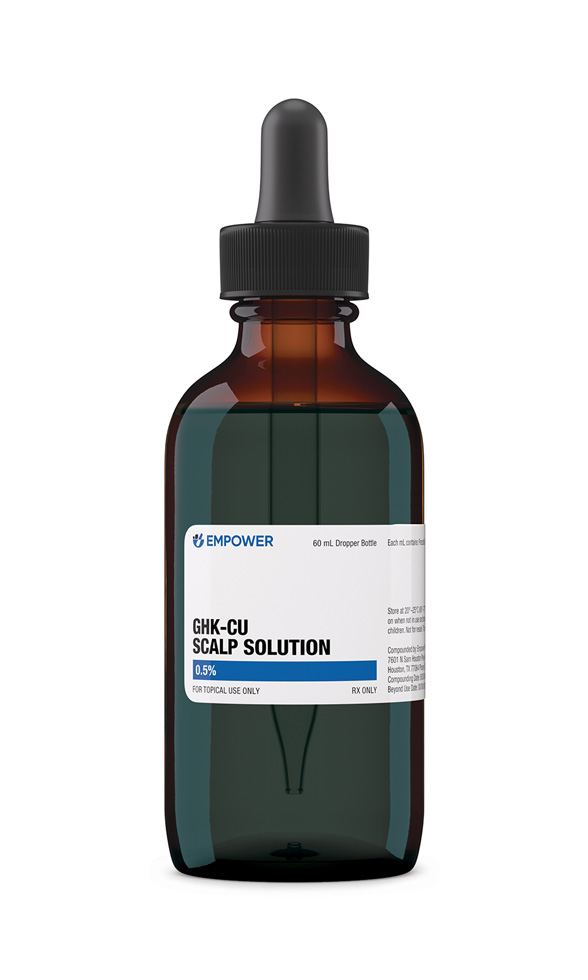
Most clinical trials use topical solutions with 0. 1% to 2% GHK-Cu. Results usually appear in 8–16 weeks. These numbers are promising, but more research is needed for long-term effects.
Credit: www.empowerpharmacy.com
Ghk-cu: How It Supports Hair Follicles
GHK-Cu is a small molecule that penetrates the skin easily. It works in several ways:
- Activates Genes for Repair: GHK-Cu turns on genes that help cells rebuild and grow. This is important for repairing damaged follicles.
- Blocks Harmful Enzymes: Some enzymes break down collagen and proteins in hair roots. GHK-Cu stops these enzymes, protecting follicles.
- Boosts Blood Flow: The copper part of GHK-Cu helps blood vessels carry more oxygen and nutrients to hair roots.
- Reduces Inflammation: GHK-Cu calms irritation and swelling in the scalp, which is a common cause of hair loss.
One hidden benefit is that GHK-Cu can help balance scalp oils. This prevents clogged follicles and supports healthy hair growth.
The Science Behind Ghk-cu
GHK-Cu is known as a signal peptide. It tells cells to start repair and growth. In hair follicles, it activates stem cells and supports the growth phase (anagen phase).
Most people do not realize that hair follicles have their own cycle. They grow, rest, and fall out. GHK-Cu helps keep follicles in the growth phase longer, so hair stays thick.
Researchers have found that GHK-Cu can increase the production of important proteins, like keratin and collagen. These are the building blocks of strong hair.
Using Copper Peptides For Hair Growth
Copper peptides can be used in several ways:
- Serums and Creams: These are applied directly to the scalp. They deliver peptides where they are needed.
- Shampoos and Conditioners: Some products include copper peptides for daily use.
- Microneedling with Peptides: This involves using a small device to create tiny holes in the scalp, followed by applying peptide serum. It helps peptides reach deeper.
- Injections: Rare but possible in clinics. Doctors may inject peptides for faster results.
Always follow instructions on products. Using too much or too little can affect results. Most people use peptides once or twice a day, for at least 8 weeks.
Practical Tips For Using Peptides
- Start with a small amount and watch for irritation.
- Apply to clean, dry scalp for best absorption.
- Avoid mixing with harsh chemicals or strong acids.
- Store products in a cool, dry place.
One mistake beginners make is expecting quick results. Peptides work slowly, and visible changes may take 3–4 months. Patience is important.
Comparing Copper Peptides With Ghk-cu
Copper peptides is a broad term, but GHK-Cu is a specific type. Let’s compare them:
| Feature | Copper Peptides | GHK-Cu |
|---|---|---|
| Composition | Peptide + Copper Ion | GHK (Amino Acid Tripeptide) + Copper |
| Usage | Skin and Hair Products | Mostly Hair and Skin Repair |
| Effectiveness | Varies by formula | High for hair repair |
| Safety | Generally safe | Very safe |
| Research | Limited | Extensive |
GHK-Cu is the most studied and trusted copper peptide for hair. Other copper peptides may work, but GHK-Cu has more proof and is widely used.
Real-life Examples And Results
Many people share their stories about copper peptides and GHK-Cu. Here are some real-life cases:
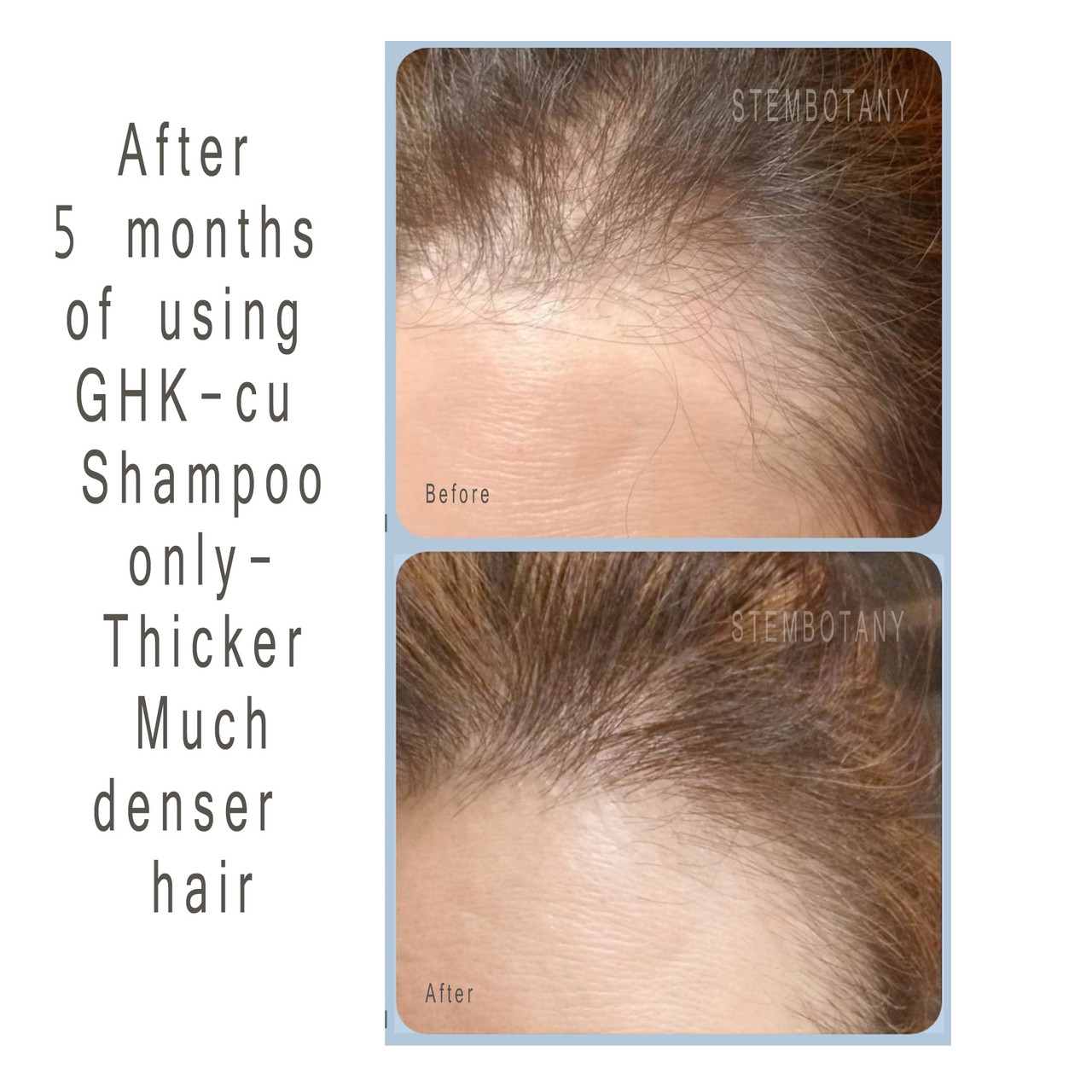
- Anna, 34: After using GHK-Cu serum daily for 4 months, Anna noticed her hair became thicker, and bald spots started to fill in. She had tried minoxidil before, but it caused itching.
- Mark, 46: Mark used copper peptide shampoo for 6 months. He saw less hair shedding and his scalp felt healthier. He combined it with microneedling.
- Priya, 29: Priya had sensitive skin and could not use strong drugs. She tried GHK-Cu cream and found her scalp irritation disappeared. Her hair became stronger.
These stories show that copper peptides can help different types of hair loss. Results depend on age, health, and how the product is used.
Safety And Side Effects
Copper peptides are usually safe, but some people may have mild reactions:
- Redness or Itching: Rare, usually mild.
- Allergy: If allergic to copper or peptides, avoid use.
- Overuse: Too much copper can cause toxicity. Always follow product instructions.
Most products use low doses of copper, which are safe for daily use. If you have sensitive skin, test a small area first.
Some people worry about using copper on the scalp. Research shows that topical copper peptides are safe and do not cause heavy metal buildup. Oral supplements are different and should be used carefully.
How To Choose The Right Peptide Product
Choosing the best peptide product can be confusing. Here’s what matters:
- Check Ingredients: Look for GHK-Cu or copper peptides listed clearly.
- Concentration: Products with 0.1%–2% GHK-Cu are most effective.
- Brand Reputation: Choose brands with clinical testing and good reviews.
- Formulation: Some products include other helpful ingredients like niacinamide or biotin.
- Price: Higher price does not always mean better quality. Compare before buying.
One mistake is buying products with “copper” in the name but no real peptides. Always read labels carefully.
Data On Popular Peptide Products
Here is a comparison of three popular peptide hair growth products:
| Brand | Peptide Type | Concentration | Form | Average Price | Customer Rating |
|---|---|---|---|---|---|
| Regenix | GHK-Cu | 1.5% | Serum | $80/30ml | 4.7/5 |
| The Ordinary | Copper Peptide | 1% | Serum | $30/30ml | 4.3/5 |
| HairMax | GHK-Cu | 2% | Spray | $65/50ml | 4.5/5 |
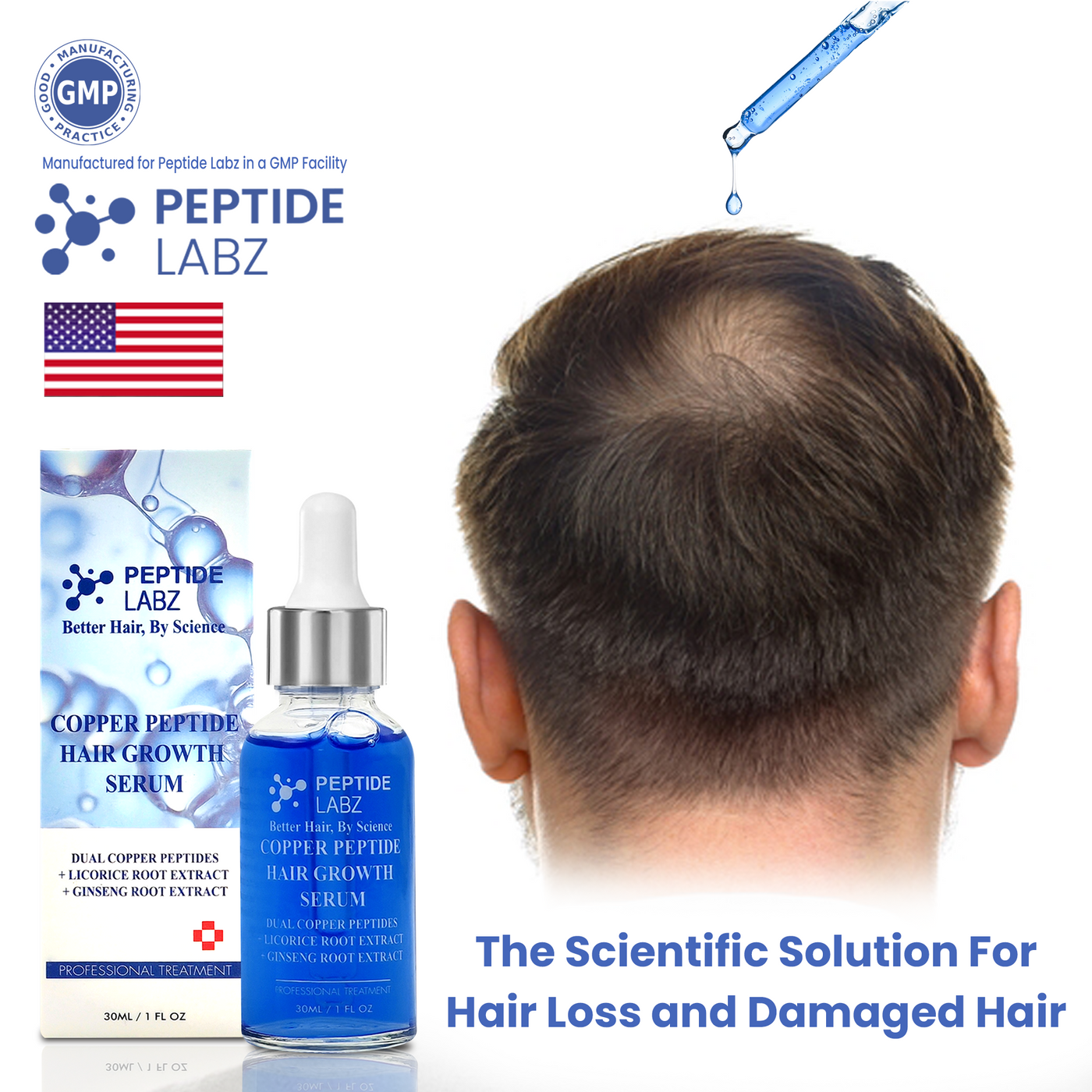
Look for products with proven peptides and good customer feedback. Avoid untested brands.
Credit: peptidelabz.com
Common Mistakes When Using Hair Growth Peptides
Even with good products, mistakes can limit results:
- Inconsistent Use: Peptides need regular application. Skipping days slows progress.
- Using Wrong Concentration: Too weak or too strong can cause issues.
- Mixing With Harsh Chemicals: Avoid combining peptides with strong acids or sulfates.
- Ignoring Scalp Health: Healthy scalp is key. Treat dandruff or irritation first.
- Expecting Instant Results: Hair grows slowly. Most people see changes in 3–6 months.
One insight most beginners miss is the importance of scalp health. Peptides work best on clean, healthy skin.
Who Should Use Hair Growth Peptides?
Copper peptides and GHK-Cu are suitable for:
- Men and women with thinning hair.
- People with sensitive skin who cannot use strong drugs.
- Those with scalp irritation or redness.
- Anyone wanting to strengthen hair or slow aging.
People with severe hair loss or medical conditions should consult a doctor first. Peptides are gentle, but not a cure for every case.
Myths And Truths About Hair Growth Peptides
There are several myths about peptides:
- Myth: Peptides work overnight. Truth: They need weeks or months to show results.
- Myth: Peptides are only for men. Truth: Women benefit too.
- Myth: Peptides replace all other treatments. Truth: They work best with a healthy lifestyle and sometimes other products.
- Myth: All copper products are equal. Truth: Only peptide-linked copper is effective for hair.
Many people do not realize that peptides can be combined with other gentle hair products, like plant extracts or vitamins.
Advanced Insights: Peptides And Hair Follicle Biology
Peptides like GHK-Cu interact with hair follicle biology at a deep level. They:
- Activate stem cells within follicles.
- Prolong the growth phase (anagen).
- Protect against environmental toxins.
- Repair micro-damage caused by daily styling.
Some studies suggest that peptides can even delay graying by protecting pigment cells. This is a new area of research and not fully proven yet.
Combining Peptides With Other Hair Growth Methods
Peptides work well with other gentle methods:
- Microneedling: This improves absorption and stimulates growth.
- Low-Level Laser Therapy: Lasers and peptides can support each other.
- Nutritional Support: Vitamins like biotin and zinc help hair grow.
Avoid combining peptides with harsh treatments like strong steroids or aggressive chemicals.
How To Apply Hair Growth Peptides
Proper application is important:
- Wash scalp and hair with a mild shampoo.
- Dry hair completely.
- Apply serum or cream directly to scalp.
- Massage gently for 1–2 minutes.
- Leave on and avoid washing for at least 2–4 hours.
For microneedling, use a sterile device and follow with peptide application. Always follow product instructions.
Some people miss the importance of massage. It improves blood flow and helps peptides absorb.
Credit: stembotany.com
Peptides For Different Types Of Hair Loss
Peptides can help with:
- Androgenetic Alopecia: Most common, caused by genetics.
- Telogen Effluvium: Sudden shedding from stress or illness.
- Alopecia Areata: Patchy loss, sometimes helped by peptides.
- Age-Related Thinning: Peptides support aging follicles.
Peptides may not help with scarring alopecia, where follicles are destroyed. Always check the cause of hair loss.
When To Expect Results
Hair grows slowly. With peptides, most people see:
- Less shedding in 4–8 weeks.
- Thicker hair in 12–16 weeks.
- Healthier scalp in 2–4 weeks.
If no changes appear after 6 months, consider other options or consult a doctor.
The Role Of Diet And Lifestyle
Peptides work best with healthy habits:
- Eat protein-rich foods for strong hair.
- Avoid harsh styling or chemical treatments.
- Manage stress, which can slow hair growth.
- Exercise improves blood flow to scalp.
Most beginners do not realize diet affects hair as much as products. Peptides are not magic; they need support.
What Makes Copper Peptides Unique?
Copper peptides stand out because:
- They mimic natural repair signals.
- They are gentle and safe.
- They work for skin and hair together.
- They can be used long-term without strong side effects.
Some people compare copper peptides to retinol or vitamin C. The difference is that peptides target repair, not just surface changes.
Peptides In Future Hair Research
Scientists are studying new peptides all the time. Some focus on faster growth, others on reversing graying. The most promising area is gene activation and stem cell support.
One interesting insight is the use of peptides in hair transplants. They may help transplanted follicles heal faster and grow stronger.
If you want to follow the latest research, visit Wikipedia’s page on copper peptides.
Frequently Asked Questions
What Are Copper Peptides And Ghk-cu?
Copper peptides are molecules made of a peptide and a copper ion. GHK-Cu is a specific copper peptide, made of three amino acids and copper. Both support skin and hair repair, and are used in many hair growth products.
Are Copper Peptides Safe For Daily Use?
Yes, most copper peptide products are safe for daily use. They rarely cause strong side effects. Always follow instructions and test a small area first if you have sensitive skin.
How Long Does It Take To See Results From Ghk-cu?
Most people see less shedding in 4–8 weeks, and thicker hair in 12–16 weeks. Results depend on age, health, and how regularly you use the product.
Can I Combine Copper Peptides With Other Hair Treatments?
Yes, copper peptides can be combined with gentle treatments like microneedling, low-level laser therapy, and vitamins. Avoid mixing with harsh chemicals or strong steroids.
What Is The Best Way To Apply Hair Growth Peptides?
Apply to clean, dry scalp, massage gently, and leave on for several hours. For best results, use daily and combine with a healthy diet and scalp care.
Hair growth peptides like copper peptides and GHK-Cu offer a gentle, promising way to support hair follicles and encourage growth. With patience, the right product, and good scalp care, they can make a visible difference for many people. As research continues, new peptide formulas may offer even better results in the future.
If you are tired of harsh treatments or want a science-backed solution, peptides are worth a closer look.