

High Porosity Hair And Henna: Strengthening Treatment Guide
If you have ever noticed your hair getting frizzy, tangling easily, or absorbing water like a sponge, you might have high porosity hair. This type of hair needs special care, especially when it comes to strengthening and repairing damage. Many people search for natural ways to make their hair healthier, and henna is one of the oldest and most trusted treatments for this purpose. But how does henna work for high porosity hair? Can it really make a difference? And what should you know before trying it?
This guide is your complete resource on using henna as a strengthening treatment for high porosity hair. You will learn what high porosity hair really means, why it needs different care, and how henna can help. We will cover step-by-step instructions, important tips, mistakes to avoid, and expert advice to get the best results.
This guide is written for people who want clear, practical help—whether you are new to natural hair care or looking to improve your routine.
Understanding High Porosity Hair
High porosity hair is more than just hair that dries quickly. The cuticles—the outer layer of the hair shaft—are raised or damaged, which means they let moisture in and out easily. This sounds good, but it often creates problems.
What Causes High Porosity Hair?
Many things can lead to high porosity hair:
- Chemical treatments like bleaching or relaxing
- Frequent heat styling (blow dryers, flat irons, curling irons)
- Environmental stress (sun, wind, pollution)
- Genetics (some people are born with it)
- Over-washing or using harsh shampoos
When the cuticles are lifted or broken, your hair absorbs water and products quickly, but it also loses moisture just as fast.
How To Identify High Porosity Hair
Not sure if your hair is high porosity? Try these simple tests:
- Water Test: Place a clean strand of hair in a glass of water. If it sinks quickly, your hair is likely high porosity.
- Touch Test: Run your fingers up a strand of hair. If it feels rough or bumpy, the cuticles may be raised.
- Observation: Hair that tangles easily, dries fast after washing, or becomes frizzy in humid weather often has high porosity.
Common Issues With High Porosity Hair
Some typical struggles include:
- Dryness: Hair cannot hold moisture for long.
- Breakage: Weak cuticles lead to more split ends.
- Frizz: Raised cuticles make hair puff up.
- Color fading: Dye and treatments do not last.
- Tangles: Hair catches on itself easily.
A key insight many miss: High porosity hair often feels dry even shortly after moisturizing, leading people to overuse products. This can make the problem worse by causing buildup.
The Science Behind Henna
Henna is not just a dye; it is a powerful plant-based treatment. Understanding how henna works will help you decide if it fits your needs.
What Is Henna?
Henna comes from the leaves of the Lawsonia inermis plant. When ground into a powder and mixed with a liquid, it releases a red-orange dye called lawsone. Henna has been used for thousands of years for coloring hair and skin, but its benefits go beyond color.
How Henna Strengthens Hair
Henna works differently from chemical treatments. Instead of penetrating deep into the hair and breaking bonds, henna coats the hair shaft. This is important for high porosity hair:
- Fills gaps: The henna molecules bind to damaged areas in the cuticle, making the surface smoother.
- Creates a protective layer: This layer helps lock in moisture and reduces further damage.
- Increases strength: Hair feels thicker and stronger because of the plant compounds binding to keratin (the protein in hair).
A non-obvious benefit: Henna does not relax the curl pattern. In fact, curls often look more defined and less frizzy after a few treatments.
Other Benefits Of Henna
Besides strengthening, henna:
- Adds shine and gloss
- Balances scalp oils
- Reduces dandruff
- Provides a mild cooling effect
Henna is also antimicrobial, which helps keep the scalp healthy.
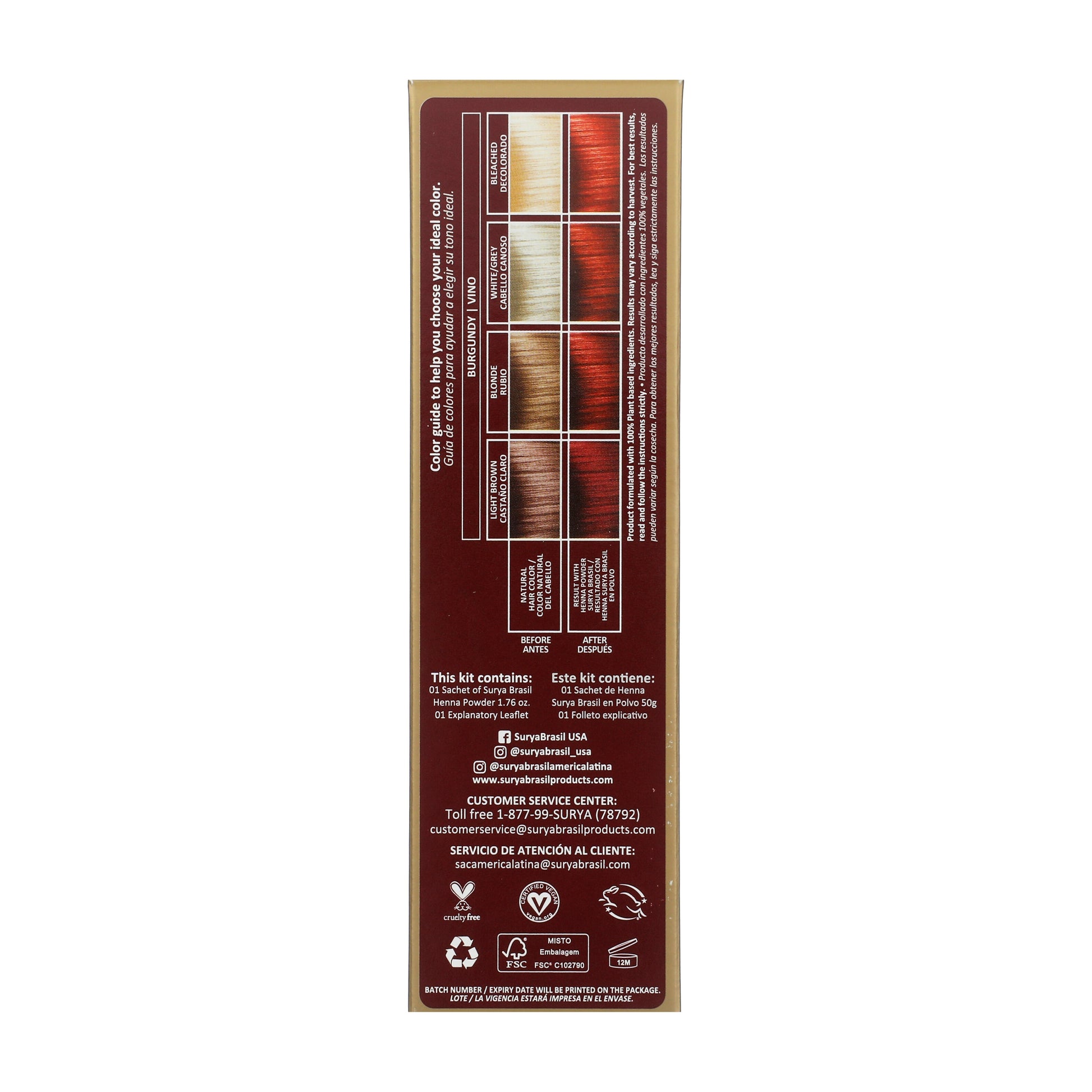
Credit: www.suryabrasilproducts.com
Why Henna Is Great For High Porosity Hair
People with high porosity hair often struggle to keep moisture in and damage out. Henna offers several solutions:
- Smooths rough cuticles: This means less friction, fewer tangles, and reduced frizz.
- Improves manageability: Hair is easier to detangle and style.
- Builds resilience: Regular use can make hair feel noticeably stronger.
- Natural alternative: No harsh chemicals, making it safe for sensitive scalps.
Many beginners miss this: Henna does not “repair” broken cuticles, but it does fill in the gaps and protect the hair from more damage.
Preparing For A Henna Treatment
Good results start with good preparation. Follow these steps to get ready for your henna treatment.
Choosing The Right Henna
Not all henna is created equal. Look for:
- 100% pure henna powder: No chemicals, metallic salts, or additives.
- Freshness: Older henna loses strength and dye power.
- Fine powder: Sifts well and makes a smooth paste.
Avoid products labeled “black henna” or “compound henna,” as these often contain harmful chemicals.
Gathering Materials
You will need:
- 100g of henna powder for shoulder-length hair (adjust for length/thickness)
- Acidic liquid (lemon juice, apple cider vinegar, or strong tea)
- Non-metal bowl and spoon
- Gloves (henna stains skin)
- Plastic wrap or shower cap
- Old towel or T-shirt (henna can stain fabric)
Preparing Your Hair
Wash your hair with a gentle, sulfate-free shampoo. Do not condition. Henna works best on clean, product-free hair. If your hair is very dry, do a deep conditioning treatment a few days before, not right before.
A tip many miss: Detangle your hair before applying henna. This prevents uneven coverage and makes washing out easier.
Credit: hennasooq.com
Step-by-step Henna Strengthening Treatment
Here is a practical, detailed guide for using henna on high porosity hair.
Mixing The Henna Paste
- Place henna powder in a bowl.
- Slowly add your acidic liquid. Mix until you get a thick, yogurt-like consistency.
- Cover the bowl with plastic wrap. Let it sit at room temperature (about 4-8 hours) for dye release. The paste should turn darker and have a slight red tint on top.
Applying The Henna
- Put on gloves and old clothes.
- Section your hair into four parts for easier application.
- Using a brush or your gloved fingers, apply the paste from roots to tips. Start at the back and work forward.
- Pile your hair on top of your head. Cover with plastic wrap or a shower cap to keep it moist.
- Leave the henna on for 2-4 hours. For the first treatment, 2 hours is enough. You can leave it longer if you want deeper conditioning.
Rinsing Out Henna
- Rinse with warm water until most of the paste is out. This takes time—be patient.
- Use a cheap conditioner to help remove the last bits (avoid shampoo for 24-48 hours).
- Let your hair air dry or use a microfiber towel.
Aftercare
- Avoid shampoo for at least 24 hours to let the color and benefits set.
- Moisturize with a leave-in conditioner or light oil (argan, jojoba, etc. ).
- Wait 4-6 weeks before repeating, unless your hair is very damaged.
A practical insight: For very dry, high porosity hair, you can add a spoon of aloe vera gel or honey to the henna mix. This adds moisture and makes the treatment less drying.
Comparing Henna To Other Strengthening Treatments
How does henna stack up against other popular treatments for high porosity hair? Here is a useful comparison.
| Treatment | How It Works | Main Pros | Main Cons |
|---|---|---|---|
| Henna | Coats and fills cuticles | Strengthens, adds shine, long-lasting | Can be drying, color change |
| Protein Mask | Bonds to weak areas | Quick results, repairs breakage | Can cause stiffness, overuse leads to brittleness |
| Ceramide Treatment | Seals cuticles | Reduces frizz, helps moisture retention | Short-term, needs frequent use |
| Hot Oil Treatment | Penetrates and softens | Moisturizes, adds flexibility | Not as strengthening, can be greasy |
A non-obvious insight: Henna is unique because it both strengthens and protects without synthetic chemicals. However, it does add a permanent color, which may not be for everyone.
Customizing Henna For High Porosity Hair
Every head of hair is different. You can adjust your henna mix for better results.
Adding Moisture
Henna can be drying, especially for high porosity hair. Try these additions:
- Aloe vera gel: Adds slip and moisture.
- Honey or agave syrup: Natural humectants that draw moisture in.
- Yogurt: Adds protein and creaminess (avoid if allergic).
- Coconut milk: Moisturizes and softens.
Add 1-2 tablespoons of your chosen ingredient to the henna paste before applying.
Blending With Other Herbs
Some herbs work well with henna and add extra benefits:
- Amla powder: Balances henna’s drying effect and enhances curl definition.
- Bhringraj: Known for promoting hair growth.
- Brahmi: Strengthens roots and soothes the scalp.
A practical example: Mixing 3 parts henna to 1 part amla can give stronger, less drying results for high porosity hair.
Reducing The Color Impact
If you want the strengthening benefits without strong color, try:
- Shorter application time (1 hour instead of 2-4)
- Mixing with cassia (a colorless “neutral henna”)
- Using on damp hair for less dye uptake
Risks And Things To Watch Out For
Henna is natural, but it is not risk-free. Being aware of these points helps you avoid problems.
Possible Downsides
- Dryness: If used too often, henna can make hair feel stiff or dry.
- Color change: Henna always adds a reddish-orange tint, which is permanent.
- Mess: Henna stains skin, nails, and fabric.
- Allergy: Rare, but always patch test before full use.
Common Mistakes
- Using “compound henna” with metallic salts (can cause hair breakage)
- Applying to dirty or oily hair (reduces effectiveness)
- Not waiting long enough for dye release
- Using metal bowls or spoons (can react with henna)
- Not moisturizing after treatment
A tip many miss: If your hair feels stiff after henna, do a deep conditioning or oil treatment a day later.
Real-life Results And Case Studies
Many people with high porosity hair see big changes after regular henna use. Here are some real examples.
Case Study 1: From Breakage To Stronger Hair
A 28-year-old woman with bleached, curly hair tried monthly henna treatments for four months. She noticed:
- Fewer split ends
- Less breakage when detangling
- Hair felt heavier and “thicker”
- Curls held their shape better
She added 1 tablespoon of honey to each batch to reduce dryness.
Case Study 2: Frizz Reduction
A man with high porosity hair from years of coloring tried henna every six weeks, combined with weekly deep conditioning. Results after three treatments:
- Frizz was reduced, even in humid weather
- Hair was easier to comb and style
- Scalp itching decreased
He used amla and coconut milk in his henna mix.
Case Study 3: Less Tangle, More Shine
A teen with naturally high porosity hair (no chemicals) used henna for strengthening only, not color. She applied henna for 1 hour every eight weeks. Changes:
- Hair tangled less after washing
- More shine in sunlight
- Ends did not split as quickly
She used a blend of henna and cassia to keep her natural color.
How Often Should You Use Henna?
Henna is not an everyday treatment. For high porosity hair, the right frequency depends on your needs.
- Very damaged hair: Every 4-6 weeks until improvement, then less often
- Moderately damaged hair: Every 6-8 weeks
- For maintenance: Every 2-3 months
Using henna too often can cause buildup and dryness. Listen to your hair—if it feels stiff or starts to break, wait longer between treatments.
Myths And Misunderstandings About Henna
There are many myths about henna. Let’s clear up the facts.
- Myth: Henna dries out all hair.
- Truth: Henna can be drying, but this depends on your mix and aftercare. Adding moisturizing ingredients and conditioning after helps.
- Myth: Henna is only for coloring.
- Truth: Henna’s strengthening and smoothing effects work even if you do not want a big color change.
- Myth: Henna makes hair straight.
- Truth: Henna does not relax curls. It can make curls look looser or more defined because hair is smoother, not because the curl pattern is changed.
- Myth: You can never color hair again after henna.
- Truth: Pure henna is safe with most dyes, but avoid compound henna. Always test a strand first.
A non-obvious insight: Many stylists are not trained in natural treatments like henna. Always research and do strand tests before big changes.
Building A Full Routine For High Porosity Hair With Henna
Henna is powerful, but it works best as part of a well-rounded routine. Here’s how to build a complete care plan.
Weekly Routine
- Gentle cleansing: Use a sulfate-free shampoo once or twice a week.
- Deep conditioning: Do this at least once a week. Look for masks with oils, butters, and proteins.
- Moisturizing: Apply a leave-in conditioner or light oil after every wash.
Monthly Routine
- Henna treatment: As described above.
- Clarifying: Use a gentle clarifying shampoo once a month to remove buildup.
Daily Routine
- Protective styling: Use loose braids, buns, or silk scarves to protect hair at night.
- Hydration: Mist hair with water or aloe spray if it feels dry.
A practical tip: After henna, skip heavy protein masks for two weeks. Henna itself is strengthening; too much protein can make hair brittle.
Products And Ingredients To Combine (or Avoid) With Henna
Some products work well with henna, others do not.
Good Combos
- Moisturizing conditioners: To restore softness after henna
- Natural oils: Argan, olive, jojoba, coconut (as pre- or post-treatment oils)
- Herbal infusions: Chamomile for lightening, rosemary for scalp health
What To Avoid
- Chemical dyes or relaxers: Wait at least 4-6 weeks after henna before using strong chemicals
- Sulfate shampoos: Can strip henna and moisture from hair
- Heavy silicones: Make henna less effective by coating the hair
An advanced tip: If you need to color hair with a chemical dye after henna, test a small section first. Pure henna is usually safe, but some dyes may react.
Cost And Time Comparison: Henna Vs. Salon Treatments
Wondering if henna is worth the effort? Here is a real-world comparison.
| Treatment | Cost per Use | Time Needed | Longevity |
|---|---|---|---|
| Henna | $5–$10 | 4–6 hours (prep + application + rinse) | 4–8 weeks |
| Protein Salon Treatment | $50–$100 | 2–3 hours | 2–4 weeks |
| Ceramide or Keratin Treatment | $75–$200 | 2–3 hours | 4–6 weeks |
Henna is affordable and long-lasting, but it takes time and effort. It is a smart choice for people who prefer natural solutions and do not mind the color change.
Tips For Best Results
To make the most of henna for high porosity hair, keep these tips in mind:
- Always do a strand test to check color and strength.
- Use pure, fresh henna powder for the best results.
- Add moisture with honey, aloe, or yogurt if your hair is very dry.
- Do not shampoo right after—wait at least 24 hours.
- Follow up with deep conditioning to keep hair soft.
- Protect skin and clothes from stains during application.
- Be patient—improvements build over several treatments.
- Avoid overlapping with chemical treatments.
- Document your routine—take notes or photos to track progress.
- Listen to your hair—adjust frequency and ingredients as needed.
A non-obvious insight: If you swim regularly, henna can help protect hair from chlorine damage, but you may need to reapply more often.
Frequently Asked Questions
Does Henna Change The Texture Of High Porosity Hair?
Henna does not change your natural curl or wave pattern. It smooths the cuticle, which can make curls look more defined and less frizzy. Some people feel their hair is stronger and “heavier,” but the texture itself remains the same.
Can You Use Henna If Your Hair Is Already Colored Or Relaxed?
You can use pure henna on previously colored or relaxed hair, but always strand test first. Never use compound henna with metallic salts, as it can react badly with chemicals. Wait at least 4-6 weeks between chemical treatments and henna.
How Long Does Henna’s Strengthening Effect Last?
The strengthening effect lasts 4-8 weeks, depending on how often you wash your hair and your hair’s condition. Regular maintenance (every 1-2 months) keeps hair strong and healthy.
Will Henna Make High Porosity Hair Feel Dry?
Henna can be drying, especially if used often or left on too long. Always add moisturizing ingredients and follow up with a deep conditioner. Most people find their hair feels stronger and less dry after the first few uses.
Where Can I Find More Information About The Science Of Henna?
For more scientific details, you can visit the Henna Wikipedia page. It covers the chemistry, history, and traditional uses of henna in detail.
Taking care of high porosity hair is a journey. Using henna as a strengthening treatment can transform the way your hair looks and feels. With smart preparation, the right mix, and a focus on moisture, you can enjoy stronger, shinier, and healthier hair—naturally.
Listen to your hair, experiment safely, and enjoy the benefits of this ancient remedy.
Credit: plantin.alibaba.com