

Understanding Porosity For Protective Styles: Braids, Twists, And Locs
When it comes to protective styles like braids, twists, and locs, many people focus on how their hair will look and how long the style will last. But there’s something just as important that often goes unnoticed: hair porosity. Porosity is a key factor in keeping your hair healthy and helping your protective style stay beautiful and strong. If you ignore porosity, you might end up with dry, frizzy, or even damaged hair—no matter how skilled your braider or loctician is.
Let’s explore what porosity means, how to figure out your hair’s porosity, and how it affects braids, twists, and locs. You’ll learn how to care for your unique hair type, avoid common mistakes, and make every protective style last longer and look better.
Whether you’re new to protective styles or have worn them for years, understanding porosity can change how you care for your hair and help you achieve the healthy, strong strands you want.
What Is Hair Porosity?
Porosity is how well your hair absorbs and holds moisture. Imagine your hair strand as a tube with tiny holes. The size and number of these holes decide how fast water, oils, and products go in and out of your hair. There are three main types:
- Low porosity: Hair resists moisture, takes longer to absorb water, but holds onto it once inside.
- Medium (normal) porosity: Hair lets in moisture easily and holds it well.
- High porosity: Hair quickly absorbs moisture, but loses it just as fast.
Porosity isn’t about how much oil your hair produces or its curl pattern. It’s about the health and structure of your hair’s outer layer, called the cuticle. If you understand your hair’s porosity, you can pick the right products and techniques for braids, twists, and locs.
Why Porosity Matters For Protective Styles
When you get braids, twists, or locs, your hair is tucked away, often for weeks. The main goal of these styles is to protect your hair from damage and breakage. But if you don’t consider porosity, you might use the wrong products, leading to dryness, buildup, or weak strands. Here’s why porosity is so important:
- Moisture retention: Different porosities need different ways to keep hair hydrated.
- Product absorption: Some hair types absorb products too fast or not at all.
- Scalp health: Porosity affects how oils and buildup sit on your scalp.
- Style longevity: The right moisture balance helps protective styles last longer and look better.
Knowing your porosity helps you choose the best routine before, during, and after installing protective styles.
The Science Behind Hair Porosity
Your hair’s porosity depends on the cuticle layer—the outer shell of each strand. If the cuticle lies flat, moisture has a hard time getting in or out (low porosity). If the cuticle is slightly raised, moisture moves in and out easily (medium porosity). If the cuticle is very open or damaged, moisture rushes in and out quickly (high porosity).
Genetics, heat styling, chemical treatments, and environmental factors can all affect porosity. For example, people with curly or coily hair often have higher porosity, but this isn’t a rule for everyone. Bleaching, coloring, or relaxing hair raises the cuticle, increasing porosity.
How To Test Your Hair’s Porosity
You don’t need a lab to discover your porosity. There are several easy methods you can try at home:
1. The Water Glass Test
Take a clean strand of hair (from your brush or comb), and drop it into a glass of room-temperature water.
- If it floats for a long time: Low porosity.
- If it sinks slowly: Medium porosity.
- If it sinks quickly: High porosity.
2. The Slip-and-slide Test
Pinch a strand of hair between your fingers and slide upward toward the scalp.
- If it feels smooth: Low porosity.
- If it feels bumpy: High porosity (bumps are raised cuticles).
3. The Spray Bottle Test
Spray water on a small section of your hair.
- If water beads up: Low porosity.
- If hair absorbs water fast: High porosity.
- If water sits and then soaks in: Medium porosity.
4. Absorption Time
After washing your hair, see how long it takes to dry without product.
- Dries slowly: Low porosity.
- Dries at a normal pace: Medium porosity.
- Dries quickly: High porosity.
Key Insight For Beginners
It’s common for people to have more than one porosity on their head, especially if they’ve colored or relaxed some sections. Always check different areas (edges, crown, nape) for a full picture.
Characteristics Of Each Porosity Type
To care for your hair in braids, twists, or locs, you need to know what each porosity type looks and feels like:
| Porosity Type | Main Features | Common Challenges |
|---|---|---|
| Low Porosity | Shiny, repels water, slow to absorb products | Product buildup, dryness, hard to moisturize |
| Medium Porosity | Balanced shine, easy to style, holds moisture well | Can shift to high porosity if damaged |
| High Porosity | Dull, frizzy, dries quickly, tangles easily | Breakage, dryness, loses moisture fast |
How Porosity Affects Braids, Twists, And Locs
Each protective style interacts with your porosity in different ways. Let’s see how.
Braids
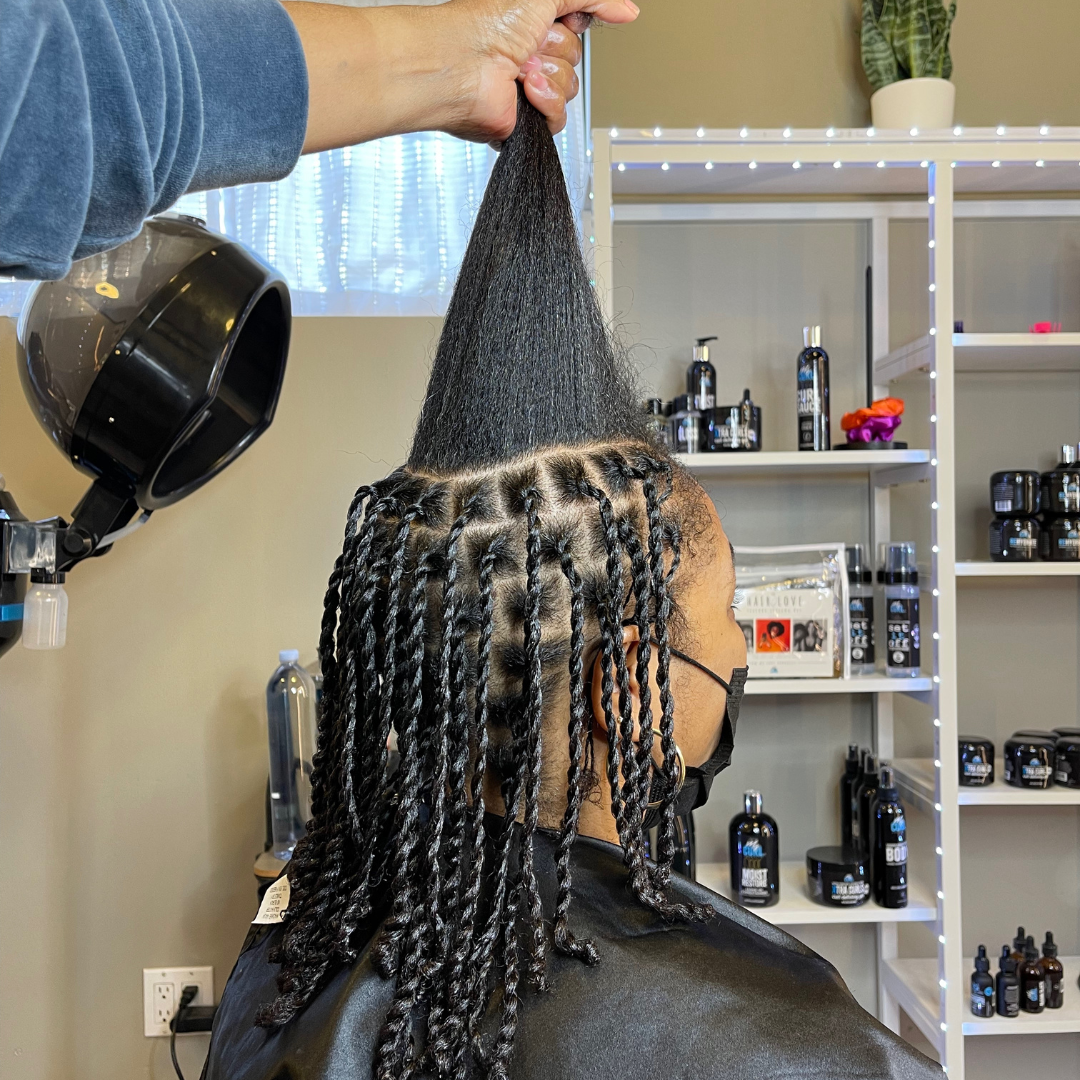
Braids put tension on the hair and scalp. If your hair is high porosity, it may become dry and weak quickly, especially at the roots and ends. Low porosity hair may not absorb enough moisture before braiding, making it feel stiff or brittle inside the braid.
Twists
Twists rely on hair clumping together. High porosity hair may frizz or unravel if not properly sealed. Low porosity hair may not hold products well, making twists look less defined or shiny.
Locs
Locs need steady moisture and clean scalp health. High porosity locs can get buildup inside the locs, leading to breakage. Low porosity locs can become stiff or hard, especially if heavy products are used.
Non-obvious Insight
Many beginners think using more product will solve moisture issues, but heavy products can actually make things worse—especially for low porosity hair, which easily gets buildup inside braids, twists, or locs.
Credit: theorganibrands.com
Building A Porosity-friendly Routine For Protective Styles
Creating the right routine for your porosity will keep your hair healthy while it’s tucked away. Here’s how to adjust your care for each porosity type.
For Low Porosity Hair
Main goal: Open the cuticle gently to allow moisture in, avoid heavy products.
- Wash with warm water: This helps open the cuticle so products can enter.
- Use lightweight, water-based moisturizers: Heavy creams sit on the surface. Opt for light leave-ins or sprays.
- Clarify before styling: Remove buildup with a gentle clarifying shampoo.
- Steam treatments: Use a steamer or steam from your shower to help products soak in before braiding or twisting.
- Seal with light oils: Try argan, grapeseed, or jojoba oil.
Avoid: Petroleum-based products, heavy butters, or piling on too many layers.
For Medium Porosity Hair
Main goal: Maintain balance and prevent damage.
- Use regular moisturizing shampoos and conditioners.
- Moisturize and seal: Use leave-in conditioner and a medium-weight oil (like coconut or olive oil).
- Protect ends: Pay extra attention to the tips before styling.
- Refresh with sprays: Use hydrating mists every few days while in a protective style.
Avoid: Over-manipulation or using harsh chemicals that can increase porosity.
For High Porosity Hair
Main goal: Strengthen hair, slow moisture loss, and reduce frizz.
- Protein treatments: Use regular protein deep conditioners to fill gaps in the cuticle.
- Moisturize with rich leave-ins: Creamy, thicker products help lock in moisture.
- Seal with heavier oils/butters: Shea butter, castor oil, or avocado oil work well.
- Layer products: Apply water-based leave-in, then cream, then oil (“LOC” method).
- Avoid heat: Too much heat can worsen porosity.
Avoid: Skipping protein, using only light products, or washing with very hot water.
Pro Tip
When prepping for braids, twists, or locs, always focus on deep conditioning based on your porosity. This step will make your protective style last longer and keep your hair healthier.
Choosing Products Based On Porosity
With so many products on the market, it’s easy to feel lost. Here’s how to pick the best for your porosity:
| Porosity | Shampoo | Conditioner | Moisturizer | Sealant |
|---|---|---|---|---|
| Low | Clarifying, sulfate-free | Light, protein-free | Sprays, light leave-ins | Argan, jojoba oil |
| Medium | Moisturizing | Balanced, occasional protein | Leave-in cream | Coconut, olive oil |
| High | Moisturizing, protein-rich | Protein-rich, thick | Creamy leave-ins, butters | Shea butter, castor oil |
Example Product Choices
- Low porosity: Kinky Curly Knot Today (leave-in), Camille Rose Fresh Curl (moisturizer)
- Medium porosity: SheaMoisture Curl Enhancing Smoothie, TGIN Green Tea Leave-In
- High porosity: Aphogee Two-Step Protein Treatment, Cantu Shea Butter Leave-In
Always check the ingredient list. Avoid products with too much protein if your hair is low porosity, and seek out strengthening ingredients if you have high porosity.
Preparing Hair For Protective Styles By Porosity
Steps For All Porosities
- Cleanse the scalp thoroughly.
- Deep condition based on porosity.
- Detangle gently to avoid breakage.
- Trim split ends if needed.
- Apply products suited to your porosity.
- Let hair dry 80-90% before styling to avoid mildew.
Special Considerations
Low Porosity
- Use a hooded dryer or steamer during deep conditioning.
- Apply product to damp (not soaking wet) hair for better absorption.
Medium Porosity
- Alternate between protein and moisture treatments.
- Don’t overload on products—balance is key.
High Porosity
- Focus on protein-rich deep conditioning.
- Use the LOC (Liquid-Oil-Cream) or LCO (Liquid-Cream-Oil) method for layering moisture.
- Avoid heavy tension styles that can stress already fragile hair.
Non-obvious Insight
If you have high porosity hair, try using a cool water rinse after conditioning to help close the cuticle and lock in moisture. It’s a simple step that many people skip.
Maintaining Braids, Twists, And Locs Based On Porosity
Once your style is installed, don’t forget about your hair underneath. Maintenance is different for each porosity type.
Moisturizing Routine
Low Porosity
- Light mists every 3-4 days.
- Avoid over-moisturizing, which can cause buildup.
Medium Porosity
- Spray or apply leave-in every 2-3 days.
- Refresh scalp with light oils as needed.
High Porosity
- Moisturize daily or every other day.
- Use thicker products or butters to seal.
Scalp Care
No matter your porosity, keep your scalp clean. Use a gentle astringent (like witch hazel on a cotton pad) between parts, or diluted shampoo applied with a nozzle.
Reducing Frizz And Buildup
- Low porosity: Use a clarifying spray once a week.
- Medium porosity: Refresh with a mild cleanser if needed.
- High porosity: Limit heavy oils to avoid buildup inside braids or locs.
Protecting At Night
Wrap your style in a satin or silk scarf or bonnet. This reduces friction, prevents frizz, and helps lock in moisture.
Taking Down Protective Styles Without Damage
How you remove your style is just as important as how you install it. Here’s how to do it safely for each porosity type.
Low Porosity
- Use a spray bottle with warm water and a bit of conditioner to soften buildup.
- Take down slowly to avoid breakage.
- Detangle with patience; use a wide-tooth comb.
Medium Porosity
- Apply oil to fingertips for easier unraveling.
- Detangle section by section.
- Wash and deep condition right after removal.
High Porosity
- Be extra gentle—hair is fragile.
- Use a protein-rich pre-poo (conditioner before washing).
- Avoid rough towel-drying; use a T-shirt or microfiber towel instead.
Hidden Mistake To Avoid
Don’t leave styles in too long. Even with perfect care, hair can matte or lock unintentionally if left in for months—especially if you have high porosity. Plan to keep braids and twists for 4-8 weeks, and locs should be maintained every 4-6 weeks.
Porosity And Protective Styles For Kids
Children’s hair is often more delicate, and porosity can change as they grow. Here’s how to adjust:
- Low porosity kids: Use warm water and light products. Avoid heavy oils.
- High porosity kids: Use gentle, creamy leave-ins and protect styles with satin bonnets at night.
- Medium porosity kids: Balance is key—don’t overdo products.
Never use tight styles that cause tension on the scalp, especially for kids with high porosity hair.
Special Tips For Locs And Porosity
Locs are unique because they are semi-permanent. Here’s how porosity affects them:
Low Porosity Locs
- Harder to start locs; takes longer to lock.
- Less frizz, but can feel stiff.
- Use light oils and regular steaming.
Medium Porosity Locs
- Lock and mature easily.
- Hold moisture well.
- Balance protein and moisture treatments.
High Porosity Locs
- Lock quickly, but prone to breakage.
- Attract more lint and buildup.
- Use clarifying cleansers and heavier oils to seal.
Pro Insight: If you have high porosity locs, using a clarifying rinse with apple cider vinegar every month can help remove buildup and keep your locs light and healthy.
How Climate And Environment Affect Porosity In Protective Styles
Humidity, hard water, and pollution all impact how your hair behaves in a protective style:
- Humid climates: High porosity hair frizzes more; low porosity gets limp.
- Dry climates: All porosity types need more moisture.
- Hard water: Can cause buildup, especially on low porosity hair. Use a chelating shampoo monthly.
Protective styles work best when you adjust your routine to the local environment.
Common Mistakes When Caring For Hair In Protective Styles
- Ignoring porosity: Using the same products for all hair types leads to dryness or buildup.
- Over-moisturizing: Low porosity hair can become limp or sticky.
- Using too much protein: Can make low porosity hair brittle.
- Neglecting the scalp: Leads to itchiness, flakes, or even infection.
- Skipping deep conditioning: Especially before installing the style.
- Forgetting to protect at night: Friction causes frizz and breakage.
Real-life Example: Porosity And Protective Styles In Action
Tiana has high porosity hair from years of coloring. She loves box braids but finds her hair is always dry and frizzy after takedown. After learning about porosity, she starts using a protein-rich deep conditioner before braiding, seals in moisture with shea butter, and uses a satin scarf at night. After a few months, she notices less breakage, her braids last longer, and her hair feels stronger and softer.
Data: Protective Style Retention By Porosity
Here’s a look at how long different protective styles tend to last based on porosity, assuming good care:
| Style | Low Porosity | Medium Porosity | High Porosity |
|---|---|---|---|
| Braids | 6-8 weeks | 6-8 weeks | 4-6 weeks |
| Twists | 4-6 weeks | 4-6 weeks | 3-5 weeks |
| Locs (Starter) | 12-18 months to mature | 8-12 months to mature | 6-9 months to mature |
The Role Of Diet And Health In Porosity
What you eat affects your hair from the inside out. Proteins, vitamins (like biotin and vitamin E), and good hydration keep your cuticle healthy. If you’re often dehydrated or lack nutrients, your hair’s porosity can increase, making styles harder to maintain.
Porosity And Product Buildup In Protective Styles
Buildup is a common problem, especially for low porosity hair. Here’s how to avoid it:
- Use less product than you think you need.
- Wash your scalp gently every 1-2 weeks.
- Rinse with diluted apple cider vinegar after taking down styles.
- Avoid heavy silicones or waxes, which can suffocate the hair strand.
Porosity And Scalp Issues In Protective Styles
If your scalp is dry, flaky, or itchy, check if your products are right for your porosity. Heavy oils on low porosity hair can clog pores. Lack of moisture on high porosity hair can cause irritation. Always listen to your scalp and adjust your routine as needed.
Credit: www.mycurlproducts.com
When To Seek Professional Help
If you notice sudden changes in porosity (like extreme dryness, sudden breakage, or bald patches), consult a trichologist or dermatologist. Sometimes, medical issues like thyroid problems or scalp infections can affect porosity.
For more scientific background on hair structure and porosity, see Wikipedia: Human Hair.
Frequently Asked Questions
What Is The Best Way To Test My Hair’s Porosity?
The water glass test is quick and easy. Drop a clean hair strand in water. If it sinks fast, your hair is high porosity. If it floats, it’s low porosity. For more accuracy, try several tests and check multiple areas of your scalp.
How Often Should I Moisturize My Hair In Braids Or Twists?
This depends on your porosity. High porosity hair needs daily or every-other-day moisture. Low porosity can go 3-4 days between moisturizing. Always pay attention to how your hair feels—if it’s dry or stiff, moisturize more.
Can Porosity Change Over Time?
Yes, porosity can change due to heat, chemicals, coloring, or even age. Regularly check your porosity, especially if you notice changes in how your hair absorbs products.
Are Certain Protective Styles Better For Specific Porosity Types?
Some styles work better for different porosities. For example, twists and braids work well for all types, but high porosity hair may need extra care to avoid frizz. Locs mature faster with high porosity, but are more prone to breakage.
What Ingredients Should I Avoid For My Porosity Type?
- Low porosity: Avoid heavy butters, waxes, and too much protein.
- High porosity: Avoid harsh sulfates and drying alcohols.
- All types: Avoid mineral oil and petroleum, which can block moisture.
Understanding and respecting your hair’s porosity is the secret to getting the most from your braids, twists, and locs. When you use the right products and routines, your protective styles will look better, last longer, and leave your hair healthier every time.
Credit: theorganibrands.com