

When you step outside on a sunny day, you probably think about protecting your skin from the sun. But have you ever thought about what the sun does to your hair? UV damage to hair is real, and it affects everyone, no matter your hair type. Just like your skin, hair needs sun protection—especially if you want it to stay healthy, shiny, and strong.
Most people notice changes in their hair after a summer holiday: more dryness, color fading, or even split ends. These problems don’t just happen by accident; the sun’s ultraviolet (UV) rays are often the cause. And while we all know about sunscreen for skin, many forget that hair can suffer too. Whether your hair is straight, curly, fine, thick, colored, or natural, learning how to protect it from the sun is key.
This article explores how UV rays damage hair, why every hair type is at risk, and the best ways to protect your hair from sun damage. We’ll cover what actually happens to hair under the sun, differences for each hair type, and practical solutions for daily life. By the end, you’ll know exactly how to keep your hair healthy, no matter the weather.
What Is Uv Damage To Hair?
You may not see it right away, but UV rays can change the very structure of your hair. Hair is made of a protein called keratin. When exposed to the sun, UV rays break down this protein, leading to weaker, drier strands. Over time, this can cause your hair to look and feel damaged.
UVB rays mainly damage the hair’s surface, making the cuticle rough and causing color to fade. UVA rays go deeper, affecting the inner structure and making hair brittle and easy to break. This means that even if you don’t get sunburn on your scalp, your hair is still at risk.
Some common signs of UV damage include:
- Dryness: Hair feels rough and straw-like
- Color fading: Natural or dyed hair loses its shine and vibrancy
- Split ends: The tips of hair break more easily
- Frizz: Hair becomes harder to manage
- Loss of strength: Hair breaks or falls out more often
One study found that UV exposure can reduce hair protein content by up to 15% after just a few days in strong sunlight. Even cloudy days can cause slow, long-term damage.
How Uv Rays Affect Different Hair Types
Not all hair types react the same way to sun exposure. Each type has its own strengths and weaknesses. Understanding these differences can help you choose the best protection for your hair.
Straight Hair
Straight hair tends to have a flat cuticle layer, which means it reflects light well and often looks shiny. However, this also means UV rays can easily reach deeper layers, leading to moisture loss and color fading. People with fine, straight hair may notice frizz and breakage after sun exposure.
Wavy Hair
Wavy hair falls between straight and curly hair. Its loose “S” pattern can make it prone to dryness and tangles. UV rays can roughen the cuticle, making waves lose their definition and look messy. Wavy hair often gets frizzy in humid, sunny weather.
Curly And Coily Hair
Curly and coily hair is naturally drier than other types. Its spiral shape makes it harder for natural oils to travel down the hair shaft. When exposed to UV rays, this hair type loses moisture even faster, leading to brittleness, tangling, and breakage. Protecting curly hair from the sun is extra important.
Thick Hair
People with thick hair have more strands per square inch. This can offer some protection, as the outer layers shield the inner ones. Still, the surface layers take a lot of sun, causing dryness and split ends.
Fine Hair
Fine hair has a smaller diameter and is more fragile. UV rays can quickly damage the cuticle, making hair limp and prone to breakage. Fine hair also tends to lose color faster—important for those who dye their hair.
Color-treated Hair
Whether you have highlights, full color, or lightened hair, color-treated hair is especially sensitive to the sun. The chemicals used to dye hair weaken the cuticle, so UV rays do even more damage. Expect faster fading, dryness, and loss of shine if you don’t protect colored hair.
Natural Vs. Chemically Treated Hair
Natural hair retains more of its natural oils, which offer some protection. Chemically treated hair (relaxed, permed, bleached) has a weaker cuticle, so UV rays can cause rapid dryness and breakage.
The Science Behind Uv Damage
UV rays are a form of radiation that comes from the sun. There are two main types: UVA and UVB. Both can hurt your hair, but in slightly different ways.
- UVA rays (longer wavelength): Penetrate deeper into the hair shaft, breaking down inner proteins and pigments.
- UVB rays (shorter wavelength): Affect the outer cuticle, causing roughness, fading, and surface-level damage.
Here’s how UV rays affect hair at a microscopic level:
- Protein breakdown: Keratin, the main protein in hair, is broken down by UV rays. This makes hair weaker and more likely to split.
- Loss of lipids: Hair contains natural oils (lipids) that keep it smooth. UV exposure removes these oils, leading to dryness.
- Pigment fading: Melanin gives hair its color. UV rays break down melanin, causing both natural and dyed hair to fade.
- Cuticle lifting: The outer layer (cuticle) lifts up, making hair feel rough and increasing tangles.
Studies show that melanin in dark hair offers some natural UV protection, but it’s not enough for long exposure. Light-colored and gray hair have less melanin, so they’re more at risk.
Myths About Hair And Sun Protection
Many people believe myths about hair and the sun, which can put their hair at risk. Let’s clear up some common ones:
- Myth: Only light-colored hair gets sun damage.
- Truth: All hair colors can be damaged by UV rays. Dark hair may fade less, but it still loses moisture and strength.
- Myth: Wearing a hat is enough.
- Truth: Hats help, but UV rays can reflect off surfaces like water and sand. Some rays go through thin fabrics.
- Myth: Using regular sunscreen on hair protects it.
- Truth: Skin sunscreen isn’t made for hair. It can make hair greasy or cause buildup. Hair needs different products.
- Myth: Hair grows back, so damage isn’t a big deal.
- Truth: Hair is dead tissue, so damage is permanent until it grows out. Repairing sun-damaged hair takes time and care.
- Myth: You don’t need sun protection on cloudy days.
- Truth: Up to 80% of UV rays pass through clouds. Hair still gets exposed.
Understanding these myths can help you make smarter choices and avoid accidental damage.
How To Recognize Sun-damaged Hair
Not sure if your hair is suffering from UV damage? Look for these signs:
- Change in texture: Hair feels rough, dry, or straw-like.
- Loss of color: Hair looks faded, brassy, or dull.
- Split ends and breakage: More hair in your brush or broken pieces.
- Frizziness: Harder to manage and style.
- Unusual tangling: Hair knots easily, even after brushing.
- Loss of shine: Hair looks flat and lifeless.
If you notice these changes after spending time outdoors, sun exposure is likely the cause.
Everyday Sun Protection For Every Hair Type
Sun protection is not just for the beach. Daily exposure—even when walking to work or sitting near a window—adds up. Here’s how to protect every hair type, every day.
1. Wear A Hat Or Scarf
Covering your hair is still one of the best ways to block UV rays. Choose a wide-brimmed hat for full coverage or a scarf made of tightly woven fabric.
Tip: Look for hats labeled “UPF 50+” for extra sun protection.
2. Use Hair Products With Uv Filters
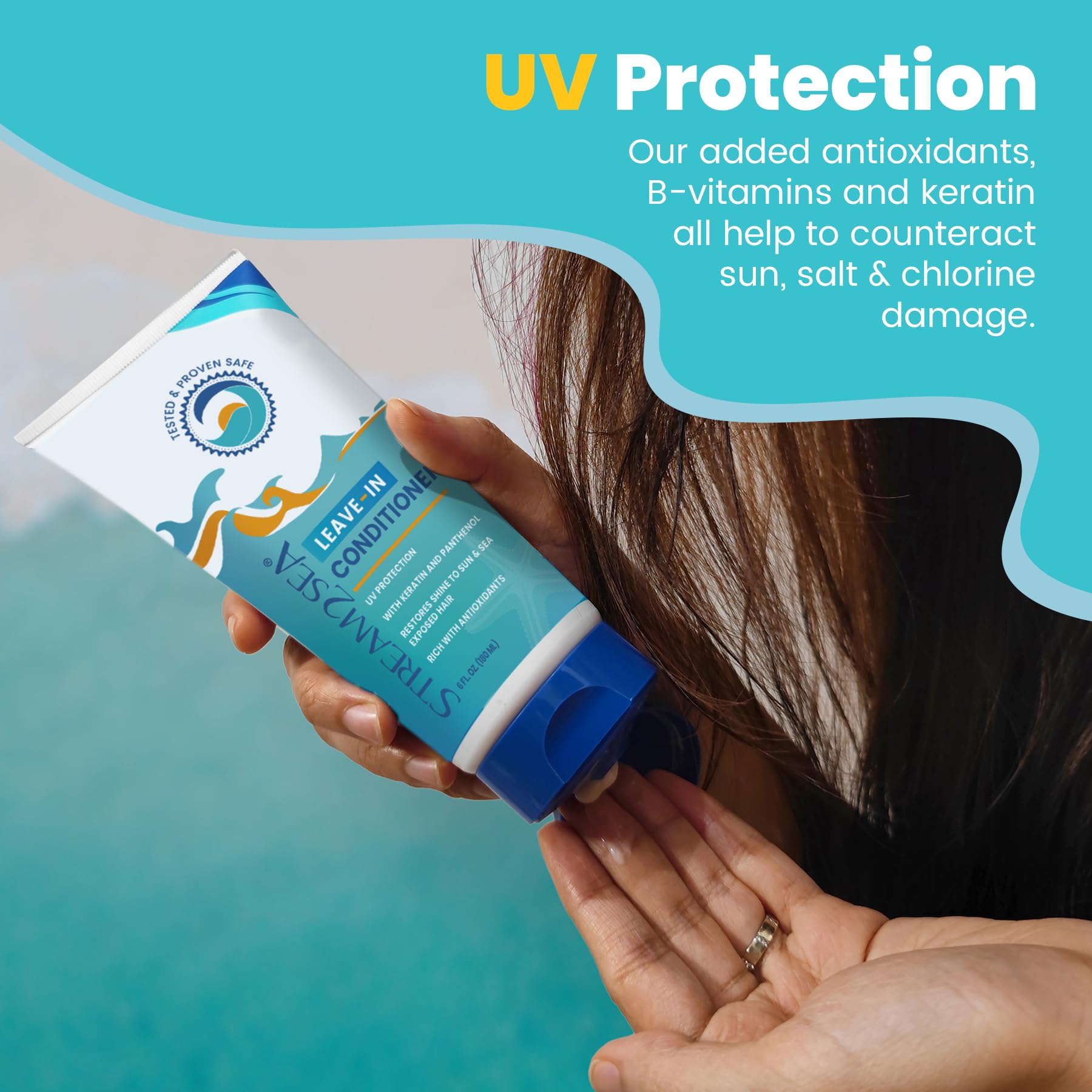
Some shampoos, conditioners, and styling sprays contain UV filters. These ingredients block or absorb UV rays before they reach your hair.
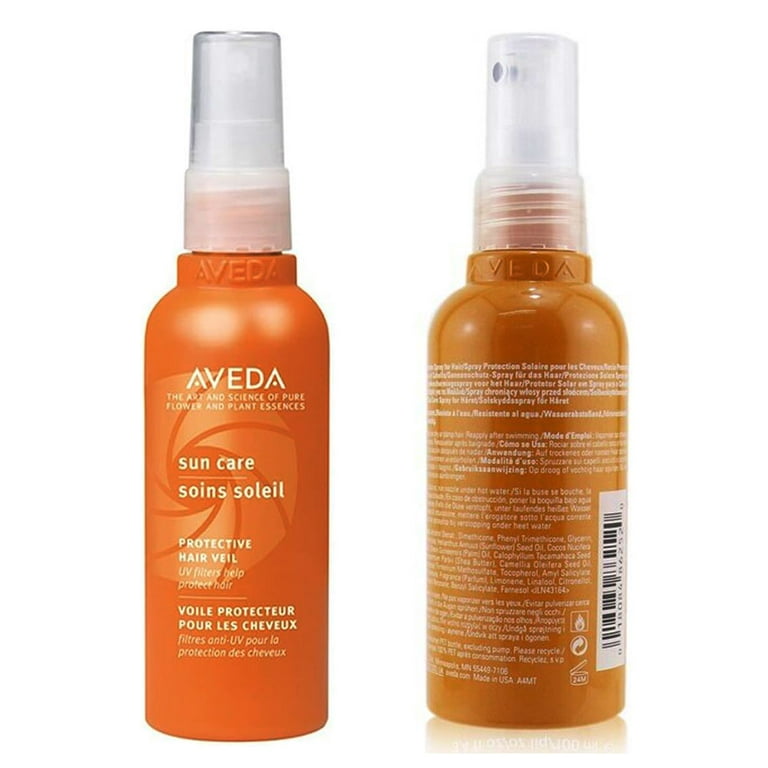
- Spray-on UV protectants are easy to reapply throughout the day.
- Leave-in conditioners with UV filters add moisture and protection at the same time.
For colored hair, these products help keep your color vibrant for longer.
3. Avoid Peak Sun Hours
The sun is strongest between 10 a. m. and 4 p. m. Try to stay indoors or in the shade during these hours. If you must be outside, cover up and reapply protective sprays.
4. Moisturize Regularly
UV rays dry out hair, so regular moisturizing is important.
- Use deep conditioning masks once a week.
- Apply leave-in conditioners or oils (like argan or coconut oil) to lock in moisture.
Curly and coily hair types may need heavier creams, while fine hair benefits from lightweight sprays.
5. Limit Heat Styling
Sun-damaged hair is already weak, so using hot tools (blow dryers, straighteners) adds more stress. Air-dry your hair when possible, and always use a heat protectant when styling.
6. Rinse Hair After Swimming
Chlorine and saltwater strip hair of moisture and make UV damage worse. Rinse your hair with fresh water after swimming, and use a gentle, sulfate-free shampoo.
7. Trim Regularly
Getting rid of split ends keeps damage from spreading. Trim every 6-8 weeks during the summer.
8. Protective Hairstyles
Braids, buns, and ponytails reduce the surface area of hair exposed to the sun. For curly and coily hair, protective styles like twists or cornrows help retain moisture.
9. Choose The Right Hair Accessories
Avoid metal clips and accessories, which can heat up in the sun and cause breakage. Use fabric-covered bands or plastic clips.
10. Eat For Healthy Hair
A diet rich in vitamins A, C, E, and omega-3 fatty acids helps hair stay strong. Hydration is key—drink water throughout the day.
Sun Protection Tips By Hair Type
Every hair type has unique needs. Here’s how to tailor your sun protection routine.
Straight Hair
- Use lightweight, non-greasy UV sprays to avoid weighing hair down.
- Focus on the ends, which are most prone to dryness.
- Wash hair less often to keep natural oils.
Wavy Hair
- Use hydrating mousses or creams with UV protection.
- Scrunch in leave-in conditioner to keep waves defined.
- Avoid brushes—use wide-tooth combs to prevent breakage.
Curly And Coily Hair
- Layer products: Start with a hydrating leave-in, then seal with oil.
- Deep condition every week, especially after sun exposure.
- Wear silk or satin scarves to cover hair and reduce friction.
Thick Hair
- Divide hair into sections to apply products evenly.
- Heavier creams or butters can protect thick strands better.
- Consider braids or buns to reduce exposed surface.
Fine Hair
- Use spray protectants to avoid buildup.
- Rinse out products regularly to prevent limpness.
- Avoid heavy oils and creams.
Color-treated Hair
- Always use color-safe, UV-protectant products.
- Wear hats whenever possible.
- Avoid clarifying shampoos, which strip color.
Chemically Treated Hair
- Use protein-rich masks to rebuild strength.
- Limit sun and heat exposure as much as possible.
- Never skip a leave-in conditioner.
Comparing Sun Protection Products
With so many products available, choosing the right one can be confusing. Here’s a comparison of popular options for sun protection.
| Product Type | Main Benefit | Best For | How to Use |
|---|---|---|---|
| UV-Protectant Spray | Easy application, reapply as needed | All hair types, especially fine hair | Spray before sun exposure, reapply every 2-3 hours |
| Leave-In Conditioner with UV Filter | Moisturizes and protects | Dry, curly, color-treated hair | Work through damp hair, focus on ends |
| Oil-Based Serum | Seals moisture, adds shine | Thick, curly, coily hair | Apply a small amount to lengths and ends |
| Hair Mask | Deep repair and hydration | Damaged, chemically treated hair | Use weekly, leave on for 10-20 minutes |

Credit: www.sunbum.com
Diy Hair Sun Protection: Natural Options
If you prefer natural or homemade solutions, there are a few ways to protect your hair without buying special products.
Coconut Or Argan Oil
Both oils have some natural UV-filtering properties. While they don’t block all rays, they help lock in moisture and reduce damage.
- Warm a few drops in your hands and smooth over your hair, focusing on the ends.
- Don’t use too much, or hair may look greasy.
Aloe Vera
Aloe is soothing and hydrating. Mix a small amount with water and spritz onto hair before going outside.
Homemade Rinse
Brew green tea (which contains antioxidants) and use it as a final rinse after shampooing. It can help fight free radicals from UV exposure.
Limitations
Natural methods are helpful but not as strong as commercial UV filters. Combine them with hats and scarves for best results.
How Hair Porosity Changes Sun Protection Needs
Hair porosity refers to how well your hair absorbs and holds moisture. It affects how your hair reacts to sun and products.
- Low porosity: Cuticles are tight. Products sit on the surface, so lightweight sprays and mists work best.
- Medium porosity: Hair absorbs products well. Most sun protection products will work.
- High porosity: Cuticles are raised, so hair loses moisture quickly. Heavy creams and oils are needed for sun protection.
Understanding your hair porosity can help you choose the right sun protection.
| Porosity Type | Common Signs | Best Protection |
|---|---|---|
| Low | Water beads on hair, products build up | Light sprays, avoid heavy oils |
| Medium | Hair is manageable, holds style | Any sun protection, regular conditioning |
| High | Hair dries quickly, frizzy, tangles | Rich creams, oils, deep masks |
Special Care For Color-treated And Gray Hair
Color-treated and gray hair require extra attention in the sun.
- Color-treated hair: Fades quickly in sunlight. Use only color-safe, sulfate-free shampoos and masks. Apply UV-protectant sprays before every sun exposure. Avoid chlorine and saltwater, which strip color even faster.
- Gray hair: Lacks melanin, so it’s more sensitive to UV rays. Gray hair can turn yellow in the sun. Use purple shampoos to keep color bright, and protect with hats or scarves.
How Climate And Location Affect Uv Risk
Where you live and your activities can change how much UV protection your hair needs.
- High altitudes: More UV rays reach you, increasing risk.
- Near water or snow: Reflection doubles sun exposure.
- Tropical climates: Strong sun year-round means daily protection is a must.
- Urban environments: Pollution plus UV rays can cause more damage.
If you live in a high-risk area, take extra care with hats, UV sprays, and regular conditioning.
Credit: www.amazon.com
Children’s Hair And Sun Protection
Children’s hair is thinner and more sensitive than adults. Protect their hair with:
- Wide-brimmed hats or caps
- Gentle, tear-free leave-in conditioners with UV filters
- Avoiding midday sun
- Regular trims to manage split ends
Teach children to protect their hair early for lifelong healthy habits.
Repairing Sun-damaged Hair
If your hair already feels the effects of the sun, don’t worry—there are ways to repair and restore it.
Deep Conditioning
Use a deep conditioning mask at least once a week. Look for ingredients like shea butter, coconut oil, or keratin.
Protein Treatments
Sun exposure breaks down hair proteins. Protein treatments can rebuild and strengthen hair. Use every 2-4 weeks, but don’t overdo it—too much protein can make hair stiff.
Trim Damaged Ends
Cutting off split ends helps stop damage from spreading up the hair shaft.
Avoid Further Stress
Reduce heat styling, chemical treatments, and brushing wet hair until your hair recovers.
Be Patient
Hair takes time to grow and heal. Consistent care will bring back shine and softness.
Common Mistakes In Sun Protection
Many people make small mistakes that add up over time. Here are some to avoid:
- Skipping protection on cloudy days
- Not reapplying spray products
- Using too much oil on fine hair
- Relying only on hats
- Over-washing after sun exposure
- Forgetting to protect the scalp
Remember, a little effort every day is better than trying to fix major damage later.
Real-life Examples: How People Protect Their Hair
Let’s look at how three different people handle sun protection:
- Maria has thick, curly, color-treated hair. She uses a UV-protectant leave-in cream, wears a wide-brimmed hat, and deep conditions every week.
- James has fine, straight hair and lives near the beach. He sprays on a lightweight UV mist before surfing and rinses hair with fresh water after swimming.
- Lily has natural, wavy hair. She braids her hair, covers it with a scarf, and uses coconut oil on the ends before hiking.
Each routine matches their hair type and lifestyle.
How To Build A Sun Protection Routine For Your Hair
A good routine doesn’t need to be complicated. Here’s a simple guide:
- Assess your hair type and needs (fine, thick, colored, etc.)
- Choose the right products (spray, cream, oil)
- Add physical protection (hat, scarf)
- Moisturize regularly
- Trim split ends
- Eat a healthy diet
- Be consistent—protect hair every day, not just at the beach
The Future Of Hair Sun Protection
As more people become aware of UV damage, new hair products are coming to market. Some use plant-based UV filters or advanced nanotechnology for better protection without buildup. Scientists are also studying how melanin and antioxidants can be added to shampoos and conditioners for extra defense.
If you want to learn more about the science of UV damage, check out this detailed guide from the National Institutes of Health.
Credit: www.walmart.com
Frequently Asked Questions
What Is The Best Way To Protect Hair From Uv Damage?
The best way is a combination of physical protection (hats, scarves), UV-protectant hair products, and regular moisturizing. For long days outside, reapply spray products every few hours and wear a hat.
Does Sunscreen For Skin Work On Hair?
No, regular skin sunscreen is not designed for hair. It can make hair greasy or leave buildup. Use products made for hair, which are lighter and easier to wash out.
How Often Should I Reapply Uv Spray On My Hair?
Every 2-3 hours if you’re outdoors, especially if you’re swimming or sweating. Treat it like sunscreen for your skin—more often is better.
Can I Reverse Sun Damage To My Hair?
You can repair some sun damage with deep conditioning and protein treatments, but very damaged hair may need to be trimmed. Prevention is easier than fixing damage.
Is Uv Protection Needed In Winter Or On Cloudy Days?
Yes. UV rays can pass through clouds and reflect off snow in winter. Use sun protection for your hair year-round, especially if you spend a lot of time outside.
Taking care of your hair in the sun is just as important as caring for your skin. With the right knowledge and a few simple steps, you can enjoy sunny days without sacrificing the health and beauty of your hair.