

Many people dream of smooth, shiny, and healthy hair. But for those with low porosity hair, reaching this goal can feel confusing. This hair type looks beautiful, but it comes with unique challenges—especially when it comes to clarifying. Cleaning your hair is important, but you don’t want to strip away all the natural oils that keep it healthy. If you’re tired of dull strands or can’t get rid of product buildup, you’re in the right place. Let’s dive deep into how to clarify low porosity hair without damaging its natural balance.
Understanding Low Porosity Hair
Before you can care for your hair, you need to know what you’re working with. Low porosity hair has a tightly packed cuticle layer. Imagine tiny roof shingles that lay flat and close together. This means:
- Water and products have a hard time getting into the hair shaft.
- Hair often takes a long time to get wet and dry.
- Oils and butters tend to sit on top instead of soaking in.
This unique structure makes low porosity hair both strong and tricky. The cuticle keeps bad stuff out, but also blocks the good. As a result, you might experience product buildup or find your hair feels greasy but dry at the same time.
Signs You Have Low Porosity Hair
It’s not always easy to tell, but look for these clues:
- Water beads up and sits on your hair when wet.
- Products seem to “sit” on your hair instead of absorbing.
- Hair takes hours to dry without heat.
- You struggle with buildup or dullness, even with regular washing.
- Protein-heavy products make hair feel stiff or straw-like.
A simple test: Place a clean hair strand in a glass of water. If it floats for a long time, your hair is likely low porosity.
Why Clarifying Is Essential For Low Porosity Hair
Many people with this hair type worry about clarifying. Won’t it just make things worse? Actually, the opposite is true—gentle clarifying is critical. Here’s why:
Product Buildup Happens Faster
Because products don’t absorb well, conditioners, creams, and oils can easily collect on the surface. Over time, this buildup blocks moisture even more.
Minerals And Pollutants Stick
Low porosity hair is like a shield. But this also means it holds onto hard water minerals, dirt, and environmental pollution, making hair feel rough or look dull.
Clogged Cuticles Block Moisture
If your cuticle is covered in old product, even the best moisturizers can’t get in. Hair loses its natural shine and feels lifeless.
Regular Shampoo Isn’t Enough
Most standard shampoos are designed for normal hair. They may leave behind residue, especially if you use heavy products. Only a clarifying approach can fully remove what’s left behind.
The Risks Of Over-clarifying Low Porosity Hair
While cleaning is good, too much of a good thing can be bad. Low porosity hair needs its natural oils to stay soft and flexible. If you clarify too often or use harsh products, you might experience:
- Dryness or brittleness
- Increased tangling and breakage
- Scalp irritation
- Loss of natural shine
The trick is to clarify just enough—removing buildup, but leaving the natural oils that protect your hair.
How To Clarify Low Porosity Hair Without Stripping Natural Oils
Now we get to the core question: How can you remove buildup without damaging your hair? Here’s a step-by-step approach designed for low porosity hair.
1. Choose The Right Clarifying Product
Not all cleansers are equal. For low porosity hair, look for products that are gentle, sulfate-free, and balanced. Here’s a quick comparison of common clarifiers:
| Type | Strength | Best For | Notes |
|---|---|---|---|
| Apple Cider Vinegar (ACV) Rinse | Mild | Light buildup, shine | Balances pH, adds softness |
| Clay Washes (Rhassoul, Bentonite) | Moderate | Heavy buildup, detox | Natural, gentle on oils |
| Sulfate-Free Clarifying Shampoos | Varies | Regular use | Read labels carefully |
| Traditional Sulfate Shampoos | Strong | Occasional, stubborn buildup | Risk of stripping oils |
2. Pre-clarifying Prep: Protect Your Natural Oils
Before you start, take steps to shield your hair’s natural barrier.
- Oil Pre-Treatment: Apply a light natural oil (like argan, jojoba, or sweet almond) to your hair 15-30 minutes before washing. Focus on the ends. This creates a barrier and helps prevent over-drying during washing.
- Detangle Gently: Use a wide-tooth comb to remove knots. This reduces breakage and helps the clarifier reach all strands evenly.
- Section Your Hair: Working in sections ensures even application, especially if your hair is thick or curly.
3. Use Warm Water—but Not Hot
Warm water helps open the cuticle slightly, allowing the clarifier to remove buildup. But avoid hot water, which can strip oils and irritate the scalp.
- Start with lukewarm water to wet your hair fully.
- Rinse with cool water at the end to help close the cuticle and lock in moisture.
4. Apply The Clarifier The Right Way
Each clarifier works a bit differently. Here’s how to use the most popular options for low porosity hair.
Apple Cider Vinegar (acv) Rinse
Mix 1–2 tablespoons of raw, unfiltered ACV in 1 cup of filtered water. After shampooing, pour the mix slowly over your hair. Massage into your scalp and let it sit for 2–5 minutes. Rinse thoroughly with cool water. ACV removes light buildup and balances the scalp’s pH, but it’s gentle enough for regular use.
Clay Wash (bentonite Or Rhassoul)
Mix 2–3 tablespoons of clay with enough water to form a loose paste. Optional: Add a teaspoon of aloe vera gel or a few drops of essential oil. Apply to damp hair, working section by section. Let sit for 5–10 minutes (don’t let it dry completely). Rinse very thoroughly—clay can stick if not fully removed. Clay absorbs buildup without disturbing healthy oils.
Sulfate-free Clarifying Shampoo
Use a quarter-sized amount, focusing on the scalp. Massage gently with your fingertips. Work the lather down to the ends. Rinse well. If your hair feels clean after one wash, don’t repeat.
5. Deep Condition Immediately After Clarifying
This is the step many people miss. After clarifying, your hair is ready to absorb moisture. Use a lightweight, water-based deep conditioner (avoid heavy butters and proteins). Leave it on for 10–30 minutes, ideally with a shower cap or warm towel. This helps restore softness and shine.
6. Seal In Moisture
Once you rinse out the conditioner, lock in hydration with a light oil or leave-in spray. For low porosity hair, argan oil or grapeseed oil are good choices—they’re light and won’t weigh hair down.
How Often Should You Clarify Low Porosity Hair?
There’s no one-size-fits-all answer, but most people with low porosity hair do best clarifying every 3–4 weeks. If you use lots of styling products or live in a city with hard water, you may need to clarify more often. On the other hand, if your hair feels dry, reduce the frequency.
Track your hair’s response:
- If it feels soft, shiny, and easy to moisturize, you’re on the right track.
- If it feels dry or breaks easily, you may be clarifying too often.
Ingredients To Look For (and To Avoid) In Clarifying Products
When choosing products, it helps to know what’s inside. Some ingredients are helpful for low porosity hair; others can be too harsh.
Best Ingredients For Low Porosity Hair
- Gentle surfactants (like coco-glucoside, decyl glucoside)
- Aloe vera
- Apple cider vinegar
- Clay minerals (rhassoul, bentonite)
- Natural oils (for pre-treatment only)
- Glycerin (in small amounts, helps with moisture)
Ingredients To Avoid
- Sulfates (like sodium lauryl sulfate): Strip natural oils
- Heavy silicones (like dimethicone): Can cause more buildup
- Parabens and phthalates: Avoid unnecessary chemicals
- Proteins (hydrolyzed wheat, keratin): Too much can make low porosity hair stiff
Label Comparison Example
Let’s look at two ingredient lists:
| Product | Main Ingredients | Low Porosity Friendly? |
|---|---|---|
| Clarifying Shampoo A | Water, Sodium Lauryl Sulfate, Cocamidopropyl Betaine, Dimethicone | No (contains sulfates and heavy silicones) |
| Clarifying Shampoo B | Water, Decyl Glucoside, Aloe Vera, Apple Cider Vinegar | Yes (gentle surfactants, natural extracts) |
Always read ingredient lists, even on “natural” products.
Diy Clarifying Recipes Safe For Low Porosity Hair
You don’t always need to buy special products. Here are a few safe, effective recipes you can try at home.
Apple Cider Vinegar Rinse
- 2 tablespoons raw apple cider vinegar
- 1 cup filtered water
Mix and pour over clean, wet hair. Massage gently, wait 2–3 minutes, rinse with cool water.
Bentonite Clay Wash
- 3 tablespoons bentonite clay
- 1 tablespoon apple cider vinegar
- Enough water to make a smooth paste
Apply to wet hair in sections, leave for 5–10 minutes, rinse well.
Baking Soda Paste (use Sparingly)
- 1 tablespoon baking soda
- 3 tablespoons water
Massage gently into scalp, rinse thoroughly. Tip: Only use if you have heavy buildup, and follow immediately with a deep conditioner.
Green Tea Rinse
- 1 cup brewed green tea (cooled)
- 1 teaspoon honey
Pour over hair after shampooing, let sit for 2 minutes, rinse out. Green tea adds shine and antioxidants without drying.
The Role Of Water Quality In Clarifying Low Porosity Hair
Not all water is equal. If you have hard water (high in minerals), it can make buildup worse. Signs of hard water effects:
- Hair feels filmy or sticky after washing
- Dullness that won’t go away
- Products don’t foam well
If this sounds familiar, consider:
- Using a shower filter to reduce minerals
- Rinsing hair with distilled or filtered water after clarifying
- Using a chelating shampoo (removes minerals) once every few months
Pro Tip: Chelating shampoos are stronger than regular clarifiers. Use with caution and always follow up with a deep conditioner.

Credit: theorganibrands.com
Common Mistakes When Clarifying Low Porosity Hair
Even the best intentions can go wrong if you miss these points.
1. Using Too Much Product
Low porosity hair doesn’t need lots of shampoo or clarifier. Too much can make hair dry and hard to manage.
2. Skipping Deep Conditioning
After clarifying, your hair is ready to absorb moisture. Skipping this step is a missed opportunity for softness and shine.
3. Over-clarifying
Clarifying too often or with harsh products strips natural oils and can make hair fragile.
4. Not Rinsing Thoroughly
Leftover product or clay can cause even more buildup. Always rinse until the water runs clear.
5. Using Heavy Oils And Butters After Clarifying
These can quickly cause more buildup. Stick to light leave-in sprays or oils.
How To Maintain Moisture Balance After Clarifying
Clarifying is just one part of the puzzle. To keep your hair healthy, you need a routine that respects its unique needs.
Use Lightweight Moisturizers
After clarifying, choose a water-based moisturizer or leave-in conditioner. Avoid heavy creams and butters, which can weigh hair down.
Seal With A Light Oil
Once you’ve moisturized, use a few drops of grapeseed oil or argan oil to lock in hydration. Avoid coconut oil, which can sit on the surface and cause buildup.
Protect Hair At Night
Sleeping on a satin or silk pillowcase reduces friction and helps retain moisture. You can also wrap hair in a silk scarf.
Limit Heat Styling
Too much heat can dry out low porosity hair. If you must use heat, always apply a heat protectant spray and keep temperatures low.
Watch Your Product Usage
Use only what you need. Layering too many products leads to faster buildup and more frequent clarifying.
Real-life Example: A Week In The Life Of Low Porosity Hair
Let’s see how a routine might look for someone with low porosity hair:
Monday: Co-wash with a gentle, sulfate-free conditioner. Air dry.
Tuesday: Moisturize with a light leave-in spray. Seal with argan oil.
Wednesday: Use a small amount of curl cream (if styling). Avoid heavy gels.
Thursday: Refresh with water and a light spritz of aloe vera juice.
Friday: Clarify with an apple cider vinegar rinse. Deep condition for 20 minutes.
Saturday: Style as usual, avoiding heavy oils.
Sunday: Rest day—let your hair breathe.
This routine keeps hair clean, moisturized, and free from buildup—without stripping natural oils.
Non-obvious Insights For Low Porosity Hair Care
Here are two tips that many people miss:
1. The Importance of Scalp Massage:
When clarifying, gently massage your scalp with your fingertips. This boosts blood flow and helps loosen buildup without needing more product.
2. Temperature Matters:
Many people use water that’s too hot or too cold. Lukewarm water opens the cuticle just enough to clean, while cool water at the end helps close it and lock in moisture. This small change can make a big difference in how your hair feels after clarifying.
Choosing The Right Tools For Clarifying
Not just products, but tools make a difference.
- Wide-tooth comb: For detangling without breakage.
- Applicator bottle: Helps apply ACV rinses or clay evenly.
- Microfiber towel: Absorbs water gently, reduces frizz.
- Shower cap: Helps deep conditioners penetrate after clarifying.
The Science Behind Clarifying Low Porosity Hair
When you clarify, you’re removing a layer of buildup from the hair’s surface. This buildup is mostly made of product residue, environmental pollutants, and minerals from water. If left untreated, it blocks moisture and nutrients.
Research shows that gentle clarifying allows natural oils (sebum) to spread along the hair shaft. This is important for low porosity hair, which has a harder time absorbing outside moisture. A balanced approach keeps your scalp healthy and your hair flexible.
For more on the science of hair porosity and clarifying, the National Institutes of Health offers detailed research.
The Difference Between Clarifying, Chelating, And Regular Shampooing
It’s easy to get confused by product labels. Here’s a quick breakdown:
- Regular Shampoo: Cleans daily dirt and oil. Not strong enough for heavy buildup.
- Clarifying Shampoo: Removes product residue, light minerals. Use every few weeks.
- Chelating Shampoo: Removes hard water minerals and chlorine. Use monthly if needed.
| Type | Main Purpose | How Often |
|---|---|---|
| Regular Shampoo | Daily/weekly cleaning | As needed |
| Clarifying Shampoo | Remove product buildup | Every 3–4 weeks |
| Chelating Shampoo | Remove minerals/chlorine | Monthly or after swimming |
For low porosity hair, stick mostly to gentle clarifying and only use chelating if you have hard water issues.
Building A Clarifying Routine That Works For You
Everyone’s hair is different. The key is to listen to your hair. If you notice dullness, dryness, or a sticky feeling, it may be time to clarify. Keep a journal of what you use and how your hair responds. Over time, you’ll find the best frequency and products for your unique needs.
Sample Routine For Beginners
- Pre-treat hair with light oil (argan, jojoba).
- Wet hair with lukewarm water.
- Apply a gentle clarifier (ACV rinse, clay wash, or sulfate-free shampoo).
- Massage scalp gently, rinse thoroughly.
- Deep condition with a lightweight, water-based product.
- Rinse with cool water, detangle gently.
- Seal with a light oil or leave-in.
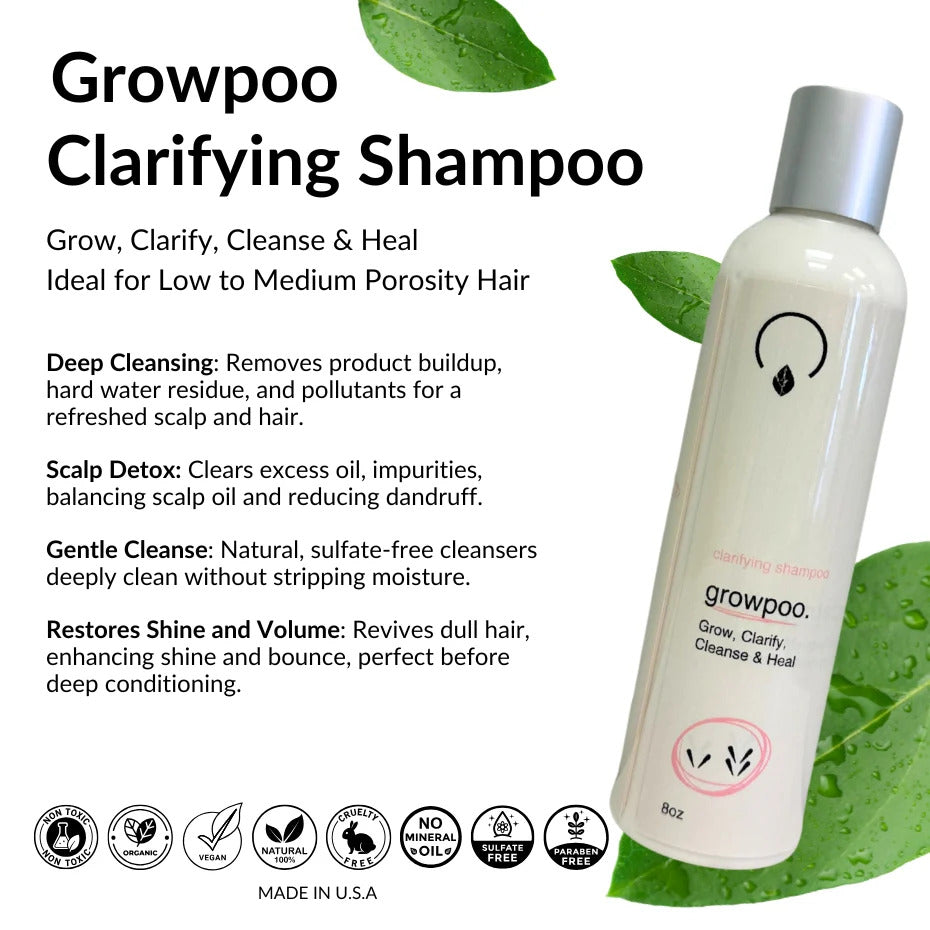
Repeat every 3–4 weeks or as needed.
Credit: ampbeauty.com
Myths About Clarifying Low Porosity Hair
Let’s bust some common myths:
- Myth 1: Clarifying always dries out low porosity hair.
Truth: With the right product and routine, clarifying removes buildup but leaves essential oils.
- Myth 2: You should avoid all oils after clarifying.
Truth: Light oils help lock in moisture without causing buildup.
- Myth 3: Natural products don’t cause buildup.
Truth: Even natural butters and oils can sit on low porosity hair and need to be clarified away.
- Myth 4: You only need to clarify if you use lots of products.
Truth: Pollution, hard water, and even sweat can cause buildup that needs removing.
Frequently Asked Questions
What Is The Best Clarifying Shampoo For Low Porosity Hair?
Look for a sulfate-free clarifying shampoo with gentle surfactants like decyl glucoside or coco-glucoside. Avoid products with heavy silicones or proteins. Brands that focus on natural ingredients and balance are often safer for low porosity hair.
How Can I Tell If My Hair Needs Clarifying?
Common signs include dullness, sticky feeling, product not absorbing, or hair that feels greasy but dry. If your regular shampoo isn’t making your hair feel clean, it may be time to clarify.
Will Clarifying Make My Hair Dry Or Frizzy?
If you use a gentle clarifier and follow with a deep conditioner, your hair should not feel dry or frizzy. Overuse of strong clarifiers or skipping conditioning can cause dryness.
How Do I Avoid Product Buildup On Low Porosity Hair?
Use lightweight, water-based products and apply only what you need. Clarify regularly, but not too often. Always rinse products thoroughly.
Can I Use Home Remedies Like Baking Soda Or Vinegar Safely?
Yes, but use baking soda only for heavy buildup and not too often (it’s very alkaline). Apple cider vinegar rinses are safer for regular use. Always follow with a deep conditioner.
Caring for low porosity hair takes patience, but with the right approach, you can have clean, soft, and shiny hair—without losing the natural oils that make it beautiful. Remember to clarify wisely, use gentle products, and listen to your hair’s needs.
The results will speak for themselves.
Credit: www.gkhair.com