

Petrolatum As Occlusive Moisturizer: Is It Safe For Dry Skin
If you ever struggled with dry skin, you’ve probably heard of petrolatum. This thick, clear ointment is a staple in many households, often known as “Vaseline.” But is petrolatum just an old-fashioned remedy, or does it offer real protection for dry skin? And most importantly, is it safe? Let’s explore the science, myths, benefits, and risks behind petrolatum as an occlusive moisturizer, so you can make the best choice for your skin’s health.
What Is Petrolatum?
Petrolatum is a semi-solid mixture of hydrocarbons derived from petroleum. It has been used for over a century in skin care, wound healing, and even medical settings. The most common brand is Vaseline, but you’ll find petrolatum in many creams, ointments, and lip balms.
It acts as an occlusive moisturizer, meaning it forms a protective barrier on the skin’s surface. This barrier helps prevent water from leaving your skin, keeping it hydrated and soft.
How Petrolatum Is Made
Petrolatum starts with petroleum jelly, which goes through multiple refining steps to remove impurities. The final product is colorless or pale yellow, odorless, and safe for cosmetic use. The process ensures that the petrolatum used in skincare meets strict safety standards.
Common Uses Of Petrolatum
- Treating dry skin and lips
- Healing minor cuts, burns, and scrapes
- Protecting skin from harsh weather
- Preventing diaper rash in babies
- Used in some wound dressings
Understanding Occlusive Moisturizers
Occlusive moisturizers are products that create a physical barrier over your skin. This barrier locks in moisture and reduces water loss, which is especially helpful for dry, cracked, or damaged skin.
Types Of Occlusive Ingredients
Here’s a look at popular occlusive ingredients and how they compare to petrolatum:
| Occlusive Ingredient | Origin | Effectiveness | Common Products |
|---|---|---|---|
| Petrolatum | Petroleum-based | Excellent | Vaseline, Aquaphor |
| Lanolin | Sheep wool | Good | Lansinoh, Nipple creams |
| Mineral Oil | Petroleum-based | Moderate | Baby oil, lotions |
| Silicones | Synthetic | Good | Creams, serums |
| Beeswax | Natural (bees) | Moderate | Balms, ointments |
Petrolatum is considered one of the most effective occlusives, blocking up to 98% of water loss from the skin’s surface. Most others block between 20–40%.
The Science Behind Petrolatum For Dry Skin
Dry skin is caused by a lack of moisture, weakened skin barrier, or environmental factors like cold weather and low humidity. When your skin barrier is damaged, water escapes easily, leaving skin rough and irritated.
Petrolatum’s Mechanism
Petrolatum forms a protective film on the skin. This film prevents water from evaporating, allowing skin cells to repair themselves and hold onto moisture. Unlike other moisturizers, petrolatum doesn’t penetrate deep into the skin; it stays on the surface, acting as a shield.
Clinical Evidence
Studies show that petrolatum:
- Reduces transepidermal water loss (TEWL) by up to 98%
- Helps heal cracked skin in conditions like eczema and psoriasis
- Supports faster recovery of the skin barrier after injury
- Is safe for use on all ages, including infants
A study published in the Journal of the American Academy of Dermatology found petrolatum outperformed other moisturizers in restoring the skin barrier for patients with eczema.
Is Petrolatum Safe?
Safety is a big concern for anyone putting something on their skin, especially if you have sensitive or dry skin. Here’s what research and dermatologists say.
Purity Matters
Cosmetic-grade petrolatum is highly refined and regulated. The FDA and EU require manufacturers to remove harmful impurities, making it safe for skin contact. Medical-grade petrolatum is even more purified.
Key point: Only use products labeled “white petrolatum” or “cosmetic-grade” for skin care.
Allergies And Irritation
Petrolatum is considered non-allergenic and rarely causes irritation. It’s recommended for people with sensitive skin, allergies, and babies. However, some individuals may react to added fragrances or dyes in certain products.
Carcinogen Concerns
Some worry that petrolatum may contain carcinogens (cancer-causing substances) because it’s derived from petroleum. In reality, cosmetic petrolatum is refined to remove these substances. Studies show no cancer risk from using purified petrolatum on the skin.
Environmental Impact
Petrolatum is a petroleum product, so it’s not biodegradable and may contribute to environmental pollution. However, the amount used in skincare is small compared to industrial uses.
Regulatory Oversight
- FDA: Petrolatum is approved for skin use, including wound care.
- European Union: Allows petrolatum in cosmetics if fully refined.
- Health Canada: Considers petrolatum safe for cosmetic use.
Benefits Of Petrolatum For Dry Skin
Petrolatum offers several unique advantages for people with dry skin. Let’s break down the key benefits.
1. Exceptional Moisture Retention
Petrolatum’s occlusive nature locks in moisture extremely well. People with severe dry skin often find petrolatum more effective than lighter creams or lotions.
2. Barrier Protection
When your skin is damaged, petrolatum shields it from environmental irritants like wind, cold, and pollution. It can also protect healing wounds from bacteria and dirt.
3. Gentle On Sensitive Skin
Petrolatum is free from fragrances and preservatives in its pure form. This makes it ideal for those with sensitive skin, allergies, or eczema.
4. Cost-effective Solution
Petrolatum is affordable and widely available. A small jar can last for months, making it a practical choice for daily use.
5. Versatility
You can use petrolatum on the face, body, lips, hands, feet, and even minor wounds. Its flexibility makes it a staple in many skin care routines.
6. Safe For All Ages
From newborns to the elderly, petrolatum is safe when used as directed. Pediatricians often recommend it for diaper rash and baby eczema.
7. Supports Skin Healing
Petrolatum helps wounds heal faster by creating a moist environment, which reduces scab formation and minimizes scarring.
Potential Risks And Drawbacks
While petrolatum is generally safe, there are a few risks and drawbacks to consider.
1. Comedogenicity
Petrolatum is classified as non-comedogenic, meaning it doesn’t clog pores for most people. However, some individuals with oily or acne-prone skin may experience breakouts, especially if applied to the face.
2. Greasy Feel
Petrolatum leaves a thick, greasy film on the skin. Some people dislike the sticky texture, which can stain clothes or bedding.
3. Not A Humectant
Petrolatum doesn’t attract water to the skin. It only prevents water loss. People with very dry skin may need to use a humectant (like glycerin or hyaluronic acid) underneath petrolatum for best results.
4. Environmental Concerns
As a petroleum product, petrolatum is not eco-friendly. Some people prefer natural alternatives like beeswax or plant oils.
5. Possible Allergies To Additives
Some petrolatum products contain fragrances, dyes, or preservatives. These can cause reactions in sensitive users. Always check the ingredient list.
6. Not Suitable For Deep Wounds
Petrolatum is great for minor cuts and scrapes but should not be used on deep, infected, or open wounds without medical advice.
Credit: www.skincare.com
Petrolatum Vs. Other Moisturizers
How does petrolatum stack up against other popular moisturizers? Here’s a comparison:
| Moisturizer Type | Occlusive Power | Humectant Power | Best For | Drawbacks |
|---|---|---|---|---|
| Petrolatum | High | None | Severe dryness, wounds | Greasy feel, not eco-friendly |
| Creams | Moderate | Moderate | Daily hydration | May contain irritants |
| Lotions | Low | High | Light hydration | Less protective |
| Ointments (other) | Moderate | Low | Eczema, psoriasis | Sticky texture |
| Natural oils | Low | Moderate | Eco-friendly option | May cause allergy |
Petrolatum stands out for occlusive power, but creams and lotions offer more balanced hydration with less greasiness.
Practical Ways To Use Petrolatum
If you want to try petrolatum for dry skin, follow these practical steps for best results.
Step 1: Choose The Right Product
Look for white petrolatum or products labeled “cosmetic-grade.” Avoid those with added fragrances or colors if you have sensitive skin.
Step 2: Cleanse Your Skin
Wash your skin gently and pat dry. Petrolatum works best on clean, damp skin.
Step 3: Apply Thin Layer
Use a small amount and spread a thin layer over the affected area. Too much can feel sticky and attract dirt.
Step 4: Use With Humectants
For extra moisture, apply a humectant serum or cream first (like glycerin), then seal with petrolatum.
Step 5: Nighttime Use
Petrolatum is ideal as an overnight treatment. Cover hands or feet with a thin layer, then wear cotton gloves or socks to boost results.
Step 6: Protect During Harsh Weather
Apply petrolatum to exposed skin (face, lips, hands) before going out in cold or windy weather.
Step 7: For Wounds
For minor cuts or scrapes, apply a small amount to keep the area moist and speed healing.
Step 8: Avoid Overuse
Don’t use petrolatum on large areas every day if you dislike the greasy feel or if your skin is prone to breakouts.
Who Should Avoid Petrolatum?
While petrolatum is safe for most, a few people may need to avoid it:
- Those with petroleum allergies (rare)
- People with very oily or acne-prone skin (can cause breakouts)
- Anyone concerned about environmental sustainability
- Those sensitive to additives or fragrances
Petrolatum In Medical And Dermatological Use
Petrolatum is more than a household remedy. Doctors and dermatologists use it in several medical applications.
Wound Care
Petrolatum is used in hospitals for:
- Covering surgical wounds
- Protecting skin grafts
- Reducing scarring after minor operations
Eczema And Psoriasis
Dermatologists recommend petrolatum for patients with eczema and psoriasis because it helps restore the skin barrier and reduces flare-ups.
Infant Care
Petrolatum is used for diaper rash and baby eczema. It’s gentle, non-irritating, and safe for delicate skin.
Radiation Therapy
Cancer patients receiving radiation therapy often develop dry, damaged skin. Petrolatum is used to soothe and protect these areas.
Tattoo Healing
Petrolatum is sometimes used to protect new tattoos, keeping them moist and reducing scabbing.
Petrolatum Myths And Misconceptions
Many myths surround petrolatum, especially online. Let’s clear up the facts.
Myth 1: Petrolatum Is Toxic
Cosmetic-grade petrolatum is purified and safe. It does not contain toxic chemicals or carcinogens.
Myth 2: Petrolatum Clogs Pores
Petrolatum is non-comedogenic for most people. It rarely causes acne unless you have very oily skin.
Myth 3: Petrolatum Stops Skin From Breathing
Skin does not need to “breathe” in the way lungs do. Petrolatum blocks water loss but does not suffocate skin.
Myth 4: Natural Products Are Always Better
Natural occlusives like beeswax or plant oils are good, but petrolatum is more effective for severe dryness. Some people are allergic to natural ingredients.
Myth 5: Petrolatum Is Not Allowed In Cosmetics
Petrolatum is approved by FDA, EU, and Health Canada for cosmetic use.
Non-obvious Insights For Beginners
Most beginners believe any moisturizer will work for dry skin, but the type of moisturizer matters. Occlusives like petrolatum are best for preventing water loss, while humectants are better for attracting moisture. Combining both can transform dry skin.
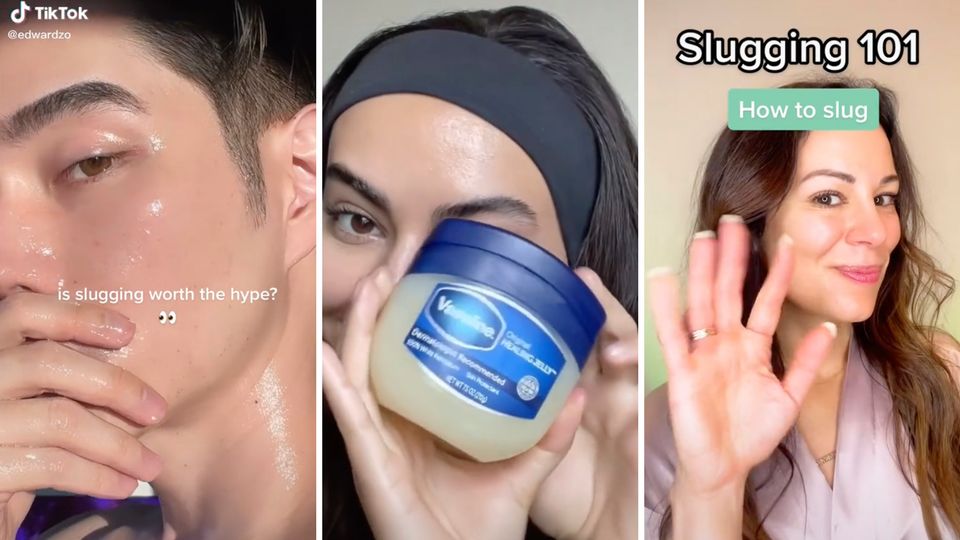
Another insight: Petrolatum is often used in slugging, a skincare trend where a thick layer is applied overnight to seal in moisture. This technique is powerful but not suitable for everyone, especially those with acne-prone skin.
Choosing The Best Petrolatum Product
With so many options, how do you pick the right petrolatum for your skin?
Check Purity
Look for “100% white petrolatum” or “USP grade” on the label. This means the product meets strict safety standards.
Avoid Additives
Choose unscented, colorless products. Avoid those with fragrances, dyes, or extra chemicals if you have sensitive skin.
Brand Matters
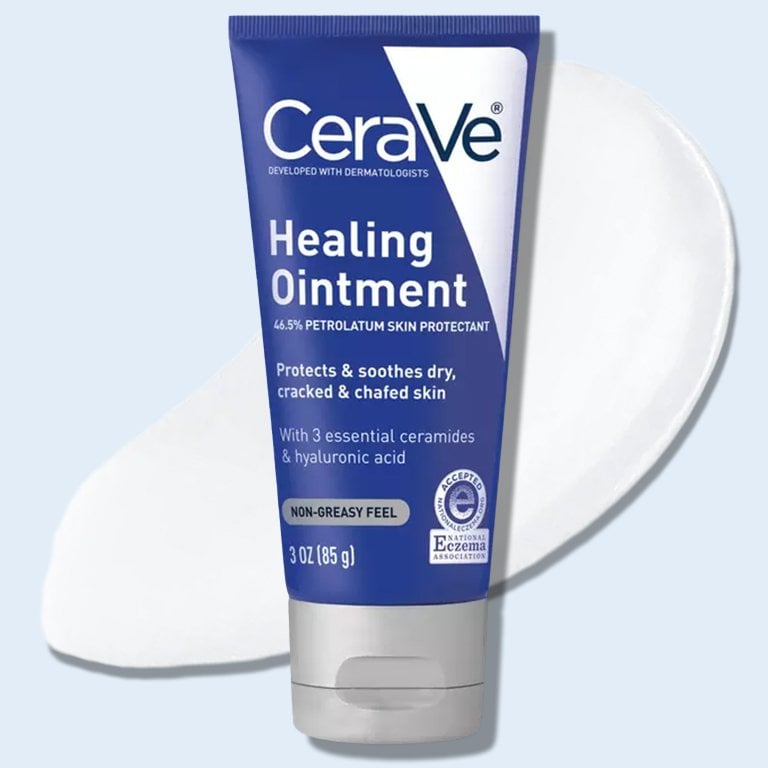
Popular brands like Vaseline, Aquaphor, and CeraVe Healing Ointment use highly refined petrolatum.
Packaging
Petrolatum in jars is cost-effective, but tubes are more hygienic. Always use clean hands to avoid contamination.
Petrolatum And Skin Types
Petrolatum works differently for various skin types.
Dry Skin
Petrolatum is excellent for very dry or cracked skin. It locks in moisture and speeds healing.
Sensitive Skin
Petrolatum rarely causes irritation. It’s recommended for eczema, rosacea, and allergy-prone skin.
Oily Skin
Petrolatum may feel too greasy and could worsen acne for some users. Use sparingly or avoid on the face.
Combination Skin
Apply petrolatum only to dry areas, like cheeks or hands, not to oily parts.
Aging Skin
Older skin loses moisture easily. Petrolatum helps maintain hydration and reduces the appearance of fine lines.
Petrolatum In Different Climates
Your climate affects how petrolatum works.
Cold And Dry
Petrolatum is ideal in cold, dry climates. It protects skin from wind and low humidity.
Hot And Humid
Petrolatum may feel too sticky in humid climates. Use lighter creams or lotions instead.
Urban Pollution
Petrolatum shields skin from pollution and dirt in cities.
Petrolatum And Makeup
Can you use petrolatum under makeup? Yes, but with care.
Primer Effect
A thin layer of petrolatum can act as a primer, smoothing rough patches before applying foundation.
Lip Care
Petrolatum is a great lip balm, preventing chapping and helping lip color last longer.
Highlighting
Some makeup artists use petrolatum to give a dewy finish on cheekbones.
Risks
Too much petrolatum can cause makeup to slide or look shiny. Use only a small amount.
Credit: www.amazon.com
Petrolatum For Hands And Feet
Hands and feet often suffer from dryness. Petrolatum is a powerful remedy.
Hand Care Routine
- Wash hands with gentle soap
- Apply humectant cream (optional)
- Spread thin layer of petrolatum
- Wear cotton gloves overnight
Foot Care Routine
- Soak feet in warm water for 10 minutes
- Pat dry and apply petrolatum
- Cover with socks overnight
Results: Softer, smoother skin in a few days.
Petrolatum In Wound Healing
Petrolatum helps wounds heal by keeping the area moist and protected.
How It Works
A moist environment speeds healing and reduces scarring. Petrolatum prevents scabs from drying out and cracking.
What Not To Do
Do not use petrolatum on infected wounds or deep cuts without medical advice. Clean wounds before applying.
Evidence
A study in the British Journal of Dermatology found petrolatum improved healing time compared to dry dressings.
Petrolatum In Baby Care
Babies have delicate skin. Petrolatum is safe and effective for infants.
Diaper Rash Prevention
Apply thin layer to clean, dry skin at every diaper change.
Baby Eczema
Petrolatum is recommended by pediatricians for baby eczema. It’s gentle and non-irritating.
Tips
- Use fragrance-free products
- Avoid overuse to prevent sticky residue
Environmental And Ethical Concerns
Some users worry about petrolatum’s environmental impact.
Petroleum Origin
Petrolatum comes from petroleum, a non-renewable resource. It’s not biodegradable.
Alternatives
If sustainability is important, consider beeswax, plant oils, or silicones.
Ethical Sourcing
Brands like Vaseline are working to reduce environmental impact. Check for responsible sourcing.
Petrolatum In Popular Culture
Petrolatum has been used for over 100 years. It appears in:
- Beauty routines (“slugging” trend)
- Medical kits
- Sports (protecting skin from chafing)
- Hollywood makeup for a dewy look
Latest Research And Innovations
Recent studies confirm petrolatum’s safety and effectiveness.
- New formulations combine petrolatum with ceramides and humectants for better hydration.
- Dermatologists use petrolatum for post-surgery care and burn treatment.
Summary Table: Petrolatum Pros And Cons
Here’s a quick overview for easy reference:
| Pros | Cons |
|---|---|
| Excellent moisture retention | Greasy feel |
| Barrier protection | Not biodegradable |
| Safe for sensitive skin | May cause breakouts for some |
| Supports wound healing | Does not attract water |
| Affordable and accessible | Contains petroleum |
Real-life Examples
- Sarah, 32: Struggled with eczema. After switching to petrolatum, her flare-ups reduced, and her skin healed faster.
- Mark, 45: Used petrolatum after surgery. His wound healed quickly with minimal scarring.
- Priya, 28: Tried “slugging” and noticed softer, smoother skin overnight but stopped using it on her face after mild acne.
Credit: www.genesisderm.com
Expert Opinions
Dermatologists worldwide agree on petrolatum’s safety and effectiveness. Dr. Sharon Jacob, a professor of dermatology, says, “Petrolatum is one of the safest, most effective moisturizers for dry skin and wound care. ”
External Resource
For more scientific details, see this Wikipedia article on petrolatum.
Frequently Asked Questions
Is Petrolatum Safe For Daily Use?
Yes, petrolatum is safe for daily use on dry skin, lips, hands, and minor wounds. It rarely causes irritation or allergies. Use only cosmetic-grade petrolatum and avoid products with added fragrances or dyes if you have sensitive skin.
Can Petrolatum Cause Acne?
Petrolatum is non-comedogenic for most people, meaning it does not clog pores. However, some individuals with oily or acne-prone skin may experience breakouts if used on the face. If you notice acne, use petrolatum only on dry areas or choose lighter moisturizers.
Is Petrolatum Better Than Natural Oils?
Petrolatum is more effective at preventing water loss than most natural oils. However, natural oils like coconut, jojoba, or argan oil can also moisturize and may be preferred by those seeking eco-friendly options. Each has pros and cons; petrolatum excels at barrier protection, while oils provide nutrients.
Can Babies Use Petrolatum?
Yes, petrolatum is safe for infants and commonly used for diaper rash and baby eczema. Always use fragrance-free, cosmetic-grade petrolatum. Avoid overuse to prevent sticky residue, and consult your pediatrician if you have concerns.
Does Petrolatum Heal Wounds Faster?
Petrolatum helps wounds heal faster by keeping the area moist and protected. It reduces scab formation and minimizes scarring. For deep or infected wounds, seek medical advice before using petrolatum.
Petrolatum is a powerful occlusive moisturizer trusted by dermatologists and families worldwide. It offers reliable protection for dry, sensitive, and damaged skin. While it isn’t perfect—being greasy and petroleum-based—it remains one of the safest and most effective options. If you struggle with dry skin, petrolatum can be your best ally, but always choose pure products and use them wisely.