

Transepidermal Water Loss (tewl): Understanding Barrier Repair Science
The skin is much more than a simple covering. It’s a complex, living barrier that protects us from the outside world. Every day, our skin faces heat, cold, pollution, and harsh chemicals. One of its most important jobs is keeping moisture inside. This is where the science of transepidermal water loss (TEWL) comes in. TEWL is a measure of how much water escapes from our skin into the air. It’s a key sign of skin health and the effectiveness of the skin barrier. If you’ve ever wondered why your skin gets dry, sensitive, or irritated, understanding TEWL will give you clear answers.
Barrier repair science is a fast-growing area in skincare. From hospitals to beauty clinics, experts are paying close attention to TEWL and how to control it. The more we know about how water moves through the skin, the better we can protect, heal, and strengthen this vital barrier.
In this article, you’ll discover what TEWL really means, why it matters, how to measure it, and what you can do to support your skin’s natural defenses. Along the way, you’ll learn practical tips, see real-world data, and get advice that goes beyond the basics.
What Is Transepidermal Water Loss (tewl)?
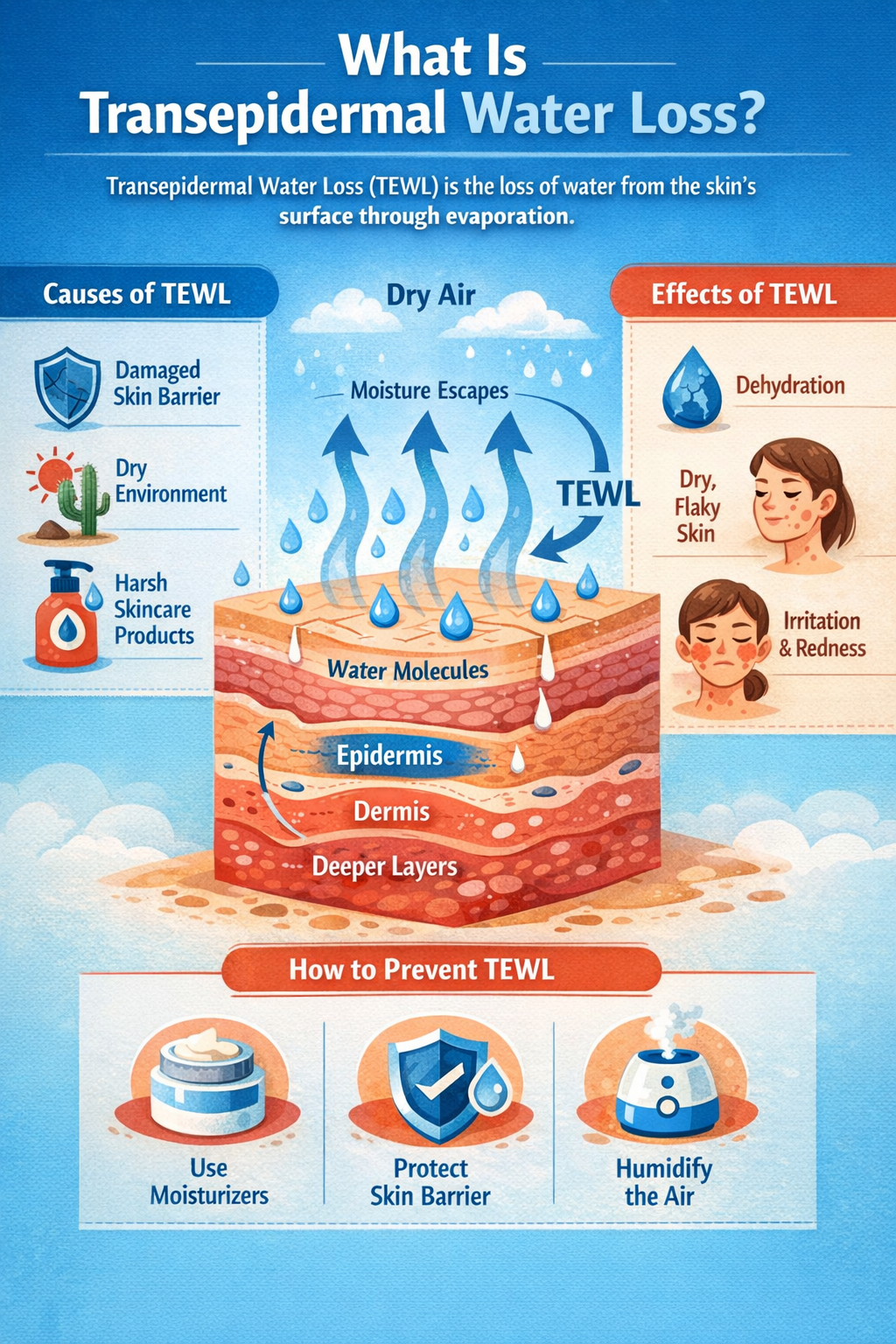
TEWL is the process where water passes from inside the skin through the epidermis (the outer layer) and evaporates into the air. Our skin is constantly losing water, even when we don’t notice. This water loss is natural, but when it becomes too high, problems start. The skin’s barrier is supposed to keep most moisture locked in while letting some escape. If the barrier is damaged or weak, TEWL increases. This leads to dryness, irritation, and even skin diseases.
The Role Of The Epidermis
The epidermis is the top layer of the skin. It acts like a wall, made of cells and fats (lipids). These lipids help seal water inside. When the lipids are healthy and tightly packed, TEWL stays low. But if the wall is broken—due to harsh soaps, weather, or medical conditions—water escapes faster. This is why barrier repair is important for everyone.
Normal Tewl Levels
Healthy skin usually has a TEWL rate between 2 to 10 grams per square meter per hour (g/m²/h). This range can change based on age, climate, skin type, and health. For example, infants have higher TEWL because their skin barrier isn’t fully developed. People with eczema or psoriasis often have much higher TEWL because their skin is inflamed and damaged.
Why Tewl Matters: More Than Just Dry Skin
TEWL is not just about dryness. High TEWL is a sign that the skin is failing to protect itself. Here’s why this matters:
- Protects Against Germs: A strong barrier keeps out bacteria and viruses. High TEWL means the wall is weak, and germs can enter more easily.
- Prevents Allergies: When the barrier breaks, allergens like dust and pollen can slip into the skin, causing reactions.
- Reduces Inflammation: High TEWL leads to inflammation. This can make skin conditions worse, such as eczema, rosacea, or acne.
- Supports Healing: After injuries or cosmetic treatments, controlling TEWL helps wounds heal faster.
Tewl In Different Skin Types
Some people naturally have a better skin barrier. For example, oily skin often has lower TEWL. Dry or sensitive skin types usually have higher TEWL. Skin color can also play a role. Darker skin tends to have a stronger barrier, while lighter skin can be more fragile.
The Science Behind Barrier Repair
Barrier repair is all about fixing or protecting the skin’s natural shield. Scientists have learned that the best way to lower TEWL is to restore the lipids and proteins in the epidermis. Here’s how it works:
Lipids: The Brick And Mortar Model
Think of the skin as a brick wall. The cells are bricks, and the lipids are mortar. Lipids include ceramides, cholesterol, and fatty acids. When this mortar is strong, water stays inside. If lipids are missing, the wall leaks. Many skincare products now focus on adding ceramides and other lipids to repair this wall.
Proteins And Natural Moisturizing Factor
The skin also contains proteins and molecules called the natural moisturizing factor (NMF). NMF pulls water into the cells and keeps them soft. When NMF levels drop, TEWL increases. Factors like age, sun exposure, and harsh cleansers can reduce NMF.
Skin Renewal Cycle
The skin renews itself every 28 days. During this cycle, old cells die and new cells rise to the surface. If the renewal is too fast (like in psoriasis), the barrier can’t form properly, leading to high TEWL. If it’s too slow, dead cells pile up, also weakening the barrier.
How Tewl Is Measured
Measuring TEWL is essential for research and skincare testing. There are several methods, but the most common is the closed-chamber or open-chamber device. These tools measure the amount of water vapor escaping from the skin.
Devices For Tewl Measurement
- Tewameter: This device uses sensors to detect water vapor. It’s used in labs and clinics.
- Aquaflux: A closed-chamber device that gives precise readings. Often used for clinical trials.
- Evaporimeter: Measures water loss using airflow and humidity sensors.
Here’s a comparison of popular TEWL measurement devices:
| Device | Method | Accuracy | Common Use |
|---|---|---|---|
| Tewameter | Open Chamber | High | Research, Clinics |
| Aquaflux | Closed Chamber | Very High | Clinical Trials |
| Evaporimeter | Open Chamber | Moderate | Basic Testing |
Factors Affecting Tewl Measurements
- Temperature and Humidity: Higher temperature or dry air increases TEWL readings.
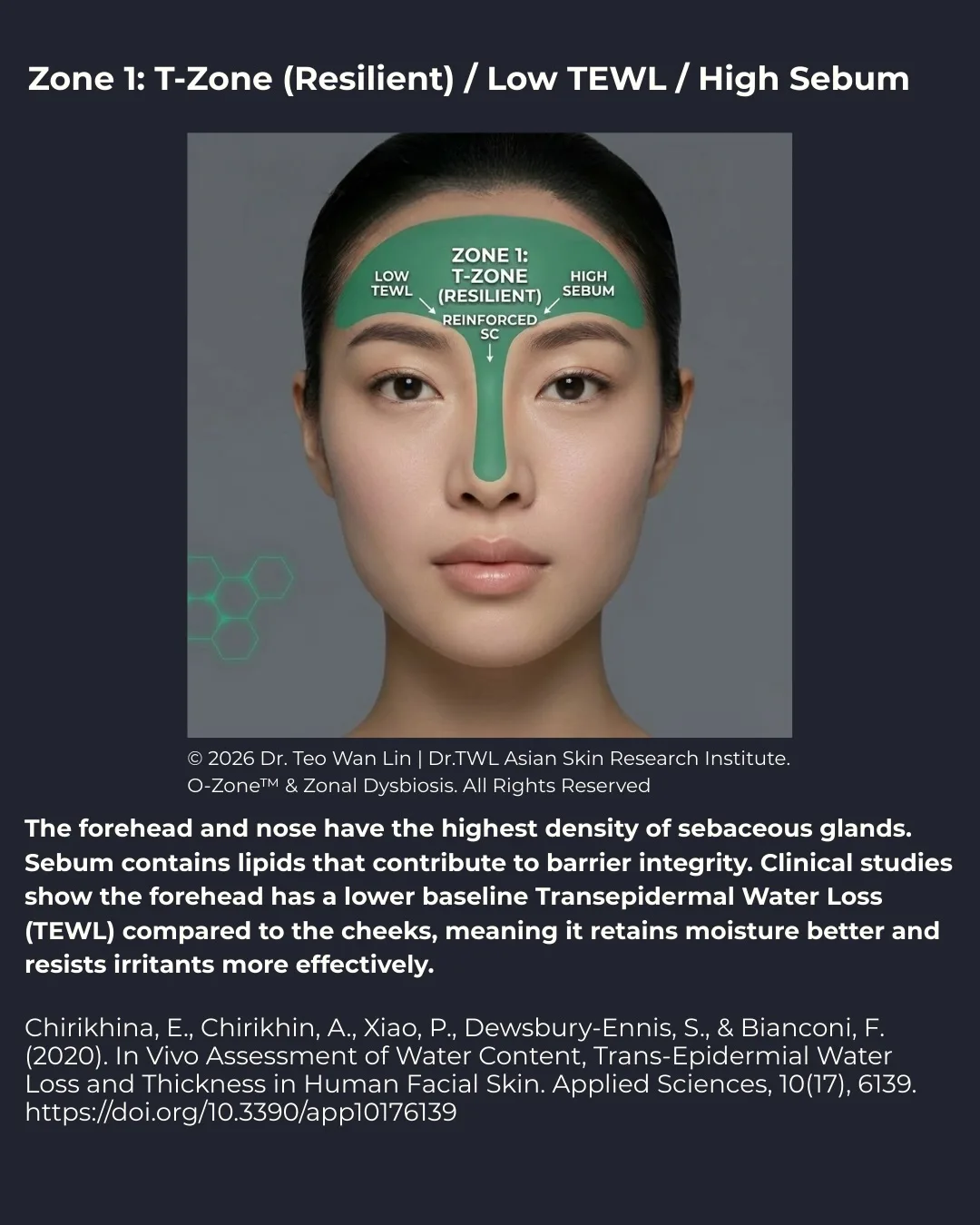
- Body Location: TEWL is higher on the face and hands than on the arms or legs.
- Skin Condition: Inflamed or damaged skin gives higher readings.
Credit: twlskin.com
Causes Of High Tewl
Many things can damage the skin barrier and raise TEWL. Here are the most common causes:
- Harsh Cleansers: Soaps and detergents strip away lipids.
- Hot Water: Frequent hot showers weaken the barrier.
- Sun Exposure: UV rays damage skin cells and lipids.
- Pollution: Dust and chemicals irritate the skin.
- Medical Conditions: Eczema, psoriasis, and diabetes all raise TEWL.
- Age: Older skin produces fewer lipids.
- Genetics: Some people are born with weaker barriers.
Surprising Causes
- Stress: Chronic stress lowers skin immunity and barrier function.
- Diet: Poor nutrition reduces the production of lipids and NMF.
- Climate: Moving from humid to dry climates can spike TEWL.
Effects Of High Tewl On Skin Health
When TEWL is high, the skin feels rough, tight, and flaky. But the effects go deeper:
- Increased Infection Risk: Bacteria and viruses can enter more easily.
- Chronic Inflammation: Redness and swelling become common.
- Delayed Healing: Wounds take longer to recover.
- Premature Aging: Fine lines and wrinkles appear sooner.
- Worsening Skin Diseases: Eczema, psoriasis, and acne flare up.
Real-world Examples
- Children with eczema often have TEWL rates of 40–60 g/m²/h, much higher than normal.
- After laser treatments, TEWL can spike by 200% before healing returns it to normal.
Barrier Repair Strategies: Practical Solutions
Fixing the skin barrier is the best way to lower TEWL. Here are proven strategies:
1. Use Gentle Cleansers
Avoid soaps with strong chemicals or perfumes. Choose products labeled “soap-free” or “pH-balanced.”
2. Moisturize Regularly
Apply moisturizers with ceramides, cholesterol, and fatty acids. These ingredients rebuild the barrier. For best results, use creams instead of lotions because they seal in moisture better.
3. Protect From Sun
Wear sunscreen with SPF 30+. UV rays damage the skin barrier, raising TEWL.
4. Avoid Hot Water
Use lukewarm water for washing. Hot water strips away protective oils.
5. Limit Exfoliation
Too much scrubbing removes lipids and proteins. Use gentle exfoliants, and no more than once a week.
6. Hydrate From Inside
Drink plenty of water. Healthy hydration supports skin function.
7. Improve Diet
Eat foods rich in omega-3 fatty acids (fish, flaxseed) and vitamin E (nuts, seeds). These nutrients help the skin produce lipids.
8. Manage Stress
Practice relaxation techniques. Stress lowers skin immunity and barrier strength.
9. Use Humidifiers
Dry air increases TEWL. A humidifier keeps indoor air moist, helping the skin retain water.
10. Repair After Treatments
If you have cosmetic procedures (peels, lasers), use barrier repair creams to speed healing and lower TEWL.
Barrier Repair Ingredients: What Really Works
Not all ingredients are equal when it comes to barrier repair. Here are the most effective:
Ceramides
Ceramides make up 50% of the skin’s lipids. They are the main mortar in the brick wall. Adding ceramides restores a damaged barrier.
Cholesterol
Cholesterol is another important lipid. It helps keep ceramides and fatty acids stable. Without cholesterol, the barrier breaks down.
Fatty Acids
These include linoleic acid and oleic acid. Fatty acids fill gaps in the wall and stop water from escaping.
Glycerin
Glycerin is a humectant. It attracts water into the skin and keeps it soft.
Hyaluronic Acid
This molecule holds up to 1000 times its weight in water. It helps skin stay hydrated and supports barrier repair.
Niacinamide
Niacinamide boosts lipid production and reduces inflammation. It’s gentle and works for all skin types.
Panthenol
Panthenol (Vitamin B5) calms irritated skin and helps repair the barrier.
Squalane
Squalane is a natural oil found in skin. It restores lipids and is safe for sensitive skin.
Comparing Barrier Repair Ingredients
Let’s compare some popular barrier repair ingredients:
| Ingredient | Main Function | Best For | Typical Products |
|---|---|---|---|
| Ceramides | Restore barrier | Dry, sensitive skin | Creams, lotions |
| Cholesterol | Support lipids | Damaged skin | Repair creams |
| Fatty Acids | Fill gaps | All skin types | Oils, creams |
| Glycerin | Hydrate | Normal, dry skin | Moisturizers |
| Hyaluronic Acid | Hold water | Dehydrated skin | Serums, gels |
| Niacinamide | Reduce inflammation | Acne, redness | Serums, creams |
Tewl In Medical And Cosmetic Treatments
TEWL is closely monitored in medical and cosmetic treatments. If doctors know how much water is escaping, they can predict healing and prevent complications.
Laser And Chemical Peels
After treatments like lasers or peels, TEWL rises sharply. This is normal, but if TEWL stays high for too long, healing slows down. Doctors often recommend barrier repair creams to speed recovery.
Wound Care
In hospitals, TEWL is measured for burn and wound patients. Lowering TEWL helps wounds heal faster and prevents infection.
Eczema And Psoriasis
Patients with eczema or psoriasis have weak barriers. Managing TEWL is key to controlling these diseases. Doctors use moisturizers with ceramides and steroids to lower TEWL.
Tewl And Skincare Products: How To Choose Wisely
Many products claim to “repair the barrier,” but not all deliver. Here’s how to choose:
- Check Ingredients: Look for ceramides, cholesterol, fatty acids, and niacinamide.
- Avoid Alcohol and Fragrances: These strip away lipids and irritate the skin.
- Look for Clinical Proof: Products tested in labs with TEWL measurements are more reliable.
- Choose Creams Over Lotions: Creams seal moisture better.
- Match Product to Skin Type: Oily skin needs lighter products; dry skin needs richer formulas.
Common Mistakes When Choosing Products
- Ignoring Ingredients: Many products are labeled “moisturizing” but lack barrier repair ingredients.
- Overusing Exfoliants: Too much exfoliation damages the barrier.
- Using Hot Water: This mistake ruins even the best products.
Credit: hollyberrycosmetics.co.uk
Tewl In Everyday Life: Practical Tips
Everyday routines can affect TEWL. Here are practical ways to keep TEWL low:
- Wear Gloves When Cleaning: Chemicals and hot water damage the skin barrier.
- Apply Moisturizer Within 3 Minutes After Bathing: This locks in moisture before it escapes.
- Use Barrier Repair Cream After Sunburn: Helps skin recover faster.
- Switch to Soap-Free Cleansers in Winter: Cold air increases TEWL.
- Don’t Skip Sunscreen: Even on cloudy days, UV can damage your barrier.
Non-obvious Insights
- Nighttime Is Best for Repair: Skin renews faster at night. Apply barrier repair products before bed.
- Patch Testing: Always test new products on a small area before full use. Sensitive skin can react badly, raising TEWL.
Tewl And Aging: How Barrier Repair Changes Over Time
As we age, our skin produces fewer lipids and proteins. TEWL naturally increases, making older skin drier and more fragile. Here’s what happens:
- After age 40, ceramide production drops by 30%.
- Elderly skin has TEWL rates up to twice as high as young skin.
- Wrinkles and sagging are partly caused by high TEWL and weak barriers.
How To Support Aging Skin
- Use richer creams with ceramides and cholesterol.
- Avoid harsh soaps and hot water.
- Add omega-3 supplements to your diet.
Tewl In Children And Infants
Babies have thin, fragile skin. Their TEWL is naturally higher, which is why they often get rashes and dryness.
- Infant TEWL can be up to 20 g/m²/h—double that of adults.
- Use gentle, fragrance-free moisturizers.
- Limit baths to 2–3 times per week.
- Dress babies in soft, breathable fabrics.
Special Care For Children
- Avoid bubble baths and harsh soaps.
- Apply moisturizer right after bathing.
- Protect from sun and wind.
Tewl And Environmental Factors
The environment has a huge impact on TEWL:
- Humidity: Low humidity increases TEWL; high humidity lowers it.
- Temperature: Hot weather raises TEWL; cold weather can lower it, but dry air increases it.
- Pollution: Air pollution damages the barrier, raising TEWL.
Real Data: Tewl In Different Climates
| Climate | Average TEWL (g/m²/h) | Skin Condition |
|---|---|---|
| Tropical | 4–6 | Normal, hydrated |
| Dry, cold | 8–12 | Dry, flaky |
| Polluted urban | 10–15 | Irritated, sensitive |
Practical Actions
- Use a humidifier in dry climates.
- Protect skin from pollution with antioxidant creams.
- Adjust skincare routine based on weather.
Tewl In Skin Disorders
TEWL is a major factor in skin diseases. Here’s how it affects common disorders:
Eczema
- TEWL is up to 5 times higher in eczema patients.
- Barrier repair creams and steroids help lower TEWL.
Psoriasis
- TEWL rises as skin renews too quickly.
- Thick moisturizers and anti-inflammatory drugs are used.
Acne
- TEWL can be high in acne, especially if harsh products are used.
- Gentle, non-comedogenic moisturizers are best.
Allergies
- High TEWL lets allergens enter the skin, causing reactions.
- Keeping TEWL low reduces allergy symptoms.
Tewl In Cosmetic Science: Research Trends
Researchers are looking for new ways to measure and control TEWL. Some trends include:
- Smart Sensors: New wearable devices track TEWL in real time.
- Artificial Skin Models: Used to test products before human trials.
- Gene Therapy: Exploring how genes affect barrier repair and TEWL.
- Probiotics: Some studies show that probiotics can support barrier strength and lower TEWL.
Recent Findings
- A 2023 study showed that a cream with ceramides and niacinamide lowered TEWL by 40% in eczema patients.
- Smart sensors are being used in hospitals to monitor wounds and burns.
For more scientific information, see Wikipedia.
Credit: www.glowbiotics.com
Frequently Asked Questions
What Is Tewl And Why Is It Important?
TEWL stands for transepidermal water loss, which is the amount of water that escapes from the skin into the air. TEWL is important because it shows how well the skin barrier is working. High TEWL means the barrier is weak, leading to dryness, irritation, and higher risk of infection.
How Can I Measure Tewl At Home?
Most TEWL devices are used in labs or clinics. You can’t measure TEWL at home without special equipment. However, signs of high TEWL include dryness, tightness, and flaky skin. If these appear, your barrier may be weak.
Which Ingredients Are Best For Repairing The Skin Barrier?
The most effective ingredients for barrier repair are ceramides, cholesterol, fatty acids, glycerin, and niacinamide. Look for these in moisturizers and creams.
Can Tewl Be Lowered By Drinking More Water?
Drinking water supports skin health, but it doesn’t directly lower TEWL. The best way to reduce TEWL is to use barrier repair creams and protect the skin from harsh conditions.
Is Tewl Higher In Certain Climates?
Yes, TEWL is higher in dry, cold, or polluted climates. Humid climates keep TEWL lower. If you live in a dry area, use a humidifier and barrier repair products to protect your skin.
The science of transepidermal water loss is changing how we care for our skin. By understanding TEWL and barrier repair, you can make smarter choices for healthier, stronger skin. Whether you’re dealing with dryness, skin disease, or just want to look your best, knowing how to protect your skin barrier is a powerful tool. With the right products, habits, and knowledge, you can keep TEWL in check and enjoy skin that feels comfortable and resilient every day.