

Adaptogenic Herbs for Hair And Skin: Ashwagandha And Reishi And More
Feeling stressed and noticing your hair thinning or your skin losing its glow? You’re not alone. Many people search for natural ways to support hair and skin health, and adaptogenic herbs are gaining attention worldwide. These powerful plants help your body adjust to stress, balance hormones, and promote overall well-being. But how exactly do herbs like ashwagandha, reishi, and others work for your hair and skin? And which adaptogens are best for your needs?
In this guide, you’ll discover how adaptogens can transform your hair and skin from within. You’ll learn about their unique benefits, how to use them safely, and what science says about their effects. We’ll break down the top adaptogenic herbs, highlight key differences, and provide practical tips for getting the most out of these ancient remedies.
Whether you’re struggling with breakouts, dryness, hair loss, or just want to boost your natural beauty, understanding adaptogenic herbs might be the missing piece in your routine.
What Are Adaptogenic Herbs?
Adaptogenic herbs are a special group of plants known for helping the body handle physical, emotional, and environmental stress. The word adaptogen means these herbs help you “adapt” to stress and restore balance (homeostasis) in your body. Unlike regular supplements, adaptogens don’t target one specific problem. Instead, they work with your body’s systems to improve resilience.
To be called an adaptogen, a herb must:
- Be safe and non-toxic in normal doses
- Help the body resist stressors of all kinds
- Support balance in hormones and the immune system
Some adaptogens come from roots, others from mushrooms or berries. Most have been used for centuries in traditional medicine systems like Ayurveda and Traditional Chinese Medicine (TCM).
How Adaptogenic Herbs Benefit Hair And Skin
Stress is a major factor in many hair and skin problems. High stress can cause:
- Hair loss or slower hair growth
- Oily or dry skin
- Acne breakouts
- Dullness and premature aging
Adaptogenic herbs help counter these problems in several ways:
- Regulating cortisol: High cortisol (the “stress hormone”) can trigger hair loss and skin inflammation. Adaptogens help lower or balance cortisol levels.
- Supporting immune function: Many adaptogens strengthen the immune system, which helps skin fight bacteria and heal faster.
- Balancing hormones: Hormone imbalances (like excess androgens) can cause acne and hair thinning. Adaptogens help regulate these hormones.
- Reducing inflammation: Chronic inflammation leads to skin aging and hair follicle damage. Adaptogens have strong anti-inflammatory properties.
These herbs don’t work overnight. Consistent use, along with a healthy lifestyle, brings the best results.
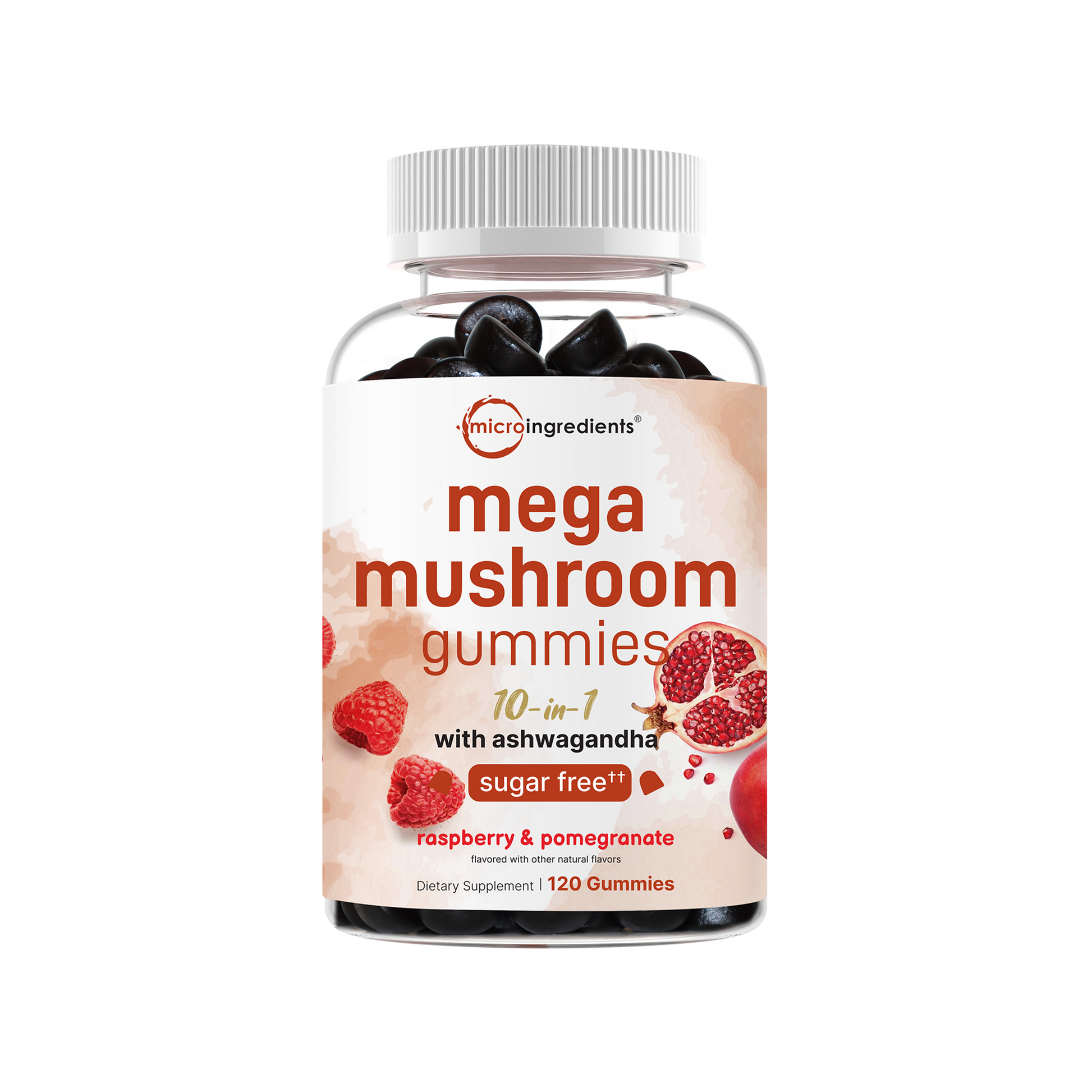
Credit: www.microingredients.com
Top Adaptogenic Herbs For Hair And Skin
Let’s explore the most popular and well-studied adaptogenic herbs for hair and skin. Each has unique properties and benefits, so you can find the right match for your needs.
Ashwagandha
Ashwagandha is often called the “King of Adaptogens” in Ayurveda. It’s a root that’s famous for reducing stress, balancing hormones, and improving sleep.
Benefits for Hair and Skin:
- Reduces stress-related hair loss: Ashwagandha lowers cortisol, which helps prevent hair fall and supports hair growth.
- Balances hormones: It supports thyroid function and reduces androgens, which is helpful for hormonal acne and hair thinning.
- Improves skin hydration: Studies show ashwagandha can help the skin retain moisture, making it softer and less prone to dryness.
- Fights free radicals: Its antioxidants protect skin from aging caused by pollution and UV damage.
Non-obvious insight: Ashwagandha’s calming effect on the nervous system can also reduce habits like hair pulling or scratching, which sometimes happen during stress.
Reishi
Reishi is a medicinal mushroom used for centuries in TCM. Known as the “Mushroom of Immortality,” it’s packed with polysaccharides and triterpenes.
Benefits for Hair and Skin:
- Supports immune health: Reishi boosts the immune system, helping fight off scalp and skin infections.
- Reduces inflammation: Its compounds calm redness, itching, and irritation in sensitive skin.
- Promotes hair growth: Reishi helps improve blood flow to the scalp, which can stimulate hair follicles.
- Anti-aging effects: The antioxidants in reishi help reduce wrinkles and maintain skin elasticity.
Non-obvious insight: Reishi’s balancing effect on the liver may help clear up skin issues caused by toxin buildup.
Rhodiola Rosea
Rhodiola is a root from cold, mountainous regions. It’s famous for increasing energy, endurance, and mental focus.
Benefits for Hair and Skin:
- Reduces stress impact: By lowering stress hormones, Rhodiola may help prevent stress-triggered hair loss and breakouts.
- Improves oxygen use: Better oxygen delivery helps nourish hair follicles and skin cells.
- Protects against environmental stress: It shields the skin from pollution and UV damage.
Schisandra
Schisandra is a berry adaptogen from China. It’s rich in lignans and vitamins.
Benefits for Hair and Skin:
- Enhances skin glow: Schisandra is known for improving skin tone, firmness, and moisture.
- Protects against toxins: It supports liver function, which helps clear skin by removing toxins from the body.
- Reduces redness and sensitivity: Great for those with easily irritated skin.
Holy Basil (tulsi)
Holy basil (Tulsi) is a sacred plant in India. It’s valued for its calming, clarifying properties.
Benefits for Hair and Skin:
- Reduces acne: Tulsi’s antibacterial properties help prevent breakouts.
- Promotes scalp health: It keeps dandruff and scalp irritation in check.
- Balances oil production: Good for both oily and dry skin.
Gotu Kola
Gotu kola is a leafy herb used in Ayurvedic and Chinese medicine.
Benefits for Hair and Skin:
- Speeds up wound healing: It boosts collagen production, which is key for healthy, firm skin and scalp repair.
- Reduces scarring and stretch marks: Regular use can fade old marks and improve skin texture.
- Supports hair growth: Gotu kola increases blood flow to the scalp.
Ginseng
Ginseng (usually Asian or Korean ginseng) is a root adaptogen.
Benefits for Hair and Skin:
- Boosts hair growth: Ginseng stimulates hair follicles and can help prevent hair thinning.
- Improves skin elasticity: It helps reduce fine lines and keeps skin firm.
- Fights fatigue: More energy can improve overall appearance.
Licorice Root
Licorice root is a sweet adaptogen widely used in herbal medicine.
Benefits for Hair and Skin:
- Brightens skin: Licorice contains glabridin, which helps fade dark spots and even skin tone.
- Soothes scalp irritation: It reduces redness and itching.
- Balances oil: Good for oily or acne-prone skin.
Eleuthero (siberian Ginseng)
Eleuthero is not a true ginseng, but shares similar adaptogenic effects.
Benefits for Hair and Skin:
- Improves circulation: Better blood flow supports scalp and skin health.
- Reduces fatigue: More energy means less visible stress on your skin.
- Strengthens hair: Helps make hair more resilient to breakage.
Cordyceps
Cordyceps is a unique mushroom found in the mountains of Tibet and China.
Benefits for Hair and Skin:
- Increases energy: Cordyceps improves oxygen use, which helps hair and skin cells renew faster.
- Fights inflammation: Soothes irritated skin and scalp.
- Promotes collagen production: Supports firm, youthful skin.
Astragalus
Astragalus is a root used in TCM for vitality and immunity.
Benefits for Hair and Skin:
- Strengthens the immune system: Helps fight infections that could affect hair and skin.
- Speeds up healing: Supports skin repair after breakouts or cuts.
- Fights aging: Powerful antioxidants slow down the appearance of wrinkles.
Maca
Maca is a root vegetable from the Andes.
Benefits for Hair and Skin:
- Balances hormones: Maca is great for hormone-related hair loss and acne.
- Boosts energy: Helps you feel and look less tired.
- Nourishes skin: Rich in vitamins and minerals.
Shatavari
Shatavari is another important adaptogen in Ayurveda, especially for women.
Benefits for Hair and Skin:
- Balances female hormones: Useful for hair and skin issues linked to hormonal changes.
- Hydrates skin: Supports moisture retention and elasticity.
- Reduces inflammation: Calms sensitive or inflamed skin.
Amla (indian Gooseberry)
Amla is a sour fruit full of vitamin C.
Benefits for Hair and Skin:
- Promotes hair growth: Amla strengthens hair roots and prevents premature greying.
- Brightens complexion: The high vitamin C content boosts collagen for glowing skin.
- Protects from free radicals: Strong antioxidant action.
Jiaogulan
Jiaogulan is called the “herb of immortality” in China.
Benefits for Hair and Skin:
- Boosts energy and endurance: Helps skin recover from stress.
- Improves circulation: Better blood flow supports hair and scalp health.
- Fights oxidative damage: Protects hair and skin from environmental stressors.
—
Key Differences: Comparing Popular Adaptogenic Herbs
With so many adaptogens available, it can be hard to choose the best one for your hair and skin needs. Here’s a quick comparison of some of the most popular options:
| Herb | Main Benefit for Hair | Main Benefit for Skin | Best For |
|---|---|---|---|
| Ashwagandha | Prevents stress-related hair loss | Hydrates and calms skin | Hormonal balance, stress |
| Reishi | Promotes scalp health, hair growth | Reduces inflammation, aging | Sensitive skin, scalp issues |
| Schisandra | Protects follicles from toxins | Enhances glow, firms skin | Detox, radiance |
| Gotu Kola | Stimulates hair growth | Heals scars, improves firmness | Repair, rejuvenation |
| Ginseng | Strengthens follicles | Reduces fine lines | Anti-aging, thinning hair |
Pro tip: Combining two or three adaptogens can target multiple problems at once, but always check for interactions.
—

Credit: us.amazon.com
How To Use Adaptogenic Herbs For Hair And Skin
There are several ways to add adaptogenic herbs to your daily routine. The best method depends on your goals, preferences, and the type of herb.
Oral Supplements
Many adaptogens are available as powders, capsules, or tinctures. Taking them by mouth helps address deep causes like stress, hormonal imbalance, and inflammation.
- Powders: Easy to mix into smoothies, teas, or oatmeal.
- Capsules: Convenient and tasteless.
- Tinctures: Fast absorption, but can taste bitter.
Example: Mix 1/2 teaspoon of ashwagandha powder in warm milk before bed for relaxation and hair support.
Topical Products
Some adaptogens are added to skin creams, oils, shampoos, or hair masks.
- Gotu kola creams: Help fade scars and stretch marks.
- Amla oil: Used in scalp massages to strengthen hair and encourage growth.
- Reishi serums: Soothe irritated skin and boost moisture.
Practical insight: Topical use works best when combined with oral adaptogens for inside-out results.
Tea And Infusions
Making tea from adaptogenic herbs is a gentle way to enjoy their benefits.
- Tulsi tea: Calms nerves and reduces breakouts.
- Schisandra berry tea: Supports skin glow and detox.
Diy Masks And Rinses
Some adaptogens can be used in homemade hair and skin treatments.
- Amla powder hair mask: Mix with water and apply to the scalp for shine and strength.
- Licorice root skin mask: Combine with honey to brighten dark spots.
Dosage And Consistency
Most adaptogens need to be taken consistently for at least 4–8 weeks to see noticeable results. Start with a low dose, and increase slowly as your body adjusts.
Common mistake: Switching herbs too quickly or expecting instant results. Patience and daily use are key.
—
Safety, Side Effects, And Who Should Avoid Adaptogens
Adaptogenic herbs are generally safe for most people, but some precautions are important:
- Pregnant or breastfeeding women: Some adaptogens (like ashwagandha, reishi, maca) may not be safe. Always check with a healthcare provider.
- People on medication: Herbs can interact with drugs for blood pressure, thyroid, or mood.
- Allergies: Rare but possible. Start with a small amount.
Non-obvious insight: Some adaptogens (like ginseng or rhodiola) can be stimulating, so take them in the morning to avoid sleep problems.
Signs of side effects can include digestive upset, headache, or allergic reaction. If you notice these, stop use and consult a professional.
—
Scientific Evidence: Do Adaptogens Really Work?
Research on adaptogenic herbs is growing, especially for ashwagandha, reishi, and ginseng.
- Ashwagandha: Clinical studies show it lowers cortisol by 27.9% and improves resistance to stress (Chandrasekhar et al., 2012).
- Reishi: Shown to increase antioxidant activity in skin cells and reduce inflammation in lab studies (Wachtel-Galor et al., 2011).
- Gotu Kola: Proven to boost collagen and speed up wound healing in animal and human studies.
- Schisandra: Data suggests it improves skin barrier function and hydration.
However, most studies are small or short-term. More research is needed to understand long-term effects and the best doses for hair and skin.
Practical tip: Track your results with photos and notes to see what works best for you.
—
Integrating Adaptogens Into Your Beauty Routine
To get the most from adaptogenic herbs, combine them with other healthy habits:
- Eat a balanced diet: Nutrient-rich foods give your hair and skin the building blocks they need.
- Manage stress: Practice yoga, meditation, or deep breathing.
- Get enough sleep: Your body repairs itself overnight.
- Stay hydrated: Water supports detox and keeps skin plump.
Sample daily plan:
- Morning: Rhodiola capsule (energy, stress support)
- Afternoon: Tulsi tea (calm, skin clarity)
- Evening: Ashwagandha powder in warm milk (sleep, hair health)
- Weekly: Gotu kola cream on scars or amla oil scalp massage
Expert insight: Rotate adaptogens every 2–3 months to avoid building tolerance.
—

Credit: www.amazon.com
What To Look For When Buying Adaptogenic Herbs
Quality matters with herbal supplements. Here’s how to choose the best products:
- Choose reputable brands: Look for companies with transparent sourcing and third-party testing.
- Check for additives: Pure powders or extracts are best; avoid fillers or artificial ingredients.
- Consider organic: Organic herbs are less likely to contain pesticides or heavy metals.
- Read reviews: Other users’ experiences can help you spot effective, trustworthy products.
Common mistake: Buying cheap, untested herbs from unknown sources. These may be weak or even harmful.
—
Are Adaptogenic Herbs Right For You?
Adaptogenic herbs are not a magic solution. They work best as part of a bigger plan for health and beauty. If you have a serious medical condition, check with a health professional before starting any new supplement.
Who may benefit most:
- People with stress-related hair or skin issues
- Those with mild hormone imbalance symptoms
- Anyone seeking a natural, gentle approach
Who should be cautious:
- Pregnant or breastfeeding women
- People with complex health conditions
- Children (unless under professional guidance)
—
Adaptogenic Herbs Vs. Conventional Treatments
Let’s compare adaptogenic herbs with common hair and skin treatments:
| Approach | How It Works | Time to See Results | Risks |
|---|---|---|---|
| Adaptogenic Herbs | Balances body from within, targets root causes | 4–12 weeks | Low, but possible interactions |
| Topical Creams/Oils | Acts on surface, quick symptom relief | Days–weeks | Allergic reaction, irritation |
| Prescription Medication | Targets specific pathway (e.g., hormones, bacteria) | Weeks–months | Side effects, drug interactions |
Key takeaway: Adaptogens are best for prevention and gentle support, while conventional treatments may be needed for severe problems.
—
Real-life Experiences: What Users Say
Many people share positive results from using adaptogenic herbs:
- “My hair stopped falling out after I started ashwagandha and maca daily.”
- “Reishi cream healed my eczema when nothing else worked.”
- “Tulsi tea keeps my skin clear, even during stressful times.”
However, not everyone sees dramatic results. Genetics, diet, and lifestyle play a big role.
Non-obvious tip: Journaling your progress helps you notice small changes over time.
—
Frequently Asked Questions
What Is The Best Adaptogen For Hair Growth?
Ashwagandha is often recommended for stress-related hair loss. Amla is excellent for strengthening hair and preventing greying. Reishi and gotu kola can also support hair growth, especially when combined with a healthy lifestyle.
Can Adaptogenic Herbs Help With Acne?
Yes, adaptogens like holy basil, licorice root, and schisandra have anti-inflammatory and hormone-balancing effects that can reduce breakouts. They work best as part of a complete skincare routine.
How Long Does It Take To See Results From Adaptogenic Herbs?
Most people notice changes in 4–8 weeks. Hair growth and scar fading may take longer (up to 3–6 months). Consistency is more important than high doses.
Are Adaptogenic Herbs Safe To Use With Other Supplements Or Medications?
Most are safe, but some (like ashwagandha, ginseng, or rhodiola) can interact with thyroid, blood pressure, or mood medications. Always consult a health professional before combining supplements.
Where Can I Find More Scientific Information About Adaptogens?
A good resource is the Wikipedia article on adaptogens, which summarizes research and safety data.
—
Adaptogenic herbs offer a gentle, natural way to support your hair and skin from the inside out. Whether you choose ashwagandha, reishi, or another adaptogen, remember that lasting beauty comes from balance—inside and out. With patience and the right routine, these ancient plants can help you look and feel your best, even in stressful times.