

Living with eczema can be a daily challenge. The dry, itchy, and red skin often feels impossible to soothe. If you’ve ever spent hours searching for the right moisturizer, you’re not alone. Many people with eczema struggle to find products that actually help, without causing more irritation. The good news? Dermatologists have studied eczema for years and know which moisturizers work best. In this guide, you’ll discover which products are proven to help, why they work, and how to use them correctly. You’ll also learn smart ways to avoid common mistakes and make your skincare routine easier.
Understanding Eczema-prone Skin
Eczema is more than just dry skin. It’s a chronic condition that causes inflammation, irritation, and sometimes even painful cracks. The most common type, atopic dermatitis, affects millions worldwide. According to the American Academy of Dermatology, about 10-20% of children and 1-3% of adults suffer from eczema.
Eczema-prone skin has a weakened barrier. This means it loses water quickly and lets in irritants easily. That’s why moisturizers are vital—they fill the gaps and lock in moisture. But not every moisturizer is suitable. Some contain fragrances, alcohol, or harsh chemicals that can make eczema worse. Dermatologists recommend gentle, hydrating, and protective formulas.
Why Moisturizers Matter
Moisturizers play three key roles for eczema-prone skin:
- Seal in moisture: Prevent water from escaping, so skin stays hydrated.
- Protect the skin barrier: Form a shield against irritants and allergens.
- Reduce itching and redness: Soothe inflammation and stop the urge to scratch.
Without a good moisturizer, treatments like steroids or antihistamines won’t work as well. In fact, studies show regular moisturizing can reduce eczema flare-ups by up to 50%. So, choosing the right product isn’t just comfort—it’s essential for managing the condition.
What Makes A Moisturizer Good For Eczema?
Dermatologists look for specific features when recommending moisturizers:
- Fragrance-free: Perfumes can irritate sensitive skin.
- Hypoallergenic: Low risk of causing allergic reactions.
- Occlusive agents: Ingredients like petrolatum, dimethicone, and shea butter create a protective layer.
- Emollients: Soften skin and fill tiny cracks. Examples: ceramides, glycerin, lanolin.
- Humectants: Draw water into skin. Examples: hyaluronic acid, urea, glycerin.
Some moisturizers also have anti-inflammatory ingredients, like colloidal oatmeal or niacinamide. These can calm redness and itching.
Types Of Moisturizers
There are three main types:
- Ointments: Thick, greasy, most effective for severe eczema. Example: Vaseline.
- Creams: Rich, less greasy, suitable for moderate eczema. Example: CeraVe.
- Lotions: Light, easy to spread, best for mild eczema or daytime use. Example: Aveeno.
Dermatologists often suggest ointments or creams because they protect better. Lotions may evaporate too quickly, leaving skin dry.
What To Avoid
Some ingredients can trigger eczema symptoms:
- Fragrances and essential oils
- Alcohol (drying)
- Preservatives like parabens (rarely, some people react)
- Sodium lauryl sulfate (harsh surfactant)
Always check the label and test new products on a small area first.
Dermatologist Recommended Moisturizers For Eczema-prone Skin
Let’s look at the top moisturizers, supported by dermatologists and scientific studies. Each is picked for its gentle formula and proven results.
1. Cerave Moisturizing Cream
Dermatologists often recommend CeraVe Moisturizing Cream because it contains ceramides and hyaluronic acid. Ceramides are lipids naturally found in skin. They help repair the barrier and keep moisture inside.
- Texture: Thick, creamy, absorbs well
- Good for: Face, body, hands
- Free from: Fragrances, parabens, lanolin
- Unique feature: Uses MVE technology for slow release hydration
Clinical trials show CeraVe can improve skin hydration by up to 48% in two weeks. It’s safe for children and adults.
2. Vanicream Moisturizing Cream
Vanicream is famous for its simple formula. It avoids common irritants like dyes, fragrance, and preservatives. This makes it ideal for very sensitive skin.
- Texture: Rich, non-greasy
- Good for: All ages, face and body
- Free from: Gluten, formaldehyde, parabens, lanolin
- Unique feature: Non-comedogenic (won’t clog pores)
Many dermatologists recommend Vanicream for patients who react to other products. It’s also affordable and easy to find.
3. Eucerin Advanced Repair Cream
Eucerin uses a blend of urea (humectant) and ceramides. Urea pulls water into the skin, while ceramides repair the barrier.
- Texture: Creamy, slightly thicker than lotion
- Good for: Body, hands, feet
- Free from: Fragrances, dyes
- Unique feature: Contains natural moisturizing factors
A study published in the Journal of Dermatology found Eucerin improved dryness and itching in 75% of eczema patients within three weeks.
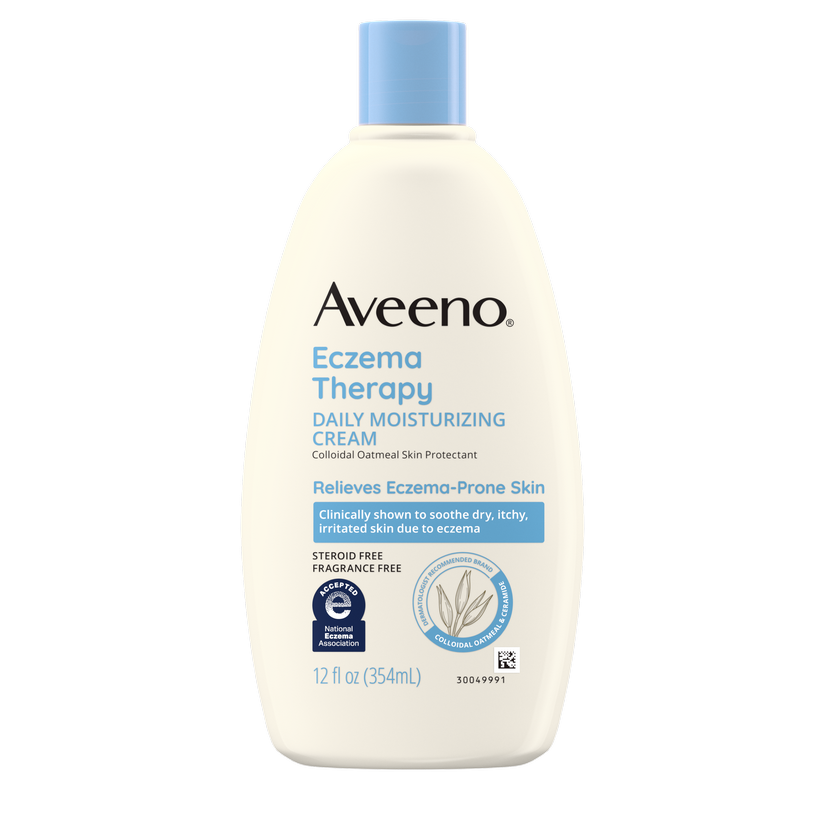
4. Aveeno Eczema Therapy Daily Moisturizing Cream
Aveeno Eczema Therapy Cream is popular because it uses colloidal oatmeal. Oatmeal calms inflammation and stops itching.
- Texture: Creamy, easy to spread
- Good for: Face, body
- Free from: Steroids, fragrances
- Unique feature: Oat extract soothes irritation
Aveeno is recommended by the National Eczema Association and often used for children.
5. Aquaphor Healing Ointment
Aquaphor is an ointment, so it’s thicker and more protective. It contains petrolatum (41%), which acts as an occlusive barrier.
- Texture: Greasy, heavy, best for severe eczema
- Good for: Hands, feet, elbows, overnight use
- Free from: Fragrance, preservatives
- Unique feature: Helps heal cracks and fissures
Dermatologists suggest Aquaphor for flare-ups or areas with broken skin. It can be messy, but it works well.
6. Neutrogena Hydro Boost Gel-cream
Neutrogena Hydro Boost is a gel-cream with hyaluronic acid. It’s lighter than most creams but still hydrates deeply.
- Texture: Lightweight, non-greasy
- Good for: Face, daytime use
- Free from: Fragrance, oil, dye
- Unique feature: Instant hydration
Some people with eczema prefer Hydro Boost because it feels cool and absorbs fast. It’s not for severe eczema but works well for mild cases.
7. La Roche-posay Lipikar Balm Ap+
La Roche-Posay Lipikar Balm AP+ is a French favorite. It contains niacinamide and shea butter, which soothe and restore skin.
- Texture: Rich, creamy
- Good for: Face, body, babies
- Free from: Fragrance, parabens
- Unique feature: Contains prebiotic thermal water
Studies show Lipikar Balm AP+ reduces itching and improves sleep in children with eczema.
8. Cetaphil Restoraderm Eczema Calming Body Moisturizer
Cetaphil Restoraderm is made for eczema. It has filaggrin technology, which helps rebuild the skin barrier.
- Texture: Creamy, non-greasy
- Good for: Body, arms, legs
- Free from: Fragrance, parabens
- Unique feature: Strengthens barrier with filaggrin proteins
Cetaphil is gentle enough for daily use and works well with other treatments.
9. Eucerin Eczema Relief Body Cream
Another Eucerin product, this one is designed for eczema. It contains colloidal oatmeal and ceramides.
- Texture: Thick, absorbs well
- Good for: Body, kids
- Free from: Fragrance, steroids
- Unique feature: Calms itching quickly
Dermatologists recommend Eucerin Eczema Relief for active flare-ups.
10. Aveeno Baby Eczema Therapy Nighttime Balm
If your child has eczema, Aveeno Baby Nighttime Balm is a gentle option. It uses colloidal oatmeal and is steroid-free.
- Texture: Balm, thick but not greasy
- Good for: Babies, face, body
- Free from: Parabens, fragrance
- Unique feature: Designed for overnight use
Parents report fewer night-time wakeups due to itching.
11. First Aid Beauty Ultra Repair Cream
First Aid Beauty Ultra Repair Cream contains colloidal oatmeal, shea butter, and allantoin. It’s made for sensitive skin.
- Texture: Creamy, slightly whipped
- Good for: Face, body, hands
- Free from: Fragrance, parabens, alcohol
- Unique feature: Allantoin soothes irritation
Dermatologists suggest this cream for people who want a gentle yet effective moisturizer.
12. Mustela Stelatopia Emollient Balm
Mustela Stelatopia is made for babies and children, but adults can use it too. It contains sunflower oil distillate and shea butter.
- Texture: Thick, balm-like
- Good for: Babies, face, body
- Free from: Fragrance, parabens, phthalates
- Unique feature: Repairs skin with natural oils
Mustela is often recommended for children with severe eczema.
13. Eltamd Barrier Renewal Complex
EltaMD Barrier Renewal Complex is a dermatologist favorite for its advanced formula. It uses ceramides, niacinamide, and vitamin E.
- Texture: Creamy, absorbs easily
- Good for: Face, adults
- Free from: Fragrance, parabens
- Unique feature: Strengthens skin barrier
It’s more expensive but offers scientific, targeted results.
14. Bioderma Atoderm Intensive Baume
Bioderma Atoderm Intensive Baume is another European brand. It contains zinc, niacinamide, and glycerin.
- Texture: Thick, balm, not greasy
- Good for: Face, body, children
- Free from: Fragrance, parabens
- Unique feature: Reduces inflammation
Dermatologists recommend Bioderma for stubborn eczema and allergies.
15. Theraplex Clear
Theraplex Clear is a unique ointment. It uses petrolatum and cyclomethicone for a non-greasy, protective finish.
- Texture: Ointment, light, clear
- Good for: Face, hands, body
- Free from: Fragrance, preservatives
- Unique feature: Non-greasy, suitable for day use
It’s ideal for people who dislike heavy ointments.
16. Dr. Eddie’s Happy Cappy Moisturizing Cream
Dr. Eddie’s Happy Cappy is made for children with eczema and cradle cap. It contains licorice root extract (anti-inflammatory) and petrolatum.
- Texture: Creamy, light
- Good for: Babies, children, adults
- Free from: Fragrance, parabens, sulfates
- Unique feature: Calms redness fast
Dermatologists recommend Happy Cappy for sensitive skin.
17. Dermarest Eczema Medicated Lotion
Dermarest Eczema Lotion contains colloidal oatmeal and pramoxine (an itch-relief medicine).
- Texture: Lotion, light
- Good for: Body, arms, legs
- Free from: Fragrance
- Unique feature: Medicated formula stops itch
Dermarest is often suggested for people with severe itching.
18. Avene Xeracalm A.d Lipid-replenishing Cream
Avene XeraCalm A.D is a French brand with thermal spring water and ceramides. It’s made for eczema and allergies.
- Texture: Creamy, soft
- Good for: Face, body, children
- Free from: Fragrance, parabens
- Unique feature: Soothes with mineral-rich water
Avene is recommended for allergic eczema.
19. Epiceram Skin Barrier Cream
EpiCeram is a prescription-strength cream with ceramides, cholesterol, and fatty acids.
- Texture: Creamy, absorbs well
- Good for: Severe eczema, face, body
- Free from: Fragrance, parabens
- Unique feature: Restores skin lipids
EpiCeram is often used for patients who don’t respond to regular moisturizers.
20. Vaseline Original Healing Jelly
Vaseline is simple but effective. It’s pure petrolatum and creates a strong barrier.
- Texture: Ointment, greasy
- Good for: Hands, feet, elbows, overnight
- Free from: Fragrance, preservatives
- Unique feature: Locks in moisture
Dermatologists recommend Vaseline for cracked, dry skin and to seal in other creams.
Comparing Popular Eczema Moisturizers
To help you choose, here’s a comparison of three top moisturizers:
| Moisturizer | Main Ingredients | Texture | Best For | Price Range |
|---|---|---|---|---|
| CeraVe Moisturizing Cream | Ceramides, Hyaluronic Acid | Thick Cream | Face & Body | $12-$18 |
| Aquaphor Healing Ointment | Petrolatum, Panthenol | Ointment | Hands, Feet, Severe Flare-Ups | $10-$16 |
| Aveeno Eczema Therapy Cream | Colloidal Oatmeal, Ceramides | Cream | Face, Body, Children | $11-$15 |
How To Use Moisturizer For Eczema-prone Skin
Even the best moisturizer won’t work if you use it incorrectly. Here’s how dermatologists suggest applying moisturizer for eczema.
Step-by-step Guide
- Wash hands: Always start with clean hands to avoid infection.
- Apply after bathing: Put moisturizer on damp skin, within three minutes after showering. This locks in extra moisture.
- Use enough: Don’t skimp—cover all affected areas with a thick layer.
- Gentle rubbing: Pat or gently rub. Avoid harsh rubbing, which can irritate.
- Repeat often: Apply at least twice a day, more during flare-ups.
- Seal with ointment: For severe eczema, use ointment after cream to lock in hydration.
Example Routine
- Morning: Wash face, apply cream (CeraVe or Aveeno), follow with sunscreen.
- Midday: Reapply cream or ointment to hands and exposed areas.
- Evening: Bath or shower, pat dry, apply thick cream or ointment (Aquaphor or Vaseline) to body and hands.
Extra Tips
- Use a fragrance-free cleanser to avoid irritation.
- Don’t use hot water; warm water is gentler.
- Wear cotton gloves or socks after ointment for overnight healing.
Common Mistakes When Choosing And Using Moisturizer
Many people make small mistakes that ruin their results. Here are the most common, and how to avoid them:
- Picking scented products: Even “natural” scents can cause allergies.
- Using too little: Thin layers won’t protect or hydrate enough.
- Skipping moisturizer during flare-ups: You need it most when skin is inflamed.
- Not patch testing: Always test a new product on a small area to check for reactions.
- Switching products too often: Give each moisturizer at least two weeks to see results.
- Applying on dry skin: Moisturizer works best on damp skin.
Two Non-obvious Insights
- Layering moisturizers: For severe eczema, you can use a light cream first, then seal with ointment. This “sandwich” method boosts hydration.
- Using moisturizer as a vehicle for medicine: Applying moisturizer before topical steroids can help medicines spread evenly and reduce irritation.
The Role Of Prescription Moisturizers
Some eczema patients need more than over-the-counter products. Prescription moisturizers like EpiCeram or Hylatopic Plus contain higher levels of ceramides or special ingredients.
Dermatologists may suggest these for:
- Severe eczema
- Frequent infections
- Poor response to regular creams
Prescription creams can be expensive but are often covered by insurance. Always talk to your doctor before starting any new prescription.
Eczema Moisturizers For Babies And Children
Children’s skin is thinner and more sensitive. Pediatric dermatologists recommend:
- Aveeno Baby Eczema Therapy
- Mustela Stelatopia
- Eucerin Eczema Relief
These are safe, gentle, and easy to apply. For babies, avoid products with nuts, soy, or strong preservatives.
Data On Children’s Eczema
According to the National Eczema Association, up to 20% of children have eczema. Frequent moisturizing can reduce symptoms and improve sleep.
| Brand | Main Ingredient | Suitable Age | Steroid-Free | Parent Rating |
|---|---|---|---|---|
| Aveeno Baby | Colloidal Oatmeal | 0+ | Yes | 4.7/5 |
| Mustela Stelatopia | Sunflower Oil | 0+ | Yes | 4.5/5 |
| Eucerin Eczema Relief | Colloidal Oatmeal | 3+ | Yes | 4.6/5 |
Choosing Moisturizer Based On Eczema Severity
Not all eczema is the same. Dermatologists tailor recommendations based on severity.
Mild Eczema
- Use lightweight creams or lotions.
- Examples: Neutrogena Hydro Boost, Cetaphil Restoraderm.
Moderate Eczema
- Choose richer creams with ceramides or colloidal oatmeal.
- Examples: CeraVe, Aveeno Eczema Therapy, Eucerin Advanced Repair.
Severe Eczema
- Use ointments or prescription creams.
- Examples: Aquaphor, Vaseline, EpiCeram.
Allergic Eczema
- Avoid preservatives, parabens, and common allergens.
- Try: Vanicream, Bioderma, Theraplex Clear.
If unsure, ask your doctor for patch testing or allergy screening.
How Environment Affects Eczema And Moisturizer Choice
Environmental factors play a big role in eczema. Dry air, cold weather, and pollution can worsen symptoms.
- Humidity: Low humidity means more moisturizer needed.
- Temperature: Cold air dries skin, hot air can increase sweating and irritation.
- Pollution: Triggers flare-ups; protect skin with barrier ointments.
Dermatologists recommend switching products with the season. In winter, use thicker creams and ointments. In summer, lighter creams or gels may be more comfortable.

Credit: www.elle.com
Ingredients To Look For And Avoid
Here’s a quick reference for ingredients:
Good Ingredients
- Ceramides: Repair skin barrier
- Colloidal oatmeal: Soothes itch
- Hyaluronic acid: Deep hydration
- Shea butter: Softens skin
- Petrolatum: Locks in moisture
Ingredients To Avoid
- Fragrance
- Alcohol
- Essential oils
- Parabens (if allergic)
- Sodium lauryl sulfate
If you see these on a label, think twice—especially with sensitive skin.
The Importance Of Patch Testing
Even the best moisturizer can cause problems if your skin is allergic. Patch testing is simple:
- Put a small amount on your inner arm.
- Wait 24-48 hours.
- Look for redness, itching, or bumps.
If nothing happens, it’s safe to use. Always patch test new products, especially if you have allergies or sensitive skin.

Credit: www.amazon.com
Moisturizer And Eczema Flare-ups
Flare-ups can happen suddenly. During these times, extra steps help:
- Apply moisturizer more often (every 3-4 hours).
- Use ointments on cracks or bleeding skin.
- Avoid hot showers and harsh soaps.
- Dress in loose cotton clothes.
If flare-ups don’t improve, talk to a dermatologist.
Real-world Example: Managing Eczema With Moisturizer
Anna, a 28-year-old teacher, struggled with eczema on her hands. She tried many lotions, but nothing worked. Her dermatologist recommended CeraVe Moisturizing Cream, applied twice daily, plus Aquaphor at night. Within two weeks, her skin was less itchy and looked healthier.
Anna learned that:
- Applying moisturizer right after washing hands kept skin soft.
- Using gloves overnight with Aquaphor helped heal cracks.
- Patch testing prevented allergic reactions.
Anna’s experience shows that consistency and the right products make a big difference.
How To Make Your Moisturizer Routine Easier
Many people find it hard to stick to a moisturizing routine. Here are practical tips:
- Keep moisturizer bottles by sinks, bedside, and in your bag.
- Set reminders on your phone.
- Choose pump bottles for easy use.
- Involve family or caregivers for children.
Consistency is key. Missing even one day can lead to dryness and flare-ups.
When To See A Dermatologist
Sometimes, moisturizer alone isn’t enough. See a dermatologist if:
- Skin is red, cracked, bleeding, or oozing
- You have frequent flare-ups
- Over-the-counter creams don’t help
- You need advice for children or allergies
A dermatologist can do allergy testing, prescribe stronger treatments, and help you build a safe routine.
Scientific Evidence Behind Eczema Moisturizers
Research shows regular moisturizing can reduce eczema symptoms by 40-60%. Some studies:
- A 2019 study found that twice-daily application of ceramide creams reduced eczema severity by 50% in three weeks.
- The National Eczema Association rates colloidal oatmeal as “highly effective” for soothing itch and inflammation.
- Ointments like petrolatum outperform lotions in water retention and healing.
For more scientific details, visit National Institutes of Health.
Frequently Asked Questions
What Is The Best Type Of Moisturizer For Eczema-prone Skin?
The best type is usually a cream or ointment. Creams like CeraVe or Eucerin are rich and absorb well. Ointments like Aquaphor or Vaseline are best for severe eczema because they lock in moisture and protect broken skin.
Can I Use Regular Lotion If I Have Eczema?
Most regular lotions are too light and may contain fragrances or alcohol. Dermatologists recommend fragrance-free creams or ointments. Lotions might help mild eczema, but not during flare-ups.
How Often Should I Apply Moisturizer For Eczema?
Apply at least twice daily, and more often during flare-ups. After bathing or hand washing, reapply immediately. Consistency is key to prevent dryness and itching.
Are Natural Or Organic Moisturizers Safe For Eczema?
Not always. Many natural products have essential oils, which can irritate sensitive skin. Always look for fragrance-free and hypoallergenic formulas. Patch test new products before full use.
What Should I Do If Moisturizer Isn’t Helping My Eczema?
If symptoms don’t improve, see a dermatologist. You may need prescription creams, allergy testing, or other treatments. Never ignore severe eczema, as it can lead to infection and long-term problems.
Finding the best moisturizer for eczema-prone skin takes patience, but it’s worth it. With the right product and routine, you can protect your skin, stop itching, and enjoy a healthier life. Remember, always listen to your skin and your dermatologist. Consistency, gentle care, and smart choices will help you manage eczema for the long term.
Credit: www.aveeno.com