

Korean Beauty Approach To Scalp Care: K-beauty Meets Hair Wellness
Everyone is talking about Korean beauty—but it’s not just about glass skin or flawless makeup. Korean beauty, also known as K-beauty, has a unique approach to hair wellness, especially scalp care. In Korea, people see the scalp as the foundation of healthy hair. Just as you care for your skin before applying makeup, K-beauty believes you must nurture your scalp before expecting strong, shiny hair. This philosophy is changing how the world looks at hair care, moving from simple shampooing to a complete wellness routine that starts at the roots.
If you’re tired of dull hair, oily roots, or flakes that keep coming back, it might be time to look at your scalp, not just your hair. The Korean approach is gentle, holistic, and rooted in centuries-old traditions. But it’s also innovative, using the latest science and smart ingredients. In this guide, you’ll learn why scalp care is central in Korean beauty, what makes it different, and how you can build your own K-beauty scalp wellness routine—no matter where you live.
The Korean Beauty Philosophy: Why The Scalp Matters
K-beauty is famous for its detailed skin routines, but in Korea, the scalp gets the same attention as the face. The belief is simple: a healthy scalp equals healthy hair. Just as you wouldn’t ignore your skin’s needs, you shouldn’t ignore your scalp’s needs.
The scalp is skin, too. It has pores, produces oil (sebum), and can suffer from dryness, irritation, or buildup. In Korea, scalp care is seen as essential, not an afterthought. Many Koreans visit specialized scalp clinics, just as they visit dermatologists for facial treatments.
These clinics offer scalp analysis, deep cleansing, and personalized treatments—services that are only now becoming common in the West.
Key insight: Most beginners overlook that scalp health can affect hair growth cycles, not just the look of your hair. A neglected scalp can lead to slow growth, excess shedding, and even thinning over time.
How Korean Scalp Care Differs From Western Hair Care
While Western hair care often focuses on styling and surface shine, K-beauty approaches the problem from the root. Here are some main differences:
- Routine complexity: The average Korean scalp care routine involves multiple steps, from double-cleansing to targeted serums, much like a facial routine.
- Focus on prevention: Rather than waiting for problems, Koreans use scalp care to prevent issues like dandruff, oiliness, or thinning.
- Personalized solutions: Scalp types are treated like skin types—oily, dry, sensitive, or combination.
- Use of natural and fermented ingredients: Many products include traditional herbs, fermented extracts, and gentle acids, which support the scalp’s microbiome.
- Regular professional treatments: Scalp clinics are common, offering deeper cleanses and scalp massages.
Let’s compare some core differences in approach:
| Aspect | Korean Scalp Care | Western Hair Care |
|---|---|---|
| Focus | Scalp health, prevention, roots | Hair strands, styling, appearance |
| Routine | Multi-step, targeted products | Shampoo + conditioner, occasional mask |
| Ingredients | Herbs, fermented extracts, gentle acids | Sulfates, silicones, heavy fragrances |
| Professional Care | Common, specialized scalp clinics | Rare, mostly salons for styling |
Understanding Your Scalp: The Foundation Of K-beauty Scalp Care
Before starting any routine, Koreans analyze their scalp type—just like skin. This is often missed by beginners who treat all scalps the same. Your scalp can be:
- Oily: Produces excess sebum, gets greasy quickly
- Dry: Feels tight, may have flakes, itchy
- Sensitive: Reacts easily to products, can be red or irritated
- Combination: Oily in some areas, dry in others
Pro tip: Many people have a combination scalp and don’t realize it. For example, the top of your head may be oily, while the hairline is dry.
Korean scalp clinics often use magnifying cameras to look at the scalp up close. They check for buildup, blocked follicles, inflammation, and hair density. At home, you can look for these signs:
- Shiny, oily roots a day after washing: Likely oily scalp
- Flakes but no oiliness: Likely dry scalp
- Itching, redness: Possibly sensitive scalp
- Oil in the crown, dryness at the edges: Combination scalp
The Core Steps Of A K-beauty Scalp Care Routine
Korean scalp care is about consistency and layering the right products. Here’s a step-by-step routine you can follow or adapt:
1. Pre-shampoo Scalp Treatment
Before washing, many Koreans use a scalp scrub or detox product. These remove buildup from styling products, pollution, or excess oil. Gentle exfoliation boosts circulation and helps unclog follicles.
- For oily scalps: Look for clay-based or charcoal scrubs.
- For dry/sensitive scalps: Use gentle, non-abrasive exfoliants or enzyme-based treatments.
Tip: Don’t over-exfoliate—once a week is enough for most people.
2. Double Cleansing
Just like with skin, double cleansing is common for the scalp. The first wash removes oil and dirt; the second targets scalp health.
- First shampoo: Use a clarifying or balancing formula.
- Second shampoo: Use a gentle, scalp-nourishing product with soothing or hydrating ingredients.
This approach ensures the scalp is truly clean, not just the hair.
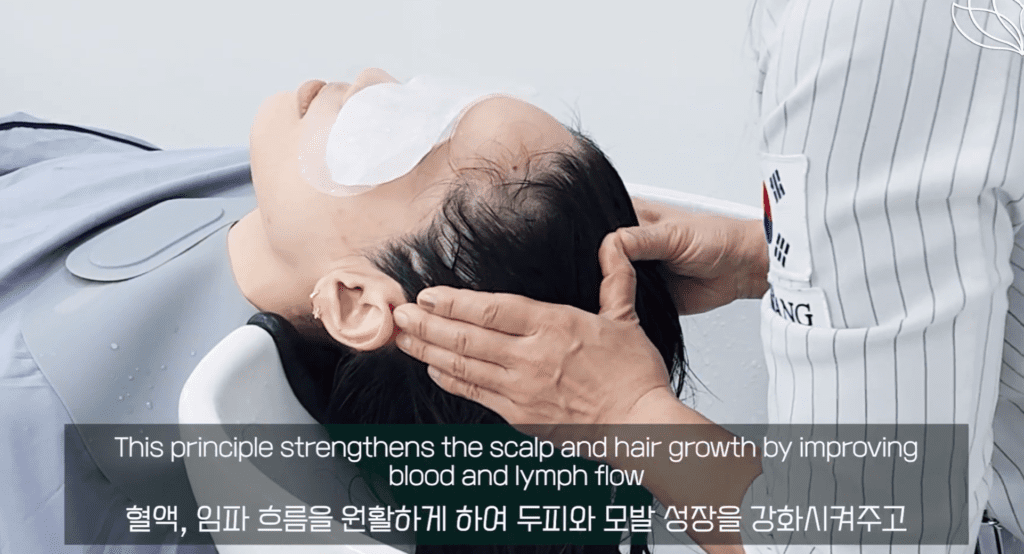
3. Scalp Massage
During washing, a scalp massage tool or fingertips are used to stimulate blood flow. This helps deliver nutrients to hair follicles, encouraging stronger growth.
Non-obvious insight: A firm, gentle massage for 3–5 minutes is more effective than a quick rub. Don’t scratch with nails—use soft, circular motions.
4. Conditioner—but Not On The Scalp
Conditioner is applied only to the hair lengths, not the scalp. This prevents buildup and keeps follicles open. In K-beauty, scalp conditioners are rare; focus is on lightweight, rinse-out formulas.
5. Scalp Tonic Or Essence
After washing, Koreans apply a scalp tonic, essence, or serum. These are lightweight, watery treatments full of herbal extracts, peptides, and vitamins. They hydrate, soothe, and support the scalp’s microbiome.
- For dry/scaly scalps: Choose hydrating tonics with panthenol or hyaluronic acid.
- For oily or thinning hair: Look for formulas with niacinamide or green tea.
6. Leave-in Scalp Care
Some routines include leave-in mists or ampoules to protect the scalp from pollution, UV, and irritation throughout the day.
7. Sun Protection For The Scalp
Many forget that the scalp can burn, especially with thinning hair or exposed parts. K-beauty brands offer scalp sunscreens—light sprays or powders that protect without making hair greasy.
Comparison of K-Beauty Scalp Routine Steps
| Step | Purpose | Common Ingredients |
|---|---|---|
| Pre-shampoo treatment | Exfoliate, detoxify, remove buildup | Charcoal, clay, enzymes |
| Double cleansing | Deep clean, balance scalp | Tea tree, centella, mild surfactants |
| Scalp massage | Increase blood flow, relax | N/A (technique-based) |
| Scalp tonic/essence | Hydrate, nourish, soothe | Green tea, panthenol, peptides |
| Leave-in care | Protect, support barrier | Herbal extracts, antioxidants |
| Sun protection | Prevent UV damage | Zinc oxide, SPF sprays |
Key Ingredients In K-beauty Scalp Products
Korean scalp products use a blend of traditional and modern ingredients. Here are some that set them apart:
- Ginseng: Stimulates circulation and supports follicle strength.
- Green Tea: Calms inflammation and regulates oil.
- Centella Asiatica (Cica): Soothes irritation and repairs the skin barrier.
- Fermented ingredients: Like rice water or soy, these support the scalp microbiome.
- Niacinamide: Reduces oil and improves scalp texture.
- Panthenol (Vitamin B5): Deeply hydrates and soothes dryness.
- Tea Tree Oil: Fights dandruff and balances sebum.
- Salicylic Acid: Gently exfoliates dead skin and clears follicles.
Many formulas avoid heavy silicones, sulfates, or artificial fragrances that can irritate the scalp over time.
Pro insight: Beginners often miss that fermented ingredients can help balance the scalp’s good bacteria, leading to less irritation and oiliness.
Traditional Korean Herbal Remedies For Scalp Health
Korean beauty draws on a rich history of herbal medicine. In scalp care, these remedies are still used, both at home and in modern formulas.
- Gamcho (Licorice Root): Reduces inflammation, soothes itching.
- Mugwort: Antibacterial, calms sensitive scalps.
- Perilla Leaf: Rich in omega-3, supports barrier repair.
- Camellia Oil: Deeply conditions hair and scalp, lightweight.
- Houttuynia Cordata: Clears excess oil, fights dandruff.
These herbs are often used as rinses, in scalp masks, or as extracts in tonics. They offer gentle but effective results, especially for those with sensitive or reactive scalps.
Credit: koreamikwang.net
The Role Of The Scalp Microbiome
Recent research shows the scalp’s microbiome—the mix of good and bad bacteria—affects everything from oil production to inflammation. K-beauty scalp products often include prebiotics, probiotics, or fermented extracts to feed the good bacteria.
A balanced microbiome:
- Reduces itching and flakes
- Supports healthy hair growth
- Makes the scalp less sensitive to pollution or stress
Non-obvious tip: Over-cleansing or harsh products can disrupt this balance, leading to more problems. K-beauty routines focus on gentle, pH-balanced care to keep the microbiome healthy.
K-beauty Scalp Treatments In Professional Clinics
In Korea, scalp clinics are as common as facial spas. Here, you can get:
- Scalp analysis: Using cameras and sensors to check follicle health and scalp condition.
- Deep cleansing: With steam, exfoliation, and suction tools to remove buildup.
- Scalp massages: Sometimes with acupuncture or herbal oils to stimulate blood flow.
- LED therapy: Uses light to calm inflammation and support hair growth.
- Customized ampoules: Targeted treatments for thinning, oiliness, or sensitivity.
These clinics are not just for hair loss—they are used for routine wellness. Many people go monthly, much like facial treatments.
Building Your K-beauty Scalp Care Routine At Home
You don’t need to live in Seoul or visit a clinic to get started. Here’s how you can build your own routine, step by step:
Step 1: Assess Your Scalp
- Look for signs: Oiliness, flakes, redness, itchiness.
- Consider your lifestyle: Pollution, stress, diet, and styling habits all affect your scalp.
Step 2: Choose The Right Products
- For oily scalps: Use balancing shampoos, clay or charcoal scrubs, lightweight tonics.
- For dry scalps: Choose hydrating, sulfate-free cleansers, and soothing essences.
- For sensitive scalps: Avoid fragrance, use cica or mugwort-based products.
- For combination: Mix and match, spot-treat as needed.
Step 3: Set Your Weekly Schedule
- Exfoliate: Once a week.
- Double cleanse: 2–3 times a week, or as needed.
- Daily: Massage gently when shampooing, apply scalp tonic or essence.
Step 4: Protect And Maintain
- Use leave-in care and scalp sunscreen if you’re often outdoors.
- Avoid tight hairstyles or heavy styling products that can block follicles.
Step 5: Track Results And Adjust
- Take photos every month to check for progress.
- Adjust products if you see irritation or dryness.
Common Mistakes Beginners Make In Scalp Care
- Using harsh shampoos: Sulfates strip the scalp, leading to more oil or irritation.
- Ignoring the scalp: Only treating hair lengths, not the roots.
- Over-washing or under-washing: Both can disrupt oil balance.
- Applying conditioner to the scalp: Can cause buildup and block follicles.
- Skipping sun protection: Scalp burns can lead to flaking and damage.
- Not adapting routine to season: Scalp needs change with weather and humidity.
- Using too many products at once: Layering can be good, but overwhelming the scalp can cause problems.
How K-beauty Scalp Care Helps With Specific Scalp Problems
Oily Scalp And Greasy Hair
K-beauty tackles oiliness with balancing cleansers, gentle exfoliation, and lightweight tonics. Herbal ingredients like green tea and houttuynia help regulate sebum. Avoiding heavy conditioners on the roots prevents greasy buildup.
Dry, Flaky, Or Itchy Scalp
Hydrating essences with panthenol or centella soothe dryness. Fermented extracts feed the microbiome, reducing flakes. Herbal rinses with mugwort or licorice root calm irritation.
Thinning Hair Or Slow Growth
Scalp massages, ginseng-based products, and LED therapy are common in Korea for hair growth. By keeping the scalp clean and healthy, follicles can stay in the growth phase longer.
Sensitive Or Reactive Scalp
Cica, mugwort, and fragrance-free products reduce redness and calm the skin barrier. K-beauty avoids harsh chemicals, focusing on gentle, non-irritating formulas.
Seasonal Scalp Issues
Koreans often change their routine with the seasons. In summer, lighter shampoos and scalp sunscreens are used. In winter, more hydrating products and barrier-supporting ingredients are added.
K-beauty Scalp Care For Different Hair Types
Korean scalp care isn’t just for straight, fine hair. The principles work for curly, coily, or color-treated hair as well.
- Curly/coily hair: Use sulfate-free cleansers, hydrating tonics, and gentle exfoliation. Focus on scalp health, but also protect hair lengths with deep conditioning.
- Color-treated hair: Choose pH-balanced, color-safe products. Herbal extracts can soothe irritation from dyes.
- Fine hair: Lightweight tonics and essences add volume without weighing hair down.
- Thick hair: Scalp scrubs and massages help reach the roots, preventing buildup.
Real-world Data: K-beauty Scalp Care Market Growth
The global demand for scalp care is rising. According to a 2023 report by Statista, the Korean hair care market reached over $1. 2 billion, with scalp care products making up 30% of new launches. Online searches for “scalp care” and “K-beauty hair” have doubled since 2020.
Many international beauty brands are launching K-beauty-inspired scalp lines, proving this trend is more than just a fad.
How To Shop For K-beauty Scalp Products
When choosing products, consider these factors:
- Ingredients: Look for gentle, plant-based, and fermented extracts.
- PH balance: Scalp products should match the skin’s natural pH (4.5–5.5).
- Formulation: Avoid heavy silicones or thick oils unless your scalp is very dry.
- Certifications: Choose brands that test for scalp safety and avoid harsh chemicals.
A few respected Korean brands for scalp care include Ryo, Daeng Gi Meo Ri, Aromatica, and Innisfree. Many of these are available worldwide.
Helpful resource: For ingredient research and up-to-date product launches, check Allure.
K-beauty Scalp Care: Myths Vs. Facts
There are many misunderstandings about scalp care. Let’s clear up a few:
- Myth: Only people with dandruff need scalp care.
- Fact: Everyone can benefit. Scalp care prevents future problems and supports hair growth.
- Myth: You should wash your hair every day.
- Fact: Over-washing can strip oils. Most Koreans wash 2–4 times per week, adjusting for their scalp type.
- Myth: Scalp scrubs damage the scalp.
- Fact: When used gently and not too often, scrubs are safe and effective.
- Myth: All oils are bad for the scalp.
- Fact: Lightweight oils like camellia can nourish without clogging pores.
- Myth: K-beauty scalp care is only about products.
- Fact: Massage, diet, and lifestyle are equally important.
The Role Of Diet And Lifestyle In Korean Scalp Wellness
K-beauty doesn’t stop at the bathroom. Diet and lifestyle play a huge role:
- Balanced diet: Koreans eat lots of vegetables, seaweed, and fermented foods—these support scalp and hair health.
- Hydration: Drinking enough water keeps scalp skin supple.
- Stress management: Stress can lead to hair loss or scalp irritation. Meditation and regular exercise are part of daily life.
- Minimal heat styling: Less heat means less scalp irritation and healthier hair.
Non-obvious insight: Many Korean women do weekly scalp massages at home with herbal oils, not just in salons. This keeps the scalp flexible and encourages healthy growth.

Credit: www.allure.com
How To Transition From Western Hair Care To K-beauty Scalp Care
Switching routines can be overwhelming. Here’s how to make the change smoothly:
- Start slow: Introduce one new step at a time (for example, try a scalp tonic before adding exfoliation).
- Patch test: Always test new products on a small area to check for reactions.
- Be patient: It can take 4–8 weeks to see results, especially if your scalp has been neglected.
- Listen to your scalp: Adjust products and frequency based on how your scalp feels, not just what’s trending.
Many people see less oiliness, fewer flakes, and stronger hair within two months of switching to a K-beauty scalp routine.
K-beauty Scalp Care Tips For Men
Scalp health is for everyone, not just women. In Korea, men are encouraged to:
- Use balancing shampoos to control oil and prevent thinning.
- Apply lightweight tonics to strengthen roots.
- Get regular scalp massages, which are even available in many Korean barbershops.
- Protect the scalp from sun and pollution, especially if hair is thinning.
Men’s routines are often simpler, but the focus on prevention remains strong.
Future Trends: What’s Next For K-beauty Scalp Care?
K-beauty is always evolving. The next wave of scalp care includes:
- Smart scalp analysis tools: Apps and devices that measure scalp moisture, oil, and pH at home.
- Microbiome-focused products: More brands are adding pre- and probiotics.
- Personalized routines: DNA tests and AI apps will recommend scalp products based on genetics.
- Eco-friendly packaging: Brands are moving toward sustainable, refillable bottles.
As research grows, expect to see even more focus on holistic scalp wellness, blending tradition and technology.
Frequently Asked Questions
What Makes K-beauty Scalp Care Different From Regular Hair Care?
K-beauty scalp care focuses on the health of the scalp, not just hair appearance. Routines are multi-step, use gentle and natural ingredients, and often include professional analysis. Products are personalized for different scalp types, with prevention as the main goal.
Can I Use K-beauty Scalp Care If I Have Curly Or Textured Hair?
Yes. The principles—gentle cleansing, scalp-focused treatments, and nourishing tonics—work for all hair types. You may need to adjust product texture or frequency, but the foundation is the same.
How Often Should I Exfoliate My Scalp With K-beauty Products?
Most people benefit from scalp exfoliation once a week. If your scalp is sensitive, start with every two weeks. Over-exfoliating can cause irritation, so listen to your scalp’s needs.
Do I Need To Visit A Scalp Clinic To Get Results?
No. While clinics offer deep analysis and treatments, you can get excellent results at home by following a consistent routine and choosing the right products for your scalp type.
Are There Any Risks With K-beauty Scalp Care?
The biggest risk is overdoing it—using too many new products at once or exfoliating too often. Always patch test, start slow, and adjust your routine as needed. Most K-beauty scalp products are gentle and safe for daily use.
K-beauty’s approach to scalp care is more than a trend—it’s a shift toward holistic hair wellness. By treating your scalp with the same care as your skin, you can enjoy healthier, stronger, and more beautiful hair for years to come.
Start with one step, stay consistent, and experience the difference for yourself.

Credit: ohlolly.com