

If you’re reading this, you already know how important it is to keep your skin healthy. But even if you apply moisturizer every day, you might still feel something is not right. Not every moisturizer works for every skin type, climate, or age.
Sometimes, your skin sends clear signals that it is not getting what it needs. Learning to recognize these signals can help you prevent dryness, irritation, or even long-term skin damage.
A better moisturizer can make your skin look smoother, healthier, and more radiant. But how do you know when it’s time to switch? Many people ignore small warning signs, thinking it’s just normal for their skin. In reality, these signs often mean your skin is crying out for more hydration or a different formula.
Let’s look at the eight most important warning signals that your skin needs a better moisturizer, and how you can respond to them for healthier, more comfortable skin.
Why Moisturizer Matters More Than You Think
Moisturizer is not just a cosmetic product. It’s a protective barrier that helps your skin retain water, fight pollution, and keep its natural balance. According to dermatologists, using the right moisturizer can slow down signs of aging, prevent breakouts, and even make other skincare products work better. In fact, a study in the *Journal of Clinical and Aesthetic Dermatology* found that people who used the right moisturizer showed up to 30% less visible dryness and had improved barrier function after only two weeks.
Moisturizer also supports your skin’s microbiome, which is the collection of healthy bacteria living on your skin. This microbiome helps protect against infections and environmental stress. When you use the wrong moisturizer or skip it, this balance can break down.
Over time, your skin might become more sensitive to pollution, UV rays, or even changes in temperature.
But not all moisturizers are created equal. The wrong product (or not enough product) can leave your skin exposed, uncomfortable, and prone to problems. For example, a lightweight moisturizer may work well in humid weather but fail in a dry climate, while a thick cream can clog pores in hot, sticky weather.
The trick is knowing when your current routine isn’t enough and being willing to adjust as needed.
1. Persistent Dryness And Flakiness
The most obvious sign you need a better moisturizer is persistent dryness. If your skin feels rough, tight, or you notice white, flaky patches, your moisturizer is not doing its job. Many people experience this during winter when the air is dry, but it can happen any time of year—even in summer if you spend time in air conditioning or high-altitude environments.
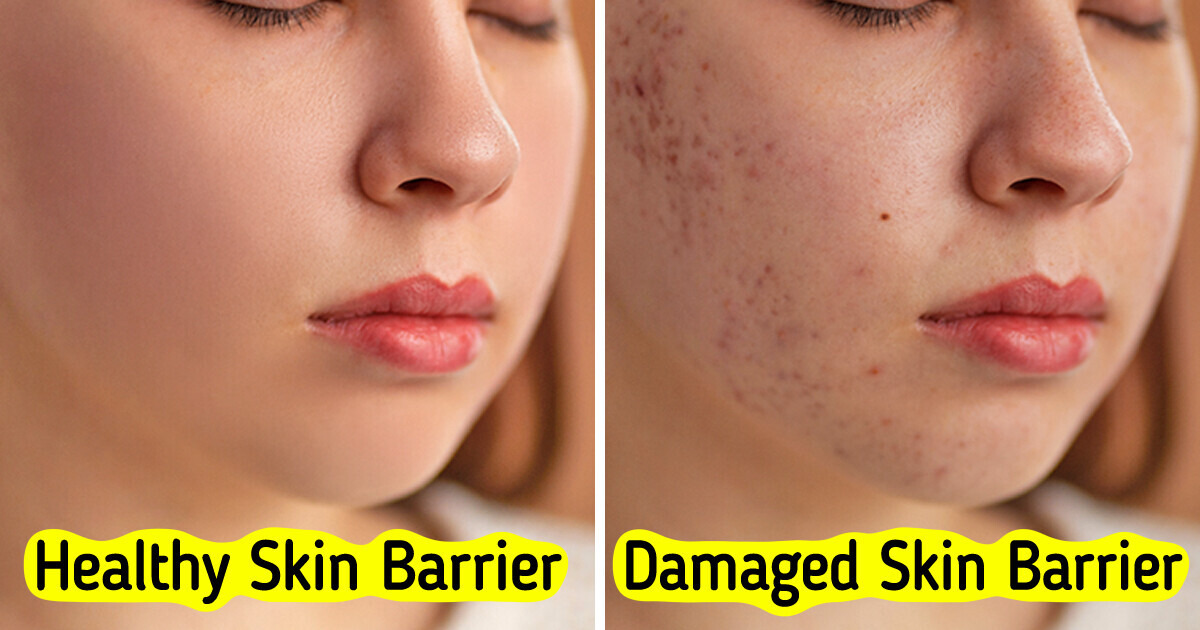
Dryness often means that your skin’s protective barrier is damaged or not strong enough. When this barrier is weak, water escapes from your skin faster than it should. This is called transepidermal water loss. Your moisturizer’s main job is to stop this from happening.
Key things to look for:
- Flakes on your cheeks, nose, or forehead
- Tightness after washing, even after applying moisturizer
- Dull, ashy, or grayish skin tone
- Skin that feels “papery” or rough, especially on the chin or around the mouth
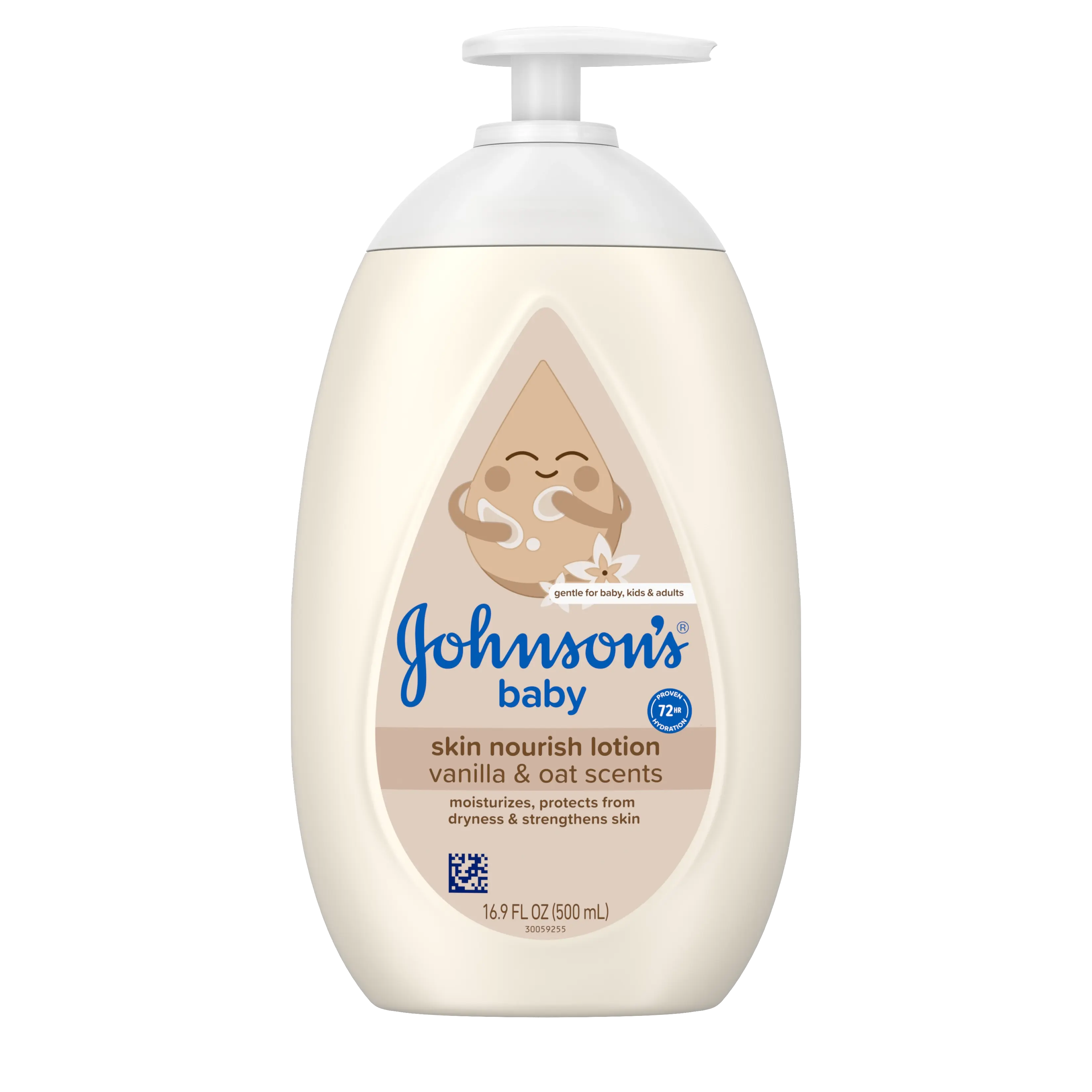
If you notice these symptoms, try switching to a thicker, cream-based moisturizer. Look for ingredients like ceramides, hyaluronic acid, or glycerin, which help lock in moisture. Avoid products with high alcohol content, as they can make dryness worse. You might also benefit from using a humidifier in your room to add moisture to the air.
Pro tip: Sometimes, people use a lightweight lotion in winter or after using harsh cleansers. This can make dryness worse. Adjust your moisturizer based on the season and your skin’s daily needs. Consider layering products, such as applying a hydrating serum before your moisturizer, for extra nourishment during very dry periods.
Non-obvious insight: Your lips and hands are often the first areas to show dryness. If you find yourself constantly applying lip balm or hand cream, your facial moisturizer might also need an upgrade.
Credit: www.johnsonsbaby.com
2. Frequent Itching Or Irritation
Does your skin often feel itchy, irritated, or sting after applying your moisturizer? This is a major warning sign that your current product is not right for you. Healthy skin should feel calm and comfortable after moisturizing.
Itching can be caused by several factors:
- The moisturizer does not hydrate enough, leaving your skin dry.
- The product contains fragrances, alcohols, or preservatives that cause irritation.
- The formula is not suitable for your skin type (for example, using a gel moisturizer on very dry skin).
- Overuse of strong actives, like vitamin C or exfoliating acids, without enough supportive hydration
Non-obvious insight: Many people think that “tingling” means a product is working. In reality, tingling or burning is often a sign of irritation, not effectiveness. If you feel stinging every time you apply moisturizer, your skin barrier might be damaged.
What to do:
Switch to a fragrance-free, hypoallergenic moisturizer, especially if you have sensitive skin. Look for gentle, soothing ingredients like allantoin, panthenol, or colloidal oatmeal. Products formulated for babies or eczema sufferers can be a good choice, as they are often made with fewer irritants. If the itching continues, it may be best to consult a dermatologist, as you could have eczema, contact dermatitis, or another skin condition.
Practical tip: Sometimes, the problem comes from your cleanser, not just your moisturizer. If you notice irritation after washing, try switching to a milder, non-foaming cleanser as well.
3. Tightness After Cleansing
If you wash your face and immediately feel tightness—like your skin is stretched or even hard to move—this is a key sign your moisturizer is not providing enough hydration or protection.
This tight feeling means your skin’s natural oils have been stripped away, usually by a harsh cleanser. Your moisturizer should quickly restore comfort and flexibility. If it doesn’t, it’s not effective enough for your needs.
Common mistakes:
- Using a foaming or strong cleanser without following up with a rich moisturizer
- Relying on a water-based gel for dry or mature skin
- Applying too little moisturizer or skipping it at night
- Cleansing with hot water, which can worsen dehydration
Advice:
Choose a moisturizer that is rich in emollients (like shea butter or squalane) if you feel tight after cleansing. Applying moisturizer to slightly damp skin can also help lock in more hydration. If your moisturizer absorbs too quickly or disappears, it may be too light for your needs.
Example:
Maria, a 35-year-old office worker, noticed her cheeks felt tight every morning after washing. She switched from a light gel to a richer cream with ceramides and noticed immediate relief. She also started patting her face dry instead of rubbing, which helped her skin retain more moisture.
Non-obvious insight: If tightness is only in some areas (like your cheeks but not your forehead), you may need to use two different moisturizers for different parts of your face.
4. Redness And Sensitivity
If your skin often looks red, feels sensitive, or gets blotchy after moisturizing, it’s a signal that your product may be too harsh or not protecting your skin’s barrier. Redness is a sign of inflammation, which means your skin is under stress.
Several factors can cause this:
- Overuse of active ingredients (like retinol or acids) without enough soothing moisture
- A moisturizer with too many fragrances or unnecessary chemicals
- Not enough moisture to calm irritated skin
- Exposure to environmental triggers (wind, sun, pollution) without barrier support
Data point:
A survey by the American Academy of Dermatology found that over 40% of people with sensitive skin use moisturizers with potential irritants like perfume or dyes. These ingredients can make redness worse, especially if used daily.
Action steps:
- Switch to a moisturizer labeled as “for sensitive skin.”
- Look for calming ingredients like niacinamide, aloe vera, or madecassoside.
- Avoid using harsh exfoliants or actives until your skin barrier recovers.
- Limit the number of products in your routine to reduce the chance of irritation.
Non-obvious insight:
Redness can sometimes be a sign of hidden dehydration. If your skin feels hot, try layering a hydrating serum before your moisturizer. You can also keep your moisturizer in the fridge for a cooling effect.
Practical tip: If redness appears after a new product, stop using it for a few days and monitor your skin. Introduce new products one at a time, so you can pinpoint the cause of sensitivity.
5. Makeup Looks Patchy Or Cakes Easily
If you notice your makeup doesn’t sit well on your skin—foundation looks patchy, powder clings to dry spots, or your skin appears uneven—this is a strong sign that your moisturizer is not prepping your skin effectively.
Healthy, hydrated skin gives a smooth canvas for makeup. When your moisturizer is not enough, foundation can highlight flakes, settle into fine lines, or separate during the day.
Key details:
- Foundation separates or looks uneven after a few hours
- Concealer gathers in fine lines
- Powder highlights dry patches or texture
- Makeup “pills” or rolls off when you apply it
What helps:
Choose a moisturizer with a dewy, smoothing finish. Ingredients like dimethicone or squalane can help create a soft, even surface. Wait 5-10 minutes after moisturizing before applying makeup for best results. This gives the moisturizer time to absorb, so your makeup sits better.
Pro tip:
Exfoliate gently 1-2 times a week to remove dead skin, but don’t overdo it—over-exfoliating can make dryness worse. For dry patches, try tapping a small amount of moisturizer onto those spots before makeup.
Non-obvious insight: The way your makeup wears through the day is a direct sign of your skin’s hydration level. If you notice your makeup fades fast or collects in lines, your moisturizer routine likely needs an upgrade.
6. Oily Skin Still Feels Dry
This warning sign confuses many people: your skin is oily, but it still feels dry or tight. This often happens when you use a moisturizer that is too light, or you avoid moisturizing because you’re afraid of more oil.
Here’s what’s happening: When your skin is dehydrated, it produces even more oil to try to compensate. This can lead to clogged pores and breakouts, while your skin still feels uncomfortable. The key is understanding that “oil” and “water” in skin are different—oily skin can still lack water.
Common mistakes:
- Using “oil-free” or alcohol-based products that strip too much moisture
- Skipping moisturizer entirely if you have acne-prone or oily skin
- Using the same lightweight gel year-round, even in winter
- Over-washing your face, which triggers more oil production
Solution:
Look for a gel-cream moisturizer with hyaluronic acid or glycerin—these ingredients hydrate without making skin greasy. Avoid heavy oils or thick creams that can clog pores, but don’t skip moisturizer altogether. A good moisturizer for oily skin should feel light and refreshing, not sticky or heavy.
Comparison table: Moisturizers for Oily vs. Dry Skin
| Skin Type | Best Moisturizer Texture | Key Ingredients | What to Avoid |
|---|---|---|---|
| Oily | Gel-cream, Lightweight gel | Hyaluronic acid, Glycerin, Niacinamide | Heavy oils, Occlusive waxes |
| Dry | Rich cream, Ointment | Ceramides, Shea butter, Squalane | High alcohol content, Fragrances |
Non-obvious insight:
Even oily skin needs regular hydration. Many Korean skincare routines focus on layering light hydrating products rather than skipping moisture. This helps balance oil production and gives a healthy glow.
Practical example: Alex, who has oily skin, started using a gel moisturizer with niacinamide twice a day. His skin felt less greasy, and dry patches disappeared within a week.
7. Fine Lines And Wrinkles Appear More Noticeable
If you suddenly notice fine lines or wrinkles becoming more visible, your skin may be lacking moisture. Dehydrated skin loses its plumpness, which makes lines and folds stand out more.
Hydrated skin looks fuller, smoother, and reflects light better. When your moisturizer isn’t enough, your skin loses water and looks older than it is. This is especially common around the eyes and mouth, where skin is thinner.
Statistics:
According to research published in the *British Journal of Dermatology*, skin with low moisture content can show up to 25% more visible lines compared to well-hydrated skin.
How to fix:
Switch to a moisturizer with humectants like hyaluronic acid or polyglutamic acid. These ingredients attract and hold water in your skin. Consider adding a hydrating serum before your moisturizer for extra plumping. If you’re over 40, look for moisturizers with peptides or antioxidants to support skin structure.
Example:
After switching to a richer moisturizer and hydrating serum, many people see smoother skin and less noticeable lines within 1-2 weeks. For example, Jane, age 50, noticed her crow’s feet softened and her makeup stopped creasing after she began using a peptide-rich cream.
Pro tip:
Always apply moisturizer on damp skin to seal in as much water as possible. Use a gentle tapping motion to help absorption rather than rubbing, which can stretch the skin.
Non-obvious insight: Well-moisturized skin often needs less makeup, as a healthy glow can reduce the appearance of lines and boost your confidence.

Credit: www.harrys.com
8. Skin Feels Rough Or Bumpy
If your skin feels rough, bumpy, or has a sandpaper-like texture, it’s a clear sign your moisturizer is not delivering enough hydration or exfoliation. This texture can also mean you have a buildup of dead skin cells that your moisturizer isn’t softening or helping to remove.
Rough skin is common on the cheeks, forehead, or along the jawline. It can also happen on your arms and legs, especially if you have a condition called keratosis pilaris. This can look like tiny, hard bumps and is often genetic.
What causes this:
- Using a moisturizer that is too light for your climate or age
- Not exfoliating enough, so dead skin builds up
- Ignoring body skin, which also needs regular moisturizing
- Using soap-based cleansers, which can dry out the skin barrier
How to help:
Look for a moisturizer with gentle exfoliating ingredients like lactic acid or urea, especially for the body. For the face, combine a rich moisturizer with a gentle exfoliant once or twice a week. If your skin is very sensitive, try a soft washcloth or chemical exfoliant instead of physical scrubs.
Non-obvious insight:
Body skin is often drier than facial skin, so it may need a separate, thicker moisturizer, especially during winter. Applying lotion right after showering can help keep your skin smooth and soft all day.
Practical tip: If you notice bumps on your upper arms or thighs, use a body moisturizer with urea or salicylic acid. These break down rough patches gently over time.
How To Choose A Better Moisturizer
Choosing the right moisturizer depends on your skin type, the climate you live in, and any special skin concerns you have. Here’s a quick guide to help you find the best match:
| Your Skin Type | Moisturizer Texture | Key Ingredients | When to Apply |
|---|---|---|---|
| Dry/Dehydrated | Rich cream or balm | Ceramides, Hyaluronic acid, Squalane | Morning and night |
| Oily/Combination | Lightweight gel or gel-cream | Niacinamide, Panthenol, Glycerin | Morning and night |
| Sensitive | Fragrance-free, Hypoallergenic cream | Allantoin, Colloidal oatmeal, Aloe vera | After cleansing or whenever skin feels dry |
| Mature | Rich cream with anti-aging actives | Peptides, Antioxidants, Hyaluronic acid | Morning and night |
Practical tip:
Test a new moisturizer on a small area of skin before using it all over your face or body. This helps prevent allergic reactions or breakouts. Change your moisturizer if you move to a different climate, as humidity and temperature can affect how your skin behaves.
Non-obvious insight: The thickness of a moisturizer does not always mean it is more hydrating. Some lightweight gels with advanced humectants can hydrate better than heavy creams that lack modern ingredients.
Signs Your Moisturizer Is Working
Once you find the right moisturizer, your skin should feel:
- Comfortable, not tight or itchy
- Smooth and soft to the touch
- Even in tone, with less redness or flakiness
- Makeup applies more evenly and lasts longer
- Fewer breakouts or clogged pores
You may also notice your skin looks brighter and healthier overall. If you don’t see improvement within two weeks, consider changing your product or consulting a dermatologist.
Pro tip: Keep a simple skincare journal. Write down how your skin feels in the morning and evening for a week after trying a new moisturizer. This will help you spot patterns and improvements.
Non-obvious insight: If you wake up with comfortable, balanced skin that does not feel greasy or dry, your evening moisturizer is likely a good match.
Common Mistakes When Choosing A Moisturizer
Many people make simple mistakes when picking or using moisturizer. Here are a few to avoid:
- Ignoring ingredients: Always check the ingredient list. Look for hydrating, nourishing components and avoid harsh chemicals if you have sensitive skin.
- Using the same product year-round: Your skin’s needs change with the weather. Switch to a heavier cream in winter and a lighter gel in summer.
- Not applying enough: Use more product than you think you need, especially on dry areas.
- Skipping moisturizer if skin is oily: Oily skin still needs hydration. Use a lightweight, oil-free formula.
- Not moisturizing after cleansing: Always apply moisturizer within 60 seconds of washing your face to lock in hydration.
- Mixing too many actives: Avoid using multiple strong products at the same time, as this can overwhelm your skin barrier and reduce the effectiveness of your moisturizer.
- Rubbing too hard: Apply moisturizer gently to avoid damaging your skin’s surface.
Practical tip: If you wear sunscreen (and you should!), always apply moisturizer first, then sunscreen. This keeps both layers effective.
Credit: brightside.me
When To See A Dermatologist
If you have tried several moisturizers and still have redness, itching, or persistent dryness, it may be time to seek professional advice. You could have a skin condition like eczema, psoriasis, or an allergy. Dermatologists can recommend stronger treatments or prescription moisturizers tailored for your skin.
It’s also important to see a dermatologist if you notice:
- Cracked or bleeding skin that does not heal
- Sudden rashes or swelling
- Changes in moles or skin color
Professional guidance can help you avoid long-term damage and find relief quickly.
For more tips on skin health, you can visit the American Academy of Dermatology.
Frequently Asked Questions
What Ingredients Should I Avoid In A Moisturizer If I Have Sensitive Skin?
If your skin is sensitive, avoid moisturizers with fragrances, alcohol, dyes, and strong preservatives. These can irritate or dry out your skin. Look for products labeled fragrance-free and hypoallergenic. Also, avoid essential oils and citrus extracts, which can trigger reactions for some people.
How Often Should I Change My Moisturizer?
You should consider changing your moisturizer if you notice any of the 8 warning signals, or when the seasons change. For example, use a heavier cream in winter and a lighter lotion or gel in summer. If your skin is happy, there’s no need to switch.
Also, review your moisturizer if you start a new medication or skin treatment, as your skin’s needs may change.
Can Drinking Water Replace Moisturizer For Dry Skin?
Drinking water is important for overall health, but it won’t directly hydrate your skin. Moisturizer acts as a barrier to keep water inside your skin. You need both good hydration and a proper moisturizer to keep your skin healthy. Think of water as fuel for your body and moisturizer as the cover that keeps that fuel from evaporating.
Are Expensive Moisturizers Always Better?
Not always. The effectiveness of a moisturizer depends on its ingredients and how well it matches your skin type, not the price. Some affordable brands offer excellent options. Always check the label and reviews. Sometimes, simple formulas work better than luxury creams with lots of extras.
What’s The Difference Between Lotion, Cream, And Ointment?
Lotions are lighter, good for normal or oily skin. Creams are thicker, better for dry skin. Ointments are the thickest and best for very dry, cracked, or sensitive skin, especially on the body. Choose based on your skin needs and season. Ointments can feel greasy but offer the best protection in cold, dry climates.
Taking care of your skin does not have to be complicated. By paying attention to these eight warning signals, you can find the right moisturizer and enjoy smoother, healthier, and more comfortable skin every day. Remember, your skin’s needs can change over time—so listen to what it’s telling you, and don’t be afraid to adjust your routine.
Proper hydration is the key to a glowing, confident you.