

Regenerative Skincare Ingredients: Growth Factors, Peptides, And Exosomes
The world of skincare is changing fast. People do not just want creams that cover up wrinkles or spots for a day. They want products that help the skin repair and renew itself. This is where regenerative skincare ingredients come in. These are special compounds that work deep in the skin, helping it look younger, healthier, and stronger.
Three of the most powerful regenerative ingredients today are growth factors, peptides, and exosomes. Each one works in a unique way to boost skin repair and slow down aging. Many top skincare brands now use these ingredients in their serums, creams, and treatments. But what are they? How do they work? Are they safe? And which one is best for your skin type?
This guide will help you understand these advanced ingredients. You will learn how they work, what the research says, and how to choose the right products. Whether you are a beginner or already use anti-aging skincare, this article will give you clear, useful advice. Let’s explore the science and secrets behind regenerative skincare.
What Makes Regenerative Skincare Different?
Traditional skincare often focuses on cleaning, moisturizing, or sun protection. Regenerative skincare goes further. It tries to help the skin fix itself and grow new, healthy cells. This is important because as we age, the skin loses its ability to repair.
Collagen drops, elasticity weakens, and the skin becomes thinner.
Regenerative ingredients help:
- Boost cell turnover
- Increase collagen and elastin production
- Improve skin texture and firmness
- Reduce fine lines, wrinkles, and scars
Unlike surface treatments, regenerative compounds work in the deeper layers of the skin. They signal cells to repair, renew, and build stronger tissue.
Growth Factors: Nature’s Skin Repair Messengers
What Are Growth Factors?
Growth factors are proteins that send signals between cells. They tell skin cells to grow, divide, and repair. Our bodies naturally make growth factors, but their levels drop as we age.
In skincare, growth factors are often made in labs using human cells, plants, or yeast. They are added to serums and creams to help the skin heal and look younger.
How Growth Factors Work
Growth factors attach to receptors on skin cells. This triggers processes like:
- Collagen production
- Cell division and renewal
- Repair of damaged tissue
- Reducing inflammation
These actions help the skin recover from injury, fight signs of aging, and stay healthy.
Types Of Growth Factors Used In Skincare
There are several kinds of growth factors. The most common include:
- Epidermal Growth Factor (EGF): Stimulates skin cell growth and repair. Used for anti-aging and wound healing.
- Fibroblast Growth Factor (FGF): Promotes collagen and elastin production. Helps with firmness and elasticity.
- Transforming Growth Factor Beta (TGF-β): Controls cell growth and helps tissue formation. Important for smoothing wrinkles.
- Vascular Endothelial Growth Factor (VEGF): Supports blood vessel growth. Used for healing and skin regeneration.
- Platelet-Derived Growth Factor (PDGF): Boosts cell repair and regeneration. Often used in treatments for scars.
Growth Factors In Products: Real Results
Many clinical studies show that growth factors improve skin appearance. For example, a 2018 study found that EGF serums reduced wrinkles by over 20% in 12 weeks. Another trial showed FGF creams improved elasticity and reduced sagging in older adults.
Growth factors are now used in medical treatments too, such as wound healing after surgery or burns.
Are Growth Factors Safe?
Most growth factors in skincare are safe for healthy adults. They are usually made from controlled sources. But some people may get mild irritation. Always patch-test new products.
Pregnant women, people with cancer, or anyone with active skin disease should ask a doctor before using growth factor products.
Non-obvious Insight
Many beginners think growth factors work instantly. In reality, visible results usually take 8–12 weeks. Also, growth factors must be protected from light and air. If a serum is not packaged correctly, the ingredient may lose its power.

Credit: www.dermaxmed.com
Peptides: Small Molecules, Big Results
What Are Peptides?
Peptides are short chains of amino acids. They are smaller than proteins and easy for the skin to absorb. Peptides help skin cells communicate, build collagen, and repair damage.
There are hundreds of peptide types. In skincare, they are chosen for specific effects like firming, smoothing, or moisturizing.
How Peptides Work
Peptides act as signals. When the skin detects certain peptides, it thinks there is damage and starts making more collagen. This helps reduce wrinkles, improve firmness, and heal scars.
Some peptides have other roles:
- Preventing muscle contractions (like Botox)
- Blocking enzymes that break down collagen
- Keeping skin hydrated
Common Types Of Peptides In Skincare
- Signal Peptides: Tell skin cells to make more collagen and elastin. Example: Palmitoyl Pentapeptide-4.
- Carrier Peptides: Help deliver minerals to skin cells. Example: Copper Peptides (GHK-Cu).
- Enzyme-Inhibitor Peptides: Stop enzymes from breaking down collagen. Example: Matrixyl.
- Neurotransmitter Peptides: Relax facial muscles to reduce wrinkles. Example: Argireline.
Peptides Vs. Growth Factors
Peptides and growth factors both help skin repair, but they work differently.
| Peptides | Growth Factors |
|---|---|
| Small molecules | Large proteins |
| Easy to absorb | Need special delivery |
| Signal cells to make collagen | Trigger many cell actions |
| Work faster, but effects are mild | Stronger results, slower action |
| Less risk of irritation | More possible reactions |
Peptide Products: What To Expect
Peptide creams and serums are popular because they are safe and effective. Many studies show peptide products can reduce wrinkles by 10–30% in 3 months. Matrixyl and copper peptides are among the most researched.
A key insight: Peptides often work better when combined with other ingredients like hyaluronic acid or antioxidants. Using peptides alone may not give maximum results.
Are Peptides Safe?
Most peptides are well-tolerated. Side effects are rare, but some people may get mild redness. It is smart to check for allergies before use.
Peptides are safe for most ages and skin types. However, always start with a low concentration if your skin is sensitive.
Exosomes: The Latest Breakthrough
What Are Exosomes?
Exosomes are tiny bubbles (vesicles) made by cells. They carry proteins, lipids, and genetic material between cells. Exosomes are how cells “talk” to each other and share information.
In skin, exosomes help control healing, inflammation, and cell growth. They are now used in advanced skincare for faster repair and anti-aging.
How Exosomes Work
Exosomes deliver active molecules directly into skin cells. This can:
- Speed up tissue repair
- Reduce inflammation
- Boost collagen and elastin
- Improve skin tone and texture
Unlike growth factors or peptides, exosomes can carry many different signals. This makes them powerful for deep skin regeneration.
Types Of Exosomes In Skincare
- Stem Cell-Derived Exosomes: Come from human or plant stem cells. Used for strong repair and anti-aging.
- Platelet-Derived Exosomes: From blood platelets. Good for healing wounds and scars.
- Plant Exosomes: Made from plants like aloe or rice. Used for calming and moisturizing.
Exosome Products: What’s Different?
Exosome treatments are new and often used in clinics. Some brands now offer exosome serums for home use. Research is promising. One study found exosome creams improved skin smoothness by 25% in 8 weeks.
Exosomes can also help with hyperpigmentation, acne scars, and even hair loss.
Exosomes Vs. Peptides And Growth Factors
Exosomes are more advanced. They can carry both peptides and growth factors, plus other molecules. This makes them a “smart delivery system” for skin repair.
| Exosomes | Peptides | Growth Factors |
|---|---|---|
| Carry many signals | Single function | Single function |
| Deep cell communication | Surface level action | Surface and deep action |
| Used in clinics | Mostly home use | Both clinic and home use |
| Newest technology | Well-studied | Well-studied |
Are Exosomes Safe?
Exosomes are usually safe, but quality depends on how they are made. Some products use animal cells, which can cause reactions. Always check for clinical testing and proper sourcing.
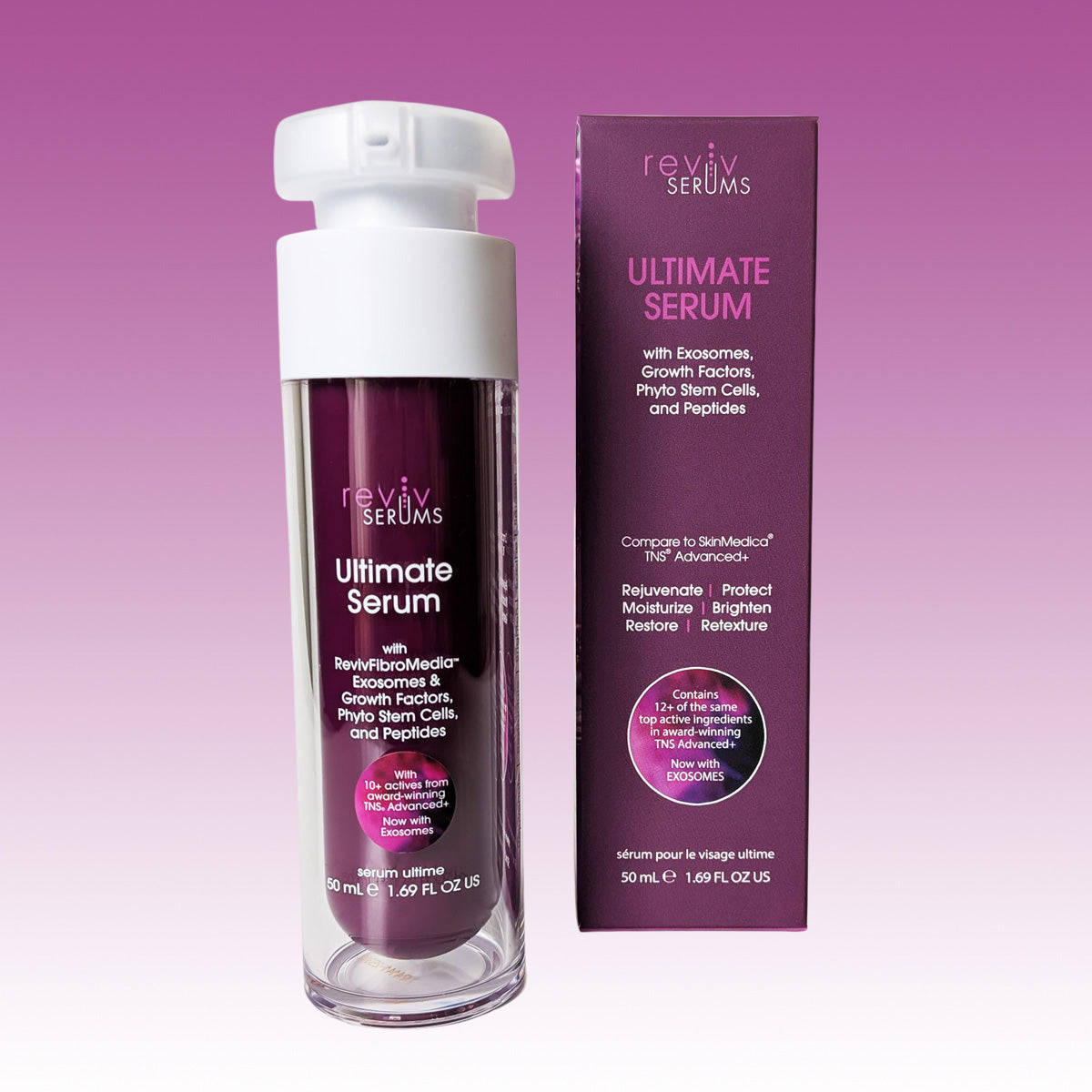
Another insight: Exosome products often cost more than peptide or growth factor serums. Beginners may want to start with peptides before trying exosomes.
Credit: revivserums.com
How To Choose The Right Regenerative Ingredient
Choosing between growth factors, peptides, and exosomes depends on your skin needs, age, and budget. Here’s a guide to help:
For Fine Lines And Early Aging
- Peptides are a good start. They are safe, easy to use, and improve skin texture.
- Look for products with Matrixyl or copper peptides.
For Deeper Wrinkles And Sagging
- Growth factors offer stronger repair.
- EGF or FGF serums can boost collagen and reduce wrinkles.
For Fast Recovery And Severe Damage
- Exosomes are best for scars, pigmentation, and deep healing.
- Try stem cell exosome serums (if available and affordable).
For Sensitive Skin
- Peptides are gentle and unlikely to cause irritation.
- Avoid growth factors or exosomes from animal sources.
For Long-term Anti-aging
- Combine peptides and growth factors for best results.
- Use peptides daily and growth factor serums 2–3 times per week.
Age Guide
| Age Group | Best Ingredient | Reason |
|---|---|---|
| 20s–30s | Peptides | Prevent early aging, gentle |
| 40s–50s | Growth Factors | Repair wrinkles, boost firmness |
| 60+ | Exosomes | Deep regeneration, advanced repair |
Common Mistakes When Using Regenerative Skincare
Many people use these powerful ingredients incorrectly. Here are mistakes to avoid:
- Using too many products at once. This can cause irritation.
- Not patch-testing new serums. Always check for allergies.
- Expecting instant results. Regenerative skincare takes weeks to show.
- Ignoring packaging. Growth factors and peptides must be protected from air and light.
- Skipping sunscreen. Sun damage slows down skin repair.
A smart tip: Start with one product, use it for 2–3 months, and track changes. Only add new ingredients when your skin adjusts.
Ingredients That Boost Regenerative Skincare
Some ingredients help regenerative compounds work better. Look for these in your products:
- Hyaluronic acid: Keeps skin hydrated and helps absorption.
- Vitamin C: Protects collagen and brightens skin.
- Ceramides: Strengthen skin barrier.
- Niacinamide: Reduces inflammation and improves tone.
Combining these with peptides, growth factors, or exosomes can give better results.
Science And Research Behind Regenerative Ingredients
Regenerative skincare is not just marketing. Many clinical studies support its benefits:
- A trial with EGF showed wrinkle reduction of 20% in 12 weeks.
- Matrixyl peptides improved skin firmness by 13% in a 3-month study.
- Exosome creams reduced scar visibility by 30% in 2 months.
The science is evolving. More studies are now comparing these ingredients to traditional retinoids and acids.
One key insight: The best results come from consistent use and proper application. Even the strongest ingredient will not work if you skip steps or use poor-quality products.
How Regenerative Ingredients Are Made
Growth Factors
Most growth factors are made in labs using biotechnology. They can come from:
- Human stem cells (safe, but expensive)
- Plant cells (gentler, vegan-friendly)
- Yeast or bacteria (cheap and stable)
Peptides
Peptides are made by linking amino acids in a chain. This is done in a lab. The process allows for specific functions, like collagen boosting or muscle relaxing.
Exosomes
Exosomes are collected from cultured cells (human, plant, or animal). They are filtered and purified to remove unwanted materials. This process is complex and costly.
Quality Control
High-quality products use clinical testing, clean sources, and proper packaging. Always check for certificates, third-party testing, and ingredient lists.
Real-life Examples And Case Studies
Example 1: Egf Serum For Wrinkle Reduction
Maria, age 48, used an EGF serum for 3 months. She noticed:
- Smoother skin
- Reduced fine lines around eyes
- Less redness
Her dermatologist measured a 22% reduction in wrinkle depth.
Example 2: Peptide Cream For Early Aging
John, age 35, started Matrixyl peptide cream. After 8 weeks:
- Skin felt firmer
- Fine lines on forehead faded
- No irritation
He combined peptide cream with sunscreen for better results.
Example 3: Exosome Treatment For Scars
Lina, age 55, tried exosome gel for acne scars. In 10 weeks:
- Scars were less visible
- Skin tone improved
- Fast healing after microneedling
Her doctor recommended exosome gel after clinic treatments.
Example 4: Combining Ingredients
Maya, age 42, used a peptide serum in the morning and a growth factor cream at night. After 4 months:
- Better elasticity
- Brighter skin tone
- Fewer breakouts
She learned that layering products gave the best results.
Regenerative Skincare In Clinics Vs. Home Use
Many clinics offer advanced treatments with growth factors and exosomes. These include:
- Microneedling with EGF
- Exosome injections
- PRP (platelet-rich plasma) facials
Home products are less powerful but safer for daily use. Clinics use higher concentrations and special devices.
Beginners should start with home serums and creams. If you want faster results, consult a dermatologist for clinic options.
Cost And Accessibility
Regenerative ingredients often cost more than basic skincare. Here’s a price guide:
- Peptide creams: $30–$80 per bottle
- Growth factor serums: $80–$200 per bottle
- Exosome products: $150–$400 per bottle
Clinic treatments can cost $300–$1500 per session.
An important insight: Price does not always mean quality. Check for proven research and clinical testing, not just marketing.
Regenerative Skincare For Different Skin Types
Dry Skin
- Peptides and exosomes help hydrate and repair.
- Combine with hyaluronic acid.
Oily Skin
- Growth factors balance oil and repair damage.
- Use lightweight serums.
Sensitive Skin
- Peptides are safest.
- Avoid animal-derived exosomes.
Mature Skin
- Growth factors and exosomes offer strong repair.
- Use daily for best results.
Acne-prone Skin
- Exosomes can reduce inflammation and heal scars.
- Peptides help repair damaged skin.
Regenerative Skincare For Special Needs
Post-surgery Or Wound Healing
Doctors use growth factor gels and exosome treatments to speed healing after surgery or injury. These products can reduce scarring and improve recovery.
Pigmentation And Melasma
Exosomes are now tested for pigmentation issues. They can help fade dark spots and even skin tone.
Hair Loss
Some clinics use exosome and growth factor injections for hair loss. These treatments stimulate hair follicles and promote growth.
Ingredient Comparison: Which Is Best?
Here is a summary to help you decide:
| Ingredient | Main Function | Best For | Safety | Cost |
|---|---|---|---|---|
| Peptides | Collagen boost, firming | Early aging, sensitive skin | Very safe | Low |
| Growth Factors | Repair, anti-aging | Wrinkles, sagging | Safe with patch test | Medium |
| Exosomes | Deep regeneration | Scars, severe aging | Safe if tested | High |
How To Use Regenerative Skincare For Best Results
Follow these tips for safe and effective use:
- Clean skin before applying any serum or cream.
- Apply peptides in the morning, growth factors at night.
- Use exosome products after clinic treatments.
- Always patch-test new products.
- Protect skin with sunscreen daily.
- Avoid mixing too many actives at once.
- Track changes over 8–12 weeks.
A practical tip: Write down your skin goals and take photos every month. This helps you see real progress.

Credit: www.platinumskincare.com
Regenerative Skincare Brands And Products
Several brands offer high-quality regenerative products. Look for:
- SkinMedica: EGF and TGF-β serums
- Neocutis: Growth factor creams
- The Ordinary: Peptide serums
- Celluma: Exosome gels
- Dr. Jart+: Peptide masks
Always check for clinical testing and honest ingredient lists. Avoid brands that do not share research or certificates.
Regulatory And Ethical Concerns
Regenerative ingredients must be made safely. Human-derived growth factors and exosomes must follow strict rules. Plant and yeast sources are safer and vegan-friendly.
Some countries ban animal-derived exosomes due to allergy risks. Always check your product’s origin. Look for ethical sourcing and cruelty-free labels.
Future Of Regenerative Skincare
Scientists are now testing new ways to use regenerative ingredients. These include:
- Combining exosomes with nanotechnology for deeper delivery
- Using AI to design custom peptides
- Creating plant-based growth factors for safe, affordable products
The field is growing fast. In a few years, regenerative skincare may become common for all ages.
You can track new research and trends at sources like PubMed for the latest clinical studies.
Frequently Asked Questions
What Are Growth Factors In Skincare?
Growth factors are proteins that help skin cells repair and renew. They are used in serums and creams to boost collagen, reduce wrinkles, and speed up healing. Most are made in labs from human, plant, or yeast cells.
Are Peptides Safe For Sensitive Skin?
Yes, most peptides are gentle and safe for sensitive skin. They rarely cause irritation. It is still smart to patch-test any new product to avoid allergies.
What Is The Difference Between Exosomes And Growth Factors?
Exosomes are small bubbles that carry many signals, including growth factors and peptides. Growth factors are single proteins. Exosomes offer deeper skin repair and are now used in advanced treatments.
How Long Does It Take To See Results With Regenerative Skincare?
Visible results usually take 8–12 weeks. Peptides work faster, but growth factors and exosomes give stronger, long-term improvements. Consistent use is key.
Can I Use Peptides, Growth Factors, And Exosomes Together?
Yes, you can combine these ingredients. Peptides are safe for daily use. Growth factors and exosomes should be used as directed. Start with one product and add others slowly to avoid irritation.
Regenerative skincare is a powerful way to help your skin repair and renew. By understanding growth factors, peptides, and exosomes, you can choose the best ingredients for your needs. The science is strong, but results depend on quality, consistency, and safe use. If you are ready to boost your skincare routine, start with proven products and track your progress. Your skin’s future can be brighter and healthier with these advanced ingredients.