

Dealing with post-inflammatory hyperpigmentation (PIH) can feel frustrating. Dark spots linger after acne, injuries, or skin irritation, making you self-conscious. Finding the best moisturizer for PIH is not just about hydration. It’s about choosing products that help fade discoloration, protect your skin, and stop more spots from forming.
Many people don’t realize how important moisturizers are in a PIH routine. They provide a barrier, deliver key ingredients, and help your skin repair itself faster.
If you’re looking for a moisturizer to address PIH, you probably want clear answers. Which ingredients actually work? What brands are reliable? How do you avoid making your hyperpigmentation worse? This guide covers everything you need to know. We’ll explain the science, compare top products, and share tips you won’t find in basic articles.
Whether your skin is oily, dry, or sensitive, you’ll find practical advice to make real progress.
Understanding Post-inflammatory Hyperpigmentation
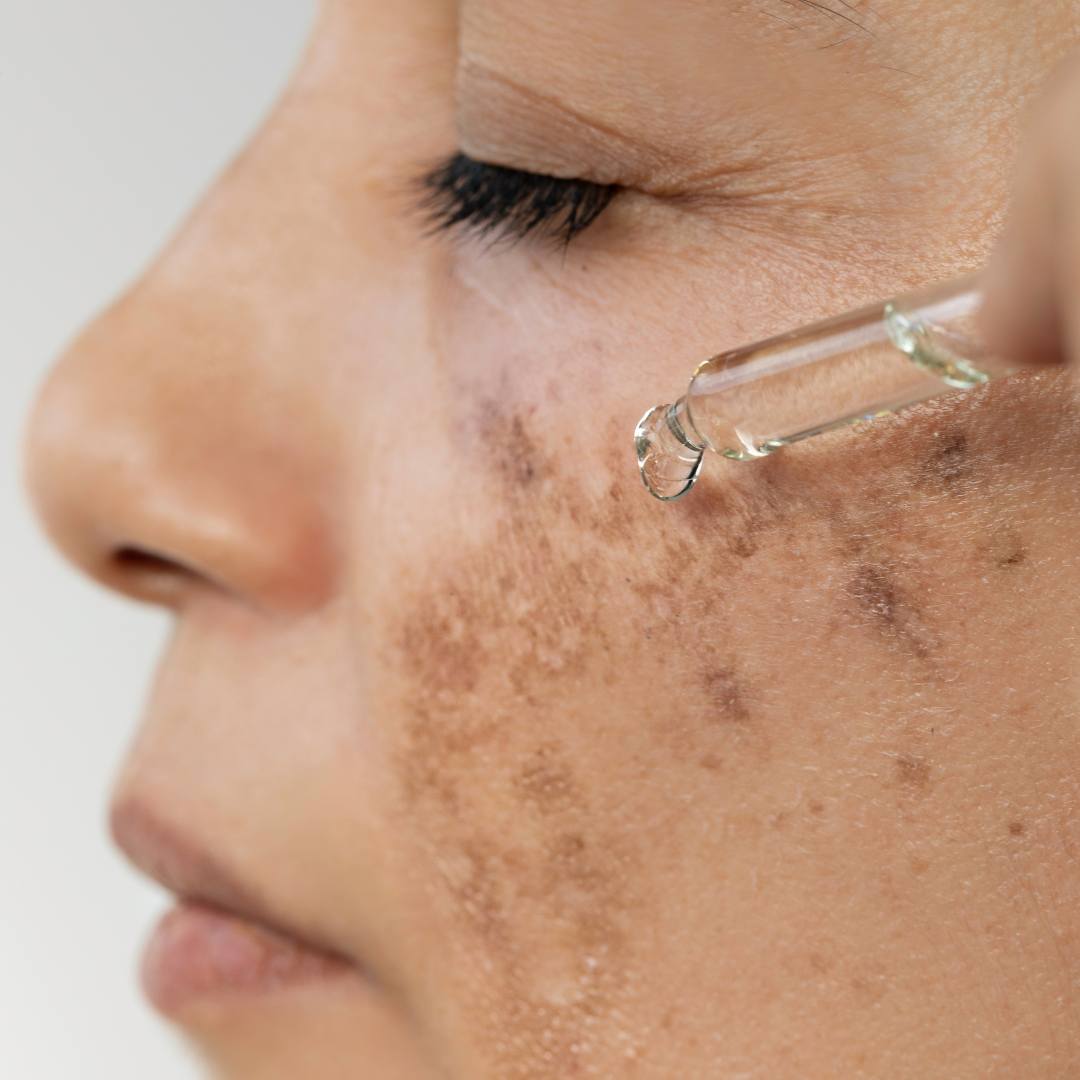
Post-inflammatory hyperpigmentation is a common skin problem. It happens when your skin produces extra melanin after an injury or inflammation. Acne, eczema, insect bites, and even harsh scrubs can trigger PIH. The result is dark spots or patches that stay for weeks or months.
Why Pih Happens
When your skin heals from inflammation, it sometimes overreacts. The cells called melanocytes make more pigment as a defense. This pigment shows up as brown, black, or sometimes blue-gray marks. PIH affects all skin types, but it’s especially common in medium to dark skin tones. The marks don’t hurt, but they can be stubborn and slow to fade.
Common Triggers
- Acne breakouts
- Cuts or scrapes
- Allergic reactions
- Sunburns
- Chemical peels or laser treatments
How Long Does Pih Last?
Most PIH spots last from a few weeks to several months. Deeper marks can stick around for a year or more. Sun exposure makes PIH worse and slows healing. Using the right moisturizer can speed up recovery and protect your skin.
The Role Of Moisturizers In Pih Treatment
You might wonder: Can a moisturizer really fade hyperpigmentation? The answer is yes—if you choose the right one. Moisturizers help PIH in several ways:
- Hydration: Well-hydrated skin repairs itself faster. Dry skin slows healing and can make spots more visible.
- Barrier protection: Moisturizers seal in moisture and protect against environmental triggers, like pollution and UV rays.
- Delivery of actives: Many moisturizers contain ingredients that lighten dark spots and calm inflammation.
- Prevention: By keeping skin healthy, moisturizers reduce the risk of new PIH spots forming.
A common mistake is using harsh treatments without moisturizing. This can make PIH worse. The best routine includes gentle cleansing, targeted treatments, and a supportive moisturizer.
Key Ingredients To Look For
Not all moisturizers help PIH. Some only hydrate, while others target pigment. Here are the most effective ingredients for fading dark spots:
- Niacinamide: Helps lighten spots and calm redness.
- Vitamin C: Brightens skin and blocks pigment production.
- Ceramides: Repair the skin barrier and prevent irritation.
- Hyaluronic acid: Deep hydration without clogging pores.
- Licorice extract: Reduces melanin activity.
- Azelaic acid: Fades spots and fights acne.
- Retinol: Speeds cell turnover (use only at night).
- Arbutin: Inhibits melanin production.
- Sunscreen: Prevents spots from getting darker.
Some moisturizers combine several of these. Others focus on just one. It’s important to match the ingredients to your skin’s needs.
Comparing Moisturizer Types For Pih
Different skin types need different products. Let’s compare common moisturizer forms:
| Type | Texture | Best For | PIH Benefits |
|---|---|---|---|
| Cream | Thick, rich | Dry or mature skin | Deep hydration, barrier repair |
| Lotion | Light, fluid | Normal to oily skin | Even hydration, absorbs fast |
| Gel | Cool, lightweight | Oily, acne-prone skin | Non-comedogenic, soothes irritation |
| Serum | Concentrated, thin | All skin types | Delivers actives, quick results |
Most people with PIH have sensitive or acne-prone skin. Gels and serums often work well, but creams can help if your skin feels tight or flaky.
:max_bytes(150000):strip_icc()/Best-Products-for-Hyperpigmentation-Byrdie-Tout-934af0726a3b4f119ecd2179fabb2a9c.jpg)
Credit: www.byrdie.com
Top Moisturizers For Post-inflammatory Hyperpigmentation
Let’s look at the best products on the market. Each one targets PIH and offers unique benefits. This list covers a range of budgets and skin types.
1. Cerave Pm Facial Moisturizing Lotion
This popular moisturizer is gentle and effective for PIH. It contains niacinamide and ceramides, which help fade spots and repair the skin barrier. The lightweight formula suits most skin types, including sensitive and acne-prone. It’s fragrance-free and non-comedogenic.
Key Benefits
- Boosts hydration with hyaluronic acid
- Repairs and strengthens skin
- Reduces redness and dark spots
2. Neutrogena Hydro Boost Water Gel
Hydro Boost uses hyaluronic acid to deeply hydrate without feeling greasy. It’s ideal for oily or combination skin. While it doesn’t target pigment directly, it helps skin heal faster and keeps spots from getting worse. Many dermatologists recommend it as a base layer.
Key Benefits
- Lightweight, absorbs quickly
- Plumps skin for a smoother look
- Works well under makeup
3. La Roche-posay Mela-d Pigment Control Glycolic Cream
This moisturizer combines glycolic acid and vitamin C to exfoliate and brighten. It’s designed for hyperpigmentation, but you should use it at night and pair it with sunscreen. The formula helps fade PIH and smooth rough texture.
Key Benefits
- Targets dark spots with gentle acids
- Boosts radiance and clarity
- Suitable for normal to dry skin
4. Paula’s Choice Resist Barrier Repair Moisturizer
Paula’s Choice includes retinol and antioxidants to speed cell turnover. It’s a good option if you want visible results, but sensitive skin users should start slowly. The moisturizer also contains ceramides for barrier repair.
Key Benefits
- Fades spots and evens tone
- Strengthens skin against irritants
- Helps with fine lines and texture
5. Aveeno Positively Radiant Daily Moisturizer Spf 30
Sun protection is essential for PIH. Aveeno combines soy extract (which lightens spots) with broad-spectrum SPF. It hydrates, protects, and helps fade discoloration, making it a great daytime option.
Key Benefits
- Shields against UV rays
- Improves skin tone over time
- Non-greasy, suitable for all skin types
6. Eucerin Advanced Repair Cream
Eucerin is known for repairing very dry skin. This cream contains urea and ceramides, which support healing. It’s not specifically for PIH but helps maintain healthy skin so spots fade faster. Good for those with eczema or irritation.
Key Benefits
- Deeply moisturizes
- Soothes rough, flaky patches
- Supports recovery after inflammation
7. Differin Restorative Night Moisturizer
This moisturizer is designed for acne-prone skin. It contains niacinamide and ceramides to calm irritation and support healing. The formula is oil-free and lightweight, making it safe for daily use.
Key Benefits
- Reduces redness and dark marks
- Strengthens the skin barrier
- Works well with acne treatments
8. Skinceuticals Triple Lipid Restore 2:4:2
This high-end moisturizer uses a blend of ceramides, cholesterol, and fatty acids to repair the skin. It helps PIH by creating a strong barrier and reducing inflammation. The formula suits mature or dry skin.
Key Benefits
- Supports skin renewal
- Reduces sensitivity and dark spots
- Rich texture, ideal for nighttime
9. Vanicream Moisturizing Cream
Vanicream is simple but effective. It’s free of dyes, fragrances, and irritants. The cream is suitable for sensitive skin and helps keep PIH from worsening. It doesn’t contain actives like niacinamide, but it’s good for basic barrier repair.
Key Benefits
- Safe for allergy-prone skin
- Provides lasting hydration
- Prevents new irritation
10. Murad Rapid Age Spot And Pigment Lightening Serum
Murad’s serum uses hydroquinone and glycolic acid to lighten spots fast. It’s strong, so start slowly and use sunscreen. The formula also includes antioxidants to support healing. Not recommended for very sensitive skin.
Key Benefits
- Targets stubborn marks
- Speeds up fading
- Works best with consistent use
11. The Ordinary Azelaic Acid Suspension 10%
Azelaic acid is a favorite for PIH. This moisturizer-serum hybrid fights pigment, acne, and redness. The gel texture suits oily skin. The Ordinary is affordable and effective.
Key Benefits
- Fades dark spots
- Calms irritation
- Prevents new blemishes
12. Eltamd Uv Clear Broad-spectrum Spf 46
EltaMD is a dermatologist favorite. This moisturizer is lightweight and contains niacinamide. It also offers strong sun protection, which is crucial for PIH. Suitable for sensitive or acne-prone skin.
Key Benefits
- Shields skin from UV damage
- Prevents darkening of spots
- Supports healthy healing
13. Bioderma Sensibio Ar Cream
This cream targets redness and pigment in sensitive skin. It uses anti-inflammatory ingredients to calm irritation and prevent PIH from worsening. Good for those with rosacea or frequent breakouts.
Key Benefits
- Reduces visible redness
- Protects against new marks
- Hydrates without clogging pores
14. Olay Regenerist Luminous Tone Perfecting Cream
Olay’s formula uses niacinamide and glycerin to brighten and hydrate. It’s marketed for dark spots and uneven tone. The cream feels rich but absorbs well, making it suitable for most skin types.
Key Benefits
- Lightens PIH over weeks
- Smooths skin texture
- Affordable and easy to find
15. Ambi Skincare Fade Cream
Ambi Fade Cream is popular in communities of color. It contains hydroquinone and vitamin E to lighten dark marks. The formula is strong, so use sparingly and always with sunscreen.
Key Benefits
- Targets stubborn PIH
- Helps even skin tone
- Best for medium to deep skin tones
16. First Aid Beauty Ultra Repair Cream
This moisturizer uses colloidal oatmeal and ceramides to soothe and repair. It’s good for sensitive or irritated skin. While not a pigment treatment, it helps spots fade by keeping skin healthy.
Key Benefits
- Calms redness and itching
- Deep hydration
- Safe for eczema and allergy-prone skin
17. Kiehl’s Clearly Corrective Brightening & Smoothing Moisture Treatment
Kiehl’s combines activated vitamin C and white birch extract to brighten skin. The cream targets uneven tone and helps fade PIH over time. It’s gentle enough for daily use.
Key Benefits
- Boosts radiance
- Smooths rough patches
- Gradually lightens spots
18. Drunk Elephant C-firma Day Serum
Drunk Elephant’s serum uses potent vitamin C and antioxidants. It helps block pigment and repair damage. The formula is lightweight and absorbs fast. Use in the morning with sunscreen.
Key Benefits
- Brightens skin and fades spots
- Protects against environmental damage
- Good for normal to oily skin
19. Cetaphil Daily Facial Moisturizer Spf 15
Cetaphil is a classic choice for sensitive skin. This moisturizer includes SPF, which is essential for PIH. It hydrates gently and helps prevent new marks. Simple formula, safe for daily use.
Key Benefits
- Combines hydration and sun protection
- Reduces risk of new PIH
- Non-irritating
20. Skinmedica Lytera 2.0 Pigment Correcting Serum
Lytera uses tranexamic acid and other actives to fade stubborn pigment. It’s designed for all skin tones and types. The serum works well with other moisturizers and treatments.
Key Benefits
- Reduces dark spots in weeks
- Safe for sensitive skin
- Supports long-term improvement
How To Choose The Best Moisturizer For Your Skin
With so many options, picking the right moisturizer can feel overwhelming. Here’s how to narrow it down:
Skin Type Matters
- Oily/acne-prone: Look for gels or light lotions with niacinamide, azelaic acid, or vitamin C.
- Dry/sensitive: Choose creams with ceramides, oatmeal, or gentle antioxidants.
- Combination: Use layered products—a serum for spots, a cream for hydration.
Check The Ingredient List
Avoid moisturizers with fragrances, alcohol, or strong acids if your skin is irritated. Focus on products with proven actives and barrier-repair ingredients.
Sun Protection Is Essential
PIH gets worse with sun exposure. Always use a moisturizer with SPF during the day. If your favorite product doesn’t have SPF, layer it under a dedicated sunscreen.
Patch Test First
Some ingredients can cause irritation or allergies. Test new moisturizers on a small area before using on your face.
Price Vs. Performance
Expensive doesn’t always mean better. Many affordable brands offer great results. Compare ingredients and reviews before buying.

Credit: www.skintherapyletter.com
Comparing Top Pih Moisturizers
To help you decide, here’s a quick comparison of three popular PIH moisturizers:
| Brand | Main Ingredients | Texture | Price Range | PIH Effectiveness |
|---|---|---|---|---|
| CeraVe PM | Niacinamide, ceramides | Light lotion | $12–$18 | Excellent for mild-moderate spots |
| Murad Rapid Age Spot Serum | Hydroquinone, glycolic acid | Thin serum | $60–$75 | Fast results, strong formula |
| EltaMD UV Clear | Niacinamide, SPF 46 | Light gel | $34–$42 | Great for prevention and sensitive skin |
Each product has strengths and weaknesses. If you want a gentle, affordable option, CeraVe PM is reliable. For stubborn spots, Murad works faster but can irritate. EltaMD is ideal if you need daily sun protection.
Common Mistakes When Treating Pih
Many people make errors that slow their progress or even make PIH worse. Here’s what to avoid:
- Skipping sunscreen: Even the best moisturizer won’t help if you don’t protect your skin from UV rays.
- Over-exfoliating: Too much scrubbing or acids can cause more inflammation and new PIH spots.
- Using harsh treatments: Avoid products with alcohol, strong fragrances, or rough physical exfoliants.
- Ignoring hydration: Dry skin heals slowly and shows pigment more clearly.
- Not patch testing: Allergic reactions can create new dark spots.
- Switching products too often: Stick with one routine for at least 8–12 weeks to see results.
A non-obvious tip: Many people focus only on their face. PIH can appear on the body, too—hands, chest, or back. Use the same care routine on these areas.
Real-world Results And Data
Clinical studies show that moisturizers with niacinamide can reduce PIH by up to 35% in eight weeks. Vitamin C serums often improve skin tone by 20–30%. Products with hydroquinone offer faster results but come with risks, including irritation and rebound pigment.
A 2022 study found that combining moisturizer, sunscreen, and targeted actives speeds up PIH recovery two times faster than using treatments alone. This is why layering products is often recommended.
Some brands publish their own data. For example, CeraVe PM users report smoother, clearer skin in four weeks. Murad’s Rapid Age Spot Serum claims visible fading in two weeks for most users.
Advanced Tips For Pih Recovery
Beyond basic routines, here are some advanced strategies:
- Layering: Apply a serum with vitamin C or azelaic acid, then a moisturizer, then sunscreen. This maximizes benefits.
- Night care: Use retinol or glycolic acid at night, followed by a rich cream. Avoid sun exposure after these treatments.
- Gentle cleansing: Use a mild, non-foaming cleanser to avoid stripping your skin.
- Diet: Foods rich in antioxidants (berries, leafy greens) help your skin repair from within.
- Stress management: Stress can worsen inflammation and slow healing. Try meditation, exercise, or sleep routines.
Many people miss the importance of consistency. Results come slowly—stick with your routine even if you don’t see immediate changes.
Credit: www.minarsdermatology.com
What Dermatologists Recommend
Dermatologists advise using moisturizers with proven actives and always pairing them with sunscreen. For stubborn PIH, prescription treatments like hydroquinone or tretinoin may be suggested. But over-the-counter options are often enough for mild to moderate cases.
They also stress avoiding triggers—don’t pick at acne, don’t use harsh scrubs, and keep your skin barrier strong. The right moisturizer is the foundation of any PIH routine.
Popular Myths About Moisturizers And Pih
- “Natural is always better.” Some natural oils can clog pores or irritate skin. Look for tested ingredients.
- “Moisturizers can’t fade spots.” Many contain actives that lighten pigment—don’t underestimate their power.
- “You need expensive brands.” Affordable products like CeraVe or Cetaphil often work just as well.
How To Build A Complete Pih Routine
Here’s a sample routine that combines all the advice above:
- Morning:
- Gentle cleanser
- Vitamin C serum (optional)
- Moisturizer with niacinamide or ceramides
- Sunscreen (SPF 30+)
- Evening:
- Mild cleanser
- Spot treatment (azelaic acid, retinol, or glycolic acid)
- Moisturizer (choose rich cream if skin is dry)
- Weekly:
- Gentle exfoliation (enzyme mask or mild acid)
This routine can be adjusted to your skin’s needs. The most important step is sunscreen—without it, PIH will not fade.
Expert Insights Most Beginners Miss
- Moisturizer texture matters: Heavy creams can clog pores on oily skin. Light gels may not be enough for dry skin.
- Sun protection is 24/7: Even on cloudy days, UV rays worsen PIH.
- Actives need patience: Most ingredients take 8–12 weeks to show results. Don’t give up too early.
- Hydration speeds healing: Well-hydrated skin turns over cells faster, fading spots sooner.
When To See A Dermatologist
If PIH doesn’t improve after three months of consistent care, or if you have severe marks, consult a dermatologist. They can offer prescription options or test for underlying skin conditions.
Sometimes, PIH is mistaken for other problems—melasma, age spots, or scarring. Expert advice helps you find the right treatment.
Long-term Prevention Of Pih
Once your spots fade, keep them from coming back:
- Always use sunscreen.
- Avoid picking at pimples or injuries.
- Use gentle skincare products.
- Moisturize daily to keep your skin barrier strong.
Frequently Asked Questions
What Is The Best Moisturizer For Post-inflammatory Hyperpigmentation?
The best moisturizer depends on your skin type. CeraVe PM is great for most people because it contains niacinamide and ceramides. EltaMD UV Clear is good for sensitive or acne-prone skin and offers strong sun protection. For stubborn spots, Murad Rapid Age Spot Serum works fast but is stronger.
Should I Use Moisturizer Alone For Pih?
No. Moisturizers support healing, but combining them with actives like vitamin C, niacinamide, or azelaic acid gives better results. Always use sunscreen during the day. Layering products is more effective than using moisturizer alone.
How Long Does It Take For Pih To Fade With Moisturizer?
PIH usually fades in 8–12 weeks with consistent use of the right products. Deeper spots may take longer. Using moisturizers with active ingredients, plus sunscreen, speeds up the process. Results vary based on your skin’s healing rate.
Can Moisturizers Make Pih Worse?
Some moisturizers can irritate skin or clog pores, leading to more inflammation and new spots. Avoid products with fragrances, alcohol, or harsh acids. Always patch test new moisturizers, and choose formulas suited to your skin type.
Is It Safe To Use Retinol Or Hydroquinone In Moisturizers For Pih?
Retinol and hydroquinone are effective but can irritate sensitive skin. Start slowly, use only at night, and always wear sunscreen. If you notice redness or peeling, reduce use or try milder actives like niacinamide or azelaic acid. Consult a dermatologist if unsure.
Final Thoughts
Post-inflammatory hyperpigmentation can feel stubborn, but the right moisturizer makes a big difference. Choose products with proven actives, match your skin type, and always protect your skin from the sun. Most people see real progress with consistent routines and patience. Don’t forget—hydration, barrier repair, and gentle care are just as important as spot treatments. If your PIH doesn’t improve, seek expert advice. For more details on skin care science, visit DermNet NZ. Remember, healthy skin starts with smart choices—your journey to clear, even skin is possible.